The roots of Scottish art can be traced back to the ancient Celtic period, where intricate designs and motifs adorned manuscripts, stone carvings, and artifacts. The Picts, an early Celtic people, left behind enigmatic symbols and symbols, which later inspired artists to incorporate elements of Celtic art into their work.
During the medieval period, Scottish painting flourished within the confines of monasteries and royal courts. Illuminated manuscripts and religious frescoes adorned the walls of abbeys and castles, showcasing the skill and craftsmanship of Scottish artists. The influence of Gothic art from continental Europe also left its mark on Scottish painting, with artists like the Master of the Stirling Heads creating stunning works of religious art.
The Renaissance period brought a renewed interest in classical art and humanism to Scotland. Artists such as George Jamesone, often hailed as the "Scottish Van Dyck," emerged as leading figures, blending Scottish portraiture with the techniques and styles of the Italian Renaissance. The Scottish Enlightenment further fueled artistic innovation, with painters like Allan Ramsay and Henry Raeburn capturing the intellectual and cultural vibrancy of the period through their portraits.
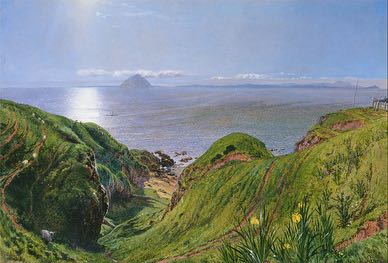
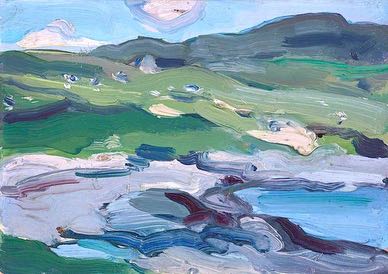
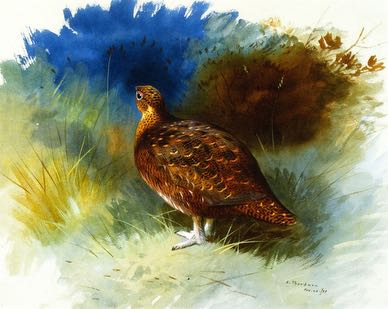
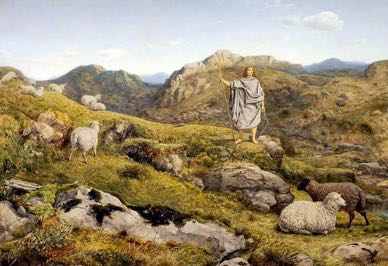
The 19th century witnessed a flowering of Scottish landscape painting, as artists ventured into the Highlands and Islands to capture the wild beauty of the Scottish countryside. Figures like Horatio McCulloch and Alexander Nasmyth depicted dramatic scenes of mountains, lochs, and moors, romanticizing Scotland's rugged terrain and stirring the imagination of art lovers around the world.
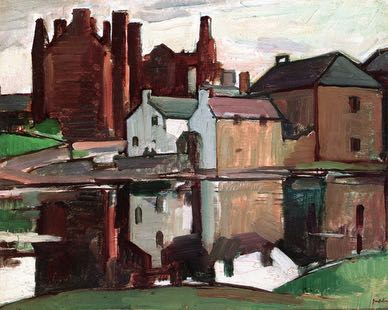
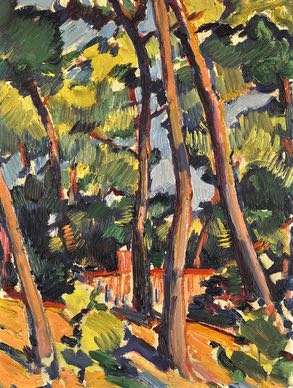
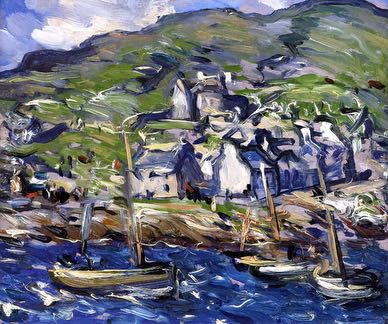
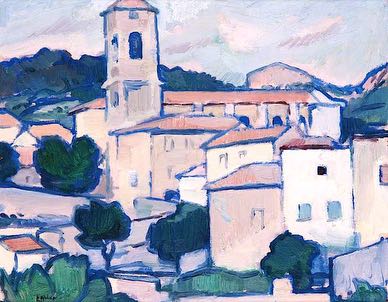
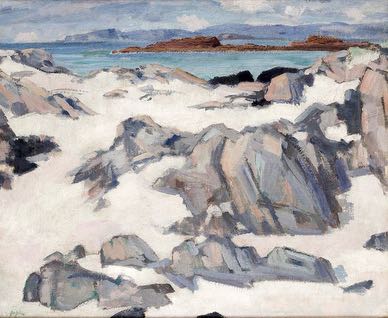
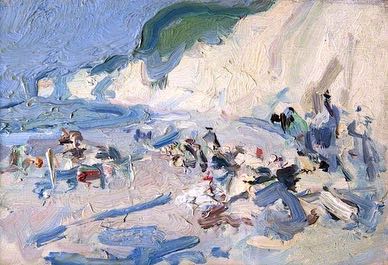
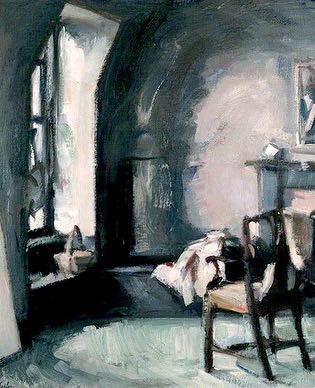
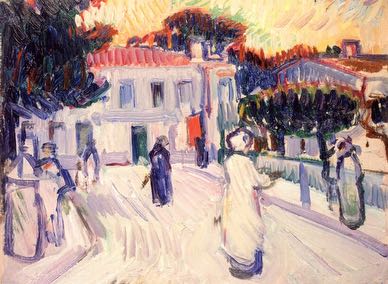
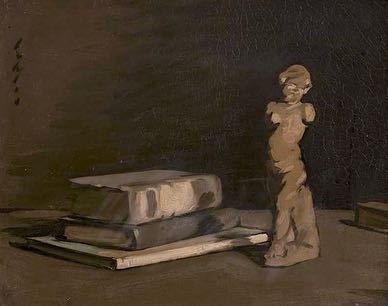
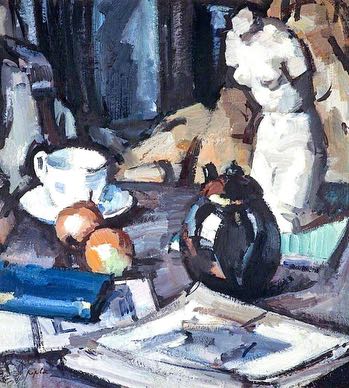
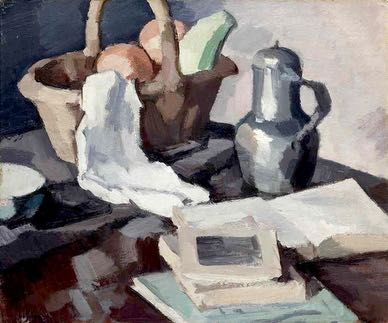
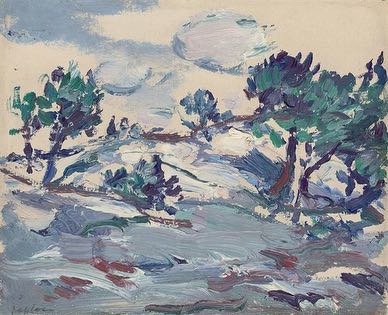
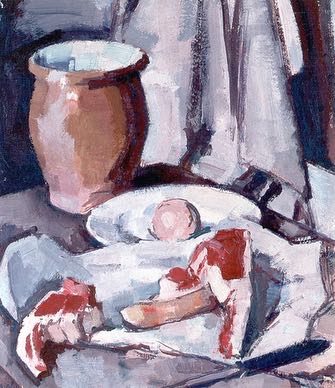
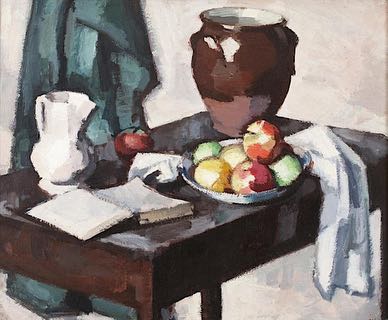
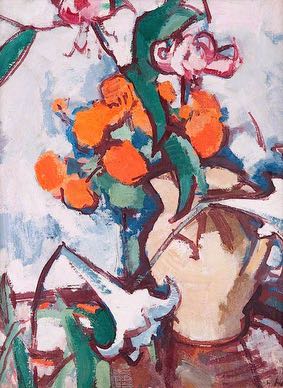
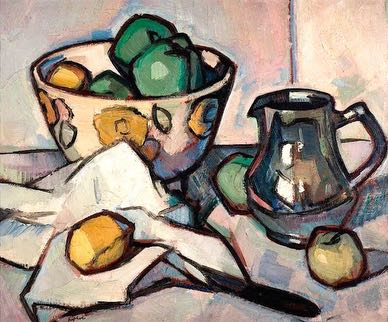
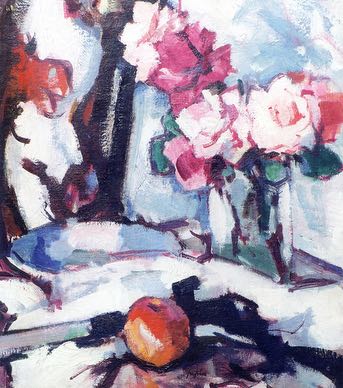
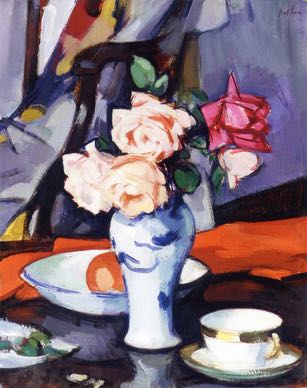
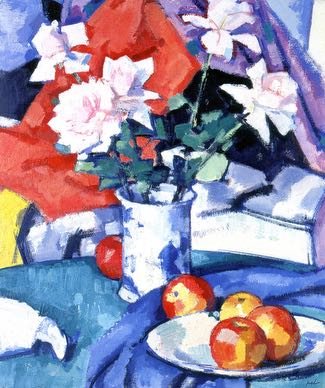
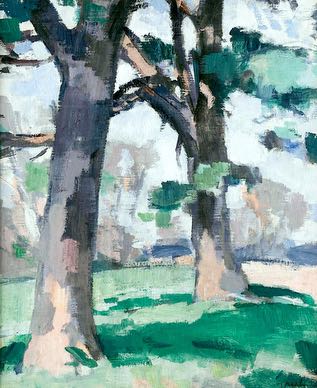
The turn of the 20th century brought a new wave of artistic experimentation to Scotland, as painters embraced modernist movements such as Fauvism, Cubism, and Surrealism. The Scottish Colourists, including Samuel Peploe and Francis Cadell, explored bold colors and abstract forms, while artists like Joan Eardley and Eduardo Paolozzi pushed the boundaries of traditional painting with their avant-garde techniques and concepts.
Today, Scottish painting continues to evolve, with contemporary artists drawing inspiration from Scotland's rich cultural heritage, stunning landscapes, and dynamic urban environments. From traditional oil paintings to digital art and multimedia installations, Scottish artists continue to push the boundaries of artistic expression, ensuring that the legacy of Scottish painting remains vibrant and relevant in the 21st century.
Copyright © 2026 BrushWiz. All Rights Reserved.