

❄️ Winter Sale. Offer Ends 11/23/2026. View Details
❄️ Winter Sale. Ends 11/23/2026. View Details
❄️ Winter Sale. View Details
Artists
Subjects
Movements
Collections
Decor
Portraits
Commissions
Framing
Reviews
Gift Cards
On Sale
Albert Bierstadt Oil Painting Reproductions
Shop museum-quality reproductions of Albert Bierstadt’s most famous paintings, each hand-painted in oil on canvas by a professional artist.
Shop Art
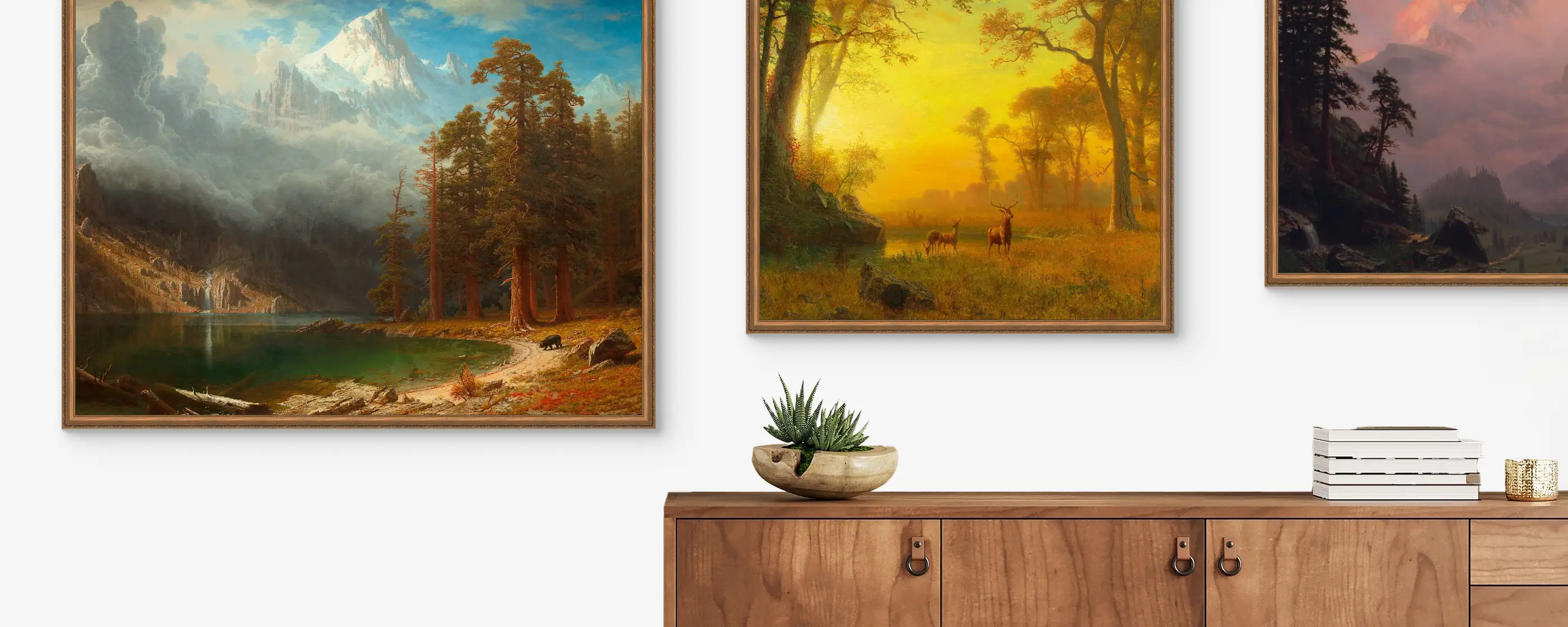
Showing 1-40 of 347 results
Sort By
Most Popular
- Most Popular
- New Arrivals
- Best Sellers
- Alphabetical A-Z
- Alphabetical Z-A


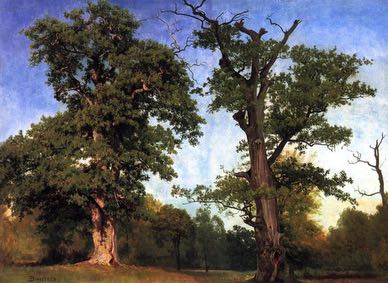
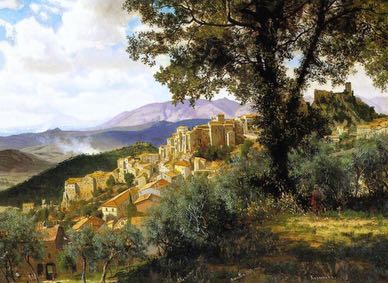
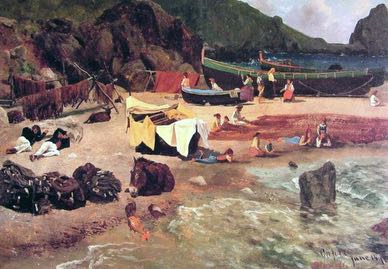
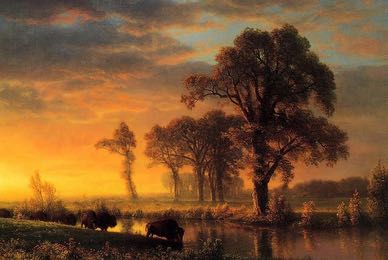
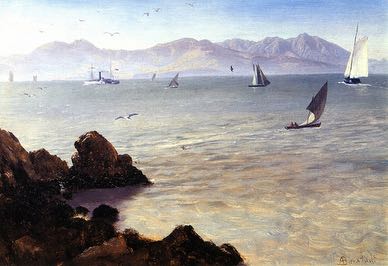
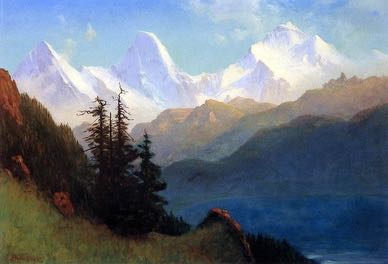

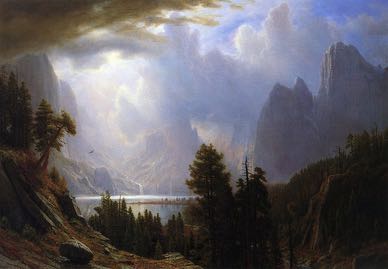
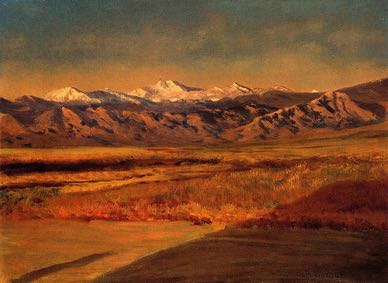

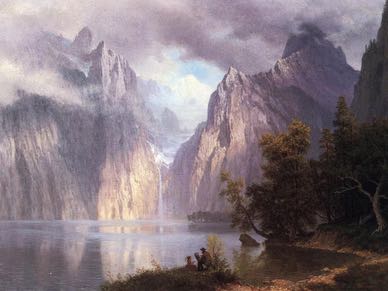
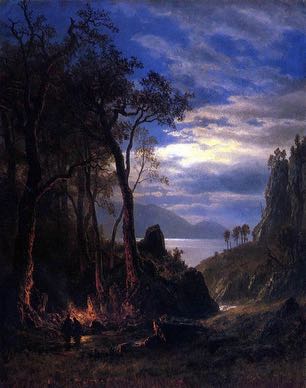
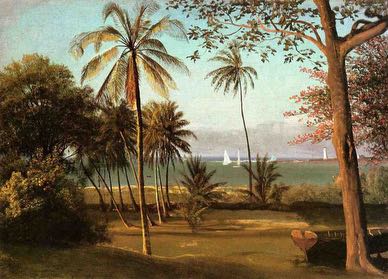
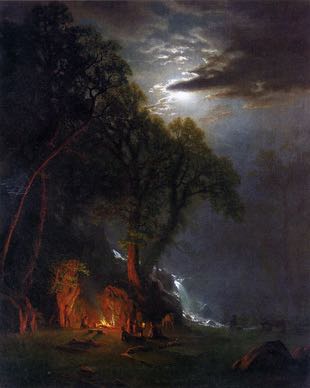

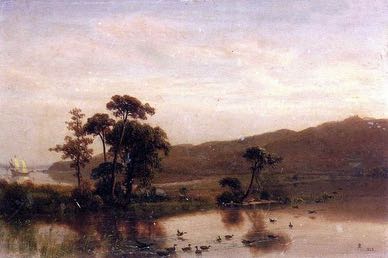
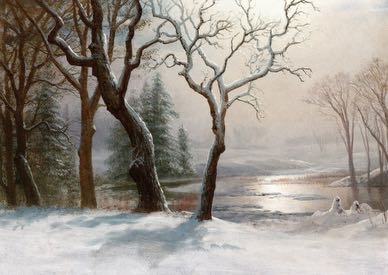
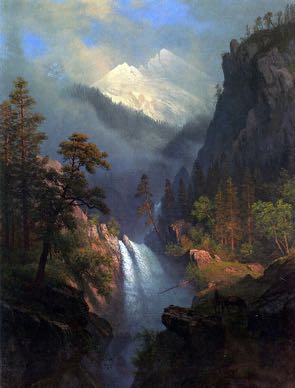


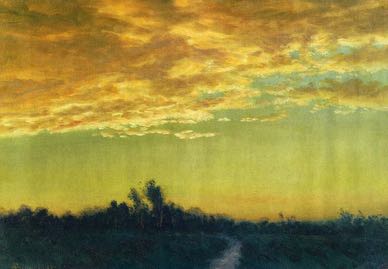

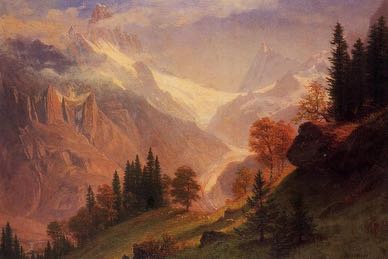

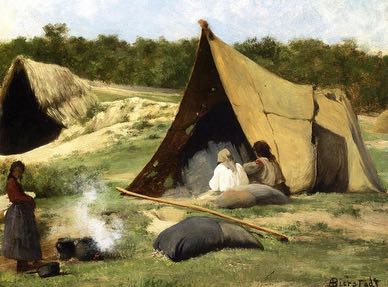
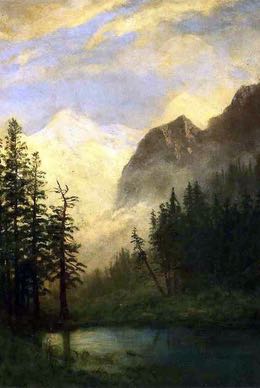

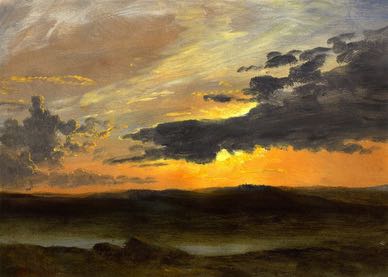
Can’t Find the Painting You Want?
Send us a reference image. We can recreate almost any artwork in the size and style you’re looking for.
Get a Free QuoteHand-Painted Albert Bierstadt Reproductions
Bring Bierstadt’s art into your home with an oil-on-canvas reproduction hand-painted by a professional artist. Our collection features hundreds of paintings from across his career, including Among the Sierra Nevada, California, The Rocky Mountains, Lander’s Peak, and Valley of the Yosemite. Discover snow-capped peaks, mountain lakes, waterfalls, western plains, luminous skies, and other subjects closely associated with Bierstadt. Every reproduction is a real oil painting, offering depth and texture that a print or digital transfer cannot provide. From iconic masterpieces to lesser-known works, find a Bierstadt painting that suits your space.
The Making of an Albert Bierstadt Oil Painting Replica
Creating an Albert Bierstadt oil painting replica requires patience, precision, and an understanding of the original artwork. Our studio includes artists experienced in Luminist landscape painting who understand the distinctive qualities of Bierstadt’s work. Before painting begins, the artist studies the source image, paying close attention to its expansive composition, atmospheric depth, dramatic light, detailed terrain, reflected color, and carefully scaled figures. These elements are recreated by hand in oil on canvas using an approach suited to the original. Once complete, the reproduction is inspected by our quality-control team and photographed for your approval.
Custom Sizes and Frames for Your Bierstadt Painting
Your Bierstadt painting can be ordered in practically any size, from standard dimensions to custom canvas sizes selected on the product page. This flexibility lets you choose a painting that fits your wall and complements your room perfectly. After selecting the size, you can choose from high-quality frames in classic or modern designs, with canvas stretching available. Our framing options complement the rich colors and panoramic character of Bierstadt’s mountain, valley, and wilderness scenes. With sizing, stretching, and framing arranged in one order, your artwork can arrive ready for display without a visit to a frame shop.
Order an Albert Bierstadt Reproduction with Confidence
Buying hand-painted art online should feel clear and comfortable. After your Albert Bierstadt reproduction is completed, we send high-resolution photographs for your review before shipping. You can inspect the composition, colors, landscape details, and overall finish, then request adjustments if needed. The painting is dispatched only after you approve it, so you know what to expect when it arrives. Your order also includes free express worldwide shipping and is covered by our 90-day return policy. Together, these assurances help you purchase a Bierstadt oil painting with greater confidence and peace of mind.
The Life and Art of Albert Bierstadt
Albert Bierstadt was a German-born American landscape painter and a leading figure associated with the Hudson River School. Born in 1830, he grew up in Massachusetts and later returned to Germany for artistic training. He became famous for sweeping views of the Rocky Mountains, Yosemite Valley, and the Sierra Nevada, as well as western lakes, waterfalls, and plains. Working from sketches gathered on his travels, Bierstadt composed his largest paintings in the studio, using dramatic light and immense scale to emphasize nature’s grandeur. These panoramas shaped nineteenth-century perceptions of the American West and made him one of the most successful landscape artists of his day.
Read More
Who Was Albert Bierstadt?
Albert Bierstadt was born on 7 January 1830 in Solingen, Prussia, now part of Germany. He was about two when his family emigrated to the United States and settled in New Bedford, Massachusetts. Ships, trade, and travel were part of daily life in the busy port, whose community had connections reaching far beyond the American coast.
Bierstadt took an early interest in drawing and advertised himself as an instructor before he had received much formal training of his own. His career would eventually bring European landscape traditions to American subjects, especially parts of the West that few of his eastern or European viewers had seen.
The vast western panoramas made his name, but they represent only part of his work. Bierstadt also painted New England woods, European mountains and lakes, tropical shores, seascapes, wildlife, and small landscape studies. Travel supplied the material. In the studio, he usually rearranged what he had observed to give the finished painting its shape.
What Did Bierstadt Learn in Düsseldorf?
In 1853, Bierstadt returned to Germany to work in Düsseldorf, then a major center for landscape painting. Artists associated with the Düsseldorf school valued precise drawing, detailed surfaces, and carefully arranged depth. Their compositions led the eye in stages from the foreground into the distance, an approach well suited to Bierstadt’s ambitions.
Among the American painters he knew there was Worthington Whittredge. Travels through Germany, Switzerland, and Italy gave Bierstadt opportunities to study mountains, lakes, buildings, and changes in the atmosphere. His large Lake Lucerne shows how he could turn sketches made on location into an expansive, carefully organized panorama.
He returned to the United States in 1857 with the technical grounding to tackle ambitious landscapes. At first, he worked in New England and the White Mountains. Growing public interest in western exploration soon pointed him toward scenery that could match the scale of the paintings he wanted to make.
Where Did Bierstadt’s First Western Expedition Take Him?
In 1859, Bierstadt joined a government survey expedition led by Colonel Frederick W. Lander. The party crossed the Plains toward the Wind River Range in what is now Wyoming. Along the route, he sketched mountains, camps, animals, and Indigenous communities, recording the weather and vegetation in drawings, oil studies, and other observations.
These studies gave him firsthand knowledge of the region, though the finished canvases rarely reproduced a single view. Back in New York, Bierstadt brought together material from different locations, adjusting terrain, light, scale, and figures until the parts formed a convincing whole. The mountains owed their drama to decisions made in the studio as well as to the journey itself.
The Rocky Mountains, Lander’s Peak was the expedition’s defining artistic result. Towering peaks rise above reflective water, wildlife, and a Shoshone encampment. This carefully staged vision of the West captivated eastern audiences and secured Bierstadt’s national reputation.
How Did Bierstadt Create His Monumental Landscapes?
Drawings, small oil sketches, photographs, and memories all contributed to Bierstadt’s largest paintings. He selected elements from this material according to what the composition needed. Trees or rocks often frame the foreground, opening onto a broad middle distance before the eye reaches a sunlit mountain, cloud, or waterfall.
Some canvases were exhibited as “Great Pictures.” Installed behind curtains in a carefully lit room, a monumental landscape could be revealed to a paying audience much like a theatrical production. The presentation made looking at a painting a public event and helped carry Bierstadt’s reputation overseas.
Within the pictures, dark foregrounds often give way to radiant openings in the distance. Small people, animals, tents, and buildings help viewers grasp the apparent size of a cliff or valley. Recognizable terrain remains at the heart of these scenes, but Bierstadt adjusted it freely to deepen the space and heighten its grandeur.
When Did Bierstadt Begin Painting Yosemite?
Bierstadt headed west again in 1863 and reached California and Yosemite Valley. He studied granite cliffs, waterfalls, forests, riverbanks, and the light moving across them. Back in New York, this material became the basis for paintings that helped make Yosemite one of the most familiar landscapes in American art.
In Looking Down Yosemite Valley, California, an elevated viewpoint opens the valley toward distant light. Elsewhere, Bierstadt brought the viewer closer to the Merced River, a waterfall, a camp, or a particular rock formation. Yosemite offered intimate studies as well as sweeping views.
He returned to California in the early 1870s, keeping a studio in San Francisco while traveling through the Sierra Nevada. These visits added new subjects to his western repertoire and gave him time to see familiar places under different skies, in different seasons, and at different hours.
Why Is Light So Important in Bierstadt’s Landscapes?
Light gives Bierstadt’s landscapes much of their structure. A sunlit valley opens beyond dark trees; clouds cast bands of shadow across the land; a lake repeats the colors of the peaks above it. Moving between these passages, the eye travels through the painting’s depth.
Bierstadt is often discussed in relation to the Hudson River School and Luminism, though his immense canvases and theatrical weather set him apart from quieter treatments of light. He could paint clear air and still water with great delicacy. He was equally drawn to storms, mist, rainbows, glowing sunsets, and clouds breaking over a mountain.
Close description and broad atmospheric effects work together in these scenes. Rock, leaves, snow, water, and cloud each have distinct textures, but their colors belong to a coordinated whole. Even a canvas crowded with detail remains easy to follow across its complicated terrain.
Whose Vision of the American West Did Bierstadt Present?
Bierstadt painted the West during an era of government surveys, railroad construction, growing tourism, and forced Indigenous displacement. His landscapes helped distant audiences picture these territories. Yet they often suggested a vast wilderness, even where Indigenous peoples had lived for generations.
Indigenous figures and communities appear in a number of his western works. Although Bierstadt drew from encounters during his travels, he often placed these figures within romantic narratives intended for contemporary audiences. Museums now examine the paintings both as artistic achievements and as images that helped spread particular assumptions about settlement and expansion.
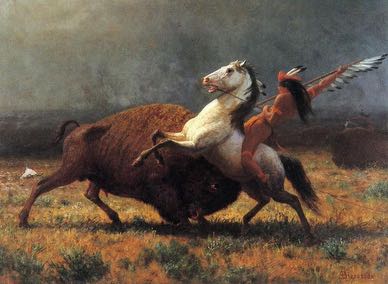
Animals were another important part of his vision of the West. Deer, bears, bison, and birds appear within broad landscapes or become the main subject. In The Last of the Buffalo, an imagined hunt takes place in a landscape of apparent abundance, although bison populations had already been devastated. The spectacle carries a sense of loss as well as grandeur.
Where Else Did Bierstadt Travel and Paint?
Bierstadt’s travels took him well beyond the Rocky Mountains and Yosemite. He worked in New England, returned repeatedly to Europe, and painted scenery encountered in Canada, Alaska, Florida, and the Bahamas. Glaciers, tropical waters, rocky shores, harbors, and European peaks all entered his work.
The European paintings help explain the foundations of his western panoramas. Alpine lakes and mountains had given him early practice in organizing great distances. Italian and coastal subjects offered other possibilities, bringing buildings, vegetation, sea, and light into different relationships.
Travel continued to supply fresh material as public taste began to shift away from his grandest canvases. The American West remained central to his reputation, but smaller studies and less familiar subjects reveal the breadth of his attention to terrain, climate, water, and atmosphere.
Which Paintings Is Albert Bierstadt Best Known For?
These paintings follow Bierstadt from European scenery to the western panoramas that made him famous and his later reflections on wildlife:
- Lake Lucerne: This sweeping Swiss view established a compositional approach Bierstadt would later bring to western mountains and valleys.
- The Rocky Mountains, Lander’s Peak: Vast peaks rise above water, wildlife, and a Shoshone encampment in one of his defining western scenes.
- A Storm in the Rocky Mountains, Mt. Rosalie: Dramatic weather and concentrated light give a composite mountain landscape the force of a theatrical spectacle.
- Among the Sierra Nevada, California: Deer beside reflective water and illuminated peaks create a carefully composed vision of natural abundance.
- Looking Down Yosemite Valley, California: From a high viewpoint, the eye passes over shadowed ground into an open valley filled with distant light.
- Merced River, California: Water, vegetation, and small figures offer a quieter encounter with Yosemite’s towering rock formations.
- California Spring: Flowering land, animals, settlers, and distant mountains fill an expansive scene of seasonal renewal.
- The Oregon Trail: Travelers make their way across a broad western landscape, their movement measured against the space around them.
- The Last of the Buffalo: Bierstadt’s final monumental western painting brings wildlife and hunting together with romantic invention and a sense of historical loss.
Across these works, Bierstadt continually reshaped observed places into composed scenes. Mountains, reflected light, tiny figures, and dramatic weather recur, but their arrangement changes the experience. One painting opens slowly toward a distant valley; another concentrates its force in a storm or a sunlit peak.
Why Is Albert Bierstadt Still Important?
At his career’s height, Bierstadt commanded exceptional prices and drew large audiences in both the United States and Europe. For many viewers, his panoramas offered a first convincing picture of the Rocky Mountains, Yosemite, and the Sierra Nevada. They helped establish these places as major subjects in nineteenth-century art.
That success did not last. During the 1880s, critics and collectors increasingly favored other approaches to painting. A fire destroyed his Irvington home and studio in 1882, adding a serious personal setback to his declining reputation. He faced financial difficulties in his later years and died in New York City on 18 February 1902.
Later exhibitions and scholarship brought renewed attention to the great canvases and the smaller field studies behind them. Bierstadt’s command of light, landscape, and scale remains compelling, while his pictures also raise questions about expansion, Indigenous history, tourism, and environmental change. They show how powerfully a painted view can shape ideas about an actual place. Both the visual achievement and its historical implications matter to his standing among the most significant American landscape painters.
Copyright © 2026 BrushWiz. All Rights Reserved.
About Our Albert Bierstadt Paintings
Are your Albert Bierstadt reproductions painted by hand?
Yes. Every reproduction is individually painted by hand in oil on canvas by a professional artist. We do not use prints, digital transfers, or mechanical reproduction methods.
How closely do your Bierstadt copies resemble the original?
Our artists work to capture the composition, colors, texture, atmospheric depth, and visual character of the original Bierstadt painting as closely as possible. Because every reproduction is painted by hand, small variations are natural and make each canvas unique.
How long does it take to complete a painting?
Most Bierstadt reproductions require approximately two to three weeks to paint, dry, and inspect. Production time may vary depending on the artwork and canvas size, so check the estimate displayed on the product page.
Can I request a Bierstadt painting that is not listed?
Yes. If you cannot find the Albert Bierstadt artwork you want in our catalog, send us the painting’s title or an image. Our team will review your request and confirm the available sizes, estimated production time, and price.
Will I receive photos of my painting before it is shipped?
Yes. We send high-resolution photographs of the completed painting for your approval. You can request adjustments if needed, and the painting will not be dispatched until the review process is complete.
Can I order a custom canvas size?
Yes. We offer custom dimensions in addition to the standard sizes shown on the product page. Select the dimensions you need directly from the available size options.
Can I order my Bierstadt painting with a frame?
Yes. High-quality frames in classic and modern designs are available for many paintings. You can view compatible framing options and add your preferred design from the product page. Professional canvas stretching is also available.
How much does an Albert Bierstadt reproduction cost?
The price depends on the selected artwork, canvas dimensions, and framing option. Choose your preferred configuration on the product page to see the current price before ordering.
Do you offer free worldwide shipping?
Yes. Bierstadt reproductions qualify for free express worldwide shipping. After dispatch, delivery usually takes five to eight business days, although timing may vary by country and destination.
What is the return policy for Bierstadt reproductions?
Orders are covered by our 90-day return policy. Review the current return-policy page before ordering for complete information about eligibility, time limits, and the return process.
Why BrushWiz?
100% Hand Painted
Every piece is entirely handmade
Museum Quality
Faithfully recreated by expert artists
Custom Framing
Choose from a wide range of frames
Free Shipping
Enjoy free shipping on all orders
Cash Back Rewards
Earn cash back with every purchase