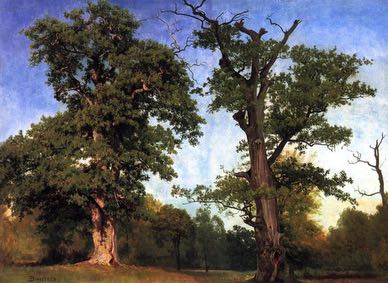
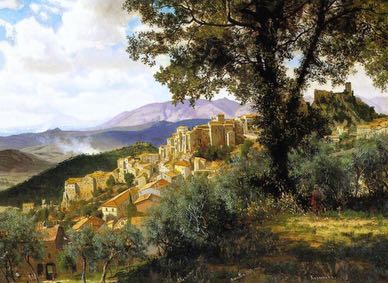
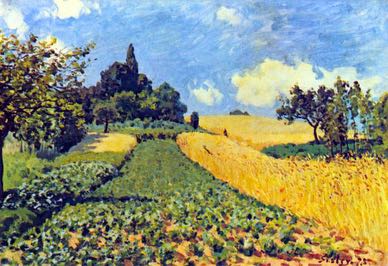
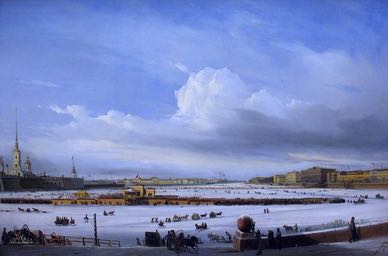
The origins of landscape painting can be traced back to ancient art, where natural elements were often included in larger compositions focused on human figures and activities. In ancient Egypt, for instance, landscapes were occasionally depicted in the background of religious and ceremonial scenes, offering glimpses of the surrounding environment. The Greeks and Romans contributed to the evolution of landscape art by incorporating natural settings into their frescoes and murals, although these were generally secondary to the portrayal of human subjects.
The development of landscape painting as a distinct genre gained momentum during the Renaissance. This period marked a significant shift, with artists beginning to treat landscapes as primary subjects. Renaissance artists explored the natural world with increased precision and depth, integrating landscapes into their works to enhance their realism and narrative. This approach laid the groundwork for future innovations in capturing the essence of nature.
The 17th century witnessed the rise of landscape painting as a prominent genre, particularly in the Dutch Golden Age. Artists of this era embraced the depiction of various natural settings, from lush, rolling farmlands to rugged coastlines. Their work highlighted the intricate interplay of light and atmosphere, capturing the subtle nuances of changing weather and time of day. This period established landscape painting as a genre capable of conveying both the grandeur and the minutiae of the natural world.
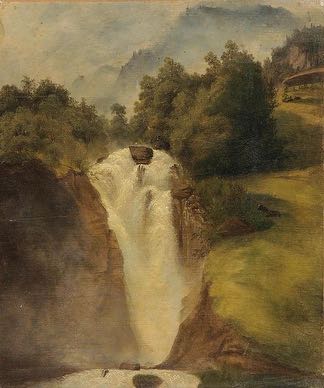
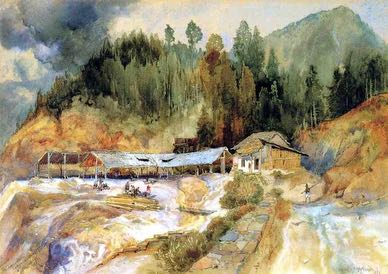
As the 18th century progressed, the Romantic movement infused landscape painting with emotional and dramatic elements. Artists began to emphasize the sublime aspects of nature, portraying it as a powerful force capable of evoking awe and introspection. Romantic landscapes often featured dramatic vistas, tumultuous weather, and expansive vistas, reflecting a deep fascination with the untamed and mysterious aspects of the natural world.
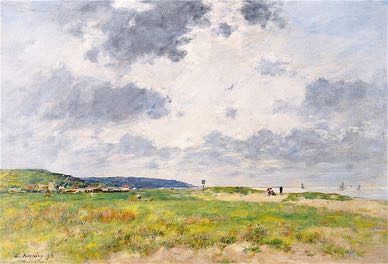
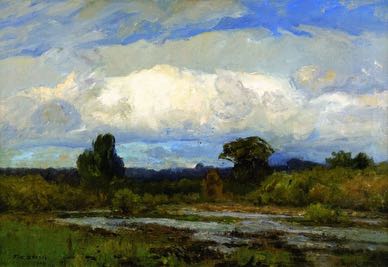
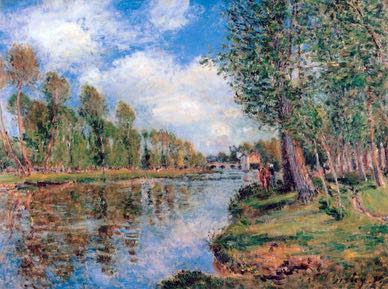
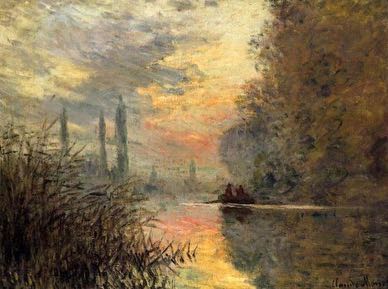
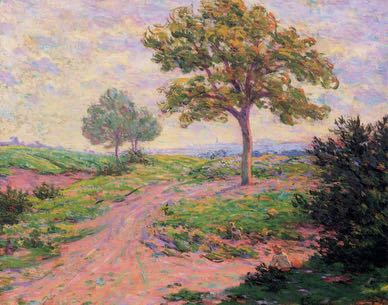
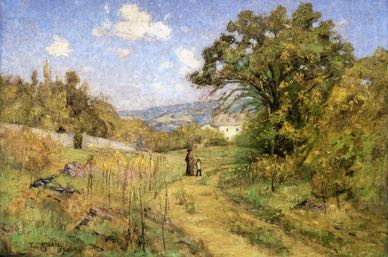
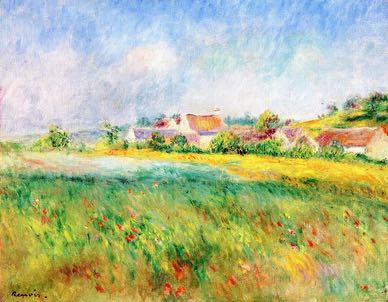
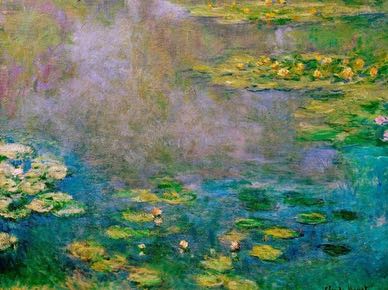
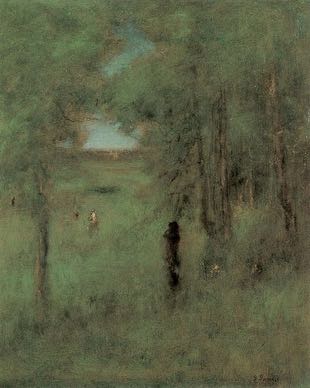
The 19th century brought significant changes to landscape painting with the advent of Impressionism. Artists of this movement focused on capturing the fleeting effects of light and color, portraying landscapes with a sense of immediacy and spontaneity. They often painted en plein air, directly engaging with the natural environment to convey its ephemeral qualities. This approach introduced a new way of perceiving and representing nature, emphasizing the subjective experience of the landscape.
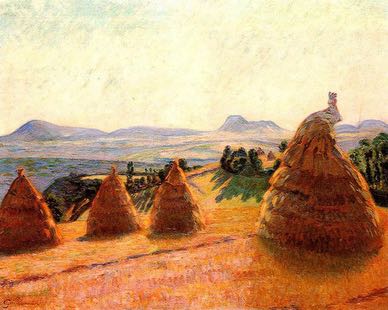
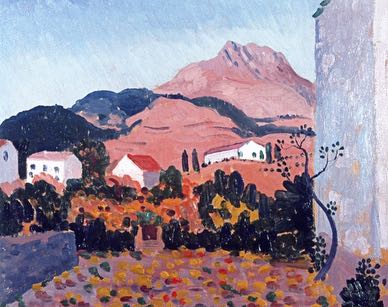
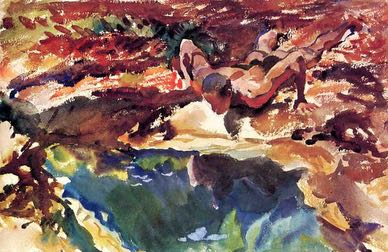
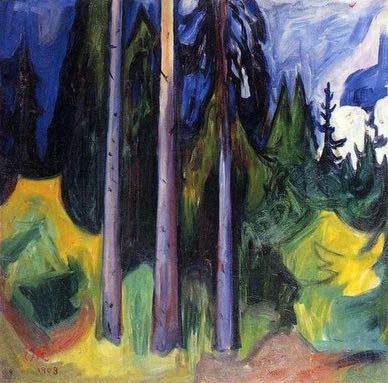
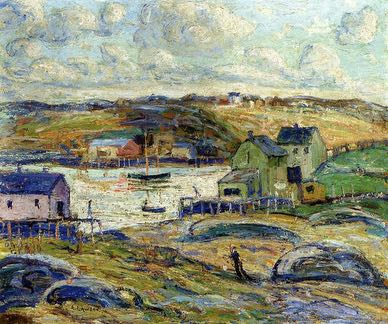
The 20th century saw the expansion of landscape painting into a diverse range of styles and techniques. Modern and contemporary artists explored abstraction, conceptualism, and mixed media, pushing the boundaries of traditional landscape representation. This period saw the incorporation of new perspectives and innovations, from fragmented and abstracted forms to digital and installation art. These contemporary approaches provided fresh interpretations of natural themes, reflecting ongoing dialogues about the environment and human interaction with it.
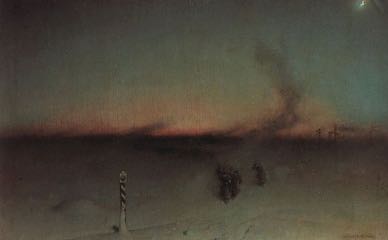
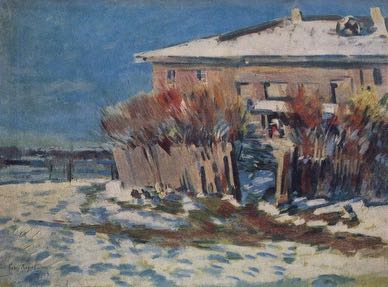
Today, landscape painting continues to thrive as a genre that bridges past and present. Contemporary artists engage with a wide variety of themes and techniques, capturing everything from serene forests and snow-covered peaks to bustling rivers and tranquil lakes. This genre remains a powerful medium for exploring and celebrating the natural world, offering viewers a window into the beauty and complexity of our environment.
Whether depicting the grandeur of mountain ranges, the calm of a river’s flow, or the intricate details of a forest, landscape painting remains a vital and evocative form of artistic expression. It provides an enduring testament to our fascination with nature and our continuous quest to understand and appreciate its diverse and ever-changing landscapes.
Copyright © 2026 BrushWiz. All Rights Reserved.