
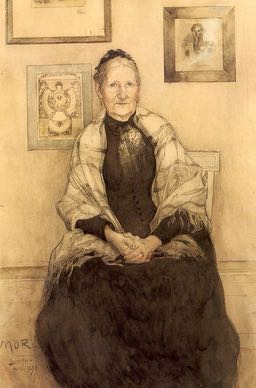
❄️ Winter Sale. Offer Ends 11/24/2026. View Details
❄️ Winter Sale. Ends 11/24/2026. View Details
❄️ Winter Sale. View Details
Artists
Subjects
Movements
Collections
Decor
Portraits
Commissions
Framing
Reviews
Gift Cards
On Sale
Carl Larsson Oil Painting Reproductions
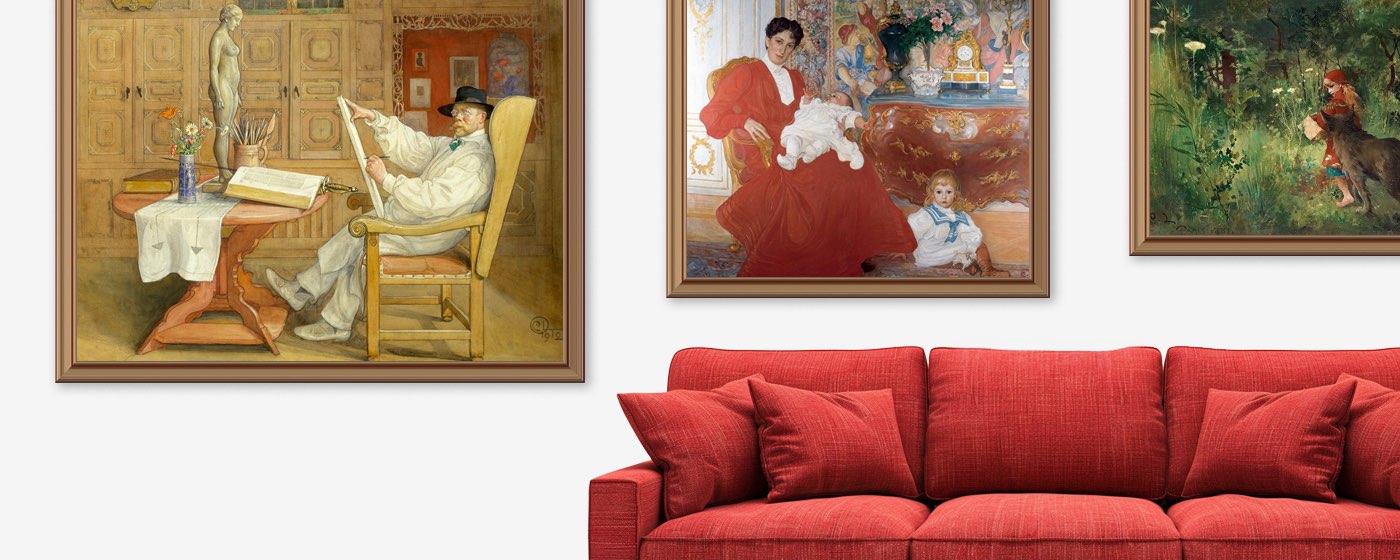
Shop museum-quality reproductions of Carl Larsson’s most famous paintings, each hand-painted in oil on canvas by a professional artist.
Shop Art
Showing 1-40 of 116 results
Sort By
Most Popular
- Most Popular
- New Arrivals
- Best Sellers
- Alphabetical A-Z
- Alphabetical Z-A





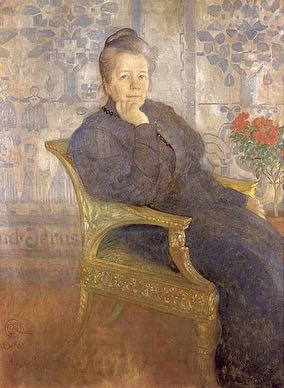
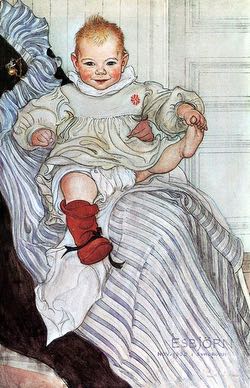

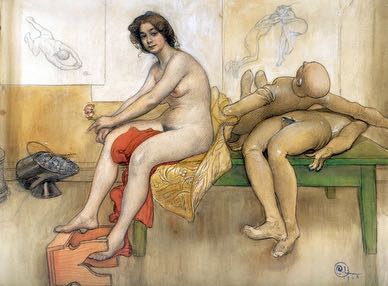
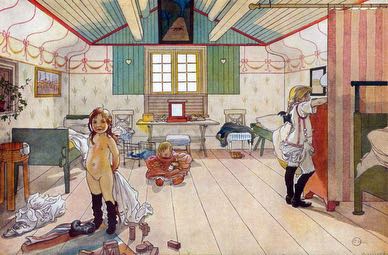
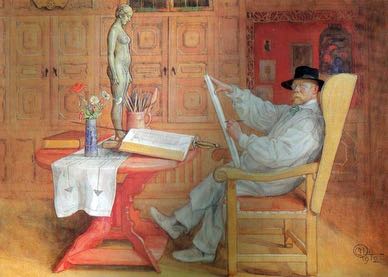
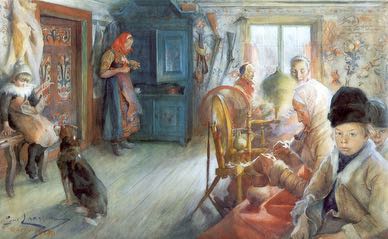
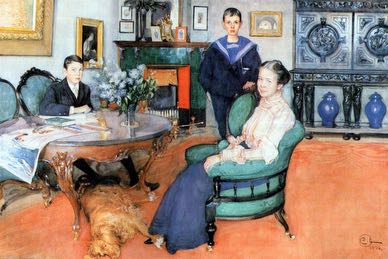
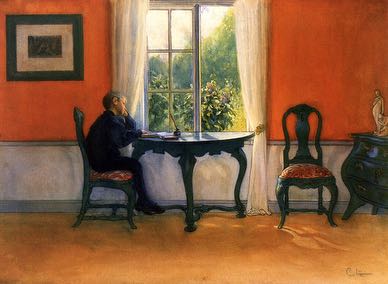




Can’t Find the Painting You Want?
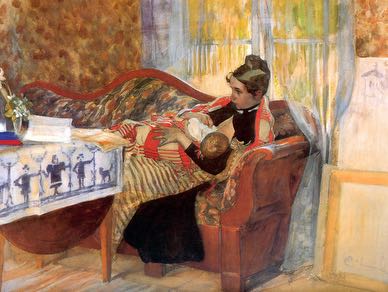
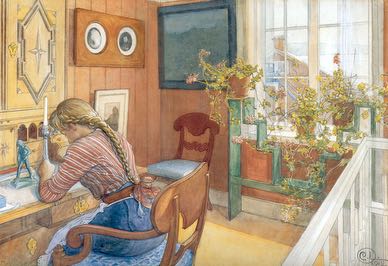
Send us a reference image. We can recreate almost any artwork in the size and style you’re looking for.
Get a Free QuoteHand-Painted Carl Larsson Reproductions
Bring Larsson’s art into your home with an oil-on-canvas reproduction hand-painted by a professional artist. Our collection features more than one hundred paintings from across his career, including Breakfast Under the Big Birch, The Kitchen, and Brita as Iduna. Discover bright interiors, family gatherings, garden meals, portraits of children, and other subjects closely associated with Larsson. Every reproduction is a real oil painting, offering depth and texture that a print or digital transfer cannot provide. From beloved domestic scenes to less familiar portraits, find a Larsson painting that suits your space.
The Making of a Carl Larsson Oil Painting Replica
Creating a Carl Larsson oil painting replica requires patience, precision, and an understanding of the original artwork. Our studio includes artists who specialize in Art Nouveau painting and understand the distinctive qualities of Larsson’s work. The artist begins by studying the source image, then recreates its clear outlines, transparent colors, patterned interiors, and Larsson’s balance of intimate observation with decorative design using traditional oil-painting methods. After completion, the painting is inspected by our quality-control team and photographed for your approval. The result is a carefully executed oil painting that reflects the visual character of the original.
Custom Sizes and Frames for Your Larsson Painting
Your Larsson painting can be ordered in practically any size, from popular standard dimensions to custom canvas sizes selected directly on the product page. This flexibility lets you choose a painting that fits your wall and complements your room perfectly. After selecting the size, you can choose from high-quality frames in classic or modern designs, with professional canvas stretching also available. Our framing options complement the clear colors and decorative lines of Larsson’s paintings. With sizing, stretching, and framing arranged in one order, your artwork can arrive ready for display without a separate visit to a frame shop.
Order a Carl Larsson Reproduction with Confidence
Buying hand-painted art online should feel clear and comfortable. After your Carl Larsson reproduction is completed, we send high-resolution photographs for your review before shipping. You can inspect the composition, colors, details, and overall finish, then request adjustments if needed. The painting is dispatched only after you approve it, so you know what to expect when it arrives. Your order also includes free express worldwide shipping and is covered by our 90-day return policy. Together, these assurances help you purchase a Larsson oil painting with greater confidence and peace of mind.
The Life and Art of Carl Larsson
Carl Larsson was a Swedish painter and illustrator whose family scenes helped shape an enduring image of Scandinavian home life. Born into poverty in Stockholm in 1853, he trained at the Royal Academy and supported himself through illustration before struggling to establish a career in Paris. At the artists’ colony of Grez-sur-Loing, Larsson embraced watercolor and met the artist Karin Bergöö, whom he married in 1883. Their home at Lilla Hyttnäs in Sundborn became a shared creative project filled with Karin’s textiles, furniture, and colors. Larsson’s published pictures of their children, rooms, garden, and celebrations united close observation with decorative design. He also created ambitious murals for public buildings, linking intimate domestic art with Swedish history and Art Nouveau.
Read More
How Did a Difficult Stockholm Childhood Lead Larsson Toward Art?
Carl Larsson was born in Stockholm on 28 May 1853 and grew up in severe poverty. His family moved through cramped housing in the old city, and money was continually uncertain. School offered one route beyond those conditions. A teacher recognized his ability to draw and encouraged him to seek formal training.
As a teenager, Larsson entered the preparatory school attached to Stockholm’s Royal Academy of Fine Arts, then advanced into the Academy itself in 1869. The institution gave him disciplined practice in drawing, anatomy, composition, and historical subjects, but his social background left him feeling apart from wealthier students.
Art was never only an abstract ambition. Larsson needed it to earn a living. He took jobs retouching photographs and making illustrations while studying, then gradually found work with newspapers, magazines, and book publishers. These practical assignments trained him to communicate quickly and clearly to a broad audience.
What Role Did Illustration Play Before He Became Famous?
Larsson contributed drawings to magazines such as Kasper and Ny Illustrerad Tidning and illustrated books for major Swedish publishers. Printed images demanded strong contours, readable gestures, and carefully chosen detail. Those habits remained important even when he later worked in watercolor and mural painting.
Illustration provided regular income, but Larsson wanted recognition as a serious painter. He pursued portraits, historical compositions, and allegorical subjects favored by academies and official exhibitions. The work could be skillful, yet he struggled to find a personal direction within those established forms.
His later domestic pictures are sometimes treated as a retreat from ambitious art. In fact, their clarity grew from years of professional discipline. Larsson knew how to lead the eye through a busy room, make a pose immediately understandable, and give an everyday incident the completeness of a finished story without burdening it with explanation.
Why Did Success Elude Larsson During His First Years in France?
Larsson first traveled to Paris in 1877, hoping to establish himself through the Salon. He worked hard at large oil paintings and academic subjects, but acceptance and sales proved unreliable. Paris exposed him to new art while also deepening his frustration with the grand manner he had been trained to pursue.
He returned to France in the early 1880s and eventually left the capital for Grez-sur-Loing, a village south of Paris where Scandinavian, British, and other international artists gathered. Its river, gardens, pale stone buildings, and informal community offered a sharp contrast to the competition of the Salon.
The move changed both his work and his life. Larsson set aside the heavy ambitions attached to his oil paintings and began concentrating on watercolor. Clear outdoor light and the medium’s transparent washes encouraged a more direct response. Subjects close at hand replaced invented historical drama.
At Grez-sur-Loing, How Did Watercolor and Karin Bergöö Change His Life?
In Grez, Larsson painted gardens, interiors, villagers, and fellow artists with a freshness missing from his Paris work. Watercolor required planning because broad washes could not be endlessly corrected, yet it also allowed white paper to shine through the image. His line became more confident as his color grew lighter.
He met Karin Bergöö, a Swedish artist who had trained at the Academy in Stockholm. They married in 1883. Karin did not simply abandon creativity when family responsibilities increased. Her understanding of color, textiles, clothing, furniture, and spatial design later became fundamental to the home and images for which Carl became famous.
The Grez watercolors brought Larsson his first important artistic breakthrough. They were exhibited and purchased in Sweden, helping him return with a clearer reputation. More importantly, the period showed him that his strongest work could emerge from observed life, decorative order, and personal experience rather than an approved hierarchy of subjects.
Whose Vision Shaped the Larsson Home at Lilla Hyttnäs?
In 1888, Karin’s father gave the couple a small house called Lilla Hyttnäs in Sundborn, Dalarna. The family first used it seasonally and later made it their principal home. Carl and Karin altered it gradually, adding rooms, studios, painted decoration, handmade furniture, textiles, plants, and objects chosen for daily use.
The interiors were a collaboration, not a setting created by Carl alone. Karin designed textiles, clothes, furniture, and practical arrangements while developing a bold mixture of folk traditions, simplified forms, and bright color. Carl painted what they had built together, translating three-dimensional rooms into carefully framed images.
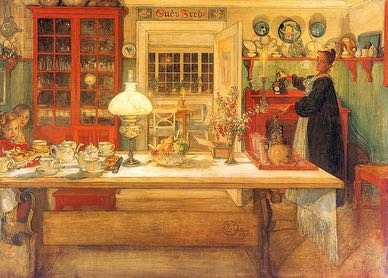
The Kitchen makes domestic work and design inseparable. Open shelves, patterned surfaces, useful objects, and human activity form one visual system. The house became both family residence and shared artwork, challenging the dark, heavily furnished interiors associated with respectable nineteenth-century homes.
Do Larsson’s Family Pictures Show Everyday Life Exactly as It Happened?
Carl and Karin had eight children, six of whom lived to adulthood. Their games, lessons, reading, meals, chores, illnesses, celebrations, and quiet moments supplied Larsson with a rich body of subjects. Individual personalities remain recognizable, and the images often contain humor or minor disorder.
Yet these are constructed works, not casual snapshots. Larsson selected viewpoints, rearranged objects, repeated poses, and organized color with great care. Doorways and furniture divide space, while a child’s red clothing or a patterned textile carries the eye across the room. Spontaneity was one of his most skillfully designed effects.
Around the Lamp at Evening turns shared reading into a circle of light and attention. The home appears warm and secure, but the published family ideal did not include every sorrow or tension. Understanding that selectivity makes the pictures more human, not less accomplished.
How Did Books Carry Sundborn into Homes Across Europe?
Advances in color reproduction allowed Larsson’s watercolors to reach an audience far beyond exhibitions and private collections. Albums combining his pictures with personal text presented the rooms, garden, family routines, and changing seasons at Lilla Hyttnäs as parts of a continuous way of life.
Ett hem, or A Home, appeared in 1899 and became the best known of these publications. Later books returned to the family and its surroundings. Readers did not encounter isolated artworks alone; they were invited into a sequence of meals, work, play, holidays, and domestic improvements.
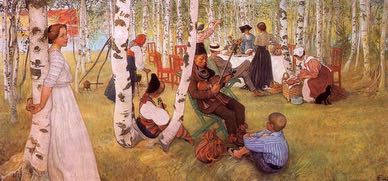
Images such as Breakfast Under the Big Birch joined family intimacy with practical ideas about outdoor living and design. Their popularity helped make pale walls, painted wood, handcrafted textiles, light furniture, and informal rooms internationally recognizable as a Swedish ideal, though much of that vision belonged specifically to Karin and Carl’s collaboration.
Why Was Monumental Painting So Important to Larsson?
Although the domestic watercolors made Larsson widely loved, he regarded public mural painting as his highest calling. Large walls allowed him to combine architecture, history, allegory, portraiture, and decorative rhythm. He completed major schemes for schools, institutions, and Stockholm’s Nationalmuseum.
The Nationalmuseum staircase murals begun in the 1890s presented episodes from Swedish art and national history. Their clear outlines, broad areas of color, and processional figures show the same design intelligence found in his interiors, expanded to an architectural scale. Larsson wanted modern public art to feel legible and distinctly Swedish.
His final great project, Midvinterblot, depicted the legendary sacrifice of King Domalde at the temple in Uppsala. Museum officials rejected the design after a long dispute, and the decision deeply wounded him. Completed in 1915, the enormous painting was eventually purchased by Nationalmuseum in 1997 and installed in the staircase for which Larsson had intended it.
Which Paintings Reveal the Range of Larsson’s Achievement?
Larsson’s best-known art grows from family life, but these works show how portraiture, interior design, seasonal ritual, artistic identity, and outdoor gathering all entered his visual world:
- Breakfast Under the Big Birch: A long outdoor table turns a family meal into a carefully balanced pattern of figures, foliage, and white cloth.
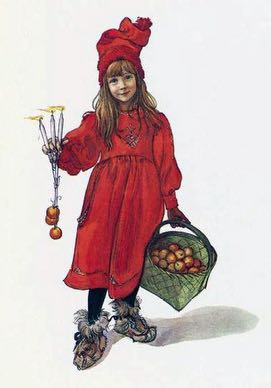
- Brita as Iduna, 1901: Larsson’s daughter carries a basket of apples while costume and myth transform a family portrait into an allegory.
- Around the Lamp at Evening: Warm light joins reading, conversation, and domestic design within an intimate circle.
- The Kitchen: Everyday work unfolds inside a bright room where useful objects also form a decorative arrangement.
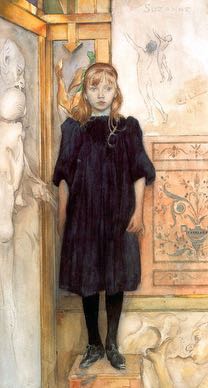
- A Studio Idyll: The Artist’s Wife with Daughter Suzanne: Karin’s creative presence and motherhood share the same working interior.
- Christmas Eve: Family ritual, food, dress, and ornament fill the home without sacrificing compositional clarity.
- The Crayfish Season Opens: A Swedish summer celebration becomes a lively arrangement of lanterns, tableware, and gathered figures.
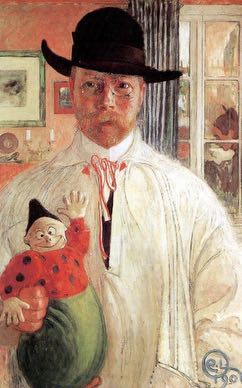
- Self Portrait in the Studio: The mature artist presents himself within the purposeful disorder of his working environment.
What Place Does Larsson Hold in Swedish Art and Design?
Larsson died in Falun on 22 January 1919. By then his books and watercolors had made him one of Sweden’s most familiar artists, while his murals occupied major public buildings. The apparent ease of his domestic scenes sometimes overshadowed the ambition and discipline behind them.
His work belongs to several histories at once. Transparent watercolor and close observation connect him to late nineteenth-century naturalism, while flattened space, strong contour, ornament, and integrated interiors relate to Art Nouveau and wider reform movements in design. He also worked alongside a Swedish generation that included Anders Zorn and Bruno Liljefors.
Most importantly, the famous Larsson interior should be understood as a shared creation. Carl supplied the images and narrative voice, but Karin’s textiles, furniture, clothing, colors, and practical invention shaped what he painted. Their collaboration turned one particular family home into an international design ideal while preserving the distinct personalities and daily rhythms that made it believable.
Copyright © 2026 BrushWiz. All Rights Reserved.
About Our Carl Larsson Paintings
Are your Carl Larsson reproductions painted by hand?
Yes. Every reproduction is individually painted by hand in oil on canvas by a professional artist. We do not use prints, digital transfers, or mechanical reproduction methods.
How closely do your Larsson copies resemble the original?
Our artists work to capture the composition, colors, brushwork, details, and visual character of the original Larsson painting as closely as possible. Because every reproduction is painted by hand, small variations are natural and make each canvas unique.
How long does a Larsson reproduction take to complete?
Most Larsson reproductions require approximately two to three weeks to paint, dry, and inspect. Production time may vary depending on the artwork and canvas size, so check the estimate displayed on the product page.
Can I request a Larsson painting that is not listed?
Yes. If you cannot find the Carl Larsson artwork you want in our catalog, send us the painting’s title or an image. Our team will review your request and confirm the available sizes, estimated production time, and price.
Will I receive approval photos before shipping?
Yes. We send high-resolution photographs of the completed painting for your approval. You can request adjustments if needed, and the painting will not be dispatched until the review process is complete.
Are custom canvas sizes available for Larsson paintings?
Yes. We offer custom dimensions in addition to the standard sizes shown on the product page. Select the dimensions you need directly from the available size options.
May I order my Larsson painting with a frame?
Yes. High-quality frames in classic and modern designs are available for many paintings. You can view compatible framing options and add your preferred design from the product page. Professional canvas stretching is also available.
What determines the price of a Larsson reproduction?
The price depends on the selected artwork, canvas dimensions, and framing option. Choose your preferred configuration on the product page to see the current price before ordering.
Is free express worldwide shipping included?
Yes. Carl Larsson reproductions qualify for free express worldwide shipping. After dispatch, delivery usually takes five to eight business days, although timing may vary by country and destination.
Which return policy covers Carl Larsson reproductions?
Orders are covered by our 90-day return policy. Review the current return-policy page before ordering for complete information about eligibility, time limits, and the return process.
Why BrushWiz?
100% Hand Painted
Every piece is entirely handmade
Museum Quality
Faithfully recreated by expert artists
Custom Framing
Choose from a wide range of frames
Free Shipping
Enjoy free shipping on all orders
Cash Back Rewards
Earn cash back with every purchase