
❄️ Winter Sale. Offer Ends 11/26/2026. View Details
❄️ Winter Sale. Ends 11/26/2026. View Details
❄️ Winter Sale. View Details
Artists
Subjects
Movements
Collections
Decor
Portraits
Commissions
Framing
Reviews
Gift Cards
On Sale
Bruno Liljefors Oil Painting Reproductions
Shop museum-quality reproductions of Bruno Liljefors’s most famous paintings, each hand-painted in oil on canvas by a professional artist.
Shop Art

Showing 1-40 of 149 results
Sort By
Most Popular
- Most Popular
- New Arrivals
- Best Sellers
- Alphabetical A-Z
- Alphabetical Z-A

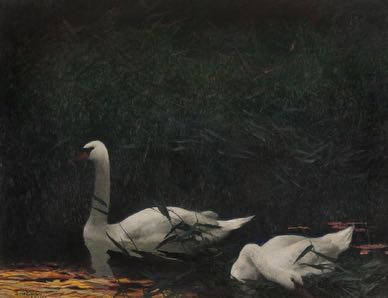
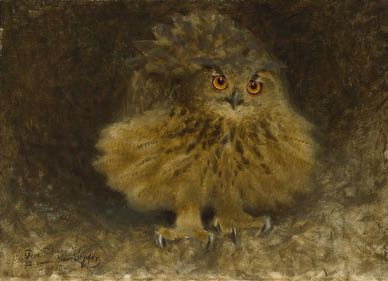
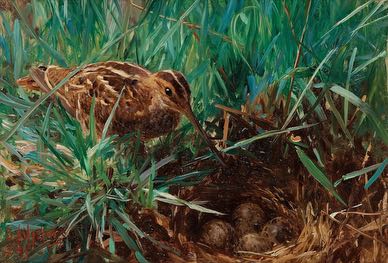
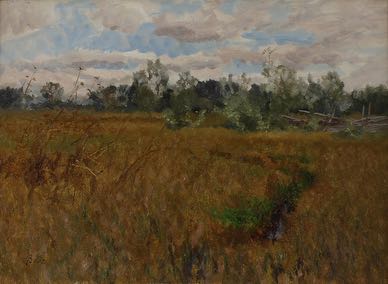
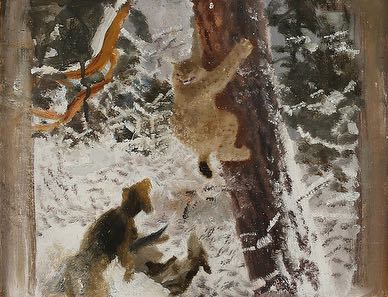
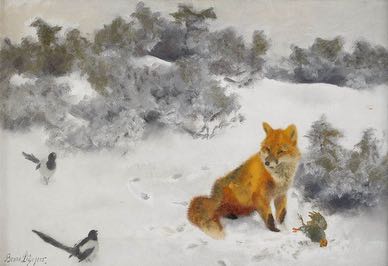

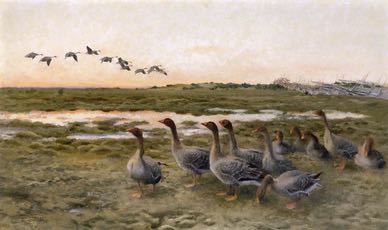
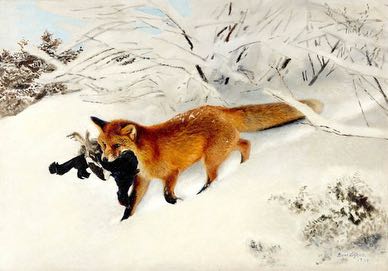
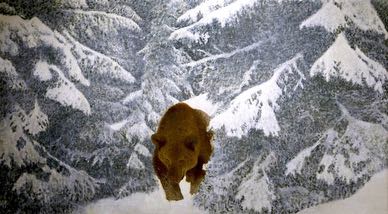
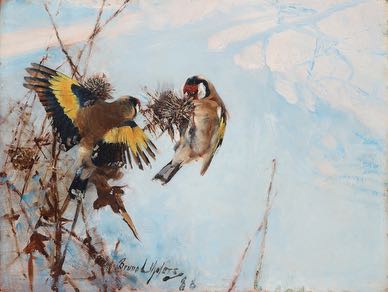
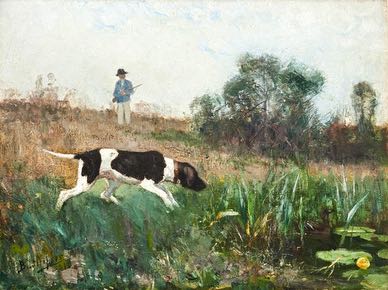
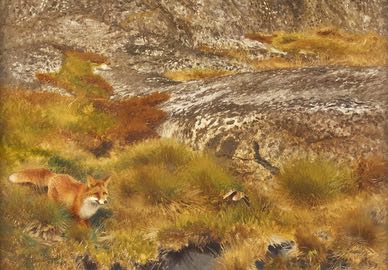
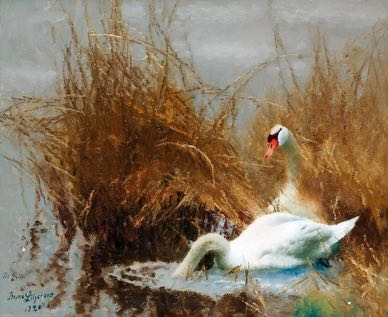
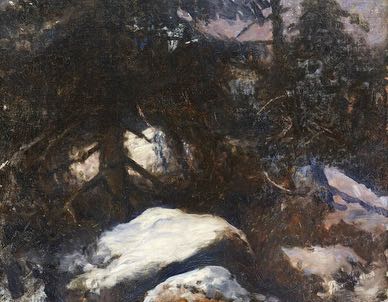
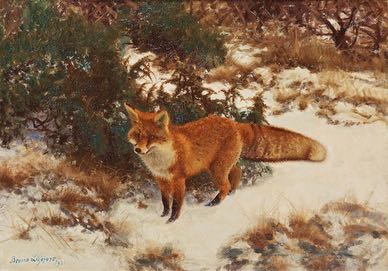
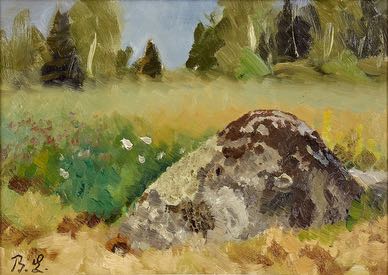
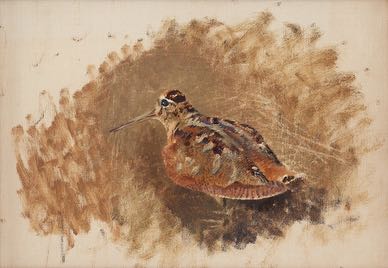
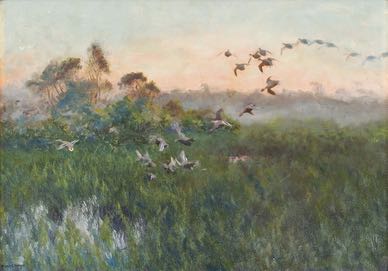
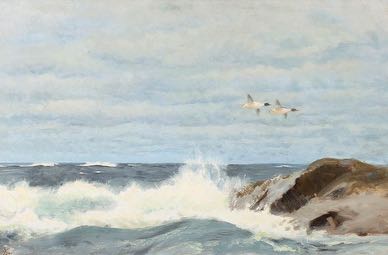
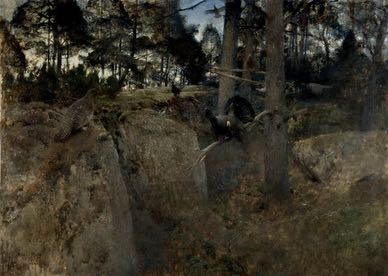
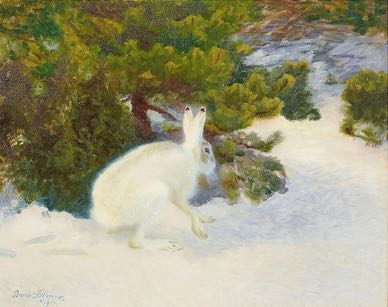
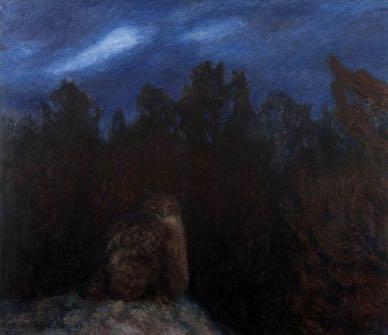
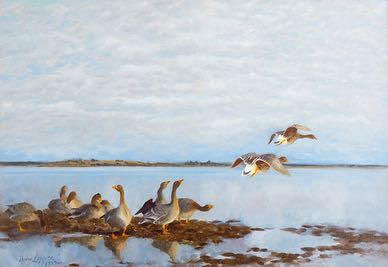
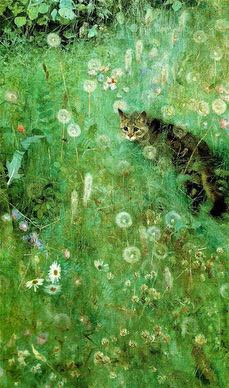
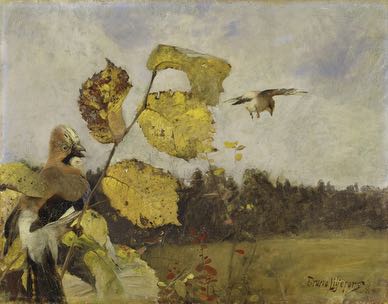
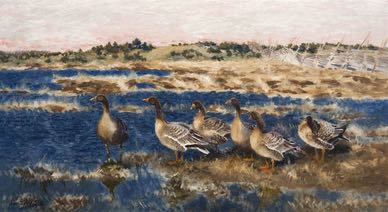
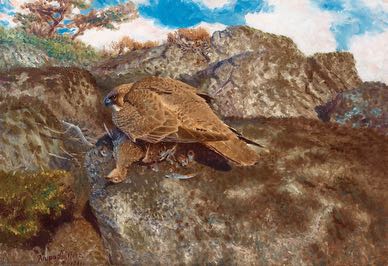
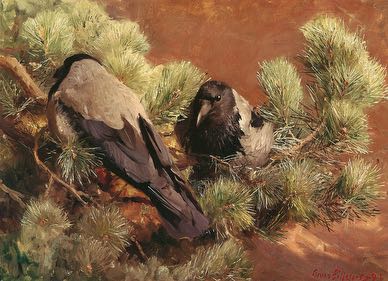
Can’t Find the Painting You Want?
Send us a reference image. We can recreate almost any artwork in the size and style you’re looking for.
Get a Free QuoteHand-Painted Bruno Liljefors Reproductions
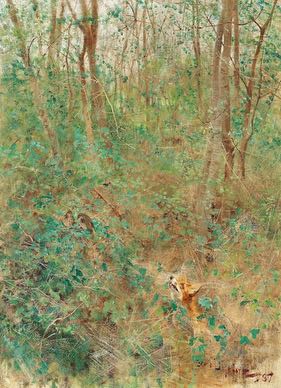
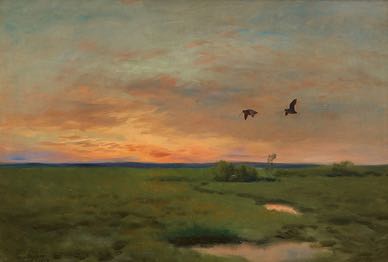
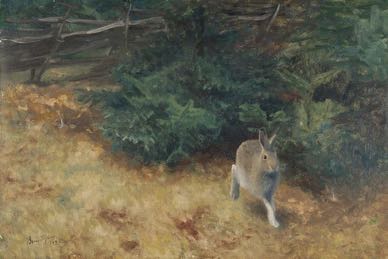
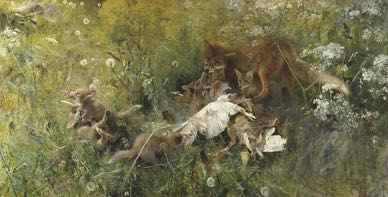
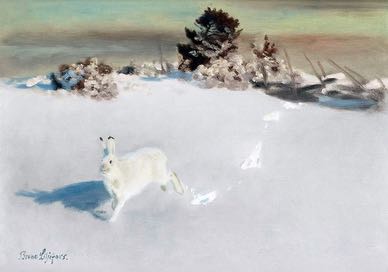
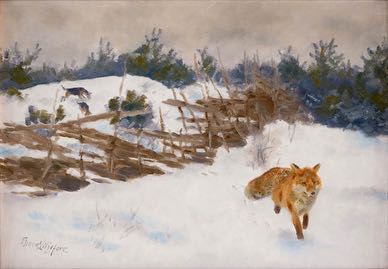
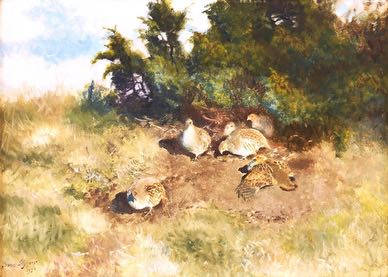
Bring Liljefors’s art into your home with an oil-on-canvas reproduction hand-painted by a professional artist. Our collection features more than one hundred paintings from across his career, including A Fox Family, Cat on a Flowery Meadow, and The Mating of the Capercaillies. Discover foxes in woodland, birds in flight, hares in snow, wildlife along the Swedish coast, and other subjects closely associated with Liljefors. Every reproduction is a real oil painting, offering depth and texture that a print or digital transfer cannot provide. From iconic masterpieces to lesser-known works, find a Liljefors painting that suits your space.
The Making of a Bruno Liljefors Oil Painting Replica
Creating a Bruno Liljefors oil painting replica requires patience, precision, and an understanding of the original artwork. Our studio includes artists who specialize in realistic wildlife painting and understand the distinctive qualities of Liljefors’s work. The artist studies the source image, then recreates its animal forms, natural colors, surrounding habitat, and Liljefors’s sense of movement using traditional oil-painting methods. After completion, the painting is inspected by our quality-control team and photographed for your approval. The result is a carefully executed oil painting that reflects the visual character of the original.
Custom Sizes and Frames for Your Liljefors Painting
Your Liljefors painting can be ordered in practically any size, from popular standard dimensions to custom canvas sizes selected directly on the product page. This flexibility lets you choose a painting that fits your wall and complements your room perfectly. After selecting the size, you can choose from high-quality frames in classic or modern designs, with professional canvas stretching also available. Our framing options complement the natural colors and atmospheric settings of Liljefors’s paintings. With sizing, stretching, and framing arranged in one order, your artwork can arrive ready for display without a separate visit to a frame shop.
Order a Bruno Liljefors Reproduction with Confidence
Buying hand-painted art online should feel clear and comfortable. After your Bruno Liljefors reproduction is completed, we send high-resolution photographs for your review before shipping. You can inspect the animal forms, colors, surrounding landscape, and overall finish, then request adjustments if needed. The painting is dispatched only after you approve it, so you know what to expect when it arrives. Your order also includes free express worldwide shipping and is covered by our 90-day return policy. Together, these assurances help you purchase a Liljefors oil painting with greater confidence and peace of mind.
The Life and Art of Bruno Liljefors
Bruno Liljefors was a Swedish artist who gave animal painting a new vitality in the late nineteenth and early twentieth centuries. Born in Uppsala in 1860, he watched wildlife closely and painted animals as living parts of forests, marshes, snowy fields, and coastal landscapes. Accurate movement and behavior mattered to him, but so did the atmosphere of the whole scene: fur, feathers, vegetation, water, and shifting light all work together. His foxes, hares, grouse, owls, geese, and other animals hunt, feed, rest, or disappear into their surroundings. They never seem arranged for display; they belong to the world around them.
Read More
Who Was Bruno Liljefors?
Bruno Andreas Liljefors was born in Uppsala, Sweden, on 14 May 1860. Fields, woods, and marshes lay within easy reach of the city, giving him ample opportunity to watch birds and animals from an early age. He drew during outdoor excursions and developed lasting interests in natural history, hunting, gymnastics, and storytelling. All four would eventually find a place in the way he worked and the pictures he made.
Swedish wildlife remained at the heart of Liljefors’s career. Rather than lift an animal out of nature and present it like a specimen, he showed it occupying a particular habitat at a particular instant. A fox listens, a bird bursts into flight, a hare vanishes against the snow, or a predator waits in perfect stillness. By taking animal behavior as seriously as appearance, Liljefors helped reshape modern wildlife painting.
Where Did Liljefors Learn to Paint?
Liljefors entered the Royal Swedish Academy of Fine Arts in Stockholm in 1879. Among the artists he met there was Anders Zorn, who became a lifelong friend. The Academy’s conservative teaching soon frustrated Liljefors, and he shared the growing desire among Swedish artists for greater independence and closer contact with current European painting.
After leaving in 1882, he studied under the animal painter Carl Friedrich Deiker in Düsseldorf and traveled through Germany, Italy, and France. A stay at the artists’ colony in Grez-sur-Loing introduced him to plein-air practice and French Naturalism. When he returned to Sweden in 1884, he brought home a fresher palette and a stronger commitment to painting from daylight and direct observation.
His circle also included other prominent Swedish artists, among them Carl Larsson. Liljefors taught at Gothenburg’s Valand School of Art from 1888 to 1889, though the classroom never displaced wildlife and landscape as the real center of his attention.
How Did Liljefors Get So Close to Wild Animals?
Liljefors spent patient hours outdoors, watching animals where they actually lived. He wore camouflage and built hides that allowed him to remain nearby without alarming them. A gifted gymnast, he could climb trees to inspect nests and observe birds from uncommon angles. Quick drawings captured posture and motion, while photography helped him hold on to actions too brief for sustained study.
Close study did not make his paintings dry scientific records. Liljefors chose, combined, and rearranged his observations until each picture had a compelling visual event. He might lower the viewer almost to the earth, lift the horizon unusually high, or leave it out altogether. Often the animal takes a moment to find because its markings dissolve into grass, branches, stone, or snow.
His fascination with concealment and adaptation belonged partly to the expanding natural science of his time. Predator and prey share the same living system in these pictures. Even at moments of danger, Liljefors avoided a moral drama and treated the encounter as an ordinary fact of animal existence.
Which Artistic Ideas Shaped Liljefors’s Style?
During the 1880s, Liljefors developed a naturalistic style grounded in outdoor light, close vantage points, and confident areas of paint. Japanese prints offered another kind of lesson through their cropped forms, asymmetrical balance, and unexpected formats. Those devices freed him from centered arrangements and made viewers feel as though they had entered the landscape rather than stopped in front of it.
Light and atmosphere became still more prominent during the 1890s. Twilight, snowy ground, forest shadow, and the open skies of the Stockholm archipelago gave every encounter a precise setting and mood. Although Symbolism and Swedish National Romanticism touched his work, recognizable habitats and closely watched behavior kept it anchored in experience.
Why Are the Animals Sometimes Hard to Find?
Liljefors understood that an animal’s appearance could not be separated from the place that protected and sustained it. Feathers repeat the rhythm of leaves and twigs; the coat of a hare or fox breaks apart among grass, undergrowth, and snow. Camouflage became both a natural fact and a pictorial challenge, prompting viewers to search before the subject fully comes into view.
His paintings encompass birth, courtship, feeding, migration, hunting, and the care of young. Predator and prey occupy one natural order rather than opposing sides in a tale of virtue and cruelty. What happens between them may be tense, but it is never reduced to a simple lesson about good and evil.
Liljefors carried the same thinking into his work with the naturalist Gustaf Kolthoff on painted environments for natural-history displays. Their collaboration included the large diorama in Stockholm’s Biological Museum, opened in 1893. There, as in his canvases, animal life, plants, terrain, and atmosphere formed an indivisible whole.
What Did the Swedish Archipelago Bring to His Painting?
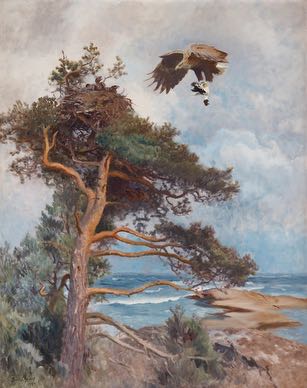
Early in the twentieth century, Liljefors increasingly looked toward the islands and coast of the Stockholm archipelago. He purchased Bullerö in 1908, and its open sea, low rocks, pines, and changeable skies became the setting for eiders, geese, ospreys, and other birds. In paintings such as Eiders on Islets and Rocks, the birds seem as native to the exposed terrain as the stone itself.
Wide and elongated formats suited this coastal world. Morning Breeze follows birds across open water beneath a luminous sky, while Black-Throated Loons gives its subjects room within a broad, hushed expanse. Landscape is never a passive backdrop in these works. Weather, water, light, and distance decide how the birds appear and how the entire scene feels.
Liljefors lived at Ytterjärna from 1905 until 1917 and later made his home at Österby in Uppland. Ernest Thiel became an important patron during this period and assembled a substantial group of his paintings. Across these years, Liljefors continued to alternate between close encounters with wildlife and increasingly spacious visions of the Swedish landscape.
Which Paintings Capture Liljefors at His Best?
Foxes, cats, birds, and animals in winter drew Liljefors back again and again. These works offer a useful view of his favorite subjects and the ways his approach changed:
- A Fox Family, 1886: Fox cubs move through summer growth in a scene that gives equal attention to young animals and the habitat sheltering them.
- Jays, 1886: Two startled birds react to an unseen threat, turning alarm into a sudden burst of motion.
- Cat on a Flowery Meadow, 1887: Even in a domestic cat, Liljefors finds the tense posture and focused instinct of a hunter.
- Goldfinches, 1888: Birds set against open sky form a spare, off-center design indebted to Japanese art.
- The Mating of the Capercaillies, 1888: The woodland courtship and the forest’s first light carry equal weight in this attentive study of display.
- Winter Landscape with Bullfinches, 1891: A handful of small birds brings subtle life and color to a restrained winter setting.
- The Horned Owl Deep in the Forest, 1895: A shadowed woodland slowly reveals an owl, reflecting Liljefors’s turn toward the atmosphere of National Romanticism.
Together, the selection moves from intimate animal observation to broader landscapes. The compositions vary widely, but Liljefors never loses sight of behavior, habitat, or the split-second character of movement.
How Did Liljefors Change Wildlife Painting?
Liljefors renewed the genre by showing animals as inhabitants of active, interconnected environments. Anatomy mattered, but it was only one part of the picture. Weather, vegetation, concealment, distance, and the relationships between species mattered just as much. Viewers have to participate by looking closely, since an animal may remain partly hidden until movement gives it away.
Recognition came during his lifetime, both in Sweden and elsewhere in Europe. Major Swedish collections acquired his work, and his paintings helped form an enduring image of the nation’s forests, winter fields, and archipelago. He continued painting well into the twentieth century and published his memoir, Det vildas rike, in 1934.
Liljefors died in Stockholm on 18 December 1939. Nationalmuseum, the Gothenburg Museum of Art, the Thiel Gallery, and Uppsala University now hold substantial groups of his work. His inventive viewpoints, careful observation, and deep understanding of animals within their habitats still set his wildlife paintings apart.
Copyright © 2026 BrushWiz. All Rights Reserved.
About Our Bruno Liljefors Paintings
Are your Bruno Liljefors reproductions painted by hand?
Yes. Every reproduction is individually painted by hand in oil on canvas by a professional artist. We do not use prints, digital transfers, or mechanical reproduction methods.
How closely will my painting resemble the original?
Our artists work to capture the composition, colors, texture, and visual character of the original Liljefors painting as closely as possible. Because every reproduction is painted by hand, small variations are natural and make each canvas unique.
How long does it take to complete a painting?
Most Liljefors reproductions require approximately two to three weeks to paint, dry, and inspect. Production time may vary depending on the artwork and canvas size, so check the estimate displayed on the product page.
Can I request a Liljefors painting that is not listed?
Yes. If you cannot find the Bruno Liljefors artwork you want in our catalog, send us the painting’s title or an image. Our team will review your request and confirm the available sizes, estimated production time, and price.
Will I receive photos of my painting before it is shipped?
Yes. We send high-resolution photographs of the completed painting for your approval. You can request adjustments if needed, and the painting will not be dispatched until the review process is complete.
Can I order a custom canvas size?
Yes. We offer custom dimensions in addition to the standard sizes shown on the product page. Select the dimensions you need directly from the available size options.
Can I order my Liljefors painting with a frame?
Yes. High-quality frames in classic and modern designs are available for many paintings. You can view compatible framing options and add your preferred design from the product page. Professional canvas stretching is also available.
How much does a Bruno Liljefors reproduction cost?
The price depends on the selected artwork, canvas dimensions, and framing option. Choose your preferred configuration on the product page to see the current price before ordering.
Do you offer free worldwide shipping?
Yes. Liljefors reproductions qualify for free express worldwide shipping. After dispatch, delivery usually takes five to eight business days, although timing may vary by country and destination.
What is the return policy for Liljefors reproductions?
Orders are covered by our 90-day return policy. Review the current return-policy page before ordering for complete information about eligibility, time limits, and the return process.
Why BrushWiz?
100% Hand Painted
Every piece is entirely handmade
Museum Quality
Faithfully recreated by expert artists
Custom Framing
Choose from a wide range of frames
Free Shipping
Enjoy free shipping on all orders
Cash Back Rewards
Earn cash back with every purchase