

❄️ Winter Sale. Offer Ends 11/19/2026. View Details
❄️ Winter Sale. Ends 11/19/2026. View Details
❄️ Winter Sale. View Details
Artists
Subjects
Movements
Collections
Decor
Portraits
Commissions
Framing
Reviews
Gift Cards
On Sale
Caspar Netscher Oil Painting Reproductions
Shop museum-quality reproductions of Caspar Netscher’s most famous paintings, each hand-painted in oil on canvas by a professional artist.
Shop Art
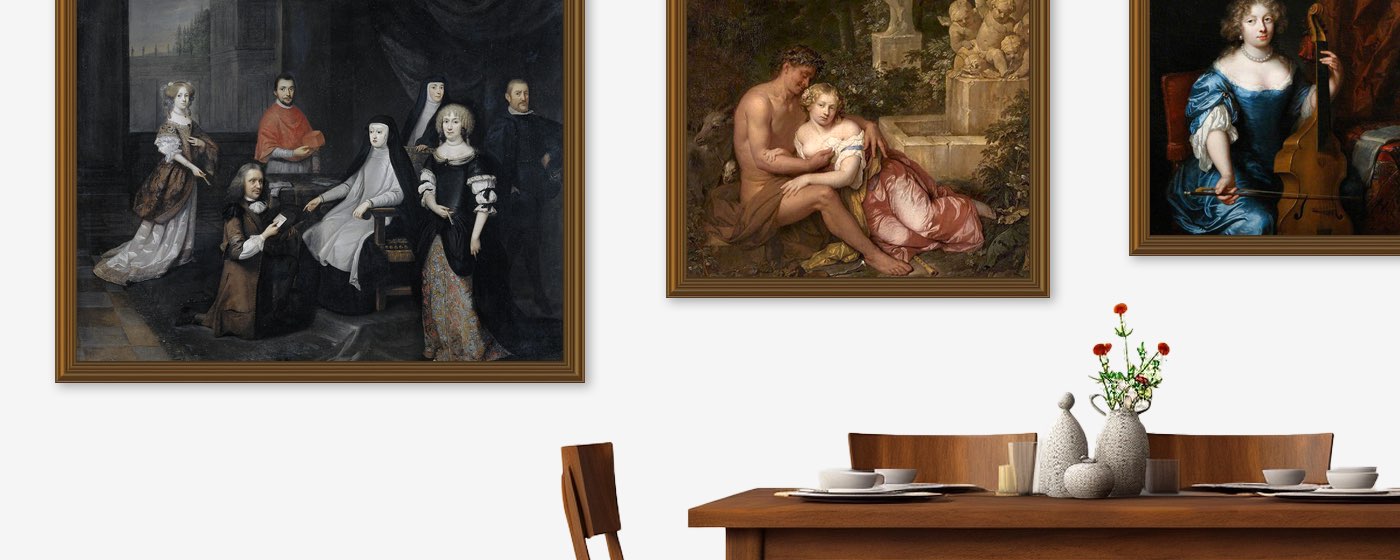
Showing 1-40 of 121 results
Sort By
Most Popular
- Most Popular
- New Arrivals
- Best Sellers
- Alphabetical A-Z
- Alphabetical Z-A
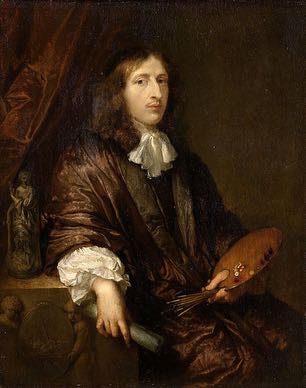
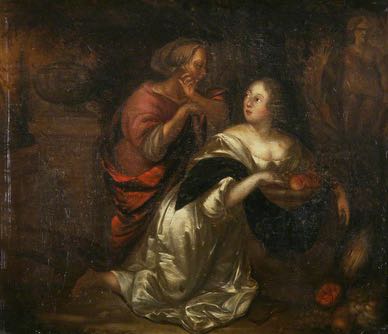

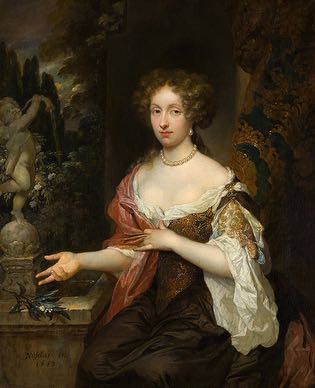
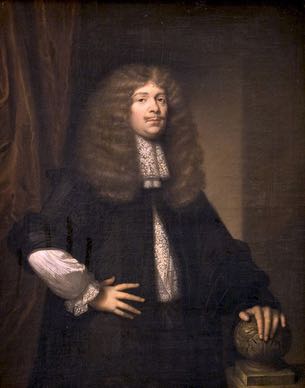

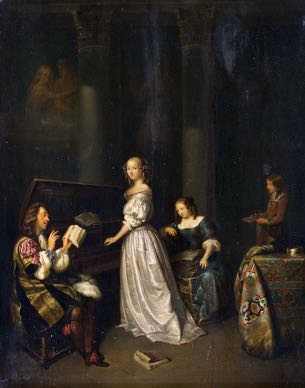
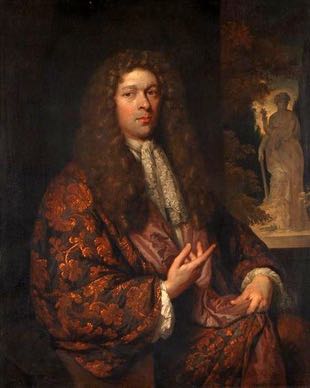
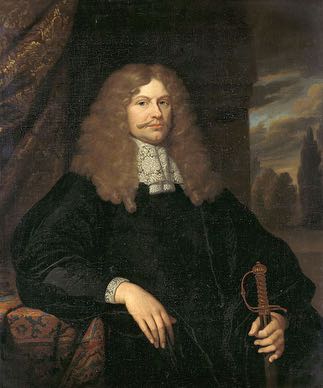


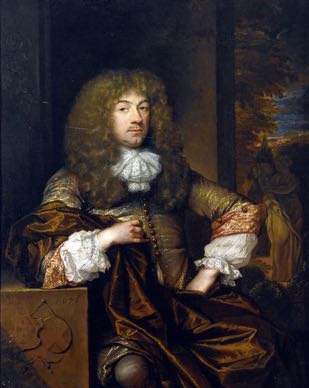

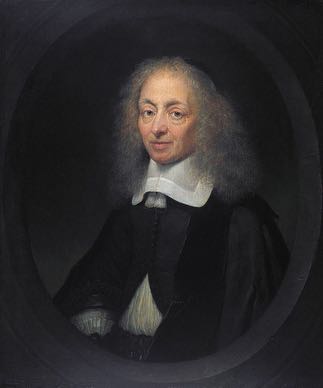
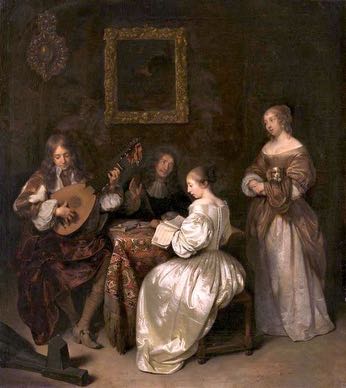
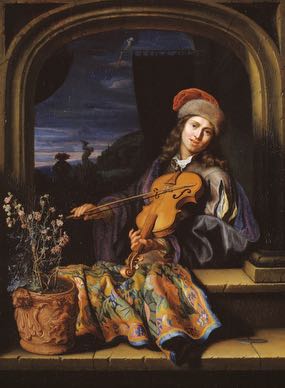

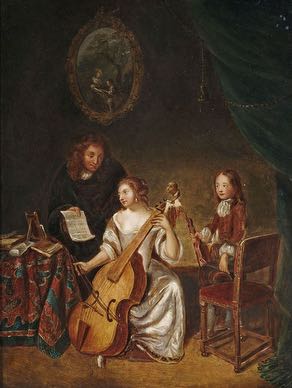
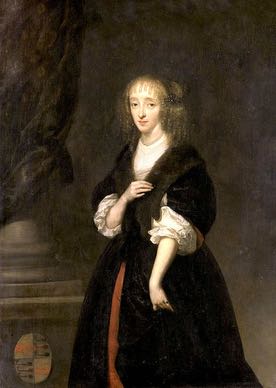
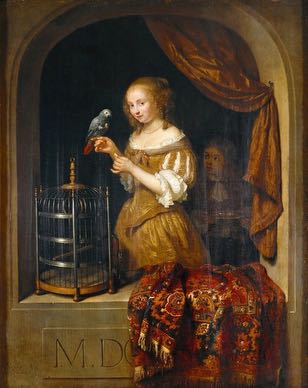
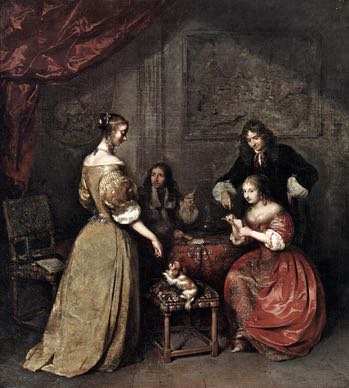
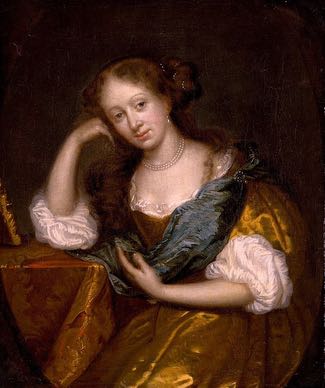

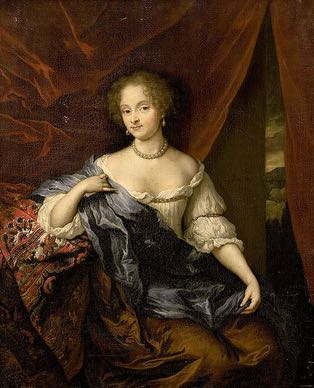

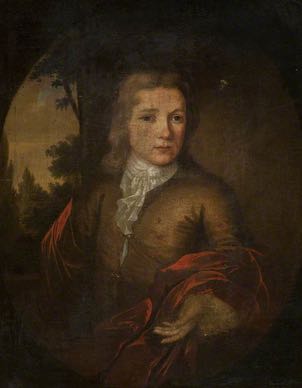


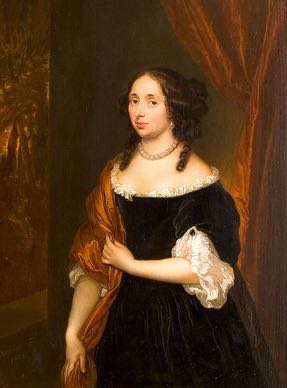


From: $582.00$291.00


Can’t Find the Painting You Want?
Send us a reference image. We can recreate almost any artwork in the size and style you’re looking for.
Get a Free QuoteHand-Painted Caspar Netscher Reproductions
Bring Netscher’s art into your home with an oil-on-canvas reproduction hand-painted by a professional artist. Our collection features more than one hundred paintings from across his career, including The Lace Maker, A Woman Feeding a Parrot, with a Page, and Queen Mary II. Discover elegant portraits, musical gatherings, letter-writing scenes, domestic interiors, and other subjects associated with Netscher. Every reproduction is a real oil painting, offering depth and texture that a print or digital transfer cannot provide. From celebrated works to less familiar compositions, find a Netscher painting that suits your space.
The Making of a Caspar Netscher Oil Painting Replica
Creating a Caspar Netscher oil painting replica requires patience, precision, and an understanding of the original artwork. Our studio includes artists who specialize in Dutch Baroque painting and understand the distinctive qualities of Netscher’s work. The artist begins by studying the source image, then recreates its balanced composition, delicate colors, polished surfaces, and Netscher’s finely observed handling of satin, lace, and fur using traditional oil-painting methods. After completion, the painting is inspected by our quality-control team and photographed for your approval. The result is a carefully executed oil painting that reflects the visual character of the original.
Custom Sizes and Frames for Your Netscher Painting
Your Netscher painting can be ordered in practically any size, from popular standard dimensions to custom canvas sizes selected directly on the product page. This flexibility lets you choose a painting that fits your wall and complements your room perfectly. After selecting the size, you can choose from high-quality frames in classic or modern designs, with professional canvas stretching also available. Our framing options complement the refined colors and elegant interiors of Netscher’s paintings. With sizing, stretching, and framing arranged in one order, your artwork can arrive ready for display without a separate visit to a frame shop.
Order a Caspar Netscher Reproduction with Confidence
Buying hand-painted art online should feel clear and comfortable. After your Caspar Netscher reproduction is completed, we send high-resolution photographs for your review before shipping. You can inspect the composition, colors, details, and overall finish, then request adjustments if needed. The painting is dispatched only after you approve it, so you know what to expect when it arrives. Your order also includes free express worldwide shipping and is covered by our 90-day return policy. Together, these assurances help you purchase a Netscher oil painting with greater confidence and peace of mind.
The Life and Art of Caspar Netscher
Caspar Netscher was a Dutch painter celebrated for intimate genre scenes and elegant portraits of the seventeenth-century elite. His birthplace and birth year remain uncertain, but he grew up in Arnhem and trained in Deventer with Gerard ter Borch. Netscher settled in The Hague in 1662, where diplomats, court officials, wealthy families, and foreign visitors provided an international circle of patrons. Early interiors show women writing letters, making lace, teaching children, and playing music; later portraits combine individual likeness with polished displays of rank. His remarkable handling of satin, lace, fur, metal, and carpets made material surfaces seem tangible. Netscher’s sons continued his successful workshop style after his death in 1684.
Read More
What Is Known About Caspar Netscher’s Early Life?
Even the basic facts of Netscher’s birth are uncertain. One early account placed it in Heidelberg in 1639, while another gave Prague around 1635 or 1636. Modern museums retain both possibilities rather than force the evidence into a single version. His childhood unfolded amid the disruption that followed the Thirty Years’ War.
Netscher was raised in Arnhem in the Dutch Republic. He began his artistic training there with Herman Coster, a painter of portraits and still lifes. That early experience may have encouraged the close description of faces, objects, and surfaces that remained important throughout Netscher’s career.
He soon moved beyond Arnhem in search of stronger instruction. By the mid-1650s, he was in Deventer, a prosperous city where one of the Netherlands’ most accomplished painters of refined social life had recently settled.
How Did Gerard ter Borch Shape the Young Painter?
Netscher entered the workshop of Gerard ter Borch around 1654. Ter Borch painted officers, travelers, letter writers, musicians, and quietly charged meetings in restrained interiors. His small figures could appear informal while every posture, glance, and interval was carefully planned.
Netscher learned to render black silk, pale satin, fur, linen, metal, and skin with subtle changes of touch. He also absorbed Ter Borch’s preference for upright formats and a few figures whose relationships are suggested through gesture rather than explained through obvious action.
Signed copies after his teacher show Netscher learning through direct imitation, a normal workshop practice. He did not remain a copyist. His contours became crisper, his colors brighter, and his rooms increasingly filled with fashionable objects. The lessons of Ter Borch became the foundation for a more decorative and internationally appealing style.
Why Did a Planned Italian Journey End in Bordeaux?
Around 1658 or 1659, Netscher set out for Italy, the destination many ambitious northern artists hoped to reach. He traveled through Bordeaux but went no farther. There he met Margaretha Godijn, the daughter of a mathematician and engineer, and married her on 25 November 1659.
Netscher worked in Bordeaux for several years. The surviving evidence for this period is limited, yet the stay placed him within a port city connected to trade, travel, and foreign clients. Growing hostility toward Protestants contributed to the family’s decision to leave France.
In 1662, the Netschers settled in The Hague. Caspar joined the Confrerie Pictura, an artists’ association that also brought painters into contact with collectors and knowledgeable amateurs. The move proved decisive: The Hague’s court, government offices, and diplomatic community offered patrons who valued cultivated scenes and stylish portraiture.
What Makes Netscher’s Early Interiors Feel So Intimate?
Netscher’s early independent paintings usually place one or two figures in compact domestic rooms. A woman makes lace, writes a letter, washes her hands, or pauses at a spinning wheel. A visitor enters, a child studies, or a musician waits for an answer. The action is modest, but the emotional situation is rarely empty.
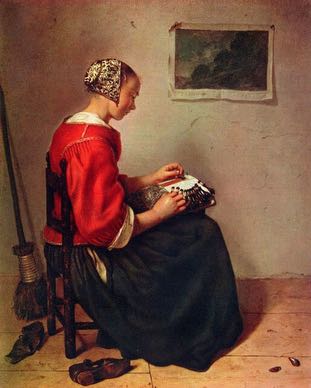
The Lace Maker of 1662 shows a young woman completely absorbed in difficult handwork. Her plain dress, lowered gaze, orderly room, and nearby broom were associated with diligence and domestic virtue. Netscher keeps the moral meaning quiet enough for the picture to remain an encounter with concentration.
His rooms are carefully staged without feeling crowded. Furniture, wall coverings, doorways, and floor tiles establish depth, while light gathers around hands and faces. The small scale encourages close viewing, making the painted interior feel private even when its objects signal comfort and social standing.
How Did Fabric Become One of His Strongest Signatures?
Netscher could make a passage of paint suggest the heavy nap of a carpet, the cool sheen of satin, the crisp edge of lace, or the softness of fur. He changed the thickness, direction, and sharpness of his strokes according to the material rather than covering every surface with one uniform finish.
In A Woman Feeding a Parrot, with a Page, painted in 1666, a gold dress, silk curtain, oriental carpet, skin, stone, and feathers all respond differently to light. Their variety demonstrates skill while strengthening the luxury and playfulness of the scene.
This attention was more than display for its own sake. Clothing helped locate a sitter within contemporary fashion, and imported objects hinted at wealth and global trade. Netscher made status visible through texture, yet the controlled scale and precise handling prevent these possessions from overwhelming the people who own them.
In What Ways Could Everyday Scenes Carry Larger Meanings?
Seventeenth-century viewers were accustomed to finding suggestions of courtship, education, virtue, vanity, or transience in familiar activities. Netscher used these associations without turning every scene into a lesson with one fixed answer. A letter might concern love, business, or absence; a music lesson could imply harmony, flirtation, or disciplined accomplishment.
Two Boys Blowing Bubbles combines childhood absorption with an old image of life’s brevity. The bubbles shine beautifully because they will vanish. Expensive clothing, feathers, shells, and silver add another contrast between possessions that seem durable and a life that is not.
Women at domestic work could embody contemporary ideas about order and virtue, but they also gave Netscher opportunities to paint attention itself. In Interior with a Mother Combing Her Child’s Hair, care is conveyed through touch, posture, and the patient rhythm of an ordinary task.
Why Did Portraiture Take Over His Career?
By about 1670, Netscher had turned increasingly from genre scenes toward portraiture. The Hague offered an ideal market. Dutch officeholders, diplomats, aristocrats, visiting foreigners, and members of the House of Orange all needed likenesses that could communicate position within an international courtly world.
A later biographer connected the change to Netscher’s need to support a large family, but commercial calculation was only part of the story. His early interiors had already trained him to balance likeness, costume, gesture, and setting. Portraiture allowed those abilities to serve identifiable clients and important social occasions.
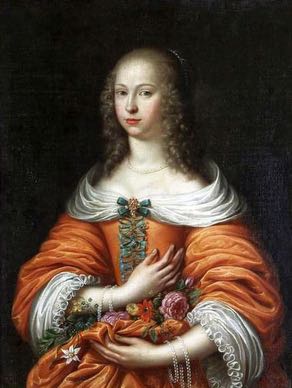
Netscher’s sitters may lean beside a carved pedestal, hold flowers, wear pearls, or appear near a garden and distant architecture. These additions create grace and rank without erasing the face. His small portraits were intimate objects, yet their polished presentation anticipated the more cosmopolitan portrait styles of the eighteenth century.
Who Entered Netscher’s International Circle of Sitters?
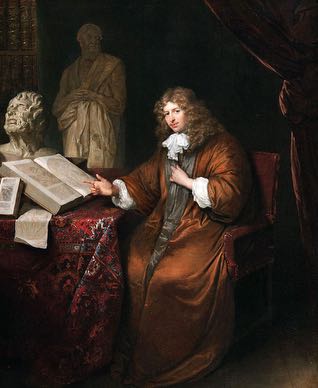
Netscher portrayed leading figures in Dutch political and intellectual life, including Johan de Witt, Coenraad van Beuningen, Constantijn Huygens, and the scientist Christiaan Huygens. Their portraits connected his studio with government, diplomacy, literature, mathematics, and the international networks centered on The Hague.
William III, Prince of Orange, and Mary Stuart also sat within the world Netscher served. In Portrait of Queen Mary II of England and Scotland, courtly costume and controlled pose help present a young dynastic figure whose later political importance could not yet be fully known.
Foreign clients included Cosimo III de’ Medici and visitors moving through Dutch diplomatic society. Netscher’s style suited this mobile audience because it joined Dutch precision with a broader language of aristocratic ease. A portrait could remain recognizably personal while traveling as an image of family, alliance, and status.
Which Paintings Reveal the Range of Netscher’s Art?
Netscher moved from domestic genre painting to fashionable portraiture without abandoning his interest in gesture, social exchange, or beautifully differentiated surfaces. These works show how those concerns developed across his career:
- The Lace Maker, 1662: A modest room, concentrated figure, and difficult handwork create one of Dutch art’s most refined images of domestic virtue.
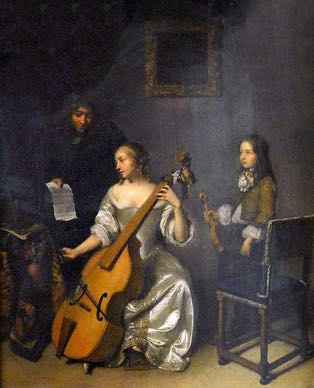
- Company Making Music, 1665: Instruments, glances, and poised figures turn a cultivated gathering into a subtle social exchange.
- A Woman Feeding a Parrot, with a Page, 1666: Luxurious textures and playful attention bring genre narrative close to portraiture.
- Interior with a Mother Combing Her Child’s Hair, 1669: A quiet act of care receives the finish and concentration of a precious cabinet picture.
- A Boy Blowing Soap Bubbles, 1670: Lively childhood and fragile bubbles carry a gentle reminder of life’s brevity.
- Portrait of Constantijn Huygens, 1672: The courtier and poet appears with the composed intelligence expected of a major cultural figure.
- Portrait of a Lady and a Girl, 1679: Similar features and a hand placed gently on the child’s shoulder suggest a close family bond.
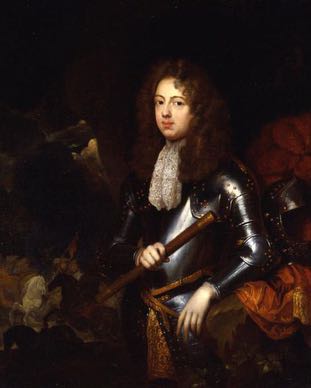
- William III, Prince of Orange, circa 1680–1684: Aristocratic pose and rich costume express the authority of the future king.
How Did Netscher’s Workshop Extend His Influence?
Portrait demand encouraged Netscher to organize an active workshop. Assistants could help with repeated formats, clothing, accessories, or copies, while the master’s name guaranteed a recognizable standard of elegance. Workshop production also helps explain why attribution among autograph paintings, studio versions, and later imitations can be difficult.
His sons Theodorus and Constantijn became painters and continued aspects of his portrait style. Their careers carried the Netscher manner into the eighteenth century, when European patrons increasingly favored polished likenesses placed within graceful architectural or garden settings.
Netscher died in The Hague in 1684, still at the height of his success. Changing taste later placed his carefully finished art behind more dramatic Dutch masters, but that judgment misses his particular achievement. He joined close observation, social intelligence, and technical control in paintings made to reward intimate viewing. His genre scenes preserve small human exchanges, while his portraits reveal how identity and status were fashioned for a changing international elite.
Copyright © 2026 BrushWiz. All Rights Reserved.
About Our Caspar Netscher Paintings
Are your Caspar Netscher reproductions painted by hand?
Yes. Every reproduction is individually painted by hand in oil on canvas by a professional artist. We do not use prints, digital transfers, or mechanical reproduction methods.
How closely do your Netscher copies resemble the original?
Our artists work to capture the composition, colors, textures, details, and visual character of the original Netscher painting as closely as possible. Because every reproduction is painted by hand, small variations are natural and make each canvas unique.
How long does a Netscher reproduction take to complete?
Most Netscher reproductions require approximately two to three weeks to paint, dry, and inspect. Production time may vary depending on the artwork and canvas size, so check the estimate displayed on the product page.
Can I request a Netscher painting that is not listed?
Yes. If you cannot find the Caspar Netscher artwork you want in our catalog, send us the painting’s title or an image. Our team will review your request and confirm the available sizes, estimated production time, and price.
Will I receive approval photos before shipping?
Yes. We send high-resolution photographs of the completed painting for your approval. You can request adjustments if needed, and the painting will not be dispatched until the review process is complete.
Are custom canvas sizes available for Netscher paintings?
Yes. We offer custom dimensions in addition to the standard sizes shown on the product page. Select the dimensions you need directly from the available size options.
May I order my Netscher painting with a frame?
Yes. High-quality frames in classic and modern designs are available for many paintings. You can view compatible framing options and add your preferred design from the product page. Professional canvas stretching is also available.
What determines the price of a Netscher reproduction?
The price depends on the selected artwork, canvas dimensions, and framing option. Choose your preferred configuration on the product page to see the current price before ordering.
Is free express worldwide shipping included?
Yes. Caspar Netscher reproductions qualify for free express worldwide shipping. After dispatch, delivery usually takes five to eight business days, although timing may vary by country and destination.
Which return policy covers Caspar Netscher reproductions?
Orders are covered by our 90-day return policy. Review the current return-policy page before ordering for complete information about eligibility, time limits, and the return process.
Why BrushWiz?
100% Hand Painted
Every piece is entirely handmade
Museum Quality
Faithfully recreated by expert artists
Custom Framing
Choose from a wide range of frames
Free Shipping
Enjoy free shipping on all orders
Cash Back Rewards
Earn cash back with every purchase