
❄️ Winter Sale. Offer Ends 11/15/2026. View Details
❄️ Winter Sale. Ends 11/15/2026. View Details
❄️ Winter Sale. View Details
Artists
Subjects
Movements
Collections
Decor
Portraits
Commissions
Framing
Reviews
Gift Cards
On Sale
Egon Schiele Oil Painting Reproductions
Shop museum-quality reproductions of Egon Schiele’s most famous paintings, each hand-painted in oil on canvas by a professional artist.
Shop Art
Showing 1-40 of 299 results
Sort By
Most Popular
- Most Popular
- New Arrivals
- Best Sellers
- Alphabetical A-Z
- Alphabetical Z-A
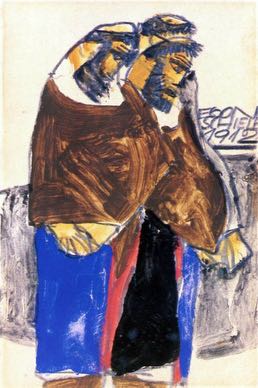

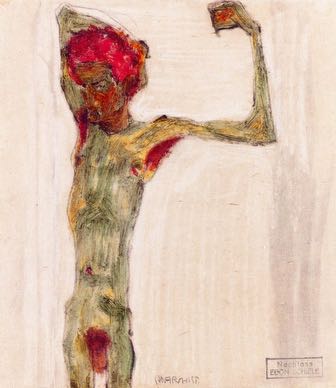

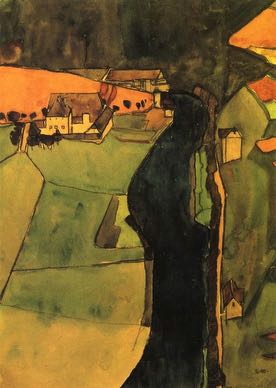
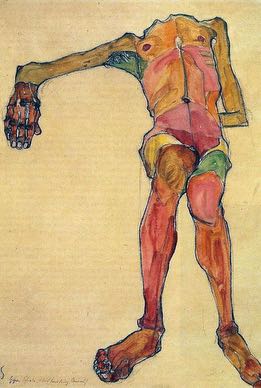

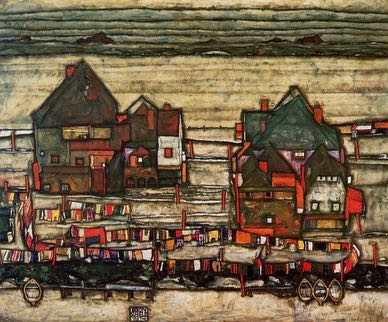
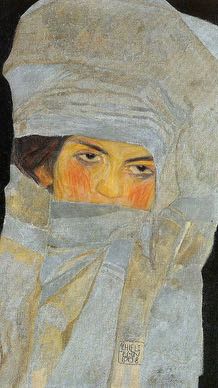
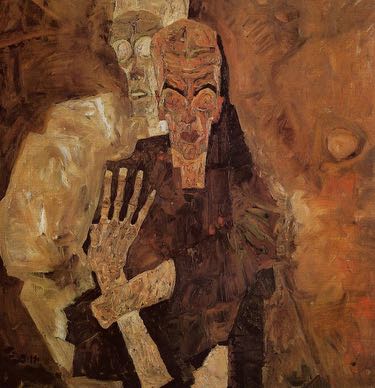

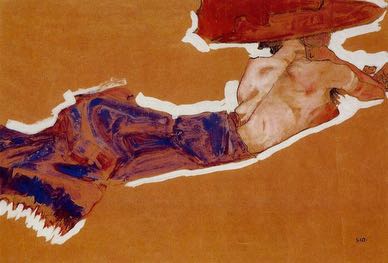
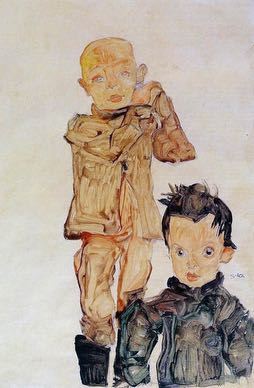
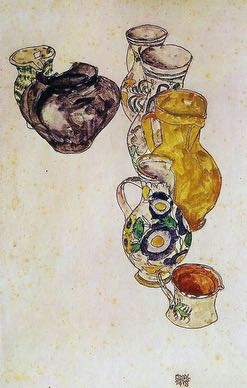
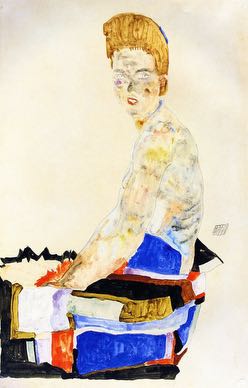
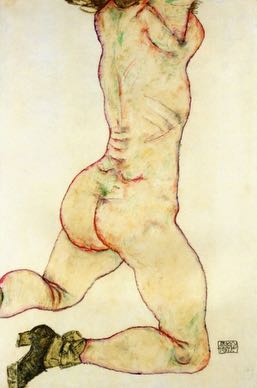
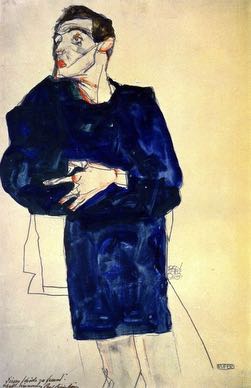
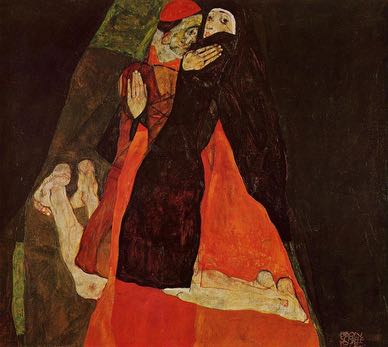
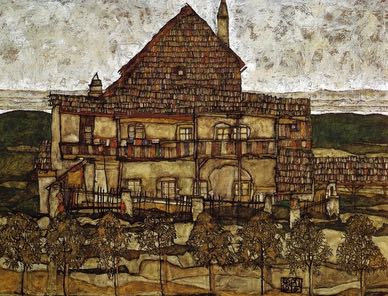


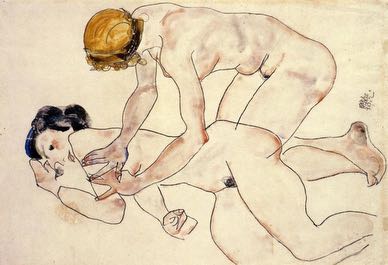
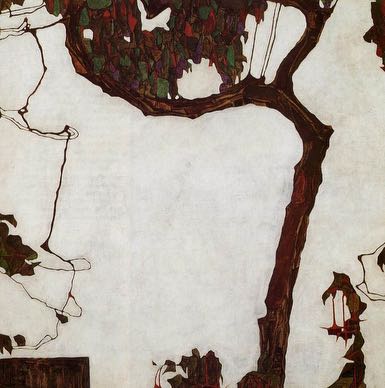
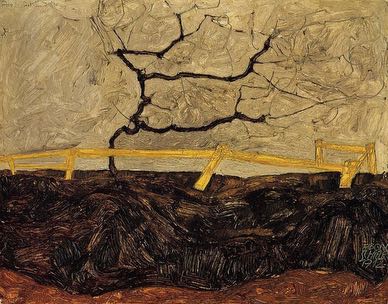
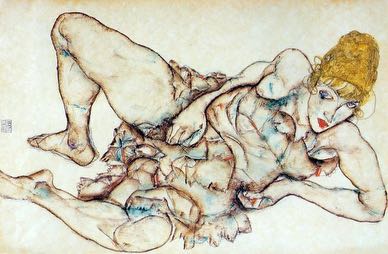
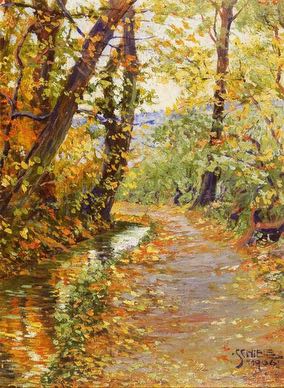
Can’t Find the Painting You Want?
Send us a reference image. We can recreate almost any artwork in the size and style you’re looking for.
Get a Free QuoteHand-Painted Egon Schiele Reproductions
Bring Schiele’s art into your home with an oil-on-canvas reproduction hand-painted by a professional artist. Our collection features hundreds of paintings from across his career, including Portrait of Wally, Death and the Maiden, and Seated Woman with Bent Knee. Discover expressive portraits, angular self-portraits, intertwined figures, stark cityscapes, and other subjects closely associated with Schiele. Every reproduction is a real oil painting, offering depth and texture that a print or digital transfer cannot provide. From iconic masterpieces to lesser-known works, find a Schiele painting that suits your space.
The Making of an Egon Schiele Oil Painting Replica
Creating an Egon Schiele oil painting replica requires patience, precision, and an understanding of the original artwork. Our studio includes artists who specialize in Expressionist painting and understand the distinctive qualities of Schiele’s work. The artist begins by studying the source image, then recreates its angular contours, expressive poses, concentrated colors, exposed canvas, and Schiele’s economical handling of detail using traditional oil-painting methods. After completion, the painting is inspected by our quality-control team and photographed for your approval. The result is a carefully executed oil painting that reflects the intensity and visual character of the original.
Custom Sizes and Frames for Your Schiele Painting
Your Schiele painting can be ordered in practically any size, from popular standard dimensions to a custom canvas size selected directly on the product page. This flexibility lets you choose a painting that fits your wall and complements your room perfectly. After selecting the size, you can choose from high-quality frames in classic or modern designs, with professional canvas stretching also available. Our framing options complement the strong contours and concentrated colors of Schiele’s paintings. With sizing, stretching, and framing arranged in one order, your artwork can arrive ready for display without a separate visit to a frame shop.
Order an Egon Schiele Reproduction with Confidence
Buying hand-painted art online should feel clear and comfortable. After your Egon Schiele reproduction is completed, we send high-resolution photographs for your review before shipping. You can inspect the composition, colors, and overall finish, then request adjustments if needed. The painting is dispatched only after you approve it, so you know what to expect when it arrives. Your order also includes free express worldwide shipping and is covered by our 90-day return policy. Together, these assurances help you purchase a Schiele oil painting with greater confidence and peace of mind.
The Life and Art of Egon Schiele
Egon Schiele was an Austrian Expressionist painter and draftsman known for angular lines, unconventional poses, penetrating portraits, and unsparing studies of the human figure. Born in 1890, he entered Vienna’s Academy of Fine Arts at sixteen but quickly rebelled against its conservative instruction. Gustav Klimt became an important mentor, though Schiele soon replaced Secessionist elegance with a sparer, more psychologically charged language of his own. He painted and drew self-portraits, nudes, couples, mothers and children, trees, houses, and tightly packed towns. In a mature career lasting less than a decade, Schiele produced hundreds of paintings and thousands of works on paper. He died during the influenza pandemic of 1918 at twenty-eight, just as substantial recognition arrived in Vienna.
Read More
Who Was Egon Schiele?
Egon Leo Adolf Ludwig Schiele was born on 12 June 1890 in Tulln an der Donau, a railway town west of Vienna. His father, Adolf Schiele, was the local stationmaster, and trains fascinated the boy from an early age. He drew railways, stations, and the nearby landscape throughout childhood, displaying an ability that eventually persuaded his family to support formal training.
Schiele became one of the most unmistakable artists of Viennese Modernism and Austrian Expressionism. Though his career was extraordinarily short, sharply outlined bodies, concentrated color, exposed paper, and relentless self-examination transformed modern figure painting. Works on paper make up the largest part of his output, while his paintings carry the same searching vision into allegory, portraiture, landscape, and city views.
What Shaped Schiele’s Early Life and Training?
Loss and instability marked Schiele’s childhood. His father’s health declined before his death in 1905, when Egon was fourteen. Mortality, family, isolation, and identity would return throughout the artist’s work. His maternal uncle Leopold Czihaczek became his guardian and at first doubted that an artistic career could provide a secure future.
At sixteen, Schiele entered the Academy of Fine Arts Vienna in 1906. Christian Griepenkerl taught him according to established academic standards, emphasizing historical subjects, drawing, and conventional finish. Schiele acquired useful technical foundations but grew increasingly frustrated with the Academy’s rigidity. The conflict pushed him to seek a more independent language suited to Vienna’s rapidly changing culture.
How Did Gustav Klimt Help Schiele Find His Direction?
Schiele met Gustav Klimt in 1907. The established painter saw his talent, traded drawings with him, introduced him to models and collectors, and provided connections to the Wiener Werkstätte. Klimt also included the younger artist in the 1909 Internationale Kunstschau, exposing him to modern Austrian and international art outside the Academy.
At first, Schiele adopted the flattened space, decorative surfaces, elegant poses, and flowing outlines associated with Klimt and the Vienna Secession. He soon moved beyond imitation. By 1910, ornament had receded, figures had become angular, and color arrived in abrupt accents. Secessionist beauty gave way to empty grounds, exposed bodies, and tense gestures that brought psychological presence to the surface.
Why Did Schiele Leave the Academy?
In 1909, Schiele left the Academy and helped found the Neukunstgruppe, or New Art Group, with other dissatisfied students. They opposed conservative teaching and argued that inner vision mattered more than compliance with inherited rules. Schiele became one of the group’s strongest voices while developing relationships with collectors, dealers, patrons, and critics beyond official institutions.
The critic Arthur Roessler proved especially valuable, commissioning portraits, introducing Schiele to clients, and writing about his work. Schiele’s Arthur Roessler turns a recognizable face into a study of temperament and posture. Around 1910, his Expressionist breakthrough brought jagged contours, heightened color, and gestures that make the body appear guarded and exposed at once.
What Gives Schiele’s Figures Their Emotional Force?
Schiele treated the body as a carrier of feeling rather than a harmonious ideal. Twisted hands, tilted heads, long limbs, sudden cropping, and wide areas of untouched canvas or paper build tension around his sitters. Bones, joints, oddly colored skin, and sharply bounded clothing receive deliberate emphasis. Such distortions allow posture and gesture to do psychological work.
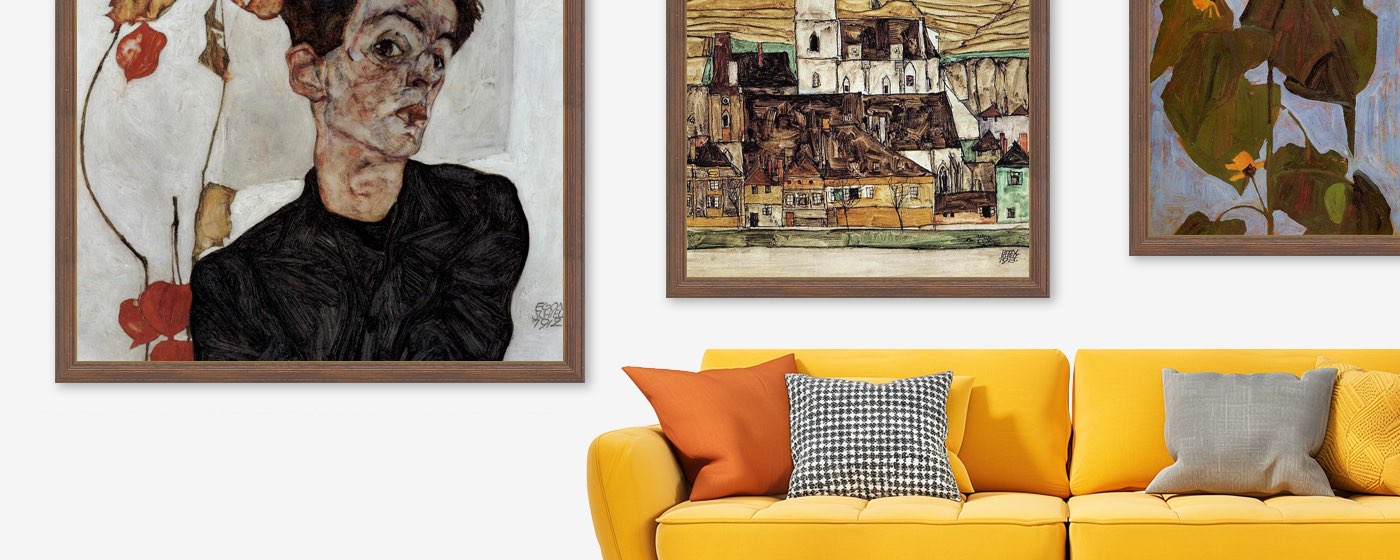
His many self-portraits try on identities that can be theatrical, ascetic, sensual, vulnerable, defiant, or spiritually charged. In Self-Portrait with Chinese Lantern Fruits, the angular outline and unwavering gaze stand against brilliant fruit and decorative leaves. Instead of maintaining one public image, Schiele used his own face and body to test competing states of mind through color, costume, expression, and pose.
Who Was Wally Neuzil, and Why Was Schiele Arrested?
Walburga “Wally” Neuzil became Schiele’s companion and an important model around 1911. She went with him to Krumau, now Český Krumlov, and later to Neulengbach. Several portraits owe their unusual warmth and immediacy to her presence. In Portrait of Wally, dark clothing and a pale background frame an attentive, direct gaze.
Local children visited Schiele’s studio, and his drawings of young models provoked hostility in conservative Neulengbach. Authorities arrested him in 1912 and held him for twenty-four days while investigating serious accusations. Charges of abduction and sexual misconduct were dismissed. He was convicted only of displaying an erotic drawing where children could see it and received a brief sentence largely covered by time already served. Themes of confinement, alienation, and judgment deepened in his work afterward.
Why Do Schiele’s Landscapes Feel Like Portraits?
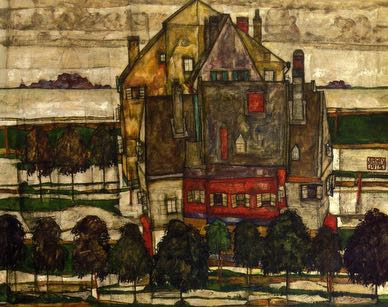
The human figure dominates Schiele’s reputation, but he brought comparable emotion to rivers, fields, trees, houses, and towns. His landscapes seldom behave like neutral descriptions. Bare limbs resemble exposed nerves, compressed buildings seem fragile and alone, and autumn color carries thoughts of decline and renewal. In Four Trees, carefully measured intervals, silhouette, and rhythm organize the natural world.
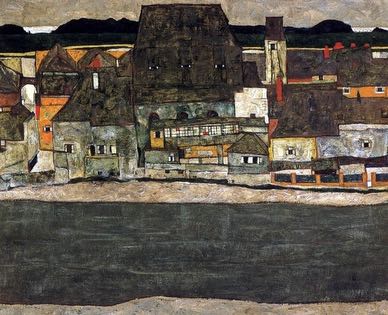
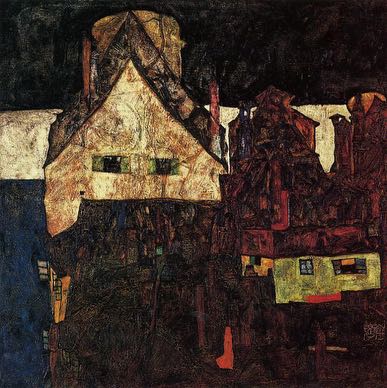
Krumau, where Schiele’s mother was born, inspired many of his most distinctive cityscapes. Looking down from high viewpoints, he flattened its river bends and packed rooftops into dense patterns, often leaving the town strangely empty. Dead City III makes the familiar place both intimate and inaccessible through dark water and tightly clustered buildings. Isolation and mortality move from the body into the built environment.
How Did Marriage and War Change Schiele’s Final Work?
Schiele ended his relationship with Wally in 1915 and married Edith Harms, whose family lived opposite his Vienna studio. Soon afterward, the First World War brought him into military service. His eventual assignments still allowed time to draw, organize exhibitions, and portray fellow soldiers and prisoners. Wartime restrictions reduced his ability to travel without halting production.
Portraits of Edith and later figure groups often have fuller bodies, gentler modeling, and more complex emotional relationships. The unfinished The Family places Schiele with a woman and child in a compact triangular group. The image is especially poignant because Edith was pregnant when she died in the influenza pandemic in October 1918. Schiele followed her three days later, dying on 31 October at twenty-eight.
Only months before, the 49th Vienna Secession exhibition had brought strong sales and major recognition. Schiele designed the poster and showed a substantial body of work, appearing ready for a more secure international career. His death ended that promise just as public opinion was catching up with changes he had introduced years earlier.
Which Paintings Reveal the Range of Schiele’s Art?
Schiele moved from searching self-images and intimate portraits to couples, allegories, landscapes, and tightly compressed towns. These works show the varied uses he found for line, space, gesture, and color:
- Self-Portrait with Chinese Lantern Fruits: Brilliant decorative color offsets the angular features and direct gaze of a searching self-image.
- Portrait of Wally: A restrained setting and concentrated gaze give Wally Neuzil an immediate psychological presence.
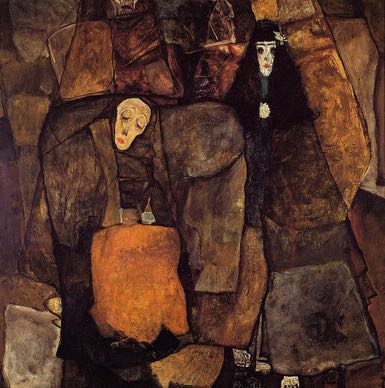
- Death and the Maiden: Two figures locked in an embrace turn a personal separation into a wider meditation on loss and intimacy.
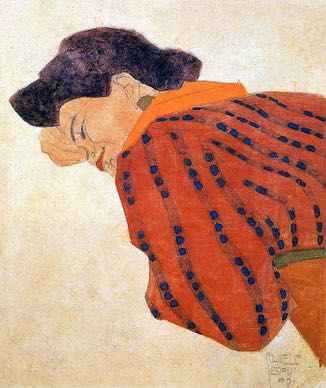
- Seated Woman with Bent Knee: Exposed limbs, bright clothing, and an unconventional yet relaxed pose create an arresting balance.
- The Family: The unfinished group points toward a new language of fuller bodies and emotionally connected figures.
- Four Trees: A low horizon, slender trunks, and autumn leaves turn landscape into a meditation on change and solitude.
- Dead City III: Dark water and densely arranged roofs lend the familiar town of Krumau a somber, closed atmosphere.
Why Does Schiele’s Influence Endure?
Schiele reconsidered portraiture, self-representation, and the nude with extraordinary intensity. He discarded polished idealization but never abandoned close observation. His strongest figures are sensual and spiritual, defiant and fragile, confrontational and alone—sometimes all at once. The empty paper around them is active, focusing the eye on every line and gesture.
His influence reaches through figurative and Expressionist painting into photography, drawing, fashion, and contemporary visual culture. Artists continue to study how little line he needed to communicate posture and emotion. Museums and scholars have also examined the ownership history of works dispersed after his death, including the long restitution dispute over Portrait of Wally, adding collecting and provenance to the story of his art.
Schiele is now considered one of early twentieth-century Vienna’s defining artists. That achievement is all the more remarkable because his mature career lasted under ten years. The haunted landscapes, searching self-portraits, and uncompromising bodies that once caused outrage now show how radically modern art could rethink beauty, sexuality, identity, and psychological truth.
Copyright © 2026 BrushWiz. All Rights Reserved.
About Our Egon Schiele Paintings
Are your Egon Schiele reproductions painted by hand?
Yes. Every reproduction is individually painted by hand in oil on canvas by a professional artist. We do not use prints, digital transfers, or mechanical reproduction methods.
How closely do your Schiele copies resemble the original?
Our artists work to capture the composition, colors, texture, and visual character of the original Schiele painting as closely as possible. Because every reproduction is painted by hand, small variations are natural and make each canvas unique.
How long does it take to complete a painting?
Most Schiele reproductions require approximately two to three weeks to paint, dry, and inspect. Production time may vary depending on the artwork and canvas size, so check the estimate displayed on the product page.
Can I request a Schiele painting that is not listed?
Yes. If you cannot find the Egon Schiele artwork you want in our catalog, send us the painting’s title or an image. Our team will review your request and confirm the available sizes, estimated production time, and price.
Will I receive photos of my painting before it is shipped?
Yes. We send high-resolution photographs of the completed painting for your approval. You can request adjustments if needed, and the painting will not be dispatched until the review process is complete.
Can I order a custom canvas size?
Yes. We offer custom dimensions in addition to the standard sizes shown on the product page. Select the dimensions you need directly from the available size options.
Can I order my Schiele painting with a frame?
Yes. High-quality frames in classic and modern designs are available for many paintings. You can view compatible framing options and add your preferred design from the product page. Professional canvas stretching is also available.
How much does an Egon Schiele reproduction cost?
The price depends on the selected artwork, canvas dimensions, and framing option. Choose your preferred configuration on the product page to see the current price before ordering.
Do you offer free worldwide shipping?
Yes. Schiele reproductions qualify for free express worldwide shipping. After dispatch, delivery usually takes five to eight business days, although timing may vary by country and destination.
What is the return policy for Schiele reproductions?
Orders are covered by our 90-day return policy. Review the current return-policy page before ordering for complete information about eligibility, time limits, and the return process.
Why BrushWiz?
100% Hand Painted
Every piece is entirely handmade
Museum Quality
Faithfully recreated by expert artists
Custom Framing
Choose from a wide range of frames
Free Shipping
Enjoy free shipping on all orders
Cash Back Rewards
Earn cash back with every purchase