
- Best Seller

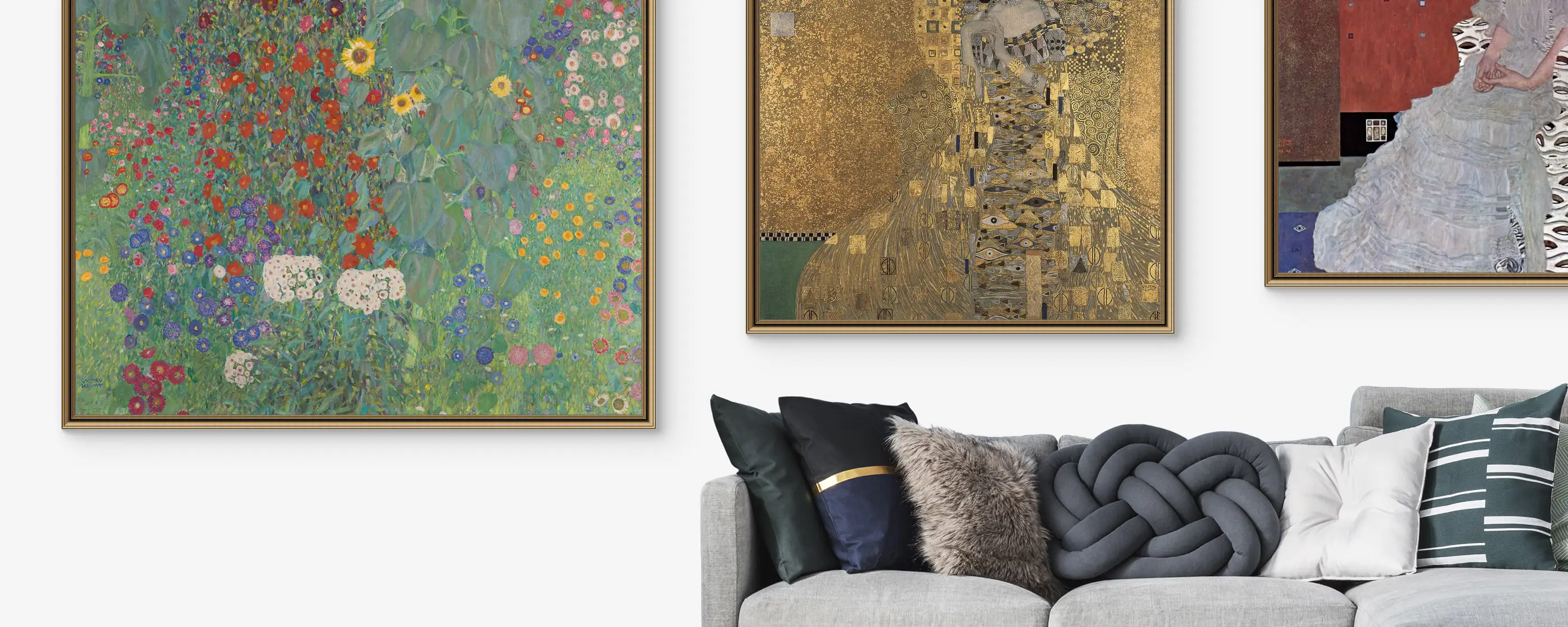


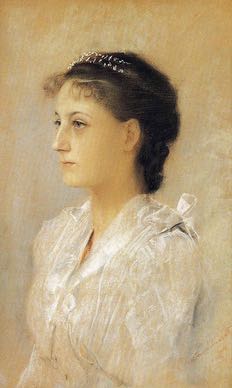
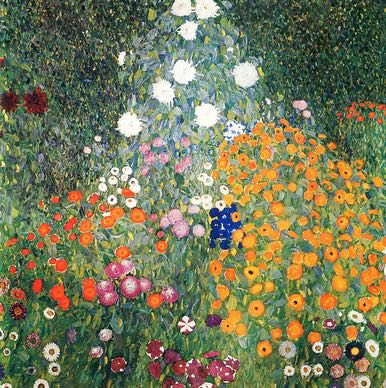
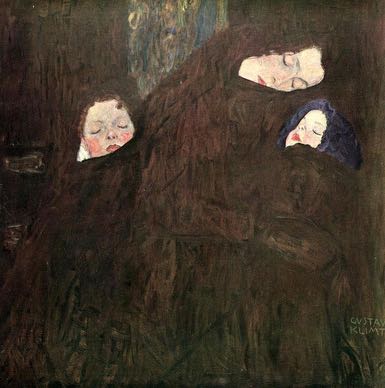
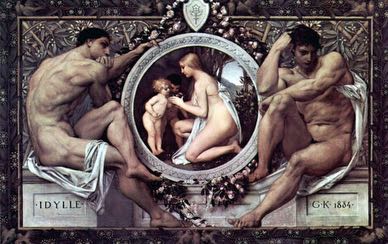
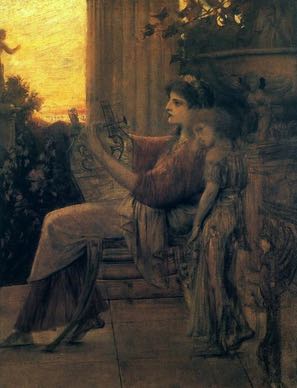
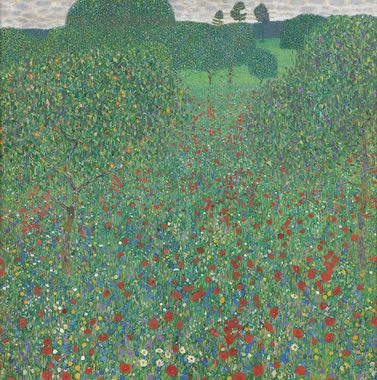
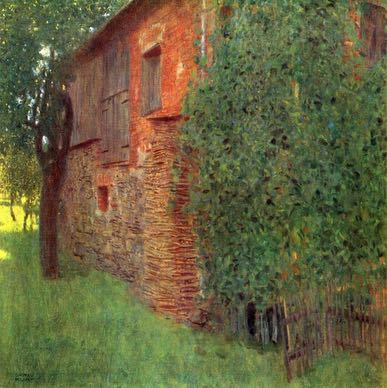
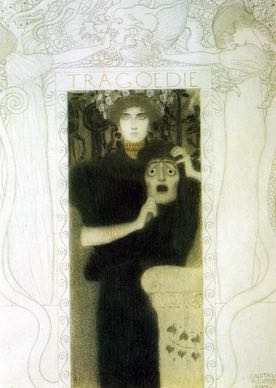
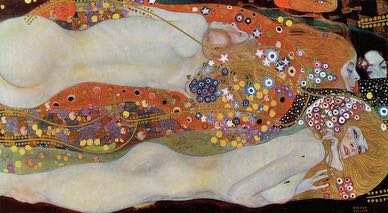
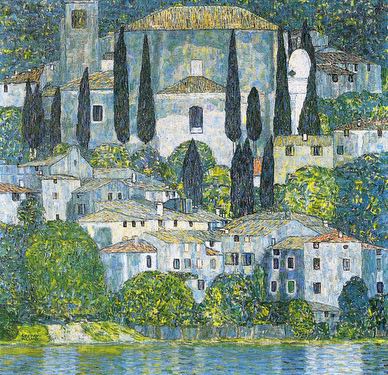
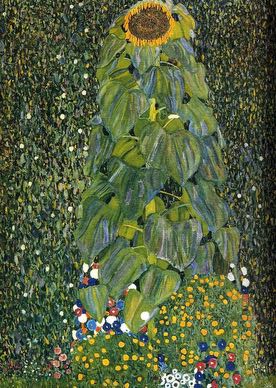
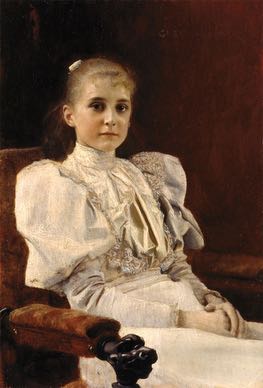

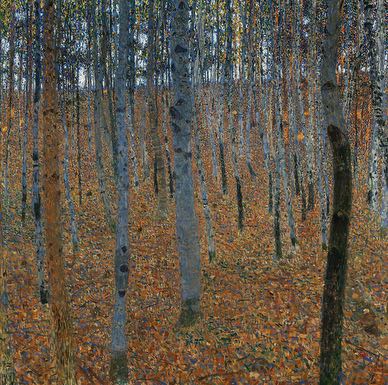
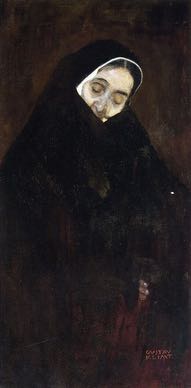
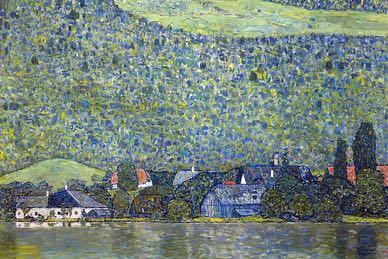
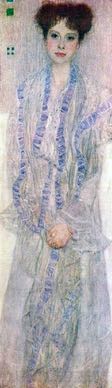
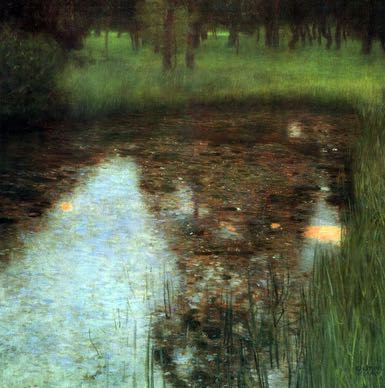
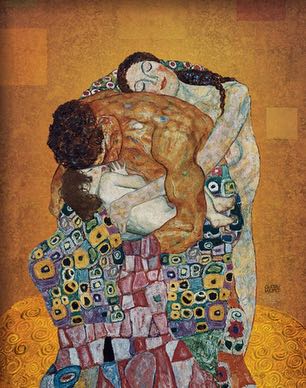
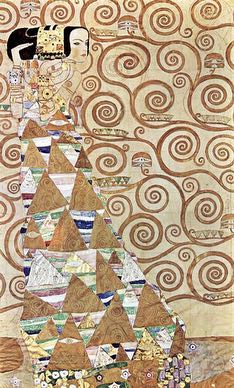

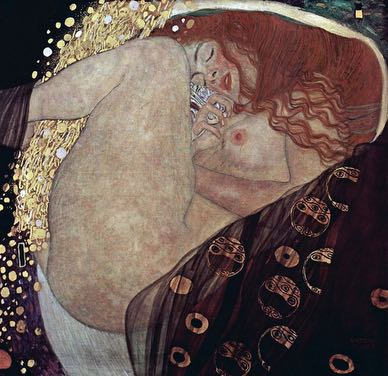
Send us a reference image. We can recreate almost any artwork in the size and style you’re looking for.
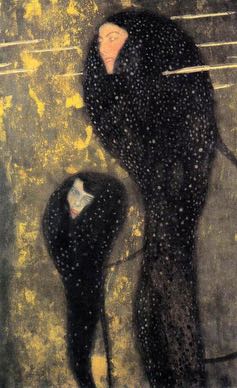
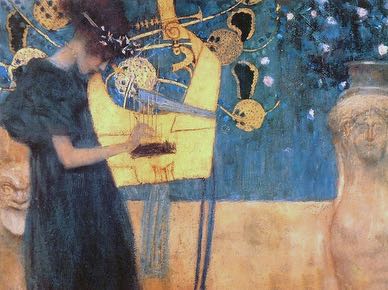
Get a Free QuoteBring Klimt’s art into your home with an oil-on-canvas reproduction hand-painted by a professional artist. Our collection features hundreds of paintings from across his career, including The Kiss, Portrait of Adele Bloch-Bauer I, and The Tree of Life. Discover golden portraits, embracing couples, symbolic figures, flower-filled gardens, and other subjects closely associated with Klimt. Every reproduction is a real oil painting, offering depth and texture that a print or digital transfer cannot provide. From iconic masterpieces to lesser-known works, find a Klimt painting that suits your space.
Creating a Gustav Klimt oil painting replica requires patience, precision, and an understanding of the original artwork. Our studio includes artists who specialize in Art Nouveau painting and understand the distinctive visual qualities of Klimt’s work. The artist studies the source image, then recreates its decorative patterns, flattened forms, rich colors, and Klimt’s gold-toned details using traditional oil-painting methods. After completion, the painting is inspected by our quality-control team and photographed for your approval. The result is a carefully executed oil painting that reflects the visual character of the original.
Your Klimt painting can be ordered in practically any size, from popular standard dimensions to custom canvas sizes selected directly on the product page. This flexibility lets you choose a painting that fits your wall and complements your room perfectly. After selecting the size, you can choose from high-quality frames in classic or modern designs, with professional canvas stretching also available. Our framing options complement the gold tones, decorative patterns, and rich colors of Klimt’s paintings. With sizing, stretching, and framing arranged in one order, your artwork can arrive ready for display without a separate visit to a frame shop.
Buying hand-painted art online should feel clear and comfortable. After your Gustav Klimt reproduction is completed, we send high-resolution photographs for your review before shipping. You can inspect the patterns, colors, figures, and overall finish, then request adjustments if needed. The painting is dispatched only after you approve it, so you know what to expect when it arrives. Your order also includes free express worldwide shipping and is covered by our 90-day return policy. Together, these assurances help you purchase a Klimt oil painting with greater confidence and peace of mind.
Gustav Klimt was an Austrian painter who helped define Viennese Modernism. Born in 1862, he began his career as a skilled decorative painter in the academic tradition, then helped establish the Vienna Secession in 1897. In his mature work, carefully observed faces and bodies emerge from flattened shapes, symbolic imagery, intricate patterns, and passages of gold and silver. Klimt became especially known for portraits of women, allegorical subjects, embracing couples, and quiet landscapes. By bringing figure painting together with decorative design and precious materials, he helped lead Austrian art away from nineteenth-century conventions and created one of the early twentieth century’s most recognizable styles.
Gustav Klimt was born on 14 July 1862 in Baumgarten, then a village on the outskirts of Vienna. His father, Ernst Klimt, was a gold engraver, while his mother, Anna, had once hoped for a musical career. Money was often scarce in the large household, but art and skilled craft were familiar parts of family life. Gustav’s brothers Ernst and Georg would also enter creative professions.
Klimt spent nearly all his life in Vienna, a city changing quickly around him. New buildings and industries reshaped the capital of the Austro-Hungarian Empire, while new social groups, ideas, and artistic movements challenged its established culture. Klimt’s career followed that transformation, beginning with official decoration and moving toward the experimental art now inseparable from Vienna around 1900.
In 1876, Klimt won a scholarship to the Vienna School of Arts and Crafts. Its teaching joined drawing and design with the study of historical styles and treated fine and applied art as closely related disciplines. Under instructors such as Ferdinand Laufberger, Klimt developed a firm command of the figure, decorative composition, and the illusionistic painting required for grand public interiors.
While still young, Klimt formed an artists’ company with his brother Ernst and their fellow student Franz Matsch. Together, they decorated theaters and public buildings across the Austro-Hungarian Empire. Ceiling paintings for Vienna’s Burgtheater and work inside the Kunsthistorisches Museum brought the group prestigious commissions. They also established Klimt as a dependable painter with formidable technical skill.
Then, in 1892, Klimt lost both his father and his brother Ernst. The deaths brought grief as well as heavier responsibility for the family. Over the years that followed, his painting began to leave the academic historical style of the early commissions behind. Figures grew more symbolic, space became flatter, and inner states started to matter more than clear public narratives.
By the mid-1890s, Klimt and a number of other Austrian artists had grown frustrated with Vienna’s conservative exhibition system. In 1897, they broke from the established Künstlerhaus and founded the Vienna Secession, choosing Klimt as the association’s first president. They wanted the freedom to exhibit modern work on their own terms and to bring developments from elsewhere in Europe before a Viennese audience.
The Secession was not built around a single visual style. Its exhibitions placed painting and sculpture beside architecture, graphic design, furniture, and decorative objects. This broad view encouraged the idea that fine and applied arts could work together to shape one complete environment.
For Klimt, the group offered both a platform and a community at the heart of Austrian modern art. His mysterious figures and allegories brought his work closer to Symbolism. At the same time, his patterned surfaces and refusal to separate art from design made him a central figure in Viennese Art Nouveau.
During the 1890s, Klimt and Franz Matsch were commissioned to paint ceilings for the Great Hall of the University of Vienna. Klimt took responsibility for Philosophy, Medicine, and Jurisprudence. The university expected uplifting tributes to knowledge and progress. Instead, he produced shadowy allegories crowded with exposed bodies and visions of uncertainty, illness, suffering, and death.
Professors, politicians, journalists, and members of the public attacked the paintings. To many critics, the bodies were too provocative and the meanings too obscure for an official academic setting. Klimt ultimately repaid his fee and recovered the works, freeing himself from the commission and effectively ending his dependence on large state projects. The paintings were destroyed by fire in 1945, though photographs and studies still give a sense of their appearance.
The conflict changed the course of Klimt’s career. Private patrons and independent exhibitions now gave him greater control over what and how he painted. It also became unmistakably clear that the gifted academic decorator of his youth had moved into far more challenging territory.
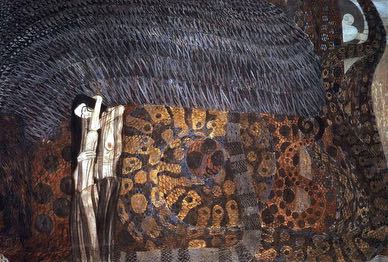
Klimt created the Beethoven Frieze for the Vienna Secession’s fourteenth exhibition in 1902. Conceived as a tribute to Ludwig van Beethoven, the exhibition brought architecture, painting, sculpture, and music together as parts of a single experience. Klimt’s wall cycle follows humanity’s longing for happiness through floating figures, suffering bodies, hostile forces, the consoling arts, and a final embrace.
Across three walls, flattened bodies and emphatic outlines meet ornament and unconventional materials. The frieze pointed toward the Golden Period that would soon follow, particularly in the way monumental figures merge with decorative surface. Its distorted bodies and open sensuality, however, also provoked the public.
The work had been intended as a temporary installation, but it survived the exhibition and passed through private hands before the Austrian state acquired it. It is now displayed in the Secession building. More than a century later, the frieze still captures the group’s ambition to dissolve the boundaries between the arts.
Klimt’s Golden Period did not emerge from one source. It drew on decorative art, metalwork, historical ornament, and mosaic, as well as the craft tradition represented by his father’s work as an engraver. Visits to Ravenna in 1903 brought him face to face with Byzantine mosaics, whose luminous surfaces and frontal figures encouraged his increasingly daring use of gold.
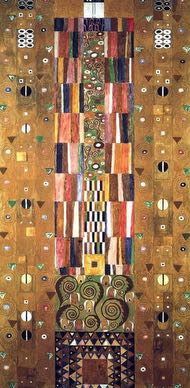
In works such as Judith I, Portrait of Adele Bloch-Bauer I, and The Kiss, faces and hands retain a carefully modeled human presence while clothing and backgrounds spread into ornament. Gold leaf, silver, spirals, circles, floral forms, and geometric patterns make these paintings seem at once pictured, assembled, and jeweled.
This phase can be explored further through BrushWiz’s Golden Period Klimt collection. The subjects vary, but each work negotiates the pull between a living figure and the design surrounding it. Ornament is never merely a border. It can shape a body, flatten the room around it, or carry an emotion that the face keeps private.
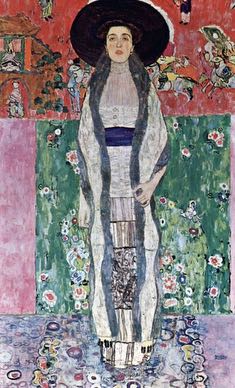
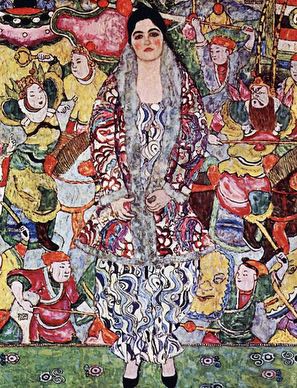
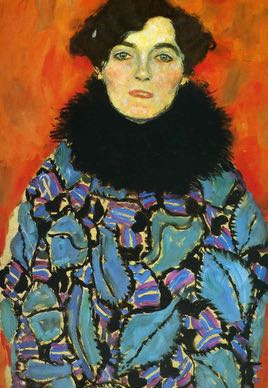
Klimt painted many commissioned portraits, especially of women from Vienna’s wealthy cultural and industrial circles. He observed each sitter’s face, hands, dress, and social presence with care, yet rarely repeated the same decorative solution. Adele Bloch-Bauer was the only person he portrayed twice in full-length paintings.
Women were not only his subjects. They were also patrons, collectors, models, and important members of his social world. The fashion designer Emilie Flöge became Klimt’s lifelong companion, and her family was closely woven into his private and professional life. A shared interest in reform dress and patterned textiles formed part of their creative exchange, though the precise nature of Klimt’s personal relationships should not be reduced to guesswork.
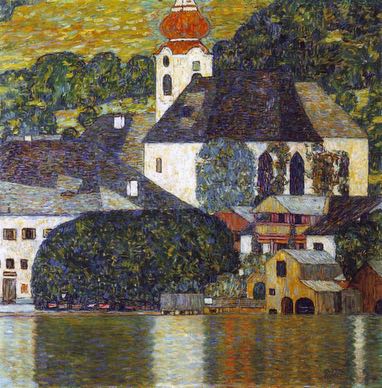
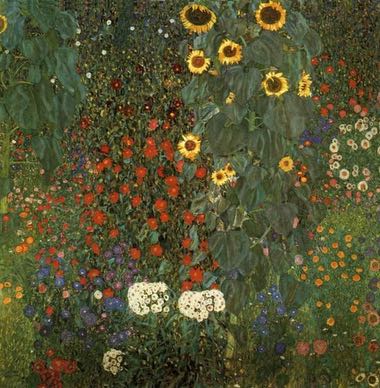
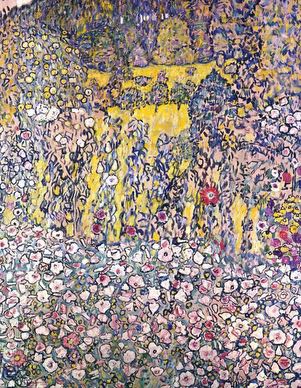
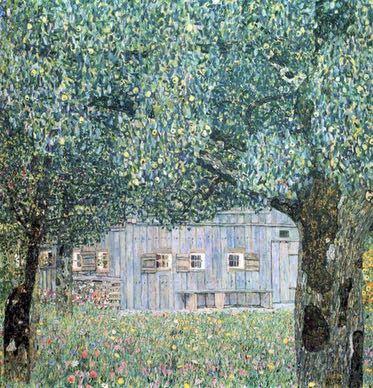
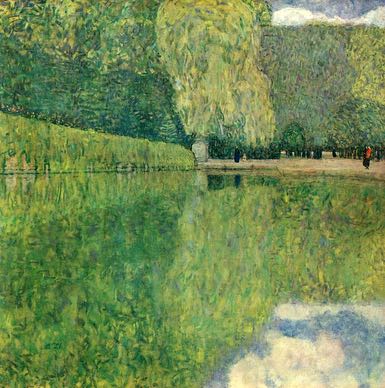
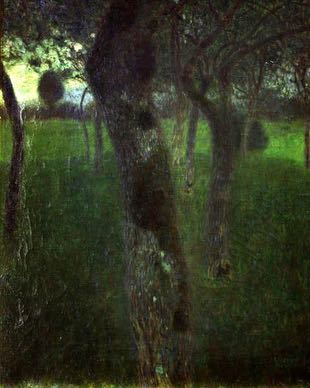
Landscape painting was another major part of Klimt’s mature career. On summer visits to the Attersee region, he turned to gardens, orchards, forests, lakes, farmhouses, and villages. Works such as Lake Attersee, Poppy Field, and Avenue in the Park of Schloss Kammer compress depth into square fields of foliage and reflected color. Quieter than the allegories, these landscapes are no less attentive to pattern, density, and visual rhythm.
Klimt’s best-known works trace his break with academic art, the rise of the Vienna Secession, the Golden Period, and the richer color of his final years:
These works make clear that Klimt’s importance cannot be reduced to gold. In portraits, allegories, architectural decorations, and late paintings, he kept finding new ways to bring the human figure into contact with the surface around it.
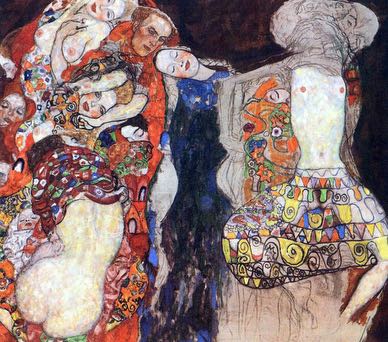
During the 1910s, Klimt gradually left behind the extensive gold grounds of his best-known period. His palette became brighter and more varied, while flowers, boldly patterned textiles, and East Asian art fed into late works such as Lady with Fan and the unfinished Bride.
He continued to accept portrait commissions and show his work internationally. Klimt also maintained connections with younger Austrian artists, including Egon Schiele, who admired his example and took part in the same modern Viennese art world. After suffering a stroke, Klimt died in Vienna on 6 February 1918. It was a devastating year for the city’s culture, with several other major figures dying within months of one another.
Klimt’s legacy is also bound to the history of Nazi-era looting and restitution. Portrait of Adele Bloch-Bauer I and four other paintings from the Bloch-Bauer collection were returned to the family’s heirs in 2006 after a long legal battle. The portrait is now in the Neue Galerie in New York.
Today, Klimt is recognized as one of the artists who carried Austrian painting out of nineteenth-century academic decoration and into modernism. No one else combined the observed figure, private symbolism, ornament, precious materials, and design quite as he did. The Kiss remains among the world’s most familiar images of intimacy, but the wider body of work is richer, stranger, and more varied than its fame alone might suggest.
Copyright © 2026 BrushWiz. All Rights Reserved.
Yes. Every reproduction is individually painted by hand in oil on canvas by a professional artist. We do not use prints, digital transfers, or mechanical reproduction methods.
Our artists work to capture the composition, colors, texture, and visual character of the original Klimt painting as closely as possible. Because every reproduction is painted by hand, small variations are natural and make each canvas unique.
Most Klimt reproductions require approximately two to three weeks to paint, dry, and inspect. Production time may vary depending on the artwork and canvas size, so check the estimate displayed on the product page.
Yes. If you cannot find the Gustav Klimt artwork you want in our catalog, send us the painting’s title or an image. Our team will review your request and confirm the available sizes, estimated production time, and price.
Yes. We send high-resolution photographs of the completed painting for your approval. You can request adjustments if needed, and the painting will not be dispatched until the review process is complete.
Yes. We offer custom dimensions in addition to the standard sizes shown on the product page. Select the dimensions you need directly from the available size options.
Yes. High-quality frames in classic and modern designs are available for many paintings. You can view compatible framing options and add your preferred design from the product page. Professional canvas stretching is also available.
The price depends on the selected artwork, canvas dimensions, and framing option. Choose your preferred configuration on the product page to see the current price before ordering.
Yes. Klimt reproductions qualify for free express worldwide shipping. After dispatch, delivery usually takes five to eight business days, although timing may vary by country and destination.
Orders are covered by our 90-day return policy. Review the current return-policy page before ordering for complete information about eligibility, time limits, and the return process.