

❄️ Winter Sale. Offer Ends 11/25/2026. View Details
❄️ Winter Sale. Ends 11/25/2026. View Details
❄️ Winter Sale. View Details
Artists
Subjects
Movements
Collections
Decor
Portraits
Commissions
Framing
Reviews
Gift Cards
On Sale
Ernest Lawson Oil Painting Reproductions
Shop museum-quality reproductions of Ernest Lawson’s most famous paintings, each hand-painted in oil on canvas by a professional artist.
Shop Art
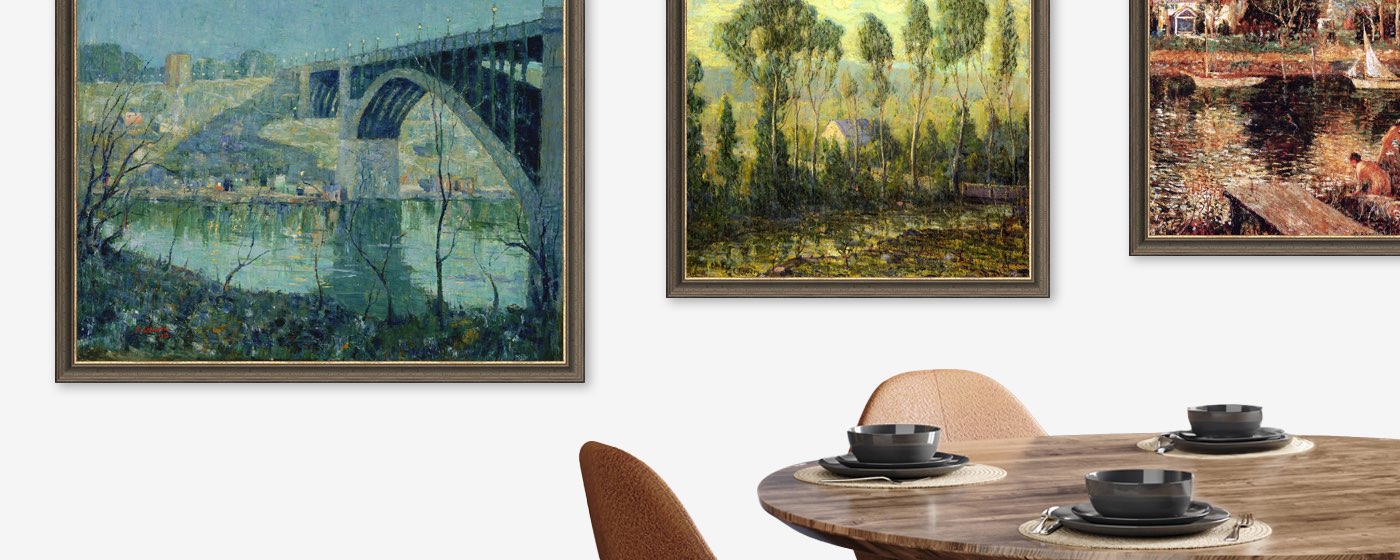
Showing 1-40 of 153 results
Sort By
Most Popular
- Most Popular
- New Arrivals
- Best Sellers
- Alphabetical A-Z
- Alphabetical Z-A
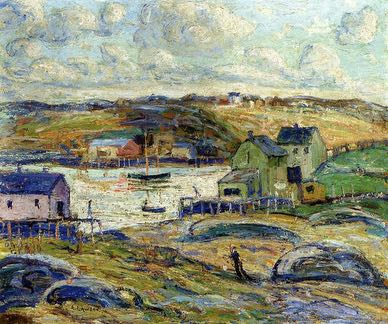
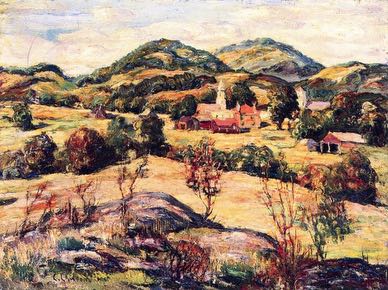
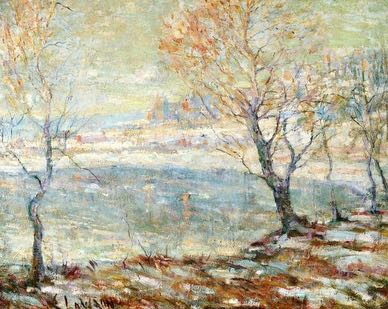
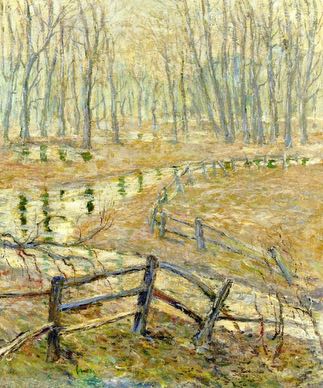
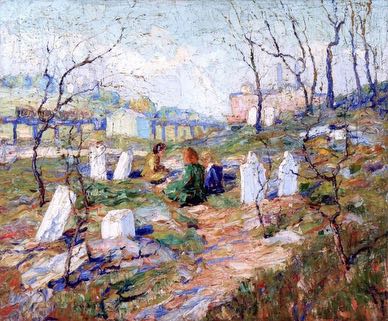
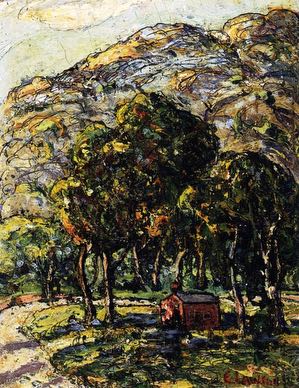
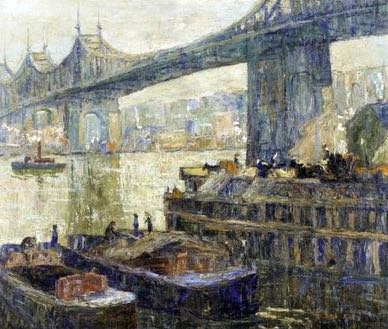
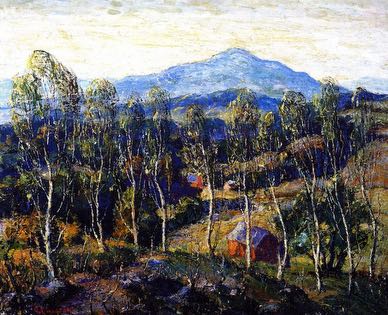
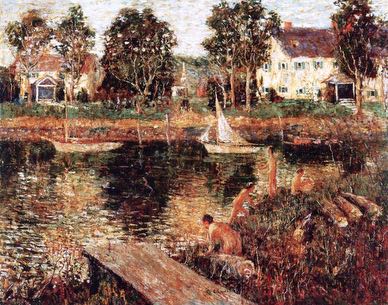
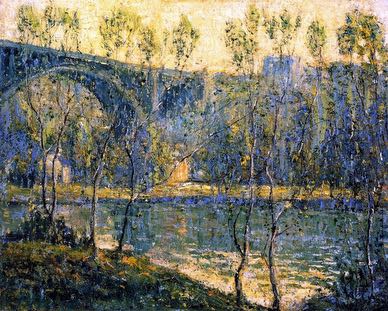
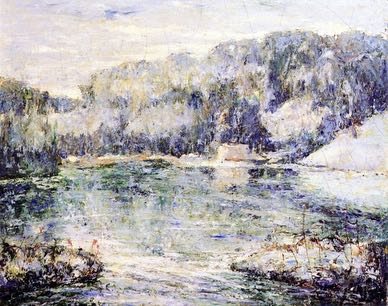
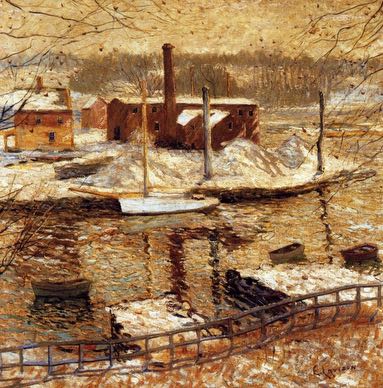
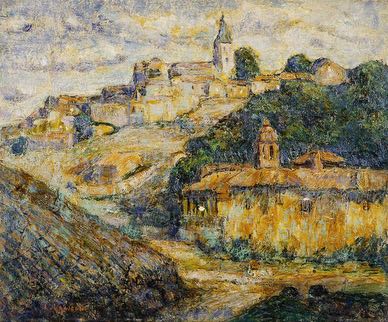
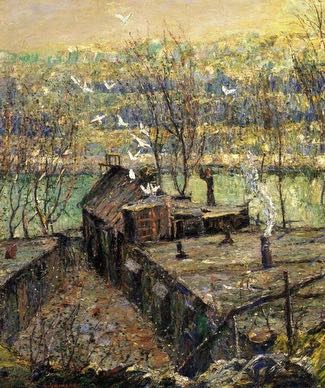
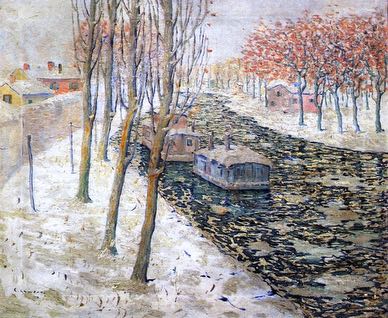
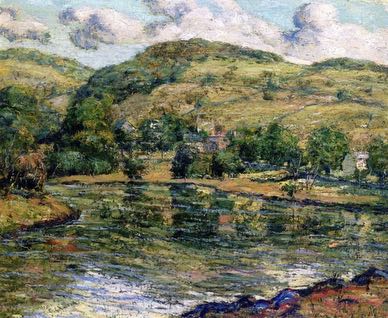
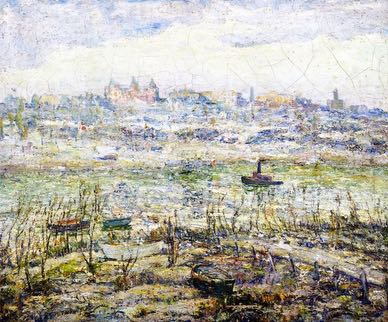
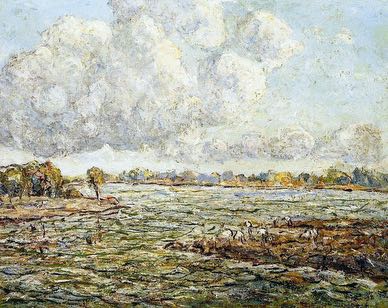
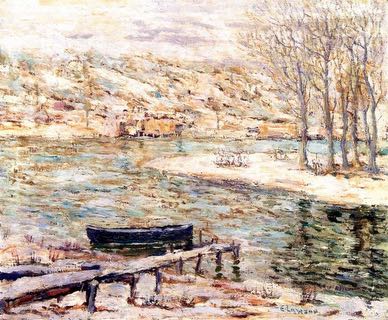
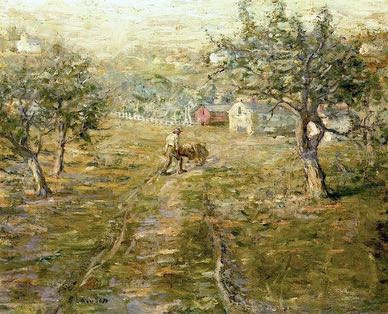
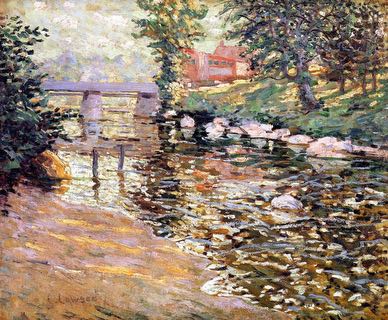
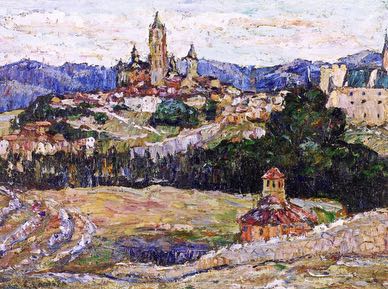

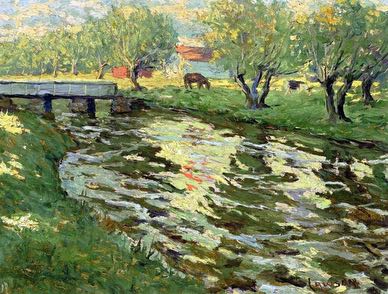
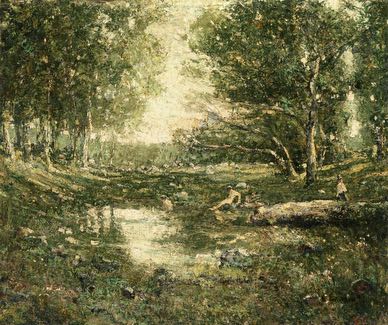
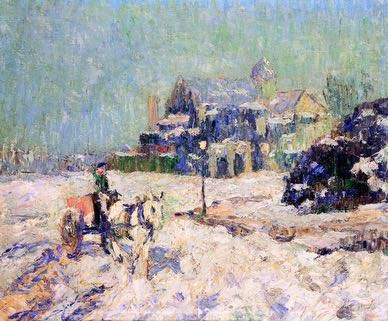
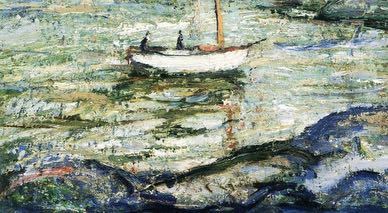
Can’t Find the Painting You Want?
Send us a reference image. We can recreate almost any artwork in the size and style you’re looking for.
Get a Free QuoteHand-Painted Ernest Lawson Reproductions
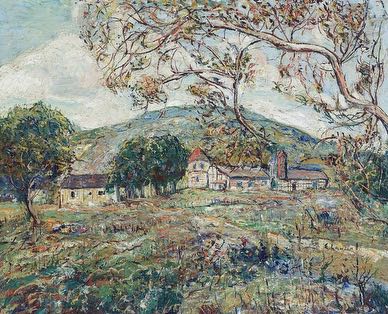
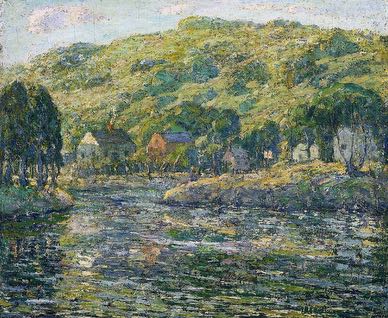
Bring Lawson’s art into your home with an oil-on-canvas reproduction hand-painted by a professional artist. Our collection features more than one hundred paintings from across his career, including High Bridge, Harlem River, Spring Night, Harlem River, and The Flatiron Building, New York. Discover snowy riverbanks, city bridges, spring hillsides, and rugged western landscapes associated with Lawson. Every reproduction is a real oil painting, offering depth and texture that a print or digital transfer cannot provide. From celebrated works to less familiar views, find a Lawson painting that suits your space.
The Making of an Ernest Lawson Oil Painting Replica
Creating an Ernest Lawson oil painting replica requires patience, precision, and an understanding of the original artwork. Our studio includes artists who specialize in Impressionist painting and understand the distinctive qualities of Lawson’s work. The artist begins by studying the source image, then recreates its broken color, thickly worked surface, changing light, and Lawson’s balance of natural scenery with bridges and industry using traditional oil-painting methods. After completion, the painting is inspected by our quality-control team and photographed for your approval. The result is a carefully executed oil painting that reflects the visual character of the original.
Custom Sizes and Frames for Your Lawson Painting
Your Lawson painting can be ordered in practically any size, from popular standard dimensions to custom canvas sizes selected directly on the product page. This flexibility lets you choose a painting that fits your wall and complements your room perfectly. After selecting the size, you can choose from high-quality frames in classic or modern designs, with professional canvas stretching also available. Our framing options complement the textured surfaces and luminous colors of Lawson’s paintings. With sizing, stretching, and framing arranged in one order, your artwork can arrive ready for display without a separate visit to a frame shop.
Order an Ernest Lawson Reproduction with Confidence
Buying hand-painted art online should feel clear and comfortable. After your Ernest Lawson reproduction is completed, we send high-resolution photographs for your review before shipping. You can inspect the composition, colors, details, and overall finish, then request adjustments if needed. The painting is dispatched only after you approve it, so you know what to expect when it arrives. Your order also includes free express worldwide shipping and is covered by our 90-day return policy. Together, these assurances help you purchase a Lawson oil painting with greater confidence and peace of mind.
The Life and Art of Ernest Lawson
Ernest Lawson was a Canadian-born American landscape painter whose richly textured views joined Impressionist color with the expanding city around him. Born in Halifax in 1873, he studied in Kansas City, New York, and Paris before settling in Washington Heights. The Harlem River, Hudson River, bridges, railways, construction sites, winter snow, and half-rural neighborhoods became his defining subjects. Lawson studied with John Henry Twachtman, met Alfred Sisley in France, and later exhibited with The Eight, although landscape distinguished him from the group’s better-known urban figure painters. Travels introduced the light and terrain of Spain, New England, Colorado, and Florida into his work. Through thick impasto and broken strokes, he found poetry in places where nature and modern development met.
Read More
From Halifax to Mexico City, What Path Led Lawson Toward Painting?
Ernest Lawson was born in Halifax, Nova Scotia, on 22 March 1873. His childhood was unusually mobile. As his physician father pursued work, the family lived in several places, including Kingston in Ontario, Kansas City, and Mexico City. Those changes exposed Lawson to sharply different climates and landscapes before he developed a settled artistic identity.
He began formal art study at the Kansas City Art Institute in 1888. In Mexico City, he worked as a draftsman for an engineering company and attended evening art classes. Drafting provided practical discipline, but landscape painting offered a more personal way to respond to place, weather, distance, and built structures.
Lawson moved to New York in 1891 and enrolled at the Art Students League. There he found teachers and fellow painters who treated landscape as a living modern subject rather than a fixed academic formula. The move introduced him to the artistic relationships that would guide his early career.
At Cos Cob, How Did Twachtman Change His Understanding of Landscape?
At the Art Students League, Lawson studied with John Henry Twachtman and Julian Alden Weir. Both painters valued close contact with familiar places and the changes brought by season, weather, and time of day. Their lessons encouraged Lawson to paint outdoors and to make observation more important than polished studio convention.
Lawson followed Twachtman to the summer art colony at Cos Cob, Connecticut. The village offered tidal water, old houses, bridges, trees, and cultivated land within easy reach of New York. It was an ideal setting in which to study how pale light and broken color could unite a scene.
Twachtman’s influence remained visible in Lawson’s preference for winter, quiet waterways, and understated subjects. Yet Lawson soon developed a heavier touch. Where Twachtman often dissolved forms into delicate tonal veils, Lawson built banks, trees, snow, and buildings from dense touches of paint. The relationship gave him a foundation without fixing the limits of his style.
Which Lessons Did Paris and Alfred Sisley Add to His Art?
In 1893, Lawson traveled to Paris and entered the Académie Julian, where he studied with Jean-Paul Laurens. The school supplied figure drawing and academic instruction, but the strongest lessons came from seeing French landscape painting firsthand and working outside the studio.
He spent time at Moret-sur-Loing and met Alfred Sisley, whose paintings showed how bridges, rivers, roads, and village buildings could be organized through changing light. Lawson absorbed the example without becoming an imitator. His color grew brighter, while his surfaces became more physical and densely layered.
During his Paris years, Lawson shared rooms with the young writer W. Somerset Maugham, who later drew upon him when creating an artist in the novel Of Human Bondage. Two of Lawson’s paintings were accepted at the Paris Salon in 1894. He returned to the United States in 1896 with European training, public encouragement, and a clearer sense that landscape would remain his principal subject.
Why Did Upper Manhattan Become Lawson’s Defining Territory?
By 1898, Lawson had settled in Washington Heights, then a district where apartment houses, wooded slopes, rocky ground, small farms, rail lines, and old estates existed side by side. The Hudson and Harlem rivers bordered this elevated northern edge of Manhattan, while bridges announced the city’s continuing expansion.
Lawson returned to the area in every season. He painted High Bridge, Washington Bridge, Spuyten Duyvil, Inwood, the Harlem River, and the Palisades across the Hudson. Familiarity allowed him to notice small changes: ice breaking on a river, damp spring soil, new construction, evening light, or snow settling around industrial buildings.
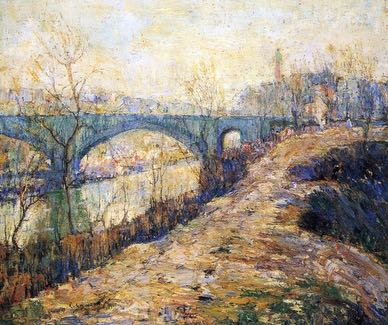
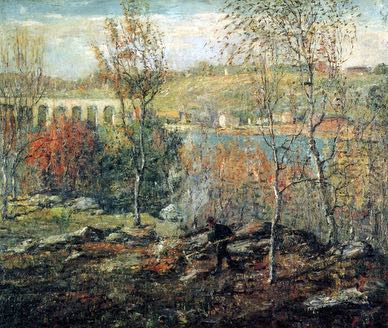
High Bridge, Harlem River makes infrastructure part of the landscape rather than an intrusion placed outside it. The bridge crosses a field of textured color while riverbanks and buildings gather beneath. Lawson found his most original subject in this unstable border where rural memory and metropolitan growth met.
Snow, Stone, and Water: What Made His Paint Surfaces Distinctive?
Lawson applied oil paint in short strokes, raised ridges, layered touches, and occasional areas of scraping. Critics compared the effect to crushed jewels because small notes of pink, blue, violet, green, gold, and white seem embedded within the surface. Color gives weight to matter instead of merely describing local appearance.
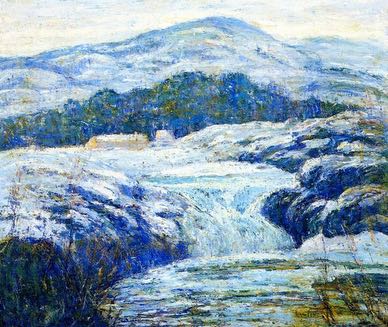
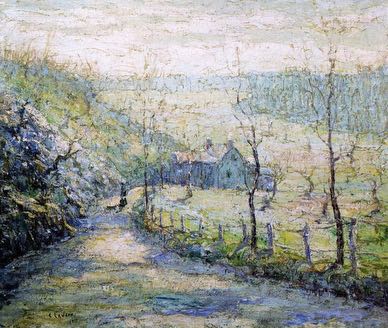
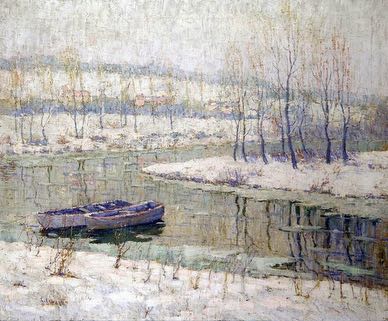
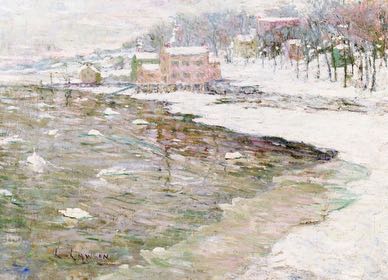
Winter suited this method especially well. Snow was rarely plain white. It reflected earth, water, sky, smoke, and nearby structures, allowing Lawson to build cold ground from unexpected warm and cool notes. Bare branches divide the view, while frozen rivers and distant buildings hold the composition together.
In Harlem River, Winter, the apparent stillness is animated by active paint. His landscapes can be decorative, but they are never weightless. Thick surfaces make mud, rock, ice, vegetation, and masonry feel physically present, giving his form of American Impressionism a rugged character.
The Eight: How Did a Landscape Painter Join an Urban Rebellion?
Lawson became friendly with Robert Henri and painters who opposed the restrictive jury system of the National Academy of Design. When eight artists organized an independent exhibition at New York’s Macbeth Galleries in 1908, Lawson joined Henri, William Glackens, John Sloan, George Luks, Everett Shinn, Arthur B. Davies, and Maurice Prendergast.
He was the group’s only dedicated landscape painter. This difference matters because The Eight shared no single style. Their alliance concerned artistic independence and the freedom to exhibit subjects or methods that official institutions might reject. Lawson’s riverbanks and bridges stood beside crowded streets, portraits, dreamlike figures, and decorative park scenes.
His participation connected him with American Realism and the Ashcan circle, but he remained an Impressionist in his approach to color and light. In 1910, he helped form the Association of American Painters and Sculptors, which organized the 1913 Armory Show. Lawson could seek recognition within established institutions while still supporting alternatives to their authority.
Beyond New York, Where Did Lawson Find New Landscapes?
Although upper Manhattan remained central, Lawson traveled widely. New England and Connecticut supplied orchards, rivers, birches, farms, and changing weather. He also painted in Canada, maintaining a connection with the country of his birth and exhibiting with the Canadian Art Club.
A Corcoran Gallery award enabled a trip to Spain in 1916. Segovia’s stone buildings, high terrain, market spaces, and clear light introduced a different architectural density. In Market Square, Segovia, Spain, buildings rise through patches of bright color without losing their mass.
During the late 1920s, Lawson taught at the Broadmoor Art Academy in Colorado Springs. At first he found the altitude and exposed terrain difficult, but mining districts, red hills, and mountain slopes eventually reshaped his compositions. Abandoned Mine, Cripple Creek treats industrial disturbance as part of the land’s history rather than hiding it behind picturesque scenery.
Did Professional Recognition Bring Lawson Lasting Security?
Lawson won important awards and attracted supportive critics and collectors. He received a silver medal at the 1904 Louisiana Purchase Exposition, earned prizes from the Corcoran Gallery and National Academy, and was elected a full National Academician in 1917. Collector and critic Duncan Phillips admired the distinctive richness of his painted surfaces.
Recognition did not guarantee steady income. Landscapes were difficult to sell during the Great Depression, and personal difficulties placed further strain on his later years. Lawson continued exhibiting and teaching, but the financial security suggested by medals and institutional memberships remained fragile.
In 1936, he moved to Coral Gables, Florida, where a former student and her husband offered support. Mangroves, waterways, clouds, palms, and flat coastal spaces replaced the bridges and winter hills of New York. Rheumatoid arthritis made painting harder, yet he continued working and produced a federal mural commission. The change of climate altered his palette without weakening his attention to worked land and water.
Which Paintings Best Show the Range of Lawson’s Landscapes?
Lawson rarely needed a grand or untouched wilderness. These paintings show how he drew visual energy from city edges, ordinary rivers, difficult weather, travel, and landscapes reshaped by human work:
- High Bridge, Harlem River: The long bridge unites water, winter ground, buildings, and pale sky within a densely worked surface.
- Spring Night, Harlem River, 1913: Evening color softens the city’s northern edge without erasing its bridges and settlement.
- The Dyckman House: One of Manhattan’s oldest houses becomes a meeting point between local memory and urban change.
- Boys Bathing: Small figures animate the water while remaining absorbed within the surrounding landscape.
- Excavation, Penn Station: A construction site becomes a rough urban terrain shaped by earth, labor, and machinery.
- The Flatiron Building, New York: A modern landmark rises through active streets and atmospheric color.
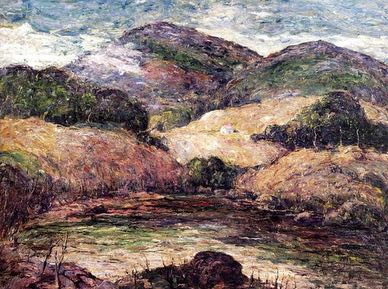
- Red Hills, Colorado: Western geology pushes Lawson toward stronger earth colors and a more forceful sense of scale.
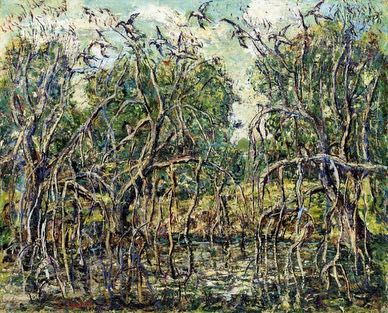
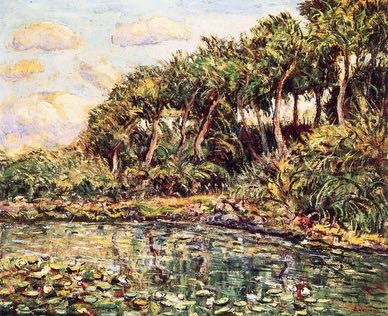
- Florida Mangroves: Tangled coastal growth and reflective water reveal how his late style responded to a subtropical environment.
What Place Does Lawson Hold in American Art?
Lawson died in Miami on 18 December 1939 at the age of sixty-six. His death followed years of declining health, although he had continued to paint in Florida. The landscapes he left behind record nearly half a century of travel and sustained attention to places that were often changing faster than artists could describe them.
He occupies an unusual position between American Impressionism and the independent modern spirit associated with The Eight. Unlike painters who treated the city mainly through crowded human drama, Lawson approached metropolitan life through terrain. Bridges, cuttings, docks, excavation sites, and distant buildings register the human presence even when figures are barely visible.
Later generations have recognized that his beauty is not an escape from modern change. Lawson found color in winter mud, industrial riverbanks, mining scars, and transitional neighborhoods. His thick, luminous surfaces turn overlooked environments into complex paintings while preserving evidence of the pressures acting upon them. That combination gives his landscapes a character distinct from both pastoral Impressionism and documentary urban realism.
Copyright © 2026 BrushWiz. All Rights Reserved.
About Our Ernest Lawson Paintings
Are your Ernest Lawson reproductions painted by hand?
Yes. Every reproduction is individually painted by hand in oil on canvas by a professional artist. We do not use prints, digital transfers, or mechanical reproduction methods.
How closely do your Lawson copies resemble the original?
Our artists work to capture the composition, colors, brushwork, details, and visual character of the original Lawson painting as closely as possible. Because every reproduction is painted by hand, small variations are natural and make each canvas unique.
How long does a Lawson reproduction take to complete?
Most Lawson reproductions require approximately two to three weeks to paint, dry, and inspect. Production time may vary depending on the artwork and canvas size, so check the estimate displayed on the product page.
Can I request a Lawson painting that is not listed?
Yes. If you cannot find the Ernest Lawson artwork you want in our catalog, send us the painting’s title or an image. Our team will review your request and confirm the available sizes, estimated production time, and price.
Will I receive approval photos before shipping?
Yes. We send high-resolution photographs of the completed painting for your approval. You can request adjustments if needed, and the painting will not be dispatched until the review process is complete.
Are custom canvas sizes available for Lawson paintings?
Yes. We offer custom dimensions in addition to the standard sizes shown on the product page. Select the dimensions you need directly from the available size options.
May I order my Lawson painting with a frame?
Yes. High-quality frames in classic and modern designs are available for many paintings. You can view compatible framing options and add your preferred design from the product page. Professional canvas stretching is also available.
What determines the price of a Lawson reproduction?
The price depends on the selected artwork, canvas dimensions, and framing option. Choose your preferred configuration on the product page to see the current price before ordering.
Is free express worldwide shipping included?
Yes. Ernest Lawson reproductions qualify for free express worldwide shipping. After dispatch, delivery usually takes five to eight business days, although timing may vary by country and destination.
Which return policy covers Ernest Lawson reproductions?
Orders are covered by our 90-day return policy. Review the current return-policy page before ordering for complete information about eligibility, time limits, and the return process.
Why BrushWiz?
100% Hand Painted
Every piece is entirely handmade
Museum Quality
Faithfully recreated by expert artists
Custom Framing
Choose from a wide range of frames
Free Shipping
Enjoy free shipping on all orders
Cash Back Rewards
Earn cash back with every purchase