

❄️ Winter Sale. Offer Ends 11/22/2026. View Details
❄️ Winter Sale. Ends 11/22/2026. View Details
❄️ Winter Sale. View Details
Artists
Subjects
Movements
Collections
Decor
Portraits
Commissions
Framing
Reviews
Gift Cards
On Sale
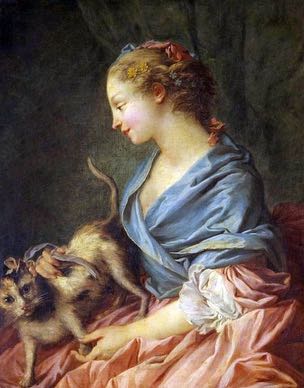
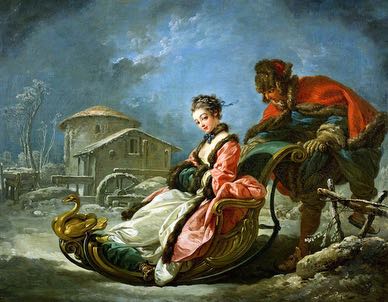
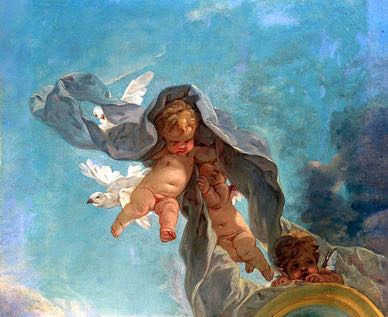
Francois Boucher Oil Painting Reproductions
Shop museum-quality reproductions of Francois Boucher’s most famous paintings, each hand-painted in oil on canvas by a professional artist.
Shop Art

Showing 1-40 of 196 results
Sort By
Most Popular
- Most Popular
- New Arrivals
- Best Sellers
- Alphabetical A-Z
- Alphabetical Z-A
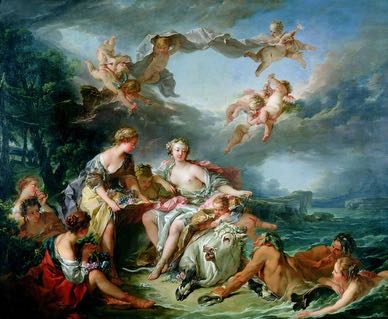
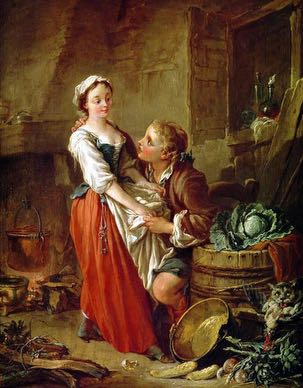
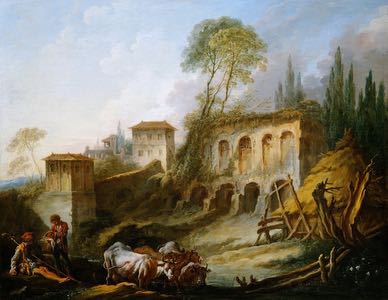
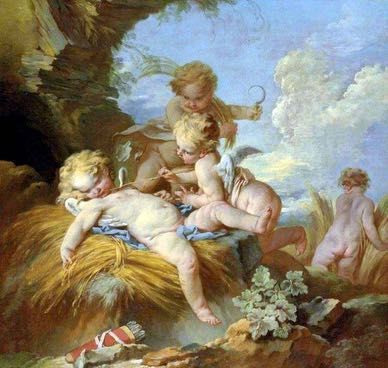
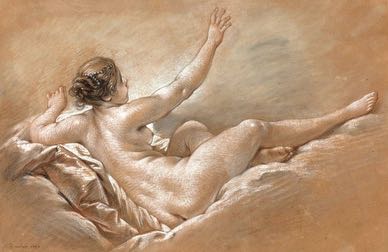
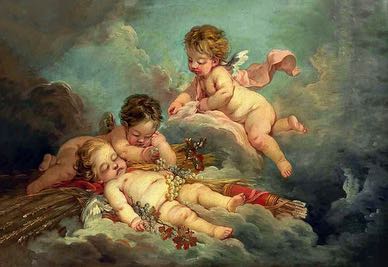
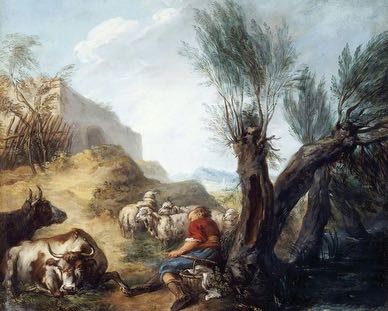
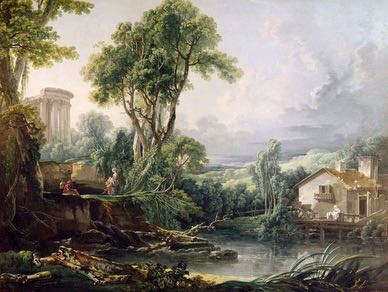
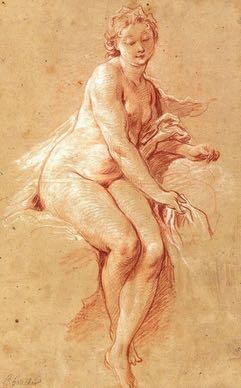
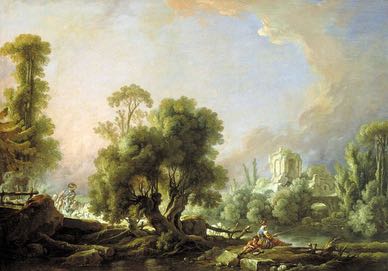
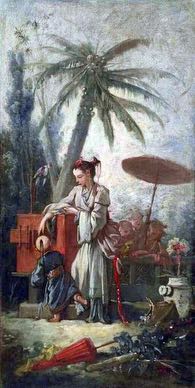
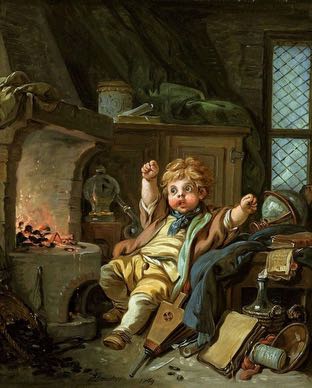
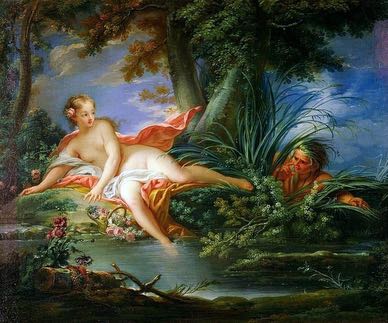
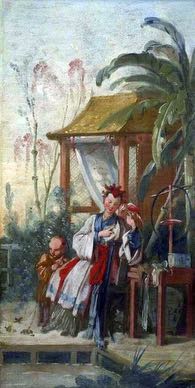

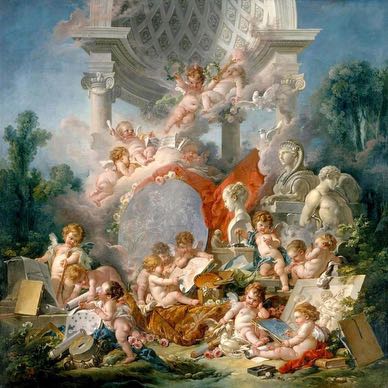
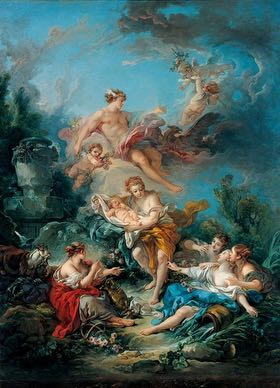
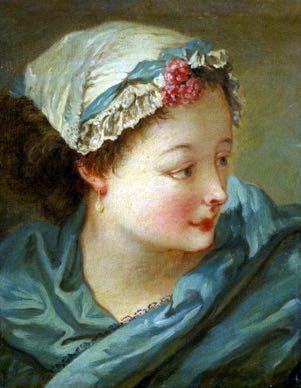

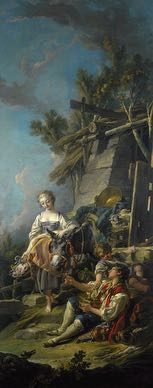
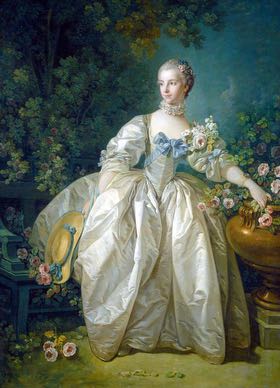
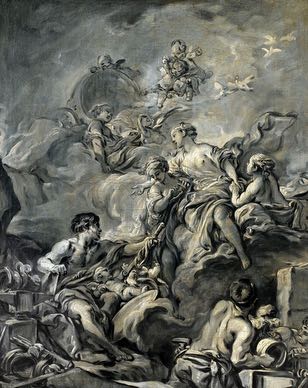





Can’t Find the Painting You Want?
Send us a reference image. We can recreate almost any artwork in the size and style you’re looking for.
Get a Free QuoteHand-Painted Francois Boucher Reproductions
Bring Boucher’s art into your home with an oil-on-canvas reproduction hand-painted by a professional artist. Our collection features more than one hundred paintings from across his career, including Diana Leaving Her Bath, Madame de Pompadour, and The Toilet of Venus. Discover mythological lovers, elegant pastorals, playful putti, refined portraits, and other subjects closely associated with Boucher. Every reproduction is a real oil painting, offering depth and texture that a print or digital transfer cannot provide. From iconic masterpieces to lesser-known works, find a Boucher painting that suits your space.
The Making of a Francois Boucher Oil Painting Replica
Creating a Francois Boucher oil painting replica requires patience, precision, and an understanding of the original artwork. Our studio includes artists who specialize in Rococo painting and understand the distinctive qualities of Boucher’s work. The artist begins by studying the source image, then recreates its graceful composition, luminous palette, softly modeled figures, and Boucher’s fluid handling of drapery, clouds, and foliage using traditional oil-painting methods. After completion, the painting is inspected by our quality-control team and photographed for your approval. The result is a carefully executed oil painting that reflects the visual character of the original.
Custom Sizes and Frames for Your Boucher Painting
Your Boucher painting can be ordered in practically any size, from popular standard dimensions to custom canvas sizes selected directly on the product page. This flexibility lets you choose a painting that fits your wall and complements your room perfectly. After selecting the size, you can choose from high-quality frames in classic or modern designs, with professional canvas stretching also available. Our framing options complement the luminous colors and elegant decorative character of Boucher’s paintings. With sizing, stretching, and framing arranged in one order, your artwork can arrive ready for display without a separate visit to a frame shop.
Order a Francois Boucher Reproduction with Confidence
Buying hand-painted art online should feel clear and comfortable. After your Francois Boucher reproduction is completed, we send high-resolution photographs for your review before shipping. You can inspect the composition, colors, brushwork, and overall finish, then request adjustments if needed. The painting is dispatched only after you approve it, so you know what to expect when it arrives. Your order also includes free express worldwide shipping and is covered by our 90-day return policy. Together, these assurances help you purchase a Boucher oil painting with greater confidence and peace of mind.
The Life and Art of Francois Boucher
François Boucher was a French painter, draftsman, printmaker, and designer whose graceful mythologies and imagined pastorals came to define mature Rococo art. Born in Paris in 1703, he began with book illustration and prints before winning royal commissions and rising through the Royal Academy. His world of luminous flesh, silken fabric, tumbling clouds, flowers, fountains, and playful cupids suited the intimate interiors of Louis XV’s court. Yet Boucher’s reach extended well beyond easel painting: he supplied designs for tapestries, porcelain, theater productions, and decorative schemes. Madame de Pompadour became his most important patron, and in 1765 he was named First Painter to the King. Criticized as tastes changed, he nevertheless left an enormous influence on French painting and design.
Read More
Who Was François Boucher?
François Boucher was born in Paris on 29 September 1703. His father, Nicolas Boucher, worked as a painter and belonged to the Académie de Saint-Luc, so drawing and decoration were part of the household trade. François briefly studied with the history painter François Lemoyne, although much of his early formation came through commercial work.
Few artists became so closely identified with the taste of an age. Boucher’s painted gods, shepherdesses, cupids, fashionable women, and luxuriant landscapes seem to inhabit a world built for pleasure. Their polished ease, however, depended on relentless drawing, a busy workshop, and an ability to move confidently between painting and design.
His career coincided with the reign of Louis XV, when aristocratic interiors favored a lighter and more intimate kind of decoration. Boucher did more than satisfy that fashion. He helped create its visual language and spread it through paintings, prints, tapestries, porcelain, books, and the stage.
How Did Printmaking, Watteau, and Italy Shape His Early Career?
As a young man, Boucher lived and worked with the engraver Jean-François Cars. Printmaking offered practical income and trained him to translate drawings into clear patterns of line. He also supplied illustrations for books, learning how an image could be adapted to a page, reproduced, and circulated far beyond its first owner.
A decisive commission came from the collector and publisher Jean de Jullienne. Boucher produced more than one hundred etchings after drawings by Antoine Watteau. Copying them closely became a second education in delicate gesture, fashionable costume, theater, and the suggestive landscape of the fête galante.
Boucher did not simply continue Watteau’s mood of wistful uncertainty. He made the colors brighter, bodies fuller, and stories more openly sensual. Even so, the lessons of Watteau remained visible in his quick drawings, ornamental rhythms, and gift for placing figures within invented nature.
Boucher won the Academy’s Grand Prix in 1723, but no funded place was available for him in Rome. He continued working in Paris and eventually traveled to Italy at his own expense in 1728. The surviving record of the journey is thin, yet he remained there until about 1731 and studied the grand decorative traditions available in Rome and elsewhere.
Italian Baroque painting offered vigorous bodies, sweeping movement, and theatrical skies. Venetian painting suggested a more radiant approach to color, while artists such as Giovanni Benedetto Castiglione provided examples of rustic figures and animals handled with lively freedom. Boucher absorbed these sources without becoming a solemn classicist.
His early landscapes also reveal an interest in the Dutch and Flemish painters who had worked in Italy. Ruins, mills, bridges, livestock, and winding roads became raw material for imaginary countryside. Back in Paris, these memories helped him construct landscapes that felt abundant rather than topographically exact.
How Did He Rise Through the Royal Academy?
After returning to Paris, Boucher directed more attention toward ambitious history painting. He entered the Académie royale de peinture et de sculpture and was received as a full member in 1734 with Rinaldo and Armida. The subject came from Torquato Tasso’s epic poem, but Boucher turned its conflict between love and duty into an elegant drama of gesture, fabric, and color.
Academic membership opened the way to official commissions and teaching positions. Boucher became an assistant professor in 1735 and a professor in 1737. Royal projects followed for Versailles, Fontainebleau, Choisy, and other residences, placing his work before the most influential patrons in France.
He remained remarkably productive while advancing through the institution. Large decorative schemes, cabinet pictures, drawings, and designs often developed side by side. Rather than separating fine art from ornament, Boucher treated them as connected forms of invention.
Why Did Mythology Suit Boucher So Well?
Mythology gave Boucher permission to combine the nude figure, sensual feeling, landscape, and decorative fantasy. Venus, Diana, Cupid, Jupiter, Europa, and other classical characters appear less as remote moral examples than as inhabitants of an enchanted theatrical world.
In Diana Leaving Her Bath, the goddess sits beside water with a companion, hunting equipment, and carefully observed game. Pearly skin and blue drapery command attention, yet the reeds, foliage, fabric, and dead birds keep the scene tactile. Divinity and courtly elegance meet without strain.
Boucher often organized these paintings through spirals and diagonals. Bodies turn, drapery lifts, cupids tumble, and clouds open around them. Pink, blue, cream, and pale green hold the motion together, giving even crowded compositions an airy coherence.
What Made His Pastoral Scenes New?
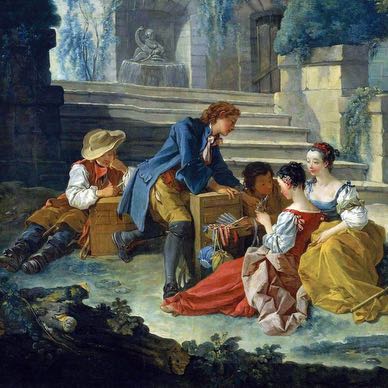
Boucher’s most original contribution to Rococo painting was his reinvention of the pastoral. His shepherds and shepherdesses do not resemble exhausted agricultural workers. They wear attractive clothes, rest beside fountains, exchange flowers and letters, make music, or flirt within landscapes designed as much for fantasy as for farming.
The theater helped shape these scenes. Boucher designed sets and costumes for comic opera, and some pastoral situations echo popular stage entertainments. A rustic bridge, cottage, well, or basket establishes the setting, but every prop also helps guide the figures into a clear decorative arrangement.
The distance from actual rural hardship was intentional and later controversial. These paintings offered urban and courtly viewers an imagined escape, not social documentation. Their charm lies partly in this artifice, while their historical meaning depends on recognizing whose idea of country life they represent.
How Did Madame de Pompadour Advance Boucher’s Art?
Jeanne-Antoinette Poisson, marquise de Pompadour and official mistress of Louis XV, became Boucher’s most important patron from about 1750 until her death in 1764. She commissioned paintings and decorative projects, supported the arts broadly, and used portraiture to present herself as cultivated, intelligent, and close to royal power.
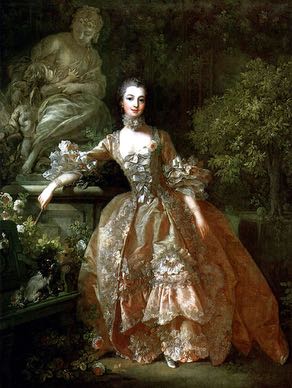
In Madame de Pompadour, books, drawings, musical references, flowers, and costly fabric surround the sitter. These details are not merely luxurious accessories. They construct an image of artistic judgment and learning while Boucher’s color keeps the elaborate room visually unified.
For Pompadour’s Château de Bellevue, he also painted religious and mythological works. Her patronage gave him opportunities to work across intimate rooms, chapel decoration, and large designs, making their association central to the visual culture of the French court.
Where Else Could Boucher’s Designs Be Seen?
Boucher’s imagery traveled far beyond framed canvases. He designed tapestry cartoons for the Beauvais and Gobelins manufactories, including ambitious compositions such as The Rising of the Sun and The Setting of the Sun. Woven on a large scale, their figures and watery landscapes became part of entire rooms.
He supplied models for Vincennes and Sèvres porcelain, devised stage scenery and costumes, and created designs that decorators could translate into many materials. Putti, flowers, shells, clouds, and mythological figures were particularly adaptable because they could fill irregular spaces without losing their energy.
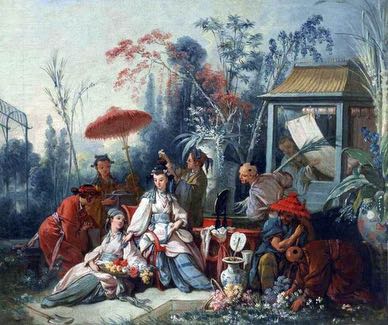
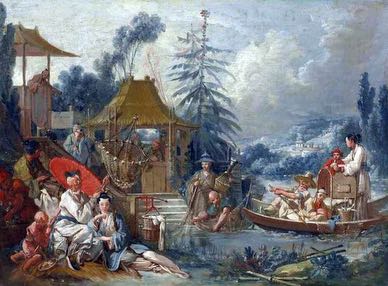
His chinoiseries imagined China through European fantasy rather than direct knowledge. These scenes are valuable evidence of eighteenth-century taste, trade, and curiosity, but they should not be mistaken for accurate records of Chinese life. Reproduction helped spread such inventions throughout Europe.
Why Did Critics Turn Against Him?
Boucher’s success eventually made him a target. As French taste moved toward moral seriousness and the clearer forms later associated with Neoclassicism, critics attacked Rococo art as artificial, repetitive, and corrupt. Denis Diderot admired Boucher’s technical gifts but condemned what he saw as a lack of truth and dignity.
The criticism was not entirely without basis. A large workshop and heavy demand encouraged repeated poses, familiar cupids, and variations on profitable subjects. Yet reducing Boucher to empty prettiness overlooks the intelligence of his drawings, the flexibility of his designs, and the sheer range of problems he could solve.
Institutional recognition continued despite the attacks. In 1765, Boucher became First Painter to the King and director of the Royal Academy, the two highest positions available to a French painter. The appointment crowned a career that had begun with printmaking and delayed access to Rome.
Which Paintings Reveal the Range of Boucher’s Work?
Boucher could shift from heroic narrative to intimate portraiture, rustic fantasy, domestic observation, and large decorative allegory. These paintings show how much variety exists within his recognizable style:
- Rinaldo and Armida, 1734: His Academy reception piece turns literary history into a sweeping arrangement of bodies, fabric, and emotion.
- Diana Leaving Her Bath, 1742: Cool color and precise natural details frame an intimate interpretation of the classical goddess.
- The Interrupted Sleep, 1750: A staged pastoral encounter turns flirtation into a compact play of gestures and glances.
- The Toilet of Venus, 1751: Venus, pearls, silk, flowers, and doves transform a mythological subject into intimate decoration.
- The Rising of the Sun, 1753: Apollo’s ascent unfolds as a vast aquatic spectacle designed with tapestry in mind.
- The Setting of the Sun, 1753: The companion scene gathers sea gods, clouds, and glowing bodies into a descending movement.
- Madame de Pompadour, 1756: Portraiture becomes a carefully constructed statement about refinement, learning, and patronage.
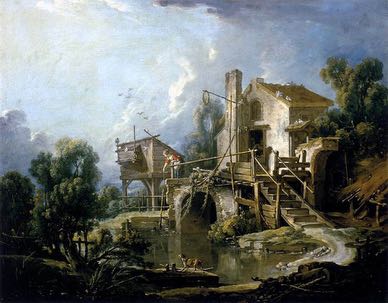
- Landscape with a Watermill: Rustic buildings, water, trees, and figures reveal the landscape painter beneath the court decorator.
What Remains Important About Boucher’s Legacy?
Boucher died in Paris on 30 May 1770. By then, younger artists were moving in different directions, and the world that had sustained his rise was already changing. The French Revolution later made the court culture associated with his art appear even more distant.
His influence survived through students, assistants, prints, and decorative objects. Jean-Honoré Fragonard, the most celebrated painter to pass through his studio, carried Rococo color and rapid handling into a more personal and improvisatory art. Designers across Europe continued borrowing Boucher’s figures and ornaments.
Modern viewers may admire his technical brilliance while questioning the social fantasies his art served. That tension makes the work richer, not less relevant. Boucher remains essential to understanding how painting, luxury, reproduction, performance, and power came together in eighteenth-century France.
Copyright © 2026 BrushWiz. All Rights Reserved.
About Our Francois Boucher Paintings
Are your Francois Boucher reproductions painted by hand?
Yes. Every reproduction is individually painted by hand in oil on canvas by a professional artist. We do not use prints, digital transfers, or mechanical reproduction methods.
How closely will my Boucher replica resemble the original?
Our artists work to capture the composition, colors, texture, and visual character of the original Boucher painting as closely as possible. Because every reproduction is painted by hand, small variations are natural and make each canvas unique.
How much time is needed to paint a Boucher reproduction?
Most Boucher reproductions require approximately two to three weeks to paint, dry, and inspect. Production time may vary depending on the artwork and canvas size, so check the estimate displayed on the product page.
Can BrushWiz reproduce a Boucher painting not shown in the catalog?
Yes. If you cannot find the Francois Boucher artwork you want in our catalog, send us its title or an image. Our team will review your request and confirm the available sizes, estimated production time, and price.
Will I see my completed painting before it is shipped?
Yes. We send high-resolution photographs of the completed painting for your approval. You can request adjustments if needed, and the painting will not be dispatched until the review process is complete.
Are custom canvas dimensions available for Boucher paintings?
Yes. We offer custom dimensions in addition to the standard sizes shown on the product page. Select the dimensions you need directly from the available size options.
May I add a frame to my Boucher reproduction?
Yes. High-quality frames in classic and modern designs are available for many paintings. You can view compatible framing options and add your preferred design from the product page. Professional canvas stretching is also available.
What determines the cost of a Francois Boucher replica?
The price depends on the selected artwork, canvas dimensions, and framing option. Choose your preferred configuration on the product page to see the current price before ordering.
Is worldwide shipping free for Boucher reproductions?
Yes. Boucher reproductions qualify for free express worldwide shipping. After dispatch, delivery usually takes five to eight business days, although timing may vary by country and destination.
Which return policy applies to a Boucher painting?
Orders are covered by our 90-day return policy. Review the current return-policy page before ordering for complete information about eligibility, time limits, and the return process.
Why BrushWiz?
100% Hand Painted
Every piece is entirely handmade
Museum Quality
Faithfully recreated by expert artists
Custom Framing
Choose from a wide range of frames
Free Shipping
Enjoy free shipping on all orders
Cash Back Rewards
Earn cash back with every purchase