
❄️ Winter Sale. Offer Ends 11/19/2026. View Details
❄️ Winter Sale. Ends 11/19/2026. View Details
❄️ Winter Sale. View Details
Artists
Subjects
Movements
Collections
Decor
Portraits
Commissions
Framing
Reviews
Gift Cards
On Sale
Frank Duveneck Oil Painting Reproductions
Shop museum-quality reproductions of Frank Duveneck’s most famous paintings, each hand-painted in oil on canvas by a professional artist.
Shop Art
Showing 1-40 of 91 results
Sort By
Most Popular
- Most Popular
- New Arrivals
- Best Sellers
- Alphabetical A-Z
- Alphabetical Z-A
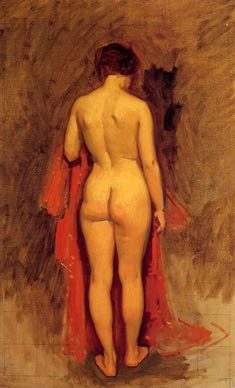

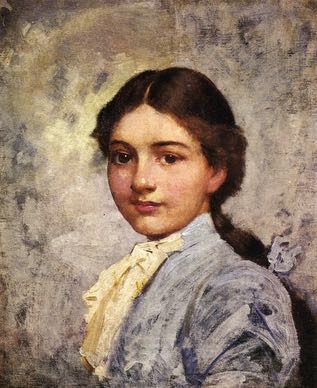

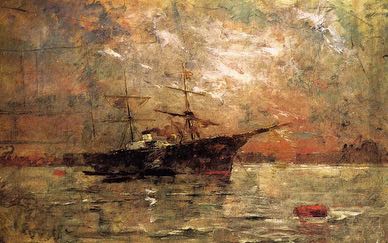
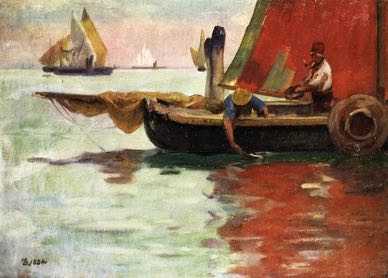
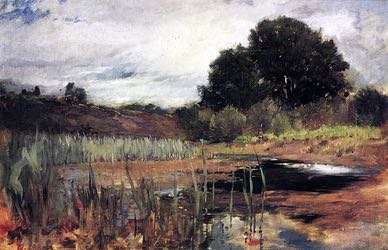
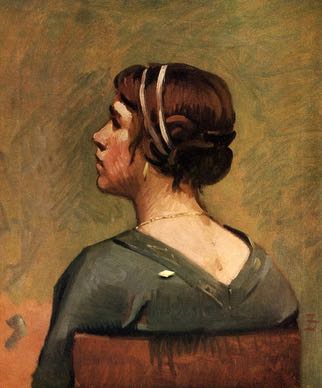
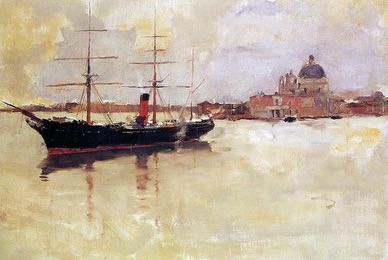
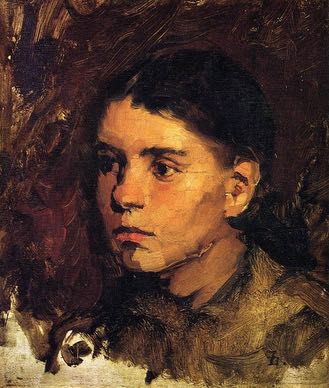
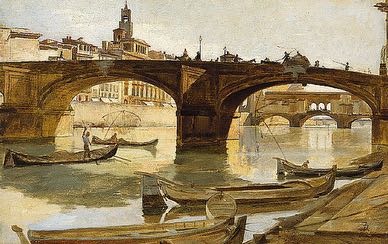
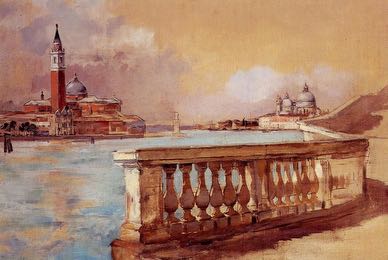
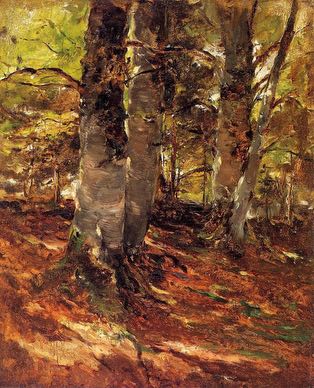
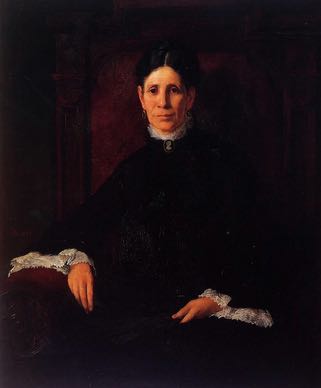
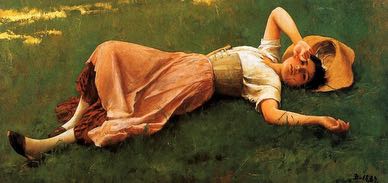
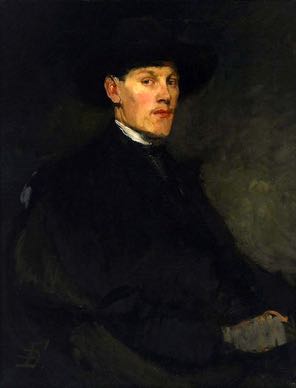
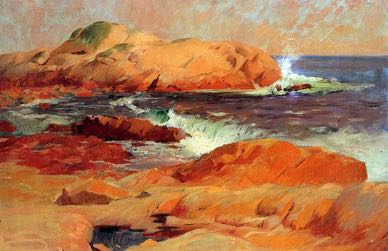
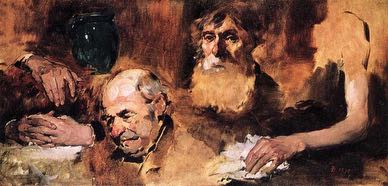
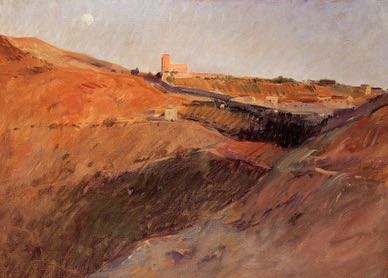
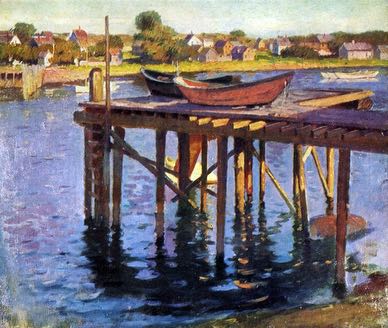
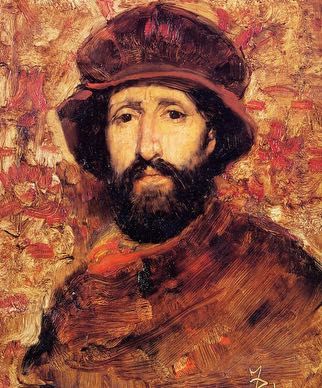
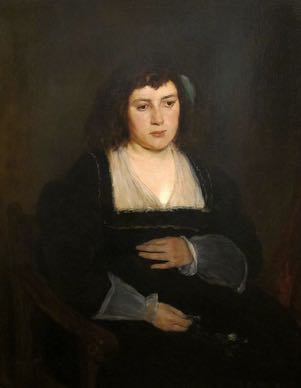
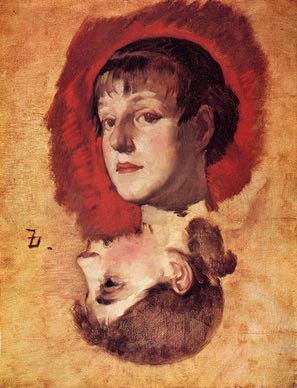
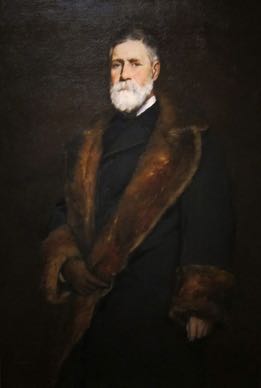
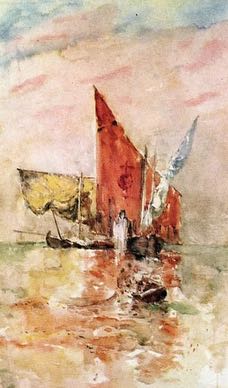
Can’t Find the Painting You Want?
Send us a reference image. We can recreate almost any artwork in the size and style you’re looking for.
Get a Free QuoteHand-Painted Frank Duveneck Reproductions
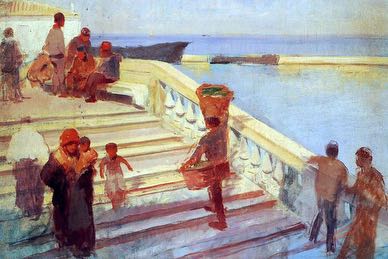
Bring Duveneck’s art into your home with an oil-on-canvas reproduction hand-painted by a professional artist. Our collection features dozens of paintings from across his career, including The Whistling Boy, The Turkish Page, and Water Carriers, Venice. Discover searching portraits, working-class figures, busy Venetian views, atmospheric coastal landscapes, and other subjects associated with Duveneck. Every reproduction is a real oil painting, offering depth and texture that a print or digital transfer cannot provide. From celebrated works to less familiar compositions, find a Duveneck painting that suits your space.
The Making of a Frank Duveneck Oil Painting Replica
Creating a Frank Duveneck oil painting replica requires patience, precision, and an understanding of the original artwork. Our studio includes artists who specialize in American Realist painting and understand the distinctive qualities of Duveneck’s work. The artist begins by studying the source image, then recreates its deep tonal range, vigorous contours, broad brushwork, and Duveneck’s confident modeling of light and character on canvas using traditional oil-painting methods. After completion, the painting is inspected by our quality-control team and photographed for your approval. The result is a carefully executed oil painting that reflects the visual character of the original.
Custom Sizes and Frames for Your Duveneck Painting
Your Duveneck painting can be ordered in practically any size, from popular standard dimensions to custom canvas sizes selected directly on the product page. This flexibility lets you choose a painting that fits your wall and complements your room perfectly. After selecting the size, you can choose from high-quality frames in classic or modern designs, with professional canvas stretching also available. Our framing options complement the deep tones and expressive brushwork of Duveneck’s paintings. With sizing, stretching, and framing arranged in one order, your artwork can arrive ready for display without a separate visit to a frame shop.
Order a Frank Duveneck Reproduction with Confidence
Buying hand-painted art online should feel clear and comfortable. After your Frank Duveneck reproduction is completed, we send high-resolution photographs for your review before shipping. You can inspect the composition, colors, details, and overall finish, then request adjustments if needed. The painting is dispatched only after you approve it, so you know what to expect when it arrives. Your order also includes free express worldwide shipping and is covered by our 90-day return policy. Together, these assurances help you purchase a Duveneck oil painting with greater confidence and peace of mind.
The Life and Art of Frank Duveneck
Frank Duveneck was an American painter, printmaker, sculptor, and influential teacher whose bold brushwork brought Munich realism into the center of late nineteenth-century art. Born in Covington, Kentucky, in 1848, he began with church decoration before studying at Munich’s Royal Academy. Dark backgrounds, strong highlights, and freely handled paint gave his early portraits unusual immediacy. Students known as the “Duveneck Boys” followed him through Munich, Florence, and Venice, where his palette brightened and he took up etching. After the death of his wife, artist Elizabeth Boott, he returned to Cincinnati and devoted much of his later career to teaching. His best paintings retain the energy of a first encounter, even when their compositions are carefully controlled.
Read More
How Did Covington and Cincinnati Shape Duveneck’s Beginnings?
Frank Duveneck was born Frank Decker in Covington, Kentucky, on 9 October 1848. His parents were German immigrants, and after his father’s death he took the surname of his stepfather, Joseph Duveneck. The German-speaking communities on both sides of the Ohio River formed the setting of his childhood.
By his teens, Duveneck was painting signs, decorating coaches, and apprenticing with artisans who made altars and decorated Catholic churches. The work demanded practical control of drawing, color, ornament, and large surfaces. It also showed him that painting could be a shared craft rather than a solitary performance.
Cincinnati offered growing cultural institutions but limited advanced instruction. Duveneck’s teachers recognized that European study could take him further. In 1870, he entered Munich’s Royal Academy, joining the increasing number of American artists who looked to Germany rather than Paris for rigorous professional training.
What Did Munich Teach Him to Do with Paint?
At the academy, Duveneck advanced to the painting class of Wilhelm von Diez. Munich training emphasized firm drawing, direct work from the model, strong contrasts, and the material presence of paint. Visits to the Alte Pinakothek brought him close to portraits by Rembrandt, Frans Hals, and other European masters.
He also absorbed the example of contemporary realism associated with Wilhelm Leibl and the looser handling circulating among Munich artists. Faces and hands emerge from deep brown or black grounds through broad strokes and decisive highlights. Clothing may remain abbreviated while a gaze, cheek, or mouth feels sharply alive.
Duveneck did not use darkness merely to imitate an Old Master appearance. It allowed him to concentrate attention and paint quickly without polishing away every stroke. That visible speed became part of a sitter’s character, giving his portraits a physical directness that American audiences were not yet accustomed to seeing.
Why Did The Whistling Boy Announce a New American Talent?
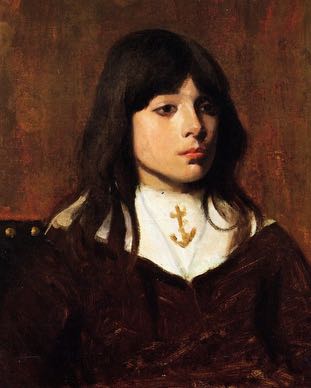
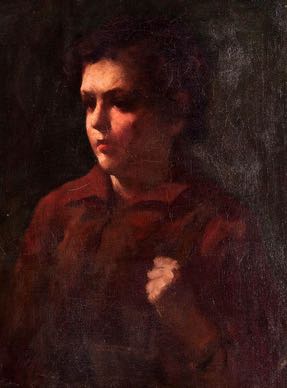
Duveneck was only twenty-four when he painted The Whistling Boy in 1872. The boy turns from a nearly black background, his mouth caught in the act of whistling. A battered hat, informal clothes, and alert expression resist the manners of a conventional commissioned portrait.
The picture shows how much Duveneck could accomplish with a restricted palette. Warm flesh, a white shirt, and small flashes of red and gold carry unusual force against the darkness. Broad passages remain visibly painted, but the head and gesture are exact enough to suggest a particular personality.
After financial pressure and a cholera epidemic brought him home in 1873, Duveneck exhibited in Cincinnati and Boston. His 1875 Boston Art Club presentation attracted serious attention from artists, writers, and collectors. The response encouraged him to return to Munich with a stronger reputation than the unknown student who had left Kentucky.
Who Were the Duveneck Boys?
Duveneck began teaching privately when Munich’s academy classes became crowded. His ease, generosity, and practical demonstrations attracted young American painters who wanted something more immediate than a rigid academic routine. The informal group soon became known as the “Duveneck Boys,” despite including women in his wider teaching circle.
John Henry Twachtman, Joseph DeCamp, John White Alexander, and others studied or worked near him. William Merritt Chase was a fellow Munich-trained painter rather than simply a pupil, and the two helped make vigorous brushwork central to a new generation of American painting.
Duveneck taught through example. Students watched him establish a figure in large masses, find the decisive accent, and stop before excessive finish weakened the result. More than one style passed through the group, but the confidence to treat paint as an active language became their shared inheritance.
How Did Florence and Venice Open His Palette?
In 1879, Duveneck moved his teaching circle to Florence and spent extended periods in Venice. The change brought him into brighter streets, gardens, lagoons, and coastal light. His dark Munich palette did not disappear, but color became lighter and space more open.
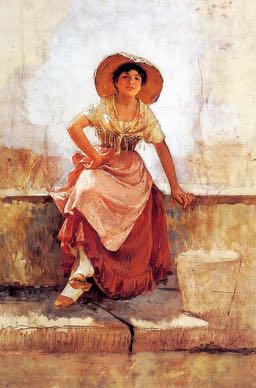
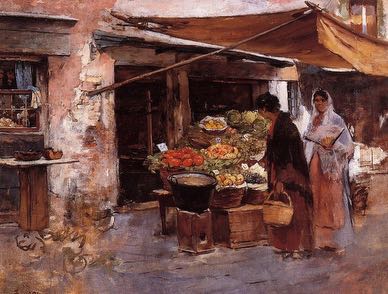
He painted workers, children, flower sellers, water carriers, canals, boats, and the Anglo-American community abroad. These were not polished tourist souvenirs. Weathered walls, crowded landings, work clothes, and ordinary movement mattered as much as celebrated architecture.
Water Carriers, Venice places young workers against the Riva degli Schiavoni and its maritime activity. The wide canvas joins everyday labor to the city’s grandeur without turning the figures into decorative accessories. Duveneck’s lighter touch preserves both physical effort and changing outdoor atmosphere.
In What Ways Did Etching Change His View of Venice?
Duveneck began etching seriously in Italy around 1880, participating in the international revival of a medium valued for its directness. Drawing through a protective ground onto a metal plate let him capture bridges, quays, markets, boats, and narrow passages with rapid, responsive lines.
He worked near artists who included Otto Bacher and James Abbott McNeill Whistler. Their Venetian prints shared subjects but not identical aims. Duveneck often favored busy harbor structures and working waterfronts, where lines could gather into dense networks of masts, rigging, masonry, and figures.
Etching sharpened his feeling for omission. A few marks could suggest reflected water or a distant wall without describing every stone. That economy also entered his paintings and monotypes, where incomplete passages can make an image feel observed in motion rather than assembled detail by detail.
What Made Elizabeth Boott Central to His European Years?
Elizabeth “Lizzie” Boott was an accomplished American painter raised largely in Florence. She had studied with William Morris Hunt, Thomas Couture, and at the Académie Julian before becoming Duveneck’s private pupil. In 1879, she helped persuade him to teach a class of women in Florence.
Their long courtship crossed differences of class and temperament. Boott’s father, Francis, admired Duveneck’s painting but doubted the bohemian artist as a husband for his daughter. Frank and Elizabeth married in March 1886, and their son, Francis Boott Duveneck, was born that December.
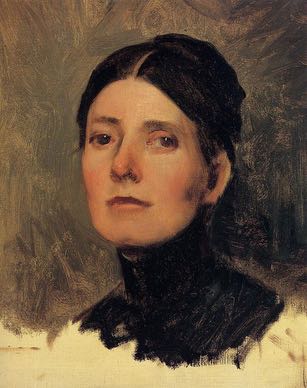
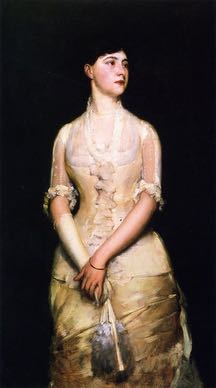
Elizabeth died of pneumonia on 22 March 1888. Duveneck’s Elizabeth Boott Duveneck preserves her standing figure with grave simplicity. He later designed a recumbent effigy for her tomb in Florence, working with sculptor Clement J. Barnhorn on one of the most moving memorials of his career.
Where Did His Career Lead After the Return to Cincinnati?
After Elizabeth’s death, Duveneck returned to the United States and centered his life in Cincinnati. He taught at the Art Academy of Cincinnati and eventually became director of its faculty in 1905. Students valued his technical authority, humor, and ability to respond to an individual painter rather than impose one formula.
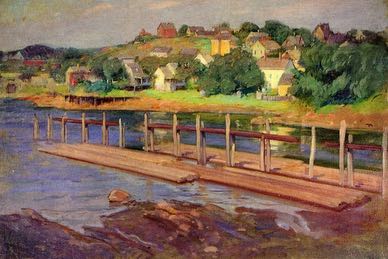
He continued making portraits and spent summers around Gloucester, Massachusetts, painting harbors, piers, rocky shores, and changing weather. These later landscapes often use a quieter key than the Munich figures, but their abbreviated surfaces preserve his preference for direct observation and visible handling.
Duveneck also became an important adviser to the Cincinnati Art Museum. He recommended artists, evaluated prospective purchases, assisted collectors, and donated a substantial group of his own works and works by colleagues. His influence therefore entered the city’s public collection as well as its classrooms.
Which Paintings Reveal Duveneck’s Full Range?
Duveneck’s reputation begins with dark Munich portraits, but his work also includes landscapes, Venetian scenes, still lifes, and images shaped by personal loss. These paintings follow the changes in subject and light across his transatlantic career:
- The Whistling Boy, 1872: A streetwise young sitter emerges from darkness through swift highlights and an unforgettable expression.
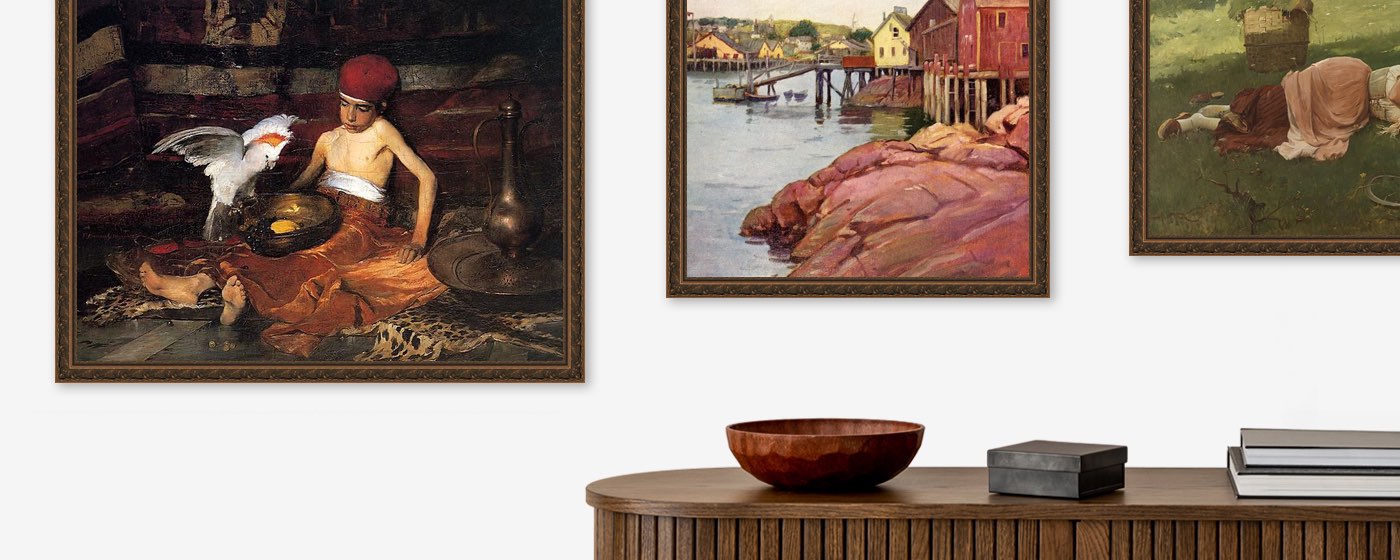
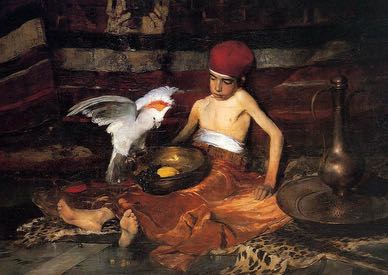
- The Turkish Page, 1876: Rich fabrics and dark tonal masses surround a thin child whose direct presence resists picturesque fantasy.
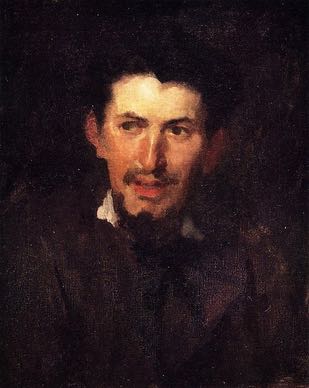
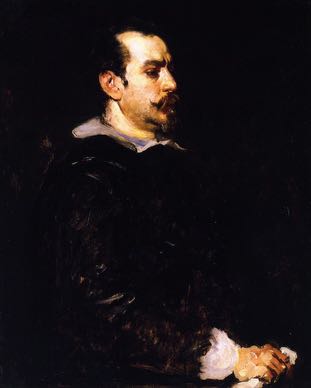
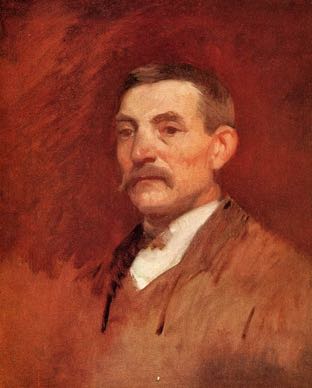
- Portrait of a Man: Richard Creifelds, 1876: Broad strokes and concentrated light make informal posture feel commanding.
- The Cobbler’s Apprentice, 1877: Rolled sleeves, a basket, and a cigar give working life unusual swagger and specificity.
- Still Life with Watermelon, circa 1878: Cut fruit and humble objects become a study in weight, color, and vigorous paint.
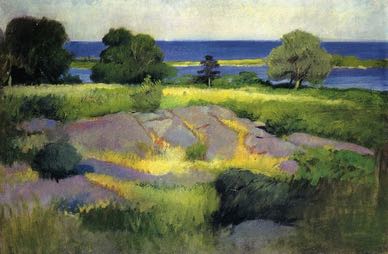
- Polling Landscape, 1881: Trees and open ground reveal the brighter palette that entered his work outside Munich.
- Water Carriers, Venice, 1884: Young workers occupy the foreground while the active city opens behind them.
- Elizabeth Boott Duveneck, 1888: The artist’s wife stands against a spare setting in a restrained image of intimacy and remembrance.
Why Is Duveneck Remembered as a Painter’s Painter?
Duveneck received major recognition during his lifetime, including a retrospective and medal of honor at the 1915 Panama-Pacific International Exposition. He died in Cincinnati on 3 January 1919. By then, his early manner had helped make bold, direct paint handling familiar within American art.
His reputation later narrowed around The Whistling Boy and the romance of the Duveneck Boys. That story captures something real about his charisma, but it can obscure the variety of his work, the women he taught, his experiments in printmaking and sculpture, and his sustained service to Cincinnati’s institutions.
The phrase “painter’s painter” suits the pleasure other artists found in his surfaces. A sleeve can remain a handful of strokes while a face is held by one precise highlight. Yet technique was never the whole point. At his best, Duveneck used speed, darkness, and unfinished edges to make another person feel suddenly present.
Copyright © 2026 BrushWiz. All Rights Reserved.
About Our Frank Duveneck Paintings
Are your Frank Duveneck reproductions painted by hand?
Yes. Every reproduction is individually painted by hand in oil on canvas by a professional artist. We do not use prints, digital transfers, or mechanical reproduction methods.
How closely do your Duveneck copies resemble the original?
Our artists work to capture the composition, colors, texture, and visual character of the original Duveneck painting as closely as possible. Because every reproduction is painted by hand, small variations are natural and make each canvas unique.
How long does a Duveneck reproduction take to complete?
Most Duveneck reproductions require approximately two to three weeks to paint, dry, and inspect. Production time may vary depending on the artwork and canvas size, so check the estimate displayed on the product page.
Can I request a Duveneck painting that is not listed?
Yes. If you cannot find the Frank Duveneck artwork you want in our catalog, send us the painting’s title or an image. Our team will review your request and confirm the available sizes, estimated production time, and price.
Will I receive approval photos before shipping?
Yes. We send high-resolution photographs of the completed painting for your approval. You can request adjustments if needed, and the painting will not be dispatched until the review process is complete.
Are custom canvas sizes available for Duveneck paintings?
Yes. We offer custom dimensions in addition to the standard sizes shown on the product page. Select the dimensions you need directly from the available size options.
May I order my Duveneck painting with a frame?
Yes. High-quality frames in classic and modern designs are available for many paintings. You can view compatible framing options and add your preferred design from the product page. Professional canvas stretching is also available.
What determines the price of a Duveneck reproduction?
The price depends on the selected artwork, canvas dimensions, and framing option. Choose your preferred configuration on the product page to see the current price before ordering.
Is free express worldwide shipping included?
Yes. Duveneck reproductions qualify for free express worldwide shipping. After dispatch, delivery usually takes five to eight business days, although timing may vary by country and destination.
Which return policy covers Duveneck reproductions?
Orders are covered by our 90-day return policy. Review the current return-policy page before ordering for complete information about eligibility, time limits, and the return process.
Why BrushWiz?
100% Hand Painted
Every piece is entirely handmade
Museum Quality
Faithfully recreated by expert artists
Custom Framing
Choose from a wide range of frames
Free Shipping
Enjoy free shipping on all orders
Cash Back Rewards
Earn cash back with every purchase