
🔥 Limited-Time Sale. Offer Ends 11/10/2026. View Details
🔥 Limited-Time Sale. Ends 11/10/2026. View Details
🔥 Limited-Time Sale. View Details
Artists
Subjects
Movements
Collections
Decor
Portraits
Commissions
Framing
Reviews
Gift Cards
On Sale
Raphael Oil Painting Reproductions
Shop museum-quality reproductions of Raphael’s most famous paintings, each hand-painted in oil on canvas by a professional artist.
Shop Art
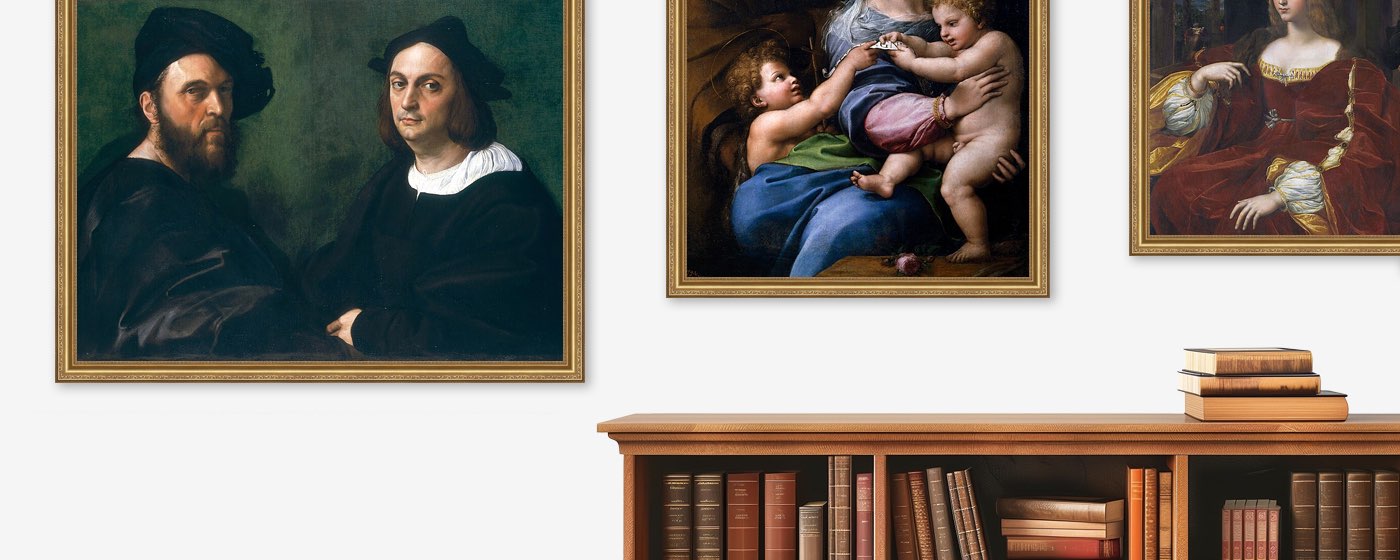
Showing 41-80 of 90 results
Sort By
Most Popular
- Most Popular
- New Arrivals
- Best Sellers
- Alphabetical A-Z
- Alphabetical Z-A
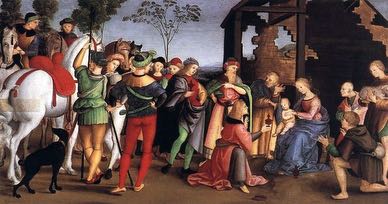
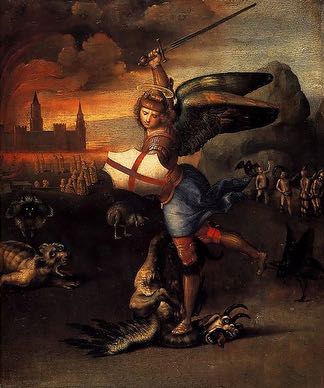
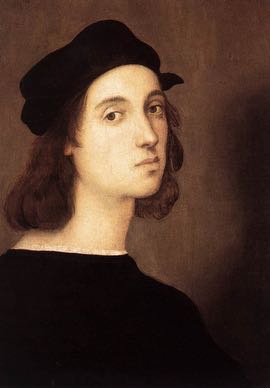
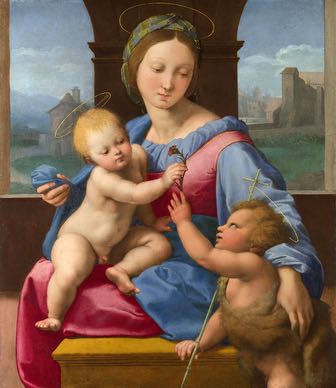
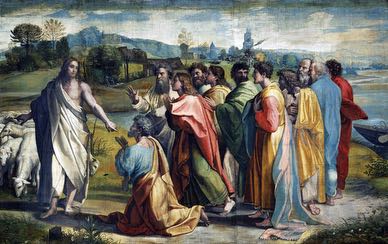
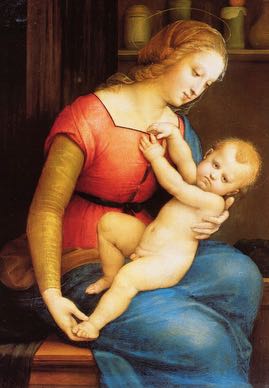
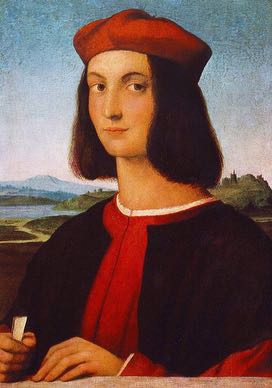
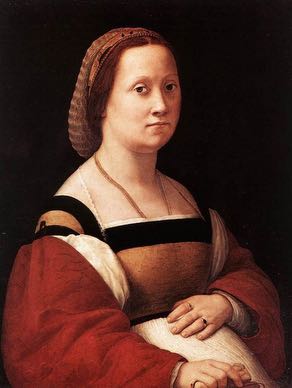
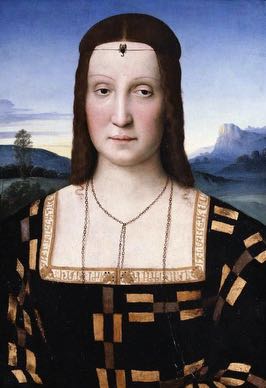
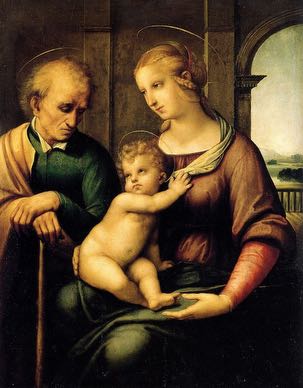
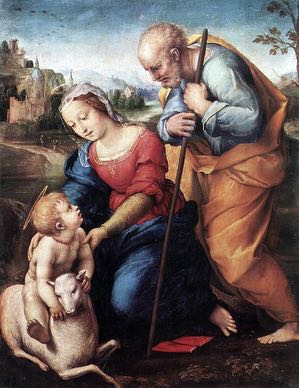
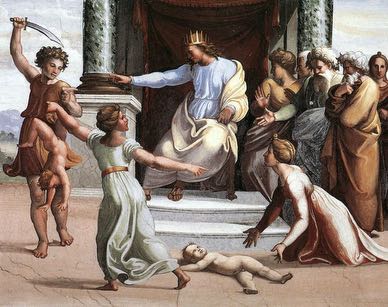

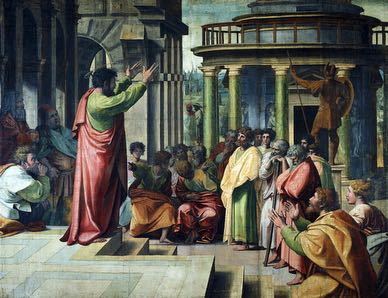
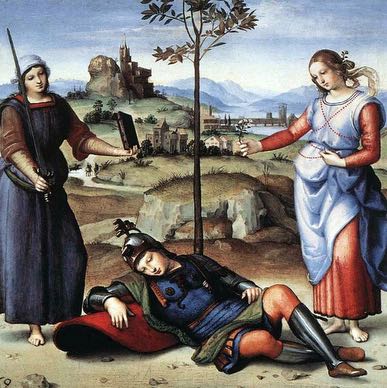
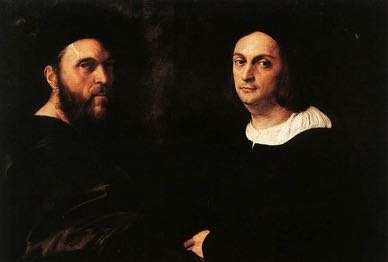
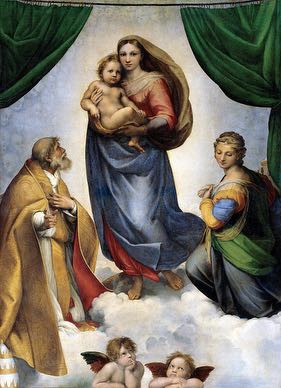
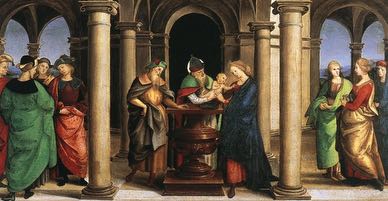
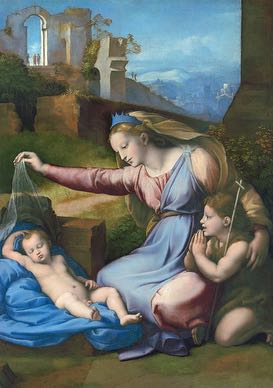
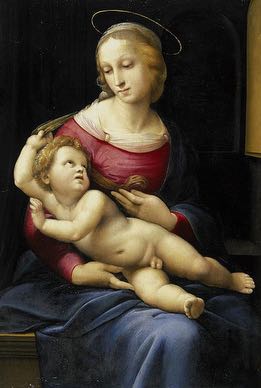
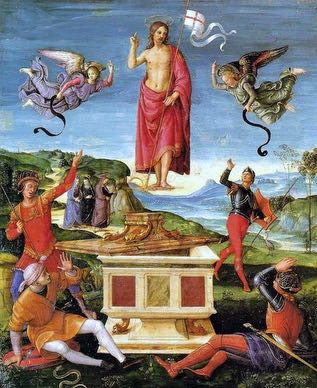
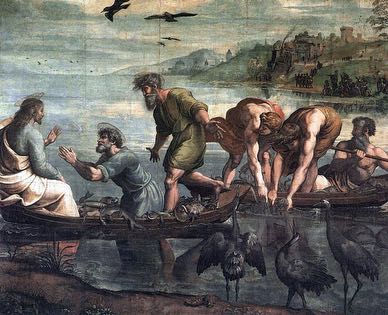
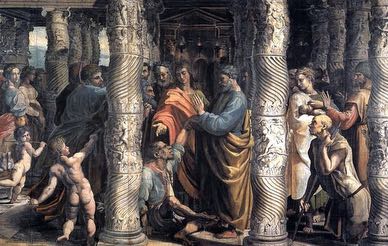
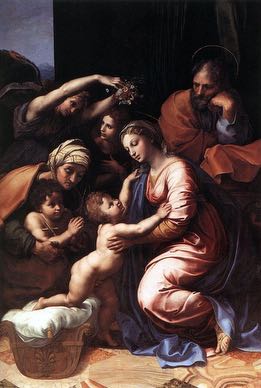
Can’t Find the Painting You Want?
Looking for a specific painting that isn’t in our catalog? Just let us know. We can recreate almost any artwork in the size and style you’re looking for.
Request a PaintingHand-Painted Raphael Reproductions
Bring Raphael’s art into your home with an oil-on-canvas reproduction hand-painted by a professional artist. Our collection features dozens of paintings from across his career, including Sistine Madonna, Transfiguration, and Madonna of the Goldfinch. Discover serene Madonnas, papal portraits, biblical narratives, classical allegories, heroic saints, expressive angels, and other subjects closely associated with Raphael. Every reproduction is a real oil painting, offering depth and texture that a print or digital transfer cannot provide. From iconic masterpieces to lesser-known works, find a Raphael painting that suits your space.
The Making of a Raphael Oil Painting Replica
Creating a Raphael oil painting replica requires patience, precision, and an understanding of the original artwork. Our studio includes artists who specialize in Renaissance painting and understand the distinctive qualities of Raphael’s work. The artist begins by studying the source image, then recreates its balanced composition, graceful figures, clear colors, and Raphael’s subtle transitions between light and shadow on canvas using traditional oil-painting methods. After completion, the painting is inspected by our quality-control team and photographed for your approval. The result is a carefully executed oil painting that reflects the visual character of the original.
Custom Sizes and Frames for Your Raphael Painting
Your Raphael painting can be ordered in practically any size, from popular standard dimensions to custom canvas sizes selected directly on the product page. This flexibility lets you choose a painting that fits your wall and complements your room perfectly. After selecting the size, you can choose from high-quality frames in classic or modern designs, with professional canvas stretching also available. Our framing options complement the harmonious colors and refined character of Raphael’s paintings. With sizing, stretching, and framing arranged in one order, your artwork can arrive ready for display without a separate visit to a frame shop.
Order a Raphael Reproduction with Confidence
Buying hand-painted art online should feel clear and comfortable. After your Raphael reproduction is completed, we send high-resolution photographs for your review before shipping. You can inspect the composition, colors, figures, and overall finish, then request adjustments if needed. The painting is dispatched only after you approve it, so you know what to expect when it arrives. Your order also includes free express worldwide shipping and is covered by our 90-day return policy. Together, these assurances help you purchase a Raphael oil painting with greater confidence and peace of mind.
The Life and Art of Raphael
Raphael was an Italian Renaissance painter, draftsman, and architect whose art became a model of harmony, clarity, and grace. Born in Urbino in 1483, he mastered the gentle figures and open landscapes of central Italian painting before studying the achievements of Leonardo da Vinci and Michelangelo in Florence. Pope Julius II called him to Rome in 1508, where Raphael created monumental frescoes for the Vatican apartments, painted penetrating portraits, designed tapestries, and later became architect of St. Peter’s Basilica. His Madonnas brought natural affection to sacred subjects, while works such as The School of Athens joined complex ideas with visual order. Raphael died at thirty-seven, but his workshop, designs, and reputation shaped European art education and history painting for centuries.
Read More
Who Was Raphael?
Raphael is the name by which Raffaello di Giovanni Santi is known in English. He was born in Urbino in 1483, probably on 6 April, into one of the most cultivated courts in Renaissance Italy. His father, Giovanni Santi, worked there as a painter and poet, giving the boy early contact with art, literature, diplomacy, and the manners of court life.
His mother died when he was eight and his father when he was eleven. Raphael nevertheless inherited family property, workshop connections, and an artistic education that helped him become an independent master while still a teenager. Documents identify him as a master by 1500, when he was about seventeen.
Across only two decades of work, Raphael moved from provincial altarpieces to the most prestigious papal commissions in Rome. Painting remained central, but his career also encompassed drawing, architecture, archaeology, tapestry design, and the strategic use of prints.
How Did Raphael Develop His Early Style?
Raphael’s first training almost certainly began with his father in Urbino. After Giovanni Santi’s death, artists connected with the family workshop helped maintain its activity. The precise course of Raphael’s apprenticeship remains debated, but his early work shows unmistakable contact with Pietro Perugino, the leading painter of nearby Umbria.
From Perugino, Raphael learned to arrange graceful figures within spacious landscapes, use clear architecture to organize depth, and give religious narratives a calm emotional rhythm. He absorbed these lessons so thoroughly that early works by master and younger artist have sometimes been difficult to distinguish.
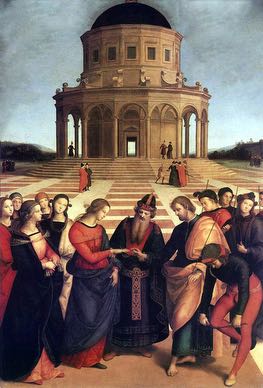
Raphael received commissions in Città di Castello and Perugia, painting altarpieces and devotional works. The Marriage of the Virgin, completed in 1504, still reflects Perugino’s example, but the circular temple, open square, and carefully balanced groups show the younger painter testing a more unified and confident design.
What Changed When Raphael Worked in Florence?
Raphael spent substantial periods in Florence between about 1504 and 1508. The city exposed him to the competing achievements of Leonardo da Vinci and Michelangelo, as well as the weighty figures of Fra Bartolomeo and earlier Florentine masters. He studied their work closely without surrendering the calm temperament of his own painting.
Leonardo’s pyramidal figure groups, turning bodies, exchanged glances, and soft transitions between light and shadow helped Raphael make relationships feel more natural. Michelangelo offered a different lesson in muscular anatomy, twisting poses, and monumental energy. Raphael selected what he needed from both.
Drawings reveal how patiently he solved these problems. A pose might be tested from several angles, then adjusted so that a hand, gaze, or bend of the body linked one figure to another. The resulting paintings appear effortless because so much thought has been absorbed into their structure.
Why Are Raphael’s Madonnas So Important?
Raphael painted the Virgin and Child throughout his career, often including the young John the Baptist or other members of the Holy Family. These works served private devotion, but they also gave him an ideal setting in which to explore touch, recognition, protection, and the quiet knowledge of future suffering.
In Madonna in the Meadow, the three figures form a stable pyramid within a broad landscape. The children’s cross introduces the Passion without disturbing the tenderness of the moment. Madonna of the Goldfinch uses a similar structure, but its gestures and exchanged looks create a different emotional sequence.
Raphael varied these familiar subjects rather than repeating a formula. Some Madonnas are intimate and domestic; others become public altarpieces surrounded by saints and clouds. The figures remain idealized, yet their weight, movement, and attention to one another make sacred relationships feel physically present.
How Did the Vatican Rooms Establish Raphael in Rome?
Pope Julius II summoned Raphael to Rome in 1508 to work on a suite of apartments in the Vatican Palace. The twenty-five-year-old artist had little experience with fresco on this scale, but the first room, now called the Stanza della Segnatura, secured his position at the papal court.
Its walls address theology, philosophy, poetry, and law. The School of Athens gathers ancient thinkers within a vast imagined architecture, arranging Plato and Aristotle at the center while other philosophers debate, calculate, write, and reflect around them. Across the room, the Disputa presents Christian revelation through a different but equally ordered assembly.
The clarity of these frescoes hides an extraordinarily difficult task. Raphael coordinated many figures, architectural perspectives, symbolic programs, and the demands of painting on wet plaster. Julius II and his successor Leo X expanded his responsibilities, and a growing workshop helped continue the decoration through several rooms.
What Made Raphael Such a Perceptive Portrait Painter?
Raphael’s portraits combine courtly polish with close attention to temperament. Sitters occupy stable spaces and wear carefully described fabrics, yet small asymmetries in the face, hands, and posture prevent elegance from becoming impersonal.
Portrait of Julius II presents the pope seated and turned slightly aside, his lowered gaze and tense hands suggesting age, illness, calculation, and formidable authority at once. The format proved influential because it made a powerful office inseparable from a particular human presence.
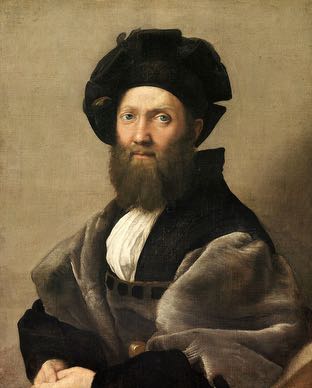
In Portrait of Baldassare Castiglione, restrained gray, black, and white place attention on the writer’s face and hands. Friendship may have helped Raphael achieve the portrait’s unusual ease. His group portrait of Leo X with two cardinals is more guarded, surrounding the pope with luxurious objects while glances and spatial tension complicate the formal setting.
How Did Raphael Manage Art on Such a Large Scale?
Rome brought more commissions than one painter could execute alone. Raphael developed a large, highly organized workshop in which assistants prepared surfaces, transferred cartoons, painted secondary passages, and sometimes completed works from his designs. Giulio Romano, Gianfrancesco Penni, and Giovanni da Udine became especially important collaborators.
This system allowed Raphael to coordinate altarpieces, palace frescoes, villas, decorative schemes, and portraits at the same time. It also creates difficult attribution questions. A surviving work may be entirely by Raphael, designed by him and executed partly by assistants, or produced after his death from workshop drawings.
Raphael also collaborated with engraver Marcantonio Raimondi. Prints carried compositions far beyond the cities and patrons for whom they were first invented. The partnership expanded his reputation during his lifetime and helped make his designs a shared visual language for later European artists.
Where Did Architecture, Tapestry, and Antiquity Fit into His Career?
After Donato Bramante died in 1514, Raphael was appointed architect of the new St. Peter’s Basilica. Although later rebuilding altered much of his plan, the appointment shows the confidence placed in him. He also designed the Villa Madama and worked on chapels, palaces, and architectural details for influential Roman patrons.
Pope Leo X commissioned him to design a set of tapestries for the Sistine Chapel. Raphael’s full-size cartoons presented episodes from the lives of Saints Peter and Paul, including The Miraculous Draught of Fishes. The designs were sent to Brussels for weaving, translating his figures and landscapes into costly wool, silk, and metal thread.
Ancient Rome became another major responsibility. Raphael studied ruins, sculpture, and inscriptions, worked toward a survey of the city’s monuments, and helped formulate a letter urging Leo X to protect them. For him, antiquity was not a collection of isolated fragments but a source for rebuilding modern art and architecture.
Which Paintings Show the Range of Raphael’s Art?
Raphael adapted his balanced visual language to private devotion, large altarpieces, portraiture, mythology, and papal display. These works offer a path through the main stages of his career:
- The Knight’s Dream, about 1504: A youthful moral allegory places choice between personified virtues within a compact, lucid landscape.
- Madonna in the Meadow, 1505–1506: A pyramidal group joins natural affection with quiet signs of Christ’s future Passion.
- Madonna of the Goldfinch, about 1506: Glances, touch, and a small bird connect three figures within a serenely ordered landscape.
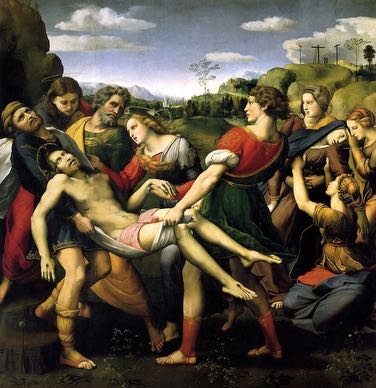
- The Deposition, 1507: Interlocking bodies and opposing movements bring Florentine energy to an Umbrian altarpiece commission.
- Portrait of Julius II, 1511: Papal authority is joined to fatigue, concentration, and the physical presence of an aging sitter.
- The Triumph of Galatea, about 1512: A mythological figure moves through a spiraling company of sea creatures in a fresco designed for Agostino Chigi.
- Sistine Madonna, 1512–1513: The Virgin advances through clouds toward the viewer while saints and two famous cherubs frame the visionary encounter.
- The Ecstasy of Saint Cecilia, about 1514: Music, silence, and upward attention organize a group of saints around Cecilia’s spiritual revelation.
- Portrait of Baldassare Castiglione, about 1514–1515: Restrained color and an open expression embody the cultivated ease admired in Renaissance court life.
- Transfiguration, 1516–1520: Radiant revelation above and human crisis below are united in Raphael’s final, dramatically complex altarpiece.
Why Did Raphael’s Influence Last for Centuries?
Raphael died in Rome on 6 April 1520, at only thirty-seven, after a brief illness whose precise cause remains uncertain. His funeral centered on the unfinished Transfiguration, and he was buried in the Pantheon. The scale of public mourning reflected both his artistic fame and his success within Roman court culture.
Assistants completed projects and carried elements of his style into later Mannerism. Prints, drawings, tapestries, and copies spread his compositions even further. European academies later treated his balance, figure grouping, and ability to make complex narratives legible as standards for history painting.
Nineteenth-century artists sometimes rebelled against the perfection associated with his name, yet even rejection confirmed his place at the center of artistic education. Today, attention extends beyond effortless grace to the labor that produced it: searching drawings, changing designs, a collaborative workshop, and an artist able to absorb rival achievements without losing his own unmistakable clarity.
Copyright © 2026 BrushWiz. All Rights Reserved.
About Our Raphael Paintings
Are your Raphael reproductions painted by hand?
Yes. Every reproduction is individually painted by hand in oil on canvas by a professional artist. We do not use prints, digital transfers, or mechanical reproduction methods.
How closely do your Raphael copies resemble the original?
Our artists work to capture the composition, colors, texture, and visual character of the original Raphael painting as closely as possible. Because every reproduction is painted by hand, small variations are natural and make each canvas unique.
How long does a Raphael painting take to complete?
Most Raphael reproductions require approximately two to three weeks to paint, dry, and inspect. Production time may vary depending on the artwork and canvas size, so check the estimate displayed on the product page.
Can I request a Raphael artwork that is not listed?
Yes. If you cannot find the Raphael artwork you want in our catalog, send us its title or an image. Our team will review your request and confirm the available sizes, estimated production time, and price.
Will I receive photos of my painting before shipping?
Yes. We send high-resolution photographs of the completed painting for your approval. You can request adjustments if needed, and the painting will not be dispatched until the review process is complete.
Are custom canvas sizes available?
Yes. We offer custom dimensions in addition to the standard sizes shown on the product page. Select the dimensions you need directly from the available size options.
May I order my Raphael painting with a frame?
Yes. High-quality frames in classic and modern designs are available for many paintings. You can view compatible framing options and add your preferred design from the product page. Professional canvas stretching is also available.
What determines the price of a Raphael reproduction?
The price depends on the selected artwork, canvas dimensions, and framing option. Choose your preferred configuration on the product page to see the current price before ordering.
Do Raphael reproductions qualify for free worldwide shipping?
Yes. Raphael reproductions qualify for free express worldwide shipping. After dispatch, delivery usually takes five to eight business days, although timing may vary by country and destination.
Which return policy covers Raphael reproductions?
Orders are covered by our 90-day return policy. Review the current return-policy page before ordering for complete information about eligibility, time limits, and the return process.
Why BrushWiz?
100% Hand Painted
Every piece is entirely handmade
Museum Quality
Faithfully recreated by expert artists
Custom Framing
Choose from a wide range of frames
Free Shipping
Enjoy free shipping on all orders
Cash Back Rewards
Earn cash back with every purchase