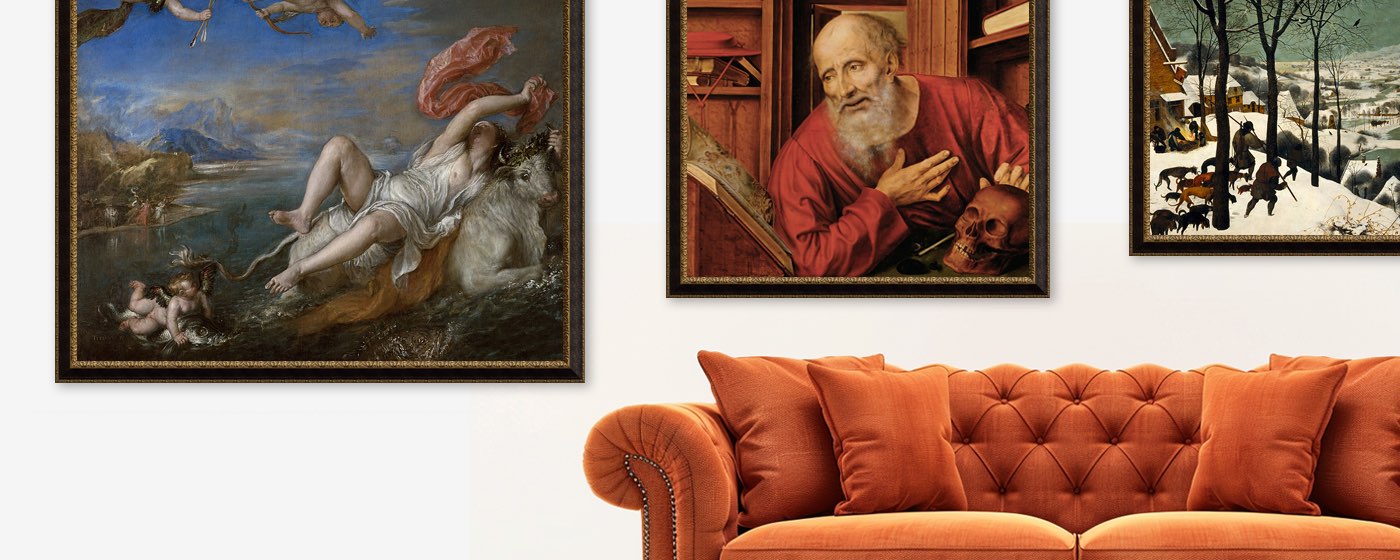
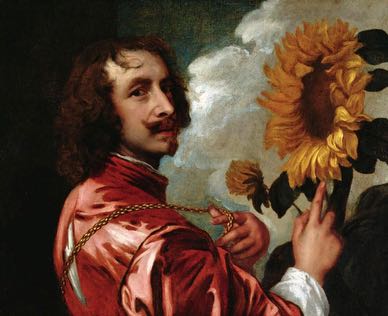
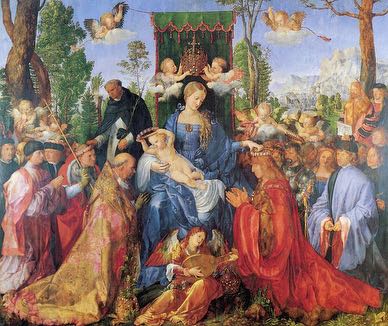
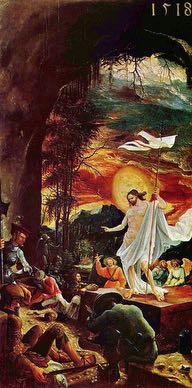
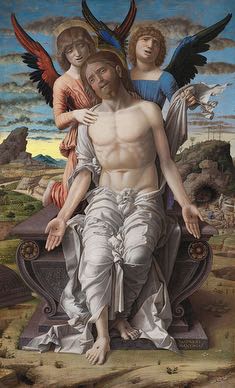
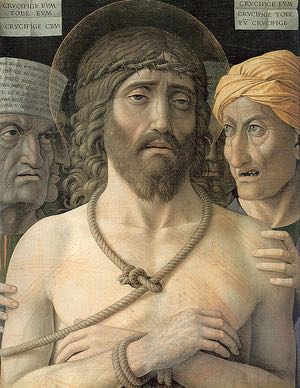
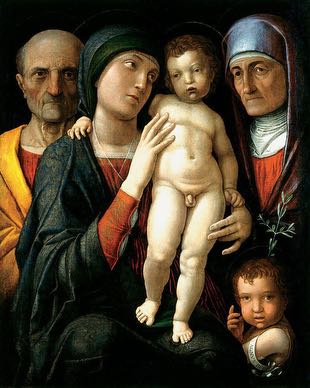
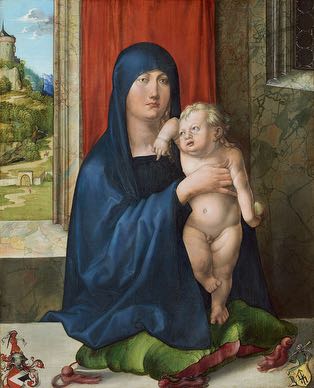
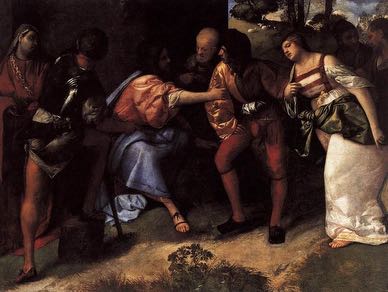
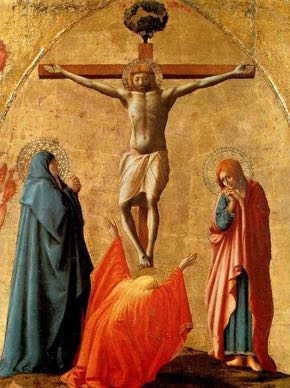
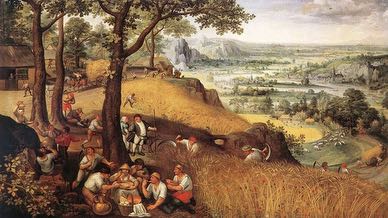
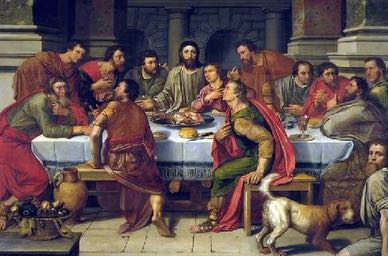
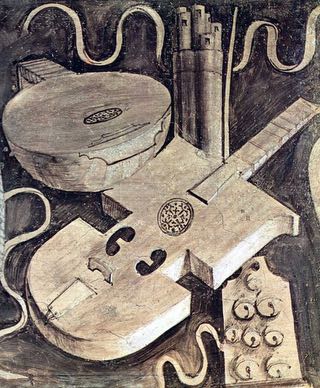
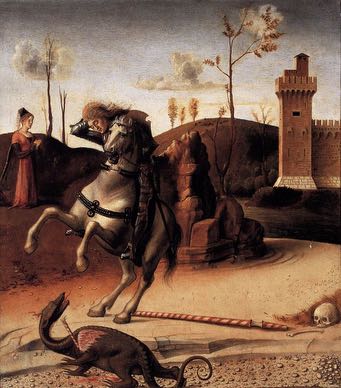
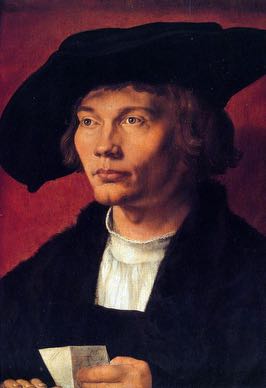
The Renaissance art movement, spanning from the 14th to the 17th centuries, stands as a pivotal era in the history of Western art. This period marked a resurgence of interest in the classical ideals of ancient Greece and Rome, igniting a cultural rebirth that transformed artistic expression in profound ways. At its core, Renaissance art was characterized by a fervent pursuit of realism, humanism, and innovation, ushering in a new era of creativity and exploration.
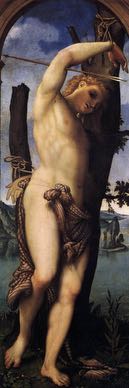
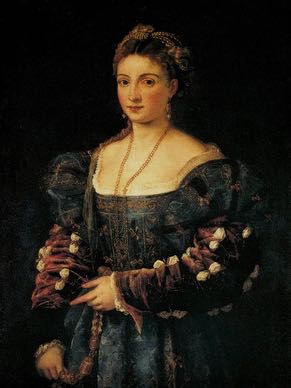
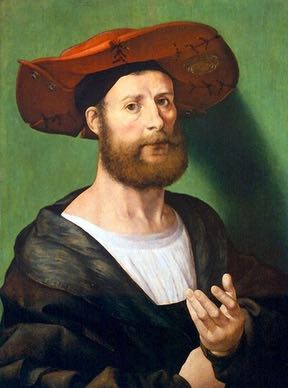
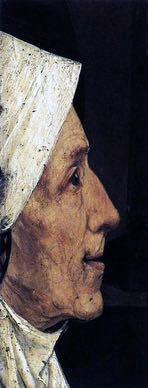
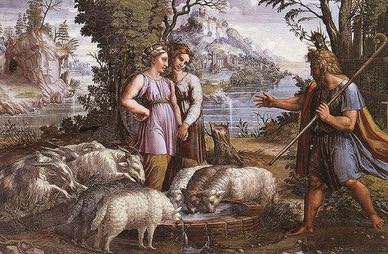
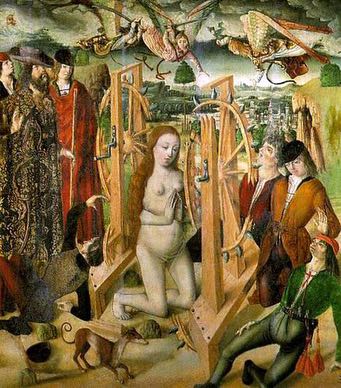
Central to the Renaissance aesthetic was a deep reverence for the human form and the natural world. Artists such as Leonardo da Vinci, Michelangelo, and Raphael revolutionized the portrayal of the human figure, imbuing their works with a sense of grace, proportion, and anatomical accuracy previously unseen in Western art. Through meticulous study and observation, Renaissance painters sought to capture the complexities of human emotion and experience, infusing their work with a sense of depth and psychological insight.
Moreover, Renaissance artists embraced the principles of linear perspective and chiaroscuro, techniques that allowed them to create the illusion of three-dimensional space and dramatic contrasts of light and shadow. This newfound mastery of perspective transformed painting into a dynamic and immersive art form, inviting viewers to engage with the canvas on a deeper level.
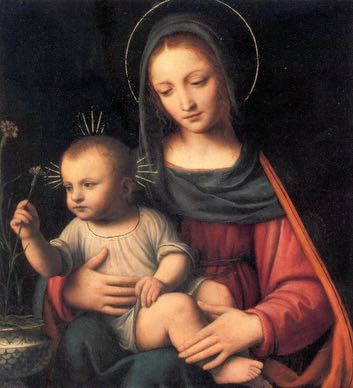
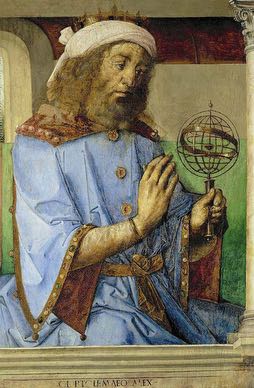
In addition to their technical virtuosity, Renaissance painters were also deeply influenced by the intellectual currents of their time. Humanism, a philosophical movement that celebrated the potential and achievements of humanity, played a central role in shaping Renaissance art. Paintings from this period often incorporated classical themes and mythological subjects, reflecting a renewed interest in the literature, philosophy, and culture of antiquity.
Furthermore, the Renaissance was a period of unprecedented patronage and collaboration, with wealthy merchants, aristocrats, and religious institutions commissioning artworks on a grand scale. These patrons provided artists with the resources and support necessary to pursue ambitious projects, resulting in some of the most iconic masterpieces in the history of art.
The Renaissance art movement represents a golden age of creativity and innovation, characterized by a profound appreciation for the beauty and potential of the human spirit. Through their mastery of technique, depth of thought, and boundless creativity, Renaissance painters forever altered the course of artistic expression, leaving behind a legacy that continues to inspire and captivate audiences to this day.
Copyright © 2026 BrushWiz. All Rights Reserved.