

❄️ Winter Sale. Offer Ends 11/20/2026. View Details
❄️ Winter Sale. Ends 11/20/2026. View Details
❄️ Winter Sale. View Details
Artists
Subjects
Movements
Collections
Decor
Portraits
Commissions
Framing
Reviews
Gift Cards
On Sale
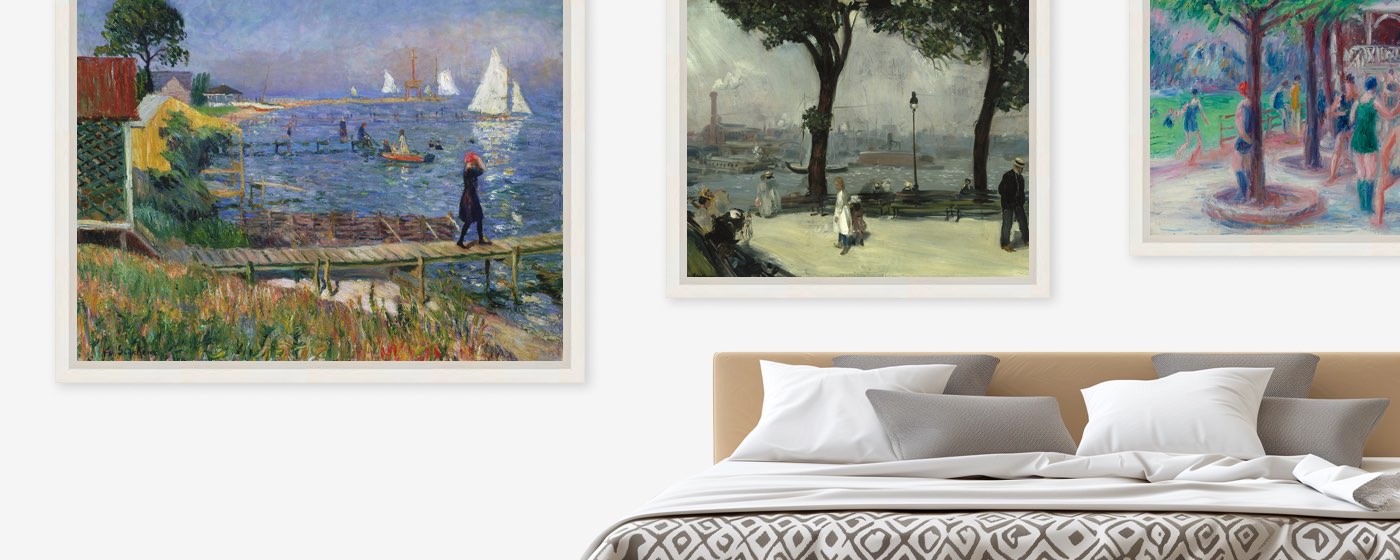
William Glackens Oil Painting Reproductions
Shop museum-quality reproductions of William Glackens’s most famous paintings, each hand-painted in oil on canvas by a professional artist.
Shop Art
Showing 1-40 of 388 results
Sort By
Most Popular
- Most Popular
- New Arrivals
- Best Sellers
- Alphabetical A-Z
- Alphabetical Z-A




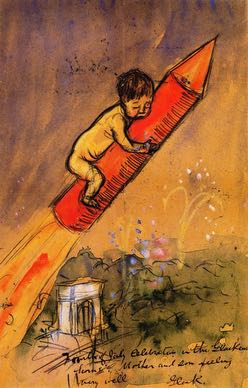
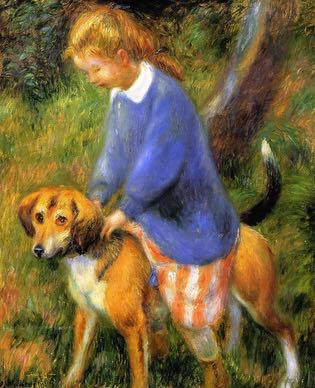
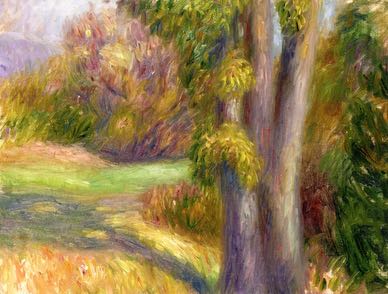

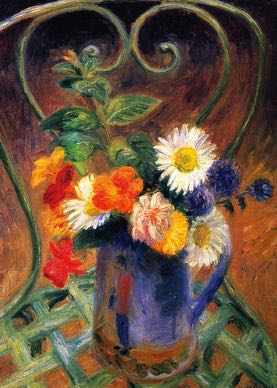
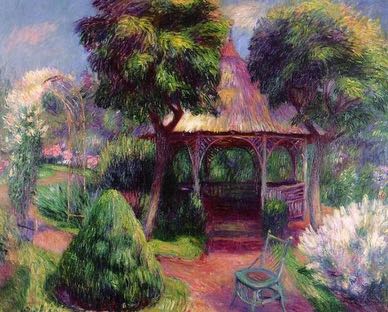
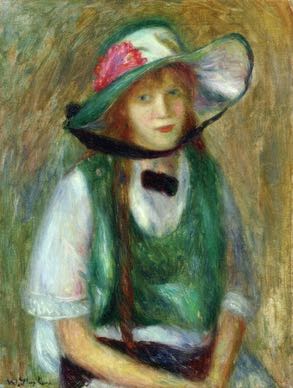
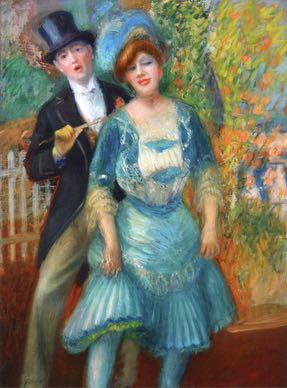
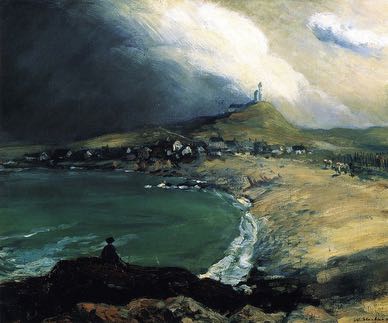

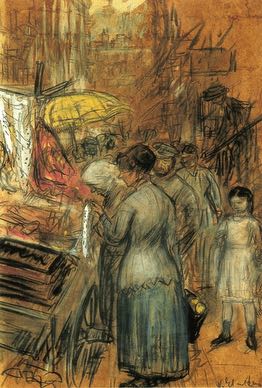
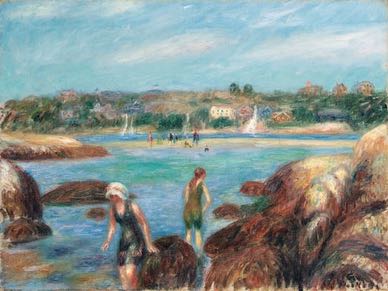
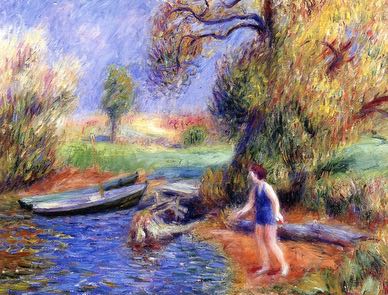
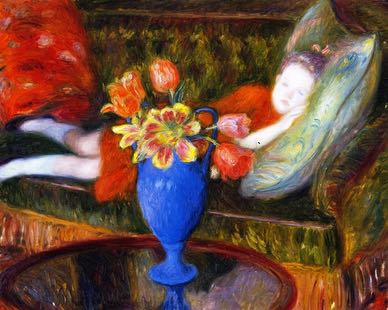
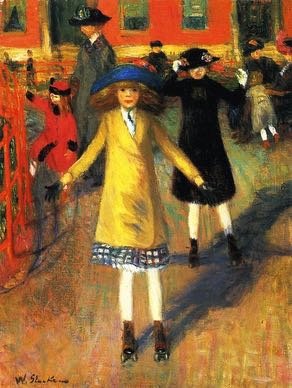
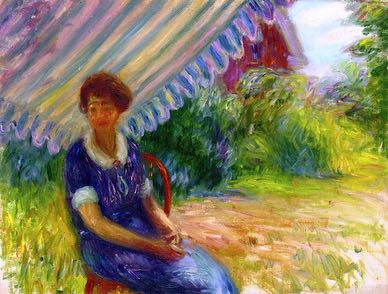
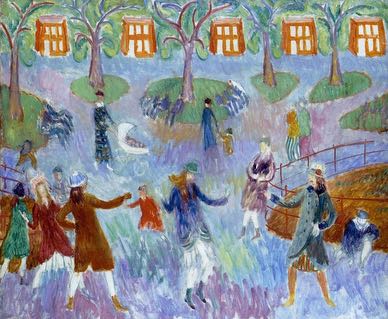

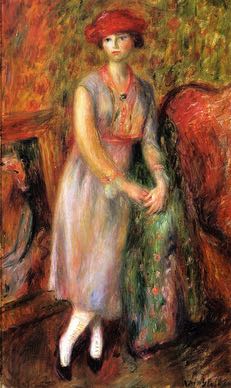
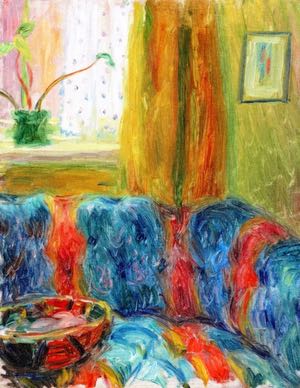


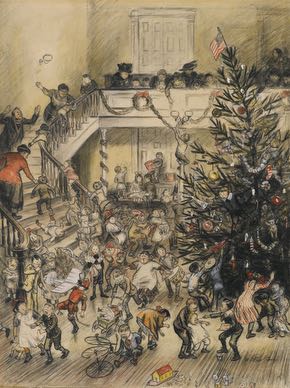
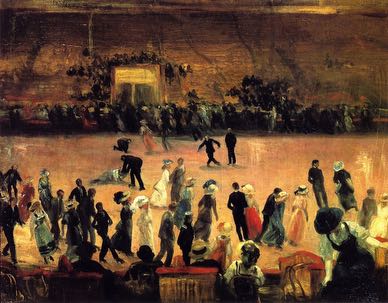
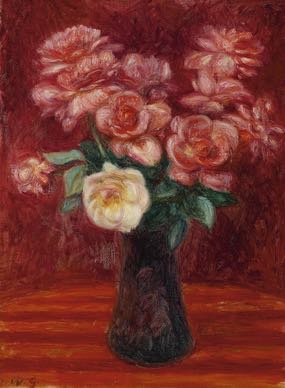
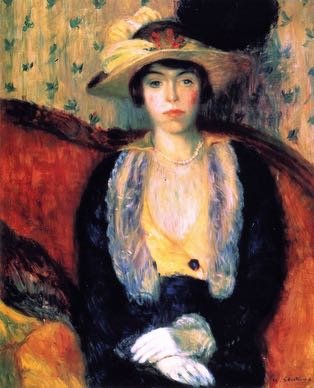
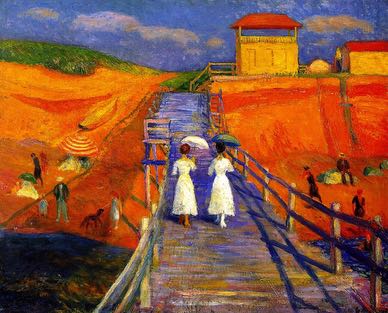
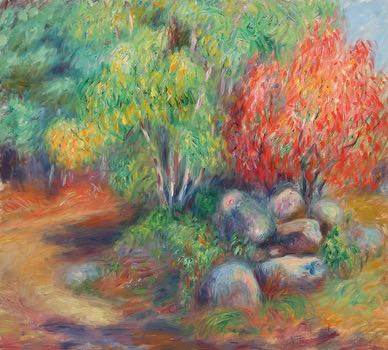
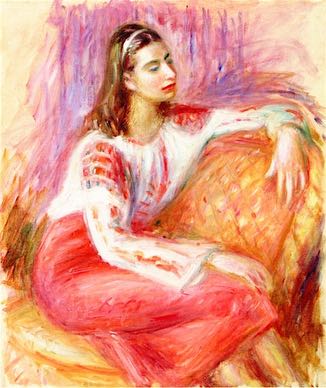
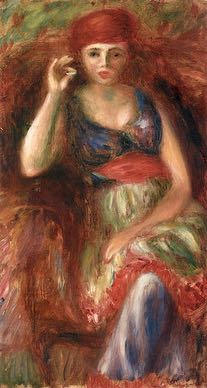
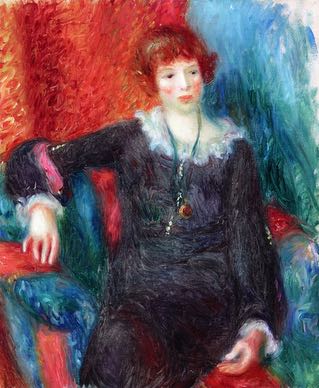
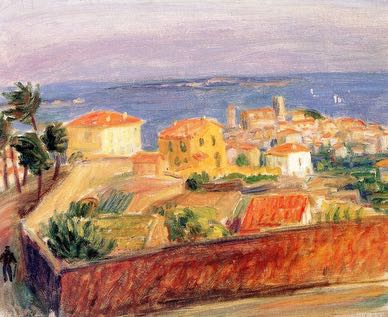
Can’t Find the Painting You Want?
Send us a reference image. We can recreate almost any artwork in the size and style you’re looking for.
Get a Free QuoteHand-Painted William Glackens Reproductions
Bring Glackens’s art into your home with an oil-on-canvas reproduction hand-painted by a professional artist. Our collection features hundreds of paintings from across his career, including At Mouquin’s, Family Group, and Central Park in Winter. Discover crowded city parks, lively restaurants, beach gatherings, family portraits, brilliant flower still lifes, and other subjects associated with Glackens. Every reproduction is a real oil painting, offering depth and texture that a print or digital transfer cannot provide. From landmark urban scenes to intimate later works, find a Glackens painting that suits your space.
The Making of a William Glackens Oil Painting Replica
Creating a William Glackens oil painting replica requires patience, precision, and an understanding of the original artwork. Our studio includes artists who specialize in Impressionist painting and understand the distinctive qualities of Glackens’s work. The artist begins by studying the source image, then recreates its lively figures, loose brushwork, rich colors, and Glackens’s alert observation of modern leisure using traditional oil-painting methods. After completion, the painting is inspected by our quality-control team and photographed for your approval. The result is a carefully executed oil painting that reflects the visual character of the original.
Custom Sizes and Frames for Your Glackens Painting
Your Glackens painting can be ordered in practically any size, from popular standard dimensions to custom canvas sizes selected directly on the product page. This flexibility lets you choose a painting that fits your wall and complements your room perfectly. After selecting the size, you can choose from high-quality frames in classic or modern designs, with professional canvas stretching also available. Our framing options complement the vibrant colors and active compositions of Glackens’s paintings. With sizing, stretching, and framing arranged in one order, your artwork can arrive ready for display without a separate visit to a frame shop.
Order a William Glackens Reproduction with Confidence
Buying hand-painted art online should feel clear and comfortable. After your William Glackens reproduction is completed, we send high-resolution photographs for your review before shipping. You can inspect the composition, colors, details, and overall finish, then request adjustments if needed. The painting is dispatched only after you approve it, so you know what to expect when it arrives. Your order also includes free express worldwide shipping and is covered by our 90-day return policy. Together, these assurances help you purchase a Glackens oil painting with greater confidence and peace of mind.
The Life and Art of William Glackens
William Glackens was an American painter and illustrator whose career connected newspaper drawing, urban realism, Impressionism, and modern American collecting. Born in Philadelphia in 1870, he studied at the Pennsylvania Academy of the Fine Arts and worked beside artists who later formed The Eight. After settling in New York, Glackens painted crowded streets, parks, restaurants, theaters, beaches, portraits, family interiors, and still lifes. His early pictures brought quick observation to American Realism, while later work embraced brighter color and the example of Renoir. A childhood friend of Albert Barnes, Glackens selected the first major group of modern European paintings for Barnes’s collection. His independent eye and generous appetite for modern life shaped both American painting and collecting.
Read More
How Did William Glackens Begin as an Artist-Reporter?
William James Glackens was born in Philadelphia on 13 March 1870. He attended Central High School, whose strong drawing program also attracted his classmate John Sloan. Another school friend, Albert C. Barnes, would later become central to Glackens’s life and to American collecting.
After graduating in 1890, Glackens joined the Philadelphia Record and then the Philadelphia Press as an artist-reporter. Before news photography could be reproduced easily, newspapers sent artists to observe an event, memorize its important details, and quickly draw a scene for translation into print.
The work trained his eye for posture, crowd behavior, and fleeting incidents. Glackens learned to separate a telling gesture from surrounding confusion and arrange many small actions clearly. That visual speed remained present when he moved from black-and-white illustration to ambitious oil paintings.
What Did Robert Henri Bring to the Philadelphia Circle?
From 1891 to 1894, Glackens attended evening classes at the Pennsylvania Academy of the Fine Arts, studying under Thomas Anshutz. Through Sloan, he met Robert Henri, a charismatic painter and teacher who encouraged younger artists to treat contemporary experience as material for serious art.
Glackens, Sloan, George Luks, and Everett Shinn worked for Philadelphia newspapers and gathered around Henri. Their professional drawing gave them direct contact with accidents, politics, entertainment, street life, and people whose daily routines rarely entered formal exhibition painting.
Henri did not impose one style. He urged the group to look independently, study European masters, and resist timid standards of acceptable subject matter. Glackens shared that commitment while retaining a temperament less confrontational than Henri’s and a growing interest in pleasure, sociability, and color.
Why Did His First European Journey Matter?
In 1895, Glackens traveled to Europe with Henri and other Philadelphia artists. Belgium and the Netherlands introduced him directly to Frans Hals and Rembrandt, whose economical brushwork and command of dark tonal structure offered lessons different from the polished finish favored by many American exhibitions.
Glackens then stayed in Paris for about a year. Paintings by Manet, Renoir, and other modern French artists confirmed that cafés, streets, parks, theaters, and ordinary leisure could support serious pictorial invention. Modernity did not require abandoning the study of earlier art.
He returned to the United States in 1896 and settled in New York, briefly sharing a studio with Luks. The city provided an immense field of subjects, but painting could not yet support him. Illustration remained the practical foundation of his career.
What Could Illustration Capture That a Camera Still Missed?
Glackens drew for the New York World, McClure’s, Scribner’s, the Saturday Evening Post, and other publications. Editors valued his ability to make complicated action immediately legible, whether he was observing theater crowds, street traffic, political events, or popular recreation.
In 1898, McClure’s sent him to Cuba to cover the Spanish-American War. He recorded troop movements and daily military life under difficult conditions. The assignment demanded factual attention, yet publication drawings also required selection, memory, and narrative emphasis.
Painting gave him more freedom to slow the story down. In urban canvases, no caption explains exactly what matters. A glance may lead nowhere, several conversations compete, and the crowd continues beyond the frame. His reporter’s eye supplied detail while modern painting allowed ambiguity.
How Did The Eight Challenge New York’s Exhibition System?
In 1908, Glackens joined Henri, Luks, Shinn, Sloan, Ernest Lawson, Maurice Prendergast, and Arthur B. Davies in an independent exhibition at Macbeth Gallery. The group became known as The Eight, although its members differed greatly in subject and technique.
Their shared objection concerned control. Conservative juries could exclude unfamiliar art from major annual exhibitions, narrowing what audiences were allowed to see. The Eight’s show argued that artists should have greater freedom to exhibit work without submitting to restrictive academic taste.
Glackens contributed seven paintings, including At Mouquin’s and The Shoppers. He later helped organize the jury-free Exhibition of Independent Artists in 1910 and participated in planning the 1913 Armory Show, continuing his support for broader access to modern art.
Does the Ashcan Label Fully Describe Glackens’s New York?
Glackens is regularly grouped with the Ashcan School because he painted everyday urban life and shared close ties with Henri’s circle. Yet his New York differed from the grittier tenements and working-class districts emphasized by some colleagues. He often followed middle-class recreation and public amusement.
Hammerstein’s Roof Garden records a fashionable open-air theater enlivened by electric light. At Mouquin’s places drinking, conversation, reflection, and emotional distance inside a popular French restaurant. Parks, beaches, skating rinks, shops, and cafés offered similarly unsettled mixtures of strangers.
His crowds are neither simple celebrations nor moral warnings. Glackens noticed the freedoms of modern leisure as well as its isolation. A busy room can contain someone turned inward, while pleasure depends on money, changing customs, and the ability to enter public space.
Why Did His Palette Grow Brighter After 1908?
Glackens gradually moved away from the deep browns and blacks associated with his early urban work. Brighter reds, blues, greens, and yellows entered landscapes, portraits, beach scenes, family groups, and still lifes. The paint became fuller and more sensuous.
The example of Pierre-Auguste Renoir was especially important. Glackens studied Renoir’s work in New York and through the growing Barnes collection, admiring how warm color and flexible contour could give bodies and surrounding space a shared vitality.
Critics sometimes reduced him to an American follower of Renoir, but the comparison can hide important differences. Glackens retained an illustrator’s command of incident, direct experience of American urban life, and a fondness for sharply placed color contrasts. Influence opened his painting rather than replacing his identity.
What Role Did Edith Dimock, Family Life, and Albert Barnes Play?
Glackens married the artist Edith Dimock in 1904. Her independent income provided financial stability, but she was more than a source of support. Edith continued making art and became a recurring subject, as did their children, Ira and Lenna. Domestic life supplied some of his most ambitious later pictures.
In Family Group, individual poses and vivid furnishings give the room a lived complexity. The family does not perform perfect harmony. Each person occupies a distinct psychological space within a composition held together by color.
Albert Barnes renewed his friendship with Glackens in 1911 and asked for help buying modern European art. In 1912, Glackens traveled to Paris with Barnes’s money and returned with works by Cézanne, Renoir, Van Gogh, Picasso, Pissarro, Bonnard, and others. Those purchases formed the foundation of an extraordinary collection.
Which Paintings Trace Glackens’s Changing Vision?
Glackens moved between observation and invention, public crowds and private rooms, dark city color and brilliant later surfaces. These works show how widely his interest in modern life could travel:
- Hammerstein’s Roof Garden, circa 1901: Electric light, entertainment, and a mixed audience define a newly modern nightlife.
- At Mouquin’s, 1905: A fashionable restaurant scene balances brilliant surfaces with emotional uncertainty.
- The Shoppers, 1907–1908: Crowded movement and urban consumption become subjects of modern painting.
- The Green Car: A streetcar and surrounding city traffic compress metropolitan life into active space.
- Family Group, 1910–1911: Bold color and separate expressions complicate the traditional domestic portrait.
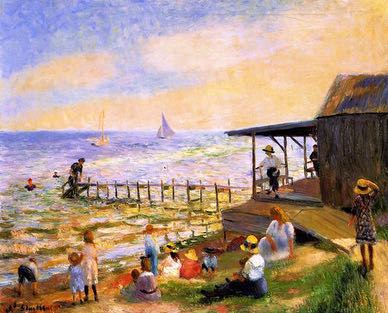
- Bathing at Bellport, Long Island: Figures, water, and summer light reveal the increasingly radiant mature palette.
- The Soda Fountain: An ordinary commercial interior becomes a study of sociability and modern manners.
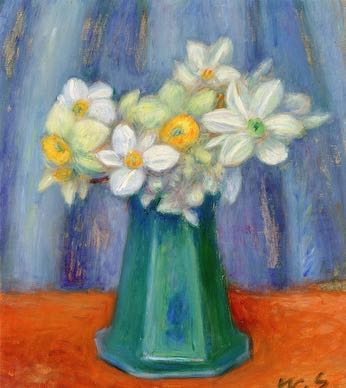
- Flowers against a Palm Leaf Pattern: Still life becomes an exuberant exchange between natural form and decoration.
Where Does Glackens Belong in American Modern Art?
During the 1920s and 1930s, Glackens divided periods of work between the United States and France. He continued painting portraits, nudes, gardens, coastal scenes, family interiors, and flowers rather than pursuing abstraction. In 1933, he was elected a full member of the National Academy of Design.
Glackens died suddenly in Westport, Connecticut, on 22 May 1938. By then his early role in The Eight and his later association with Renoir had become the usual framework for discussing him. Both are important, but neither captures his entire contribution.
He helped widen exhibition freedom, recorded changing forms of public leisure, and guided Barnes toward paintings that transformed American encounters with European modernism. Across all three roles, looking closely mattered more to him than loyalty to a label. His best work turns that independence into color, movement, and social observation.
Copyright © 2026 BrushWiz. All Rights Reserved.
About Our William Glackens Paintings
Are your William Glackens reproductions painted by hand?
Yes. Every reproduction is individually painted by hand in oil on canvas by a professional artist. We do not use prints, digital transfers, or mechanical reproduction methods.
How closely do your Glackens copies resemble the original?
Our artists work to capture the composition, colors, brushwork, details, and visual character of the original Glackens painting as closely as possible. Because every reproduction is painted by hand, small variations are natural and make each canvas unique.
How long does a Glackens reproduction take to complete?
Most Glackens reproductions require approximately two to three weeks to paint, dry, and inspect. Production time may vary depending on the artwork and canvas size, so check the estimate displayed on the product page.
Can I request a Glackens painting that is not listed?
Yes. If you cannot find the William Glackens artwork you want in our catalog, send us the painting’s title or an image. Our team will review your request and confirm the available sizes, estimated production time, and price.
Will I receive approval photos before shipping?
Yes. We send high-resolution photographs of the completed painting for your approval. You can request adjustments if needed, and the painting will not be dispatched until the review process is complete.
Are custom canvas sizes available for Glackens paintings?
Yes. We offer custom dimensions in addition to the standard sizes shown on the product page. Select the dimensions you need directly from the available size options.
May I order my Glackens painting with a frame?
Yes. High-quality frames in classic and modern designs are available for many paintings. You can view compatible framing options and add your preferred design from the product page. Professional canvas stretching is also available.
What determines the price of a Glackens reproduction?
The price depends on the selected artwork, canvas dimensions, and framing option. Choose your preferred configuration on the product page to see the current price before ordering.
Is free express worldwide shipping included?
Yes. William Glackens reproductions qualify for free express worldwide shipping. After dispatch, delivery usually takes five to eight business days, although timing may vary by country and destination.
Which return policy covers William Glackens reproductions?
Orders are covered by our 90-day return policy. Review the current return-policy page before ordering for complete information about eligibility, time limits, and the return process.
Why BrushWiz?
100% Hand Painted
Every piece is entirely handmade
Museum Quality
Faithfully recreated by expert artists
Custom Framing
Choose from a wide range of frames
Free Shipping
Enjoy free shipping on all orders
Cash Back Rewards
Earn cash back with every purchase