
❄️ Winter Sale. Offer Ends 11/26/2026. View Details
❄️ Winter Sale. Ends 11/26/2026. View Details
❄️ Winter Sale. View Details
Artists
Subjects
Movements
Collections
Decor
Portraits
Commissions
Framing
Reviews
Gift Cards
On Sale
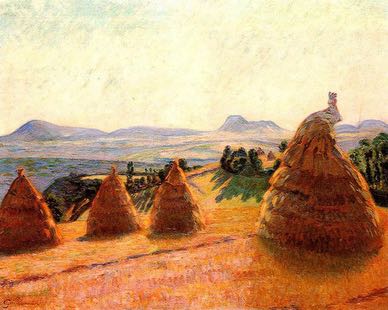
Armand Guillaumin Oil Painting Reproductions
Shop museum-quality reproductions of Armand Guillaumin’s most famous paintings, each hand-painted in oil on canvas by a professional artist.
Shop Art
Showing 1-40 of 381 results
Sort By
Most Popular
- Most Popular
- New Arrivals
- Best Sellers
- Alphabetical A-Z
- Alphabetical Z-A
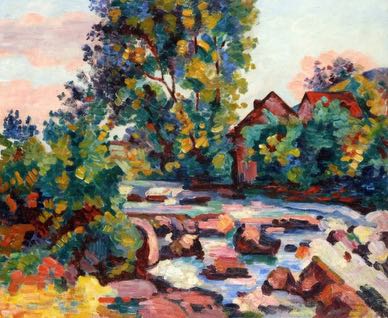
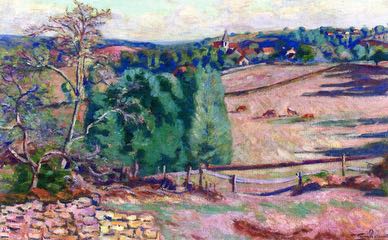

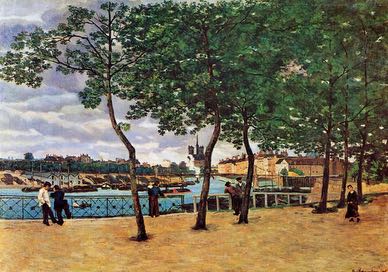
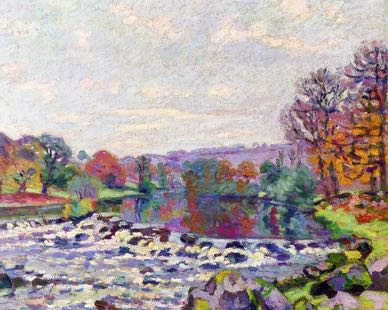

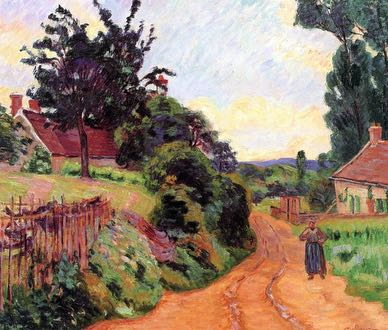
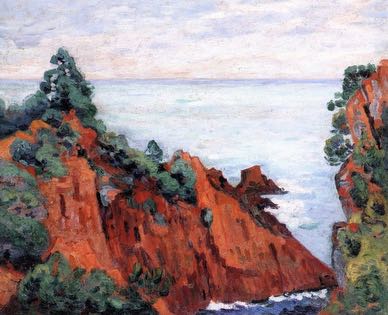
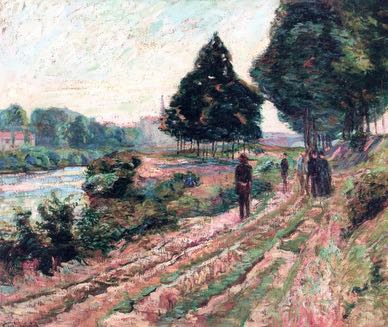

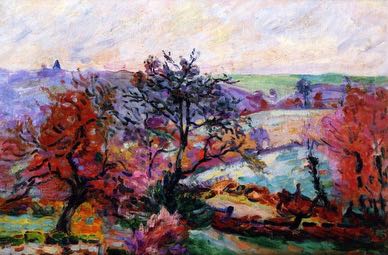
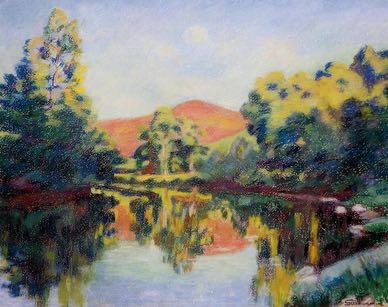
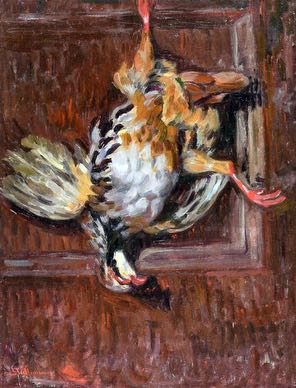
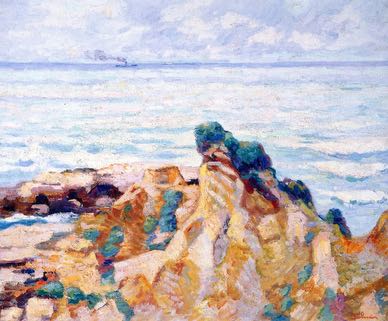
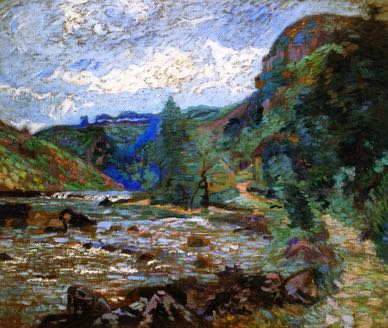
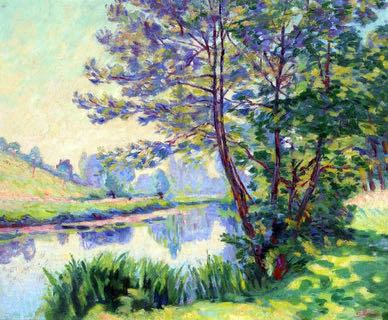
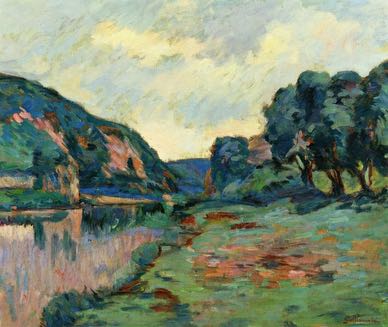
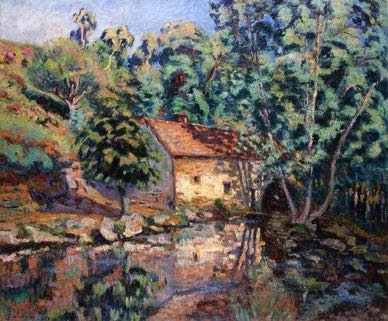
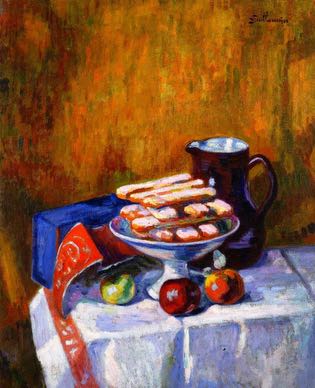

Can’t Find the Painting You Want?
Send us a reference image. We can recreate almost any artwork in the size and style you’re looking for.
Get a Free QuoteHand-Painted Armand Guillaumin Reproductions
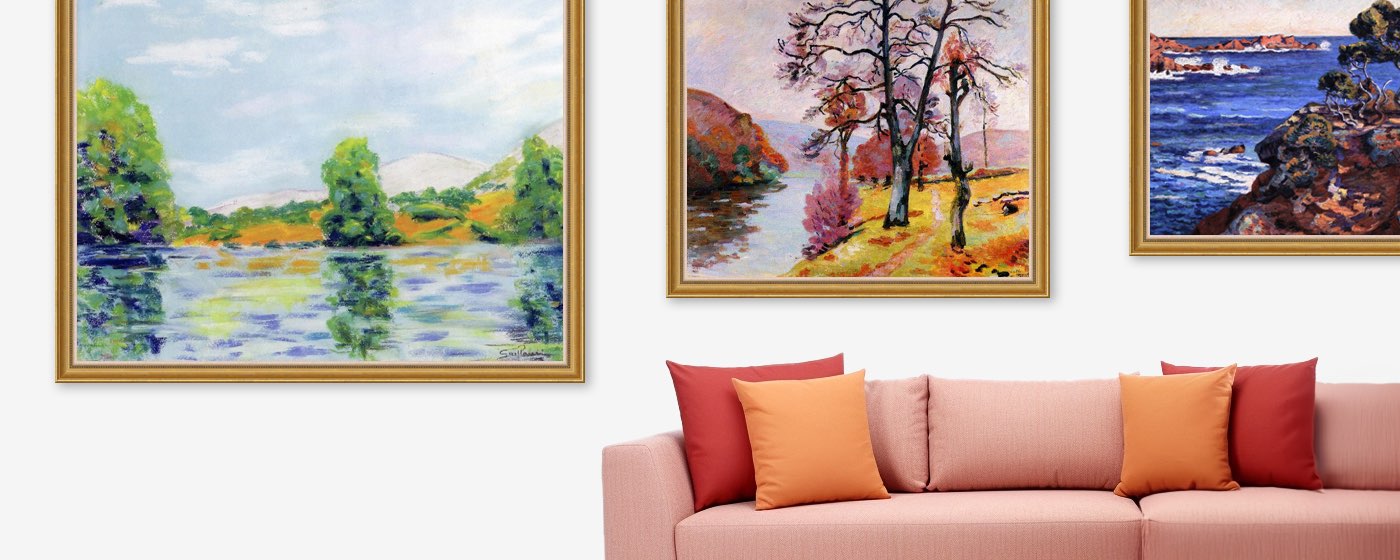
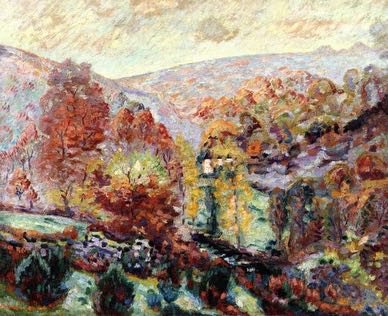
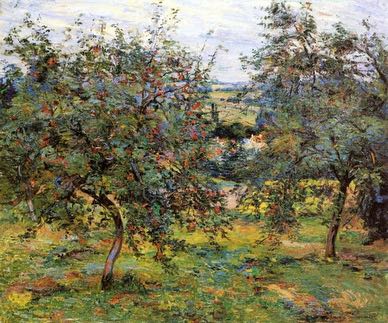
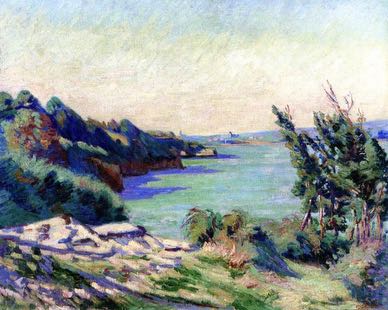
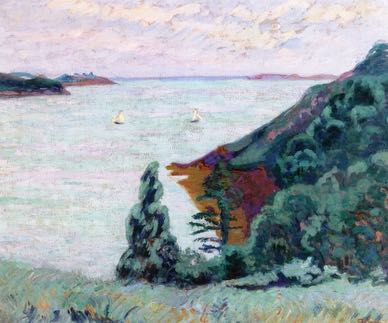
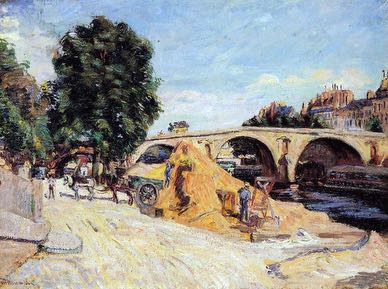
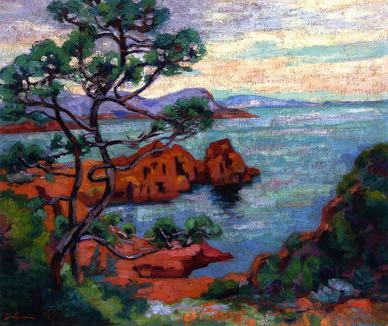
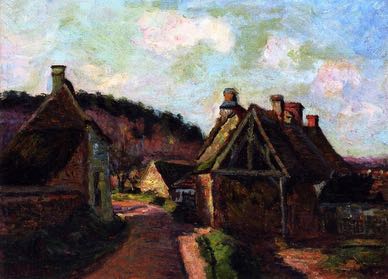
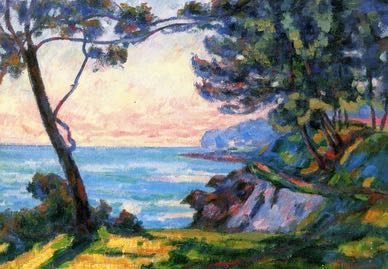
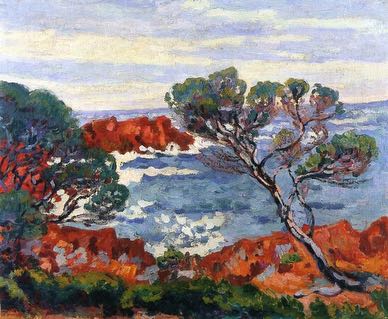
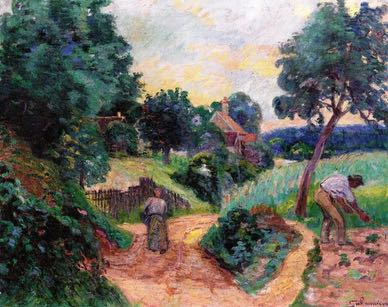
Bring Guillaumin’s art into your home with an oil-on-canvas reproduction hand-painted by a professional artist. Our collection features hundreds of paintings from across his career, including Sunset at Ivry, Banks of the Sédelle, Crozant, and The Red Rocks at Agay. Discover industrial riverbanks, stone bridges, snow-covered valleys, radiant Mediterranean coasts, and other subjects associated with Guillaumin. Every reproduction is a real oil painting, offering depth and texture that a print or digital transfer cannot provide. From celebrated works to less familiar compositions, find a Guillaumin painting that suits your space.
The Making of an Armand Guillaumin Oil Painting Replica
Creating an Armand Guillaumin oil painting replica requires patience, precision, and an understanding of the original artwork. Our studio includes artists who specialize in Impressionist painting and understand the distinctive qualities of Guillaumin’s work. The artist begins by studying the source image, then recreates its vivid complementary colors, broken brushwork, shifting atmosphere, and Guillaumin’s bold transformation of observed light using traditional oil-painting methods. After completion, the painting is inspected by our quality-control team and photographed for your approval. The result is a carefully executed oil painting that reflects the visual character of the original.
Custom Sizes and Frames for Your Guillaumin Painting
Your Guillaumin painting can be ordered in practically any size, from popular standard dimensions to custom canvas sizes selected directly on the product page. This flexibility lets you choose a painting that fits your wall and complements your room perfectly. After selecting the size, you can choose from high-quality frames in classic or modern designs, with professional canvas stretching also available. Our framing options complement the brilliant colors and atmospheric landscapes of Guillaumin’s paintings. With sizing, stretching, and framing arranged in one order, your artwork can arrive ready for display without a separate visit to a frame shop.
Order an Armand Guillaumin Reproduction with Confidence
Buying hand-painted art online should feel clear and comfortable. After your Armand Guillaumin reproduction is completed, we send high-resolution photographs for your review before shipping. You can inspect the composition, colors, details, and overall finish, then request adjustments if needed. The painting is dispatched only after you approve it, so you know what to expect when it arrives. Your order also includes free express worldwide shipping and is covered by our 90-day return policy. Together, these assurances help you purchase a Guillaumin oil painting with greater confidence and peace of mind.
The Life and Art of Armand Guillaumin
Armand Guillaumin was a French painter and printmaker who helped build Impressionism from its first independent exhibition. Born in Paris in 1841, he balanced art with railway and government employment for many years, painting industrial riverbanks, bridges, roads, and the changing outskirts of the city. Friendships with Camille Pissarro and Paul Cézanne shaped his early development, while younger artists admired his increasingly daring color. A lottery win in 1891 finally allowed him to paint full time. Guillaumin then returned repeatedly to Crozant, where steep valleys, rivers, snow, and seasonal light became central subjects, and also worked along the Mediterranean coast. His vivid landscapes give him a distinctive place within the Impressionist generation.
Read More
How Did Armand Guillaumin Build an Artistic Life Around a Day Job?
Jean-Baptiste Armand Guillaumin was born in Paris on 16 February 1841 and spent part of his childhood in Moulins. He returned to the capital as a teenager, worked in his uncle’s clothing business, and attended evening drawing classes. The arrangement gave him little freedom, but it confirmed that painting mattered more to him than commerce.
Guillaumin later found employment with the Paris-Orléans railway and, from 1868, with the city’s Department of Roads and Bridges. These jobs offered a modest income while sharply limiting studio time. He often painted before or after work and on Sundays, making persistence as necessary to his career as talent.
Daily contact with railways, embankments, roads, quarries, and river traffic also gave him subjects that many landscape painters overlooked. Modern labor did not remain outside his art. It entered his views of Paris and its suburbs as an ordinary, visible part of the changing environment.
What Drew Guillaumin to Cézanne, Pissarro, and the Académie Suisse?
At the Académie Suisse, an inexpensive Paris studio where artists could draw from live models, Guillaumin met Paul Cézanne and Camille Pissarro. Their friendships, formed in the early 1860s, placed him among painters seeking alternatives to official academic training and Salon expectations.
Guillaumin exhibited at the Salon des Refusés in 1863, where works rejected by the official Salon were shown to the public. The event did not create a unified movement, but it revealed how many artists were testing subjects and techniques that established institutions resisted.
Pissarro became an especially lasting companion. The two painted outdoors and shared an interest in roads, rivers, fields, and working districts without treating such places as minor subjects. Cézanne’s more structural approach also mattered, particularly when the friends worked around Pontoise and Auvers-sur-Oise during the 1870s.
Why Were Ivry and the Seine Essential to His Early Painting?
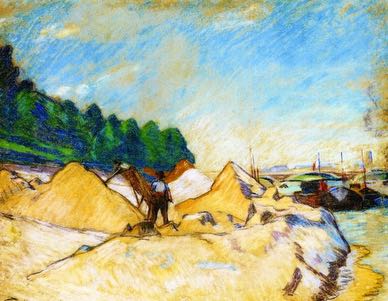
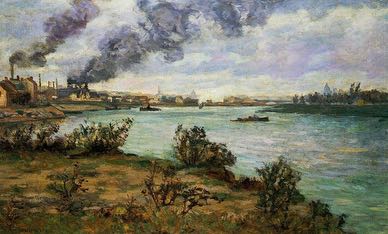
Guillaumin found an unusual visual territory southeast of central Paris, around Ivry, Charenton, Bercy, and the Seine. Factory chimneys, railway cuttings, barges, bridges, and freshly altered banks stood beside broad skies and reflecting water. He treated industry and atmosphere as parts of the same landscape.
In Sunset at Ivry, smoke and low buildings are absorbed into evening color rather than described as a purely social document. The sun catches the river and haze, allowing an industrial suburb to carry the changing light that painters traditionally sought in fields or on coasts.
The Ironworks at Ivry and other nearby views are similarly direct. They preserve the physical character of working Paris while using broken touches and strong color to make soot, water, masonry, and weather pictorially active.
In What Ways Did Guillaumin Help Sustain the Impressionist Exhibitions?
Guillaumin joined the painters who organized their first independent exhibition in 1874. He showed three landscapes, including Sunset at Ivry, and continued participating as disputes, shifting alliances, and uneven public attention tested the group’s survival.
He appeared in six of the eight Impressionist exhibitions, returning in 1877, 1880, 1881, 1882, and 1886. That record matters because Guillaumin was not simply a peripheral acquaintance attached to a famous circle. He repeatedly placed his work inside the group’s collective challenge to the Salon system.
His financial circumstances made that commitment particularly demanding. Unlike colleagues with family resources or reliable sales, he still had to fit painting around salaried work. Exhibition offered visibility but not immediate security, and recognition came slowly even among viewers beginning to accept Impressionism.
What Makes Guillaumin’s Use of Color So Distinctive?
Early paintings often rely on the close observation, broken touch, and outdoor light associated with Impressionism. Over time, however, Guillaumin intensified the palette. Violet shadows, orange rock, pink roads, blue water, and acid green could sit beside one another without being softened into conventional natural color.
These contrasts remained tied to particular places and conditions. Snow allowed pale ground to throw colored shadows into relief, sunset warmed industrial haze, and the mineral landscape of the Creuse encouraged mixtures of rust, purple, green, and blue. Color records sensation, but it also organizes the entire surface.
Guillaumin’s bolder canvases sometimes look ahead to later developments in French painting. That does not make him a straightforward Post-Impressionist or Fauvist. His independence lies in pushing an Impressionist attention to observed light toward a more saturated and personal response.
Who Recognized His Talent Before Wider Success Arrived?
Guillaumin’s circle extended beyond the original Impressionists. The physician and collector Paul Gachet supported artists around Auvers-sur-Oise and owned several of Guillaumin’s works. His collection included a railway-bridge landscape now in the Metropolitan Museum of Art and a self-portrait now at the Musée d’Orsay.
During the 1880s, Guillaumin also knew Paul Gauguin and the Van Gogh brothers. Vincent van Gogh admired the honesty and color of his work, and singled out one of Guillaumin’s self-portraits for unusually warm praise.
Such respect did not turn quickly into financial ease. Guillaumin remained less marketable than several friends, perhaps because he lacked a dealer able to promote him consistently and could not devote every day to painting. Yet artists and sympathetic collectors understood that his rough-bearded self-images, urban views, and landscapes carried an individual conviction.
How Did a Lottery Win Transform Guillaumin’s Career?
In 1891, Guillaumin won 100,000 francs in a lottery. The money changed the practical structure of his life: at fifty, after decades of divided attention, he could leave government employment and work as a full-time artist.
Freedom from the office did not produce a sudden new style. It gave him time to pursue more fully the interests already visible in his painting. He could travel, revisit a site in different seasons, work through a series of related views, and remain in the countryside long enough to study weather as it changed.
The windfall also separates Guillaumin’s mature career from the familiar story of the struggling Impressionist who either achieved fame early or died before recognition. He lived until 1927 and painted for more than three further decades, carrying the movement’s outdoor practice into a different artistic generation.
Why Did Crozant Become His Defining Landscape?
Guillaumin discovered the Creuse region in central France during the 1880s and returned regularly after gaining financial independence. Crozant, near the meeting of the Creuse and Sédelle rivers, offered steep ravines, rocky banks, ruined towers, bridges, mills, and long views across sparsely settled country.
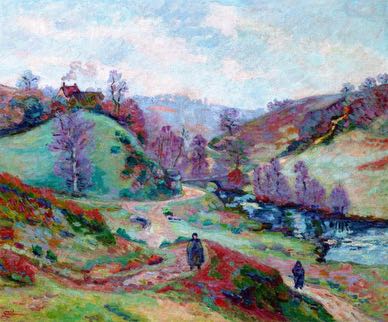
The terrain suited an artist interested in strong structure as well as weather. In Banks of the Sédelle, Crozant, twisting land and water guide the eye through the valley. Seasonal return made the location less a single motif than a long-running conversation.
Snow was particularly important. It simplified the land into broad planes while revealing blue, violet, rose, and ocher inside what might first appear white. Works such as Crozant, First Snow show how cold weather could intensify rather than reduce his color.
Which Paintings Trace the Range of Guillaumin’s Vision?
Guillaumin returned to a compact set of concerns while finding striking variety within them. These paintings move from working Paris to the Creuse and the Mediterranean, following his changing response to industry, weather, water, and color:
- Sunset at Ivry, 1873: Factory smoke and river haze become carriers of glowing evening light.
- Bridge over the Marne at Joinville: A modern iron crossing gives firm structure to moving water, banks, and sky.
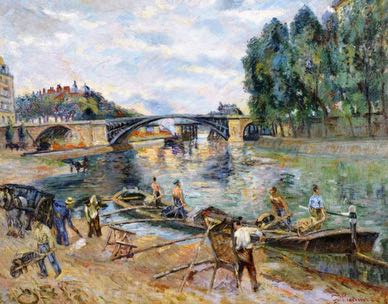
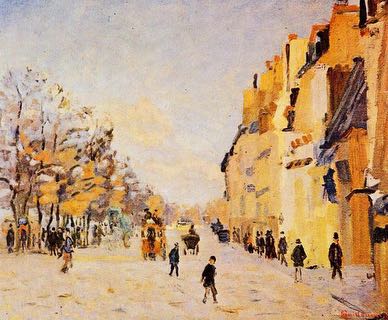
- The Quai d’Austerlitz: River commerce and the built city meet within an unsettled atmospheric view.
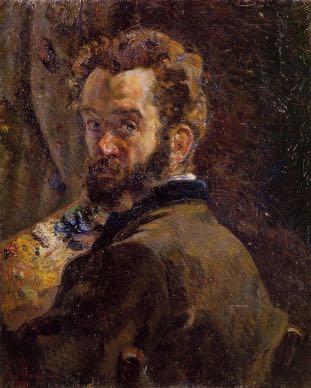
- Self-Portrait with Easel: The painter presents himself directly beside the equipment of his working life.
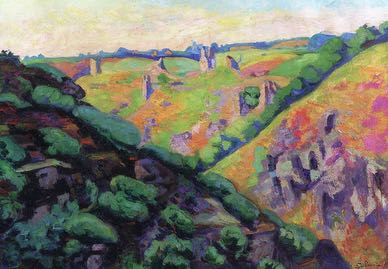
- The Creuse at Crozant: Saturated color strengthens the bends, slopes, and depth of the river valley.
- Crozant, First Snow: Colored shadows and exposed earth animate the newly whitened landscape.
- The Red Rocks at Agay: Warm Esterel stone confronts intense Mediterranean blues and coastal light.
- The Coast of Esterel: Rocky shore, sea, and sky are held together by broad bands of heightened color.
Where Does Guillaumin Belong in the History of Impressionism?
Guillaumin continued traveling after Crozant became his principal landscape. He worked in Brittany and Auvergne, visited the Netherlands in 1904, and painted at Saint-Palais-sur-Mer and Agay. The red Esterel rocks and deep Mediterranean water brought new heat and clarity to his mature palette.
He died in 1927 after one of the longest careers among the original Impressionist exhibitors. Because his life lacked the dramatic legend attached to several friends, and because so much mature work remained centered on landscape, surveys sometimes reduced him to a supporting name. His paintings resist that narrow place.
Guillaumin linked early Impressionism’s independent exhibitions with a later appetite for liberated color. His industrial Paris scenes widened the movement’s landscape, while the Creuse and southern coasts reveal an artist who kept looking freshly at familiar terrain. Persistence gave his career continuity; color gave it its unmistakable voice.
Copyright © 2026 BrushWiz. All Rights Reserved.
About Our Armand Guillaumin Paintings
Are your Armand Guillaumin reproductions painted by hand?
Yes. Every reproduction is individually painted by hand in oil on canvas by a professional artist. We do not use prints, digital transfers, or mechanical reproduction methods.
How closely do your Guillaumin copies resemble the original?
Our artists work to capture the composition, colors, brushwork, details, and visual character of the original Guillaumin painting as closely as possible. Because every reproduction is painted by hand, small variations are natural and make each canvas unique.
How long does a Guillaumin reproduction take to complete?
Most Guillaumin reproductions require approximately two to three weeks to paint, dry, and inspect. Production time may vary depending on the artwork and canvas size, so check the estimate displayed on the product page.
Can I request a Guillaumin painting that is not listed?
Yes. If you cannot find the Armand Guillaumin artwork you want in our catalog, send us the painting’s title or an image. Our team will review your request and confirm the available sizes, estimated production time, and price.
Will I receive approval photos before shipping?
Yes. We send high-resolution photographs of the completed painting for your approval. You can request adjustments if needed, and the painting will not be dispatched until the review process is complete.
Are custom canvas sizes available for Guillaumin paintings?
Yes. We offer custom dimensions in addition to the standard sizes shown on the product page. Select the dimensions you need directly from the available size options.
May I order my Guillaumin painting with a frame?
Yes. High-quality frames in classic and modern designs are available for many paintings. You can view compatible framing options and add your preferred design from the product page. Professional canvas stretching is also available.
What determines the price of a Guillaumin reproduction?
The price depends on the selected artwork, canvas dimensions, and framing option. Choose your preferred configuration on the product page to see the current price before ordering.
Is free express worldwide shipping included?
Yes. Armand Guillaumin reproductions qualify for free express worldwide shipping. After dispatch, delivery usually takes five to eight business days, although timing may vary by country and destination.
Which return policy covers Armand Guillaumin reproductions?
Orders are covered by our 90-day return policy. Review the current return-policy page before ordering for complete information about eligibility, time limits, and the return process.
Why BrushWiz?
100% Hand Painted
Every piece is entirely handmade
Museum Quality
Faithfully recreated by expert artists
Custom Framing
Choose from a wide range of frames
Free Shipping
Enjoy free shipping on all orders
Cash Back Rewards
Earn cash back with every purchase