
❄️ Winter Sale. Offer Ends 11/29/2026. View Details
❄️ Winter Sale. Ends 11/29/2026. View Details
❄️ Winter Sale. View Details
Artists
Subjects
Movements
Collections
Decor
Portraits
Commissions
Framing
Reviews
Gift Cards
On Sale
Artemisia Gentileschi Oil Painting Reproductions
Shop museum-quality reproductions of Artemisia Gentileschi’s most famous paintings, each hand-painted in oil on canvas by a professional artist.
Shop Art
Showing 1-35 of 35 results
Sort By
Most Popular
- Most Popular
- New Arrivals
- Best Sellers
- Alphabetical A-Z
- Alphabetical Z-A

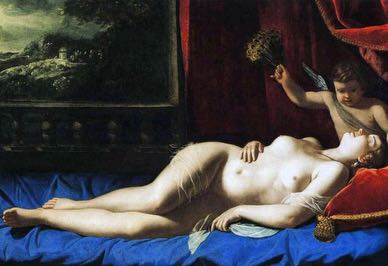
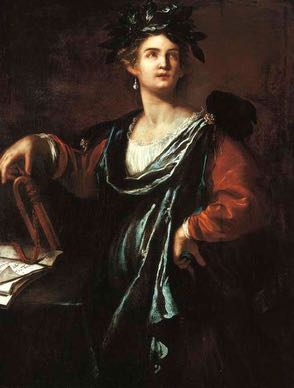

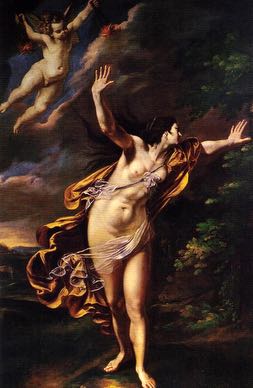
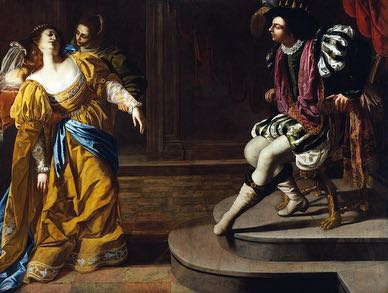
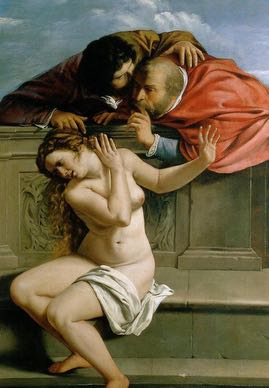

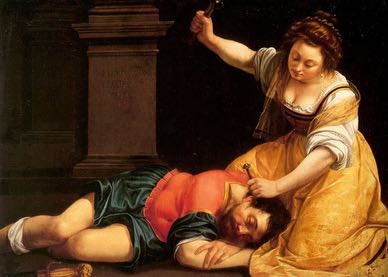
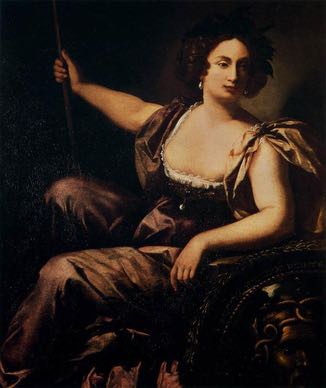
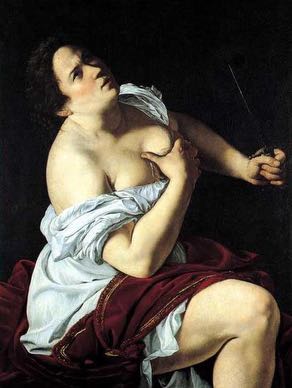

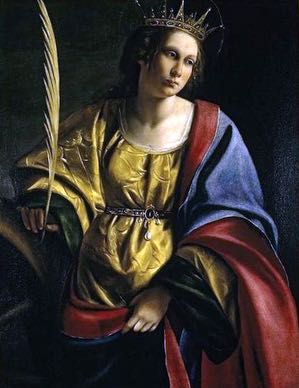

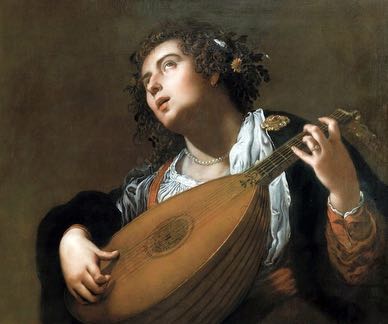
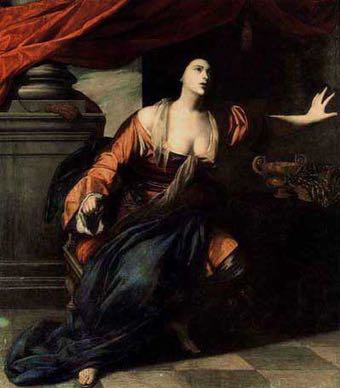
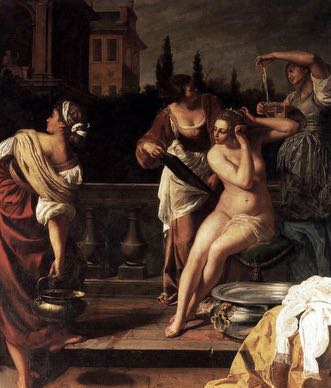
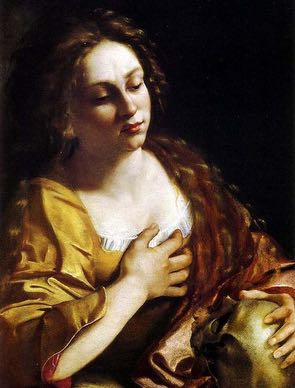
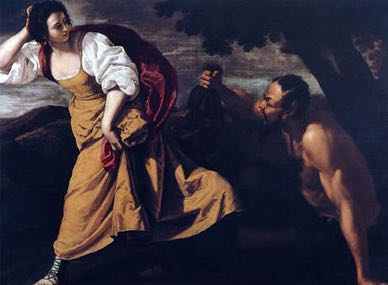
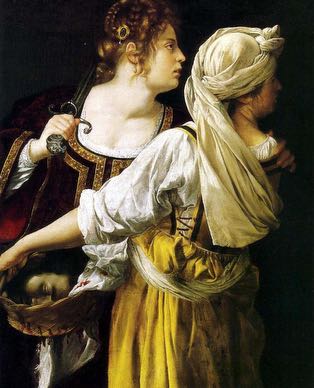
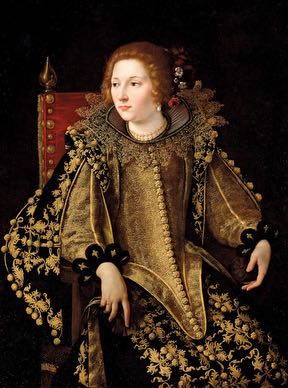
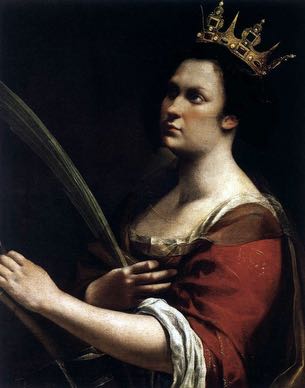
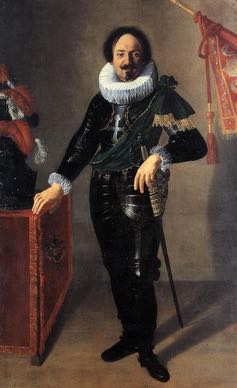
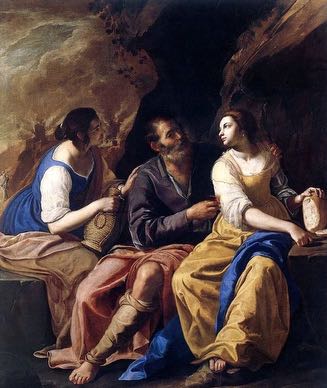
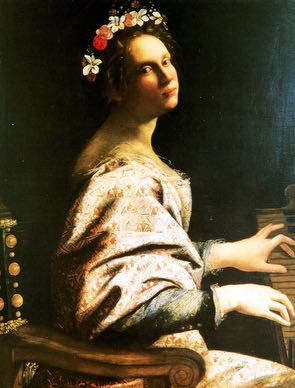
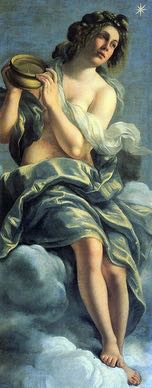
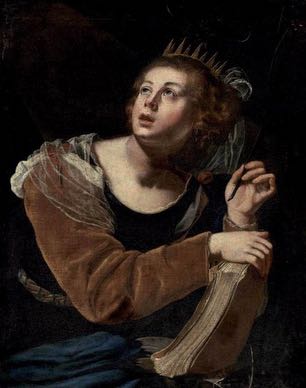
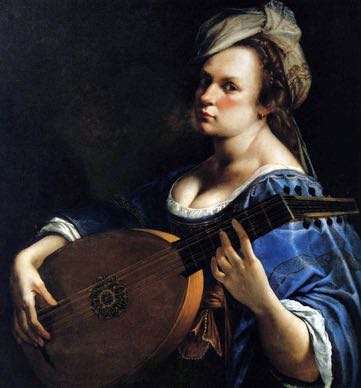
Can’t Find the Painting You Want?
Send us a reference image. We can recreate almost any artwork in the size and style you’re looking for.
Get a Free QuoteHand-Painted Artemisia Gentileschi Reproductions
Bring Gentileschi’s art into your home with an oil-on-canvas reproduction hand-painted by a professional artist. Our collection features dozens of paintings from across her career, including Judith Beheading Holofernes, Susanna and the Elders, and Self-Portrait as the Allegory of Painting. Discover biblical heroines, female saints, historical women, self-portraits, and other subjects closely associated with Gentileschi. Every reproduction is a real oil painting, offering depth and texture that a print or digital transfer cannot provide. From iconic masterpieces to lesser-known works, find a Gentileschi painting that suits your space.
The Making of an Artemisia Gentileschi Oil Painting Replica
Creating an Artemisia Gentileschi oil painting replica requires patience, precision, and an understanding of the original artwork. Our studio includes artists who specialize in Baroque painting and understand the distinctive qualities of Gentileschi’s work. The artist begins by studying the source image, then recreates its dramatic lighting, solid figures, expressive gestures, rich fabrics, and Gentileschi’s clear narrative focus on canvas using traditional oil-painting methods. After completion, the painting is inspected by our quality-control team and photographed for your approval. The result is a carefully executed oil painting that reflects the strength and visual character of the original.
Custom Sizes and Frames for Your Gentileschi Painting
Your Gentileschi painting can be ordered in practically any size, from popular standard dimensions to a custom canvas size selected directly on the product page. This flexibility lets you choose a painting that fits your wall and complements your room perfectly. After selecting the size, you can choose from high-quality frames in classic or modern designs, with professional canvas stretching also available. Our framing options complement the dramatic lighting and rich colors of Gentileschi’s paintings. With sizing, stretching, and framing arranged in one order, your artwork can arrive ready for display without a separate visit to a frame shop.
Order an Artemisia Gentileschi Reproduction with Confidence
Buying hand-painted art online should feel clear and comfortable. After your Artemisia Gentileschi reproduction is completed, we send high-resolution photographs for your review before shipping. You can inspect the composition, colors, and overall finish, then request adjustments if needed. The painting is dispatched only after you approve it, so you know what to expect when it arrives. Your order also includes free express worldwide shipping and is covered by our 90-day return policy. Together, these assurances help you purchase a Gentileschi oil painting with greater confidence and peace of mind.
The Life and Art of Artemisia Gentileschi
Artemisia Gentileschi was an Italian Baroque painter whose career carried her from Rome and Florence to Venice, Naples, and London. Born in 1593 and trained in her father’s workshop, she developed a forceful naturalism built on dramatic light, convincing bodies, and direct storytelling. Biblical and classical heroines, saints, musicians, allegories, and portraits recur throughout her work, often with an unusual degree of physical presence and emotional complexity. Gentileschi won the support of Medici and royal patrons, became the first woman admitted to Florence’s Academy of the Arts of Drawing, and later directed a successful workshop in Naples. Celebrated in her own time and extensively reassessed since the twentieth century, she is now recognized as a major painter of the Italian Baroque.
Read More
Who Was Artemisia Gentileschi?
Artemisia Gentileschi was born in Rome on 8 July 1593, the eldest child and only daughter of the painter Orazio Gentileschi and Prudenzia di Ottaviano Montoni. Her mother died when Artemisia was twelve, and Orazio’s studio became the center of the household in which she grew up. Rome gave her close access to church commissions, private collectors, and the artistic upheaval surrounding Caravaggio and his followers.
Women were generally excluded from formal apprenticeships, academies, and the study of nude models, but Artemisia received practical instruction from her father. She went on to sustain an independent career for more than forty years, working for Medici courtiers, rulers, aristocratic families, and collectors in Italy and abroad. Moving among several major art centers, she adapted to different patrons without losing her gift for concentrated drama and convincing human presence.
How Did Artemisia Learn to Paint?
Orazio taught his daughter how to prepare materials, draw the figure, arrange a composition, and use light and shadow to build form. His own art had moved from late Mannerism toward the naturalism associated with Caravaggio, whose example transformed Rome around 1600. Artemisia learned from the same environment but gave her figures greater weight, her action more urgency, and her emotions a directness distinct from Orazio’s refined manner.
Dated and signed 1610, Susanna and the Elders is her earliest documented painting. Artemisia was about seventeen when she depicted Susanna twisting away from two men invading her privacy. The close grouping and palpable discomfort reveal an already ambitious figure painter able to approach a familiar biblical story from a startlingly immediate angle.
Since the normal academic route available to men was closed to Artemisia, Orazio arranged further lessons inside the family workshop. This gave her valuable technical opportunities but kept her development within a restricted domestic setting. Her early accomplishment is remarkable not only for her age, but for her mastery of large narrative painting despite those institutional barriers.
What Happened During Artemisia’s 1612 Trial?
In 1611, Agostino Tassi—a painter who worked with Orazio and had access to the Gentileschi home—raped Artemisia. Orazio pressed charges the following year. Detailed court records survive from the seven-month trial, during which Artemisia testified repeatedly and endured physical examination and torture with cords around her fingers, then used as a judicial test of testimony. Tassi was convicted and sentenced to exile from Rome, but the sentence was never enforced.
No honest account of Gentileschi’s life can omit the trial, but it cannot explain all of her art. Later images of Susanna, Judith, Lucretia, and other women have often been read through the trauma she suffered. That history can deepen interpretation, yet her subjects also arose from patronage, literary tradition, religious culture, artistic competition, and the strong market for dramatic heroines in Baroque art.
Soon after the proceedings ended, Artemisia married the Florentine painter Pierantonio di Vincenzo Stiattesi and moved away from Rome. The departure began her public career as an independent professional. A period of rapid advancement followed circumstances that might easily have ended her ambitions.
Why Did Florence Prove So Important to Gentileschi?
Gentileschi lived in Florence from about 1612 or 1613 until 1620, gaining access to Medici patrons and forming ties with artists, writers, musicians, and intellectuals. Michelangelo Buonarroti the Younger commissioned her Allegory of Inclination for a Casa Buonarroti ceiling. Its youthful female personification of natural talent joined an important decorative program honoring Michelangelo’s legacy.
In 1616, Artemisia became the first woman admitted to Florence’s Accademia delle Arti del Disegno. Membership publicly recognized her as a professional rather than simply a painter’s daughter and gave her greater independence when negotiating contracts. Grand Duke Cosimo II de’ Medici and other members of the court became patrons. She also knew Galileo Galilei and built a network that could support commissions and disputes over payment.
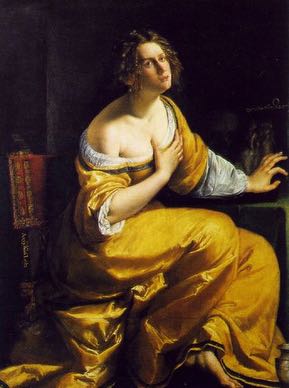
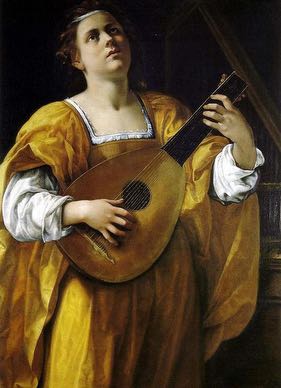
Florence brought richer color, luxurious costume, musical imagery, and new forms of self-presentation into her painting. Saint Catherine, Mary Magdalene, Judith, and female musicians combine Caravaggesque lighting with rich textiles and poised bodies. Gentileschi used her own features in several works as well, making self-representation a practical means of promoting her art.
What Gives Gentileschi’s Women Such Presence?
Gentileschi became known for women from the Bible, classical history, and ancient literature who make decisions, face danger, or endure extreme emotion. Judith, Lucretia, Jael, Cleopatra, Esther, Susanna, Saint Catherine, and Mary Magdalene gave her different ways to paint faith, sorrow, courage, vulnerability, and physical action. Though all belonged to established traditions, she often brings viewers unusually close to their experience.
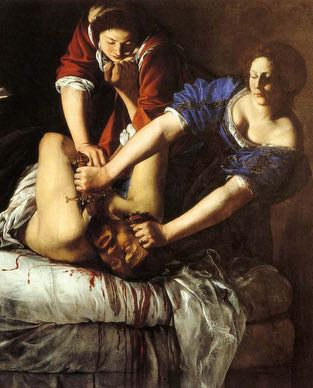
Her bodies have weight and occupy real space. Hands grip firmly, sleeves pull against working arms, and figures respond visibly to resistance or effort. In Judith Beheading Holofernes, Judith and her maid lean into the task together rather than standing apart from the violence. In Lucretia and Cleopatra, the movement is quieter, but exposed skin, gesture, and expression convey intense psychological pressure.
Not every woman is made invulnerable or conventionally heroic. Susanna recoils from harassment, Mary Magdalene struggles between worldly and spiritual life, and Esther risks herself before a king. This variety matters. Gentileschi allowed each protagonist her own character rather than repeating a single emblem of female strength.
Where Did Gentileschi’s Career Lead after Florence?
Gentileschi returned to Rome in 1620 with debts and a changing family situation, but also with the reputation she had earned in Florence. She entered a crowded market as an independent painter, making portraits, religious works, and half-length heroines for private collectors. Her Roman paintings also reveal contact with artists from France, the Netherlands, and across Italy.
Among the works from this period is Judith and Her Maidservant with the Head of Holofernes. A sudden shaft of light catches the women as they pause during their escape, making stillness rather than the killing itself the source of suspense. Gentileschi could revisit one narrative at a different instant and create an entirely new psychological effect.
Evidence places her in Venice for part of the late 1620s. Poems praising works she made there show her participation in the city’s artistic and literary life. The legacy of Titian and Veronese, and Venice’s tradition of color, encouraged softer transitions, richer fabrics, and more lyrical movement, qualities visible in paintings such as Lucretia.
How Did Artemisia Build a Career in Naples?
By 1630, Gentileschi had settled in Naples, a large city under Spanish rule with a vigorous market for Catholic and private art. She established a successful workshop and produced paintings for churches, collectors, and clients abroad. The city exposed her to approaches ranging from forceful Caravaggesque naturalism to more elegant and colorful forms of Baroque painting.
The scale of her Neapolitan production required increasing collaboration, as was normal in a successful seventeenth-century studio. Artemisia worked alongside or remained in contact with Massimo Stanzione, Bernardo Cavallino, and other painters while continuing to sign and direct works bearing her name. Her commissions for Pozzuoli Cathedral are among her few surviving public church projects.
Gentileschi also negotiated with distant patrons. Letters to the Sicilian collector Don Antonio Ruffo discuss prices, dimensions, payments, subjects, and her professional standing with striking determination. They reveal an artist who understood her work’s value and was prepared to defend it in a market that often treated women unequally.
Why Did Gentileschi Go to London?
Gentileschi traveled to London in the late 1630s, joining Orazio after more than a decade of his service to Charles I. She may have assisted with the enormous ceiling paintings for the Queen’s House in Greenwich. Their exact division of labor is uncertain, but her visit briefly reunited two internationally successful careers before Orazio died in 1639.
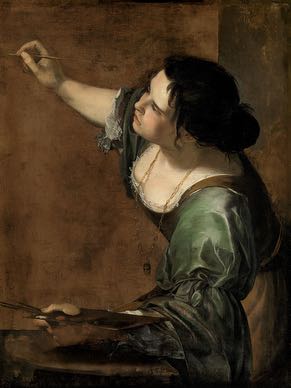
Artemisia painted for royal and aristocratic patrons at the English court. Self-Portrait as the Allegory of Painting is often associated with these years. Because the traditional personification of Painting was female, Gentileschi could embody it in a way unavailable to male artists. Disordered hair, a raised arm, focused expression, and a chain bearing a mask show her actively at work, joining artistic theory to professional identity.
She was back in Naples by 1640 and continued directing her workshop, corresponding with patrons, and seeking commissions into the 1650s. The year of her death is unknown. Documents place Gentileschi alive in Naples in August 1654, and she died sometime later.
Which Paintings Reveal Gentileschi’s Range?
Gentileschi repeatedly portrayed women facing danger or questions of faith, courage, judgment, and desire. These works show the breadth of her narrative, devotional, allegorical, and self-representational art:
- Susanna and the Elders, 1610: Her earliest signed work presents harassment through Susanna’s twisted pose and unmistakable discomfort.
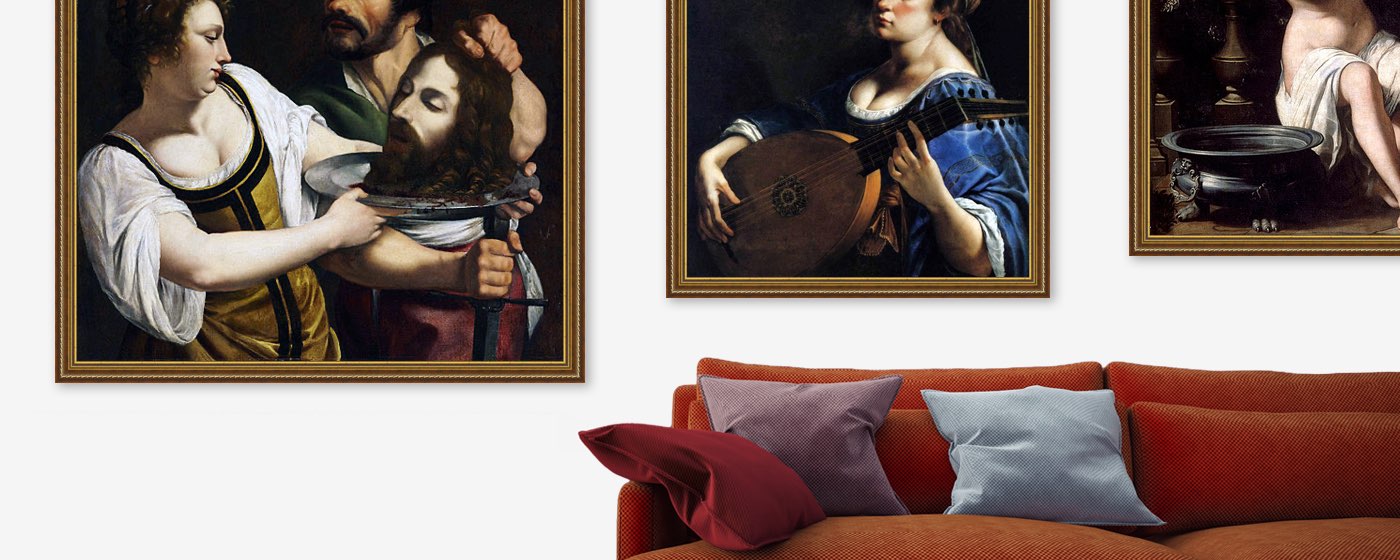
- Judith Beheading Holofernes: Gentileschi’s best-known composition joins dramatic light to the concentration and physical effort of Judith and her maid.
- Allegory of Inclination: A female figure commissioned for the Casa Buonarroti ceiling personifies inborn artistic talent.
- Saint Catherine of Alexandria: The saint’s steady gaze and resemblance to the painter bring devotion and self-presentation together.
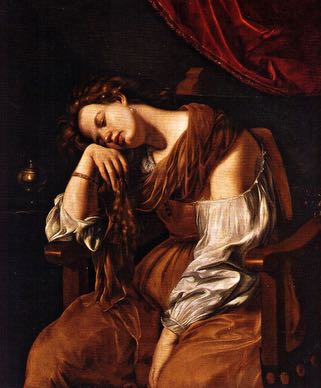
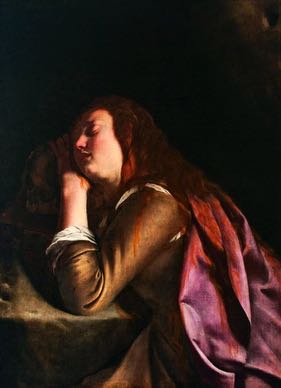
- Mary Magdalene: Inward struggle, rich cloth, and forceful illumination shape a scene of spiritual change.
- Jael and Sisera: A biblical heroine carries out a violent act with focused control rather than theatrical excess.
- Esther Before Ahasuerus: Sweeping action and courtly dress convey the personal danger of Esther’s appeal to the king.
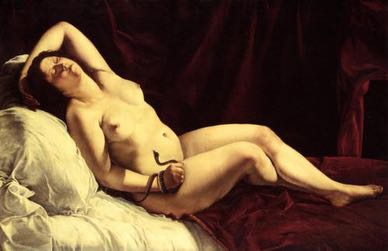
- Lucretia: Luminous skin and restless drapery surround the Roman heroine at a moment of decision.
- Self-Portrait as the Allegory of Painting: Artistic creation appears as demanding physical, intellectual, and professional labor.
Why Does Artemisia Gentileschi Matter Today?
Gentileschi won admiration in her lifetime, served powerful patrons, and worked across several European art centers. After her death, paintings were overlooked, misattributed, or discussed mainly in relation to Orazio and Caravaggio. Modern scholars gradually reconstructed her career through archives, letters, signed pictures, technical evidence, and renewed study of women artists.
Twentieth- and twenty-first-century discussion sometimes centered on the rape trial so completely that every painting came to look like a direct expression of trauma. Current scholarship treats the trial as essential evidence while also examining Gentileschi’s patrons, workshop, mobility, collaborations, methods, literary world, and evolving style. This broader view reveals an artist who made shrewd professional decisions and adapted intelligently to different markets.
Gentileschi’s importance goes far beyond her exceptional success in a male-dominated profession. Dramatic storytelling, commanding figures, emotional clarity, light, and color place her among the Italian Baroque’s leading painters. Her life also reveals the restrictions women artists faced and the skill needed to overcome them. Newly discovered and reattributed works continue to enlarge our understanding of her achievement.
Copyright © 2026 BrushWiz. All Rights Reserved.
About Our Artemisia Gentileschi Paintings
Are your Artemisia Gentileschi reproductions painted by hand?
Yes. Every reproduction is individually painted by hand in oil on canvas by a professional artist. We do not use prints, digital transfers, or mechanical reproduction methods.
How closely do your Gentileschi copies resemble the original?
Our artists work to capture the composition, colors, texture, and visual character of the original Gentileschi painting as closely as possible. Because every reproduction is painted by hand, small variations are natural and make each canvas unique.
How long does it take to complete a painting?
Most Gentileschi reproductions require approximately two to three weeks to paint, dry, and inspect. Production time may vary depending on the artwork and canvas size, so check the estimate displayed on the product page.
Can I request a Gentileschi painting that is not listed?
Yes. If you cannot find the Artemisia Gentileschi artwork you want in our catalog, send us the painting’s title or an image. Our team will review your request and confirm the available sizes, estimated production time, and price.
Will I receive photos of my painting before it is shipped?
Yes. We send high-resolution photographs of the completed painting for your approval. You can request adjustments if needed, and the painting will not be dispatched until the review process is complete.
Can I order a custom canvas size?
Yes. We offer custom dimensions in addition to the standard sizes shown on the product page. Select the dimensions you need directly from the available size options.
Can I order my Gentileschi painting with a frame?
Yes. High-quality frames in classic and modern designs are available for many paintings. You can view compatible framing options and add your preferred design from the product page. Professional canvas stretching is also available.
How much does an Artemisia Gentileschi reproduction cost?
The price depends on the selected artwork, canvas dimensions, and framing option. Choose your preferred configuration on the product page to see the current price before ordering.
Do you offer free worldwide shipping?
Yes. Gentileschi reproductions qualify for free express worldwide shipping. After dispatch, delivery usually takes five to eight business days, although timing may vary by country and destination.
What is the return policy for Gentileschi reproductions?
Orders are covered by our 90-day return policy. Review the current return-policy page before ordering for complete information about eligibility, time limits, and the return process.
Why BrushWiz?
100% Hand Painted
Every piece is entirely handmade
Museum Quality
Faithfully recreated by expert artists
Custom Framing
Choose from a wide range of frames
Free Shipping
Enjoy free shipping on all orders
Cash Back Rewards
Earn cash back with every purchase