

❄️ Winter Sale. Offer Ends 11/28/2026. View Details
❄️ Winter Sale. Ends 11/28/2026. View Details
❄️ Winter Sale. View Details
Artists
Subjects
Movements
Collections
Decor
Portraits
Commissions
Framing
Reviews
Gift Cards
On Sale
Famous Wildlife Oil Paintings
Shop reproductions of famous wildlife paintings, each hand-painted in oil on canvas. Explore lions, tigers, bears, deer, birds, and other wildlife from across art history.
Shop Art

Showing 1-40 of 1023 results
Sort By
Most Popular
- Most Popular
- New Arrivals
- Best Sellers
- Alphabetical A-Z
- Alphabetical Z-A
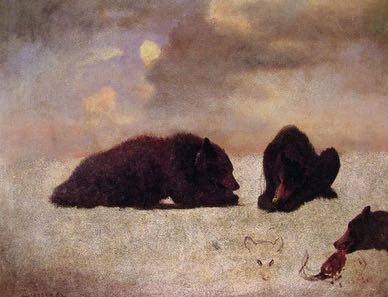
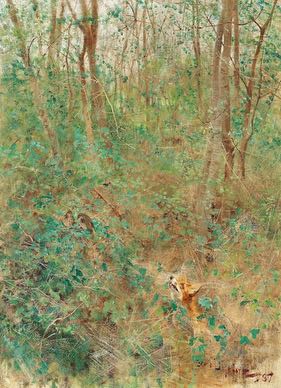
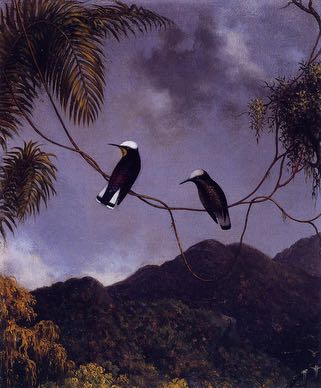
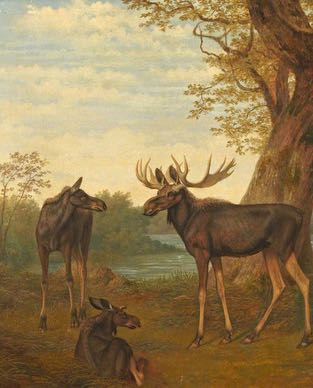
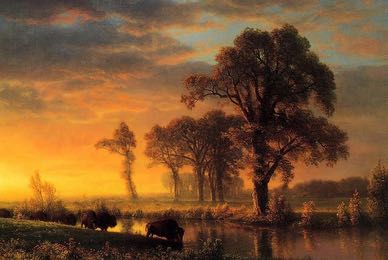

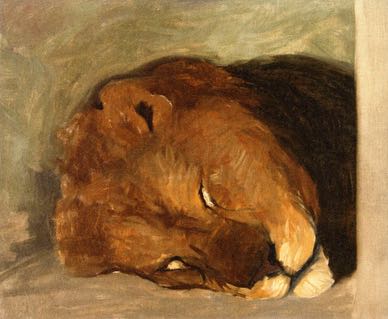
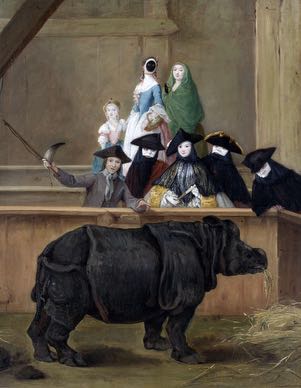
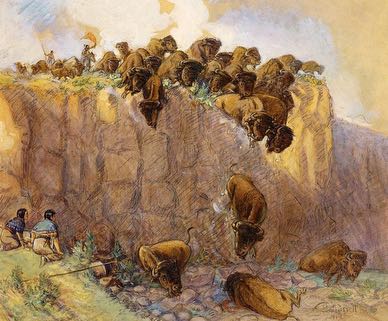
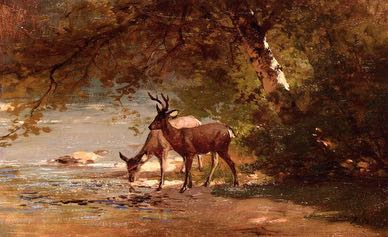
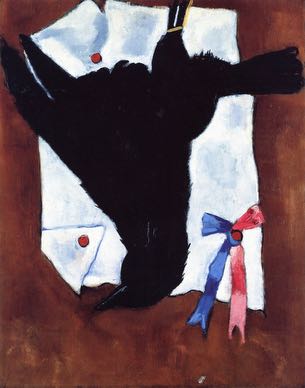
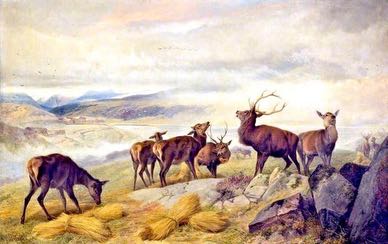
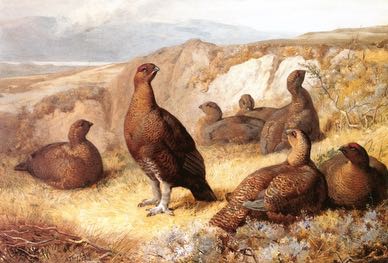

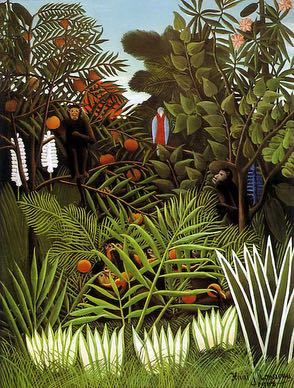

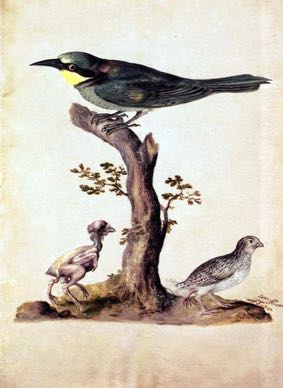
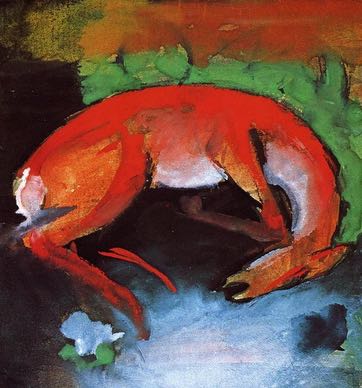
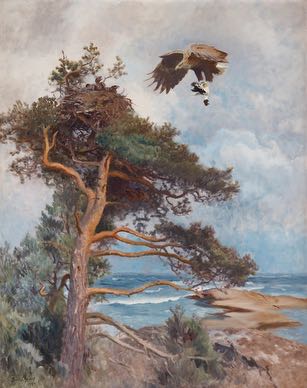
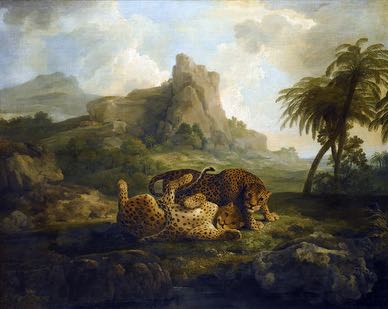
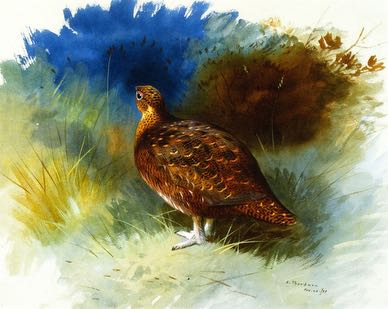
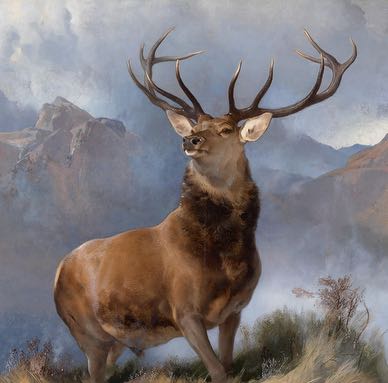
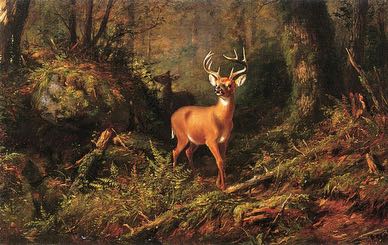
Can’t Find the Painting You Want?
Send us a reference image. We can recreate almost any artwork in the size and style you’re looking for.
Get a Free QuoteHand-Painted Wildlife Oil Paintings
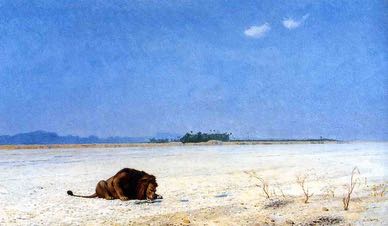
Bring the beauty, movement, and drama of wildlife into your space with an oil painting. Our collection includes hundreds of wildlife painting reproductions, including Elephants on the Trek by Friedrich Wilhelm Kuhnert, A Golden Eagle by Archibald Thorburn, and Lion on a Cliff by Jean-Léon Gérôme. Browse lions, tigers, bears, deer, elephants, birds, and other species in detailed studies, peaceful landscapes, dramatic encounters, and scenes of survival. Each reproduction is individually painted by a professional artist in oil on canvas, preserving the color, depth, texture, and brushwork of the original artwork rather than presenting it as a flat print.
Recreating Famous Wildlife Paintings by Hand
Recreating a famous wildlife painting requires attention to both animal and habitat. Bruno Liljefors integrated animals with terrain and camouflage, John James Audubon connected art with natural history, and Eugène Delacroix emphasized movement and dramatic encounters. These approaches guide our artist’s study of anatomy, behavior, terrain, light, and atmosphere. A quiet woodland study requires different handling from a hunt or predator encounter. The scene is recreated by hand in oil on canvas, with the technique adapted to the detail, movement, and atmosphere of the original, then inspected by our quality-control team and photographed for approval.
Custom Sizes and Frames for Wildlife Art
A wildlife painting can be ordered in practically any size, allowing the composition to suit both its subject and your wall. Choose a wide canvas for animals moving through a landscape, a vertical format for a single standing figure, or custom dimensions tailored to your room. After selecting the size, you can add a high-quality frame in a classic or modern design, with professional canvas stretching also available. Presentation can reinforce the natural colors, dramatic movement, or quiet observation within the scene. Arranging the canvas size, stretching, and framing together allows the finished wildlife artwork to arrive ready for display.
Order a Wildlife Painting with Confidence
Each wildlife oil painting reproduction is painted by hand and inspected before it leaves our studio. When the painting is complete, we send high-resolution photographs so you can review the animal anatomy, surrounding habitat, colors, details, and overall composition. You may request adjustments if anything needs refinement, and shipping begins only after you approve the work. Free express worldwide shipping is included, and your purchase is covered by our 90-day return policy. These safeguards make it easier to choose a wildlife painting online while knowing you will see the canvas before it begins its journey to your home or office.
Wildlife Painting Through Art History
Wild animals have challenged artists to represent creatures that are powerful, elusive, dangerous, or difficult to observe at close range. Their images appear in prehistoric caves, royal hunting scenes, religious narratives, scientific studies, landscape paintings, and modern experiments with color and form. Unlike portraits of domestic animals, wildlife art often emphasizes the relationship between an animal and its habitat, whether the subject is concealed in vegetation, moving across open ground, defending territory, hunting, or watching from a distance. Over time, changing access to travel, natural-history collections, photography, and conservation thinking transformed how artists understood and portrayed life beyond the human environment.
Read More
How Did Early Artists Represent Wild Animals?
Prehistoric images concentrate heavily on wild species. Horses, bison, deer, lions, rhinoceroses, and bears appear on cave walls with remarkable attention to silhouette and motion. These creatures belonged to the physical world of early communities but may also have held ceremonial, social, or spiritual significance. The images establish one of wildlife art’s lasting concerns: how to express the presence and movement of an animal with limited visual means.
Ancient civilizations used wildlife to embody qualities that exceeded ordinary human power. Lions, bulls, eagles, crocodiles, and other animals could signify royal authority, protection, divine attributes, or control over dangerous nature. The Assyrian lion-hunt reliefs, for example, presented the king’s victory over lions as evidence of his power and ability to defend an ordered realm.
Why Were Hunting Scenes Important?
For centuries, hunting imagery connected wildlife with courtly status, military skill, land ownership, and political authority. Medieval manuscripts, tapestries, palace decorations, and later oil paintings showed mounted hunters, hounds, falcons, deer, boar, lions, and other quarry. Such images recorded elite customs while transforming pursuit into organized spectacle and narrative drama.
Hunting scenes also gave artists opportunities to study bodies under pressure. Leaping horses, turning predators, running deer, and struggling groups demanded convincing movement and complex composition. Peter Paul Rubens used encounters with lions and other wild animals within Baroque compositions built on muscular form, diagonals, compressed space, and heightened emotion. Later, Eugène Delacroix brought related subjects into Romantic painting through color, energy, and dramatic movement.
How Did Exploration and Natural History Affect Wildlife Art?
European exploration, trade, royal menageries, traveling exhibitions, and natural-history collections expanded artists’ access to unfamiliar species. Drawings, prints, preserved specimens, and written accounts circulated images of animals far from their native habitats. These sources increased knowledge but also reflected colonial systems that collected, classified, and displayed nature for European audiences.
Some artists studied living animals when possible. Rubens observed lions in menageries while preparing compositions such as Daniel in the Lions’ Den. Others combined direct observation with prints, taxidermy, memory, and imagination. The resulting paintings reveal both genuine curiosity about animal behavior and the limitations of the material available to the artist.
When Did Wildlife Painting Become More Naturalistic?
During the nineteenth and early twentieth centuries, travel, field observation, natural-history publishing, and improved knowledge of species encouraged more specialized wildlife art. John James Audubon joined close study with dramatic arrangements of birds and other animals. Archibald Thorburn became admired for watercolors and paintings of birds and mammals within carefully described British environments.
Friedrich Wilhelm Kuhnert traveled in Africa and developed a reputation for images of elephants, lions, zebras, antelope, and other animals. Bruno Liljefors made habitat equally important: foxes, hares, and birds blend into snow, reeds, woodland, and rocky ground. Carl Rungius brought related attention to North American big game. These artists treated terrain, camouflage, weather, and behavior as structural parts of wildlife painting rather than decorative backgrounds.
Even artists who worked outdoors generally completed major paintings in the studio. Field sketches, written observations, collected specimens, and later photographs could all contribute to the finished composition. Wildlife painting therefore combined direct experience with selection and arrangement rather than functioning as an untouched record of a single encounter.
How Did Modern Artists Reinvent Wildlife?
Modern wildlife imagery moved between field observation and deliberate invention. Some painters retained recognizable anatomy while simplifying vegetation, emphasizing pattern, or intensifying color. Others treated an animal as part of a psychological or symbolic scene rather than as a natural-history specimen. Photography also changed the field by providing references for fleeting movement while challenging painters to offer something beyond documentary accuracy.
Wildlife art has since expanded into abstraction, environmental art, conservation-focused work, and contemporary responses to habitat loss. An artist may portray an individual species precisely or use it to address human fear, wonder, ecological responsibility, and the uncertain boundary between civilization and wilderness.
Which Paintings Show the Range of Wildlife Art?
These works demonstrate how wildlife artists approached different species, environments, and forms of observation:
- Elephants on the Trek by Friedrich Wilhelm Kuhnert: Moving elephants are integrated with the scale and atmosphere of an African landscape.
- A Golden Eagle by Archibald Thorburn: The bird’s form and alert expression are presented with the precision of an experienced wildlife specialist.
- Osprey, Otter, and Salmon by John James Audubon: Several species meet in a carefully arranged image of predation and competition.
- Lion on a Cliff by Jean-Léon Gérôme: A solitary lion surveys a broad, austere landscape.
- Fox in a Winter Landscape by Bruno Liljefors: The animal’s coat, posture, and surroundings create a close relationship between wildlife and winter terrain.
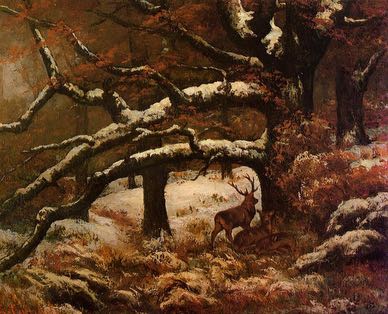
- Deer in Forest I by Franz Marc: Color and intersecting forms transform a familiar woodland animal into an expressive modern composition.
Why Does Wildlife Art Appeal to Modern Viewers?
Wildlife paintings allow viewers to encounter animals that may otherwise remain distant. They can convey the scale of a stag, the controlled force of a lion, the speed of a bird, or the stillness of an animal concealed within its environment. The strongest works make habitat and behavior as important as outward appearance.
These paintings also speak to changing relationships with nature. Historic images may reflect hunting, exploration, mythology, or ideas of untamed wilderness, while modern viewers may see fragility, habitat, and conservation. A hand-painted wildlife reproduction preserves the visual impact of the original work while bringing the color, texture, and atmosphere of the scene into a contemporary interior.
Copyright © 2026 BrushWiz. All Rights Reserved.
About Our Wildlife Paintings
Are your wildlife paintings created by hand?
Yes. Every wildlife reproduction is individually painted by hand in oil on canvas by a professional artist. We do not use printed canvases, digital transfers, or mechanical reproduction methods.
Which wild animals appear in the collection?
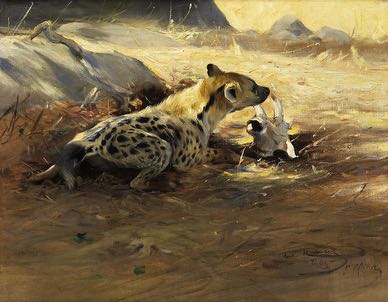
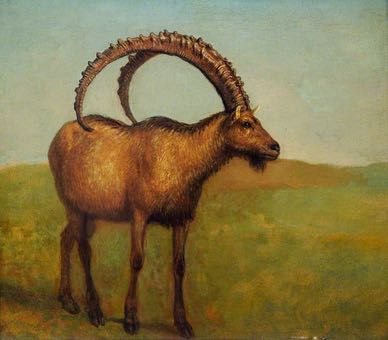
The collection includes lions, tigers, bears, deer, elephants, foxes, birds, and many other species. Some paintings focus closely on one animal, while others place several animals within a wider landscape or natural habitat.
Do the paintings show animals in natural settings?
Many works depict wildlife in forests, grasslands, mountains, wetlands, or tropical vegetation. Others come from biblical stories, hunting traditions, symbolic compositions, or imagined environments, giving you a choice between naturalistic and more dramatic interpretations.
Does wildlife art work with different interior styles?
Yes. Naturalistic landscapes can complement traditional, rustic, or nature-inspired rooms, while closely cropped animals and paintings with simplified forms can suit contemporary interiors. Consider the artwork’s dominant colors, level of movement, orientation, and surrounding habitat when choosing a wildlife painting for your space.
Can I request a wildlife painting that is not listed?
Yes. Send us the artwork’s title or a clear reference image. Our team will determine whether the painting can be recreated and confirm the available canvas sizes, estimated completion time, and price.
How accurately will the animals be reproduced?
Our artists study the source image to recreate the animals’ forms, movement, colors, habitat, and overall atmosphere as closely as possible. Small variations are natural because every reproduction is individually painted rather than mechanically copied.
What canvas size works best for wildlife art?
The best size depends on the composition and your wall. Broad landscapes and groups of animals often benefit from wider or larger dimensions, while a close view of one animal can work well in a compact or vertical format. Standard and custom sizes are available from the product page.
Can wildlife paintings be ordered framed?
Yes. Compatible frames in classic and modern designs are displayed after you select the canvas size. Professional stretching is also available if you prefer the cleaner appearance of gallery-wrapped canvas.
Will I see my finished painting before it ships?
Yes. We provide high-resolution approval photographs before shipping. You can examine the wildlife, landscape, colors, and overall finish and request adjustments if needed. The painting is dispatched only after the review process is complete.
What shipping and return protection is included?
Wildlife paintings qualify for free express worldwide shipping and are covered by our 90-day return policy. Delivery usually takes five to eight business days after dispatch, although current shipping times, eligibility, and return conditions should be reviewed before ordering.
Why BrushWiz?
100% Hand Painted
Every piece is entirely handmade
Museum Quality
Faithfully recreated by expert artists
Custom Framing
Choose from a wide range of frames
Free Shipping
Enjoy free shipping on all orders
Cash Back Rewards
Earn cash back with every purchase