

❄️ Winter Sale. Offer Ends 11/23/2026. View Details
❄️ Winter Sale. Ends 11/23/2026. View Details
❄️ Winter Sale. View Details
Artists
Subjects
Movements
Collections
Decor
Portraits
Commissions
Framing
Reviews
Gift Cards
On Sale
Caspar David Friedrich Oil Painting Reproductions
Shop museum-quality reproductions of Caspar David Friedrich’s most famous paintings, each hand-painted in oil on canvas by a professional artist.
Shop Art
Showing 1-40 of 102 results
Sort By
Most Popular
- Most Popular
- New Arrivals
- Best Sellers
- Alphabetical A-Z
- Alphabetical Z-A
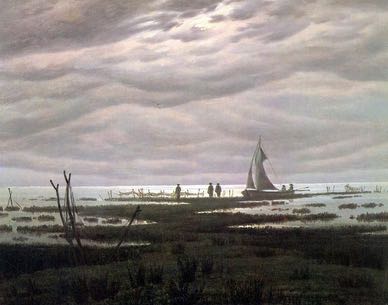
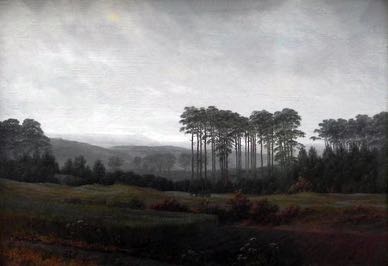
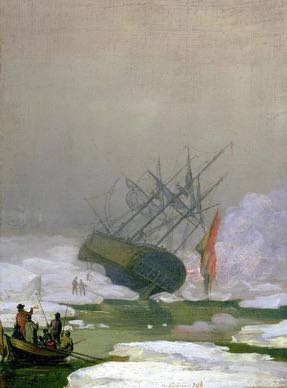
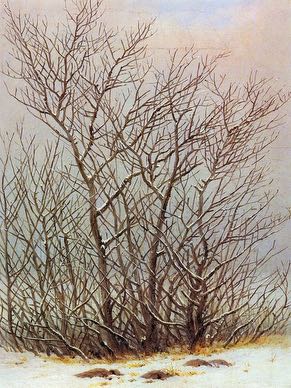
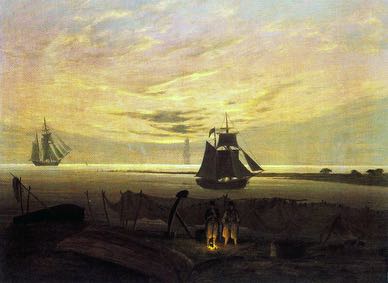
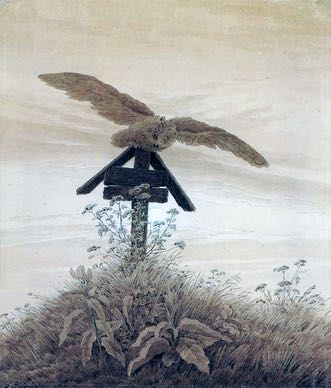


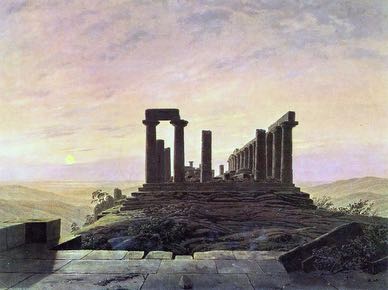
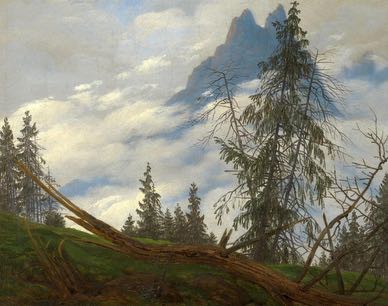

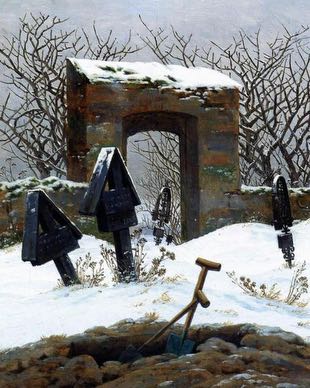
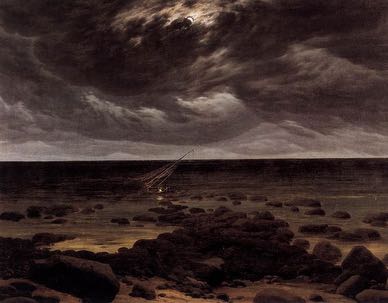
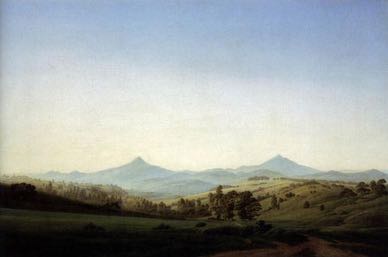
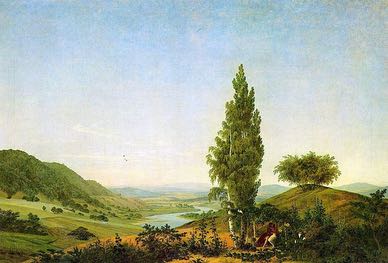
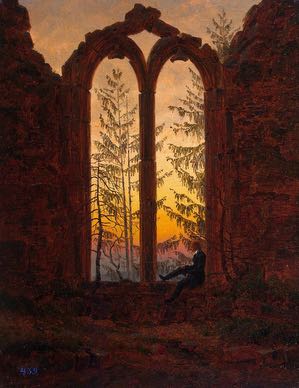
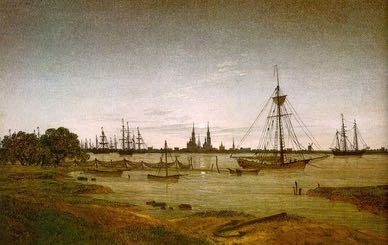
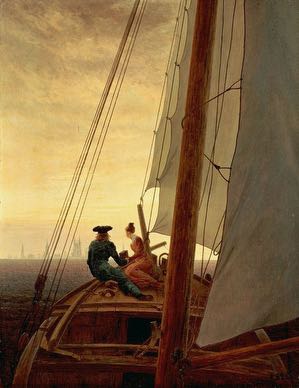
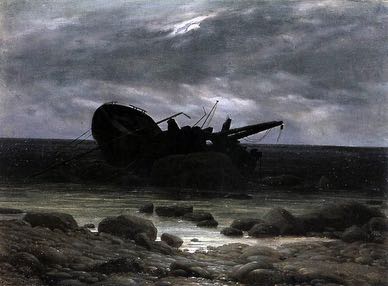
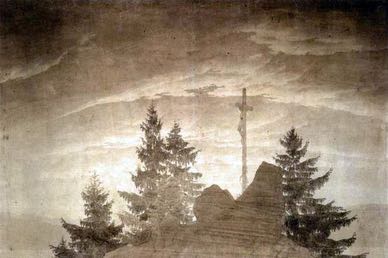
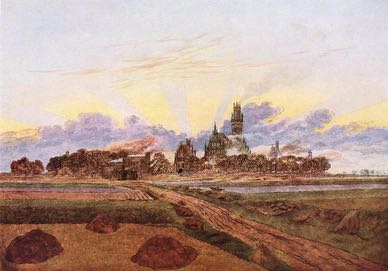


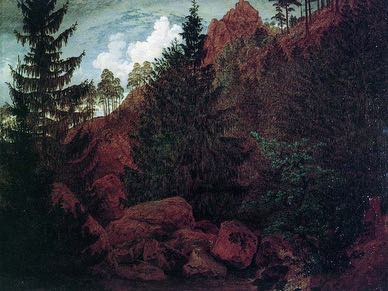

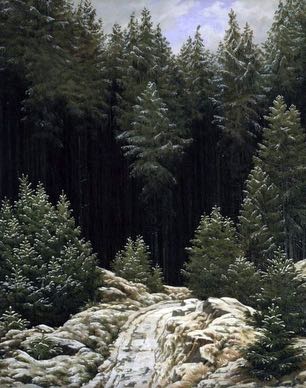

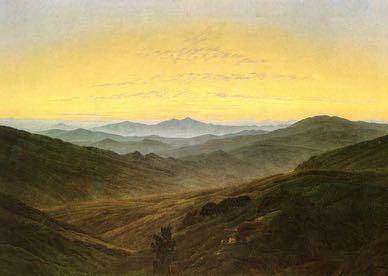


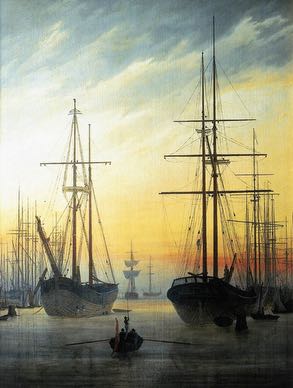
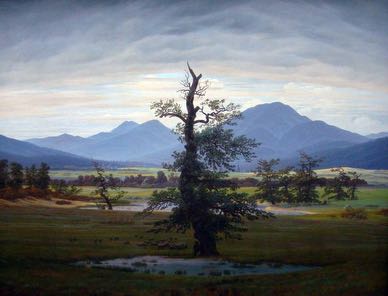
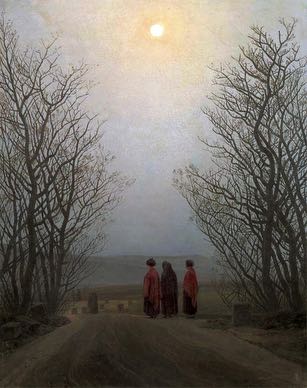
Can’t Find the Painting You Want?
Send us a reference image. We can recreate almost any artwork in the size and style you’re looking for.
Get a Free QuoteHand-Painted Caspar David Friedrich Reproductions
Bring Friedrich’s art into your home with an oil-on-canvas reproduction hand-painted by a professional artist. Our collection features more than one hundred paintings from across his career, including The Wanderer Above the Sea of Fog, The Monk by the Sea, and The Sea of Ice. Discover solitary figures, mist-covered mountains, moonlit coastlines, ruined abbeys, winter landscapes, and other subjects closely associated with Friedrich. Every reproduction is a real oil painting, offering depth and texture that a print or digital transfer cannot provide. From iconic masterpieces to lesser-known works, find a Friedrich painting that suits your space.
The Making of a Caspar David Friedrich Oil Painting Replica
Creating a Caspar David Friedrich oil painting replica requires patience, precision, and an understanding of the original artwork. Our studio includes artists experienced in Romantic painting who understand the distinctive qualities of Friedrich’s work. Before painting begins, the artist studies the source image, paying close attention to its carefully balanced composition, subdued palette, atmospheric depth, and Friedrich’s precise treatment of light and distance. These elements are recreated by hand in oil on canvas using an approach suited to the original. Once complete, the reproduction is inspected by our quality-control team and photographed for your approval.
Custom Sizes and Frames for Your Friedrich Painting
Your Friedrich painting can be ordered in practically any size, from popular standard dimensions to a custom canvas size selected directly on the product page. This flexibility lets you choose a painting that fits your wall and complements your room perfectly. After selecting the size, you can choose from high-quality frames in classic or modern designs, with professional canvas stretching also available. Our framing options complement Friedrich’s misty landscapes, restrained colors, and contemplative atmosphere. With sizing, stretching, and framing arranged in one order, your artwork can arrive ready for display without a separate visit to a frame shop.
Order a Caspar David Friedrich Reproduction with Confidence
Buying hand-painted art online should feel clear and comfortable. After your Caspar David Friedrich reproduction is completed, we send high-resolution photographs for your review before shipping. You can inspect the composition, colors, and overall finish, then request adjustments if needed. The painting is dispatched only after you approve it, so you know what to expect when it arrives. Your order also includes free express worldwide shipping and is covered by our 90-day return policy. Together, these assurances help you purchase a Friedrich oil painting with greater confidence and peace of mind.
The Life and Art of Caspar David Friedrich
Caspar David Friedrich was a German Romantic landscape painter who turned nature into a setting for reflection, emotion, and spiritual experience. Born on the Baltic coast in 1774, he studied in Greifswald and Copenhagen before making Dresden his permanent home. Friedrich became known for precisely arranged views of mountains, forests, ruins, coastlines, moonlit skies, and solitary figures seen from behind. Light, weather, distance, and the changing seasons give his quiet paintings their emotional force, suggesting ideas about mortality, memory, faith, and humanity’s place in nature without fixing them into simple meanings. Neglected later in the nineteenth century, Friedrich was rediscovered in the early twentieth and now stands at the heart of German Romanticism.
Read More
Who Was Caspar David Friedrich?
Caspar David Friedrich was born on 5 September 1774 in Greifswald, a Baltic port then governed as part of Swedish Pomerania. He grew up in a Protestant household headed by his father, Adolf Gottlieb Friedrich, a maker of soap and candles. Northern flatlands, harbors, trees, coastlines, and quickly changing weather entered his visual memory early and remained there for life.
Friedrich’s first drawing teacher was Johann Gottfried Quistorp of the University of Greifswald. Quistorp encouraged him to observe the local landscape closely and introduced him to educated circles interested in nature, poetry, history, and art. The careful draftsmanship learned in these years later supported paintings that look simple but are composed with great precision.
Where Did Friedrich’s Artistic Career Take Shape?
Between 1794 and 1798, Friedrich attended the Royal Danish Academy in Copenhagen, one of northern Europe’s leading art schools. His training stressed perspective, proportion, drawing, and the clear arrangement of pictorial space. He also encountered a growing northern interest in Scandinavian landscape, history, and mythology.
Friedrich moved to Dresden in 1798 and, apart from journeys in Germany and Bohemia, spent the rest of his life there. Pencil, watercolor, and sepia were his principal media at first, and carefully finished works on paper built his reputation. He did not make his public debut as an oil painter until 1808.
Dresden brought Friedrich into contact with artists, writers, collectors, and philosophers engaged with Romanticism. Among his important friendships were those with Georg Friedrich Kersting and, later, Johan Christian Dahl. Their approaches to interiors and landscape differed from his, but all belonged to the city’s lively artistic culture.
How Did Friedrich Turn Landscape into an Inner Experience?
For Friedrich, landscape painting was never just a record of one identifiable view. On walking tours he sketched rocks, coastlines, trees, clouds, and mountain formations, then rearranged and combined them back in the studio. His invented geographies still feel wholly convincing.
He removed incidental detail and gave fog, snow, open sea, broad sky, and distant horizons unusual prominence. Small figures often turn their backs to us, directing our gaze into the landscape but keeping their own thoughts private. Known as a Rückenfigur, this device makes the scene both an outward view and an inward experience.
Careful tensions between near and far, darkness and light, solid earth and dissolving air give the paintings their power. Friedrich’s mountains, forests, and coastlines ask for sustained contemplation rather than telling a single dramatic story.
Why Did The Cross in the Mountains Provoke Debate?
Friedrich conceived the early oil painting Cross in the Mountains, or the Tetschen Altar, as an altarpiece, placing a crucifix high within a mountain landscape. When he showed it in his studio in 1808, the critic Basilius von Ramdohr publicly objected to giving landscape such an elevated religious role.
The controversy drew considerable attention to Friedrich. Sunset, evergreen trees, height, rocks, and the cross make nature part of devotion rather than a background for it. Gothic ruins, paths, bare trees, and religious crosses continued to enter his paintings, particularly amid the political and spiritual instability of the Napoleonic period.
When Did Friedrich Gain Wider Recognition?
Friedrich’s reputation took a major step forward in 1810, when The Monk by the Sea and The Abbey in the Oakwood appeared at the Berlin Academy. The Prussian crown prince purchased the pair, whose emptiness, compressed depth, and meditative atmosphere brought admiration and criticism in equal measure.
He joined the Dresden Academy in 1816, and collectors in Germany and abroad began buying and commissioning his work. Yet Friedrich kept his studio life restrained. He continued to build paintings slowly from remembered motifs and drawings instead of adopting a more fashionable or theatrical manner.
His art belongs closely to the wider culture of the nineteenth century, when political upheaval and rapid social change led writers and artists to reconsider personal feeling, national identity, faith, and the natural world.
How Did Travel and Marriage Enter Friedrich’s Paintings?
Friedrich made regular sketching trips to the island of Rügen, the Baltic shore, the Harz Mountains, the Riesengebirge, and the sandstone country southeast of Dresden. He seldom copied an entire view exactly. A tree from one journey, cliffs from another, and remembered ships, peaks, or distant buildings might eventually share the same painting.
In 1818, Friedrich married Caroline Bommer and returned to Rügen, a year that produced some of his most celebrated meetings of figures and landscape. Marriage also brought more companions and domestic subjects into his work. Woman at a Window, painted a few years later, is generally thought to show Caroline looking from the Dresden studio toward the River Elbe.
Pairs and small groups stand on cliffs, beside the sea, or beneath the moon without disturbing the surrounding stillness. In paintings such as Moonrise Over the Sea, shared contemplation connects private feeling to the immense scale of nature.
What Ideas Return Throughout Friedrich’s Mature Work?
Friedrich repeatedly explored cycles of season, age, daylight, and decay. Dawn and moonrise can carry a sense of expectation or beginning; fading light, graves, winter trees, ruined monasteries, and stranded vessels bring mortality and historical loss close. Their meanings remain suggestive rather than fixed.
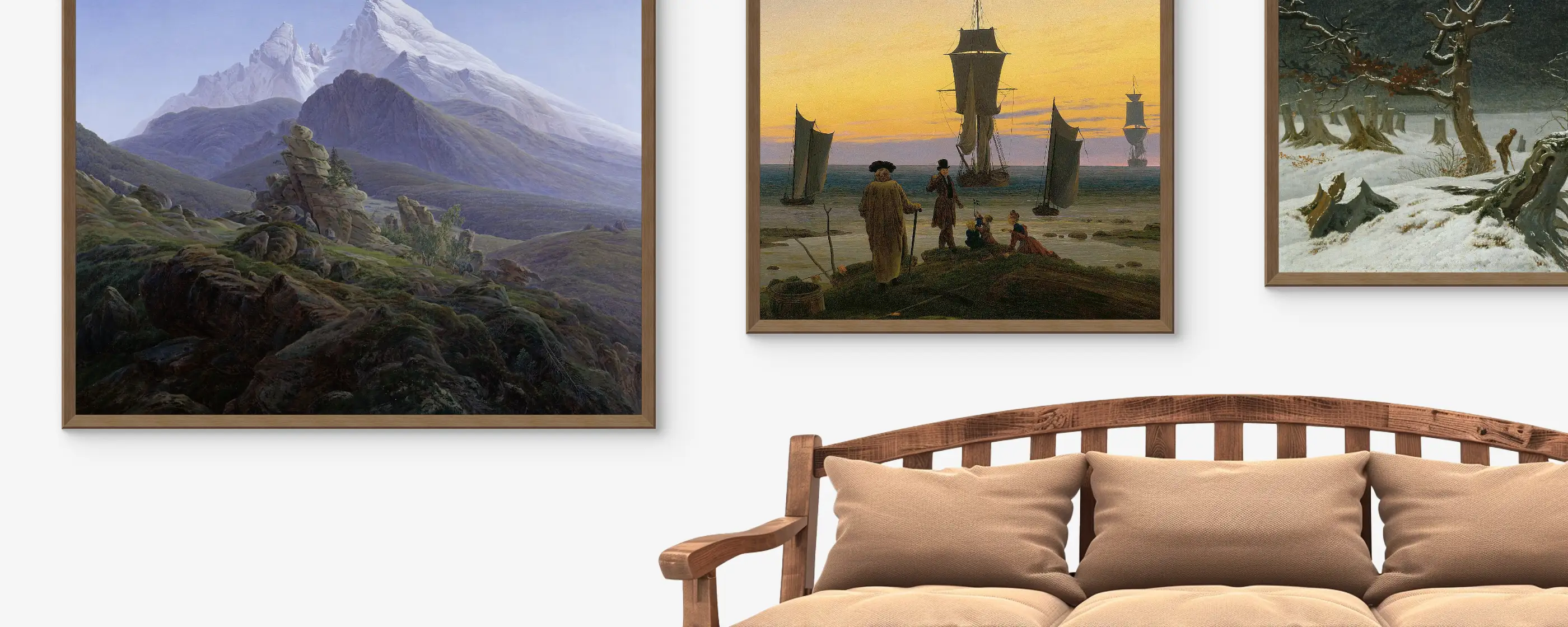
His snowscapes and pictures of ice make nature beautiful, dangerous, and remote. Jagged frozen masses nearly bury a ship in The Sea of Ice, while the far summit of The Watzmann suggests permanence on a scale beyond ordinary human reach.
He could give similar motifs very different emotional tones. Two figures under the moon might evoke longing, companionship, or political solidarity. A ruin could suggest cultural memory, faith, death, or renewal. This openness has allowed generations of viewers to find new meanings in his restrained landscapes.
What Changed During Friedrich’s Later Years?
By the 1820s, Friedrich’s deeply personal approach was losing favor as audiences turned toward other kinds of landscape and narrative art. He still produced major paintings, among them The Watzmann and The Life Stages, but commissions, sales, and official support grew less dependable.
A stroke in 1835 limited Friedrich’s ability to work in oil. He increasingly returned to sepia and drawing, the media in which his career had begun. He died in Dresden on 7 May 1840.
Friedrich drew little attention during the later nineteenth century. His revival began in earnest with a major exhibition of German art in Berlin in 1906, which included ninety-three of his works. Modern artists, museums, and scholars soon recognized the originality of his compositions and their importance to the history of landscape.
Which Paintings Offer the Best Introduction to Friedrich?
Friedrich worked with a concentrated vocabulary of landscape and symbolic motifs, yet his pictures range from intimate moonlit encounters to distant mountains and scenes of natural destruction:
- The Wanderer Above the Sea of Fog: A lone traveler looks over a field of mist in one of Romanticism’s defining images of contemplation and the sublime.
- The Monk by the Sea: One tiny figure confronts an immense shore and sky in a composition of radical austerity and openness.
- The Abbey in the Oakwood: Monks carry a coffin through winter trees toward a Gothic ruin, joining faith, ritual, landscape, and mortality.
- The Sea of Ice: Splintered sheets of ice conceal and crush a ship, presenting nature as both magnificent and destructive.
- Chalk Cliffs on Rügen: Three figures overlook white cliffs and open water in a precisely framed coastal scene.
- Two Men Contemplating the Moon: Beneath twisting trees, two companions share a quiet encounter with the moonlit world.
- Moonrise Over the Sea: Rising moonlight, distant ships, and seated figures bring reflective calm to the Baltic shore.
- The Watzmann: Successive rocks and peaks lead toward a remote summit, turning mountain scenery into an image of permanence and distance.
- The Life Stages: People of different ages and five ships form a meditation on family, time, departure, and return.
- Woman at a Window: A rare interior uses a contemplative figure, believed to be Caroline, to direct every glance outside.
Why Does Friedrich’s Influence Endure?
Friedrich changed landscape painting by placing the viewer’s inward response at its center. Exact observation remained essential, but memory, selection, and composition transformed what he had seen. Without a conventional narrative, his landscapes could address belief, mortality, companionship, isolation, and history.
Low horizons, immense skies, veiled distances, and figures seen from behind continue to echo through painting, photography, cinema, and contemporary visual culture. The stillness of these images makes them unusually adaptable, inviting every generation to reconsider the place of human beings within nature.
Friedrich now stands with Philipp Otto Runge and Johan Christian Dahl among northern European Romanticism’s central figures, but his visual language remains unmistakably his own. At their best, his paintings balance clarity and uncertainty, asking viewers to look outward into the world and inward toward private experience.
Copyright © 2026 BrushWiz. All Rights Reserved.
About Our Caspar David Friedrich Paintings
Are your Caspar David Friedrich reproductions painted by hand?
Yes. Every reproduction is individually painted by hand in oil on canvas by a professional artist. We do not use prints, digital transfers, or mechanical reproduction methods.
How closely do your Friedrich copies resemble the original?
Our artists work to capture the composition, colors, texture, and visual character of the original Friedrich painting as closely as possible. Because every reproduction is painted by hand, small variations are natural and make each canvas unique.
What is the usual production time for a Friedrich painting?
Most Friedrich reproductions require approximately two to three weeks to paint, dry, and inspect. Production time may vary depending on the artwork and canvas size, so check the estimate displayed on the product page.
Can I request a Friedrich painting that is not listed?
Yes. If you cannot find the Caspar David Friedrich artwork you want in our catalog, send us the painting’s title or an image. Our team will review your request and confirm the available sizes, estimated production time, and price.
Will I receive photos before my painting is shipped?
Yes. We send high-resolution photographs of the completed painting for your approval. You can request adjustments if needed, and the painting will not be dispatched until the review process is complete.
Do you offer custom canvas sizes?
Yes. We offer custom dimensions in addition to the standard sizes shown on the product page. Select the dimensions you need directly from the available size options.
May I order my Friedrich painting with a frame?
Yes. High-quality frames in classic and modern designs are available for many paintings. You can view compatible framing options and add your preferred design from the product page. Professional canvas stretching is also available.
How much does a Caspar David Friedrich reproduction cost?
The price depends on the selected artwork, canvas dimensions, and framing option. Choose your preferred configuration on the product page to see the current price before ordering.
Do you offer free worldwide shipping?
Yes. Friedrich reproductions qualify for free express worldwide shipping. After dispatch, delivery usually takes five to eight business days, although timing may vary by country and destination.
What is the return policy for Friedrich reproductions?
Orders are covered by our 90-day return policy. Review the current return-policy page before ordering for complete information about eligibility, time limits, and the return process.
Why BrushWiz?
100% Hand Painted
Every piece is entirely handmade
Museum Quality
Faithfully recreated by expert artists
Custom Framing
Choose from a wide range of frames
Free Shipping
Enjoy free shipping on all orders
Cash Back Rewards
Earn cash back with every purchase