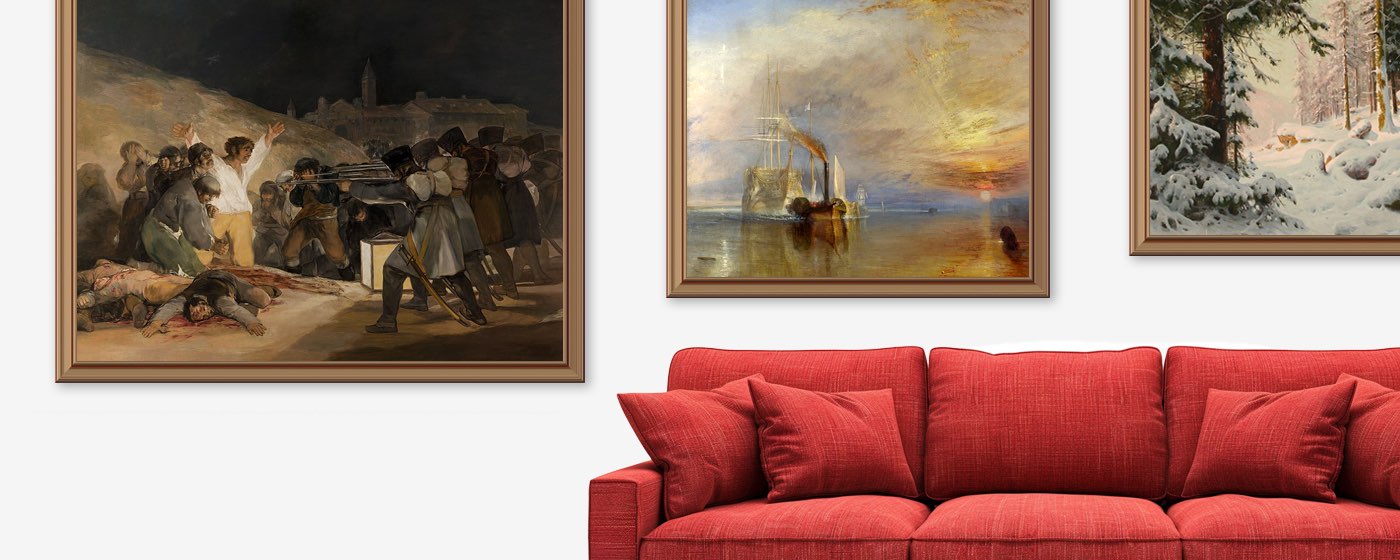
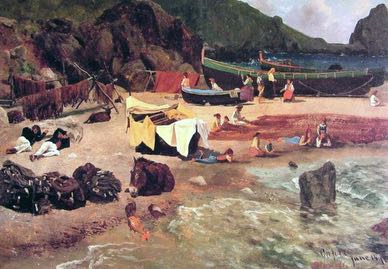
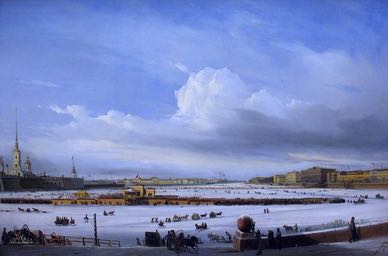
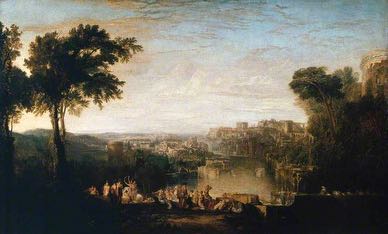
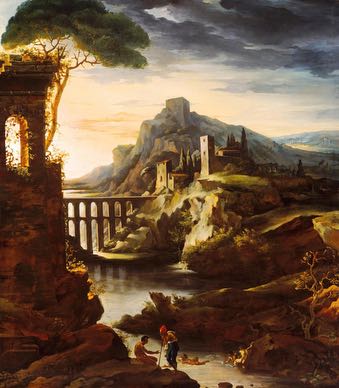
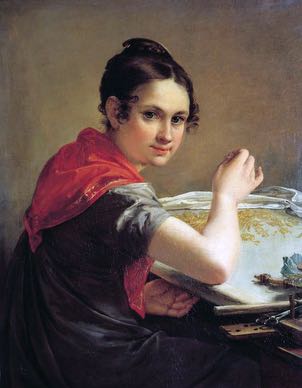
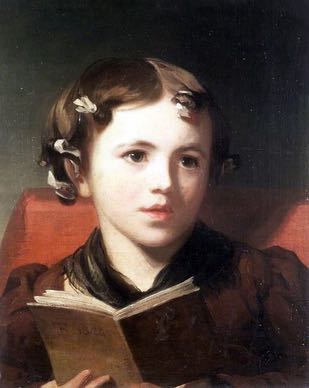
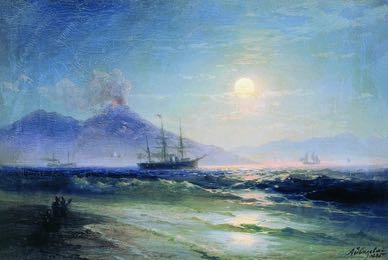
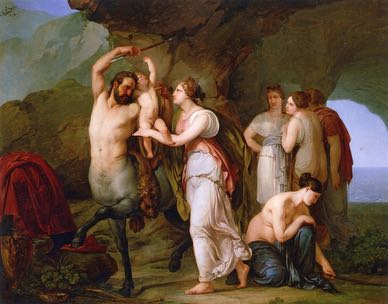
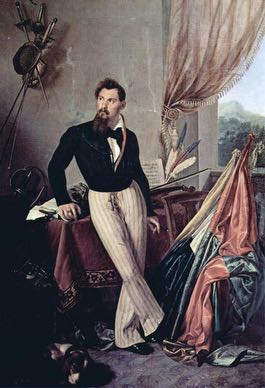
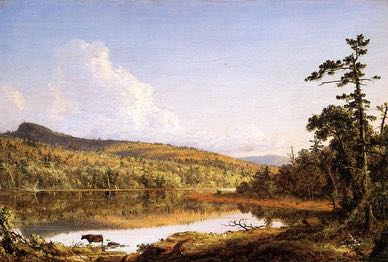
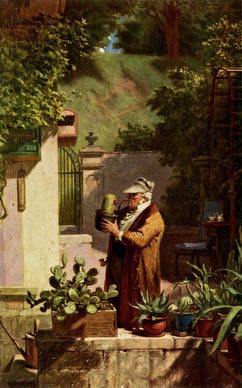
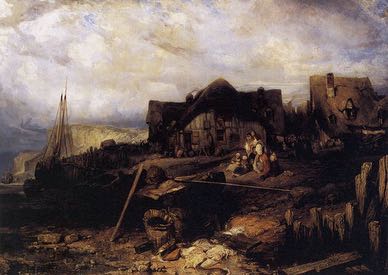
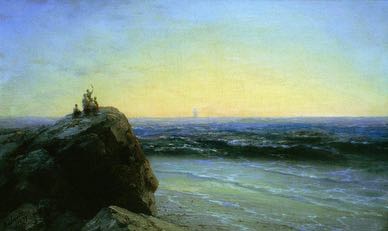
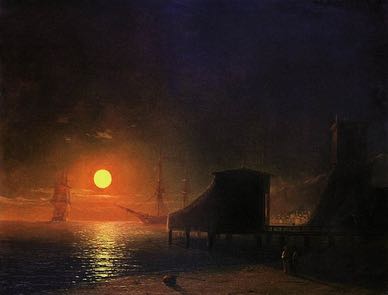
The Romanticism art movement, which flourished in the late 18th to mid-19th centuries, represented a profound shift in artistic expression and sensibility. Rejecting the rationalism and order of the preceding Enlightenment era, Romantic painters embraced emotion, imagination, and the sublime as central themes in their work. Characterized by its emphasis on individuality, spontaneity, and a deep connection to nature, Romanticism marked a departure from the conventions of academic art, offering a more subjective and personal vision of the world.
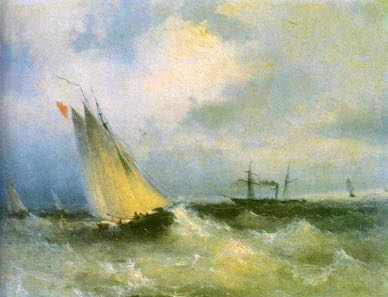
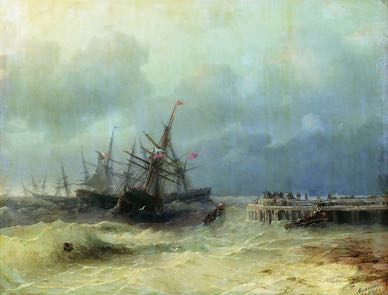
Central to Romantic painting was a fascination with the natural world and its transformative power. Artists such as Caspar David Friedrich and J.M.W. Turner depicted majestic landscapes, stormy seascapes, and rugged wildernesses with an intensity of emotion and a sense of awe. Through their use of dramatic lighting, dynamic compositions, and expressive brushwork, Romantic painters sought to evoke a sense of the sublime – the overwhelming experience of beauty and terror in the face of nature's grandeur.
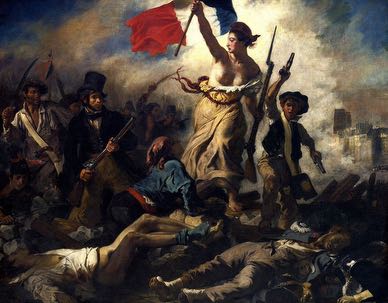
Moreover, Romanticism celebrated the individual imagination and the inner world of the psyche. Artists like Francisco Goya and Eugène Delacroix explored themes of passion, heroism, and the supernatural in their paintings, drawing inspiration from literature, mythology, and folklore. Through their work, they sought to capture the inner turmoil and complexity of the human experience, often portraying characters in moments of intense emotion and existential crisis.
In addition to its focus on nature and the individual, Romantic painting also engaged with social and political issues of the time. Artists such as Théodore Géricault and William Blake depicted scenes of revolution, war, and social upheaval, highlighting the struggles of the oppressed and the marginalized. Through their art, they sought to challenge the prevailing order and inspire a sense of empathy and solidarity among viewers.
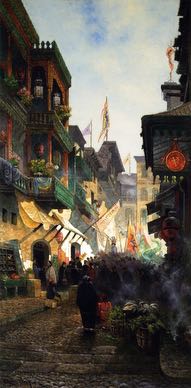
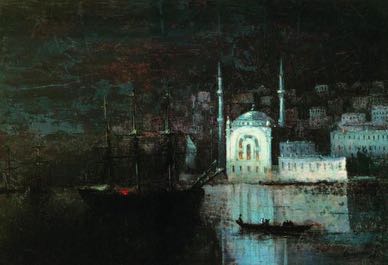
Furthermore, Romanticism embraced a sense of nostalgia for the past and a longing for the exotic and the unknown. Painters like Delacroix and John Constable depicted historical events, exotic landscapes, and distant cultures with a sense of romanticized idealism, transporting viewers to distant realms of the imagination.
Overall, Romantic painting represented a radical departure from the conventions of academic art, offering a more personal and subjective vision of the world. Through their exploration of nature, emotion, and the human psyche, Romantic painters left behind a legacy of artistic innovation and creative freedom that continues to inspire and captivate audiences to this day.
Copyright © 2026 BrushWiz. All Rights Reserved.