

❄️ Winter Sale. Offer Ends 12/01/2026. View Details
❄️ Winter Sale. Ends 12/01/2026. View Details
❄️ Winter Sale. View Details
Artists
Subjects
Movements
Collections
Decor
Portraits
Commissions
Framing
Reviews
Gift Cards
On Sale
Ernst Ludwig Kirchner Oil Painting Reproductions
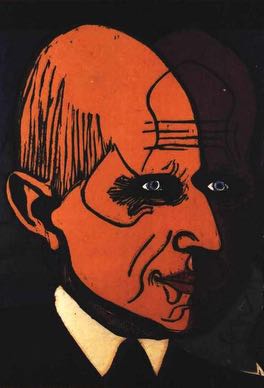
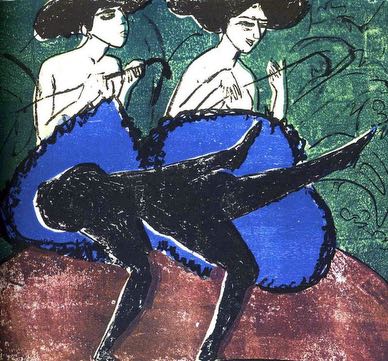
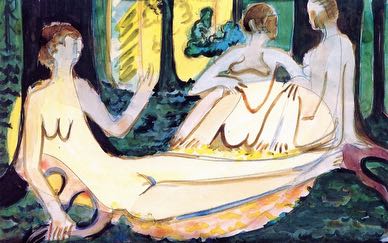
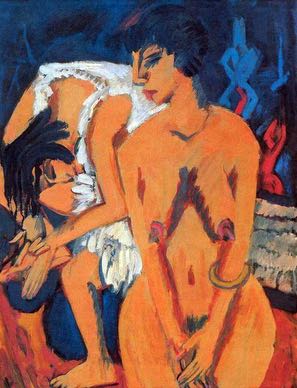
Shop museum-quality reproductions of Ernst Ludwig Kirchner’s most famous paintings, each hand-painted in oil on canvas by a professional artist.
Shop Art

Showing 1-40 of 303 results
Sort By
Most Popular
- Most Popular
- New Arrivals
- Best Sellers
- Alphabetical A-Z
- Alphabetical Z-A
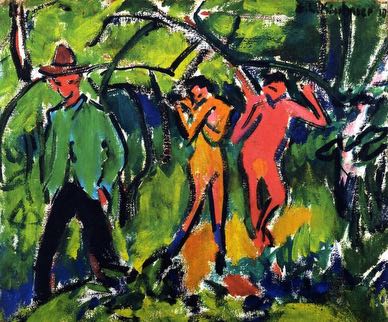

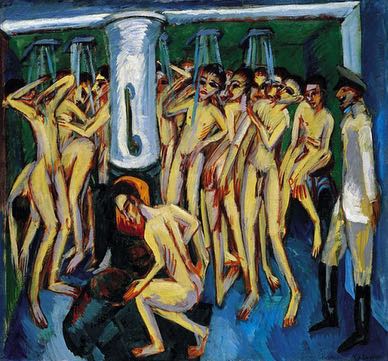
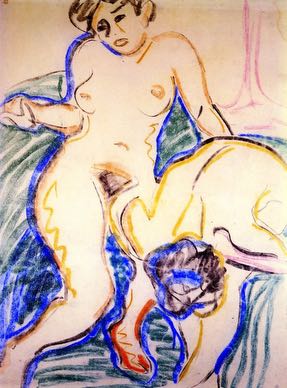
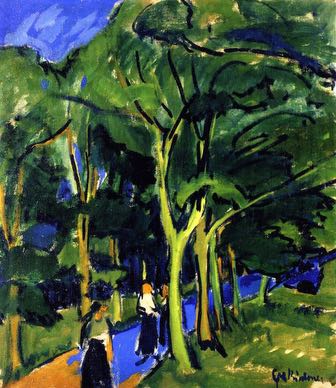



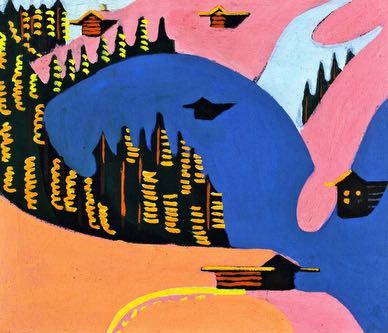
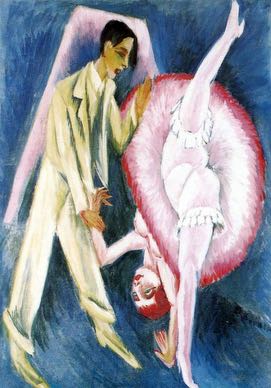
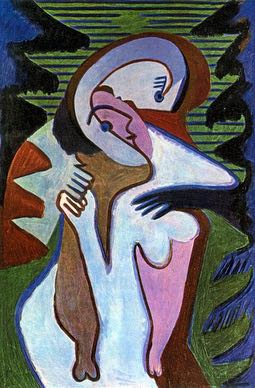
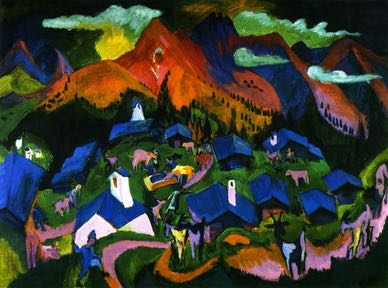

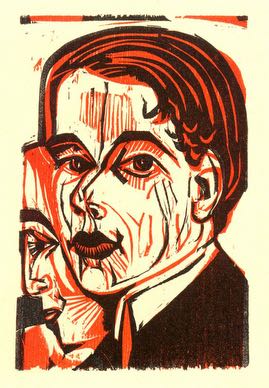
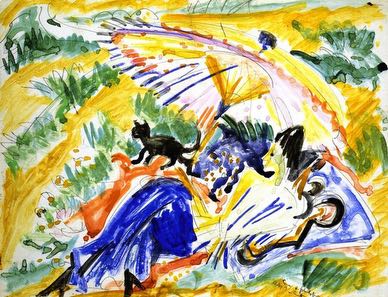
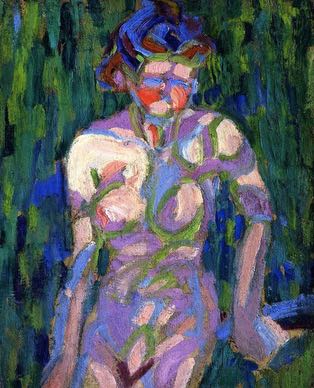
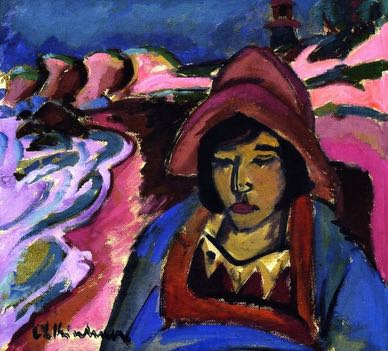
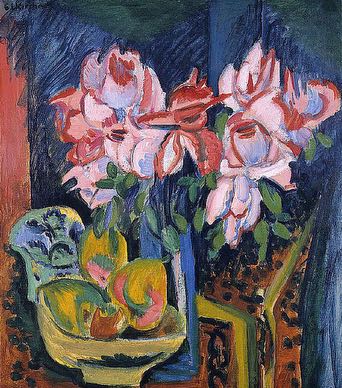
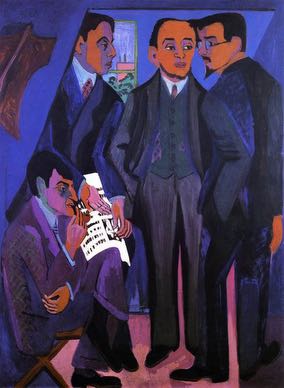
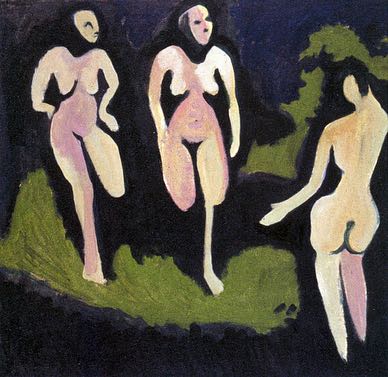
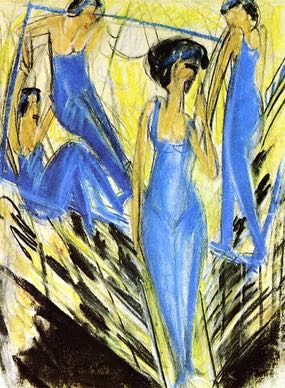

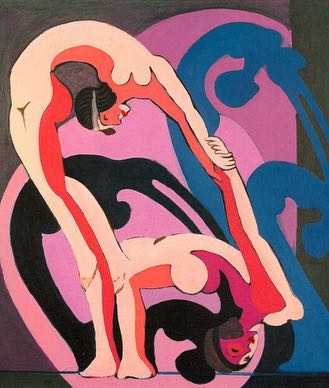
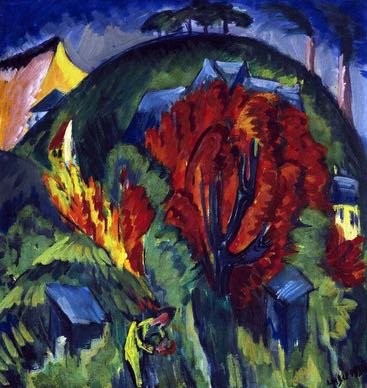
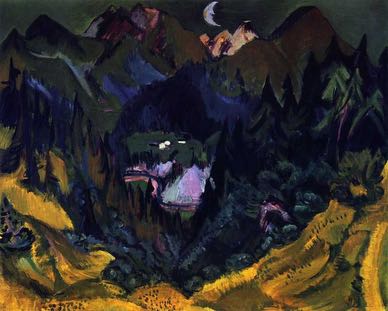

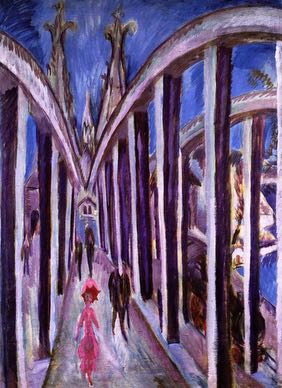
Can’t Find the Painting You Want?
Send us a reference image. We can recreate almost any artwork in the size and style you’re looking for.
Get a Free QuoteHand-Painted Ernst Ludwig Kirchner Reproductions
Bring Kirchner’s art into your home with an oil-on-canvas reproduction hand-painted by a professional artist. Our collection features hundreds of paintings from across his career, including Berlin Street Scene, Self-Portrait as a Soldier, and Rising Moon on the Stafelalp. Discover crowded city streets, studio figures, bathers in nature, Alpine landscapes, and other subjects closely associated with Kirchner. Every reproduction is a real oil painting, offering depth and texture that a print or digital transfer cannot provide. From iconic masterpieces to lesser-known works, find a Kirchner painting that suits your space.
The Making of an Ernst Ludwig Kirchner Oil Painting Replica
Creating an Ernst Ludwig Kirchner oil painting replica requires patience, precision, and an understanding of the original artwork. Our studio includes artists who specialize in Expressionist painting and understand the distinctive qualities of Kirchner’s work. The artist studies the source image, then recreates its intense colors, angular forms, compressed space, and Kirchner’s rhythmic handling of lines and figures using traditional oil-painting methods. After completion, the painting is inspected by our quality-control team and photographed for your approval. The result is a carefully executed oil painting that reflects the visual character of the original.
Custom Sizes and Frames for Your Kirchner Painting
Your Kirchner painting can be ordered in practically any size, from popular standard dimensions to custom canvas sizes selected directly on the product page. This flexibility lets you choose a painting that fits your wall and complements your room perfectly. After selecting the size, you can choose from high-quality frames in classic or modern designs, with professional canvas stretching also available. Our framing options complement the strong colors and angular character of Kirchner’s paintings. With sizing, stretching, and framing arranged in one order, your artwork can arrive ready for display without a separate visit to a frame shop.
Order an Ernst Ludwig Kirchner Reproduction with Confidence
Buying hand-painted art online should feel clear and comfortable. After your Ernst Ludwig Kirchner reproduction is completed, we send high-resolution photographs for your review before shipping. You can inspect the composition, colors, linework, and overall finish, then request adjustments if needed. The painting is dispatched only after you approve it, so you know what to expect when it arrives. Your order also includes free express worldwide shipping and is covered by our 90-day return policy. Together, these assurances help you purchase a Kirchner oil painting with greater confidence and peace of mind.
The Life and Art of Ernst Ludwig Kirchner
Ernst Ludwig Kirchner was a German painter, printmaker, sculptor, and leading figure of Expressionism. Born in 1880, he co-founded Die Brücke in Dresden and pursued a direct, emotionally charged art built from intense color, angular line, and simplified form. His subjects moved from studios, bathers, and Dresden streets to the restless crowds of Berlin, then changed again after illness brought him to the mountains near Davos. Kirchner treated painting, drawing, woodcut, sculpture, photography, furniture, and textile design as connected parts of one creative life. The Nazis removed hundreds of his works from German museums in 1937, yet his art survived that campaign and now stands at the center of twentieth-century modernism.
Read More
How Did Kirchner Move from Architecture to Art?
Ernst Ludwig Kirchner was born in Aschaffenburg, Bavaria, on 6 May 1880. His father worked in the paper industry and later taught at a technical school. Because the family moved several times, Kirchner grew up in different German towns before beginning architectural studies in Dresden in 1901.
Architecture offered a compromise between his parents’ wish for a secure profession and his own desire to become an artist. At the Dresden Technical University, he concentrated on freehand drawing, composition, and other visual courses. A period of study in Munich also exposed him to experimental art and design.
Kirchner completed his architecture degree in 1905, but by then his direction was clear. The training never disappeared from his art. Steep perspectives, compressed rooms, repeated façades, and carefully organized surfaces reveal an eye accustomed to thinking about structures, even when the brushwork seems rapid and instinctive.
What Did Die Brücke Set Out to Change?
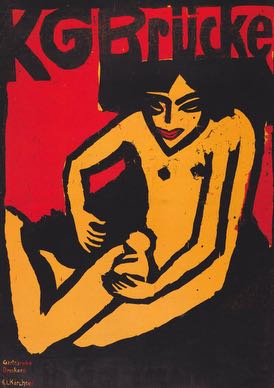
In Dresden in 1905, Kirchner joined Fritz Bleyl, Erich Heckel, and Karl Schmidt-Rottluff in founding Die Brücke, or The Bridge. The name announced their wish to connect inherited art with a freer future. None of the four had received conventional academy training as a painter.
The group rejected polished academic finish and searched for a more immediate relationship between life and art. Members drew together, shared studios and models, organized exhibitions, and produced portfolios of prints for supporting members. Their 1906 program called on a younger generation to create with directness and freedom.
Kirchner absorbed lessons from late medieval German woodcuts, African and Oceanic objects, and modern artists such as Vincent van Gogh and Edvard Munch. These sources were transformed into blunt contours, vivid color, and forms cut down to their expressive essentials rather than copied as a single style.
Where Did Dresden Studios and Summer Journeys Lead?
Kirchner turned his Dresden studios into complete artistic environments. He painted the walls, carved furniture and sculpture, designed textiles, and filled the rooms with drawings and prints. Friends and models moved through a setting in which work, conversation, performance, and domestic life overlapped.
His pictures of nudes challenged the stiff poses taught in academies. Rapid sessions encouraged continuous drawing and an abbreviated line able to register a turn, stretch, or shift of balance. Some models were adolescents, an aspect of the group’s practice that must be recognized rather than hidden behind its claims of freedom and naturalness.
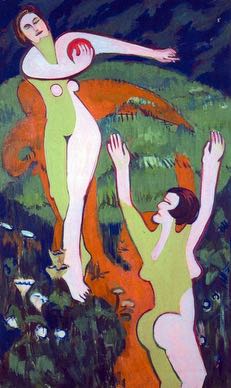
During summers at the Moritzburg lakes and later on the Baltic island of Fehmarn, Kirchner painted bathers and figures moving through woods, beaches, and water. The landscapes are not passive backgrounds. Trees, rocks, bodies, and waves lock together through shared color and rhythm, expressing an imagined escape from urban convention.
Why Did Berlin Transform Kirchner’s Style?
Kirchner moved to Berlin in 1911. He and Max Pechstein opened an art school called the MUIM Institute, but it attracted almost no students. The city itself proved far more important. Traffic, electric lights, dance halls, cafés, fashion, and hurried crowds pushed his work toward sharper angles and more nervous movement.
He met the sisters Erna and Gerda Schilling, both dancers; Erna became his lifelong partner and appeared throughout his art. Nightlife and performance entered the studio, while quick sketches made on the street supplied material for larger canvases.
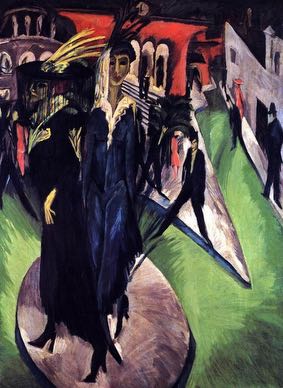
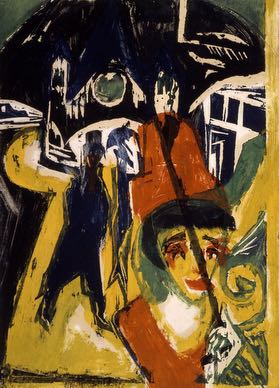
Between 1913 and 1915, Kirchner created his best-known Berlin street scenes. Elegant women occupy the center, watched or followed by dark-suited men, while tilted pavements and abrupt cropping make the crowd feel unstable. Brilliant pinks, blues, greens, and blacks intensify both the attraction and alienation of metropolitan life.
Die Brücke dissolved in 1913 after tensions surrounding a chronicle of the group written by Kirchner. Its end was painful, but it also left him free to shape the Berlin experience into a personal language distinct from the collective Dresden years.
How Did Printmaking Shape His Visual Language?
Printmaking was not secondary to Kirchner’s painting. He worked extensively in woodcut, etching, and lithography, often printing impressions himself. Cutting a woodblock demanded decisive shapes, while the resistance of the material encouraged the rough edges and compressed forms that became central to his style.
He varied ink, paper, pressure, and color from one impression to another, treating a print as something that could keep changing rather than as a mechanically identical edition. The immediacy of the process suited portraits, dance scenes, city streets, book illustrations, and images of bathers.
Painting and printmaking continually fed each other. A jagged contour developed in a woodcut might return in oil, while a painted composition could be tested again in black and white. Kirchner also carved his own frames and sculptures, allowing the physical act of cutting to connect picture, object, and surrounding space.
What Did the First World War Change?
In 1915, Kirchner volunteered for military service, hoping that choosing a unit might give him some control over his situation. Assigned as a driver in a field artillery regiment, he soon suffered a severe physical and psychological breakdown and was released from service.
Self-Portrait as a Soldier gives that fear a memorable form. Kirchner stands in uniform with an imagined severed hand, while an unfinished nude appears behind him. He had not lost his hand; the injury represents his terror that military life had destroyed his power to make art.
The crisis continued after his discharge. Alcohol and dependency on medication complicated his health, and he moved through sanatoriums in Germany and Switzerland. Drawings and paintings from these years could be agitated or fragmented, yet work remained one of the means by which he tried to hold his life together.
When Did Davos Become His Home?
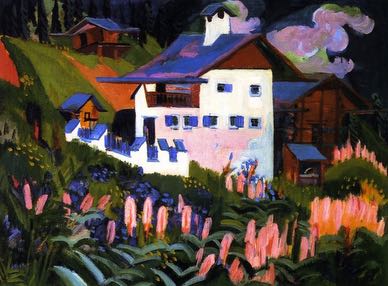
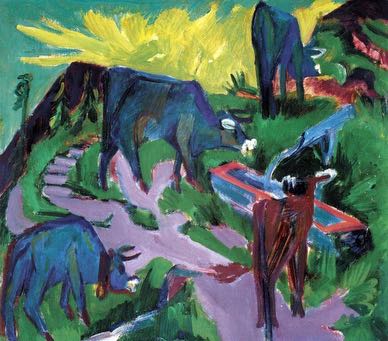
Kirchner first traveled to Davos in January 1917 and returned that May in extremely poor health. He spent the summer on the Stafelalp, where mountain peaks, cabins, cattle, and farming families replaced Berlin streets. The high Alpine setting gradually became both refuge and a demanding new subject.
Erna joined him, and his printing press, carved furniture, textiles, and other possessions followed from Germany. After several moves, they settled at the Wildboden house outside Davos in 1923. Kirchner worked there for the rest of his life while maintaining contact with museums, dealers, collectors, and younger Swiss artists.
The mountain paintings do not simply offer peaceful scenery. Peaks rise like living structures, paths twist through steep space, and unnatural colors register season, weather, and emotion. Farmers and animals appear within a landscape whose scale is powerful but never empty.
Did His Late Style Continue to Evolve?
During the 1920s, Kirchner moved away from the splintered agitation of his Berlin work. Figures grew broader, contours became smoother, and flat areas of color were organized into more geometric patterns. He called aspects of this development a new style, one that could join observation with a modern sense of pictorial order.
His practice remained unusually broad. He photographed his studios, friends, and works; carved sculpture and frames; designed furniture and textiles; and collaborated with the weaver Lise Gujer, who translated his designs into large tapestries. These activities made the Davos houses into total artistic environments much like his earlier studios.
Kirchner also wrote about his own art under the pseudonym Louis de Marsalle, presenting himself as though viewed by an independent French critic. The device helped him guide the public interpretation of his career. It also reveals how carefully he constructed his artistic identity, even while valuing spontaneity in the individual work.
Which Paintings Define Kirchner’s Changing Career?
Kirchner repeatedly reinvented his visual language as he moved from Dresden to Berlin and then the Swiss Alps. These paintings mark important turns in that development:
- Street, Dresden, 1908, reworked 1919: Heightened color and a rising pavement compress a fashionable crowd into an uneasy urban current.
- Marzella, 1909–1910: The adolescent sitter’s direct gaze and sharply colored surroundings expose the tensions within the group’s nonacademic studio practice.
- Bathers at Sea, 1912: Angular bodies and the Fehmarn coast merge through broad shapes and intense, non-naturalistic color.
- Five Women on the Street, 1913: Narrow figures, masklike faces, feathers, and dark clothing turn Berlin fashion into a tense social procession.
- Potsdamer Platz, 1914: Two elaborately dressed women dominate a tilted traffic island while the city opens around them in sharp wedges.
- Self-Portrait as a Soldier, 1915: An imagined mutilation turns fear of war and artistic paralysis into a stark studio image.
- Rising Moon on the Stafelalp, 1917: Mountains, cabins, and moonlight introduce the Alpine world that would dominate his Swiss years.
- Tinzenhorn, Gorge near Monstein, 1919–1920: Strong diagonals and saturated colors give the mountain landscape both physical weight and visionary intensity.
What Is Kirchner’s Legacy After Nazi Persecution?
By the late 1920s and early 1930s, Kirchner was receiving major exhibitions and public recognition. Nazi cultural policy reversed that position. In 1937, hundreds of his works were removed from German museums, some were displayed as so-called “degenerate art,” and he was expelled from the Prussian Academy.
Those events deepened his fear, declining health, and isolation, but they should not be treated as the sole explanation for his death. Kirchner had struggled with recurring psychological distress and addiction for many years. He died by suicide near his home at Wildboden on 15 June 1938.
Kirchner’s importance rests on more than the speed and intensity associated with Expressionism. He joined painting to printmaking, sculpture, photography, architecture, furniture, and textile design, then rebuilt his art in response to very different places. His Dresden studios, Berlin crowds, and Davos mountains remain distinct worlds, connected by a lifelong effort to turn direct experience into forceful form.
Copyright © 2026 BrushWiz. All Rights Reserved.
About Our Ernst Ludwig Kirchner Paintings
Are your Ernst Ludwig Kirchner reproductions painted by hand?
Yes. Every reproduction is individually painted by hand in oil on canvas by a professional artist. We do not use prints, digital transfers, or mechanical reproduction methods.
How closely do your Kirchner copies resemble the original?
Our artists work to capture the composition, colors, texture, and visual character of the original Kirchner painting as closely as possible. Because every reproduction is painted by hand, small variations are natural and make each canvas unique.
How long does a Kirchner reproduction take to complete?
Most Kirchner reproductions require approximately two to three weeks to paint, dry, and inspect. Production time may vary depending on the artwork and canvas size, so check the estimate displayed on the product page.
Can I request an Ernst Ludwig Kirchner painting that is not listed?
Yes. If you cannot find the Ernst Ludwig Kirchner artwork you want in our catalog, send us the painting’s title or an image. Our team will review your request and confirm the available sizes, estimated production time, and price.
Will I receive approval photos before shipping?
Yes. We send high-resolution photographs of the completed painting for your approval. You can request adjustments if needed, and the painting will not be dispatched until the review process is complete.
Are custom canvas sizes available for Kirchner paintings?
Yes. We offer custom dimensions in addition to the standard sizes shown on the product page. Select the dimensions you need directly from the available size options.
May I order my Kirchner painting with a frame?
Yes. High-quality frames in classic and modern designs are available for many paintings. You can view compatible framing options and add your preferred design from the product page. Professional canvas stretching is also available.
What determines the price of an Ernst Ludwig Kirchner reproduction?
The price depends on the selected artwork, canvas dimensions, and framing option. Choose your preferred configuration on the product page to see the current price before ordering.
Is free express worldwide shipping included?
Yes. Kirchner reproductions qualify for free express worldwide shipping. After dispatch, delivery usually takes five to eight business days, although timing may vary by country and destination.
Which return policy covers Kirchner reproductions?
Orders are covered by our 90-day return policy. Review the current return-policy page before ordering for complete information about eligibility, time limits, and the return process.
Why BrushWiz?
100% Hand Painted
Every piece is entirely handmade
Museum Quality
Faithfully recreated by expert artists
Custom Framing
Choose from a wide range of frames
Free Shipping
Enjoy free shipping on all orders
Cash Back Rewards
Earn cash back with every purchase