

❄️ Winter Sale. Offer Ends 11/22/2026. View Details
❄️ Winter Sale. Ends 11/22/2026. View Details
❄️ Winter Sale. View Details
Artists
Subjects
Movements
Collections
Decor
Portraits
Commissions
Framing
Reviews
Gift Cards
On Sale
George Stubbs Oil Painting Reproductions
Shop museum-quality reproductions of George Stubbs’s most famous paintings, each hand-painted in oil on canvas by a professional artist.
Shop Art
Showing 1-40 of 268 results
Sort By
Most Popular
- Most Popular
- New Arrivals
- Best Sellers
- Alphabetical A-Z
- Alphabetical Z-A






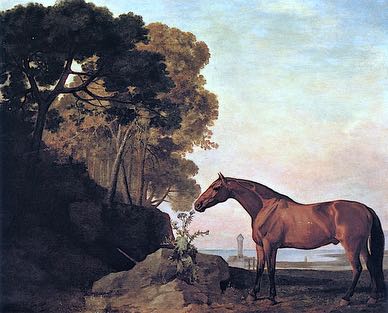


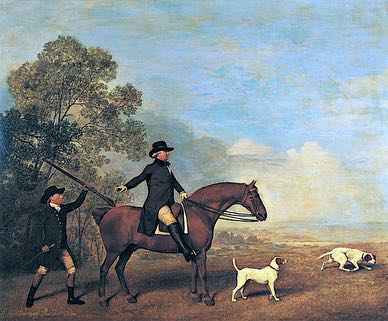
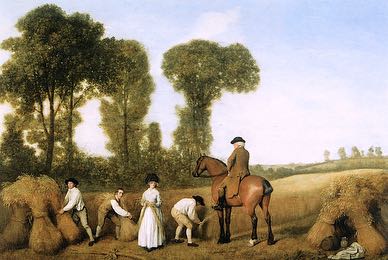
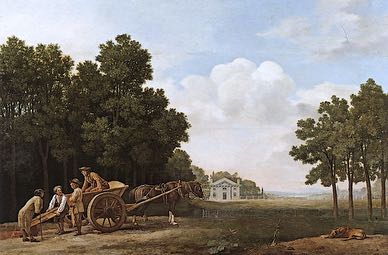


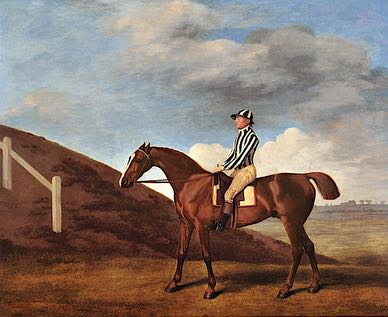
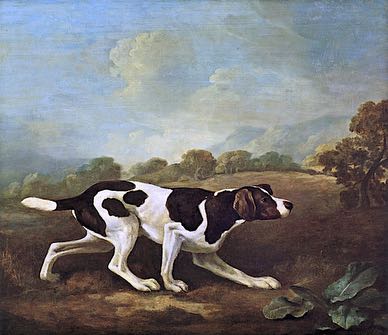
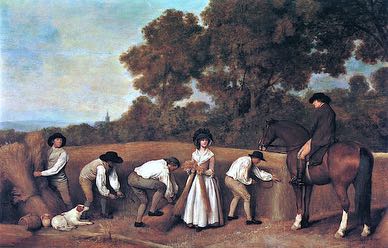


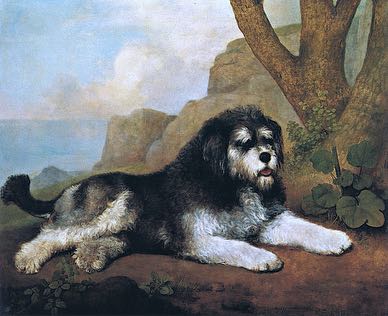
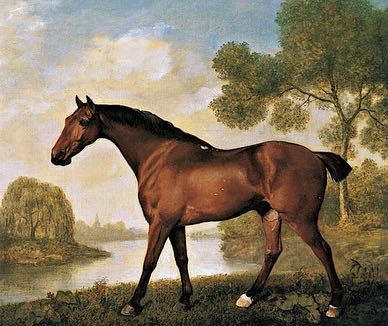
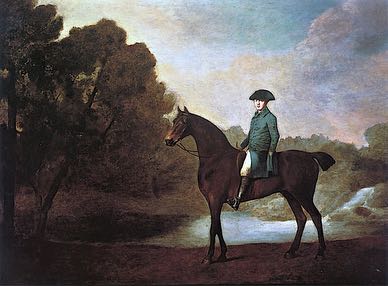


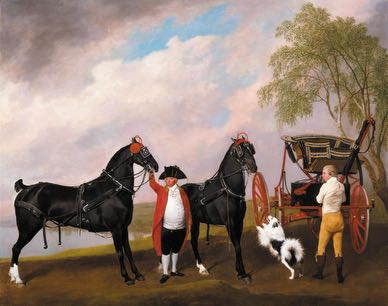


Can’t Find the Painting You Want?
Send us a reference image. We can recreate almost any artwork in the size and style you’re looking for.
Get a Free QuoteHand-Painted George Stubbs Reproductions
Bring Stubbs’s art into your home with an oil-on-canvas reproduction hand-painted by a professional artist. Our collection features hundreds of paintings from across his career, including Whistlejacket, Gimcrack on Newmarket Heath, and Zebra. Discover thoroughbred racehorses, hunters with sporting dogs, exotic animals, scenes of rural labor, and other subjects closely associated with Stubbs. Every reproduction is a real oil painting, offering depth and texture that a print or digital transfer cannot provide. From iconic masterpieces to lesser-known works, find a Stubbs painting that suits your space.
The Making of a George Stubbs Oil Painting Replica
Creating a George Stubbs oil painting replica requires patience, precision, and an understanding of the original artwork. Our studio includes artists who specialize in equestrian painting and understand the distinctive qualities of Stubbs’s work. The artist begins by studying the source image, then recreates its precise anatomy, controlled modeling, natural textures, and Stubbs’s alert sense of animal character on canvas using traditional oil-painting methods. After completion, the painting is inspected by our quality-control team and photographed for your approval. The result is a carefully executed oil painting that reflects the visual character of the original.
Custom Sizes and Frames for Your Stubbs Painting
Your Stubbs painting can be ordered in practically any size, from popular standard dimensions to custom canvas sizes selected directly on the product page. This flexibility lets you choose a painting that fits your wall and complements your room perfectly. After selecting the size, you can choose from high-quality frames in classic or modern designs, with professional canvas stretching also available. Our framing options complement the natural colors and balanced settings of Stubbs’s paintings. With sizing, stretching, and framing arranged in one order, your artwork can arrive ready for display without a separate visit to a frame shop.
Order a George Stubbs Reproduction with Confidence
Buying hand-painted art online should feel clear and comfortable. After your George Stubbs reproduction is completed, we send high-resolution photographs for your review before shipping. You can inspect the animal anatomy, colors, setting, and overall finish, then request adjustments if needed. The painting is dispatched only after you approve it, so you know what to expect when it arrives. Your order also includes free express worldwide shipping and is covered by our 90-day return policy. Together, these assurances help you purchase a Stubbs oil painting with greater confidence and peace of mind.
The Life and Art of George Stubbs
George Stubbs was an English painter, anatomist, and printmaker whose study of animal bodies shaped his art. Born in Liverpool in 1724, he built a career painting horses for aristocratic owners and racing patrons. His interests extended to sporting dogs, unfamiliar species brought to Britain, human portraits, and country labor. Careful observation gave his animals weight and individuality, whether standing quietly or recoiling from danger. The Anatomy of the Horse, published in 1766, established his authority beyond painting. Experiments with engraving and enamel continued throughout his career, revealing a curiosity that reached well beyond the sporting subjects for which he became famous.
Read More
How Did a Liverpool Leather Worker’s Son Become an Artist?
George Stubbs was born in Liverpool on 25 August 1724. His father, John Stubbs, worked as a currier, finishing and selling leather. George spent part of his youth in the family trade before turning toward painting. His later knowledge of animal bodies came from sustained drawing and anatomical investigation, rather than conventional studio training alone.
His formal artistic education was brief. As a teenager he worked for a short time with the local painter Hamlet Winstanley, but the arrangement did not last. Stubbs learned largely through independent study, close observation, and the practical demands of portrait commissions in northern England.
During the 1740s and early 1750s, he worked around York and painted people as well as animals. He also studied anatomy at York County Hospital and prepared illustrations for physician John Burton’s book on midwifery. A visit to Italy in 1754 exposed him to classical sculpture and Renaissance art, yet his mature work remained rooted in the conviction that sustained attention to nature was the surest basis for painting.
What Drew Stubbs Toward Anatomy?
Stubbs wanted to understand how visible movement arose from structures beneath the skin. Human anatomy gave him an early foundation, but no existing publication described the horse with the detail he required. He therefore undertook a demanding investigation of his own.
From 1756 to 1758, Stubbs worked in a barn at Horkstow in Lincolnshire, assisted by Mary Spencer, his lifelong partner. Horse carcasses were suspended so that he could dissect them layer by layer. At successive stages he drew the skeleton, muscles, blood vessels, nerves, and other tissues from several viewpoints.
The work was difficult, slow, and physically taxing, but its purpose was not simply scientific classification. Stubbs was building a working knowledge of balance, weight, tension, and movement. In later paintings, that knowledge allowed him to distinguish a resting mare from an alert hunter or a trained racehorse from a terrified animal under attack.
How Was The Anatomy of the Horse Created?
Stubbs brought his anatomical drawings to London around 1759. Publishers recognized their quality, but finding an engraver capable of translating their precision proved difficult. He learned the process himself and prepared the plates that eventually appeared in The Anatomy of the Horse in 1766.
The book presents the skeleton and successive layers of muscles from several viewpoints, relating the horse’s outward form to the structures beneath it. Its clarity made it useful to artists, breeders, veterinarians, and readers interested in natural science. The plates also gave Stubbs a professional authority that ordinary sporting painters could not claim.
Anatomy did not make his paintings mechanical. He adjusted poses for visual force, selected telling details, and used expression to suggest an individual animal’s temperament. The book supplied knowledge, but composition and imagination turned that knowledge into art.
Why Did Racing Patrons Value His Work?
Eighteenth-century racing joined sport, breeding, gambling, landownership, and aristocratic identity. Owners wanted accurate records of celebrated horses, but they also wanted paintings that communicated pedigree, discipline, wealth, and competitive success. Stubbs could satisfy both purposes without reducing an animal to a decorative possession.
His early patrons included members of the Jockey Club and powerful landowners such as the Duke of Richmond, the Marquess of Rockingham, and Viscount Bolingbroke. Commissions took him to country estates, training grounds, studs, and Newmarket Heath. Grooms, trainers, jockeys, and owners often appear beside the horses whose daily care made racing possible.
Gimcrack on Newmarket Heath, painted around 1765, shows the famous gray horse twice: racing in the distance and standing in the foreground after exercise. The repeated figure connects public achievement with the quieter labor of training, rubbing down, and stable management.
What Makes Whistlejacket More Than a Sporting Portrait?
Whistlejacket, painted around 1762 for the Marquess of Rockingham, presents a life-size chestnut stallion rearing against a plain golden ground. No rider, saddle, groom, landscape, or racing trophy competes for attention. Rockingham owned classical sculpture as well as racehorses, and the picture gives his prized animal the commanding scale associated with grand human portraiture. Its ambition grew within a patronage culture that joined collecting, breeding, and aristocratic display.
Anatomical knowledge gives the body credibility, from the weight carried by the hind legs to the strain across the abdomen and forequarters. Yet the pose is carefully designed rather than copied from one frozen instant. Stubbs turns the head toward the viewer, opens the nostrils, raises the ears, and lets the eye register both alertness and contained force.
The empty setting was once treated as evidence that the painting was unfinished, but technical study has not supported that story. Its spareness is the source of its authority. Whistlejacket is simultaneously a portrait of one identifiable Arabian racehorse, an image of cultivated breeding, and a startling encounter with animal energy beyond human control.
Where Do People Fit Within Stubbs’s Animal Paintings?
Stubbs never abandoned human portraiture. He painted owners, riders, grooms, trainers, families, and country workers, often placing people and animals on nearly equal terms. His open-air conversation pieces use posture, spacing, clothing, reins, and exchanged glances to describe relationships that an indoor portrait could not show.
John and Sophia Musters Riding at Colwick Hall, dated 1777, turns a marriage portrait into a mounted procession. Sophia rides in front beneath a sweeping red cloak, John follows, and dogs move alongside them. The house and estate establish social position, but the differing poses give each participant a separate presence.
In works such as Haymakers and Reapers, Stubbs turned his attention to rural labor. Like Thomas Gainsborough, he could make country life both observed and idealized. The people are engaged in recognizable work, while rhythm, clear profiles, and calm landscape turn their activity into a carefully ordered image.
Why Did He Return to Lions and Other Exotic Animals?
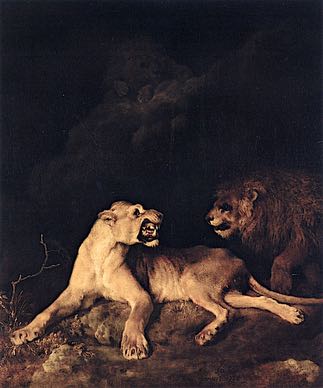
The encounter between a horse and a lion occupied Stubbs for roughly three decades. He painted the horse first sensing danger, then recoiling in fear, resisting attack, or collapsing beneath the predator. Classical sculpture and the dramatic tradition of animal combat offered precedents, but repeated study allowed him to examine terror, violence, vulnerability, and instinct as a changing sequence.
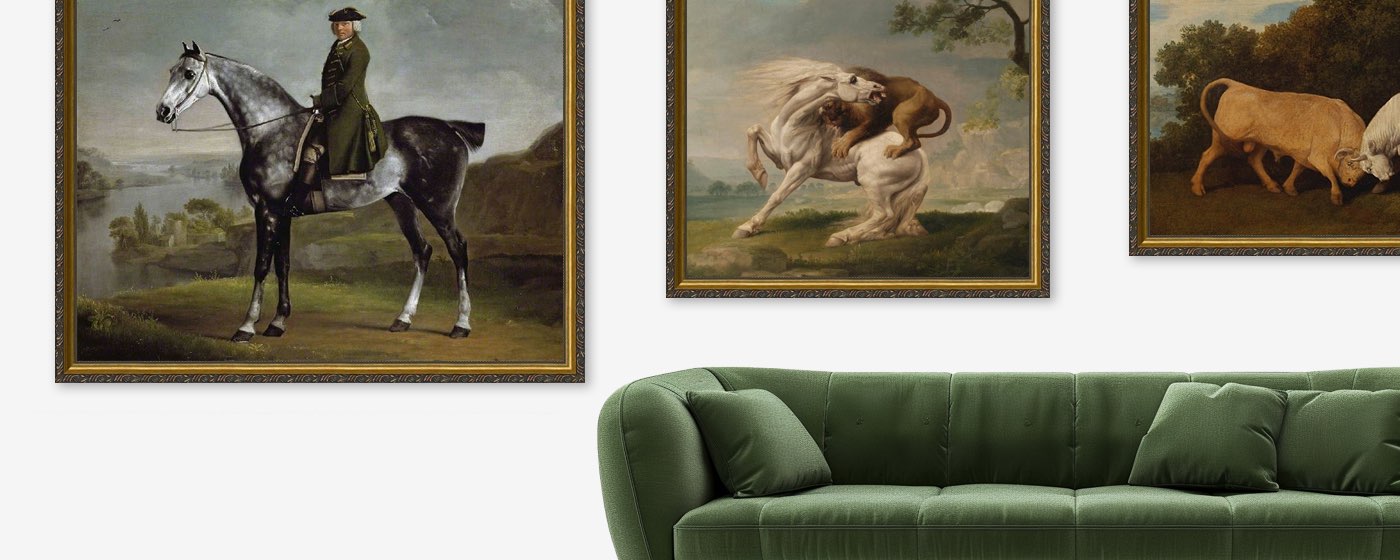
A Horse Frightened by a Lion makes suspense more important than impact. The horse twists toward a threat emerging from darkness, and its widened eye transforms anatomy into emotion. In A Lion Attacking a Horse, the struggle has become immediate and physical.
Stubbs also studied animals newly brought to Britain through trade, diplomacy, collecting, and imperial expansion, including zebras, monkeys, moose, rhinoceroses, kangaroos, and large cats. Cheetah with Two Indian Servants and a Deer records an animal sent from India for an attempted hunt at Windsor. The painting is visually remarkable, but its displaced animal and attendants also belong to the history of British colonial power and elite spectacle.
In Zebra, painted in 1763, a single animal stands in a wooded setting. Stubbs studies the pattern of its coat and the shape of its body with the same care he brought to prized horses. The zebra had been sent to Queen Charlotte from southern Africa, connecting this quiet animal portrait with the movement of living creatures through royal collecting and colonial trade.
Which New Materials Kept Him Experimenting?
Stubbs worried about the durability of oil paint and repeatedly tested other surfaces and techniques. He painted on copper and tried porcelain before working with his friend Josiah Wedgwood to develop larger ceramic tablets capable of surviving the heat required for enamel colors.
Enamel was difficult to control because colors changed during firing, and a large plaque could crack or distort. Stubbs nevertheless used the method for portraits, animals, and narrative scenes. His enamel self-portrait of 1781 presents the painter and anatomist in a medium whose technical risks matched his experimental ambition.
Printmaking remained equally important. Beyond the plates for The Anatomy of the Horse, he translated many animal compositions into etched and engraved images. Late in life he returned to anatomy through a comparison of the human body, a tiger, and a common fowl. Parts of this ambitious project appeared between 1804 and 1806, but his death prevented its completion.
Which Paintings Define Stubbs’s Remarkable Range?
Stubbs’s career reached well beyond straightforward records of racehorses. These works reveal how anatomy, portraiture, sporting culture, animal emotion, social identity, and technical experiment met across his art:
- Whistlejacket, circa 1762: A riderless stallion commands the scale and visual authority normally reserved for heroic human portraiture.
- Zebra, 1763: A solitary animal in a wooded setting brings close observation to a species then unfamiliar to most British viewers.
- A Lion Attacking a Horse, 1762: A violent meeting of predator and prey turns anatomical study into concentrated drama.
- Five Brood Mares, mid-1760s: Subtle differences of stance and temperament animate a frieze-like group of valuable breeding animals.
- Gimcrack on Newmarket Heath, circa 1765: One composition joins the excitement of racing with the skilled work that continues after the finish.
- Cheetah with Two Indian Servants and a Deer, circa 1765: Animal portraiture records an imperial gift and the unequal world through which it reached Britain.
- John and Sophia Musters Riding at Colwick Hall, 1777: Horses, dogs, architecture, and dress extend a double portrait into an image of marriage and estate life.
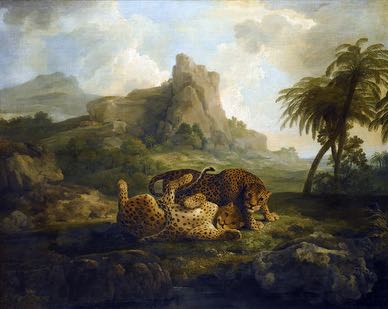
- Tygers at Play, 1776: Two leopards replace violent combat with watchful movement and physical play beneath sheltering rocks.
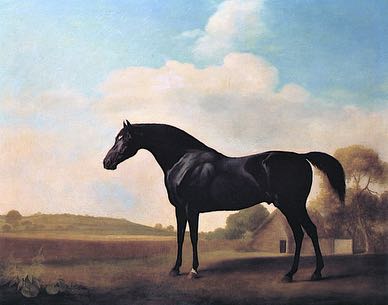
- A Bay Hunter with Two Spaniels, late eighteenth century: Horse and dogs become an alert, balanced group without requiring their owner’s presence.
- Haymakers: Rural work becomes a carefully arranged scene in which figures and landscape share the viewer’s attention.
How Has Stubbs’s Reputation Changed?
Stubbs held important positions in the Society of Artists and served as its president in 1772. His standing at the Royal Academy was less secure. He was elected an associate in 1780 and nominated as a full Academician in 1781, but the election was never ratified because he did not submit the required diploma painting. Animal and sporting art also ranked below history painting within academic theory.
He continued working into old age and died in London on 10 July 1806. For much of the nineteenth century, his name remained closely tied to racing and country-house collections. That narrow label preserved his popularity among sporting enthusiasts but obscured his portraits, rural subjects, prints, enamel paintings, and intellectual engagement with comparative anatomy.
Twentieth-century scholarship and collecting restored the breadth of his achievement. Stubbs is now valued not because anatomical accuracy made him a neutral recorder, but because knowledge allowed him to invent more convincing images. He understood animals as particular beings shaped by training, fear, strength, age, and attention. By giving them the presence traditionally granted to people, he expanded both British portraiture and the artistic meaning of the natural world.
Copyright © 2026 BrushWiz. All Rights Reserved.
About Our George Stubbs Paintings
Are your George Stubbs reproductions painted by hand?
Yes. Every reproduction is individually painted by hand in oil on canvas by a professional artist. We do not use prints, digital transfers, or mechanical reproduction methods.
How closely do your Stubbs copies resemble the original?
Our artists work to capture the composition, colors, texture, and visual character of the original Stubbs painting as closely as possible. Because every reproduction is painted by hand, small variations are natural and make each canvas unique.
How long does a Stubbs reproduction take to complete?
Most Stubbs reproductions require approximately two to three weeks to paint, dry, and inspect. Production time may vary depending on the artwork and canvas size, so check the estimate displayed on the product page.
Can I request a George Stubbs painting that is not listed?
Yes. If you cannot find the George Stubbs artwork you want in our catalog, send us the painting’s title or an image. Our team will review your request and confirm the available sizes, estimated production time, and price.
Will I receive approval photos before shipping?
Yes. We send high-resolution photographs of the completed painting for your approval. You can request adjustments if needed, and the painting will not be dispatched until the review process is complete.
Are custom canvas sizes available for Stubbs paintings?
Yes. We offer custom dimensions in addition to the standard sizes shown on the product page. Select the dimensions you need directly from the available size options.
May I order my Stubbs painting with a frame?
Yes. High-quality frames in classic and modern designs are available for many paintings. You can view compatible framing options and add your preferred design from the product page. Professional canvas stretching is also available.
What determines the price of a George Stubbs reproduction?
The price depends on the selected artwork, canvas dimensions, and framing option. Choose your preferred configuration on the product page to see the current price before ordering.
Is free express worldwide shipping included?
Yes. Stubbs reproductions qualify for free express worldwide shipping. After dispatch, delivery usually takes five to eight business days, although timing may vary by country and destination.
Which return policy covers Stubbs reproductions?
Orders are covered by our 90-day return policy. Review the current return-policy page before ordering for complete information about eligibility, time limits, and the return process.
Why BrushWiz?
100% Hand Painted
Every piece is entirely handmade
Museum Quality
Faithfully recreated by expert artists
Custom Framing
Choose from a wide range of frames
Free Shipping
Enjoy free shipping on all orders
Cash Back Rewards
Earn cash back with every purchase