

❄️ Winter Sale. Offer Ends 11/21/2026. View Details
❄️ Winter Sale. Ends 11/21/2026. View Details
❄️ Winter Sale. View Details
Artists
Subjects
Movements
Collections
Decor
Portraits
Commissions
Framing
Reviews
Gift Cards
On Sale
Thomas Gainsborough Oil Painting Reproductions
Shop museum-quality reproductions of Thomas Gainsborough’s most famous paintings, each hand-painted in oil on canvas by a professional artist.
Shop Art
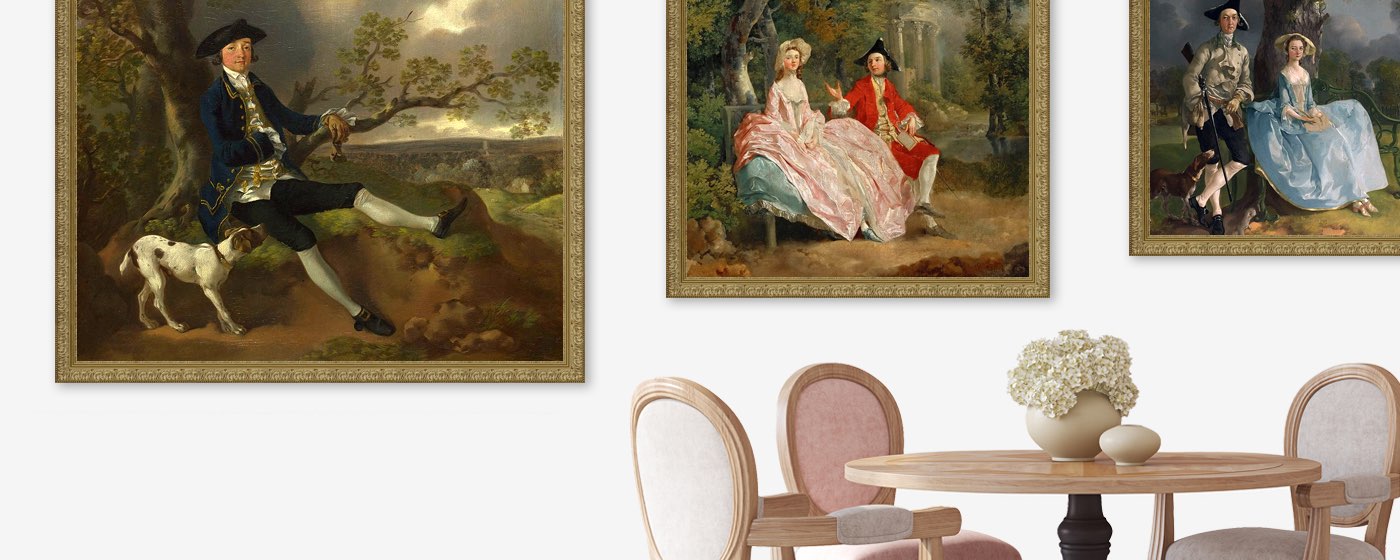
Showing 1-40 of 438 results
Sort By
Most Popular
- Most Popular
- New Arrivals
- Best Sellers
- Alphabetical A-Z
- Alphabetical Z-A
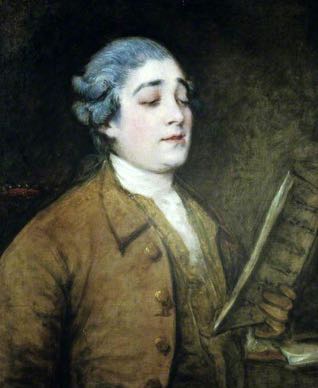
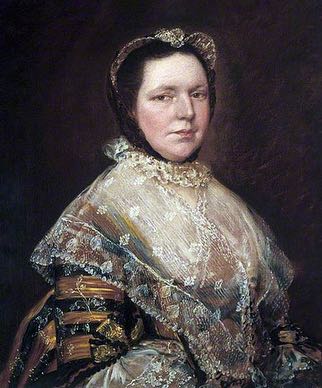
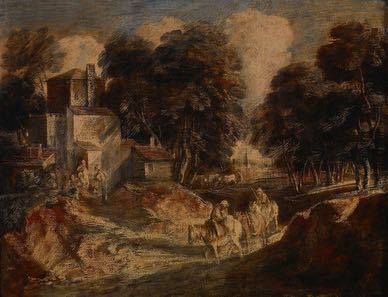

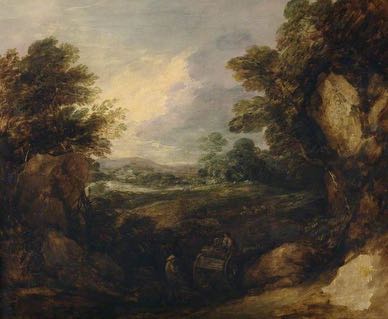

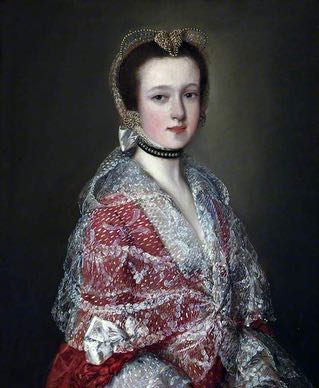
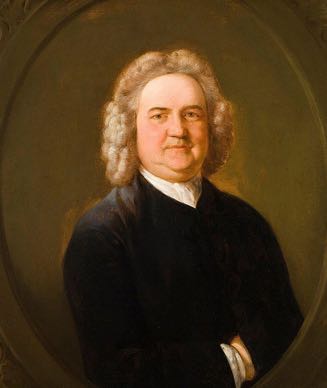
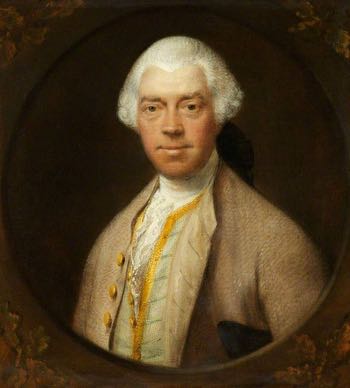

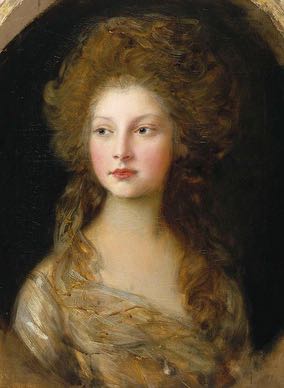


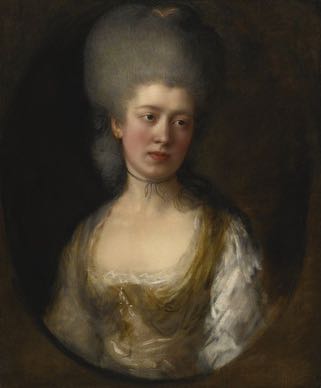
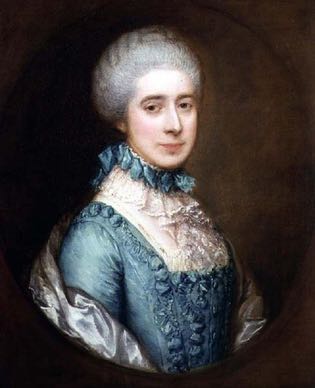
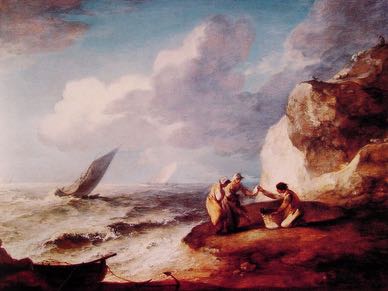
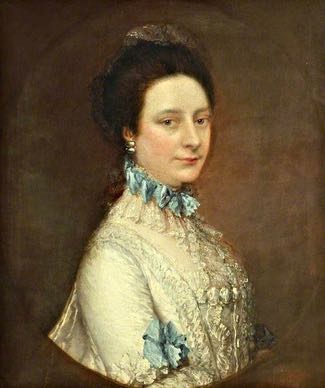
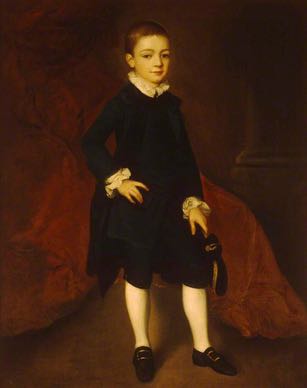
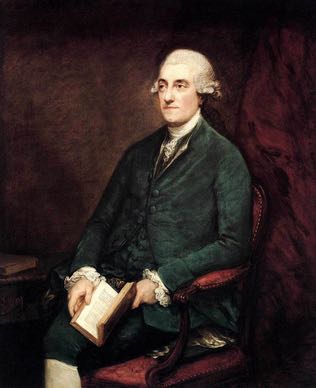
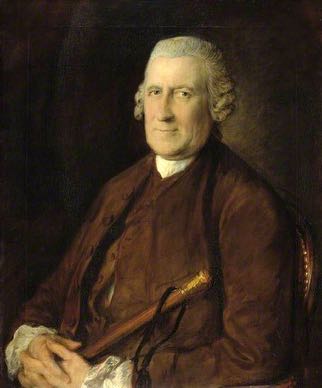


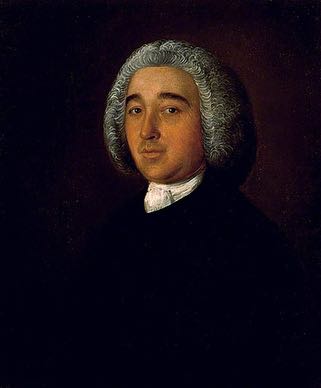
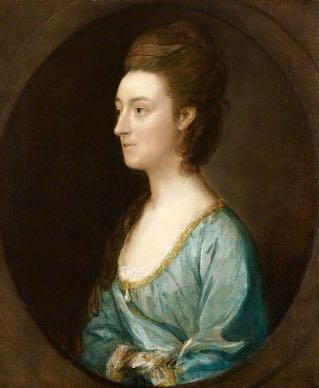
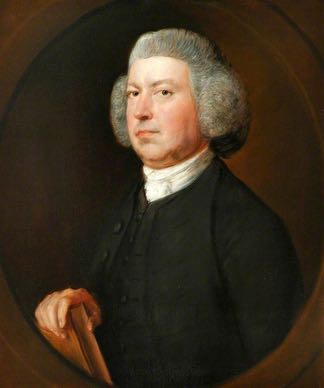
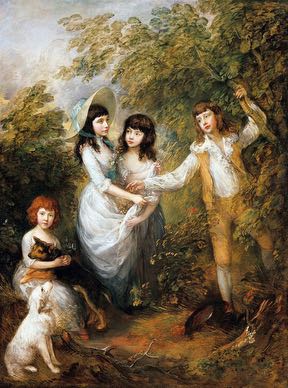


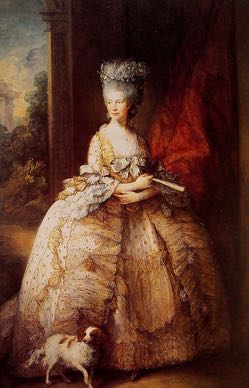

From: $600.00$300.00

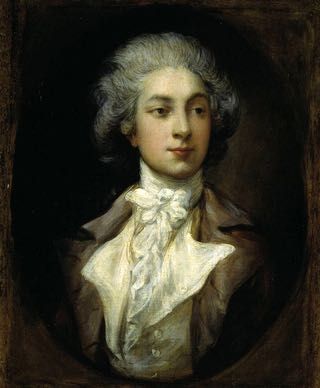
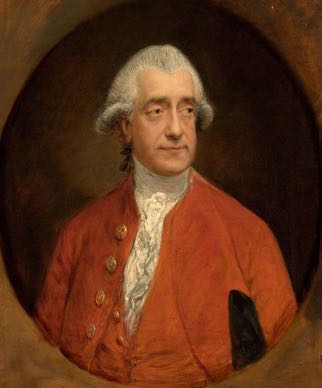

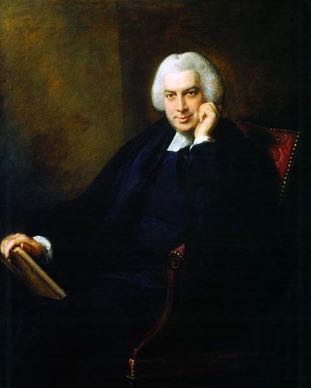


Can’t Find the Painting You Want?
Send us a reference image. We can recreate almost any artwork in the size and style you’re looking for.
Get a Free QuoteHand-Painted Thomas Gainsborough Reproductions
Bring Gainsborough’s art into your home with an oil-on-canvas reproduction hand-painted by a professional artist. Our collection features hundreds of paintings from across his career, including The Blue Boy, Mr and Mrs Andrews, and The Watering Place. Discover elegant society portraits, wooded landscapes, family groups, rural travelers, and other subjects closely associated with Gainsborough. Every reproduction is a real oil painting, offering depth and texture that a print or digital transfer cannot provide. From iconic masterpieces to lesser-known works, find a Gainsborough painting that suits your space.
The Making of a Thomas Gainsborough Oil Painting Replica
Creating a Thomas Gainsborough oil painting replica requires patience, precision, and an understanding of the original artwork. Our studio includes artists who specialize in Rococo painting and understand the distinctive qualities of Gainsborough’s work. The artist begins by studying the source image, then recreates its elegant poses, atmospheric landscape, delicate color, and Gainsborough’s flowing, feathery brushwork on canvas using traditional oil-painting methods. After completion, the painting is inspected by our quality-control team and photographed for your approval. The result is a carefully executed oil painting that reflects the visual character of the original.
Custom Sizes and Frames for Your Gainsborough Painting
Your Gainsborough painting can be ordered in practically any size, from popular standard dimensions to custom canvas sizes selected directly on the product page. This flexibility lets you choose a painting that fits your wall and complements your room perfectly. After selecting the size, you can choose from high-quality frames in classic or modern designs, with professional canvas stretching also available. Our framing options complement the refined colors and graceful character of Gainsborough’s paintings. With sizing, stretching, and framing arranged in one order, your artwork can arrive ready for display without a separate visit to a frame shop.
Order a Thomas Gainsborough Reproduction with Confidence
Buying hand-painted art online should feel clear and comfortable. After your Thomas Gainsborough reproduction is completed, we send high-resolution photographs for your review before shipping. You can inspect the composition, colors, figures, and overall finish, then request adjustments if needed. The painting is dispatched only after you approve it, so you know what to expect when it arrives. Your order also includes free express worldwide shipping and is covered by our 90-day return policy. Together, these assurances help you purchase a Gainsborough oil painting with greater confidence and peace of mind.
The Life and Art of Thomas Gainsborough
Thomas Gainsborough was an English painter who brought unusual freshness to eighteenth-century portraiture and landscape. Born in Suffolk in 1727, he trained in London before building successful practices in Ipswich, Bath, and the capital. Fashionable sitters sought his elegant poses, shimmering fabrics, and lively brushwork, while Gainsborough himself repeatedly described landscape as his deeper artistic pleasure. He joined people and scenery with particular ease, placing landowners, musicians, children, and royal figures within settings that contribute to their character. A founding member of the Royal Academy and a favorite painter of George III’s family, he also developed poetic woodland scenes that drew lessons from Dutch and Flemish masters. His portraits and landscapes shaped British painting well beyond his death in 1788.
Read More
Who Was Thomas Gainsborough?
Thomas Gainsborough was born in Sudbury, Suffolk, and baptized there on 14 May 1727. His father, John Gainsborough, was a cloth merchant, and the family lived within a region shaped by wool production, market towns, river valleys, and cultivated farmland. Those surroundings remained important even after the artist’s career carried him far from Suffolk.
Gainsborough became one of the leading British painters of the eighteenth century. He earned his living principally through portraits, yet landscapes occupied his imagination throughout his life. Some of his most original works refuse to keep the two genres apart: sitters appear within fields, parks, and woodland settings that reveal property, status, movement, or mood.
His career unfolded in four main locations: London during his training, Suffolk during his early independence, Bath during his rise to fashionable success, and London again during his final years as a rival to the most prominent portraitists of the day.
How Did Gainsborough Learn His Craft in London?
Gainsborough left Sudbury for London around 1740, when he was about thirteen. He studied with the French-born engraver and illustrator Hubert-François Gravelot, whose delicate line and knowledge of Rococo design helped shape the young artist’s sense of movement, gesture, and decorative elegance.
He also worked in the orbit of Francis Hayman and attended the St Martin’s Lane Academy, where artists drew from the figure and encountered a less formal alternative to older institutions. London introduced him to portraiture, theatrical decoration, book illustration, and the collaborative habits of commercial workshops.
Landscape developed through a different kind of study. Gainsborough examined Dutch seventeenth-century paintings and prints, particularly wooded views by artists such as Jacob van Ruisdael and Jan Wijnants. Their winding roads, changing skies, and ordinary rural activity offered a practical model for turning familiar English countryside into art.
What Did the Suffolk Years Add to His Painting?
After marrying Margaret Burr in 1746, Gainsborough worked briefly in London before returning to Sudbury and then settling in Ipswich. Portrait commissions from local merchants, clergy, landowners, and their families provided income, while the surrounding countryside gave him subjects for drawings and paintings.
Mr and Mrs Andrews, painted around 1750, shows a newly married couple beside fields belonging to their estate. Their clothing, pose, gun, oak tree, livestock, and carefully recorded farmland all contribute to the image. The landscape is not decorative background; it makes property and social position visible.
Other early works focus on roads, ponds, churches, trees, and small figures moving through Suffolk. Their close observation reflects Dutch influence, but Gainsborough often softened literal description with changing light and an atmosphere of memory. This tension between recognizable place and poetic invention remained central to his landscapes.
Why Did Bath Make Gainsborough a Fashionable Portraitist?
Gainsborough moved to Bath in 1759. The prosperous spa attracted aristocrats, politicians, military officers, writers, actors, and wealthy visitors who expected to have their likenesses painted during the social season. The city offered a much larger and richer clientele than Ipswich.
He raised his prices, moved into more impressive premises, and began producing full-length portraits suited to grand houses. His sitters appear at ease even when the clothes, columns, draperies, and landscapes around them communicate considerable status. Rapid-looking strokes give lace, silk, feathers, and powdered hair a sense of movement.
Bath also brought friendships with musicians and performers. Gainsborough painted members of the Linley family, actor David Garrick, and composer Johann Christian Bach. Conversation and music mattered to him personally, and portraits of creative friends often feel less guarded than formal commissions.
How Did Van Dyck Influence Gainsborough’s Portraits?
Anthony van Dyck had transformed British court portraiture in the seventeenth century through elongated poses, elegant hands, rich fabrics, and figures who seem both aristocratic and naturally at ease. Gainsborough studied and copied his work, recognizing a tradition that could lend authority to modern sitters.
The Blue Boy, painted around 1770, makes that connection explicit. Jonathan Buttall wears a blue satin costume based on seventeenth-century dress and stands against a restless landscape. The shimmering suit is historical play rather than contemporary fashion, but the confidence and physical immediacy are Gainsborough’s own.
Influence did not mean imitation. Van Dyck’s surfaces are often controlled and courtly, while Gainsborough increasingly let thin sweeps, broken highlights, and feathery touches remain visible. Viewed closely, a sleeve or ribbon may almost dissolve; from a distance, it gathers into convincing fabric and movement.
Why Did Landscape Remain His Favorite Kind of Painting?
Portraits paid the bills, but Gainsborough’s letters reveal a recurring wish to leave fashionable clients behind and paint landscapes. He drew constantly, made oil studies, and constructed larger rural scenes from imagination. These paintings rarely reproduce one exact view, even when individual trees, roads, animals, and weather feel closely observed.
Dutch art remained important, and later Gainsborough responded strongly to the color and energy of Peter Paul Rubens. The Watering Place turns cattle, figures, trees, water, and glowing distance into a broad pastoral drama. Its grandeur helped demonstrate that an English landscape could command the scale and attention of a major exhibition picture.
These scenes are beautiful but not simple records of country life. Laborers, woodcutters, carts, livestock, cottages, and traveling families appear within carefully composed nature. Their small scale can make the landscape seem generous, precarious, or beyond any single person’s control.
What Changed After Gainsborough Returned to London?
In 1774, Gainsborough moved to Schomberg House in Pall Mall, placing his studio near aristocratic patrons and the royal court. He became a favorite painter of George III, Queen Charlotte, and their children, producing official images while retaining a softer and more fluid manner than many court portraits.
His principal rival was Joshua Reynolds, the first president of the Royal Academy. Reynolds built portraits through historical reference and formal theory; Gainsborough generally preferred contemporary dress, shifting surfaces, and an appearance of spontaneous life. Their differences gave British portraiture two powerful models.
Gainsborough had helped found the Royal Academy in 1768, but his relationship with it became increasingly strained. In 1784, anger over where his full-length portraits would be hung led him to withdraw them from the annual exhibition. He thereafter showed new work privately at his Pall Mall residence.
How Did Gainsborough Experiment Beyond Formal Commissions?
Gainsborough drew with chalk, pencil, ink, watercolor, and combinations of media, often working quickly to discover the rhythm of a landscape. He sometimes used unconventional mixtures and varnishes to achieve particular effects, choices that could produce glowing surfaces but also create later conservation problems.
He made miniature landscape models from stones, branches, cork, clay, and other materials, arranging them under controlled light before drawing or painting. Near the end of his life, he developed a viewing box for transparent landscape images illuminated from behind. These experiments show that his apparently natural scenes could begin in a highly artificial studio construction.
Family portraits offered another kind of freedom. Gainsborough repeatedly painted his wife, daughters Mary and Margaret, siblings, nephews, and close friends. In The Painter’s Daughters Chasing a Butterfly, affection matters more than finish. The children’s linked movement and uncertain expressions carry the painting beyond a conventional record of appearance.
Which Paintings Show Gainsborough at His Best?
Gainsborough’s career joined portraiture, family intimacy, rural observation, and invented landscape. These works show how fluently he moved among those interests:
- Mr and Mrs Andrews, about 1750: Marriage, fashion, land ownership, and the closely observed Suffolk countryside share one carefully divided composition.
- The Painter’s Daughters Chasing a Butterfly, about 1756: A fleeting childhood gesture becomes an intimate meditation on closeness and vulnerability.
- The Blue Boy, about 1770: Historic costume, brilliant blue satin, and a stormy landscape create a confident dialogue with Van Dyck.
- The Linley Sisters, about 1772: Elizabeth and Mary Linley appear with the elegance of public performers and the ease of familiar friends.
- The Watering Place, before 1777: Cattle and travelers move through a richly painted woodland scene inspired by the example of Rubens.
- The Honourable Mrs Graham, 1775–1777: Luxurious fabric and a grand landscape frame a sitter whose direct expression resists becoming merely decorative.
- Girl with Pigs, about 1781–1782: A rustic child and animals become a tender fancy picture balanced between observation and invention.
- The Market Cart, 1786: Rural travelers, animals, dense trees, and evening light gather into one of his most ambitious late landscapes.
- Georgiana, Duchess of Devonshire: Fashionable presence is animated by quick brushwork and Gainsborough’s alert response to personality.
Why Does Gainsborough Still Matter to British Art?
Gainsborough died in London on 2 August 1788 after developing cancer. He was buried at St Anne’s Church in Kew, near his friend Joshua Kirby. Reynolds visited him during his final illness and later praised the apparent ease, variety, and close observation of nature that distinguished his work.
His portraits shaped later British painters, including Thomas Lawrence, while his landscapes offered an important precedent for John Constable, who grew up near Gainsborough’s Suffolk countryside. The visible freedom of his brushwork also attracted later viewers who valued process as much as polished finish.
Gainsborough’s achievement lies in the tension between obligation and desire. Portrait commissions made him successful, yet landscape continually renewed his art. Instead of weakening either genre, that divided loyalty allowed him to bring weather and movement into portraiture and human passage into landscape, creating a body of work that remains elegant without feeling fixed.
Copyright © 2026 BrushWiz. All Rights Reserved.
About Our Thomas Gainsborough Paintings
Are your Thomas Gainsborough reproductions painted by hand?
Yes. Every reproduction is individually painted by hand in oil on canvas by a professional artist. We do not use prints, digital transfers, or mechanical reproduction methods.
How closely do your Gainsborough copies resemble the original?
Our artists work to capture the composition, colors, texture, and visual character of the original Gainsborough painting as closely as possible. Because every reproduction is painted by hand, small variations are natural and make each canvas unique.
How long does a Thomas Gainsborough painting take to complete?
Most Gainsborough reproductions require approximately two to three weeks to paint, dry, and inspect. Production time may vary depending on the artwork and canvas size, so check the estimate displayed on the product page.
Can I request a Gainsborough artwork that is not listed?
Yes. If you cannot find the Thomas Gainsborough artwork you want in our catalog, send us its title or an image. Our team will review your request and confirm the available sizes, estimated production time, and price.
Will I receive photos of my painting before shipping?
Yes. We send high-resolution photographs of the completed painting for your approval. You can request adjustments if needed, and the painting will not be dispatched until the review process is complete.
Are custom canvas sizes available?
Yes. We offer custom dimensions in addition to the standard sizes shown on the product page. Select the dimensions you need directly from the available size options.
May I order my Gainsborough painting with a frame?
Yes. High-quality frames in classic and modern designs are available for many paintings. You can view compatible framing options and add your preferred design from the product page. Professional canvas stretching is also available.
What determines the price of a Thomas Gainsborough reproduction?
The price depends on the selected artwork, canvas dimensions, and framing option. Choose your preferred configuration on the product page to see the current price before ordering.
Do Gainsborough reproductions qualify for free worldwide shipping?
Yes. Gainsborough reproductions qualify for free express worldwide shipping. After dispatch, delivery usually takes five to eight business days, although timing may vary by country and destination.
Which return policy covers Thomas Gainsborough reproductions?
Orders are covered by our 90-day return policy. Review the current return-policy page before ordering for complete information about eligibility, time limits, and the return process.
Why BrushWiz?
100% Hand Painted
Every piece is entirely handmade
Museum Quality
Faithfully recreated by expert artists
Custom Framing
Choose from a wide range of frames
Free Shipping
Enjoy free shipping on all orders
Cash Back Rewards
Earn cash back with every purchase