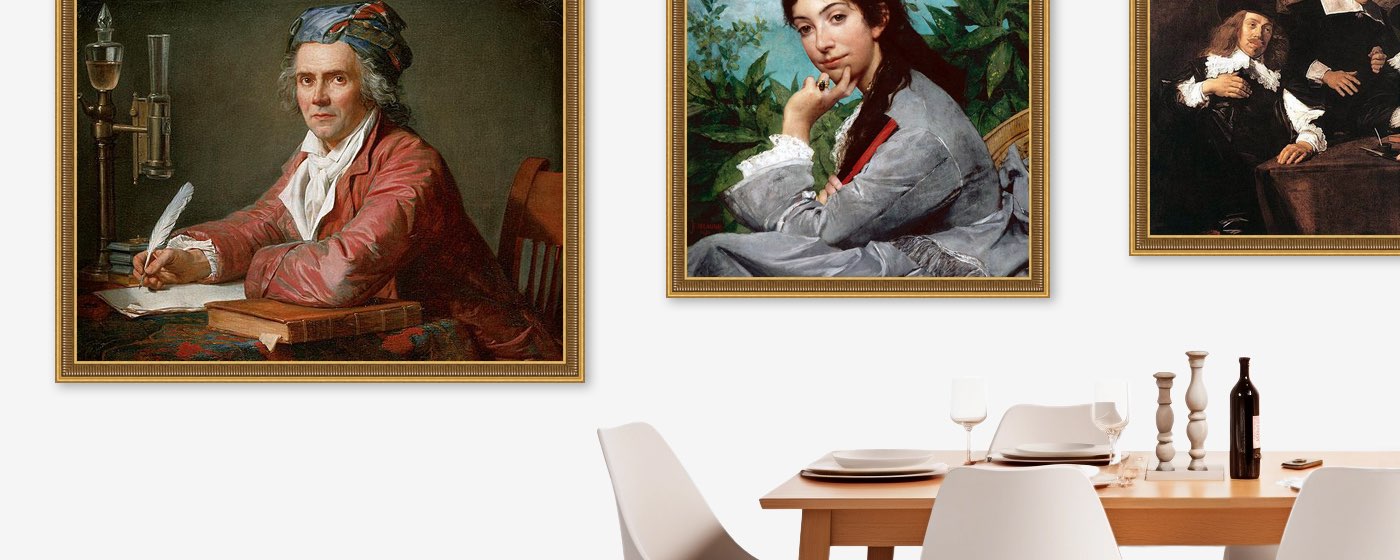
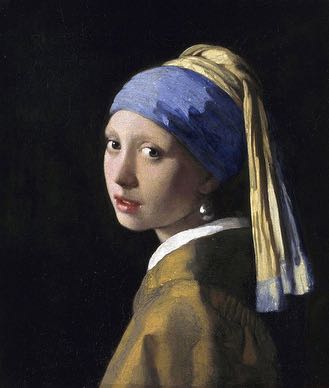
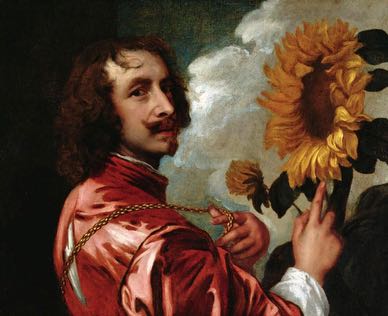
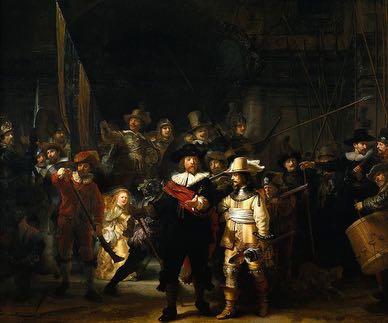
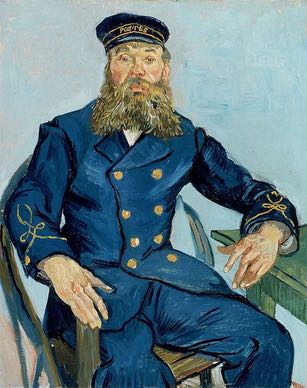
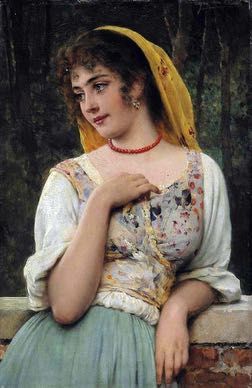
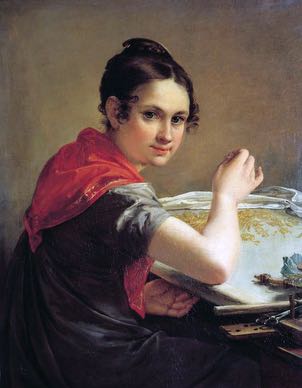
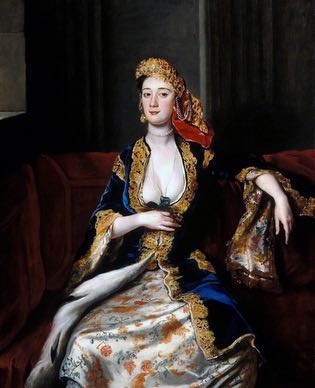
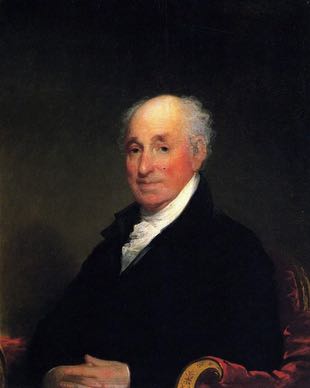
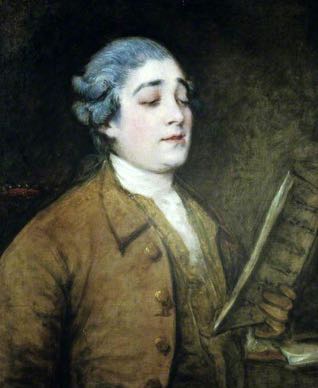
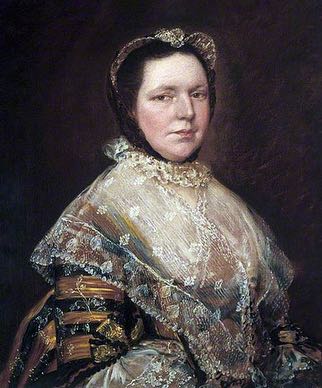
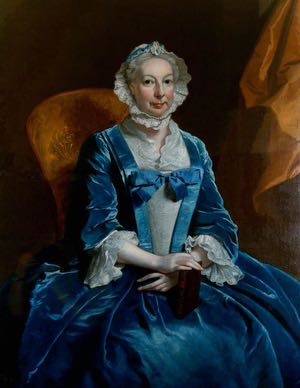
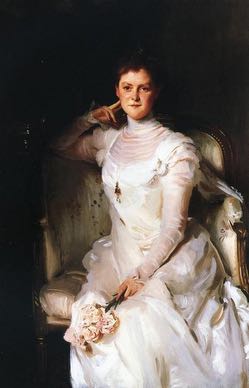
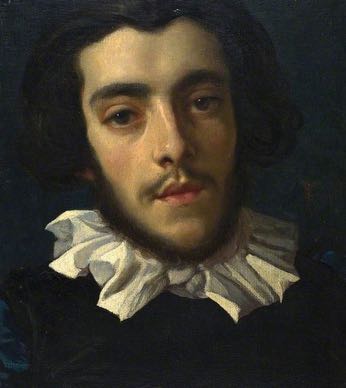
Portrait art has long been a cornerstone of artistic expression, offering a window into the lives, personalities, and statuses of individuals across history. This genre of art focuses on depicting the human face and form, capturing the essence of its subjects through various styles and techniques. From regal monarchs to everyday people, portraits provide valuable insights into the societal values, cultural contexts, and personal narratives of different eras.
The tradition of portraiture dates back to ancient civilizations, where early artists sought to immortalize rulers, deities, and notable figures. In ancient Egypt, portraits of pharaohs and high-ranking officials were often included in tombs and temples, serving both as a tribute and a means of ensuring the subject’s presence in the afterlife. Similarly, ancient Greek and Roman art featured busts and statues of emperors and influential figures, emphasizing their power and legacy.
The Renaissance marked a significant evolution in portrait art, with artists focusing on achieving greater realism and psychological depth. This period saw the development of techniques that captured the intricacies of human expression and the subtleties of individual character. Renaissance masters, with their keen attention to detail and innovation in composition, set new standards for portraiture, emphasizing naturalism and the inner life of their subjects.
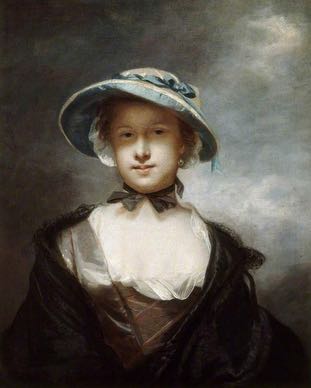
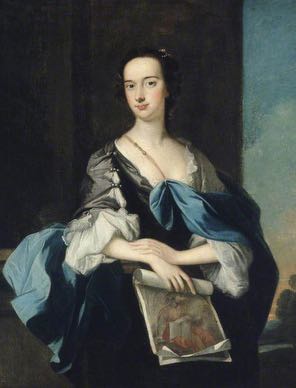
In the 17th and 18th centuries, the Baroque and Rococo periods introduced new dynamics to portrait art. Baroque artists employed dramatic lighting and bold compositions to convey the grandeur and emotion of their subjects, while Rococo artists often focused on the elegance and charm of aristocratic figures. These styles reflected the evolving tastes and social structures of the time, celebrating both the opulence and personal attributes of the portrayed individuals.
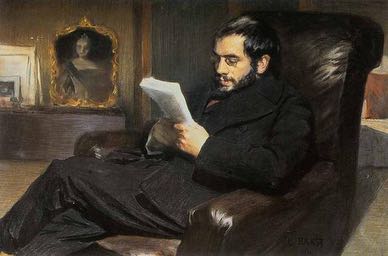
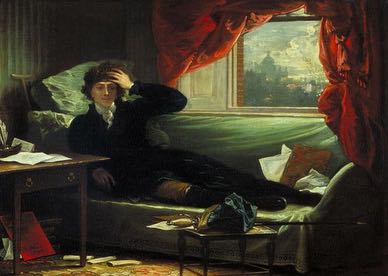
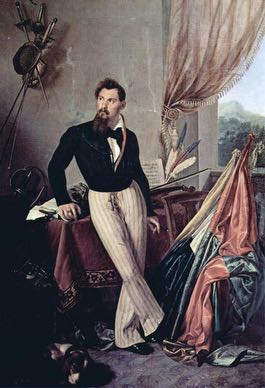
The 19th century brought further innovation with the advent of photography, which revolutionized portrait art. Photographers began to capture more candid and spontaneous images, challenging traditional artistic approaches and influencing how people viewed and represented themselves. At the same time, artists continued to explore new techniques and styles, including Impressionism and Realism, to reflect contemporary experiences and perceptions.
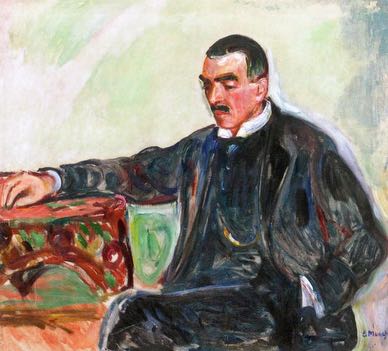
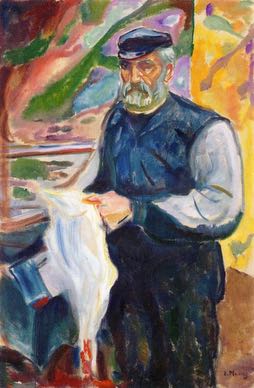
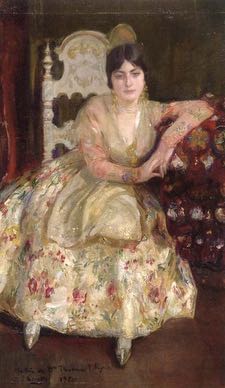
In the 20th and 21st centuries, portrait art has continued to evolve, embracing a wide range of styles and mediums. Modern and contemporary artists have experimented with abstraction, conceptual approaches, and mixed media to explore new dimensions of identity and representation. Portraits in this era often address themes of diversity, personal expression, and social commentary, reflecting the complexities and multiplicities of contemporary life.
Portrait art remains a vibrant and enduring genre, offering a unique perspective on human identity and experience. Whether through classical depictions or modern reinterpretations, portraits capture the essence of their subjects and provide valuable insights into the cultural and personal contexts in which they are created. From historical figures to everyday individuals, portrait art continues to celebrate the diversity and richness of the human condition, highlighting the power and significance of individual representation.
Copyright © 2026 BrushWiz. All Rights Reserved.