
❄️ Winter Sale. Offer Ends 11/26/2026. View Details
❄️ Winter Sale. Ends 11/26/2026. View Details
❄️ Winter Sale. View Details
Artists
Subjects
Movements
Collections
Decor
Portraits
Commissions
Framing
Reviews
Gift Cards
On Sale
Mary Cassatt Oil Painting Reproductions
Shop museum-quality reproductions of Mary Cassatt’s most famous paintings, each hand-painted in oil on canvas by a professional artist.
Shop Art
Showing 1-40 of 300 results
Sort By
Most Popular
- Most Popular
- New Arrivals
- Best Sellers
- Alphabetical A-Z
- Alphabetical Z-A


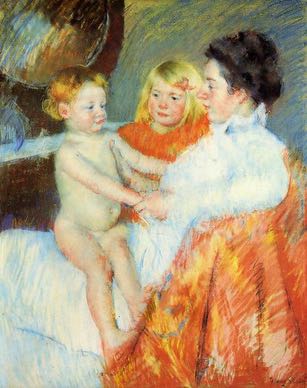
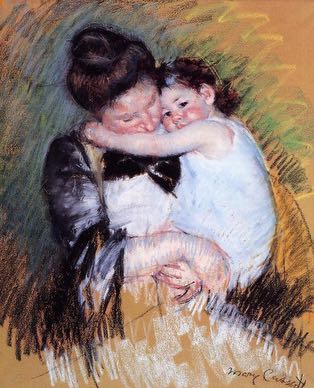

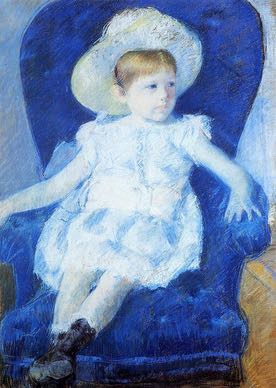
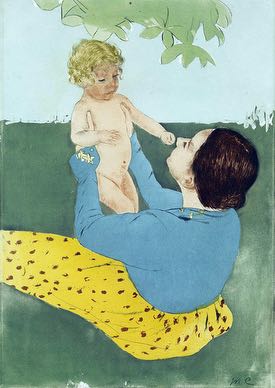

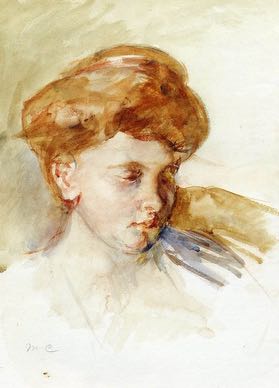
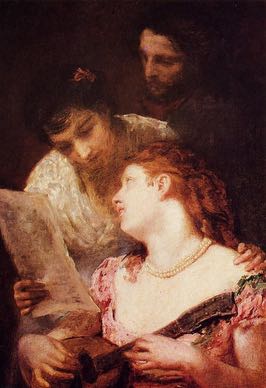
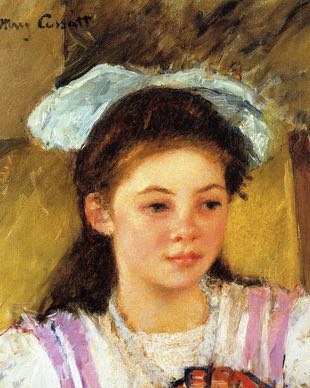
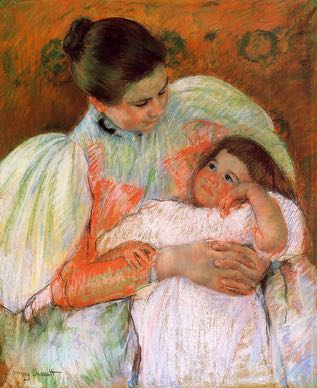


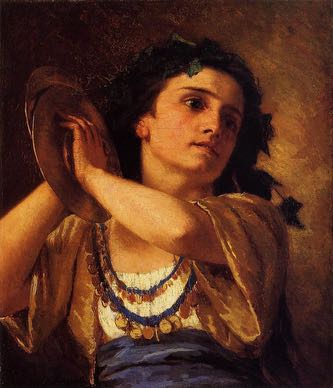
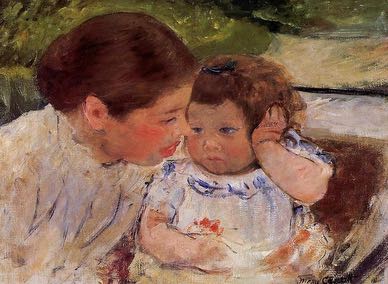
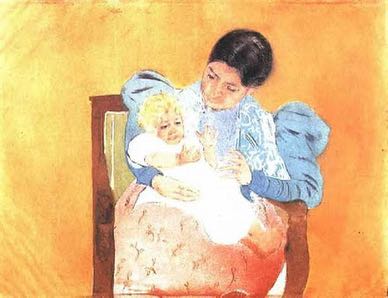
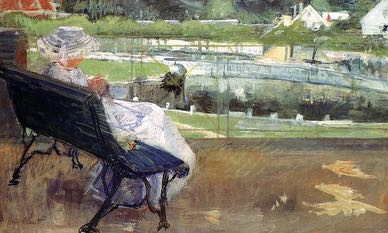

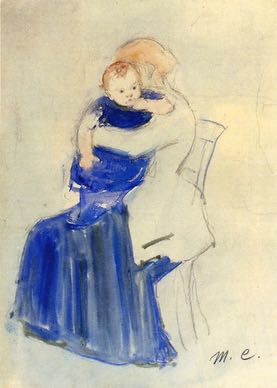
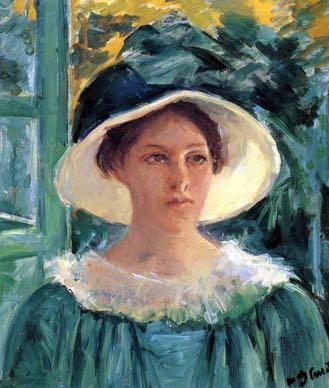
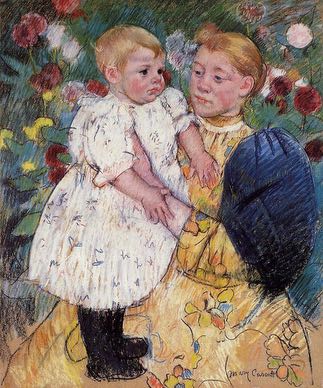
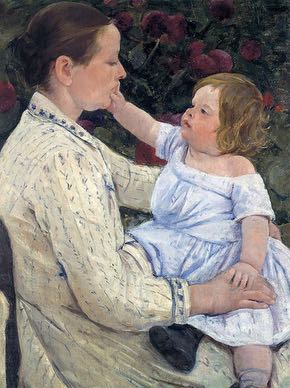
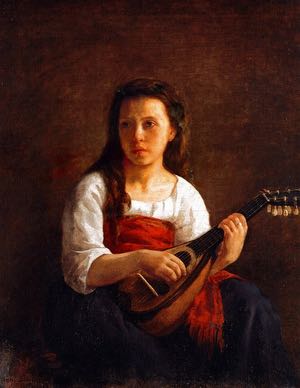
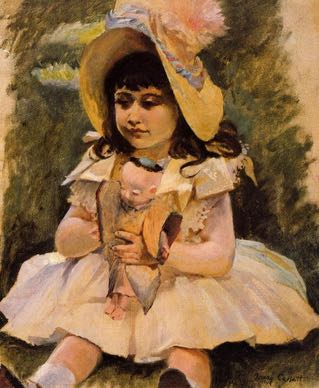
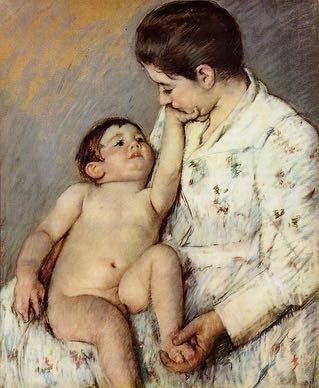
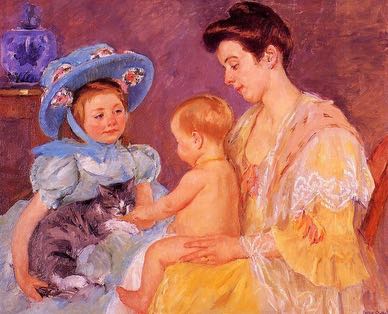

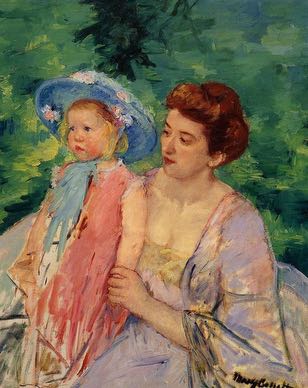
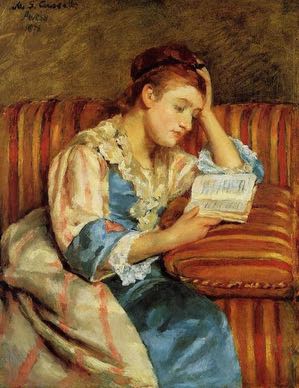
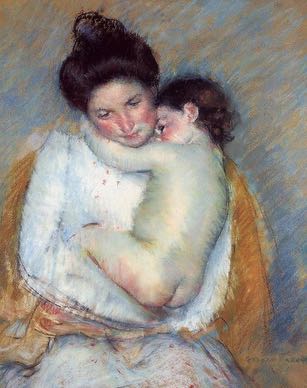
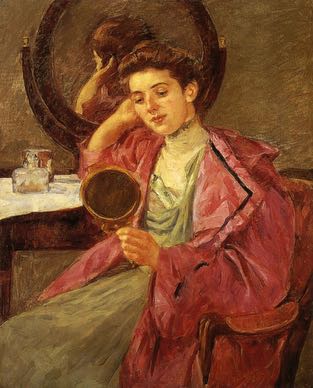
Can’t Find the Painting You Want?
Send us a reference image. We can recreate almost any artwork in the size and style you’re looking for.
Get a Free QuoteHand-Painted Mary Cassatt Reproductions
Bring Mary Cassatt’s art into your home with an oil-on-canvas reproduction hand-painted by a professional artist. Our collection features hundreds of paintings from across her career, including Woman with a Pearl Necklace in a Loge, The Child’s Bath, and Summertime. Discover women at the theater, mothers and children, readers, gardens, quiet domestic scenes, and other subjects closely associated with Cassatt. Every reproduction is a real oil painting, offering depth and texture that a print or digital transfer cannot provide. From iconic masterpieces to lesser-known works, find a Cassatt painting that suits your space.
The Making of a Mary Cassatt Oil Painting Replica
Creating a Mary Cassatt oil painting replica requires patience, precision, and an understanding of the original artwork. Our studio includes artists who specialize in Impressionist painting and understand the distinctive qualities of Cassatt’s work. Before painting begins, the artist studies the source image, paying close attention to its cropped viewpoint, balanced figures, luminous colors, patterned surfaces, expressive gestures, and softly handled brushwork. These elements are recreated by hand in oil on canvas using an approach suited to the original. Once complete, the reproduction is inspected by our quality-control team and photographed for your approval.
Custom Sizes and Frames for Your Cassatt Painting
Your Cassatt painting can be ordered in practically any size, from popular standard dimensions to custom canvas sizes selected directly on the product page. This flexibility lets you choose a painting that fits your wall and complements your room perfectly. After selecting the size, you can choose from high-quality frames in classic or modern designs, with professional canvas stretching also available. Our framing options complement the light colors and intimate figures found in Cassatt’s paintings. With sizing, stretching, and framing arranged in one order, your artwork can arrive ready for display without a separate visit to a frame shop.
Order a Mary Cassatt Reproduction with Confidence
Buying hand-painted art online should feel clear and comfortable. After your Mary Cassatt reproduction is completed, we send high-resolution photographs for your review before shipping. You can inspect the composition, colors, figures, details, and overall finish, then request adjustments if needed. The painting is dispatched only after you approve it, so you know what to expect when it arrives. Your order also includes free express worldwide shipping and is covered by our 90-day return policy. Together, these assurances help you purchase a Cassatt oil painting with greater confidence and peace of mind.
The Life and Art of Mary Cassatt
Mary Cassatt was an American Impressionist painter and printmaker who made her career in France. Born in Pennsylvania in 1844, she pursued professional training at a time when women still faced serious restrictions in art schools and public life. As the only American officially associated with the French Impressionists, Cassatt brought a fresh eye to women, children, theaters, gardens, reading, caregiving, and the rhythms of modern domestic life. Cropped viewpoints, luminous color, bold patterns, and lessons from Japanese prints gave her work its distinctive character. She also guided American collectors toward Impressionism, helping build an audience for the movement across the Atlantic.
Read More
Who Was Mary Cassatt?
Mary Stevenson Cassatt was born on 22 May 1844 in Allegheny City, Pennsylvania, now part of Pittsburgh. Her financially secure family valued education and travel. Years spent in Europe as a child introduced her to French and German, museums, and original works of art well before she began formal study.
Cassatt eventually settled in France and built her mature career in the artistic world of Paris. She moved between oil, pastel, drawing, etching, drypoint, and aquatint, letting discoveries in one medium sharpen her understanding of line, color, touch, pattern, and the arrangement of figures.
Her career grew out of the international culture of the nineteenth century, but the viewpoint she brought to it was unmistakably her own. Women in Cassatt’s art read, watch, perform, care for children, receive visitors, and take part in modern life; they are rarely included as mere decoration.
Where Did Cassatt Begin Her Artistic Education?
Cassatt entered the Pennsylvania Academy of the Fine Arts in Philadelphia at sixteen. Although women were admitted, they did not enjoy the same access as male students to life drawing, professional networks, or the full range of instruction. Frustrated by the program’s limits and slow pace, she decided that Europe offered better possibilities.
She arrived in Paris in the mid-1860s. Women could not enroll at the École des Beaux-Arts, so Cassatt arranged private lessons and copied paintings at the Louvre. Close study of the museum’s collections taught her to analyze anatomy, gesture, color, composition, and the working methods of European masters.
Her determination to become a professional met resistance from social expectations and sometimes from her own family. Still, Cassatt kept seeking serious instruction, exhibition opportunities, and income from her work. For her, painting would be a career rather than a genteel accomplishment.
What Did Travel and the Old Masters Teach Cassatt?
Cassatt’s education did not stop at the borders of Paris. She studied and worked in Italy, Spain, Belgium, and the Netherlands, looking closely at artists with very different methods. In Parma she copied Correggio and learned more about printmaking, while time in Spain encouraged her interest in Velázquez and other painters.
The Paris Salon accepted one of her paintings for the first time in 1868. War between France and Prussia sent her back to the United States in 1870, where a weak market and little enthusiasm from her family made professional progress difficult. A commission linked to the archbishop of Pittsburgh eventually enabled her to return to Europe and copy Correggio’s paintings in Parma.
These years grounded Cassatt in figure painting and historical technique before she joined the Impressionists. Modern subjects and unconventional compositions would change her art, but disciplined drawing, older painting, and careful study of the body never stopped mattering to her.
How Did the Impressionists Open a New Path for Cassatt?
Cassatt admired Edgar Degas before they became close colleagues. In 1877, he invited her to show with the independent artists now known as the Impressionists. Their rejection of the official Salon offered her a community willing to test new subjects, viewpoints, colors, and ways of applying paint.
She exhibited with the group in 1879, 1880, 1881, and 1886. Her pictures hung beside those of Degas, Berthe Morisot, Camille Pissarro, and their fellow exhibitors. Critics often treated her subjects as conventionally feminine, but the formal daring of her compositions and brushwork was hard to overlook.
Degas and Cassatt traded criticism and shared interests in drawing, printmaking, theater audiences, and the figure. Their friendship mattered deeply to both artists, yet Cassatt was no follower. Her handling of color and pattern, and her understanding of women’s social and domestic lives, took her work in a direction of its own.
Through Whose Eyes Did Cassatt Show Modern Paris?
Theaters, opera boxes, tea tables, gardens, sewing, reading, and social visits gave Cassatt a way to explore the lives of women in her own world. Quiet as these scenes may look, they contain work, observation, exchange, independence, and the unspoken rules governing movement between public and private space.
In At the Opera, a woman peers intently through opera glasses as a man across the theater turns his own glasses toward her. Looking becomes the painting’s true subject: the woman is both an active spectator and the object of someone else’s gaze.
Woman with a Pearl Necklace in a Loge surrounds its sitter with mirrors, glowing lights, reflected balconies, and the bustle of an audience. Cassatt’s cropping brings viewers close to the moment without reducing it to a neatly explained story.
Why Did Mothers and Children Hold Cassatt’s Attention?
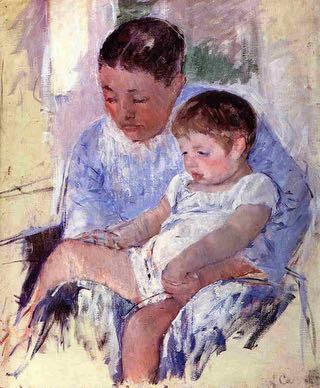
In the 1890s, Cassatt increasingly turned to the bond between women and children. She never married or had children, and the people who modeled for her were not necessarily related. These scenes are carefully arranged studies of care, touch, dependence, attention, and growing independence—not casual records of her own household.
Nor did she make every encounter effortlessly sentimental. Bathing and dressing a child, reading together, combing hair, holding, and soothing all require physical coordination and concentration. Children turn away, reach outward, resist, lose interest, or relax into an embrace, giving each picture its own emotional tempo.
The Child’s Bath draws the two figures together through the woman’s enclosing arms and the child stretched across her lap. Yet the high viewpoint, striped dress, cropped basin, and surrounding patterns also turn a familiar act of care into a bold experiment with shape and space.
When Did Japanese Prints Reshape Cassatt’s Printmaking?
Cassatt began working seriously with printmaking around 1879. Alongside Degas, she explored etching, drypoint, soft-ground, and aquatint, and joined him, Pissarro, and others in planning the unrealized journal Le Jour et la Nuit. The process demanded careful thought about plates, inks, successive states, and separate layers of color.
A major Paris exhibition of Japanese woodblock prints in 1890 deepened her interest in strong outlines, flattened space, cropped forms, decorative color, and ordinary subjects. Cassatt did not simply borrow Japanese imagery. She absorbed its visual lessons into her own scenes of women bathing, dressing, writing letters, traveling, drinking tea, and caring for children.
Her celebrated set of ten color prints brought together drypoint, soft-ground etching, aquatint, and multiple plates. Images such as The Letter, The Bath, and The Coiffure show how printmaking sharpened the elevated viewpoints, interlocking shapes, and patterns that also entered her paintings.
Beyond Her Studio, How Did Cassatt Shape American Taste?
Although she lived in France, Cassatt kept strong ties to the United States. She advised friends and collectors—most notably Louisine and Henry Osborne Havemeyer—and encouraged Americans to buy Impressionist paintings as well as older European art. Many works acquired through these relationships eventually entered major museums, extending her influence far beyond her own pictures.
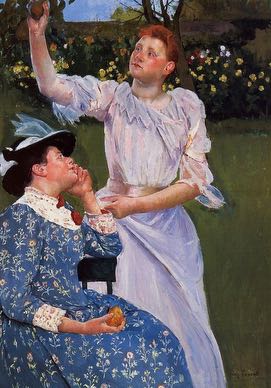
For the Woman’s Building at Chicago’s 1893 World’s Columbian Exposition, Cassatt created a large mural called Modern Woman. The work itself is lost, though related prints and compositions preserve parts of its design. Young women gather fruit, make music, dance, and pursue knowledge, placing female life and achievement on a public, monumental scale.
Cassatt continued to exhibit and paint into the early twentieth century. France awarded her the Legion of Honor in 1904, and she supported women’s suffrage. Deteriorating eyesight forced her to stop working around 1915. She spent her final years at Le Mesnil-Théribus in France, where she died on 14 June 1926.
Which Paintings Offer the Best Introduction to Cassatt?
Cassatt’s best-known pictures move from theaters and portraits to gardens, boating, reading, and closely observed encounters between women and children:
- Woman with a Pearl Necklace in a Loge: Mirrors, theater lights, and reflected balconies place the sitter within the spectacle of modern Paris.
- At the Opera: A woman watches intently through opera glasses while a distant spectator turns his attention toward her.
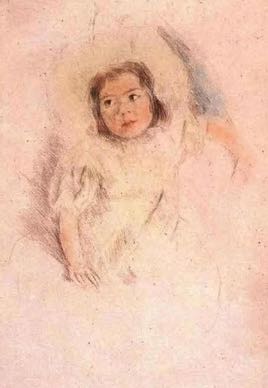
- Child in a Straw Hat: The child’s unguarded expression and posture resist the polish expected of a formal commissioned portrait.
- The Child’s Bath: Intimate touch, decorative pattern, flattened depth, and a high viewpoint transform an ordinary moment of care.
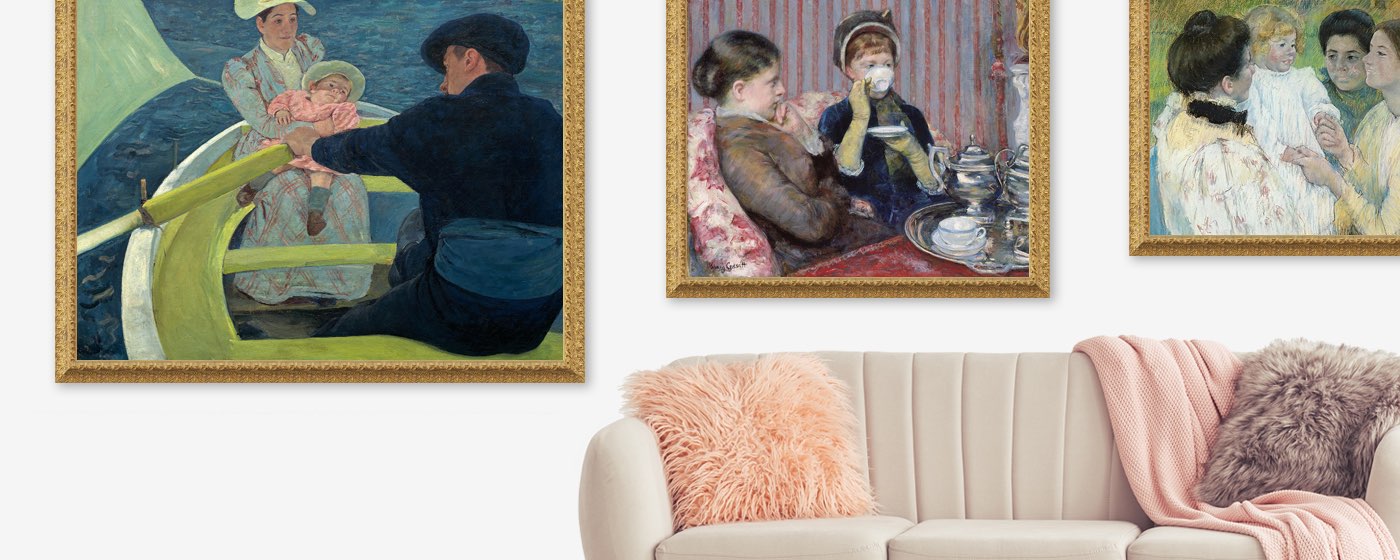
- The Cup of Tea: A familiar social ritual becomes a subtle study of posture, color, pattern, and quiet interaction.
- The Boat Trip: Compressed space, strong geometry, and vivid color hold a family boating scene together.
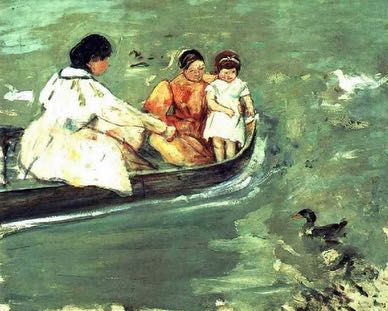
- Summertime: Two figures watch ducks from a boat in a bright composition alive with reflections and surface pattern.
- Maternal Caress: Interlocking arms and faces create an intimate design informed by Cassatt’s experiments with color prints.
- Woman and Child Driving: A woman confidently takes the reins, carrying Cassatt’s image of female activity beyond the domestic interior.
- Lilacs in a Window: Flowers and reflective glass form a compact arrangement that reveals a less familiar side of her painting.
What Makes Mary Cassatt’s Legacy So Important?
Cassatt established an international career despite the serious institutional and social barriers facing women in professional art. She did not succeed by disguising her own experience. Instead, she showed that women’s work, relationships, observations, and daily routines could sustain art of real formal ambition.
American training, European museum study, French avant-garde practice, and Japanese prints all fed her work. She carried ideas back and forth among oil, pastel, drawing, and printmaking, using each medium to rethink pattern, cropping, touch, color, and the physical connection between figures.
Cassatt also served as a bridge between France and the United States. Her guidance taught American collectors to value Impressionism, while her own art broadened the movement’s subjects and audiences. Its clarity, intelligence, and emotional complexity continue to shape how viewers understand modern women and children.
Copyright © 2026 BrushWiz. All Rights Reserved.
About Our Mary Cassatt Paintings
Are your Mary Cassatt reproductions painted by hand?
Yes. Every reproduction is individually painted by hand in oil on canvas by a professional artist. We do not use prints, digital transfers, or mechanical reproduction methods.
How closely do your Cassatt copies resemble the original?
Our artists work to capture the composition, colors, texture, and visual character of the original Cassatt painting as closely as possible. Because every reproduction is painted by hand, small variations are natural and make each canvas unique.
How long does it take to complete a painting?
Most Mary Cassatt reproductions require approximately two to three weeks to paint, dry, and inspect. Production time may vary depending on the artwork and canvas size, so check the estimate displayed on the product page.
Can I request a Cassatt painting that is not listed?
Yes. If you cannot find the Mary Cassatt artwork you want in our catalog, send us the painting’s title or an image. Our team will review your request and confirm the available sizes, estimated production time, and price.
Will I receive photos of my painting before it is shipped?
Yes. We send high-resolution photographs of the completed painting for your approval. You can request adjustments if needed, and the painting will not be dispatched until the review process is complete.
Can I order a custom canvas size?
Yes. We offer custom dimensions in addition to the standard sizes shown on the product page. Select the dimensions you need directly from the available size options.
Can I order my Cassatt painting with a frame?
Yes. High-quality frames in classic and modern designs are available for many paintings. You can view compatible framing options and add your preferred design from the product page. Professional canvas stretching is also available.
How much does a Mary Cassatt reproduction cost?
The price depends on the selected artwork, canvas dimensions, and framing option. Choose your preferred configuration on the product page to see the current price before ordering.
Do you offer free worldwide shipping?
Yes. Mary Cassatt reproductions qualify for free express worldwide shipping. After dispatch, delivery usually takes five to eight business days, although timing may vary by country and destination.
What is the return policy for Cassatt reproductions?
Orders are covered by our 90-day return policy. Review the current return-policy page before ordering for complete information about eligibility, time limits, and the return process.
Why BrushWiz?
100% Hand Painted
Every piece is entirely handmade
Museum Quality
Faithfully recreated by expert artists
Custom Framing
Choose from a wide range of frames
Free Shipping
Enjoy free shipping on all orders
Cash Back Rewards
Earn cash back with every purchase