

❄️ Winter Sale. Offer Ends 11/28/2026. View Details
❄️ Winter Sale. Ends 11/28/2026. View Details
❄️ Winter Sale. View Details
Artists
Subjects
Movements
Collections
Decor
Portraits
Commissions
Framing
Reviews
Gift Cards
On Sale
Berthe Morisot Oil Painting Reproductions
Shop museum-quality reproductions of Berthe Morisot’s most famous paintings, each hand-painted in oil on canvas by a professional artist.
Shop Art
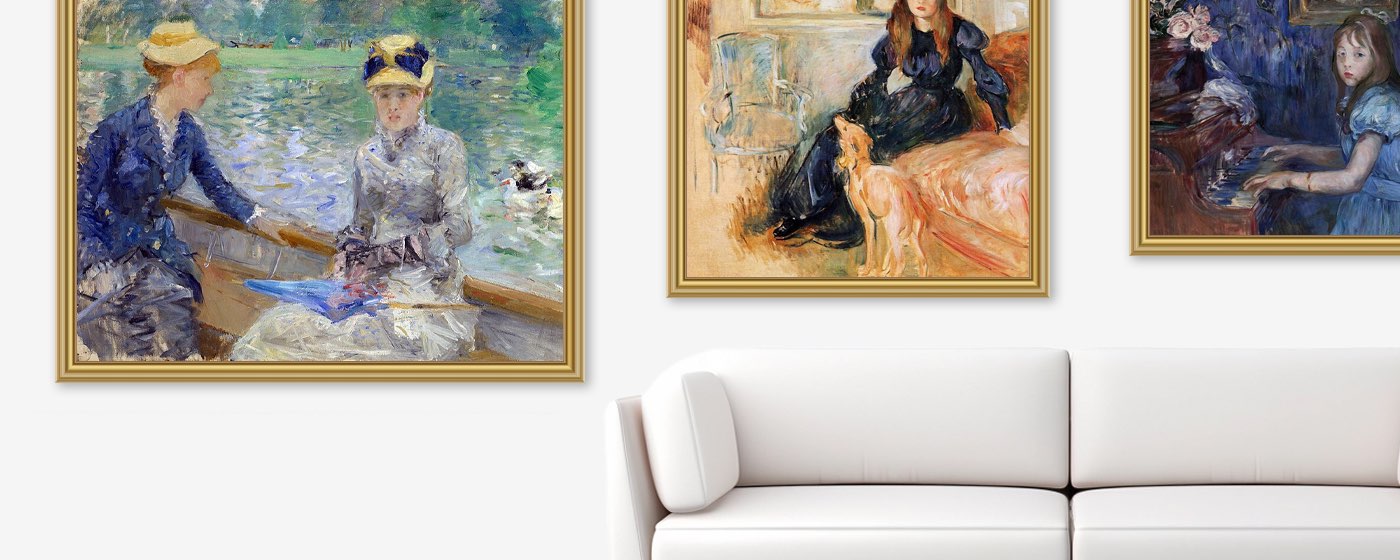
Showing 1-40 of 263 results
Sort By
Most Popular
- Most Popular
- New Arrivals
- Best Sellers
- Alphabetical A-Z
- Alphabetical Z-A
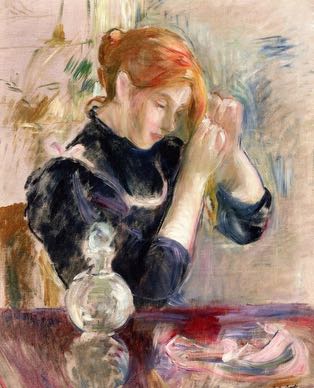
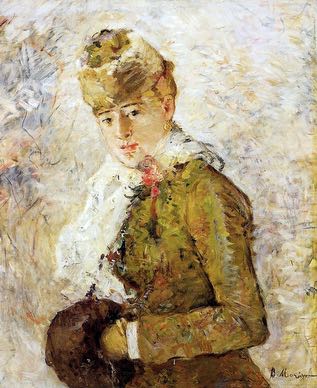

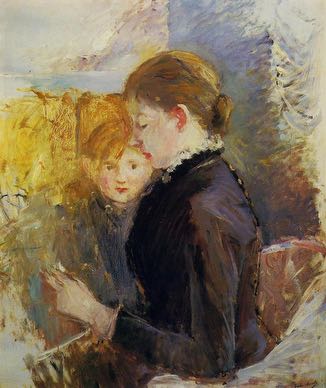

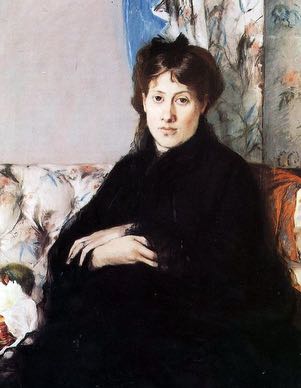
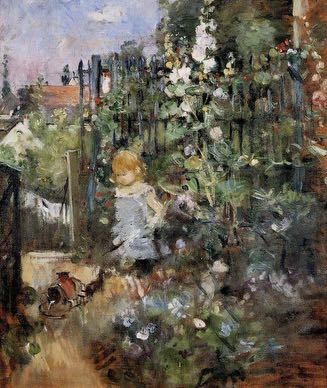
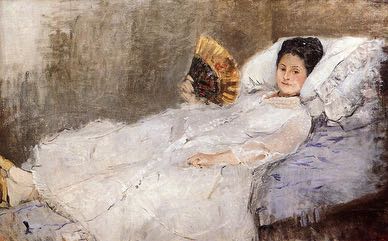
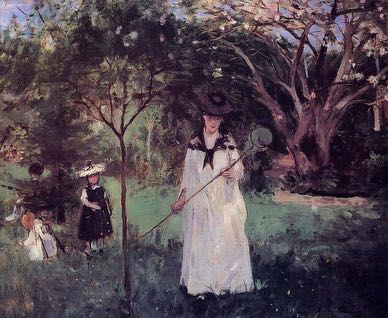
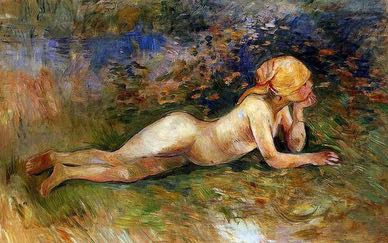
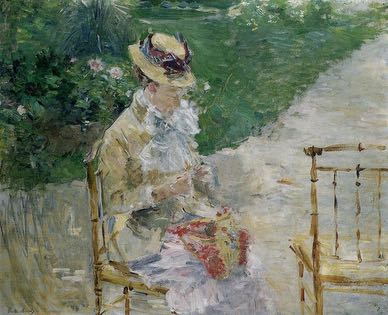
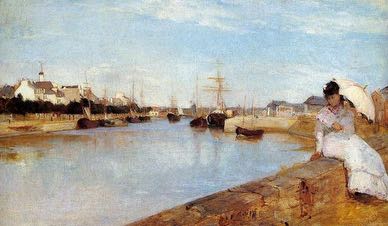
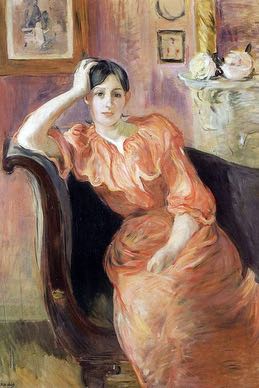
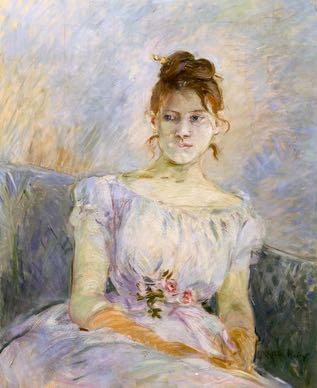

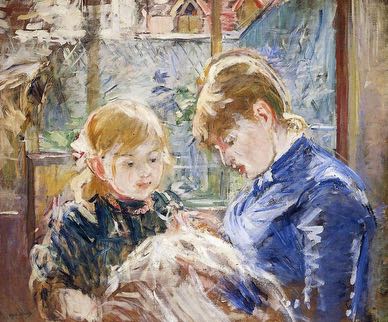

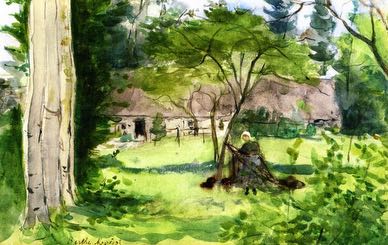
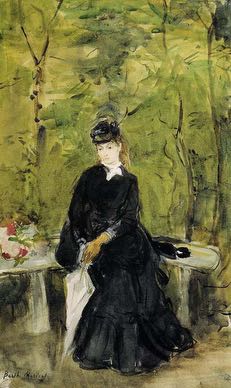
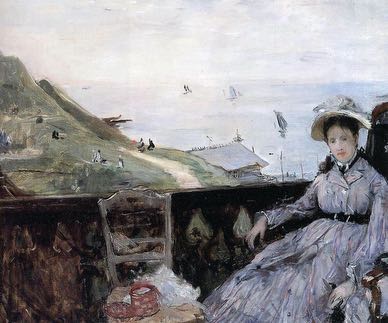
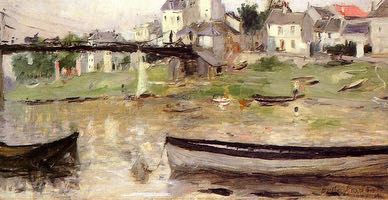
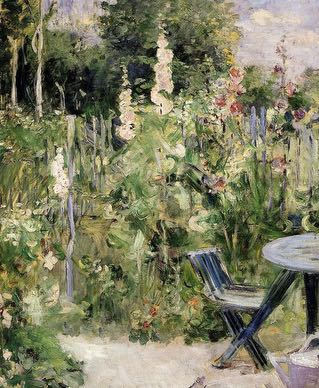
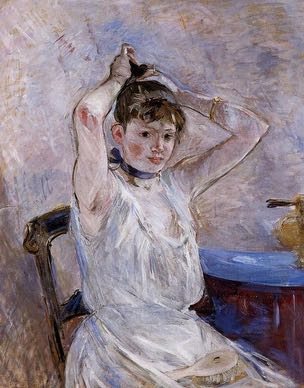
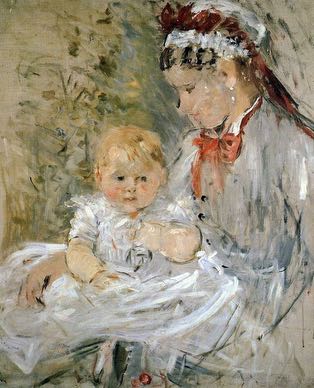
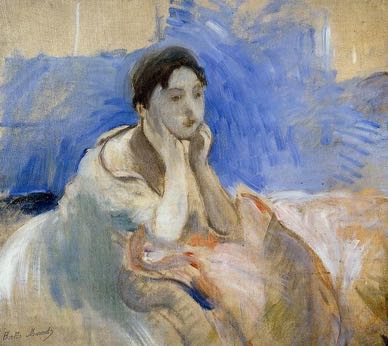
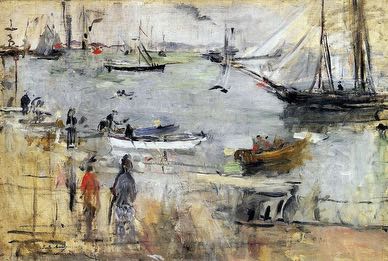
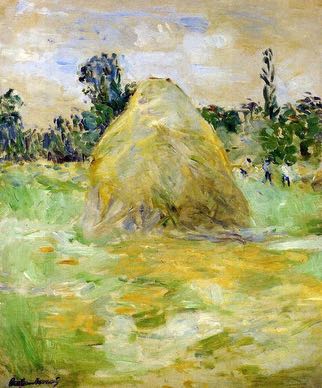
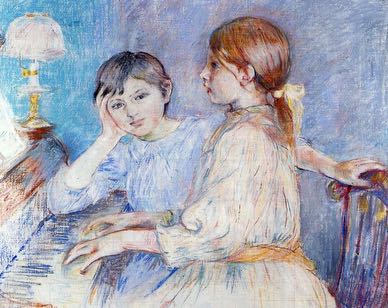
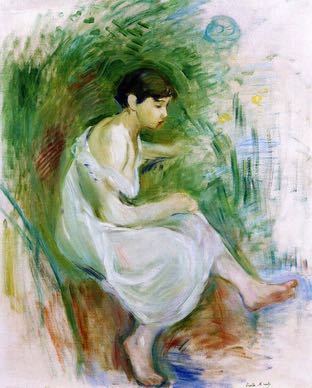
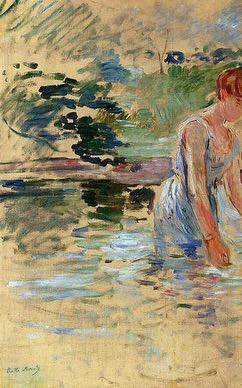
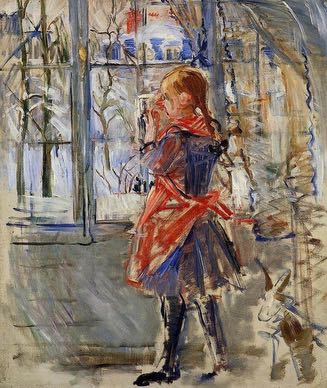
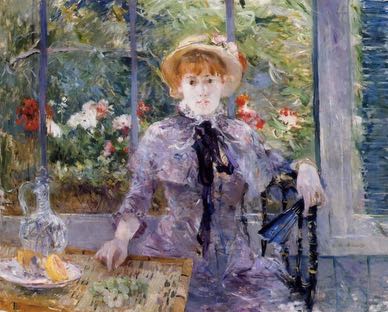
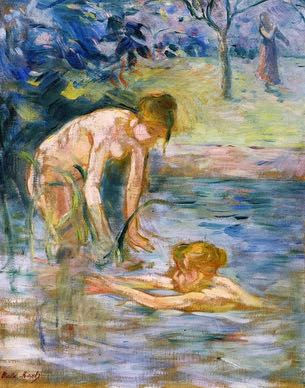
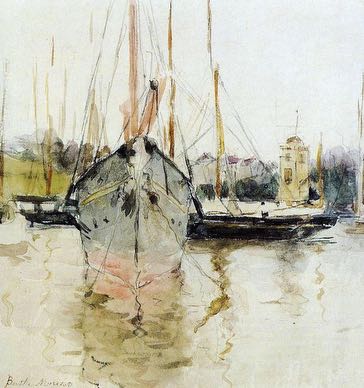
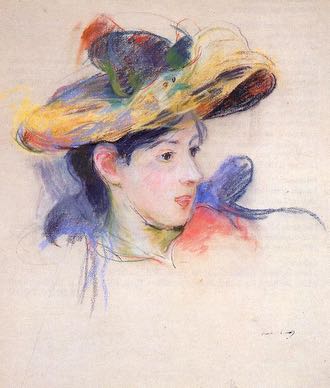
Can’t Find the Painting You Want?
Send us a reference image. We can recreate almost any artwork in the size and style you’re looking for.
Get a Free QuoteHand-Painted Berthe Morisot Reproductions
Bring Morisot’s art into your home with an oil-on-canvas reproduction hand-painted by a professional artist. Our collection features hundreds of paintings from across her career, including The Cradle, A Summer’s Day, and The Harbor at Lorient. Discover women reading, children in sunlit gardens, quiet interiors, boating scenes, and other subjects closely associated with Morisot. Every reproduction is a real oil painting, offering depth and texture that a print or digital transfer cannot provide. From iconic masterpieces to lesser-known works, find a Morisot painting that suits your space.
The Making of a Berthe Morisot Oil Painting Replica
Creating a Berthe Morisot oil painting replica calls for close sensitivity to both movement and restraint. Our studio includes artists who specialize in Impressionist painting and understand the distinctive qualities of Morisot’s work. The artist studies the source image, then recreates its soft silvery light, subtle broken color, airy forms, and Morisot’s quick, feathery brushwork using traditional oil-painting methods. After completion, the painting is inspected by our quality-control team and carefully photographed for your approval. The finished canvas retains the freshness, quiet intimacy, and lively surface of the original artwork.
Custom Sizes and Frames for Your Morisot Painting
Your Morisot painting can be ordered in practically any size, from popular standard dimensions to a custom canvas size selected directly on the product page. This flexibility helps you fit an intimate portrait, garden scene, or broad waterside composition to the proportions of your wall. After choosing the size, you can select from high-quality frames in classic or modern designs, with professional canvas stretching also available. A lightly detailed frame can complement Morisot’s pale colors without overwhelming her delicate brushwork. With sizing, stretching, and framing arranged in one order, your artwork can arrive ready for display.
Order a Berthe Morisot Reproduction with Confidence
Buying hand-painted art online should feel clear and comfortable. After your Berthe Morisot reproduction is completed, we send high-resolution photographs for your review before shipping. You can inspect the figures, color relationships, light brushwork, and overall finish, then request adjustments if needed. The painting is dispatched only after you approve it, so you know what to expect when it arrives. Your order also includes free express worldwide shipping and is covered by our 90-day return policy. These assurances make it easier to purchase a Morisot oil painting with confidence and peace of mind.
The Life and Art of Berthe Morisot
Berthe Morisot was a French painter and a founding member of Impressionism. Born in Bourges in 1841, she trained privately at a time when France’s principal art schools excluded women and built a professional career despite the limits placed on artists of her sex and social class. Morisot painted family life, gardens, women at work or in reflection, coastal views, and modern leisure with a light palette and remarkably free brushwork. She exhibited in seven of the eight Impressionist exhibitions while continuing to develop an independent style across oil, watercolor, pastel, and printmaking. Long described mainly through her friendships and family connections, she is now recognized as one of the movement’s boldest and most inventive painters.
Read More
Who Was Berthe Morisot?
Berthe Marie Pauline Morisot was born in Bourges, France, on 14 January 1841. Her father, Edmé Tiburce Morisot, was a senior civil servant, and her mother, Marie Joséphine Cornélie Thomas, came from a prosperous family. After the family settled in Paris, Berthe and her sisters received drawing lessons as part of the education expected of young women in their social circle.
For Berthe and her sister Edma, however, art soon became more than a polite accomplishment. They copied paintings in the Louvre, worked outdoors, and pursued exhibition careers with unusual seriousness. Both sisters entered works at the official Salon during the 1860s. Edma stopped exhibiting after marriage, while Berthe continued and eventually made painting the organizing purpose of her life.
Where Could Morisot Train When Art Schools Excluded Women?
The École des Beaux-Arts did not admit women during Morisot’s youth, so formal academic training was not available to her. She and Edma studied privately with Geoffroy-Alphonse Chocarne and Joseph Guichard. Guichard recognized that the sisters’ commitment exceeded the usual expectations of amateur instruction and warned their parents that professional ambition would overturn the family’s conventional plans.
Copying old masters in the Louvre gave Morisot sustained practice in composition, color, and technique. She later studied informally with Jean-Baptiste-Camille Corot, whose example encouraged her to paint directly before the landscape. Early works joined careful drawing with a growing sensitivity to outdoor light, qualities visible in the coastal atmosphere of The Harbor at Lorient.
Morisot first exhibited at the Salon in 1864 and returned repeatedly over the next decade. Salon acceptance gave her public standing, but it also meant submitting to a jury and an institution built around rules she had little power to shape. By the early 1870s, the possibility of exhibiting independently had become increasingly attractive.
What Passed between Berthe Morisot and Édouard Manet?
Morisot met Édouard Manet in the late 1860s after an introduction at the Louvre. They entered a close artistic friendship and exchanged ideas about modern subjects, figure painting, color, and the appearance of finish. Manet painted Morisot many times, making her face familiar to the public, but her role in their relationship was never limited to that of a model.
The exchange worked in both directions. Morisot admired Manet’s direct handling and bold contrasts, while her commitment to outdoor painting and increasingly light palette offered him another route into contemporary art. Their differences remained clear: Manet continued to seek recognition at the Salon, whereas Morisot chose the independent exhibitions that came to define Impressionism.
In 1874 she married Manet’s younger brother, Eugène. She continued to exhibit under the name Berthe Morisot and did not retreat from professional life after marriage. Eugène supported her work, managed practical matters, and sometimes posed for her, particularly during family stays and travel.
Why Did Morisot Join the First Impressionist Exhibition?
In 1874, Morisot turned away from the Salon and joined the independent exhibition organized by artists including Claude Monet, Edgar Degas, and Camille Pissarro. The decision offered no guarantee of kind reviews or sales. It did give the artists control over what they showed and placed Morisot among the movement’s founders rather than among later followers.
The Cradle appeared in that first exhibition. Her sister Edma bends over a sleeping baby, with the veil of the cradle creating both a physical screen and a delicate painted surface. The subject is intimate, but the composition is exacting: echoed arms and glances hold mother and child in a quiet diagonal.
Morisot participated in seven of the eight Impressionist exhibitions, missing only the show of 1879 after the birth of her daughter, Julie. She also took part in organizing the group’s activities and opened her home to artists and writers. Her place within Impressionism was sustained, practical, and central.
Which Parts of Modern Life Did Morisot Make Visible?
Morisot painted the spaces she knew closely: drawing rooms, balconies, gardens, nurseries, seaside hotels, parks, and boats. Women read, sew, dress, rest, care for children, or sit with their thoughts. These subjects reflected the restrictions governing respectable bourgeois women, who could not move through cafés, bars, and city streets with the same freedom as male colleagues.
Constraint did not make the paintings narrow. Morisot explored the uncertain boundary between private and public life, often placing a figure beside a window, mirror, railing, or curtain. In Psyche, a young woman stands before a mirror in a scene that is both everyday and psychologically elusive.
Her outdoor scenes are equally alert to modern experience. A Summer’s Day sets two fashionably dressed women in a boat on the lake in the Bois de Boulogne. Loose reflections and cropped forms keep the moment in motion, while the women remain self-contained rather than turned into a spectacle for the viewer.
How Did Morisot Make Paint Feel So Immediate?
Morisot’s paintings can look as though they arrived in a single rush, but their freedom rests on years of drawing and close observation. She often used long, flickering strokes that leave parts of the ground visible. Forms are described just enough to hold together, then allowed to loosen into reflected light, fabric, foliage, or air.
Watercolor played an important part in that development. Its transparency encouraged her to work with open whites, thin layers, and marks that could not be endlessly corrected. She carried those habits into oil, where white, pale green, rose, blue, and silvery grey create brightness without the heavy modeling expected in academic painting.
Contemporary critics frequently described this lightness as feminine, sometimes in praise and sometimes as a way of limiting her achievement. Yet Morisot’s surfaces could be exceptionally daring. She accepted exposed canvas, visible revisions, and abrupt changes of touch because the life of the painting mattered more to her than an evenly polished finish.
When Did Family Become Central to Morisot’s Work?
Family members had posed for Morisot from the beginning. Her mother, her sister Edma, nieces, and household employees offered the continuity needed for sustained observation. Their familiarity allowed her to paint unguarded concentration and private pauses that would have been difficult to achieve with formal society sitters.
After Julie was born in 1878, mother and daughter became recurring figures in Morisot’s art, sometimes together and often separately. Eugène appears caring for Julie in the garden at Bougival, reversing the more familiar nineteenth-century image of motherhood as exclusively female work. In Eugene Manet and His Daughter in the Garden, affection is present without turning the scene into a posed family emblem.
Julie’s growth gave Morisot a changing subject: a small child at play became a young musician, reader, companion, and individual presence. The paintings are personal, but they also examine how identity forms within domestic life. Morisot did not treat childhood as a fixed symbol of innocence; she watched it unfold.
How Far Did Morisot’s Painting Extend beyond the Home?
Morisot’s landscapes often followed the routes made possible by family visits and seasonal travel. She painted around Lorient, Cherbourg, Normandy, the Seine valley, Bougival, Nice, and the Bois de Boulogne. During her 1875 honeymoon with Eugène on the Isle of Wight, hotel windows, harbors, boats, and passing figures became material for paintings and watercolors.
At Bougival, the garden and river offered a setting where family life met open-air painting. Figures sit beneath trees, walk through grass, or merge with foliage built from quick strokes. The scene may feel casual, yet Morisot continually tested how a person could remain distinct while sharing the same light and movement as the landscape.
Late in her career, drawing became more pronounced again. Works such as The Cherry Tree combine sweeping color with firmer contours and a carefully staged interaction between figures and branches. Her style changed without abandoning the openness that had made her earlier work distinctive.
Which Paintings Best Show Morisot’s Range?
Morisot returned to family, modern women, gardens, water, and the spaces between indoors and outdoors throughout her career. These paintings show how differently she could approach those subjects:
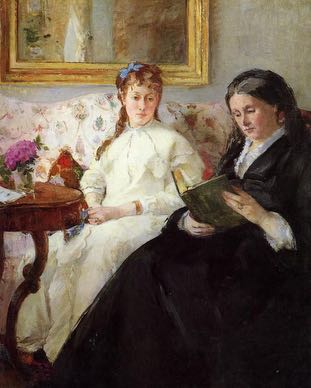
- Mother and Sister of the Artist, 1869–1870: Two familiar sitters occupy a domestic room whose quiet mood is sharpened by subtle psychological distance.
- The Harbor at Lorient, 1869: Edma sits on a harbor wall as figure, water, boats, and sky meet in fresh outdoor light.
- Reading, 1873: A woman absorbed in a book becomes part of the surrounding garden through light, broken color, and loose touch.
- The Cradle, 1872: Edma watches over her sleeping daughter in a precisely balanced image of attention, protection, and maternal intimacy.
- View of Paris from the Trocadero Heights, 1872: Women and children overlook a changing city from a vantage point that joins modern Paris to private experience.
- Psyche, 1876: A woman at her mirror is rendered through pale color, open brushwork, and an ambiguity that resists simple narrative.
- A Summer’s Day, 1879: Two women sit in a boat as the lake, reflections, clothing, and surrounding life break into mobile strokes.
- Eugene Manet and His Daughter in the Garden, 1881: Fatherhood and everyday care become the center of a relaxed but closely observed garden scene.
- Self Portrait, 1885: Palette and brush in hand, Morisot presents herself directly as a working artist.
- The Cherry Tree, 1891: Figures reaching among the branches reveal the stronger drawing and decorative rhythm of her late work.
Why Is Morisot’s Place in Impressionism Being Reconsidered?
Morisot remained productive through the early 1890s and received her only solo exhibition during her lifetime in 1892. Eugène had died the previous year, leaving her responsible for Julie. Friends including Degas, Monet, Pierre-Auguste Renoir, and the poet Stéphane Mallarmé stayed close to the family. Morisot died in Paris on 2 March 1895 after a brief illness.
A large memorial exhibition followed in 1896, yet later histories often treated her as a gifted peripheral figure or described her principally as Manet’s model and sister-in-law. That view ignored her role in organizing the Impressionist exhibitions, the respect she received from fellow painters, and the experimental confidence of her technique.
Her reputation has risen as museums and scholars have looked more carefully at women’s place in modern art. Morisot’s work shows that domestic experience, fashion, caregiving, leisure, and private thought were not minor alternatives to modern life; they were part of it. The substantial collection at the Musée Marmottan Monet, preserved through her descendants, now makes the breadth of that achievement much easier to see.
Copyright © 2026 BrushWiz. All Rights Reserved.
About Our Berthe Morisot Paintings
Are your Berthe Morisot reproductions painted by hand?
Yes. Every reproduction is individually painted by hand in oil on canvas by a professional artist. We do not use prints, digital transfers, or mechanical reproduction methods.
How closely do your Morisot copies resemble the original?
Our artists work to capture the composition, colors, texture, and visual character of the original Morisot painting as closely as possible. Because every reproduction is painted by hand, small variations are natural and make each canvas unique.
How long does it take to complete a Morisot painting?
Most Morisot reproductions require approximately two to three weeks to paint, dry, and inspect. Production time may vary depending on the artwork and canvas size, so check the estimate displayed on the product page.
Can I request a Morisot painting that is not listed?
Yes. If you cannot find the Berthe Morisot artwork you want in our catalog, send us the painting’s title or an image. Our team will review your request and confirm the available sizes, estimated production time, and price.
Will I receive photographs before my painting is shipped?
Yes. We send high-resolution photographs of the completed painting for your approval. You can request adjustments if needed, and the painting will not be dispatched until the review process is complete.
Are custom canvas dimensions available?
Yes. We offer custom dimensions in addition to the standard sizes shown on the product page. Select the dimensions you need directly from the available size options.
May I order my Morisot painting with a frame?
Yes. High-quality frames in classic and modern designs are available for many paintings. You can view compatible framing options and add your preferred design from the product page. Professional canvas stretching is also available.
What determines the price of a Berthe Morisot reproduction?
The price depends on the selected artwork, canvas dimensions, and framing option. Choose your preferred configuration on the product page to see the current price before ordering.
Do Morisot reproductions qualify for free worldwide shipping?
Yes. Morisot reproductions qualify for free express worldwide shipping. After dispatch, delivery usually takes five to eight business days, although timing may vary by country and destination.
Which return policy covers Morisot reproductions?
Orders are covered by our 90-day return policy. Review the current return-policy page before ordering for complete information about eligibility, time limits, and the return process.
Why BrushWiz?
100% Hand Painted
Every piece is entirely handmade
Museum Quality
Faithfully recreated by expert artists
Custom Framing
Choose from a wide range of frames
Free Shipping
Enjoy free shipping on all orders
Cash Back Rewards
Earn cash back with every purchase