

❄️ Winter Sale. Offer Ends 11/19/2026. View Details
❄️ Winter Sale. Ends 11/19/2026. View Details
❄️ Winter Sale. View Details
Artists
Subjects
Movements
Collections
Decor
Portraits
Commissions
Framing
Reviews
Gift Cards
On Sale
Michael Dahl Oil Painting Reproductions
Shop museum-quality reproductions of Michael Dahl’s most famous paintings, each hand-painted in oil on canvas by a professional artist.
Shop Art
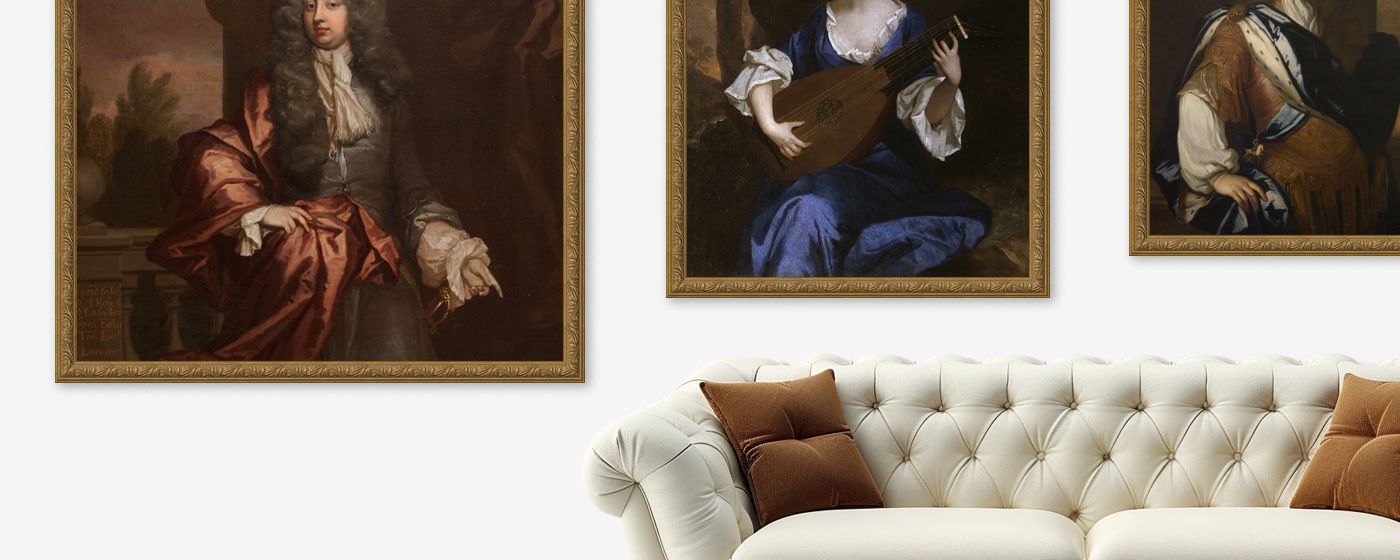
Showing 1-40 of 197 results
Sort By
Most Popular
- Most Popular
- New Arrivals
- Best Sellers
- Alphabetical A-Z
- Alphabetical Z-A
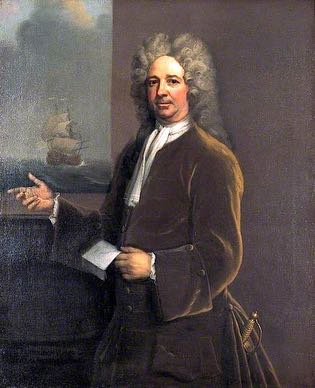


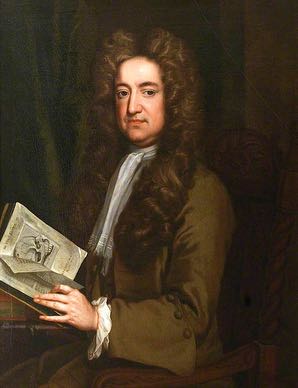
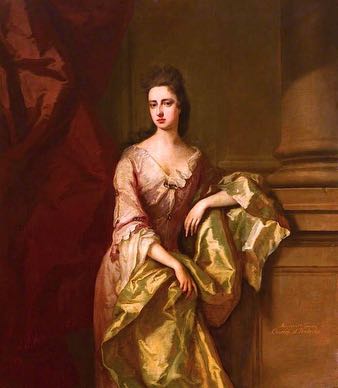

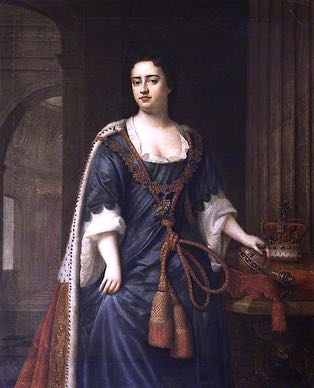
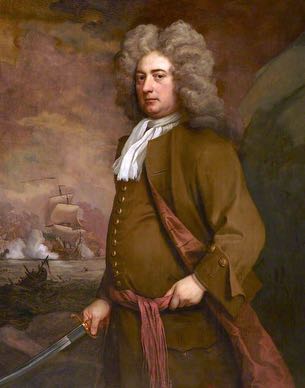
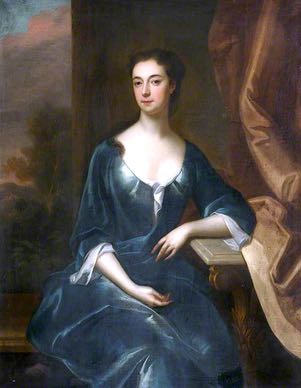
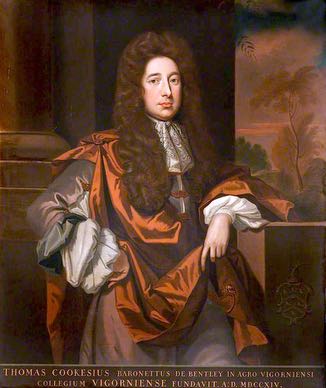


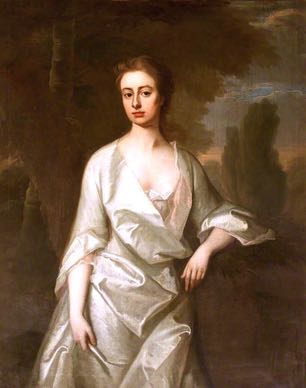
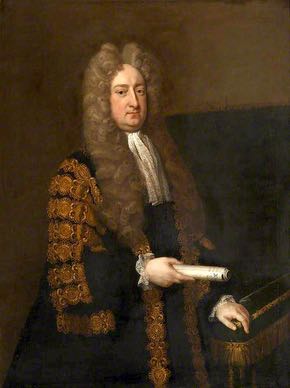
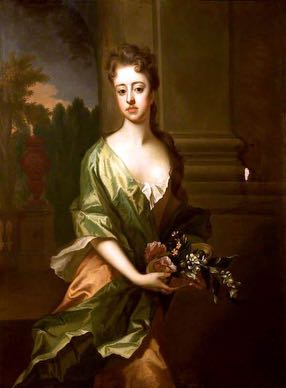

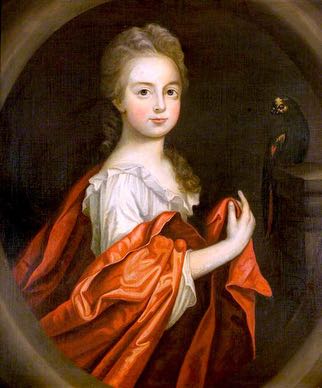


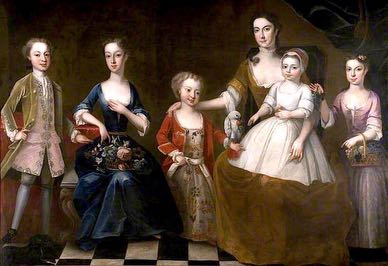
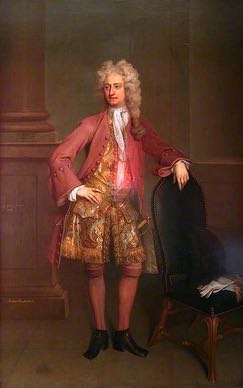
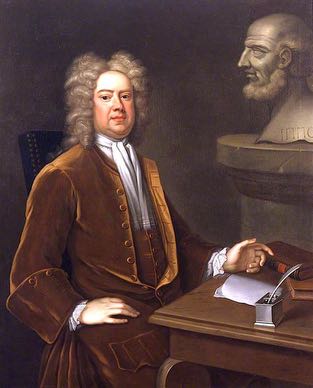
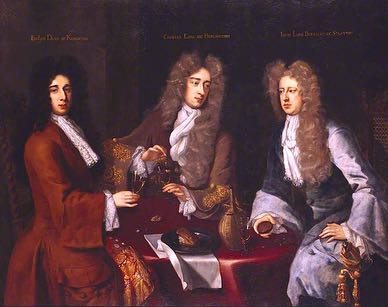

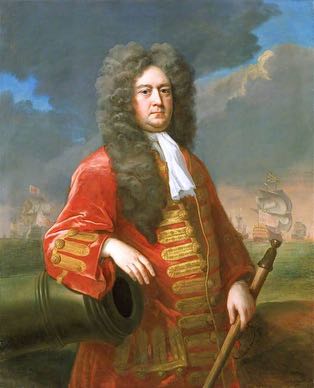
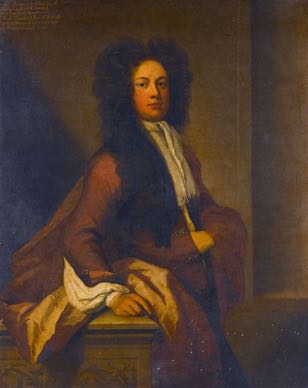
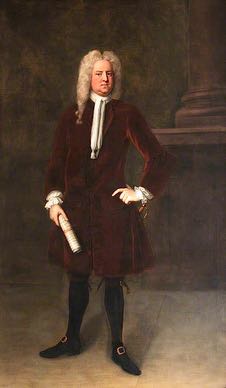


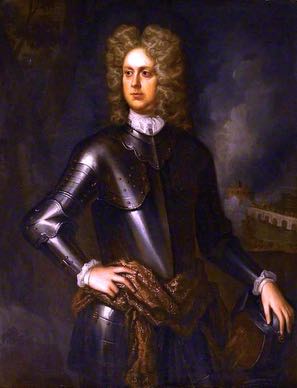





Can’t Find the Painting You Want?
Send us a reference image. We can recreate almost any artwork in the size and style you’re looking for.
Get a Free QuoteHand-Painted Michael Dahl Reproductions
Bring Dahl’s art into your home with an oil-on-canvas reproduction hand-painted by a professional artist. Our collection features more than one hundred paintings from across his career, including Anne, Queen of Great Britain, Self-Portrait, and Edmond Halley. Discover royal sitters, naval commanders, aristocratic women, statesmen, family groups, and other subjects associated with Dahl. Every reproduction is a real oil painting, offering depth and texture that a print or digital transfer cannot provide. From prominent public portraits to less familiar likenesses, find a Dahl painting that suits your space.
The Making of a Michael Dahl Oil Painting Replica
Creating a Michael Dahl oil painting replica requires patience, precision, and an understanding of the original artwork. Our studio includes artists who specialize in Baroque portrait painting and understand the distinctive qualities of Dahl’s work. The artist begins by studying the source image, then recreates its carefully modeled faces, softly layered colors, elegant poses, and Dahl’s restrained handling of status and personality using traditional oil-painting methods. After completion, the painting is inspected by our quality-control team and photographed for your approval. The result is a carefully executed oil painting that reflects the visual character of the original.
Custom Sizes and Frames for Your Dahl Painting
Your Dahl painting can be ordered in practically any size, from popular standard dimensions to custom canvas sizes selected directly on the product page. This flexibility lets you choose a painting that fits your wall and complements your room perfectly. After selecting the size, you can choose from high-quality frames in classic or modern designs, with professional canvas stretching also available. Our framing options complement the elegant poses and rich fabrics of Dahl’s portraits. With sizing, stretching, and framing arranged in one order, your artwork can arrive ready for display without a separate visit to a frame shop.
Order a Michael Dahl Reproduction with Confidence
Buying hand-painted art online should feel clear and comfortable. After your Michael Dahl reproduction is completed, we send high-resolution photographs for your review before shipping. You can inspect the composition, colors, details, and overall finish, then request adjustments if needed. The painting is dispatched only after you approve it, so you know what to expect when it arrives. Your order also includes free express worldwide shipping and is covered by our 90-day return policy. Together, these assurances help you purchase a Dahl oil painting with greater confidence and peace of mind.
The Life and Art of Michael Dahl
Michael Dahl was a Swedish-born Baroque portrait painter who built one of the leading studios in late Stuart and early Georgian London. Born in Stockholm around 1659, he trained under Martin Hannibal and David Klöcker Ehrenstrahl before leaving Sweden in 1682. Study in Paris and Rome broadened his approach, and he settled permanently in London in 1689. Dahl portrayed Queen Anne, Prince George of Denmark, admirals, aristocrats, politicians, writers, physicians, and family groups. His Petworth Beauties and naval portraits established him as Godfrey Kneller’s chief professional rival. Combining English Grand Manner conventions with softer modeling and carefully judged color, Dahl gave ceremonial portraits a calm sense of individual presence. He remained active until his death in London in 1743.
Read More
What Is Known About Michael Dahl’s Early Life in Stockholm?
Michael Dahl was born in Stockholm around 1659. The exact year remains uncertain, a common problem in reconstructing the lives of artists whose early records are incomplete. He grew up in modest circumstances but found access to the small professional art world developing around the Swedish court.
His first training came from Martin Hannibal, a Hungarian-born drawing master involved in a Stockholm portrait academy. Dahl then studied with David Klöcker Ehrenstrahl, the dominant court painter in Sweden. Ehrenstrahl’s workshop taught him how formal likenesses could communicate rank through posture, costume, setting, and heraldic detail.
Sweden could not offer the range of patrons available in larger European capitals. In 1682, Dahl left for England, stopping in Antwerp on the journey. The move began a lifetime abroad and placed him inside a competitive international market for portraiture.
Why Did London Offer Such an Important Opportunity?
Dahl reached London shortly after the death of Sir Peter Lely, whose studio had dominated Restoration court portraiture. Demand for royal and aristocratic likenesses remained high, but the field was being reorganized. Foreign-born painters with strong workshop training could build careers if they found the right patrons.
He initially associated with the engraver Robert White and absorbed the conventions of English portraiture. The elegant full-length type descended from Anthony van Dyck: a poised figure, costly fabric, architectural columns, and a glimpse of landscape transformed social standing into a graceful visual performance.
Another immigrant, Godfrey Kneller, soon became the leading court painter. Dahl learned from the same environment without simply copying his rival. His best portraits developed softer transitions, cooler color, and a quieter relationship between sitter and viewer.
How Did Travel Through France and Italy Shape Dahl’s Style?
In 1684, Dahl left England with his friend, the painter Henry Tilson. They traveled through Paris and continued to Rome, following a route that allowed northern artists to study major collections, classical sculpture, and the techniques of French and Italian painters.
Dahl spent several years in Italy and converted to Catholicism while in Rome. There he painted Queen Christina of Sweden, the former monarch who had abdicated, adopted Catholicism, and created an influential cultural circle in the city. The commission maintained a Swedish connection while placing him before an international audience.
Italian painting strengthened Dahl’s feeling for warm flesh, colored shadows, and loosely blended surfaces. When he returned to London in 1689, those lessons helped distinguish his work within a market shaped by Van Dyck, Lely, and Kneller. Continental study had given him more than polish; it supplied choices he could adapt to individual sitters.
What Does Dahl’s Self-Portrait Say About His Ambition?
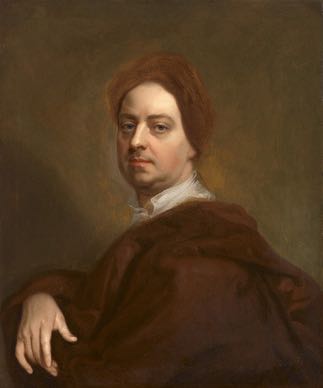
Dahl painted his best-known Self-Portrait in 1691, when his English reputation was still developing. He presents himself beside an antique bust, with palette and brushes placed below. The arrangement identifies painting as both learned art and practiced craft.
His open shirt and uncovered, closely cropped hair make the image less ceremonious than many portraits he produced for patrons. A soft cap and loosely arranged cloak recall established images of artists and intellectuals, while his direct attention gives the pose an alert, independent character.
The portrait announces that Dahl understood the cultural role he hoped to claim in London. It is neither a simple record of appearance nor an imitation of aristocratic display. Classical reference, working tools, and informal dress are carefully balanced to show education, skill, and personal seriousness.
Who Helped Establish His Reputation in England?
Prince George of Denmark and Princess Anne, the future Queen Anne, became important patrons. Their circle opened access to courtiers, naval officers, and political families. Dahl painted both husband and wife in images that joined recognizable features with the robes, insignia, and commanding scale expected of royal portraiture.
Charles Seymour, sixth Duke of Somerset, was another decisive supporter. Dahl worked repeatedly for him at Petworth House and effectively became the duke’s preferred portrait painter. Such sustained aristocratic patronage brought commissions from relatives and associates as well as a prominent setting in which others could see the work.
Dahl also understood the practical side of building a studio. He maintained a showroom where potential clients could encounter examples of his painting. Portraiture depended on reputation, personal recommendation, workshop efficiency, and the circulation of engraved copies as much as on access to the court itself.
How Did the Petworth Beauties Turn Portraiture into a Room?
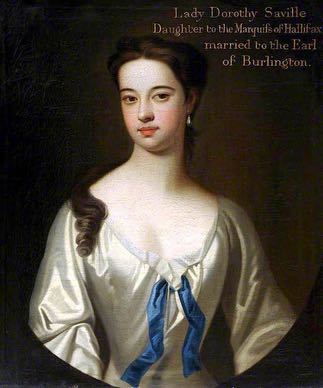
During the late 1690s, Dahl painted seven portraits now known as the Petworth Beauties for the Duke of Somerset. The women appear at a consistent scale in carefully coordinated settings, allowing separate likenesses to operate together as a decorative series.
Fine dresses, mantles, columns, fountains, and garden backgrounds establish aristocratic elegance without overwhelming the sitters. Dahl varied the turn of a head, placement of a hand, fall of fabric, and direction of the gaze so that the sequence remains unified but not mechanical.
The commission invited comparison with Kneller’s Hampton Court Beauties. It also shows how portrait series could shape an architectural interior and a family’s public identity. Displayed together at Petworth, the paintings became more than individual records; they presented a social circle through beauty, rank, fashion, and controlled variety.
Why Were the Admirals a Defining Royal Commission?
Queen Anne and Prince George commissioned Dahl and Kneller to paint leading naval commanders of the reign. The resulting series, created during the first decade of the eighteenth century, continued a tradition of naval portraiture that connected individual likeness with national service.
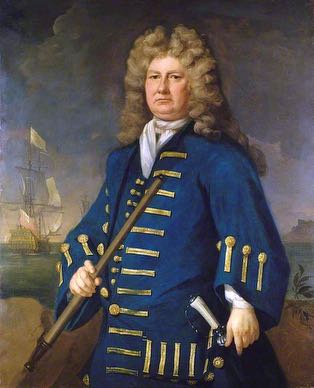
Dahl contributed seven admirals to the group. Uniforms were not yet standardized, so armor, ships, command gestures, and naval settings helped identify profession and authority. Faces carry more individual weight than the supporting symbols, preventing the sitters from becoming interchangeable emblems.
Portraits such as Admiral Sir Ralph Delaval and Rear-Admiral Basil Beaumont belong to this wider culture of commemoration. The commission confirmed that Dahl could work beside the principal royal painter on a project intended to preserve public memory.
Did the Hanoverian Succession Change His Career?
Queen Anne’s death in 1714 brought the Hanoverian dynasty to the British throne. Dahl did not receive the same royal favor under George I, while Kneller retained official authority. The change reduced Dahl’s closeness to the court but did not end his successful practice.
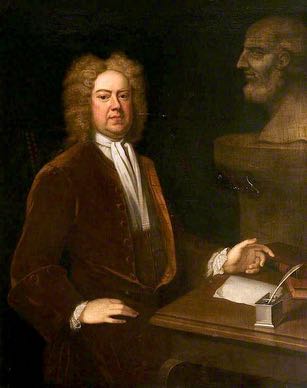
He continued portraying aristocrats, judges, politicians, clergy, physicians, scholars, and members of prosperous families. Sitters including Robert Walpole, Jonathan Swift, Edmond Halley, and John Radcliffe reveal how widely his work reached through the institutions and professions of early Georgian Britain.
By 1731, the engraver and chronicler George Vertue counted Dahl with Charles Jervas and Jonathan Richardson among the foremost older masters still working in London. His established manner could appear conservative beside younger painters, yet clients continued to value its composure, clarity, and assurance.
Which Portraits Represent the Range of Dahl’s Practice?
Dahl worked within recognizable conventions, but differences in age, profession, gender, costume, and purpose gave him room for variation. These portraits show how he adjusted ceremony and intimacy across the society of his adopted country:
- Self-Portrait, 1691: An antique bust and painting tools present Dahl as a learned yet working artist.
- Anne, Queen of Great Britain: Royal dress and commanding scale frame a composed, recognizable presence.
- Prince George of Denmark: Robes, armor, and ceremonial bearing identify the queen’s consort and naval office.
- Lady Mary Booth, Countess of Stamford: Lustrous fabric and an easy turn of the figure soften aristocratic formality.
- Admiral Sir Ralph Delaval: Naval authority is conveyed through direct expression, armor, and a controlled pose.
- Edmond Halley: The astronomer’s likeness extends Dahl’s practice beyond court and hereditary rank.
- Sir Robert Walpole, Later First Earl of Orford: Public office and personal assurance meet in an image of political authority.
- George Booth and His Daughter Lady Mary Booth: A double portrait makes family relationship central to inherited position.
What Place Does Michael Dahl Hold in British Portrait Painting?
Dahl died in London on 20 October 1743 after more than fifty years in the city. His long career shows how thoroughly British portrait painting depended on international movement. Swedish training, Italian study, and English patronage came together in a practice rooted in London but connected across Europe.
He was not a revolutionary painter, nor did he need to be. Dahl’s achievement lay in bringing sensitivity to a demanding public form. He could preserve hierarchy while allowing an expression, softened contour, or relaxed hand to suggest that a person existed beneath the ceremonial role.
Kneller’s official position long overshadowed Dahl in general histories, but surviving portraits in national, royal, maritime, and country-house collections reveal a much larger presence. His images record the faces through which late Stuart and early Georgian Britain represented power, learning, service, family, and social confidence.
Copyright © 2026 BrushWiz. All Rights Reserved.
About Our Michael Dahl Paintings
Are your Michael Dahl reproductions painted by hand?
Yes. Every reproduction is individually painted by hand in oil on canvas by a professional artist. We do not use prints, digital transfers, or mechanical reproduction methods.
How closely do your Dahl copies resemble the original?
Our artists work to capture the composition, colors, likeness, details, and visual character of the original Dahl painting as closely as possible. Because every reproduction is painted by hand, small variations are natural and make each canvas unique.
How long does a Dahl reproduction take to complete?
Most Dahl reproductions require approximately two to three weeks to paint, dry, and inspect. Production time may vary depending on the artwork and canvas size, so check the estimate displayed on the product page.
Can I request a Dahl portrait that is not listed?
Yes. If you cannot find the Michael Dahl artwork you want in our catalog, send us the painting’s title or an image. Our team will review your request and confirm the available sizes, estimated production time, and price.
Will I receive approval photos before shipping?
Yes. We send high-resolution photographs of the completed painting for your approval. You can request adjustments if needed, and the painting will not be dispatched until the review process is complete.
Are custom canvas sizes available for Dahl paintings?
Yes. We offer custom dimensions in addition to the standard sizes shown on the product page. Select the dimensions you need directly from the available size options.
May I order my Dahl painting with a frame?
Yes. High-quality frames in classic and modern designs are available for many paintings. You can view compatible framing options and add your preferred design from the product page. Professional canvas stretching is also available.
What determines the price of a Dahl reproduction?
The price depends on the selected artwork, canvas dimensions, and framing option. Choose your preferred configuration on the product page to see the current price before ordering.
Is free express worldwide shipping included?
Yes. Michael Dahl reproductions qualify for free express worldwide shipping. After dispatch, delivery usually takes five to eight business days, although timing may vary by country and destination.
Which return policy covers Michael Dahl reproductions?
Orders are covered by our 90-day return policy. Review the current return-policy page before ordering for complete information about eligibility, time limits, and the return process.
Why BrushWiz?
100% Hand Painted
Every piece is entirely handmade
Museum Quality
Faithfully recreated by expert artists
Custom Framing
Choose from a wide range of frames
Free Shipping
Enjoy free shipping on all orders
Cash Back Rewards
Earn cash back with every purchase