
❄️ Winter Sale. Offer Ends 11/16/2026. View Details
❄️ Winter Sale. Ends 11/16/2026. View Details
❄️ Winter Sale. View Details
Artists
Subjects
Movements
Collections
Decor
Portraits
Commissions
Framing
Reviews
Gift Cards
On Sale
Anthony van Dyck Oil Painting Reproductions
Shop museum-quality reproductions of Anthony van Dyck’s most famous paintings, each hand-painted in oil on canvas by a professional artist.
Shop Art

Showing 1-40 of 278 results
Sort By
Most Popular
- Most Popular
- New Arrivals
- Best Sellers
- Alphabetical A-Z
- Alphabetical Z-A




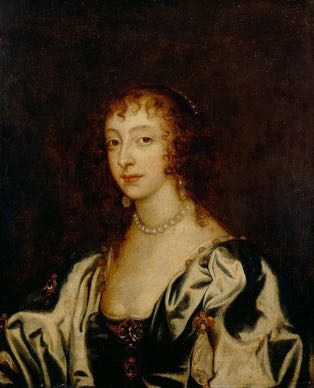
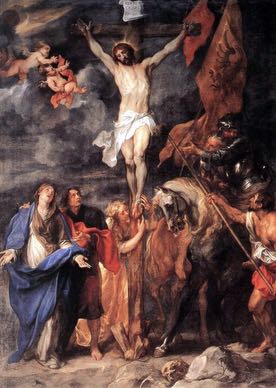


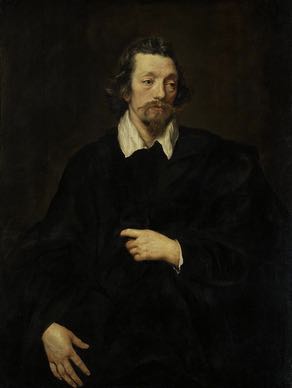
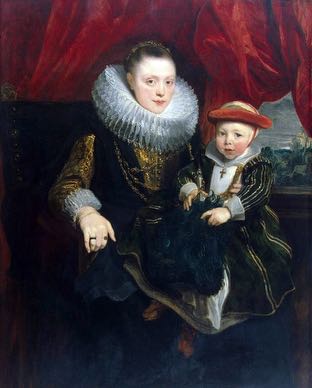






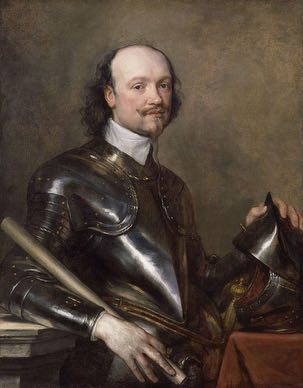


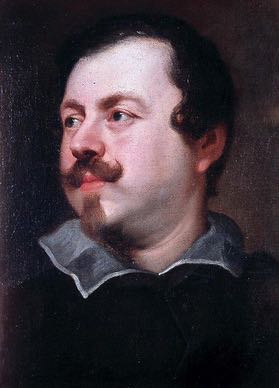
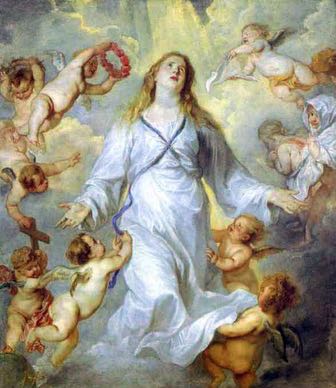
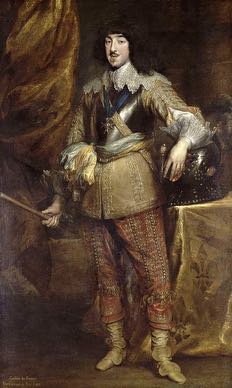


Can’t Find the Painting You Want?
Send us a reference image. We can recreate almost any artwork in the size and style you’re looking for.
Get a Free QuoteHand-Painted Anthony van Dyck Reproductions
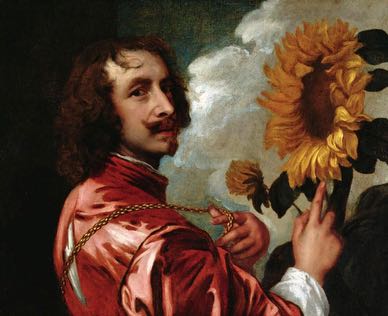
Bring Van Dyck’s art into your home with an oil-on-canvas reproduction hand-painted by a professional artist. Our collection features hundreds of paintings from across his career, including Charles I, King of England at the Hunt, Portrait of Marchesa Elena Grimaldi, and Self-Portrait. Discover royal portraits, Genoese nobles, family groups, religious narratives, mythological scenes, and other subjects closely associated with Van Dyck. Every reproduction is a real oil painting, offering depth and texture that a print or digital transfer cannot provide. From iconic masterpieces to lesser-known works, find a Van Dyck painting that suits your space.
The Making of an Anthony van Dyck Oil Painting Replica
Creating an Anthony van Dyck oil painting replica requires patience, precision, and an understanding of the original artwork. Our studio includes artists who specialize in Baroque painting and understand the distinctive qualities of Van Dyck’s work. Before painting begins, the artist studies the source image, paying close attention to its composition, refined pose, expression, color, fabrics, architectural setting, surface texture, and controlled brushwork. These elements are recreated by hand in oil on canvas using an approach suited to the original. Once complete, the reproduction is inspected by our quality-control team and photographed for your approval.
Custom Sizes and Frames for Your Van Dyck Painting
Your Van Dyck painting can be ordered in practically any size, from popular standard dimensions to custom canvas sizes selected directly on the product page. This flexibility lets you choose a painting that fits your wall and complements your room perfectly. After selecting the size, you can choose from high-quality frames in classic or modern designs, with professional canvas stretching also available. Our framing options complement the elegant figures and formal character of Van Dyck’s paintings. With sizing, stretching, and framing arranged in one order, your artwork can arrive ready for display without a separate visit to a frame shop.
Order an Anthony van Dyck Reproduction with Confidence
Buying hand-painted art online should feel clear and comfortable. After your Anthony van Dyck reproduction is completed, we send high-resolution photographs for your review before shipping. You can inspect the composition, colors, figures, details, and overall finish, then request adjustments if needed. The painting is dispatched only after you approve it, so you know what to expect when it arrives. Your order also includes free express worldwide shipping and is covered by our 90-day return policy. Together, these assurances help you purchase a Van Dyck oil painting with greater confidence and peace of mind.
The Life and Art of Anthony van Dyck
Anthony van Dyck was a Flemish Baroque painter whose poised, elegant portraits changed how European aristocracy presented itself. Born in Antwerp in 1599, he showed unusual talent from an early age, worked closely with Peter Paul Rubens, and absorbed important lessons from Italian art, especially Titian. His career carried him from Antwerp to Italy and ultimately to England, where Charles I appointed him principal court painter in 1632. Van Dyck gave rulers, nobles, artists, and children expressive faces, graceful poses, luminous color, and richly observed clothing. His images of the Stuart court shaped British portraiture for generations, while his religious paintings and printed Iconography reveal an artist of much broader range.
Read More
Who Was Anthony van Dyck?
Anthony van Dyck was born in Antwerp on 22 March 1599 into a prosperous merchant household. His talent emerged early, and he began formal artistic training while still a boy. Before he reached his twenties, he had enough confidence and experience to keep a studio and accept work of his own.
Van Dyck became the most influential Flemish portraitist after Peter Paul Rubens. Portraits now dominate his reputation, but during a career of little more than twenty years he also produced major religious paintings, mythological scenes, drawings, oil studies, landscape sketches, and prints.
From the beginning, his career crossed borders. Antwerp supplied his technical foundations and his connection to Rubens; Italy transformed his understanding of aristocratic portraiture; and at the English court, his manner took root in British painting for generations.
Where Did Van Dyck’s Career Begin?
Van Dyck trained with Hendrick van Balen, a respected Antwerp painter of allegorical, religious, and mythological subjects. Churches, merchants, courtly patrons, and an established system of workshops made the city one of northern Europe’s busiest artistic centers.
At about nineteen, Van Dyck entered Antwerp’s Guild of Saint Luke as a master in 1618. His surviving early work is already assured, testing strong contrasts, animated poses, rapid paint, and intense expression. He also made incisive studies of heads that could be used when planning larger scenes.
Those years placed him inside the revival of Catholic religious art in the southern Netherlands. They also showed him how drawings, assistants, studies, and demanding large commissions could be coordinated within a productive workshop without erasing an artist’s individual style.
What Did Van Dyck Take from Rubens?
Van Dyck worked closely with Peter Paul Rubens, Antwerp’s leading painter. He was more than an anonymous apprentice: while maintaining an independent career, he contributed to Rubens’s ambitious studio projects and learned from his command of movement, anatomy, color, and monumental composition.
Early paintings such as Samson and Delilah show Van Dyck building emotional tension through urgent gestures, interwoven bodies, and focused light. Yet the slender figures, sensitive expressions, and cooler refinement already distinguish him from Rubens’s more expansive physical energy.
The association served both artists well. Rubens recognized a remarkable young talent, while Van Dyck encountered an international model of artistic life that brought classical learning, court service, church commissions, and cultivated patrons together.
How Did Italy Change Van Dyck’s Style?
Van Dyck traveled to Italy in 1621 and spent most of the following six years there. He visited Genoa, Rome, Venice, Palermo, Florence, and other centers, studying ancient sculpture and major Italian painters. Above all, Titian showed him how color, loose descriptive brushwork, commanding full-length poses, and individual presence could work together.
His Italian Sketchbook records sculptures, paintings, costumes, and compositional ideas gathered along the way. Van Dyck did not copy any one artist mechanically. He absorbed Italian conventions and recast them for contemporary rooms and living sitters.
When plague struck Sicily in 1624, Van Dyck was in Palermo, where he painted devotional images of the city’s patron, Saint Rosalia. They show that Italy changed more than his portraits: local belief and an immediate historical crisis also entered his religious art.
How Did Van Dyck Give Genoese Portraiture New Grandeur?
In Genoa, wealthy patrician families wanted portraits that could project lineage, status, and international sophistication. Van Dyck placed them among terraces, curtains, columns, and distant landscapes. Low viewpoints and lengthened proportions made the sitters appear exceptionally commanding.
In Portrait of Marchesa Elena Grimaldi, the marchesa advances under a parasol as servants, architecture, red cuffs, and black silk reinforce her authority. The Balbi Children gives young members of an elite family a comparable sense of scale and presence.
Splendor never entirely overwhelms individuality in these portraits. Silk, jewels, lace, armor, and imposing architecture establish rank, while the hands, face, and posture retain the sitter’s character.
Beyond Portraiture, What Did Van Dyck Paint?
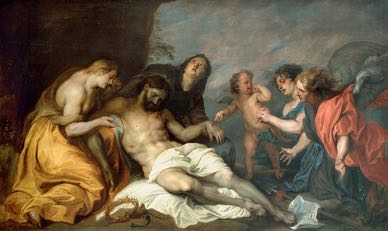
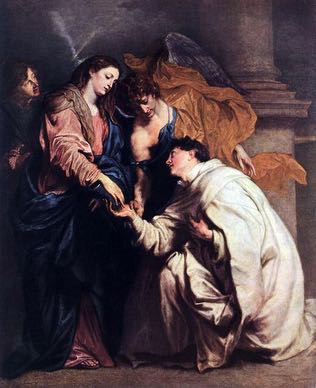
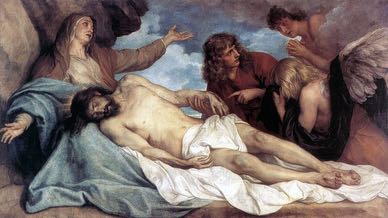
After returning to Antwerp in 1627, Van Dyck became court painter to Archduchess Isabella and received substantial commissions from churches. He painted saints and apostles, the Madonna and Child, the Crucifixion and Lamentation, and dramatic scenes from Christ’s Passion.
The Capture of Christ draws betrayal, resistance, fear, and divine calm into a tightly compressed night scene. In quieter religious pictures, subdued color, lowered gestures, and tearful faces replace sudden violence with contemplation and grief.
Such works make clear that Van Dyck’s career cannot be reduced to fashionable portraiture. His ability to align movement, expression, light, and devotional purpose placed him among the leading Flemish religious painters of the seventeenth century.
What Was Van Dyck’s Iconography?
The Iconography was Van Dyck’s ambitious project of portrait prints depicting rulers, military commanders, statesmen, scholars, collectors, and artists. Together, the images presented the leading personalities of his age as a broad community of achievement.
He supplied drawings and painted studies for professional engravers and personally etched a smaller number of plates. His own etched heads are strikingly economical: loose networks of open lines describe light, hair, expression, and character without the dense polish of reproductive engraving.
Later editions expanded the series and spread Van Dyck’s portrait designs far beyond the original subjects. By placing painters alongside intellectual, military, political, and courtly leaders, the project also asserted the elevated status of the artist.
Why Did Charles I Bring Van Dyck to England?
Van Dyck settled in England in 1632, when Charles I knighted him and named him Principal Painter in Ordinary. The king, an ambitious collector, wanted a court image worthy of Europe’s leading monarchies. Van Dyck supplied a visual language in which authority seemed graceful and effortless rather than stiff.
In Charles I, King of England at the Hunt, the monarch stands casually beside a horse yet rules the surrounding landscape through his pose, the low viewpoint, elegant costume, and deliberate distance. Charles I in Three Positions supplied Gian Lorenzo Bernini with three views from which to create a sculpted bust.
Queen Henrietta Maria, the royal children, courtiers, diplomats, writers, and aristocratic families also passed through Van Dyck’s busy studio. At their best, these portraits preserve a living individual beneath the ceremony and display.
Which Paintings Offer the Best Introduction to Van Dyck?
Van Dyck’s best-known works encompass Stuart royalty, Genoese aristocrats, children and family groups, self-portraiture, religious drama, and literary mythology:
- Charles I, King of England at the Hunt: A seemingly informal outdoor likeness turns landscape, viewpoint, and pose into a refined claim of royal authority.
- Charles I in Three Positions: Three carefully observed views provided Gian Lorenzo Bernini with the information needed to sculpt the king’s bust.
- Portrait of Marchesa Elena Grimaldi: Dark silk, monumental scale, architecture, and a parasol-bearing servant proclaim the Genoese sitter’s rank and assurance.
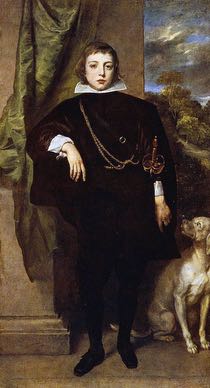
- The Balbi Children: Luxurious dress, impressive scale, and formal presence give young aristocrats the grandeur usually reserved for adults.
- Portrait of Lord John Stuart and His Brother Lord Bernard Stuart: Coordinated gestures and shimmering clothes unite the brothers without erasing their individual characters.
- Self-Portrait: Elegant clothing, direct expression, and assured handling present the painter as a cultivated gentleman and creative professional.
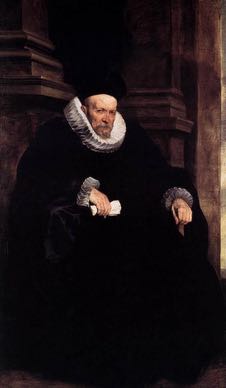
- Cornelis van der Geest: A closely studied head gives unusual psychological weight to the Antwerp merchant, collector, and patron.
- The Capture of Christ: Torchlight, crowded bodies, conflicting gestures, and sudden motion intensify the biblical betrayal.
- Samson and Delilah: Bodies, glances, and urgent movement concentrate a story of physical strength and betrayal.
- Rinaldo and Armida: Romance and enchantment unfold through rich fabric, expressive gestures, and a literary subject drawn from Torquato Tasso.
Why Does Van Dyck’s Influence Endure?
Van Dyck created a model of aristocratic portraiture in which grandeur appears almost effortless. Sitters turn, lean, gesture, or face the viewer with quiet assurance, while horses, curtains, columns, landscape, and fine clothing establish rank without making the figure seem rigid.
British painters continued to learn from him long after his death. Thomas Gainsborough, among others, studied Van Dyck’s long figures, fluid brushwork, and ability to merge portrait and landscape. Court and society portraitists repeatedly adapted the language he had devised for the Stuarts.
Van Dyck died in London on 9 December 1641, aged forty-two. In a remarkably short career, his paintings and prints carried a distinctive ideal of cultivated identity throughout Europe. His achievement lies not merely in flattering powerful patrons, but in making gesture, atmosphere, fabric, personality, and rank speak the same coherent visual language.
Copyright © 2026 BrushWiz. All Rights Reserved.
About Our Anthony van Dyck Paintings
Are your Anthony van Dyck reproductions painted by hand?
Yes. Every reproduction is individually painted by hand in oil on canvas by a professional artist. We do not use prints, digital transfers, or mechanical reproduction methods.
How closely do your Van Dyck copies resemble the original?
Our artists work to capture the composition, colors, texture, and visual character of the original Van Dyck painting as closely as possible. Because every reproduction is painted by hand, small variations are natural and make each canvas unique.
How long does it take to complete a painting?
Most Anthony van Dyck reproductions require approximately two to three weeks to paint, dry, and inspect. Production time may vary depending on the artwork and canvas size, so check the estimate displayed on the product page.
Can I request a Van Dyck painting that is not listed?
Yes. If you cannot find the Anthony van Dyck artwork you want in our catalog, send us the painting’s title or an image. Our team will review your request and confirm the available sizes, estimated production time, and price.
Will I receive photos of my painting before it is shipped?
Yes. We send high-resolution photographs of the completed painting for your approval. You can request adjustments if needed, and the painting will not be dispatched until the review process is complete.
Can I order a custom canvas size?
Yes. We offer custom dimensions in addition to the standard sizes shown on the product page. Select the dimensions you need directly from the available size options.
Can I order my Van Dyck painting with a frame?
Yes. High-quality frames in classic and modern designs are available for many paintings. You can view compatible framing options and add your preferred design from the product page. Professional canvas stretching is also available.
How much does an Anthony van Dyck reproduction cost?
The price depends on the selected artwork, canvas dimensions, and framing option. Choose your preferred configuration on the product page to see the current price before ordering.
Do you offer free worldwide shipping?
Yes. Anthony van Dyck reproductions qualify for free express worldwide shipping. After dispatch, delivery usually takes five to eight business days, although timing may vary by country and destination.
What is the return policy for Van Dyck reproductions?
Orders are covered by our 90-day return policy. Review the current return-policy page before ordering for complete information about eligibility, time limits, and the return process.
Why BrushWiz?
100% Hand Painted
Every piece is entirely handmade
Museum Quality
Faithfully recreated by expert artists
Custom Framing
Choose from a wide range of frames
Free Shipping
Enjoy free shipping on all orders
Cash Back Rewards
Earn cash back with every purchase