
❄️ Winter Sale. Offer Ends 11/16/2026. View Details
❄️ Winter Sale. Ends 11/16/2026. View Details
❄️ Winter Sale. View Details
Artists
Subjects
Movements
Collections
Decor
Portraits
Commissions
Framing
Reviews
Gift Cards
On Sale
Sandro Botticelli Oil Painting Reproductions
Shop museum-quality reproductions of Sandro Botticelli’s most famous paintings, each hand-painted in oil on canvas by a professional artist.
Shop Art
Showing 1-40 of 111 results
Sort By
Most Popular
- Most Popular
- New Arrivals
- Best Sellers
- Alphabetical A-Z
- Alphabetical Z-A

From: $582.00$291.00

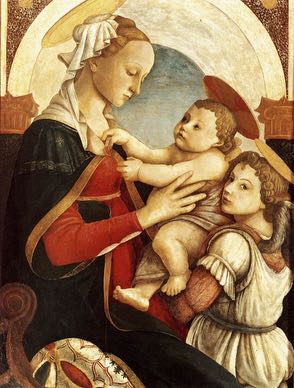


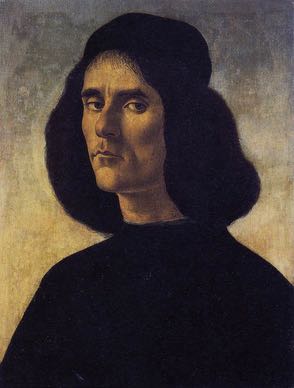
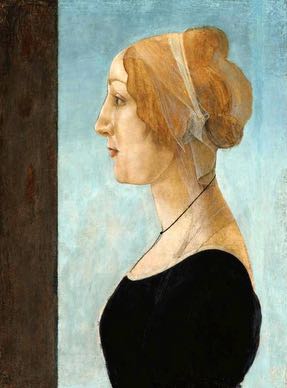
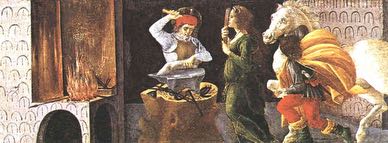




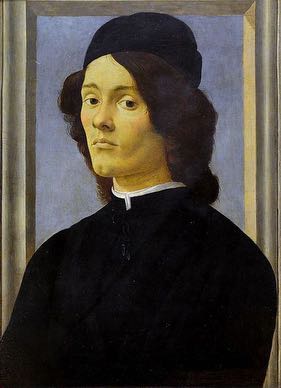
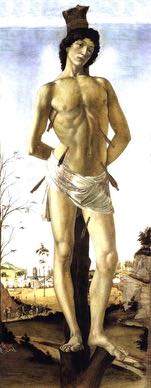
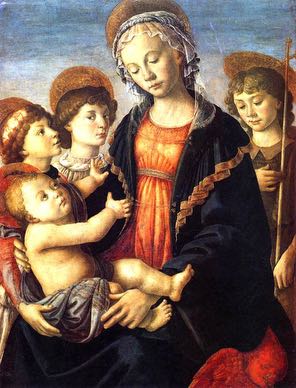


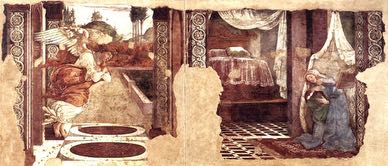




Can’t Find the Painting You Want?
Send us a reference image. We can recreate almost any artwork in the size and style you’re looking for.
Get a Free QuoteHand-Painted Sandro Botticelli Reproductions
Bring Botticelli’s art into your home with an oil-on-canvas reproduction hand-painted by a professional artist. Our collection features more than one hundred paintings from across his career, including Primavera, The Birth of Venus, and The Adoration of the Magi. Discover classical goddesses, graceful Madonnas, Florentine portraits, dramatic sacred scenes, and other subjects closely associated with Botticelli. Every reproduction is a real oil painting, offering depth and texture that a print or digital transfer cannot provide. From iconic masterpieces to lesser-known works, find a Botticelli painting that suits your space.
The Making of a Sandro Botticelli Oil Painting Replica
Creating a Sandro Botticelli oil painting replica requires patience, precision, and an understanding of the original artwork. Our studio includes artists who specialize in Renaissance painting and understand the distinctive qualities of Botticelli’s work. The artist begins by studying the source image, then recreates its harmonious composition, delicate colors, finely modeled faces, and Botticelli’s flowing contours across figures, hair, and drapery using traditional oil-painting methods. After completion, the painting is inspected by our quality-control team and photographed for your approval. The result is a carefully executed oil painting that reflects the visual character of the original.
Custom Sizes and Frames for Your Botticelli Painting
Your Botticelli painting can be ordered in practically any size, from popular standard dimensions to custom canvas sizes selected directly on the product page. This flexibility lets you choose a painting that fits your wall and complements your room perfectly. After selecting the size, you can choose from high-quality frames in classic or modern designs, with professional canvas stretching also available. Our framing options complement the elegant lines and refined colors of Botticelli’s paintings. With sizing, stretching, and framing arranged in one order, your artwork can arrive ready for display without a separate visit to a frame shop.
Order a Sandro Botticelli Reproduction with Confidence
Buying hand-painted art online should feel clear and comfortable. After your Sandro Botticelli reproduction is completed, we send high-resolution photographs for your review before shipping. You can inspect the composition, colors, brushwork, and overall finish, then request adjustments if needed. The painting is dispatched only after you approve it, so you know what to expect when it arrives. Your order also includes free express worldwide shipping and is covered by our 90-day return policy. Together, these assurances help you purchase a Botticelli oil painting with greater confidence and peace of mind.
The Life and Art of Sandro Botticelli
Sandro Botticelli was a Florentine Renaissance painter whose lyrical figures and flowing contours gave sacred and classical subjects a distinctive emotional presence. Born Alessandro di Mariano Filipepi around 1445, he trained with Filippo Lippi and established a successful workshop. Medici patrons commissioned portraits, devotional paintings, and mythologies, while Pope Sixtus IV called him to decorate the Sistine Chapel. Botticelli became especially admired for graceful Madonnas and secular works inspired by ancient poetry and philosophy. His later paintings grew more intense and austere amid political and religious upheaval in Florence. Neglected for centuries, his art was rediscovered in the nineteenth century and is now central to the image of Renaissance Florence.
Read More
Who Was Sandro Botticelli?
Sandro Botticelli was born Alessandro di Mariano Filipepi in Florence around 1445. His father, Mariano, was a tanner, and the family lived near the church of Ognissanti. The origin of “Botticelli” is not completely certain, though the nickname was already associated with the family before it became the artist’s familiar name.
At the height of his career, Botticelli ranked among the most sought-after painters in Florence. He produced altarpieces, devotional images, portraits, mythological scenes, narrative panels, frescoes, and drawings. A busy workshop helped meet demand, but his strongest paintings retain an unmistakably personal balance of elegance and unease.
His reputation now rests heavily on graceful goddesses and flower-filled gardens. That familiar image tells only part of the story. Botticelli also created solemn Madonnas, crowded biblical histories, psychologically alert portraits, and late religious works whose urgency sharply differs from the calm beauty of his mythologies.
Where Did Botticelli Learn His Craft?
Giorgio Vasari wrote that Botticelli first trained as a goldsmith, a claim that may help explain the precision of his line but cannot be documented securely. His decisive apprenticeship was with Filippo Lippi, probably during the 1460s. Lippi’s tender figures, translucent veils, and intimate Madonnas left a lasting impression.
Botticelli also learned from the forceful anatomy of Antonio del Pollaiuolo and the broad Florentine workshop culture surrounding Andrea del Verrocchio. These influences helped him give bodies clear structure without sacrificing the decorative sweep of an outline.
By 1470, Botticelli was operating an independent workshop. An early public commission, the figure of Fortitude for Florence’s merchant tribunal, showed that he could handle monumental allegory. He joined the Compagnia di San Luca, the painters’ confraternity, in 1472 and later employed Filippino Lippi, the son of his former teacher.
The workshop trained assistants, repeated successful designs, and allowed Botticelli to accept commissions of very different sizes. Distinguishing his own hand from those of collaborators can be difficult in some paintings, yet drawings and underpainting reveal how carefully designs were planned before color was applied.
How Did Florentine Patrons Help Build His Reputation?
Botticelli worked for churches, civic bodies, merchant families, and members of the Medici circle. The relationship is sometimes simplified into the idea that he was the Medici family’s private painter, but his clientele was broader and individual commissions are not always fully documented.
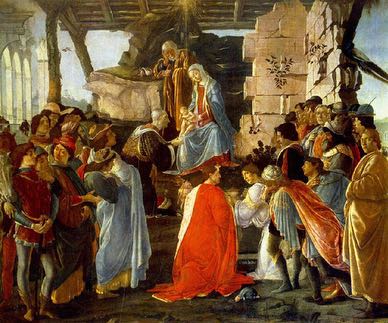
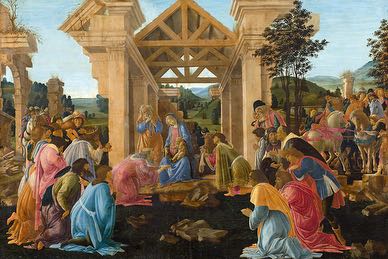
The Adoration of the Magi, painted around 1475 for a chapel at Santa Maria Novella, helped establish his public standing. Members of the Medici family appear among the worshippers, while Botticelli may have included his own face at the right edge. Sacred history becomes a gathering of recognizable Florentine personalities without losing its devotional center.
Portraiture was another important part of this network. Sitters such as Giuliano de’ Medici are set against spare backgrounds that concentrate attention on profile, clothing, and expression. Botticelli’s portraits can seem reserved, but their carefully shaped silhouettes give individual presence unusual force.
What Gives Botticelli’s Style Its Distinctive Rhythm?
Line is the most immediately recognizable feature of Botticelli’s art. A contour travels around a shoulder, gathers fabric into folds, releases a strand of hair, and returns through the gesture of a hand. It describes the body while also creating an independent rhythm across the surface.
His figures do not always obey strict naturalism. Necks lengthen, poses tilt, and weight can feel strangely suspended. These departures are purposeful: they allow emotion and pattern to become clearer. Faces often remain calm while hands, garments, and bending bodies carry the tension of a scene.
Botticelli worked mainly in tempera, layering color to produce clear forms and luminous surfaces. He used gold selectively and paid close attention to patterned cloth, transparent veils, jewelry, plants, and architecture. Even when perspective creates depth, design remains as important as the illusion of physical space.
Why Were His Mythological Paintings So Unusual?
Large paintings of classical mythology were still uncommon in fifteenth-century Florence. Botticelli’s secular works emerged from a culture in which ancient poetry, sculpture, humanist learning, marriage ritual, and contemporary court life could meet. Their precise meanings remain debated because no surviving explanation settles every figure or symbol.
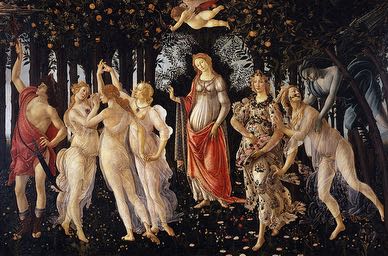
Primavera brings Venus, Mercury, the Three Graces, Cupid, Zephyrus, Chloris, and Flora into a dark orange grove filled with meticulously differentiated plants. The figures form separate episodes, yet gestures and glances lead the eye across the garden as if through music.
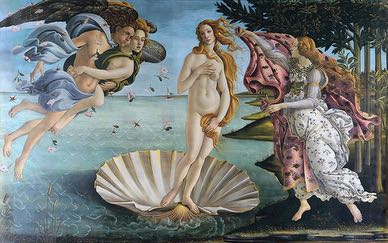
The Birth of Venus shows the goddess arriving at shore on a shell, carried by wind and met with a flowered cloak. Botticelli cared less about anatomical weight than the sweep of hair, air, waves, and fabric. The painting’s canvas support also suited a large decorative work for a noble residence.
What Did Botticelli Paint in the Sistine Chapel?
In 1481, Pope Sixtus IV summoned Botticelli to Rome as part of the team decorating the newly built Sistine Chapel. The invitation itself shows his standing: he worked beside prominent painters including Domenico Ghirlandaio and Pietro Perugino.
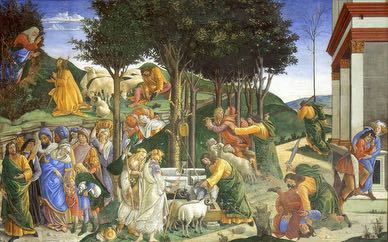
Botticelli contributed three large narrative frescoes: scenes from the life of Moses, the temptations of Christ, and the punishment of Korah. Each compresses several moments into a continuous landscape. Repeated figures guide viewers through the story while architecture and costume lend clarity to a crowded wall.
He also participated in the series of papal portraits above the narratives. Fresco demanded rapid, collaborative work on a monumental scale, quite different from the controlled surface of a tempera panel. Botticelli returned to Florence by 1482, and Rome remains the only place outside his native city where he is known to have completed a major project.
In What Ways Did Sacred Painting Remain Central to His Work?
Botticelli’s mythologies are now famous, but religious commissions occupied him throughout his career. He painted Madonnas for private devotion, altarpieces for public chapels, Annunciations, saints, and narrative cycles. Familiar themes gave him room to explore tenderness, foreknowledge, grief, and spiritual concentration.
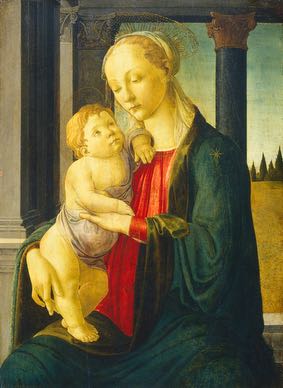
In Madonna of the Book, Mary and the Christ Child bend over an illuminated volume within a quiet domestic interior. Fruit, nails, and a crown of thorns introduce the future Passion into an affectionate exchange. Precious details reward close looking without overwhelming the figures.
Later works could be far more severe. In his Lamentations, clustered bodies close around the dead Christ, and graceful contour becomes a vehicle for shared grief. The change reminds us that beauty in Botticelli is rarely simple decoration; it can carry anxiety, loss, and devotion at the same time.
Did Botticelli’s Art Change During Florence’s Political Crisis?
The 1490s brought upheaval to Florence. Lorenzo de’ Medici died in 1492, the Medici were expelled in 1494, French forces entered Italy, and the Dominican preacher Girolamo Savonarola gained extraordinary influence before his execution in 1498. Botticelli’s later art became more compressed, emotional, and openly religious within this unsettled climate.
Vasari later claimed that Botticelli followed Savonarola, but the extent of that connection remains uncertain. There is no secure evidence that he burned his own mythological paintings in the famous bonfires of vanities. His changing style should therefore not be reduced to a single dramatic conversion.
The Mystical Nativity, dated 1500, includes a Greek inscription referring to Italy’s troubles and the Book of Revelation. Angels embrace people below while heaven opens above the stable. The picture’s unusual scale, urgent movement, and apocalyptic hope make it one of his most personal late works.
Which Paintings Best Trace Botticelli’s Development?
Botticelli’s career moved between intimate portraiture, sacred narrative, classical poetry, and late spiritual intensity. These works reveal both the consistency of his line and the striking changes in mood across four decades:
- The Adoration of the Magi, about 1475: A sacred gathering becomes a confident display of portraiture and Florentine social observation.
- Portrait of a Man with a Medal of Cosimo the Elder, about 1475: The sitter holds a gilded likeness that connects personal identity with Medici memory.
- Primavera, about 1480: Mythological figures, hundreds of plants, and flowing gestures turn a grove into a complex poetic world.
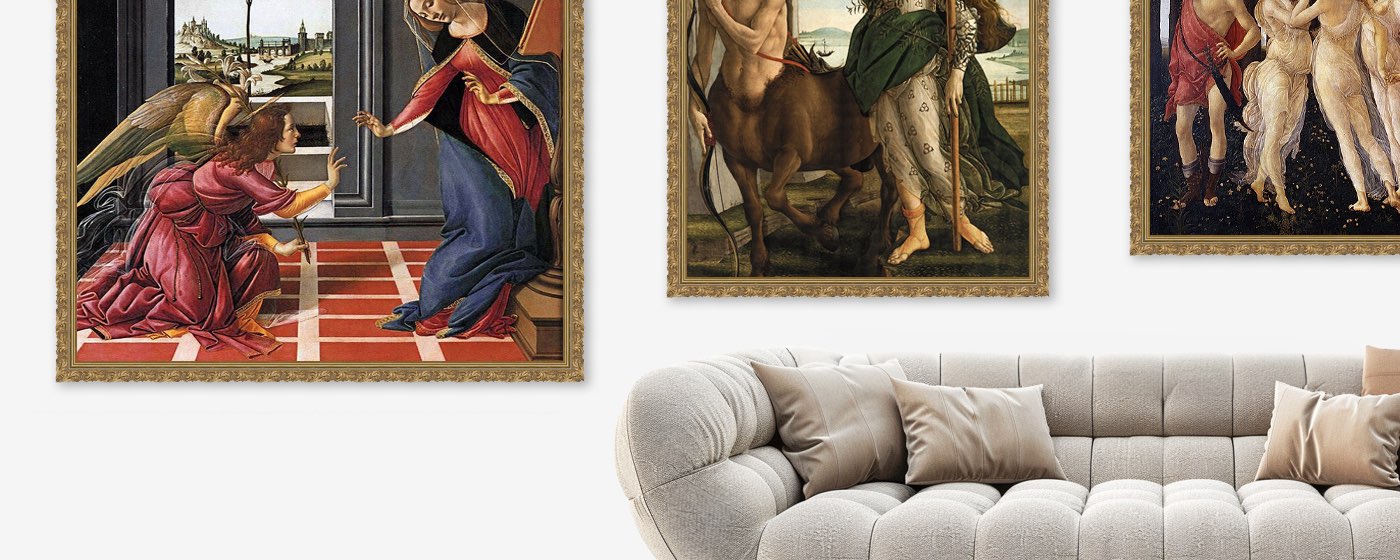
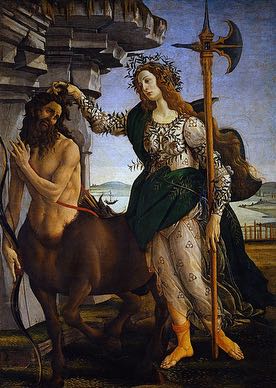
- Pallas and the Centaur, about 1482: A richly dressed woman restrains a centaur in an enigmatic image of opposing forces.
- Venus and Mars, about 1485: The alert goddess and sleeping warrior turn classical love into an elegant, gently comic contrast.
- The Birth of Venus, about 1485: Wind, hair, flowers, and drapery carry the goddess toward shore through the continuous rhythm of line.
- Calumny of Apelles, about 1494–1495: An ancient description of a lost painting becomes a tense allegory of accusation, deception, and truth.
- The Mystical Nativity, 1500: A traditional birth scene is recast as an urgent vision of conflict, reconciliation, and divine promise.
How Was Botticelli Rediscovered?
Botticelli died in Florence on 17 May 1510 and was buried at Ognissanti. His final years are poorly documented, and later stories of complete poverty or isolation rely heavily on Vasari’s account. What is clear is that the monumental style of Leonardo da Vinci, Michelangelo, and Raphael had begun to redirect artistic taste.
For centuries, Botticelli occupied a less prominent place in accounts of the Renaissance. Nineteenth-century critics, collectors, and artists returned to his work, drawn to its linear grace, melancholy faces, literary suggestiveness, and difference from High Renaissance naturalism. The Pre-Raphaelites found his art especially compelling.
The rediscovery turned The Birth of Venus and Primavera into global cultural icons, sometimes separating them from their original Florentine setting. Looking beyond those two images reveals a more complicated artist: inventive and successful, responsive to workshop practice and patronage, and capable of moving from courtly beauty to profound religious tension.
Copyright © 2026 BrushWiz. All Rights Reserved.
About Our Sandro Botticelli Paintings
Are your Sandro Botticelli reproductions painted by hand?
Yes. Every reproduction is individually painted by hand in oil on canvas by a professional artist. We do not use prints, digital transfers, or mechanical reproduction methods.
How closely will my Botticelli replica resemble the original?
Our artists work to capture the composition, colors, texture, and visual character of the original Botticelli painting as closely as possible. Because every reproduction is painted by hand, small variations are natural and make each canvas unique.
How much time is needed to paint a Botticelli reproduction?
Most Botticelli reproductions require approximately two to three weeks to paint, dry, and inspect. Production time may vary depending on the artwork and canvas size, so check the estimate displayed on the product page.
Can BrushWiz reproduce a Botticelli painting not shown in the catalog?
Yes. If you cannot find the Sandro Botticelli artwork you want in our catalog, send us its title or an image. Our team will review your request and confirm the available sizes, estimated production time, and price.
Will I see my completed painting before it is shipped?
Yes. We send high-resolution photographs of the completed painting for your approval. You can request adjustments if needed, and the painting will not be dispatched until the review process is complete.
Are custom canvas dimensions available for Botticelli paintings?
Yes. We offer custom dimensions in addition to the standard sizes shown on the product page. Select the dimensions you need directly from the available size options.
May I add a frame to my Botticelli reproduction?
Yes. High-quality frames in classic and modern designs are available for many paintings. You can view compatible framing options and add your preferred design from the product page. Professional canvas stretching is also available.
What determines the cost of a Sandro Botticelli replica?
The price depends on the selected artwork, canvas dimensions, and framing option. Choose your preferred configuration on the product page to see the current price before ordering.
Is worldwide shipping free for Botticelli reproductions?
Yes. Botticelli reproductions qualify for free express worldwide shipping. After dispatch, delivery usually takes five to eight business days, although timing may vary by country and destination.
Which return policy applies to a Botticelli painting?
Orders are covered by our 90-day return policy. Review the current return-policy page before ordering for complete information about eligibility, time limits, and the return process.
Why BrushWiz?
100% Hand Painted
Every piece is entirely handmade
Museum Quality
Faithfully recreated by expert artists
Custom Framing
Choose from a wide range of frames
Free Shipping
Enjoy free shipping on all orders
Cash Back Rewards
Earn cash back with every purchase