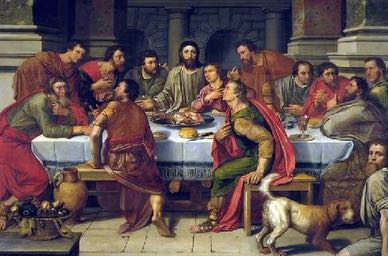
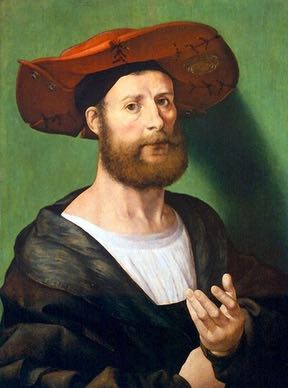
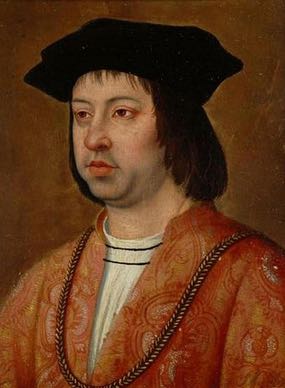
The roots of Flemish painting can be traced back to the pioneering works of artists like Jan van Eyck, whose mastery of oil painting techniques revolutionized the art world and laid the foundation for the Flemish school of painting. Van Eyck's meticulous attention to detail, subtle use of light and shadow, and unparalleled skill in capturing the nuances of the natural world set a standard of excellence that would inspire generations of Flemish artists to come.
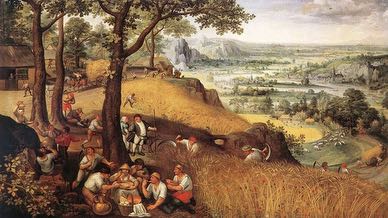
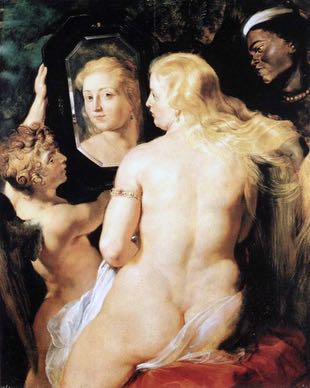
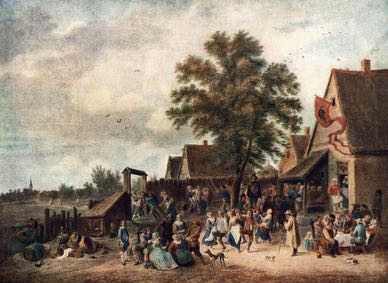
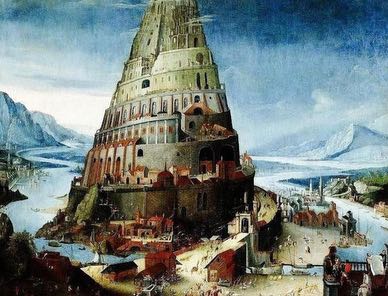
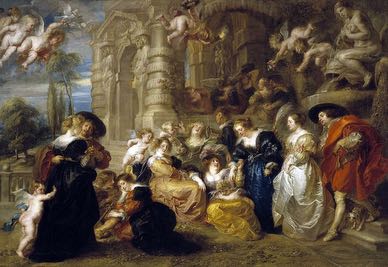
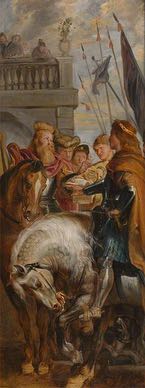
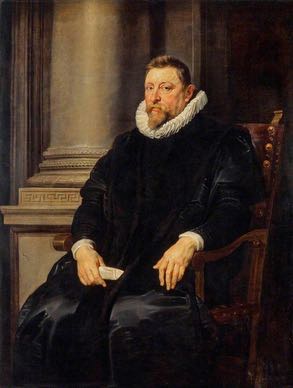
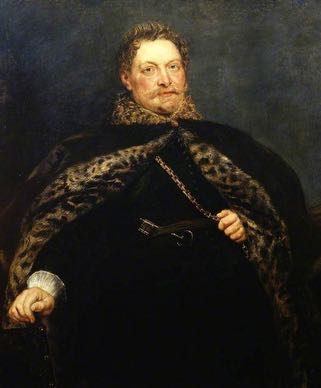
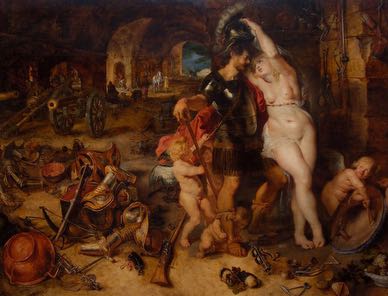
During the 16th and 17th centuries, Flemish painting reached new heights of artistic achievement, as masters like Pieter Bruegel the Elder, Peter Paul Rubens, and Anthony van Dyck created monumental works that epitomized the grandeur and opulence of the Baroque era. Bruegel's vivid depictions of peasant life and panoramic landscapes captured the imagination of viewers with their rich narrative detail and incisive social commentary, while Rubens's dynamic compositions, voluptuous figures, and vibrant colors brought a sense of drama and sensuality to the canvas.
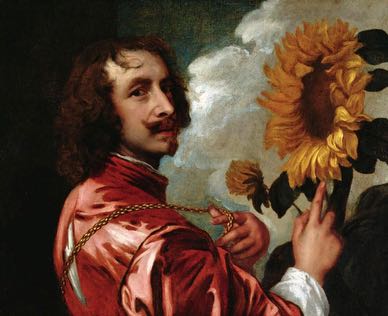
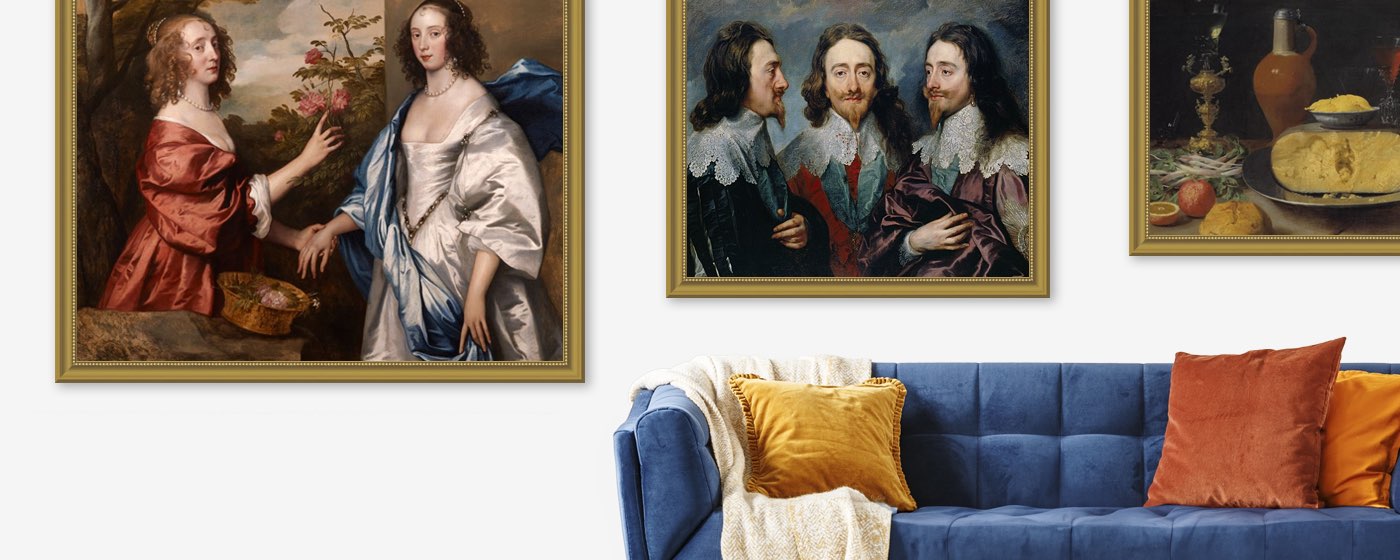
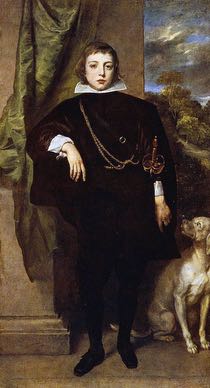
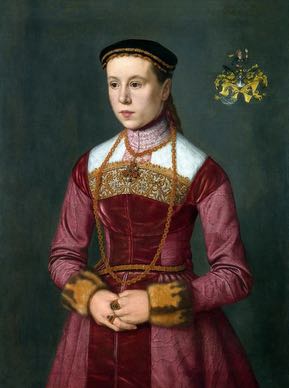
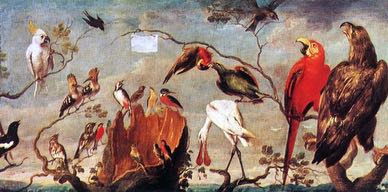
The 17th century witnessed a golden age of Flemish painting, as Rubens emerged as the leading figure of the Flemish Baroque movement, his workshop attracting a host of talented artists who would go on to make significant contributions to the art world. Meanwhile, Anthony van Dyck's elegant portraits and masterful command of color and light earned him acclaim as one of the greatest portrait painters of his time, while Jan Brueghel the Elder's sumptuous still lifes and exquisite flower paintings captivated audiences with their delicacy and beauty.
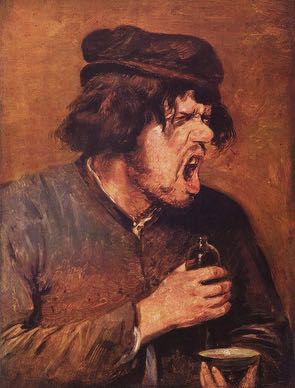
As the 17th century gave way to the 18th and 19th centuries, Flemish painting continued to evolve, with artists like Jacob Jordaens, David Teniers the Younger, and Adriaen Brouwer exploring new styles and subject matter. The rise of Romanticism brought a renewed interest in nature, emotion, and the sublime, inspiring painters like Eugène Delacroix and Théodore Géricault to push the boundaries of artistic expression and explore the darker recesses of the human psyche.
Today, Flemish painting remains a vital and enduring legacy, with contemporary artists carrying forth the tradition of excellence established by their predecessors. From the vibrant streets of Antwerp to the picturesque landscapes of Bruges, the spirit of Flemish painting continues to inspire and captivate audiences around the world, its legacy of innovation, creativity, and cultural richness shining brightly through the ages.
Copyright © 2026 BrushWiz. All Rights Reserved.