The origins of painting for illustrative purposes can be traced back to ancient civilizations, where art served both decorative and narrative functions. In ancient Egypt, tomb paintings and papyrus scrolls depicted scenes of daily life, religious rituals, and historical events, offering a glimpse into the lives and beliefs of the time. These early works were not just decorative but served as visual records and educational tools.
During the medieval period, manuscript illumination became a prominent form of illustration. Monks and scribes meticulously painted intricate designs and scenes in religious texts, such as the Book of Kells. These illuminated manuscripts were characterized by their vibrant colors, detailed patterns, and symbolic imagery, designed to enhance the text and aid in its interpretation.
The Renaissance marked a significant turning point in the history of painting for illustration. Artists such as Leonardo da Vinci and Michelangelo began to explore the potential of painting to depict human emotion and complex narratives. The period saw the development of linear perspective, which allowed for more realistic and dynamic compositions. Illustration during the Renaissance was often used to complement literary works and scientific texts. For example, da Vinci's anatomical drawings provided detailed illustrations of the human body, aiding in both medical study and artistic practice. The Renaissance also saw the creation of elaborate prints and engravings, which made illustrated works more accessible to a wider audience.
The 17th and 18th centuries witnessed the rise of printmaking as a major method for illustration. The invention of engraving and etching techniques allowed artists to create detailed and reproducible images, which were used in books, newspapers, and magazines. This period saw the works of artists like Gustave Doré, whose illustrations for literary classics such as Dante's "Divine Comedy" and Cervantes' "Don Quixote" became iconic. Illustration during this time was characterized by its narrative quality and ability to convey complex stories and themes. The development of color printing techniques further enhanced the impact of illustrated works, bringing vibrant and expressive imagery to the public.
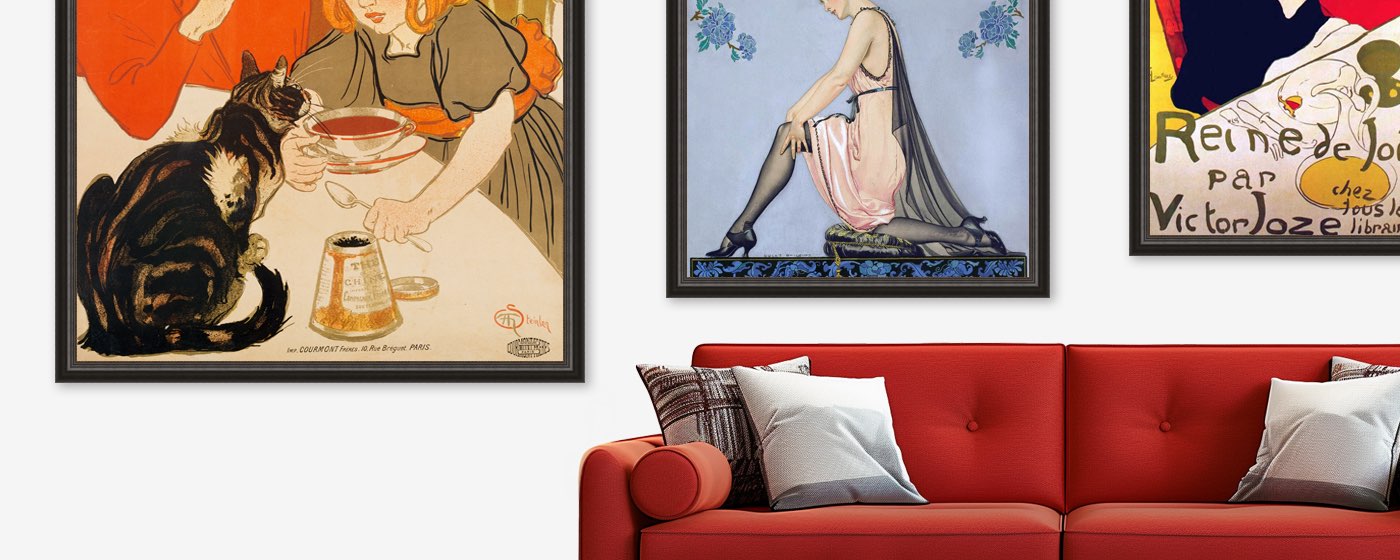
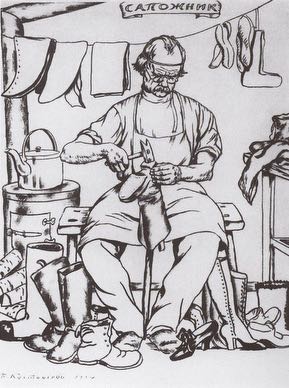
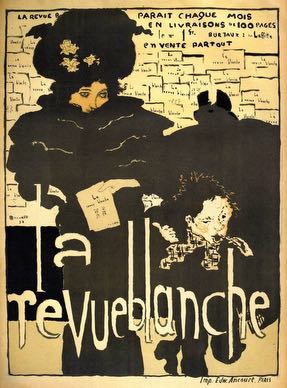
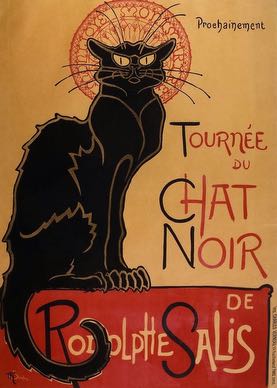
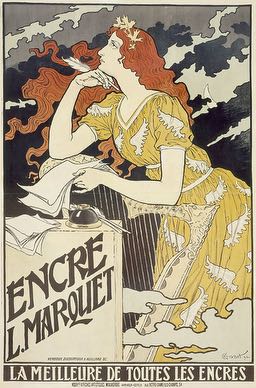
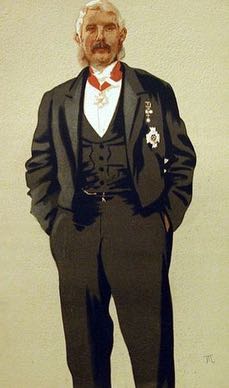
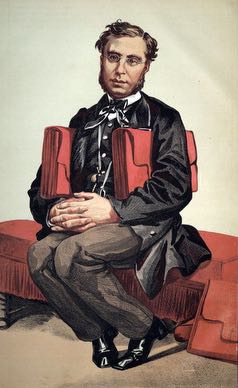
The 19th century brought a range of artistic movements that influenced illustration. Romanticism introduced dramatic and emotional illustrations, while Realism focused on accurate and detailed representations of everyday life. The advent of lithography and chromolithography allowed for greater flexibility and color in illustration.
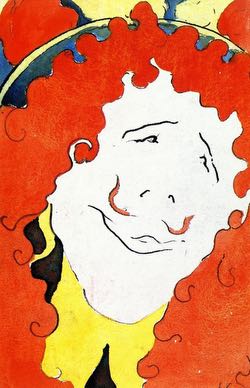
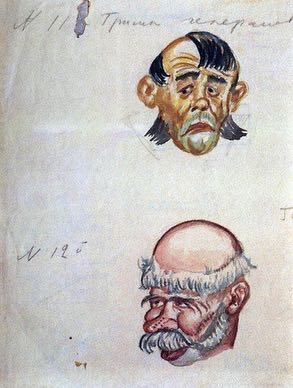
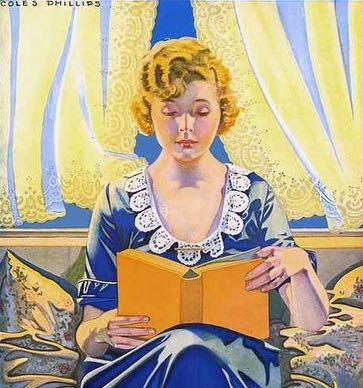
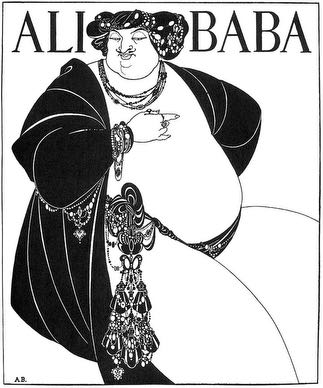
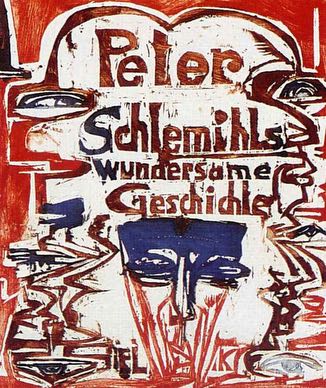
The early 20th century saw the emergence of modernist styles that challenged traditional forms of illustration. Artists experimented with abstract and fragmented forms, influencing how illustrations were created and perceived. The development of new media, such as film and animation, also expanded the possibilities for visual storytelling.
The late 20th and early 21st centuries have witnessed a digital revolution in illustration. The advent of digital tools and software has transformed the way artists create and share their work. Digital illustration allows for unprecedented precision, versatility, and experimentation, with artists using techniques ranging from vector graphics to 3D modeling. Contemporary illustration encompasses a wide range of styles and genres, from graphic novels and comic art to advertising and interactive media. The rise of the internet and social media has also changed how illustrations are distributed and consumed, enabling artists to reach global audiences and engage with diverse communities.
The history of painting for illustration is a testament to the enduring power of visual storytelling. From ancient murals to digital art, painting has played a crucial role in communicating ideas, emotions, and narratives. As technology continues to advance, the evolution of painting in illustration will undoubtedly lead to new and innovative forms of artistic expression, reflecting the ever-changing landscape of human creativity.
Throughout its history, painting in illustration has continually adapted to meet the needs of its time, offering insights into the human experience and shaping our understanding of the world. Its legacy endures as a vibrant and essential part of the artistic tradition, celebrating the beauty and power of visual communication.
Copyright © 2026 BrushWiz. All Rights Reserved.