

🔥 Limited-Time Sale. Offer Ends 11/10/2026. View Details
🔥 Limited-Time Sale. Ends 11/10/2026. View Details
🔥 Limited-Time Sale. View Details
Artists
Subjects
Movements
Collections
Decor
Portraits
Commissions
Framing
Reviews
Gift Cards
On Sale
El Greco Oil Painting Reproductions
Shop museum-quality reproductions of El Greco’s most famous paintings, each hand-painted in oil on canvas by a professional artist.
Shop Art

Showing 1-40 of 143 results
Sort By
Most Popular
- Most Popular
- New Arrivals
- Best Sellers
- Alphabetical A-Z
- Alphabetical Z-A

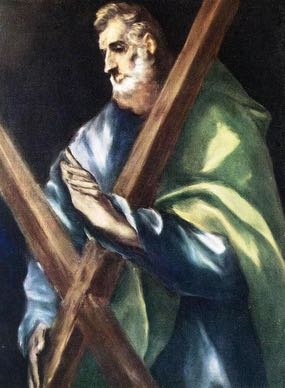

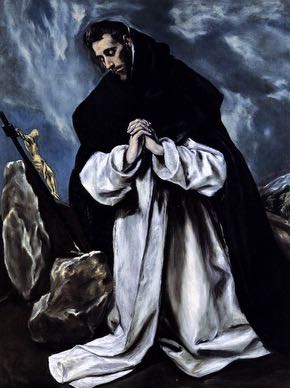
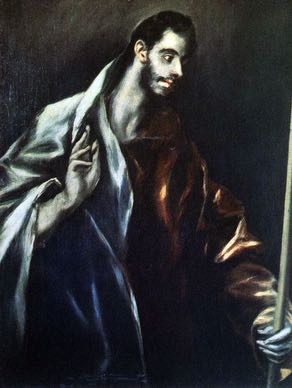
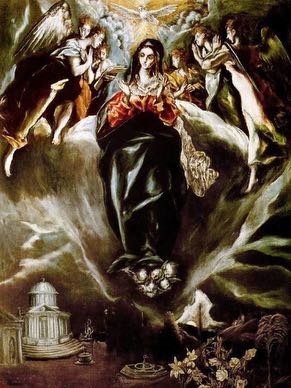


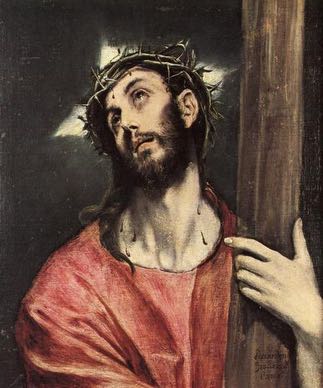
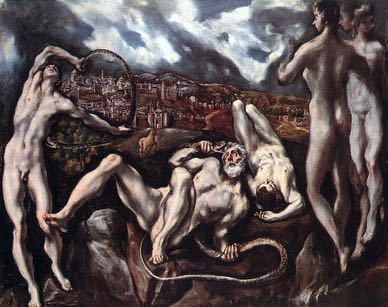
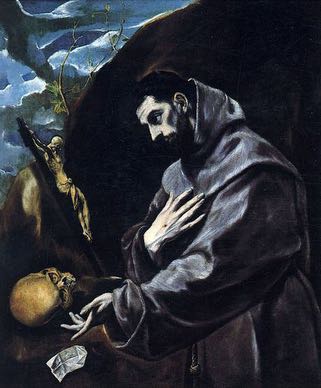

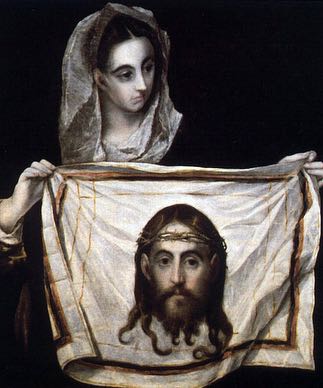
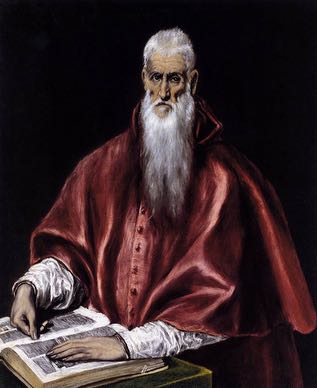
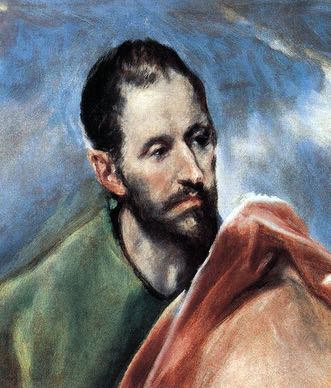
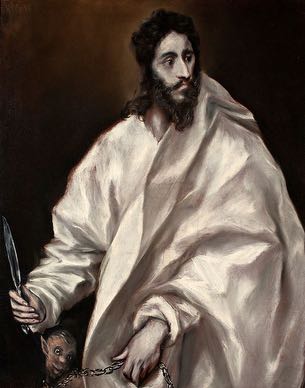

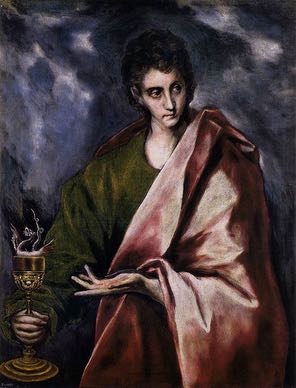


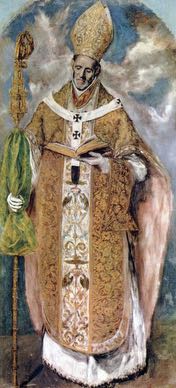
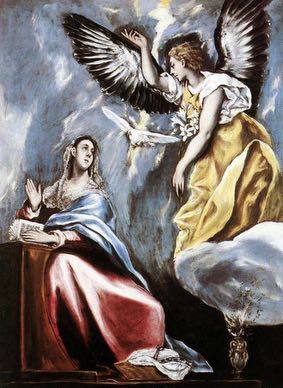
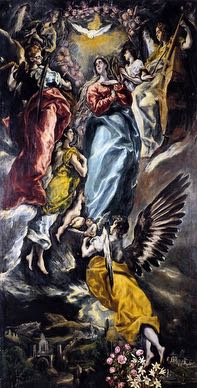
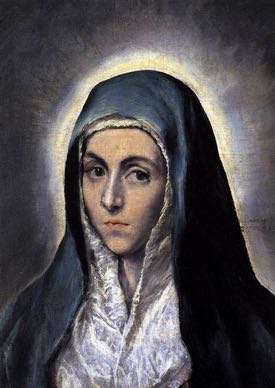
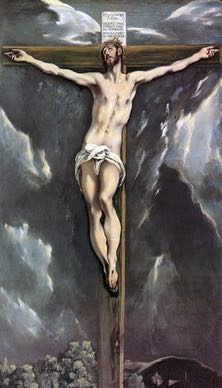
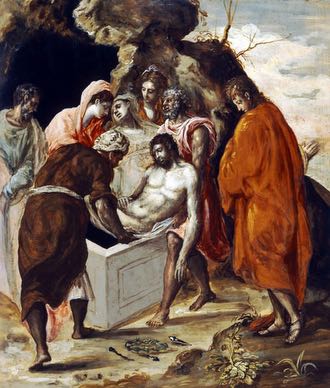
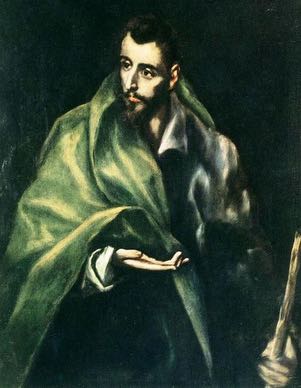
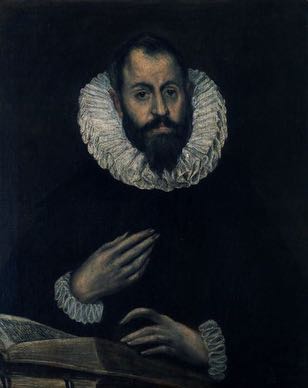


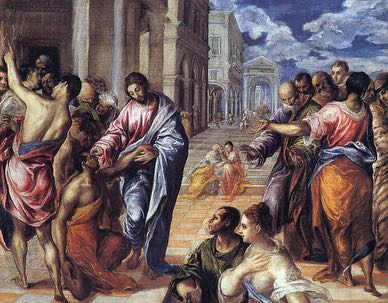

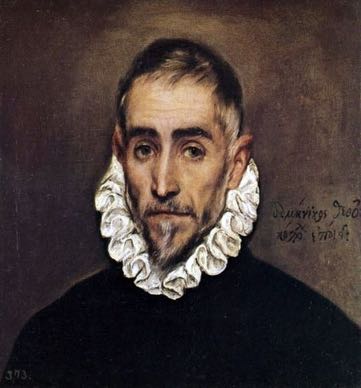
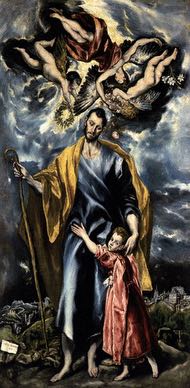
Can’t Find the Painting You Want?
Looking for a specific painting that isn’t in our catalog? Just let us know. We can recreate almost any artwork in the size and style you’re looking for.
Request a PaintingHand-Painted El Greco Reproductions
Bring El Greco’s art into your home with an oil-on-canvas reproduction hand-painted by a professional artist. Our collection features more than one hundred paintings from across his career, including View of Toledo, The Disrobing of Christ, and The Opening of the Fifth Seal. Discover visionary religious scenes, elongated saints, expressive portraits, views of Toledo, and other subjects closely associated with El Greco. Every reproduction is a real oil painting, offering depth and texture that a print or digital transfer cannot provide. From iconic masterpieces to lesser-known works, find a El Greco painting that suits your space.
The Making of an El Greco Oil Painting Replica
Creating an El Greco oil painting replica requires patience, precision, and an understanding of the original artwork. Our studio includes artists who specialize in Mannerist painting and understand the distinctive qualities of El Greco’s work. Before painting begins, the artist studies the source image, paying close attention to its elongated figures, expressive gestures, intense color, spiritual light, spatial arrangement, surface texture, and flowing brushwork. These elements are recreated by hand in oil on canvas using an approach suited to the original. Once complete, the reproduction is inspected by our quality-control team and photographed for your approval.
Custom Sizes and Frames for Your El Greco Painting
Your El Greco painting can be ordered in practically any size, from popular standard dimensions to custom canvas sizes selected directly on the product page. This flexibility lets you choose a painting that fits your wall and complements your room perfectly. After selecting the size, you can choose from high-quality frames in classic or modern designs, with professional canvas stretching also available. Our framing options complement the colors and spiritual character of El Greco’s paintings. With sizing, stretching, and framing arranged in one order, your artwork can arrive ready for display without a separate visit to a frame shop.
Order an El Greco Reproduction with Confidence
Buying hand-painted art online should feel clear and comfortable. After your El Greco reproduction is completed, we send high-resolution photographs for your review before shipping. You can inspect the composition, colors, figures, details, and overall finish, then request adjustments if needed. The painting is dispatched only after you approve it, so you know what to expect when it arrives. Your order also includes free express worldwide shipping and is covered by our 90-day return policy. Together, these assurances help you purchase an El Greco oil painting with greater confidence and peace of mind.
The Life and Art of El Greco
El Greco was a Greek-born painter, sculptor, and architect whose unmistakable style brought Byzantine icon painting together with Venetian color, Renaissance technique, and Mannerist invention. Born Domenikos Theotokopoulos on Crete in 1541, he was already a master icon painter before traveling to Venice and Rome. After settling in Toledo in 1577, he created religious scenes, portraits, and landscapes filled with elongated figures, intense color, flickering light, and restless movement. His unconventional art later fell from favor, but artists and critics rediscovered it during the nineteenth and twentieth centuries. El Greco is now recognized as one of early modern Europe’s most original painters and an important precursor to modern art.
Read More
Who Was El Greco?
El Greco was born Domenikos Theotokopoulos in 1541 in Candia, the main city of Crete, then governed by the Republic of Venice. The name that made him famous means “the Greek” in Spanish. It preserved the identity he carried from the eastern Mediterranean into an international career.
Several artistic cultures shaped his work. He learned to paint sacred icons in the late Byzantine tradition. Venice introduced new possibilities in color, anatomy, perspective, and oil paint; Rome brought him into contact with Mannerism and learned patrons. In Toledo, these experiences came together in the mature style that made him distinctive.
El Greco often signed his paintings with his Greek name, sometimes adding words that identified him as Cretan. Written in Greek letters, the signature expressed pride in his origins. It also suited an artist who became a defining figure in Spanish painting without surrendering the identity he brought to Spain.
Where Did El Greco First Learn to Paint?
Crete had a thriving school of icon painting that supplied Orthodox and Catholic patrons throughout the Mediterranean. Within this tradition, El Greco learned established figure types, patterned surfaces, symbolic color, and the use of gold grounds. These images were made to support devotion rather than reproduce the everyday world as it appeared to the eye.
By 1563, documents described him as a master painter. Another record, from 1566, gave permission for one of his Passion icons to be valued before sale. El Greco had therefore achieved professional standing on Crete before he left the island.
Western methods would transform his art, but this first training never disappeared. The frontal authority of his figures, compressed spaces, and resistance to simple realism all have roots in icon painting. So does the spiritual intensity that remained central to his later religious work.
What Did Venice Add to El Greco’s Art?
El Greco moved to Venice around 1567. There he encountered paintings built through luminous color, atmospheric light, fluid brushwork, and complicated narrative arrangements. He studied the work of Titian, though no firm evidence shows that he formally trained in Titian’s workshop.
Tintoretto offered a different example through elongated bodies, steep perspectives, sudden illumination, and scenes alive with movement. El Greco also drew lessons from Veronese and Jacopo Bassano. At the same time, he became increasingly free and confident in the use of oil paint on canvas.
Paintings from these years show him testing Western anatomy, architectural depth, and stories involving many figures. His Cretan background was not discarded. Instead, Venetian techniques entered into a gradual synthesis whose results would eventually look like no one else’s work.
Which Ideas Did El Greco Encounter in Rome?
El Greco reached Rome in 1570 carrying a letter of recommendation from the miniaturist Giulio Clovio. At the Palazzo Farnese, the librarian and collector Fulvio Orsini introduced him to a circle concerned with antiquity, literature, philosophy, architecture, and theories of art.
He joined the Academy of Saint Luke in 1572, gaining the right to establish his own workshop. Portraits and smaller religious pictures occupied much of his Roman period. The major public commission that might have secured a lasting career in the city never came.
Rome deepened his interest in monumental bodies, artificial proportions, and spaces that resist easy logic. Notes that survive in his copies of books by Giorgio Vasari and Vitruvius reveal another side of him: a thoughtful and sometimes argumentative artist who regarded painting as an intellectual profession.
Why Did El Greco Make Toledo His Home?
El Greco arrived in Spain by 1577, perhaps hoping to work on Philip II’s monastery at El Escorial. His real opportunities emerged in Toledo, a powerful religious and intellectual center whose churches, monasteries, scholars, clerics, and wealthy professionals could support ambitious art.
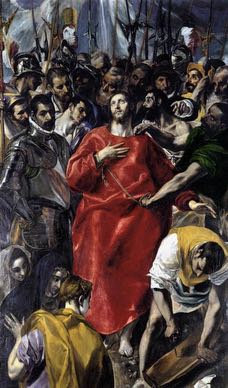
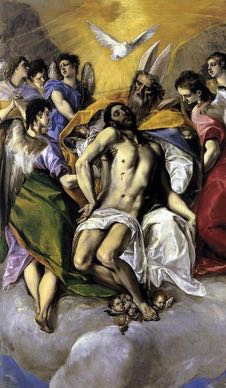
Diego de Castilla helped him obtain commissions for Santo Domingo el Antiguo and Toledo Cathedral. Among the resulting paintings were The Trinity and The Disrobing of Christ, also called El Espolio. Their intense color, compressed crowds, expressive bodies, and unconventional spaces announced a mature artistic language.
Toledo remained El Greco’s home for the rest of his life. He painted individual canvases and designed complete altarpiece ensembles, with his workshop also supplying sculptural elements. Clerics, poets, scholars, lawyers, and collectors valued a style that found little equivalent elsewhere in Spain.
Did El Greco Achieve His Ambition to Paint for Philip II?
Philip II gave El Greco an important opportunity by commissioning The Martyrdom of Saint Maurice for El Escorial. El Greco placed the saint’s spiritual decision in the foreground and moved the actual martyrdom into the distance. That ordering of the story did not meet the king’s expectations for an altarpiece.
The Martyrdom of Saint Maurice and His Legions was paid for, but it did not occupy its intended position. El Greco received no continuing stream of royal work. His career remained centered in Toledo rather than at the court near Madrid.
The disappointment left him on a more independent path. Local institutions and private patrons continued to accept the elongated bodies, daring colors, and unusual arrangements that did not suit Philip II. El Greco could pursue those qualities instead of continually adjusting his art to royal taste.
How Did El Greco Give Religious Paintings Their Spiritual Intensity?
In El Greco’s mature religious paintings, bodies stretch upward and faces and hands become narrow. Clouds, brilliant fabrics, supernatural light, and unstable spaces pull the figures away from ordinary physical experience. These transformations were deliberate choices, not failures to observe the human body accurately.
The Burial of the Count of Orgaz joins an earthly funeral to a heavenly vision. Below, citizens of Toledo gather with measured solemnity around the nobleman’s burial. Above them, elongated saints and angels move through a fluid spiritual realm toward Christ.
In The Opening of the Fifth Seal, enlarged gestures, vivid drapery, and incomplete space convey revelation through movement rather than literal description. Again and again, El Greco asked the figure, the color, and the brushstroke to carry devotional feeling.
What Do El Greco’s Portraits and Toledo Landscapes Reveal?
El Greco was also a searching portraitist. He often placed a sitter against a dark, restrained background, allowing the face, hands, clothing, and a few chosen details to suggest authority, intelligence, or inward concentration. The Knight with His Hand on His Breast remains the best-known example.
Portrait of a Cardinal brings formal ecclesiastical authority into contact with disconcertingly direct observation. Spectacles, tense fingers, patterned upholstery, crimson robes, and an alert gaze make this particular sitter difficult to reduce to his office alone.
The rare landscapes are just as individual. In View of Toledo, familiar buildings are rearranged below a storm-dark sky. It is a recognizable city transformed into an emotional image of the place El Greco made his home.
Which Paintings Is El Greco Best Known For?
El Greco’s best-known works range from visionary altarpieces and biblical scenes to penetrating portraits, landscapes, and a rare treatment of classical mythology:
- View of Toledo: A turbulent sky and rearranged buildings turn the Spanish city into an intensely atmospheric landscape.
- The Disrobing of Christ: Christ’s red robe forms a calm and brilliant center amid a compressed, hostile crowd.
- The Opening of the Fifth Seal: Agitated bodies and monumental gestures give the Book of Revelation a sense of immediate spiritual urgency.
- The Knight with His Hand on His Breast: Restrained color and an enigmatic gesture give an unidentified nobleman dignity and inward focus.
- Portrait of a Cardinal: Crimson robes, spectacles, tense fingers, and a direct gaze create an unusually forceful psychological presence.
- The Trinity: Elongated bodies and resonant color join the gravity of Byzantine art with lessons learned in Italy.
- Laocoön: His rare surviving mythological painting places an ancient tragedy before a transformed image of Toledo.
- Adoration of the Shepherds: Light rising from the Christ Child draws the surrounding figures into a spiral of devotion.
- Saint Martin and the Beggar: Slender bodies, elegant armor, and an imagined view of Toledo elevate an act of charity.
- The Martyrdom of Saint Maurice and His Legions: Spiritual choice takes precedence over distant violence in its unconventional telling of the story.
Why Does El Greco Remain So Influential?
El Greco died in Toledo on 7 April 1614. His son, Jorge Manuel Theotokopoulos, continued the workshop, but no lasting school carried his distinctive style forward. Later critics often treated the elongated bodies and unusual colors as excesses rather than artistic choices.
That judgment changed in the nineteenth century. Romantic writers, collectors, and artists began to value the individuality and emotional force that earlier taste had rejected. Modern painters saw a historical example of an artist reshaping visible reality in the service of expression.
Vincent van Gogh and Paul Gauguin found affinities in El Greco’s spiritual color and expressive distortion. Later modernists responded to his compressed spaces and extended bodies. His influence endures because he absorbed several traditions without settling comfortably into any one of them, producing an art that remains unmistakably his own.
Copyright © 2026 BrushWiz. All Rights Reserved.
About Our El Greco Paintings
Are your El Greco reproductions painted by hand?
Yes. Every reproduction is individually painted by hand in oil on canvas by a professional artist. We do not use prints, digital transfers, or mechanical reproduction methods.
How closely do your El Greco copies resemble the original?
Our artists work to capture the composition, colors, texture, and visual character of the original El Greco painting as closely as possible. Because every reproduction is painted by hand, small variations are natural and make each canvas unique.
How long does it take to complete a painting?
Most El Greco reproductions require approximately two to three weeks to paint, dry, and inspect. Production time may vary depending on the artwork and canvas size, so check the estimate displayed on the product page.
Can I request an El Greco painting that is not listed?
Yes. If you cannot find the El Greco artwork you want in our catalog, send us the painting’s title or an image. Our team will review your request and confirm the available sizes, estimated production time, and price.
Will I receive photos of my painting before it is shipped?
Yes. We send high-resolution photographs of the completed painting for your approval. You can request adjustments if needed, and the painting will not be dispatched until the review process is complete.
Can I order a custom canvas size?
Yes. We offer custom dimensions in addition to the standard sizes shown on the product page. Select the dimensions you need directly from the available size options.
Can I order my El Greco painting with a frame?
Yes. High-quality frames in classic and modern designs are available for many paintings. You can view compatible framing options and add your preferred design from the product page. Professional canvas stretching is also available.
How much does an El Greco reproduction cost?
The price depends on the selected artwork, canvas dimensions, and framing option. Choose your preferred configuration on the product page to see the current price before ordering.
Do you offer free worldwide shipping?
Yes. El Greco reproductions qualify for free express worldwide shipping. After dispatch, delivery usually takes five to eight business days, although timing may vary by country and destination.
What is the return policy for El Greco reproductions?
Orders are covered by our 90-day return policy. Review the current return-policy page before ordering for complete information about eligibility, time limits, and the return process.
Why BrushWiz?
100% Hand Painted
Every piece is entirely handmade
Museum Quality
Faithfully recreated by expert artists
Custom Framing
Choose from a wide range of frames
Free Shipping
Enjoy free shipping on all orders
Cash Back Rewards
Earn cash back with every purchase