
❄️ Winter Sale. Offer Ends 11/19/2026. View Details
❄️ Winter Sale. Ends 11/19/2026. View Details
❄️ Winter Sale. View Details
Artists
Subjects
Movements
Collections
Decor
Portraits
Commissions
Framing
Reviews
Gift Cards
On Sale
Titian Oil Painting Reproductions
Shop museum-quality reproductions of Titian’s most famous paintings, each hand-painted in oil on canvas by a professional artist.
Shop Art
Showing 1-40 of 207 results
Sort By
Most Popular
- Most Popular
- New Arrivals
- Best Sellers
- Alphabetical A-Z
- Alphabetical Z-A

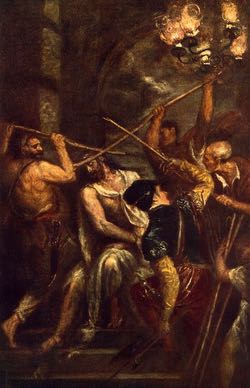
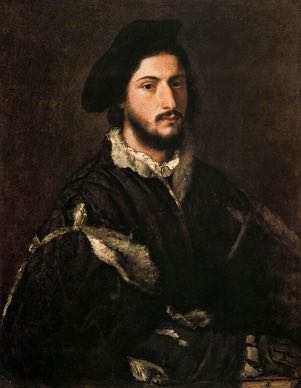
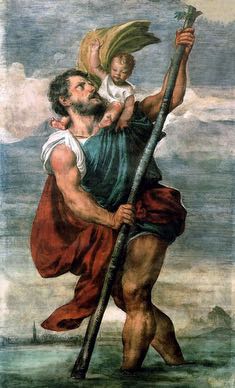
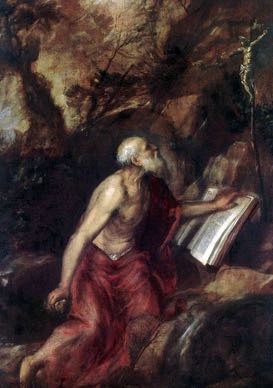



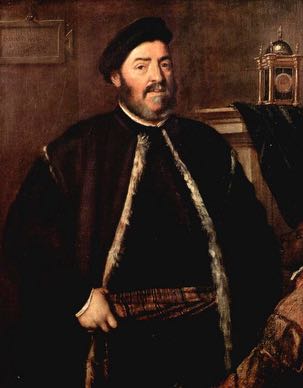
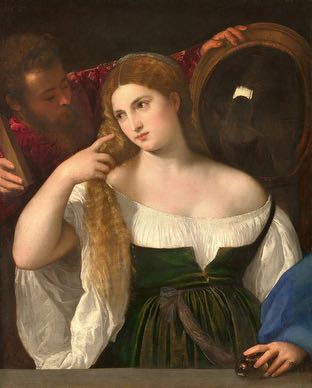
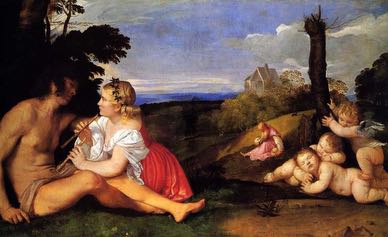


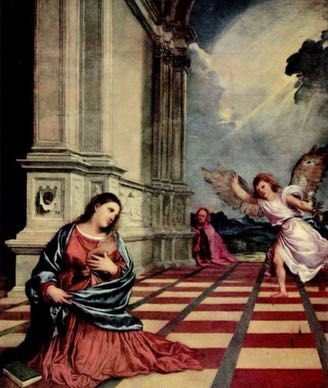
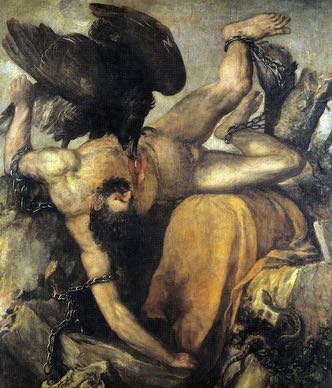
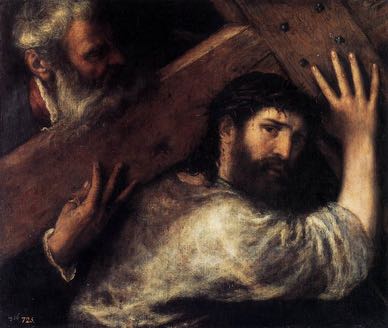
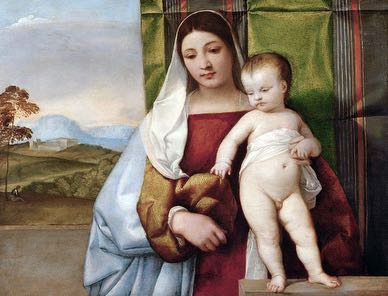
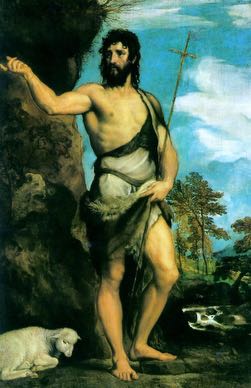
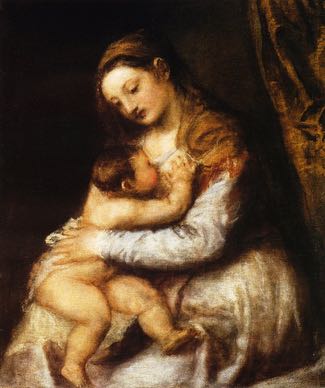
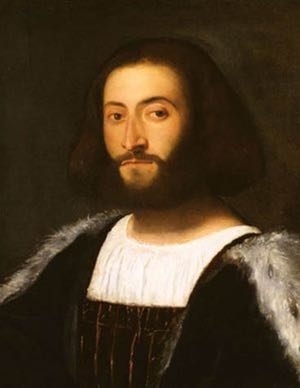
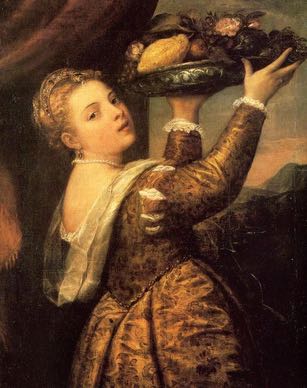
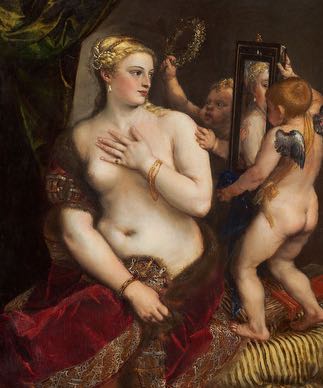
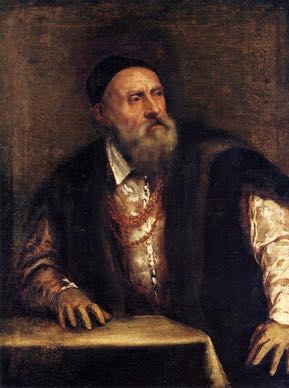
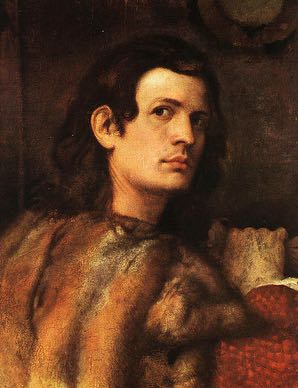
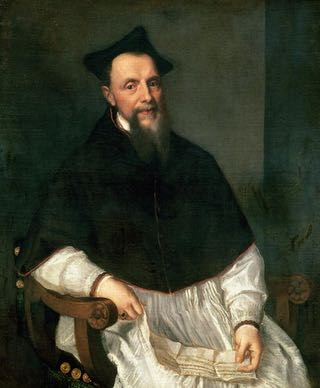
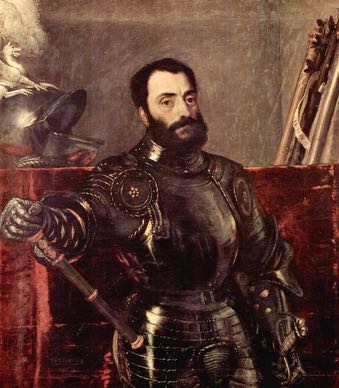

Can’t Find the Painting You Want?
Send us a reference image. We can recreate almost any artwork in the size and style you’re looking for.
Get a Free QuoteHand-Painted Titian Reproductions
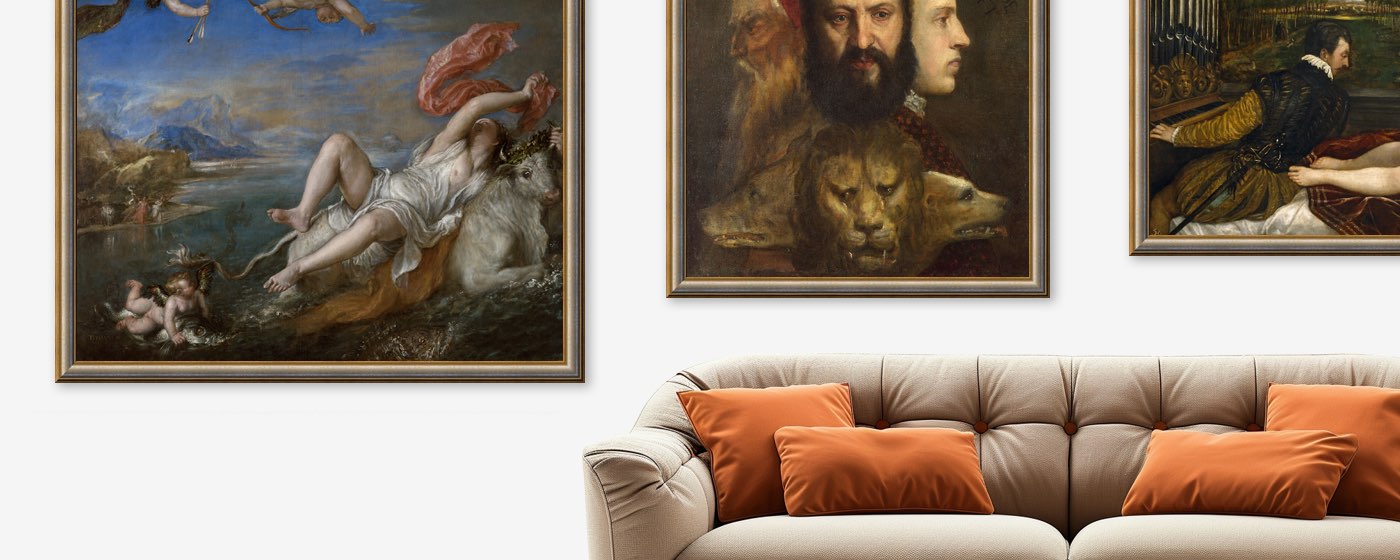
Bring Titian’s art into your home with an oil-on-canvas reproduction hand-painted by a professional artist. Our collection features hundreds of paintings from across his career, including Venus of Urbino, Bacchus and Ariadne, and Equestrian Portrait of Charles V. Discover radiant religious scenes, commanding portraits, poetic mythologies, reclining figures, pastoral landscapes, and other subjects closely associated with Titian. Every reproduction is a real oil painting, offering depth and texture that a print or digital transfer cannot provide. From iconic masterpieces to lesser-known works, find a Titian painting that suits your space.
The Making of a Titian Oil Painting Replica
Creating a Titian oil painting replica requires patience, precision, and an understanding of the original artwork. Our studio includes artists who specialize in Renaissance painting and understand the distinctive qualities of Titian’s work. Before painting begins, the artist studies the source image, paying close attention to its composition, rich color, softened edges, luminous flesh tones, layered texture, and Titian’s varied handling of paint. These elements are recreated by hand in oil on canvas using an approach suited to the original. Once complete, the painting is inspected by our quality-control team and photographed for your approval.
Custom Sizes and Frames for Your Titian Painting
Your Titian painting can be ordered in practically any size, from popular standard dimensions to a custom canvas size selected directly on the product page. This flexibility lets you choose a painting that fits your wall and complements your room perfectly. After selecting the size, you can choose from high-quality frames in classic or modern designs, with professional canvas stretching also available. Our framing options complement the rich colors and balanced compositions of Titian’s paintings. With sizing, stretching, and framing arranged in one order, your artwork can arrive ready for display without a separate visit to a frame shop.
Order a Titian Reproduction with Confidence
Buying hand-painted art online should feel clear and comfortable. After your Titian reproduction is completed, we send high-resolution photographs for your review before shipping. You can inspect the composition, colors, and overall finish, then request adjustments if needed. The painting is dispatched only after you approve it, so you know what to expect when it arrives. Your order also includes free express worldwide shipping and is covered by our 90-day return policy. Together, these assurances help you purchase a Titian oil painting with greater confidence and peace of mind.
The Life and Art of Titian
Titian, born Tiziano Vecellio around 1488–1490, was the leading painter of sixteenth-century Venice and one of European art’s great masters. Over more than six decades, he reshaped religious painting, portraiture, mythology, landscape, and the nude through glowing color, atmospheric unity, and brushwork that grew freer with age. His patrons ranged from Venetian churches and noble families to popes, dukes, Emperor Charles V, and King Philip II of Spain, giving his career an exceptional reach. By building bodies and space through layers of oil paint rather than relying on hard outlines, Titian helped define Venetian Renaissance art and left painters with a model they would study for centuries.
Read More
Who Was Titian?
Titian was born Tiziano Vecellio in Pieve di Cadore, a Dolomite town governed by the Venetian Republic. The year of his birth is uncertain. Most modern scholars place it between 1488 and 1490, despite later accounts that would have made him remarkably old when he died.
Sent to Venice as a boy, Titian entered one of Europe’s wealthiest trading cities and a place with a visual culture all its own. Churches, confraternities, government buildings, noble households, and international merchants created constant demand for altarpieces, portraits, devotional pictures, and decorative cycles. Venice also offered excellent pigments and a long-established tradition of painting in oil on canvas.
Titian’s long career carried him through major changes in sixteenth-century art. The poetic naturalism of his youth gave way to monumental sacred scenes, commanding court portraits, sensuous mythologies, and finally a late manner in which broken surfaces and exposed brushwork hold extraordinary emotional weight.
Where Did Titian Learn to Paint?
Early sources place Titian with the mosaicist Sebastiano Zuccato and in the workshops of Gentile Bellini and Giovanni Bellini. Giovanni, then Venice’s foremost painter, showed how devotional meaning, glowing color, atmospheric landscape, and the flexibility of oil paint could work together.
Titian also collaborated closely with the young Giorgione. Around 1508, both men painted exterior frescoes for the Fondaco dei Tedeschi, headquarters of Venice’s German merchants. Little of the decoration survives, but contemporary responses suggest that Titian’s work was already drawing notice.
The two artists painted so similarly that the authorship of several early works remains disputed. Music, pastoral scenery, youthful figures, and poetic ambiguity belong to their shared world. Giorgione’s death in 1510, followed by the departure of other rivals, gave Titian room to develop those ideas and become the dominant Venetian painter of his generation.
How Did Titian Give Venetian Altarpieces New Power?
Frescoes in Padua and major church commissions in Venice built Titian’s public reputation. His breakthrough came in 1518 with the Assumption of the Virgin for the high altar of Santa Maria Gloriosa dei Frari. Across its towering height, apostles, the ascending Virgin, and heaven itself are bound together by broad movement and resonant bands of red, blue, and gold.
The painting changed what Venetian viewers expected from an altarpiece. Its figures remain clear from far across the church, gestures connect earth to heaven, and color holds the entire structure together. Titian showed that oil paint could achieve monumental clarity without depending on sharply drawn contours.
For the same church, his later Pesaro Altarpiece introduced an equally influential asymmetry. The Virgin and Child sit high and off center as saints, donors, columns, and banners lead the eye diagonally into space. Together, these works established Titian as Venice’s leading religious painter and reshaped altarpiece design for generations.
What Made Titian’s Color So Remarkable?
Titian built form from light, color, and successive layers of oil paint. Warm skin, intense reds, saturated blues, silver fabric, gleaming armor, and misty landscapes meet through carefully tuned relationships instead of rigid separation. Soft edges let bodies inhabit the same light and air as their surroundings.
Technical study reveals that Titian often began with relatively little underdrawing and revised freely as he worked. A pose might shift, a costume change, an object move, or the balance of an entire scene be reconsidered. Transparent glazes enriched cloth and deepened shadows, while thicker strokes caught jewelry, hair, foliage, highlights, and the roughened surfaces of his late pictures.
His handling changed markedly over time. Early works often have smooth transitions and sensuous clarity; later paintings appear dragged, scraped, broken, and repeatedly restated. This was not simply a loss of finish. It allowed color and brushwork themselves to carry atmosphere, movement, physical sensation, and spiritual intensity.
Why Did Titian’s Mythologies Change European Painting?
Italian court patrons invited Titian to reinterpret the stories of classical poetry. For Alfonso I d’Este in Ferrara, he made a celebrated group of mythological canvases for the private Camerino d’Alabastro. Bacchus and Ariadne, The Bacchanal of the Andrians, and The Offering to Venus spill over with music, desire, landscape, movement, and brilliant color.
These pictures do more than illustrate old texts. Titian turns literature into an immediate sensory world of rushing bodies, flying fabric, sky, leaves, and flesh. Myth allowed him to explore desire and emotion while demonstrating how many moving figures could be brought into one energetic design.
Venus of Urbino approaches mythology from another direction. A reclining nude meets the viewer’s gaze from a luxurious domestic room. Its precise meaning is still debated, but its space, color, textures, and direct gaze made it one of European art’s most influential images of the reclining figure.
How Did Titian Redefine the Court Portrait?
Venetian nobles, writers, church leaders, dukes, popes, and members of the Habsburg court all sat for Titian. His portraits hold public rank and individual presence in balance. Armor, clothing, gloves, books, animals, furniture, and insignia state a person’s position, while the hands, posture, gaze, and smallest shifts of expression make that person feel present.
Titian’s relationship with Emperor Charles V brought him unusual honors and patrons throughout Europe. In Equestrian Portrait of Charles V, the victorious emperor appears on horseback after the Battle of Mühlberg. Dark armor, a red sash, lance, controlled mount, and subdued landscape created an enduring image of sovereign command.
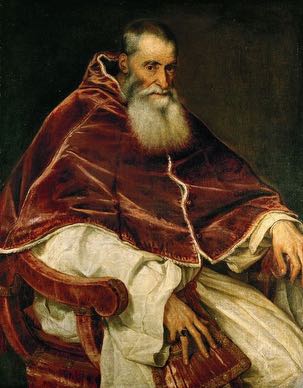
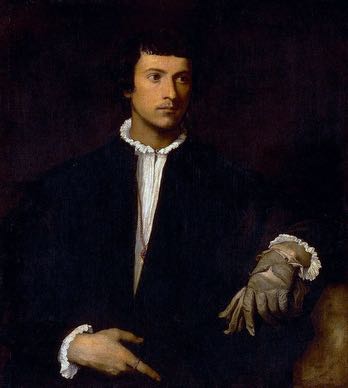
His quieter portraits can be just as authoritative. Man with a Glove relies on tonal harmony and understated gesture, while the portraits of Pope Paul III and the Farnese family register age, ambition, and political tension. Titian’s example later shaped the court portraits of Peter Paul Rubens, Anthony van Dyck, and Diego Velázquez.
What Were the Painted Poems Titian Made for Philip II?
Late in his career, Titian created a sequence of mythological works for Philip II of Spain that he called poesie, or painted poems. Drawn mainly from Ovid, the stories turn on desire, pursuit, revelation, transformation, punishment, and loss. Titian approached each canvas as the visual equivalent of poetry rather than a literal illustration.
Danaë, Venus and Adonis, Diana and Actaeon, Diana and Callisto, and The Rape of Europa mingle beauty with danger and irreversible change. Fabric, animals, weather, landscape, and bodies all participate in the drama.
The series reveals Titian’s freedom as a narrator. He condensed stories, invented gestures, and used color to build sympathy and suspense. Increasingly broken paint keeps the ancient world from becoming distant or archaeological; instead, the myths feel unstable, physical, and emotionally close.
Which Qualities Define Titian’s Late Style?
From the 1550s, Titian’s handling grew broader, more fragmented, and visibly open to revision. Flickering highlights draw bodies out of darkness, while landscapes and air emerge from dragged strokes, thin veils, and touches that cohere only when seen from a distance. The active material surface never entirely disappears behind the illusion.
Many late paintings confront mortality, violence, sacrifice, or suffering. The Flaying of Marsyas turns a mythological punishment into a disturbing meditation on cruelty and artistic creation. In the unfinished Death of Actaeon, dogs, bodies, foliage, and movement dissolve into a turbulent field of paint.
Titian planned his late Pietà for his own burial place in the Frari. Monumental architecture, prayer, sorrow, and rough illumination come together in a somber final statement. The work remained unfinished in his studio and was later completed by Palma Giovane. Titian died during Venice’s plague of 1576 and was buried in the Frari.
Which Paintings Trace the Course of Titian’s Career?
These works reveal Titian’s breadth across religious painting, mythology, portraiture, and a technique that continued to evolve throughout his life:
- Sacred and Profane Love: An enigmatic early scene that draws two women, costume, water, landscape, and classical details into one poetic design.
- Bacchus and Ariadne: Motion, intense color, and an immense blue sky animate a brilliant mythological encounter.
- Venus of Urbino: A direct and deeply influential reclining nude placed within a carefully ordered domestic interior.
- Man with a Glove: Tonal restraint, costume, hands, and pose create a quiet but vivid sense of individual presence.
- Equestrian Portrait of Charles V: A defining statement of imperial command that changed the course of European court portraiture.
- Diana and Actaeon: A moment of sudden discovery sets punishment and transformation in motion within this dramatic poesie.
- The Flaying of Marsyas: Broken paint intensifies the violence and suffering of one of Titian’s most unsettling late works.
- Pietà: Titian’s unfinished final religious statement, intended for the setting of his own tomb.
Why Does Titian’s Influence Still Run So Deep?
Titian proved that color could structure a picture as powerfully as line. Layered paint gave skin warmth, cloth weight, landscapes air, and portraits authority. By allowing one passage to remain smooth while another broke into visible strokes, he expanded what oil paint could express.
His influence crossed borders and centuries. Rubens and Van Dyck studied his mythologies, color, and portraits of rulers. Velázquez learned from his images of imperial power, while Rembrandt responded to his textured surfaces and psychological presence. The freedom of Titian’s last works became especially important to later painters seeking a more direct and expressive touch.
Titian also broadened the social possibilities of an artist’s career. Firmly rooted in Venice, he nevertheless cultivated powerful patrons throughout Europe and gained exceptional standing at imperial courts. His command of portraiture, religious art, mythology, and landscape made him the central painter of the Venetian Renaissance and one of the defining figures in oil painting’s history.
Copyright © 2026 BrushWiz. All Rights Reserved.
About Our Titian Paintings
Are your Titian reproductions painted by hand?
Yes. Every reproduction is individually painted by hand in oil on canvas by a professional artist. We do not use prints, digital transfers, or mechanical reproduction methods.
How closely do your Titian copies resemble the original?
Our artists work to capture the composition, colors, texture, and visual character of the original Titian painting as closely as possible. Because every reproduction is painted by hand, small variations are natural and make each canvas unique.
How long does it take to complete a painting?
Most Titian reproductions require approximately two to three weeks to paint, dry, and inspect. Production time may vary depending on the artwork and canvas size, so check the estimate displayed on the product page.
Can I request a Titian painting that is not listed?
Yes. If you cannot find the Titian artwork you want in our catalog, send us the painting’s title or an image. Our team will review your request and confirm the available sizes, estimated production time, and price.
Will I receive photos of my painting before it is shipped?
Yes. We send high-resolution photographs of the completed painting for your approval. You can request adjustments if needed, and the painting will not be dispatched until the review process is complete.
Can I order a custom canvas size?
Yes. We offer custom dimensions in addition to the standard sizes shown on the product page. Select the dimensions you need directly from the available size options.
Can I order my Titian painting with a frame?
Yes. High-quality frames in classic and modern designs are available for many paintings. You can view compatible framing options and add your preferred design from the product page. Professional canvas stretching is also available.
How much does a Titian reproduction cost?
The price depends on the selected artwork, canvas dimensions, and framing option. Choose your preferred configuration on the product page to see the current price before ordering.
Do you offer free worldwide shipping?
Yes. Titian reproductions qualify for free express worldwide shipping. After dispatch, delivery usually takes five to eight business days, although timing may vary by country and destination.
What is the return policy for Titian reproductions?
Orders are covered by our 90-day return policy. Review the current return-policy page before ordering for complete information about eligibility, time limits, and the return process.
Why BrushWiz?
100% Hand Painted
Every piece is entirely handmade
Museum Quality
Faithfully recreated by expert artists
Custom Framing
Choose from a wide range of frames
Free Shipping
Enjoy free shipping on all orders
Cash Back Rewards
Earn cash back with every purchase