
🔥 Limited-Time Sale. Offer Ends 11/11/2026. View Details
🔥 Limited-Time Sale. Ends 11/11/2026. View Details
🔥 Limited-Time Sale. View Details
Artists
Subjects
Movements
Collections
Decor
Portraits
Commissions
Framing
Reviews
Gift Cards
On Sale
Gilbert Stuart Oil Painting Reproductions
Shop museum-quality reproductions of Gilbert Stuart’s most famous paintings, each hand-painted in oil on canvas by a professional artist.
Shop Art

Showing 1-40 of 130 results
Sort By
Most Popular
- Most Popular
- New Arrivals
- Best Sellers
- Alphabetical A-Z
- Alphabetical Z-A


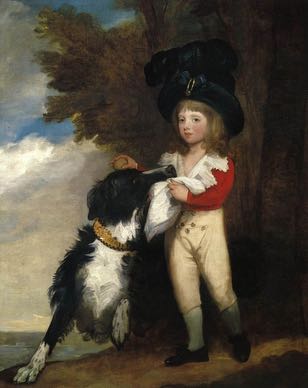
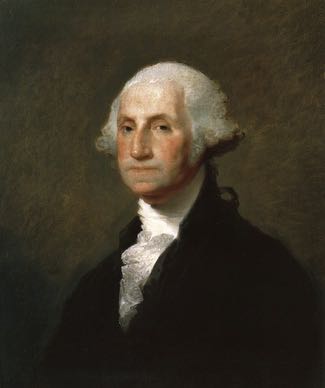

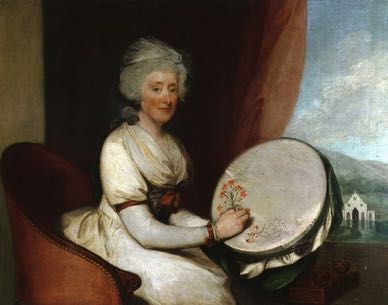
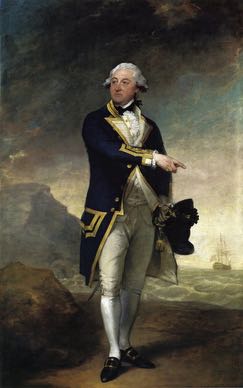
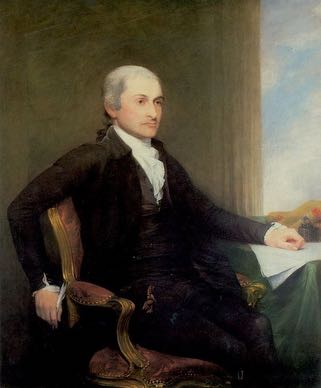
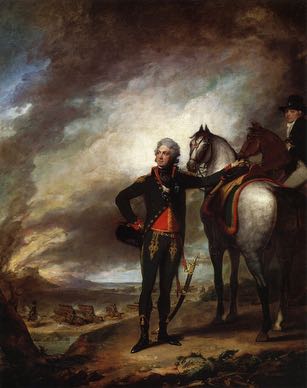
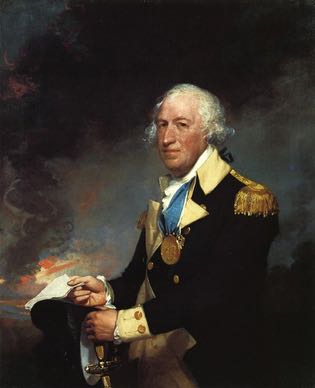
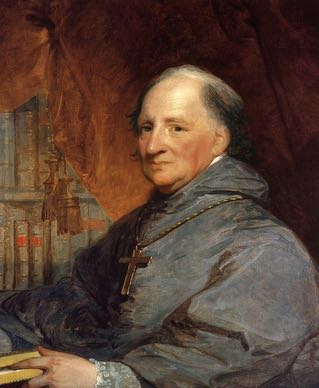
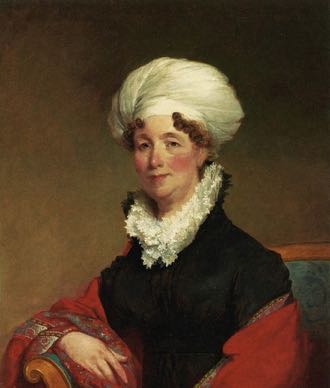
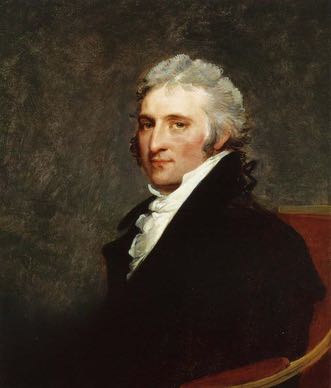
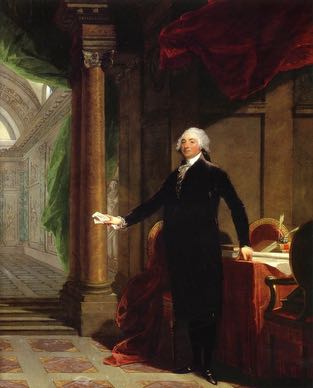
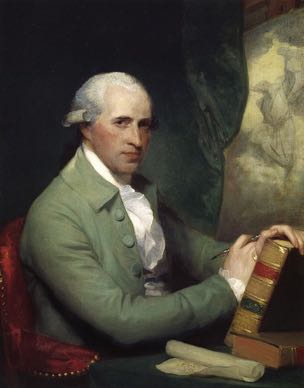
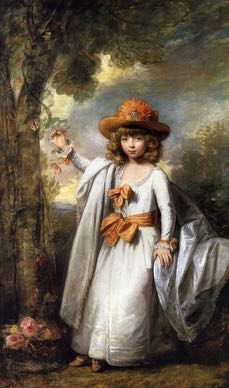
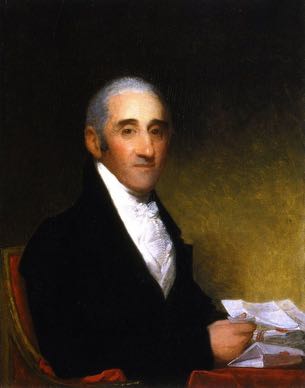
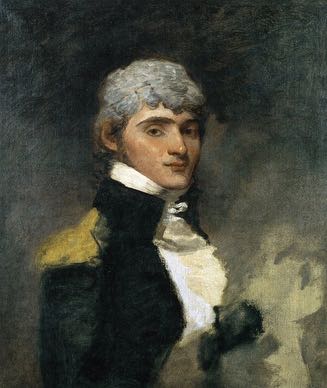
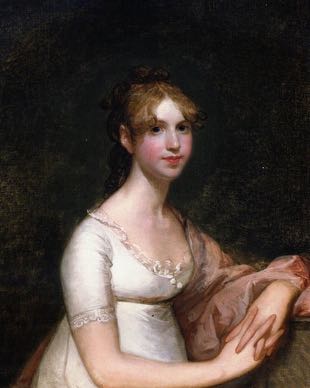

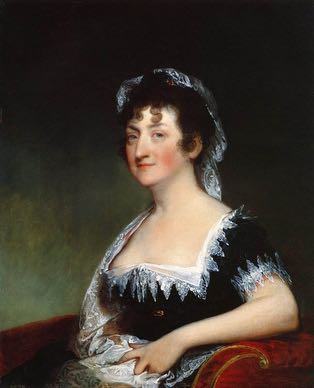
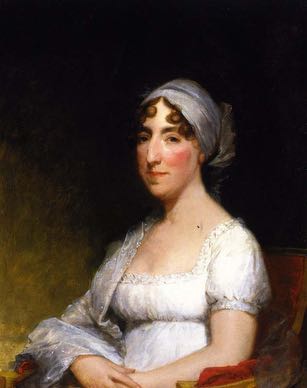
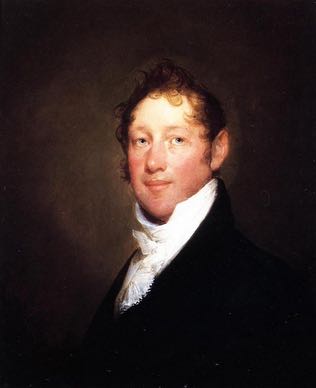
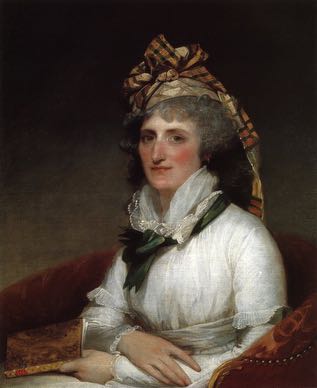
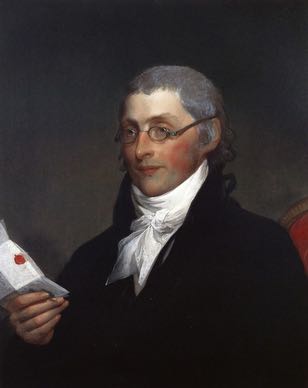
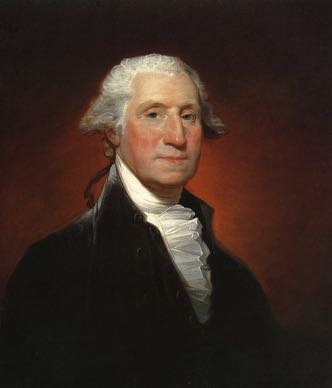
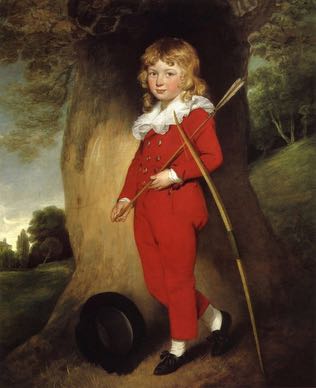
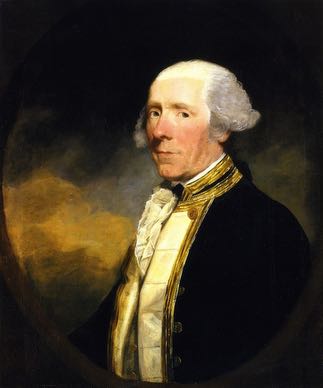
Can’t Find the Painting You Want?
Looking for a specific painting that isn’t in our catalog? Just let us know. We can recreate almost any artwork in the size and style you’re looking for.
Request a PaintingHand-Painted Gilbert Stuart Reproductions
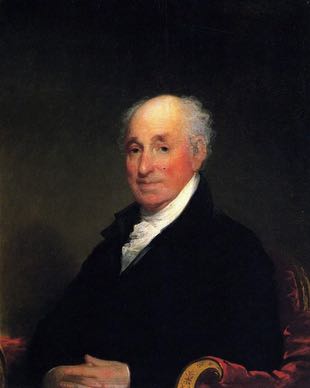
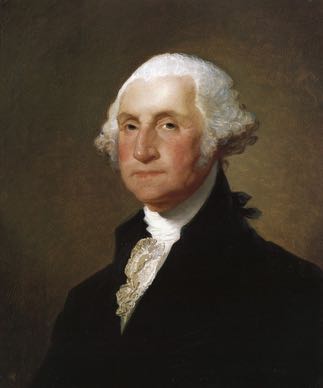
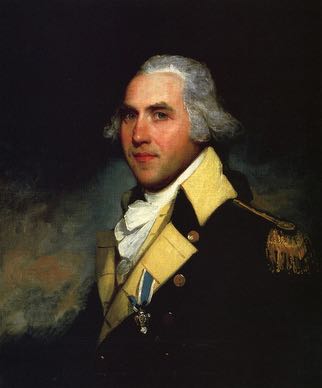
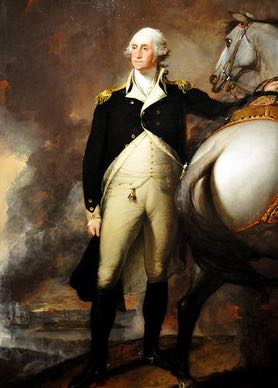
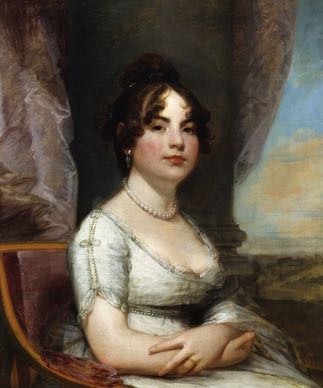
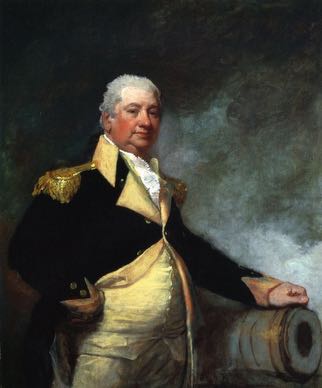
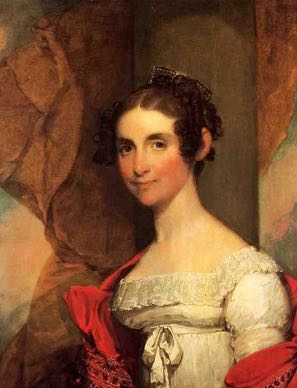
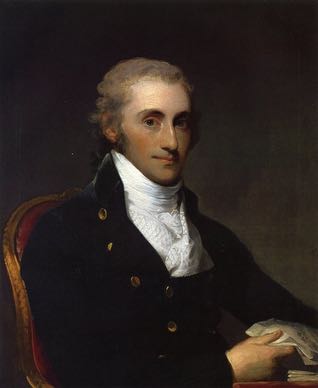
Bring Stuart’s art into your home with an oil-on-canvas reproduction hand-painted by a professional artist. Our collection features more than one hundred paintings from across his career, including George Washington, Portrait of a Gentleman Skating, and John Adams. Discover presidents, statesmen, diplomats, military officers, society figures from both sides of the Atlantic, and other subjects closely associated with Stuart. Every reproduction is a real oil painting, offering depth and texture that a print or digital transfer cannot provide. From iconic masterpieces to lesser-known works, find a Stuart painting that suits your space.
The Making of a Gilbert Stuart Oil Painting Replica
Creating a Gilbert Stuart oil painting replica requires patience, precision, and an understanding of the original artwork. Our studio includes artists who specialize in portrait painting and understand the distinctive qualities of Stuart’s work. The artist begins by studying the source image, then recreates its facial modeling, lively expression, layered color, and Stuart’s fluid brushwork on canvas using traditional oil-painting methods. After completion, the painting is inspected by our quality-control team and photographed for your approval. The result is a carefully executed oil painting that reflects the visual character of the original.
Custom Sizes and Frames for Your Stuart Painting
Your Stuart painting can be ordered in practically any size, from popular standard dimensions to custom canvas sizes selected directly on the product page. This flexibility lets you choose a painting that fits your wall and complements your room perfectly. After selecting the size, you can choose from high-quality frames in classic or modern designs, with professional canvas stretching also available. Our framing options complement the refined colors and formal character of Stuart’s paintings. With sizing, stretching, and framing arranged in one order, your artwork can arrive ready for display without a separate visit to a frame shop.
Order a Gilbert Stuart Reproduction with Confidence
Buying hand-painted art online should feel clear and comfortable. After your Gilbert Stuart reproduction is completed, we send high-resolution photographs for your review before shipping. You can inspect the likeness, colors, details, and overall finish, then request adjustments if needed. The painting is dispatched only after you approve it, so you know what to expect when it arrives. Your order also includes free express worldwide shipping and is covered by our 90-day return policy. Together, these assurances help you purchase a Stuart oil painting with greater confidence and peace of mind.
The Life and Art of Gilbert Stuart
Gilbert Stuart was an American painter who became the leading portraitist of the early United States. Born in Rhode Island in 1755, he first trained with the Scottish painter Cosmo Alexander and later worked in Benjamin West’s London studio. Stuart learned the conventions of British Grand Manner portraiture but developed a more immediate style, marked by animated expressions, luminous flesh, and fluid brushwork. After successful periods in London and Dublin, he returned to America to paint presidents, diplomats, military leaders, and private citizens. His portraits of George Washington became national icons, but Stuart’s wider achievement encompasses more than 1,100 likenesses that helped give the young republic a public face.
Read More
Who Was Gilbert Stuart?
Gilbert Charles Stuart was born on 3 December 1755 in Saunderstown, Rhode Island, where his father ran a snuff mill. The family moved to Newport during his childhood. Its prosperous merchants, active harbor, and close ties with Britain brought the young artist within reach of patrons and imported European art.
Stuart devoted nearly his entire working life to portraiture. Over five decades, he painted more than 1,100 likenesses, from intimate studies of a head to imposing full-length images. His sitters included the first six United States presidents, diplomats, military officers, artists, prominent families, and members of British and Irish society.
He knew how rank could be expressed through costume, setting, and pose, but those conventions were never enough for him. By talking with a sitter, watching closely, and handling paint with speed and freedom, Stuart tried to capture the individual energy behind the formal appearance.
Where Did Stuart First Learn to Paint?
Stuart’s first important teacher was Cosmo Alexander, a Scottish portrait painter working in the American colonies. Alexander recognized the teenager’s ability and took him to Scotland in 1771. When the older painter died in Edinburgh the following year, the arrangement ended suddenly and left Stuart without reliable instruction or support.
Back in Newport, he began finding local portrait commissions. The early paintings show a growing command of facial expression, dress, and pose. Opportunities became scarcer, however, when the American Revolution disrupted Rhode Island’s economy.
Stuart sailed for Britain in 1775. Like John Singleton Copley and other artists from the colonies, he saw London as a place where major collections, public exhibitions, established painters, and wealthy patrons could support an ambitious career.
How Did Benjamin West Influence Stuart?
Stuart struggled during his first years in London before entering the studio of Benjamin West. The American-born history painter had risen to prominence at the court of George III. Assisting him gave Stuart experience with large canvases, professional studio routines, ambitious compositions, and the expectations of British clients.
He also studied portraits by Joshua Reynolds, Thomas Gainsborough, and earlier European masters. British Grand Manner painting demonstrated how landscape, architecture, clothing, pose, and gesture could communicate a sitter’s position in society.
Stuart gradually made this formal language his own. In his finest work, broadly painted clothing and selective finish direct attention toward the face. The person’s presence matters more than an equally precise description of every accessory.
Why Did The Skater Transform Stuart’s Career?
Stuart’s decisive London success came with the work now known as Portrait of a Gentleman Skating. Exhibited at the Royal Academy in 1782, it shows the Scottish lawyer William Grant gliding across the ice. Dressed in dark clothes, he folds his arms as his body turns through the winter air.
The unexpected setting allowed Stuart to combine atmosphere, movement, silhouette, and likeness. William Grant appears through an activity rather than posing in a conventional interior. The result attracted considerable notice and established Stuart as a sought-after portrait painter in London.
Aristocrats, professionals, artists, and public figures soon commissioned him. He painted Benjamin West and developed a confident international practice. Financial problems and unfinished obligations nevertheless followed him even as his professional standing grew.
What Opportunities Did Dublin Offer Stuart?
Stuart left London for Dublin in 1787. Irish society supported a thriving culture of portraiture, and the move brought him a fresh circle of affluent patrons. Aristocrats, military officers, lawyers, politicians, and prominent Anglo-Irish families came to his studio.
These portraits combine the elegance and scale learned in London with increasingly direct characterization. Some place the sitter within an elaborate setting. Others strip the surroundings back until posture, expression, and the painted face carry nearly all the attention.
His Irish success proved he could compete at the highest professional level, although his finances remained disordered. By 1793, Stuart had resolved to return to the United States. One ambition stood behind the decision: to paint George Washington and create a defining likeness of the country’s first president.
When Did Stuart Return to the United States?
After about eighteen years abroad, Stuart reached New York in 1793. His European reputation opened doors among the leaders of the new republic. He quickly painted figures including John Jay and officers of the Revolutionary War while seeking an introduction to President Washington.
Stuart moved to Philadelphia in 1795 and obtained his first sitting with Washington. He later worked in Washington, D.C., then settled in Boston in 1805. Politicians, judges, military leaders, merchants, writers, and members of their families kept his studio busy in each city.
Portraits of John Adams, Thomas Jefferson, James Madison, and James Monroe helped form the visual record of early American leadership. From 1805 until his death in 1828, Boston remained his home and principal place of work.
Which Washington Portrait Types Did Stuart Create?
Several sittings with Washington produced three principal portrait types. The Vaughan type began with the first sitting in 1795 and presents him in a compact bust-length format. The unfinished Athenaeum type, begun in 1796, supplied the face later reproduced on the United States one-dollar bill.
William and Anne Bingham commissioned the full-length Lansdowne portrait as a gift for the Marquis of Lansdowne. Washington stands beside a table amid symbols of civic government. His extended hand and formal bearing express presidential authority rather than the command of a general.
Stuart kept the unfinished Athenaeum portrait in his studio and used it as the basis for numerous commissioned versions. The many surviving George Washington portraits differ in finish and detail. Together, they made Stuart’s interpretation the most familiar painted image of the first president.
How Did Stuart Capture a Sitter’s Character?
Stuart was known for beginning directly on the canvas without a fully worked preliminary drawing. He established the head first, building flesh and facial structure through layers of color and animated strokes. Clothing and background might remain much looser, keeping the expression at the center.
Conversation was part of the method. Stuart amused, questioned, and sometimes challenged his sitters until a rehearsed public pose gave way to a more alert response. His humor and difficult temperament could make the studio unpredictable, but the resulting faces often seem actively engaged.
Unfinished paintings expose this process most clearly. Carefully observed eyes and features emerge from an open ground or broadly indicated clothing. Stuart’s selective placement of detail, poised between control and spontaneity, separated his work from more rigid early American portraiture.
Which Paintings Best Represent Stuart’s Career?
These works trace Stuart’s path from an ambitious transatlantic painter to the artist who created some of the early republic’s defining faces:
- Portrait of a Gentleman Skating: William Grant’s turning body brings movement, winter atmosphere, and elegant social identity into portraiture.
- Benjamin West: Stuart presents his teacher with the authority of an established artist while displaying his own assurance with paint.
- Self Portrait: An intense expression and open handling give this compact self-image the immediacy associated with Stuart’s method.
- George Washington: Stuart’s interpretation of the first president became one of the most familiar images in American culture.
- John Adams: The former president appears with the frank expression and force of personality Stuart sought in his strongest work.
- John Jay: Restrained clothing and concentrated characterization present the first chief justice and founding statesman.
- Thomas Jefferson, the Edgehill Portrait: A controlled pose and sober dress give Jefferson the appearance of dignified civic leadership.
- James Madison: The portrait contributes Stuart’s interpretation to the visual record of another president and political thinker.
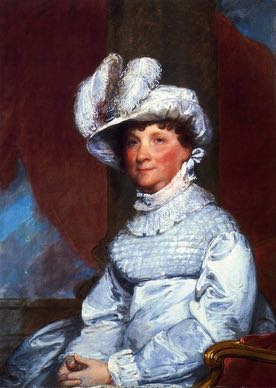
- Abigail Smith Adams: Direct presence and alert intelligence distinguish this image of one of the early republic’s influential women.
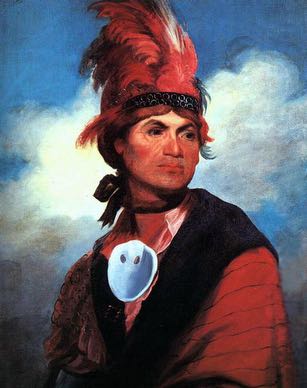
- Portrait of Joseph Brant: Formal portrait conventions present the Mohawk leader as a commanding military and political figure.
Why Does Gilbert Stuart Matter to American Art?
Stuart adapted British portrait conventions to the political and social life of the new United States. Presidents and public officials needed images of authority that did not simply imitate European royalty. His private portraits, meanwhile, recorded the growing confidence of professional and mercantile society.
Artists including John Trumbull encountered Stuart’s work and example, as did later generations of American portraitists. Prints and other reproductions carried his paintings far beyond their original owners. Through them, his Washington entered national memory.
Stuart died in Boston on 9 July 1828. His portraits remain central to early American collections because their historical importance is matched by close observation and technical freedom. Behind the public office and formal clothing, he looked for the character of an individual person.
Copyright © 2026 BrushWiz. All Rights Reserved.
About Our Gilbert Stuart Paintings
Are your Gilbert Stuart reproductions painted by hand?
Yes. Every reproduction is individually painted by hand in oil on canvas by a professional artist. We do not use prints, digital transfers, or mechanical reproduction methods.
How closely do your Stuart copies resemble the original?
Our artists work to capture the composition, colors, texture, and visual character of the original Stuart painting as closely as possible. Because every reproduction is painted by hand, small variations are natural and make each canvas unique.
How long does it take to complete a painting?
Most Gilbert Stuart reproductions require approximately two to three weeks to paint, dry, and inspect. Production time may vary depending on the artwork and canvas size, so check the estimate displayed on the product page.
Can I request a Stuart painting that is not listed?
Yes. If you cannot find the Gilbert Stuart artwork you want in our catalog, send us the painting’s title or an image. Our team will review your request and confirm the available sizes, estimated production time, and price.
Will I receive photos of my painting before it is shipped?
Yes. We send high-resolution photographs of the completed painting for your approval. You can request adjustments if needed, and the painting will not be dispatched until the review process is complete.
Can I order a custom canvas size?
Yes. We offer custom dimensions in addition to the standard sizes shown on the product page. Select the dimensions you need directly from the available size options.
Can I order my Stuart painting with a frame?
Yes. High-quality frames in classic and modern designs are available for many paintings. You can view compatible framing options and add your preferred design from the product page. Professional canvas stretching is also available.
How much does a Gilbert Stuart reproduction cost?
The price depends on the selected artwork, canvas dimensions, and framing option. Choose your preferred configuration on the product page to see the current price before ordering.
Do you offer free worldwide shipping?
Yes. Gilbert Stuart reproductions qualify for free express worldwide shipping. After dispatch, delivery usually takes five to eight business days, although timing may vary by country and destination.
What is the return policy for Stuart reproductions?
Orders are covered by our 90-day return policy. Review the current return-policy page before ordering for complete information about eligibility, time limits, and the return process.
Why BrushWiz?
100% Hand Painted
Every piece is entirely handmade
Museum Quality
Faithfully recreated by expert artists
Custom Framing
Choose from a wide range of frames
Free Shipping
Enjoy free shipping on all orders
Cash Back Rewards
Earn cash back with every purchase