
❄️ Winter Sale. Offer Ends 11/23/2026. View Details
❄️ Winter Sale. Ends 11/23/2026. View Details
❄️ Winter Sale. View Details
Artists
Subjects
Movements
Collections
Decor
Portraits
Commissions
Framing
Reviews
Gift Cards
On Sale
Juan Gris Oil Painting Reproductions
Shop museum-quality reproductions of Juan Gris’s most famous paintings, each hand-painted in oil on canvas by a professional artist.
Shop Art
Showing 1-40 of 201 results
Sort By
Most Popular
- Most Popular
- New Arrivals
- Best Sellers
- Alphabetical A-Z
- Alphabetical Z-A
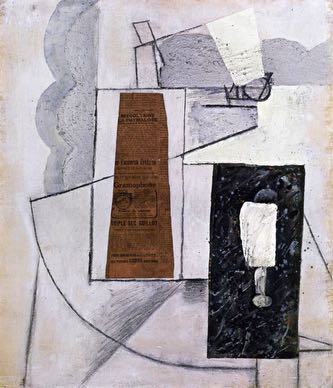

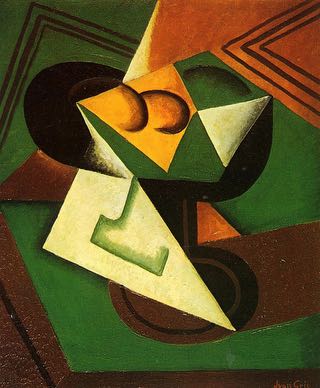
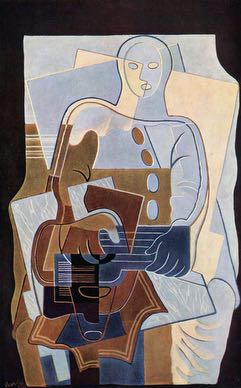
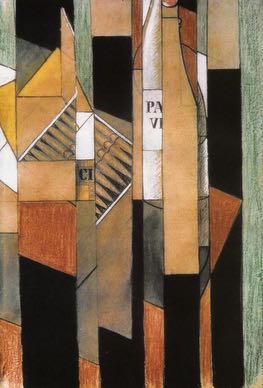
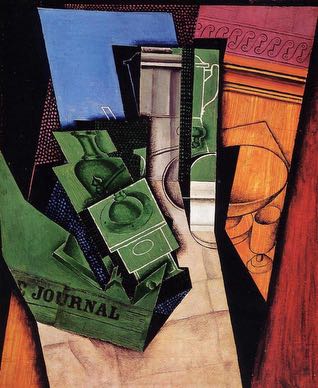
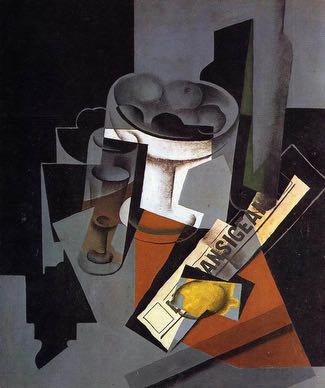
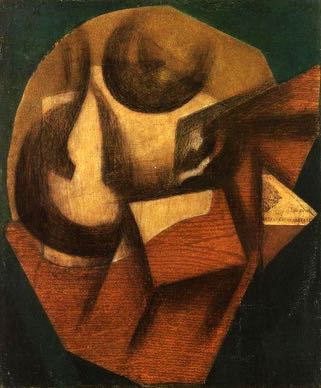
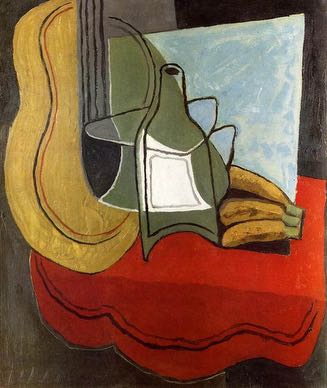
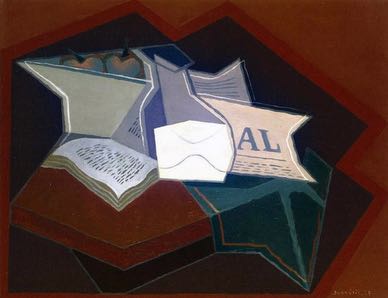
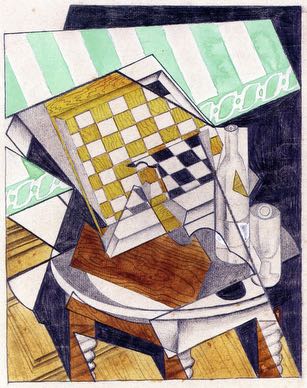
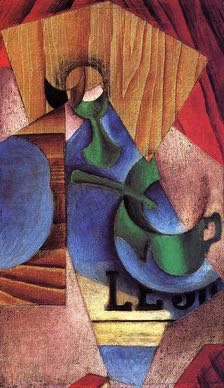
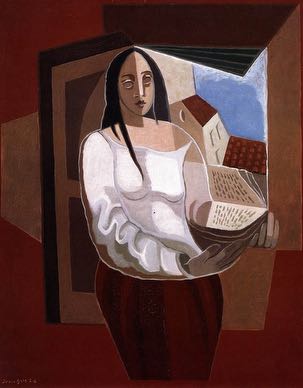
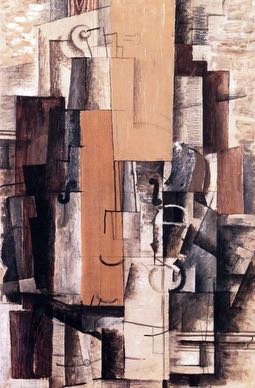

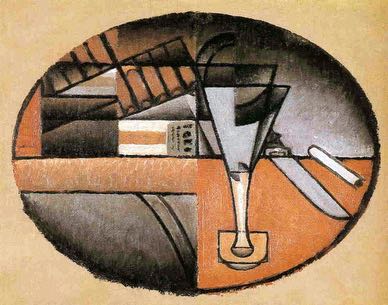
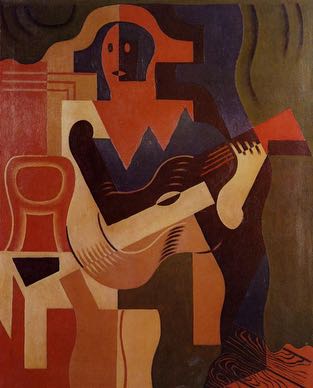
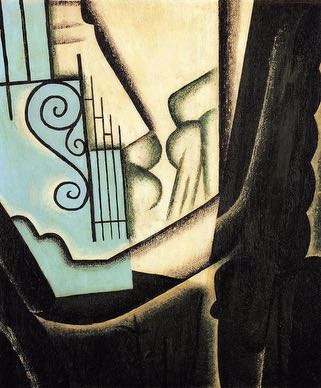
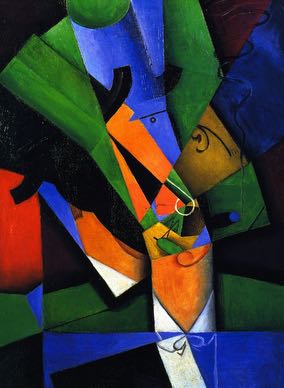
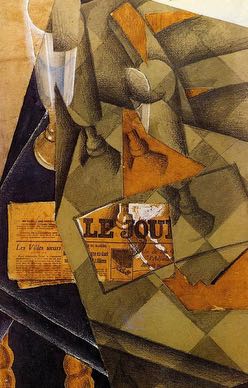
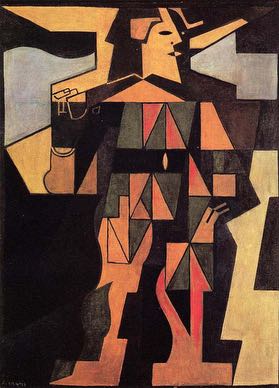
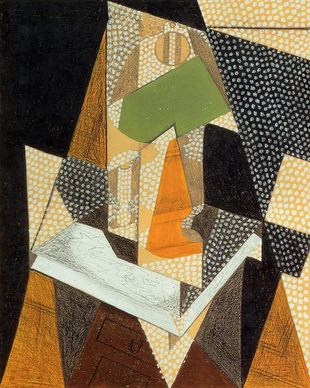
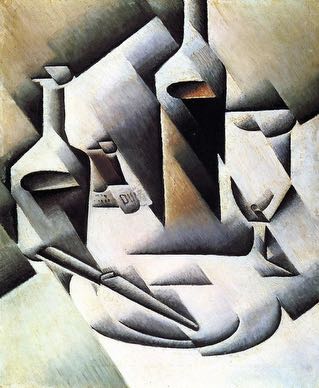
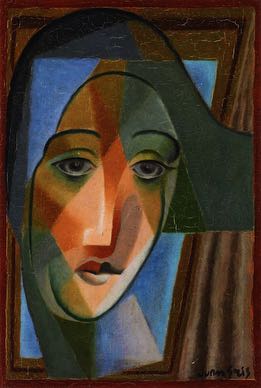
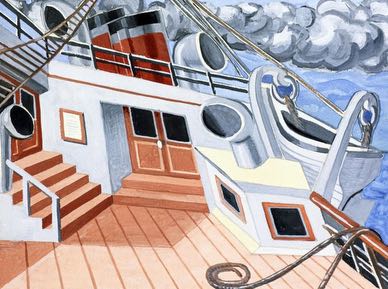
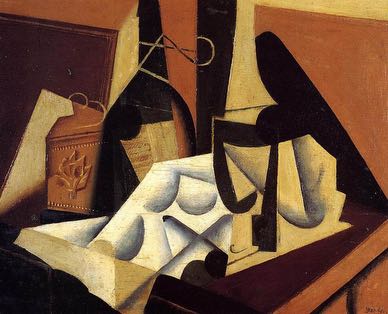
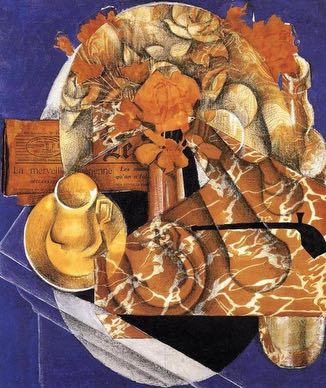
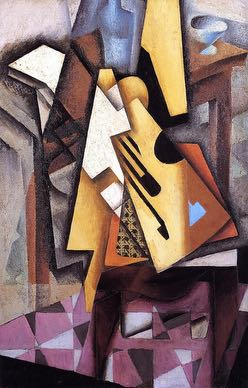
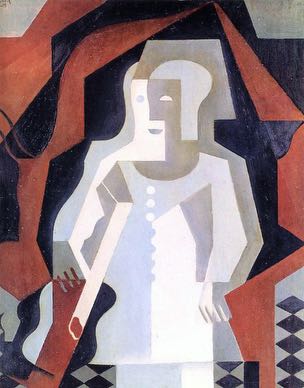

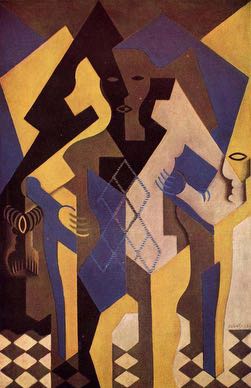
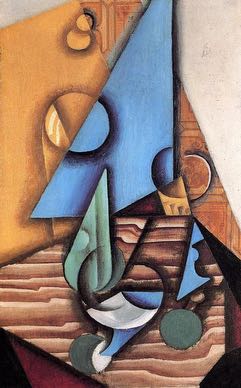
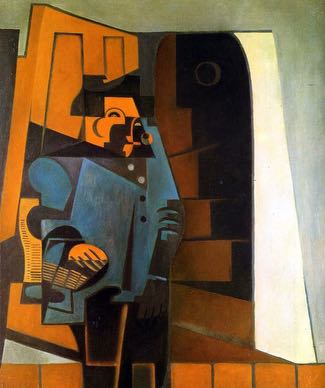
Can’t Find the Painting You Want?
Send us a reference image. We can recreate almost any artwork in the size and style you’re looking for.
Get a Free QuoteHand-Painted Juan Gris Reproductions
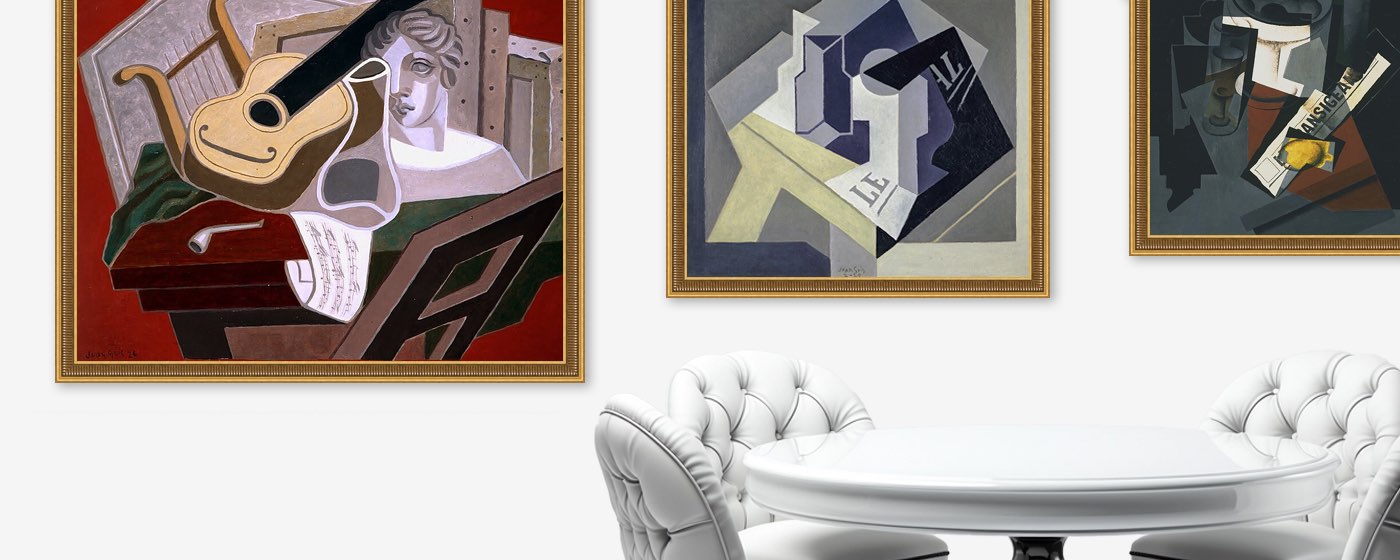
Bring Gris’s art into your home with an oil-on-canvas reproduction hand-painted by a professional artist. Our collection features hundreds of paintings from across his career, including Portrait of Pablo Picasso, Still Life with Checked Tablecloth, and The Sunblind. Discover geometric still lifes, guitars and violins, bottles and glasses, newspapers, Harlequins, and other subjects closely associated with Gris. Every reproduction is a real oil painting, offering depth and texture that a print or digital transfer cannot provide. From iconic masterpieces to lesser-known works, find a Gris painting that suits your space.
The Making of a Juan Gris Oil Painting Replica
Creating a Juan Gris oil painting replica requires patience, precision, and an understanding of the original artwork. Our studio includes artists who specialize in Cubist painting and understand the distinctive qualities of Gris’s work. The artist studies the source image, then recreates its overlapping geometric planes, precise contours, patterned surfaces, shifting viewpoints, and Gris’s carefully balanced colors using traditional oil-painting methods. After completion, the painting is inspected by our quality-control team and photographed for your approval. The result is a carefully executed oil painting that reflects the clarity and visual character of the original.
Custom Sizes and Frames for Your Gris Painting
Your Gris painting can be ordered in practically any size, from popular standard dimensions to a custom canvas size selected directly on the product page. This flexibility lets you choose a painting that fits your wall and complements your room perfectly. After selecting the size, you can choose from high-quality frames in classic or modern designs, with professional canvas stretching also available. Our framing options complement the structured geometry and balanced colors of Gris’s paintings. With sizing, stretching, and framing arranged in one order, your artwork can arrive ready for display without a separate visit to a frame shop.
Order a Juan Gris Reproduction with Confidence
Buying hand-painted art online should feel clear and comfortable. After your Juan Gris reproduction is completed, we send high-resolution photographs for your review before shipping. You can inspect the composition, colors, geometry, and overall finish, then request adjustments if needed. The painting is dispatched only after you approve it, so you know what to expect when it arrives. Your order also includes free express worldwide shipping and is covered by our 90-day return policy. Together, these assurances help you purchase a Gris oil painting with greater confidence and peace of mind.
The Life and Art of Juan Gris
Juan Gris was a Spanish painter, illustrator, and theorist and one of the principal artists of Cubism. Born José Victoriano González Pérez in Madrid in 1887, he settled in Paris in 1906 and joined the circle surrounding Pablo Picasso and Georges Braque. Gris brought unusual order to fragmented form, combining multiple viewpoints with clear geometry, rich color, and a witty interplay of painted and pasted materials. Musical instruments, still lifes, portraits, Harlequins, and open windows dominate his work. Although he died at forty, Gris helped define Synthetic Cubism, extended its ideas through writing and stage design, and showed that rigorous construction could retain visual warmth, clarity, and pleasure.
Read More
Who Was Juan Gris?
Juan Gris was born José Victoriano González Pérez in Madrid on 23 March 1887. He began using the professional name by which he is known while still a young illustrator. Spanish by birth and identity, Gris spent nearly all of his mature working life in France and became a central member of the Parisian avant-garde.
He built pictures from familiar objects: newspapers, fruit, glasses, books, bottles, tables, and musical instruments. Portraits, theatrical figures, landscapes, and open-window views also appear. These subjects gave Gris a way to break forms apart, reorder them, and make them readable again without returning to traditional perspective.
His painting career lasted under twenty years but coincided with crucial shifts in twentieth-century art. Dense, faceted early pictures gradually gave way to more synthetic arrangements in which texture, outline, pattern, and color work together with exceptional control.
What Prepared Gris for a Career in Art?
From 1902 to 1904, Gris attended Madrid’s School of Arts and Industries, where technical subjects were taught alongside drawing. The combination gave him experience in visual representation and measured construction. He later studied painting with José Moreno Carbonero, a respected academic artist known for portraits and historical scenes.
At the same time, Gris was making drawings for Spanish periodicals. Caricature, typographic design, and humorous scenes had to communicate quickly through economical images and concise outlines. The assignments provided income and taught him to organize figures and objects within a confined space.
Gris continued illustrating for French satirical magazines after his move to Paris. Painting eventually became his principal vocation, but the graphic discipline remained. It can be seen in his firm edges, purposeful lettering, and ability to keep a complicated picture legible.
Why Did Gris Make His Home at the Bateau-Lavoir?
Gris settled in Paris in 1906 and lived at the Bateau-Lavoir, the modest Montmartre building whose studios housed a lively group of artists and writers. Pablo Picasso, Georges Braque, Max Jacob, André Salmon, and Guillaume Apollinaire belonged to the circle around him. Their conversations brought Gris close to experiments overturning familiar ideas of representation.
Picasso and Braque began developing Cubism during these early Paris years. Gris watched at close range without simply repeating their work. His own painting emerged gradually around 1910 and 1911, shaped by a draftsman’s discipline and his preference for deliberate color and clearly ordered geometry.
Montmartre also introduced him to poets, critics, dealers, and collectors who helped him move from commercial illustration into exhibitions. Literature and wordplay fed his later use of labels, titles, newspaper scraps, and visual puns within Cubist compositions.
How Did Gris Establish His Own Place in Cubism?
Gris made an important public appearance at the Salon des Indépendants in 1912 and participated in the Section d’Or exhibition the same year. The paintings were clearly Cubist, but firm diagonals, crystalline planes, and controlled color separated them from Picasso and Braque.
Painted in 1912, Portrait of Pablo Picasso shows Picasso with a palette. Gris fractures his head and body into connected geometric forms, then holds the image steady with a powerful diagonal framework. The portrait acknowledges Picasso’s importance while confidently claiming a place for Gris within the movement.
Gris soon developed a close working relationship with Daniel-Henry Kahnweiler, dealer to several major Cubists. Kahnweiler’s support brought greater stability and placed his paintings before international collectors. Critics and writers increasingly recognized Gris as an independent artist whose thoughtful method could carry Cubism beyond its opening phase.
What Did Collage Allow Gris to Do?
During 1913, including a summer in Céret, Gris deepened his experiments with papier collé, building on the collage methods of Picasso and Braque. Wallpaper, newspaper, commercial labels, and imitation wood grain could represent real materials while remaining plainly visible as flat paper attached to another surface.
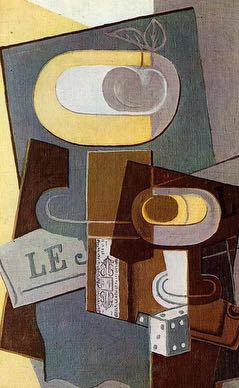
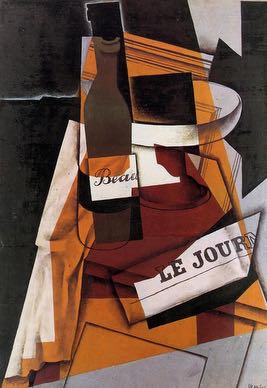
That tension between a sign and the object it represents suited Gris perfectly. In The Bottle of Anís del Mono, newspaper pieces and a real label meet painted and drawn forms. Breakfast brings patterned papers together with an eggcup, coffeepot, cups, and other tabletop objects seen from several directions.
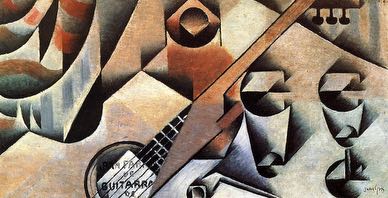
Collage changed more than his materials. It encouraged Gris to begin with flat shapes and let objects emerge from the connections among them. In works such as Violin and Guitar, colored planes, instrument outlines, wood patterns, and shadows interlock without submitting to one coherent viewpoint.
How Did the First World War Reshape Gris’s Career?
As a Spanish citizen, Gris remained in France when war began in 1914. Kahnweiler was forced into exile, and the French state later seized the stock of his gallery. The sudden loss of this support left Gris and his companion, Josette, in serious financial trouble.
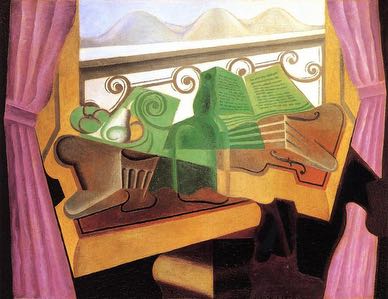
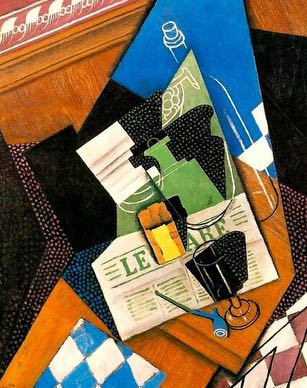
Despite the hardship, the war years brought major artistic growth. Gris spent periods outside Paris, including stays near Beaulieu in Touraine, and refined a clearer, more synthetic Cubism. The Sunblind brings tabletop objects together with a window and exterior view. Still Life with Checked Tablecloth draws a multitude of familiar things into one tightly unified structure.
In 1916, Gris signed with Léonce Rosenberg, whose Galerie L’Effort Moderne supported Cubist artists during and after the war. Rosenberg presented his first solo Paris exhibition in 1919, bringing a new level of public recognition after years of instability.
By What Method Did Gris Construct Synthetic Cubism?
Gris often began with an abstract framework and only then allowed recognizable objects to take shape. This deductive method reverses the familiar idea that a painter starts with something observed and gradually simplifies it. A curve, checkerboard, triangle, or upright band might become part of a guitar, glass, table, face, or window as the picture develops.
Color is fundamental to the process. Gris did not restrict himself to the browns and grays associated with early Cubism. Violets, oranges, blues, greens, and warm earth tones establish visual rhythm and edges, while painted textures imitate glass, cloth, wood, marble, or paper. Transparent-looking planes let several objects occupy the same area.
His repeated return to still life was no retreat from modern experience. Playing cards, newspapers, books, café glasses, instruments, tobacco, and commercial packages belonged to everyday life. Gris rebuilt them as reasoned structures that keep material illusion, abstraction, and representation in productive tension.
Which New Directions Appeared in Gris’s Later Work?
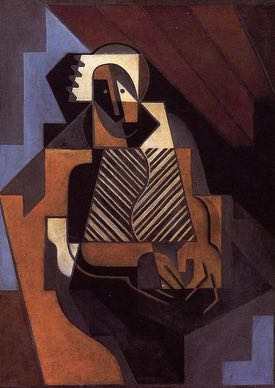
From about 1916, Gris returned more fully to the human figure and to older traditions of painting. Jean-Baptiste-Camille Corot, Paul Cézanne, Velázquez, and other masters gave him models of proportion and stability. In Portrait of Madame Josette Gris, a calm pyramidal sitter belongs fully to the overlapping geometry of the surface.
Pierrots and Harlequins became important too. Their patterned costumes lend themselves to Cubist division, but Gris treated them as substantial bodies rather than decorative bundles of shape. In the 1920s, he also painted open windows, landscapes, tables overlooking the sea, and more spacious compositions in which clear silhouettes and broad curves replaced some of the earlier density.
His ideas also moved beyond easel painting. From 1922 to 1924, Gris designed scenery for two ballets connected with Serge Diaghilev, Les Tentations de la bergère and La Colombe. Essays such as Notes sur ma peinture and Des possibilités de la peinture explained his thinking. His health declined during these years, and after settling in Boulogne-sur-Seine in 1922, he died there on 11 May 1927 at forty.
Which Paintings Trace the Course of Gris’s Career?
Gris returned to a focused vocabulary of subjects but continually changed the way he built them. These works range across portraiture, collage, still life, theatrical figures, and views between interior and exterior:
- Portrait of Pablo Picasso, 1912: Firm diagonals organize a faceted likeness that announced Gris’s independent place within Cubism.
- Violin and Guitar, 1913: Angular planes, patterns, and interlocking instruments reveal the growing clarity of his construction.
- Breakfast, 1914: Printed material, pasted paper, drawing, and paint turn an ordinary table into a subtle play between volume and flatness.
- The Sunblind, 1914: Slatted blinds, a window, and still-life objects bring outside and inside together on one ordered surface.
- The Bottle of Anís del Mono, 1914: Newspaper fragments and a real label blur the boundary between an object and its representation.
- Still Life with Checked Tablecloth, 1915: Bottles, cups, newspaper, grapes, and a guitar combine to suggest the larger outline of a bull’s head.
- Portrait of Madame Josette Gris, 1916: A poised figure and pyramidal design reveal his growing dialogue with Cézanne, Corot, and classical order.
- Harlequin with a Guitar, 1917: Broad planes, light bands, clear contours, and a checkered costume unify figure and instrument.
Why Does Juan Gris Matter to Modern Art?
Gris did not invent Cubism, but he became one of its most exacting and imaginative practitioners. Where early Cubist works can seem unstable or intentionally difficult to decipher, his pictures usually rest on a strong underlying order. Objects remain open to several readings without breaking into unrelated fragments.
His contribution was theoretical as well as practical. Gris clarified how painted illusion, collage, geometry, and color might operate within one system. Synthetic Cubism, in his hands, was more than a simpler answer to the earlier analytic phase. Constructed forms could generate recognizable objects, spatial relationships, and a compelling visual rhythm.
Gris’s short career remained remarkably consistent in purpose while changing considerably in method. From magazine drawings and faceted portraits to colorful still lifes, figures, landscape, stage designs, and essays, he pursued a disciplined art that united intellect with sensory pleasure. That balance secured his place as one of Cubism’s defining painters and a lasting reference for artists concerned with how representation is built.
Copyright © 2026 BrushWiz. All Rights Reserved.
About Our Juan Gris Paintings
Are your Juan Gris reproductions painted by hand?
Yes. Every reproduction is individually painted by hand in oil on canvas by a professional artist. We do not use prints, digital transfers, or mechanical reproduction methods.
How closely do your Gris copies resemble the original?
Our artists work to capture the composition, colors, texture, and visual character of the original Gris painting as closely as possible. Because every reproduction is painted by hand, small variations are natural and make each canvas unique.
How long does it take to complete a painting?
Most Gris reproductions require approximately two to three weeks to paint, dry, and inspect. Production time may vary depending on the artwork and canvas size, so check the estimate displayed on the product page.
Can I request a Gris painting that is not listed?
Yes. If you cannot find the Juan Gris artwork you want in our catalog, send us the painting’s title or an image. Our team will review your request and confirm the available sizes, estimated production time, and price.
Will I receive photos of my painting before it is shipped?
Yes. We send high-resolution photographs of the completed painting for your approval. You can request adjustments if needed, and the painting will not be dispatched until the review process is complete.
Can I order a custom canvas size?
Yes. We offer custom dimensions in addition to the standard sizes shown on the product page. Select the dimensions you need directly from the available size options.
Can I order my Gris painting with a frame?
Yes. High-quality frames in classic and modern designs are available for many paintings. You can view compatible framing options and add your preferred design from the product page. Professional canvas stretching is also available.
How much does a Juan Gris reproduction cost?
The price depends on the selected artwork, canvas dimensions, and framing option. Choose your preferred configuration on the product page to see the current price before ordering.
Do you offer free worldwide shipping?
Yes. Gris reproductions qualify for free express worldwide shipping. After dispatch, delivery usually takes five to eight business days, although timing may vary by country and destination.
What is the return policy for Gris reproductions?
Orders are covered by our 90-day return policy. Review the current return-policy page before ordering for complete information about eligibility, time limits, and the return process.
Why BrushWiz?
100% Hand Painted
Every piece is entirely handmade
Museum Quality
Faithfully recreated by expert artists
Custom Framing
Choose from a wide range of frames
Free Shipping
Enjoy free shipping on all orders
Cash Back Rewards
Earn cash back with every purchase