The origins of still life painting can be traced back to ancient civilizations, where artists depicted objects such as food, vessels, and flowers in murals and mosaics. In ancient Egypt and Greece, these depictions were often imbued with symbolic meanings, serving as offerings to the gods or as reflections of prosperity and abundance. While these early examples were less focused on artistic expression and more on function or symbolism, they laid the groundwork for the genre's development.
During the Middle Ages, still life painting was relatively sparse, as artistic focus shifted to religious and historical subjects. However, some illuminated manuscripts from this period included detailed depictions of everyday objects, such as food and utensils, providing a glimpse into daily life and the material culture of the time. These images were often used to enhance the narrative of religious texts, adding a layer of realism to the scenes they illustrated.
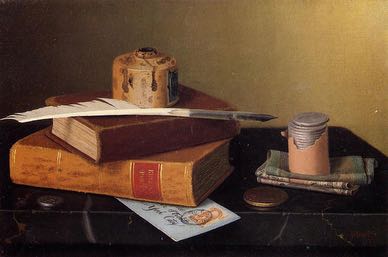
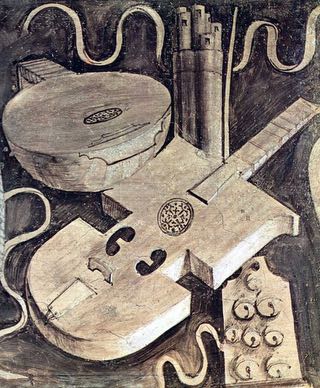
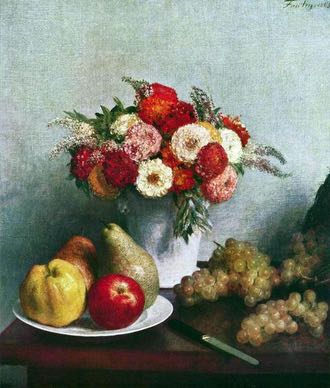
The Renaissance marked a significant turning point for still life painting, as artists began to explore the genre with greater sophistication and intent. The period saw a renewed interest in the study of natural forms and the accurate representation of objects. Artists paid meticulous attention to the textures, colors, and compositions of everyday items, elevating still life from a secondary genre to a respected art form. This era's works often included detailed arrangements of flowers, fruits, and household objects, reflecting both the artist's skill and a fascination with the natural world.
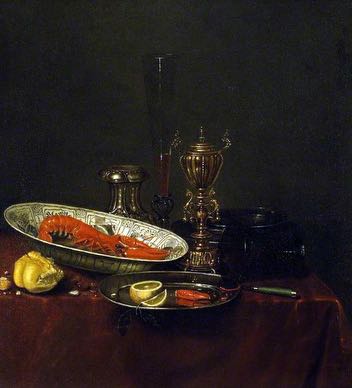
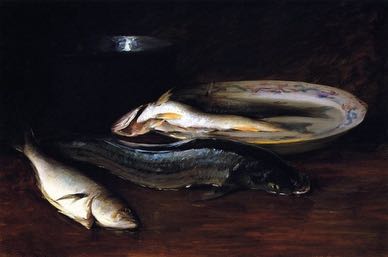
The 17th century witnessed the Golden Age of still life painting, particularly in the Netherlands, where artists developed the genre into a highly specialized and celebrated form. Dutch still life painters focused on intricate details and symbolic meanings, creating compositions that ranged from lavish displays of luxury items to modest, yet equally detailed, depictions of simple objects. These paintings often included vanitas motifs, emphasizing the transient nature of life and the inevitability of death, thus imbuing the genre with deeper philosophical and moral undertones.
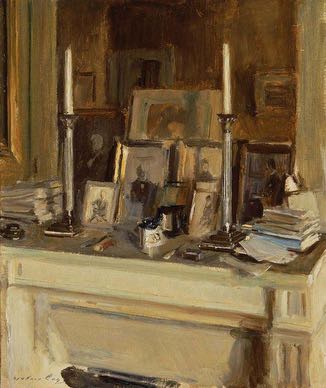
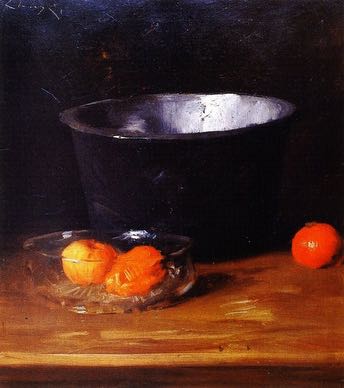
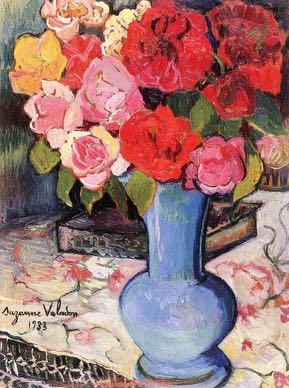
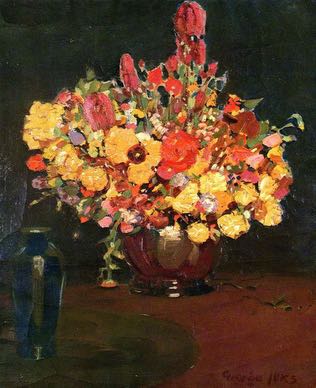
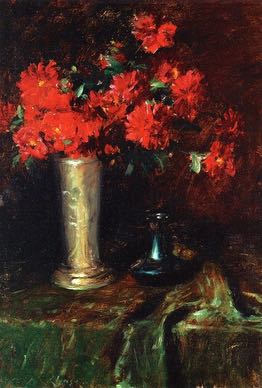
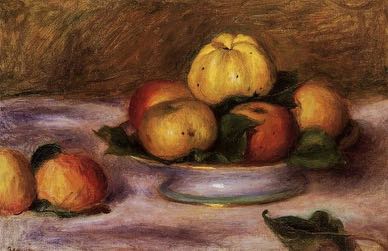
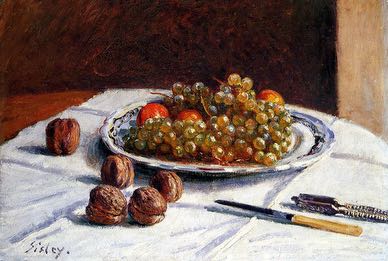
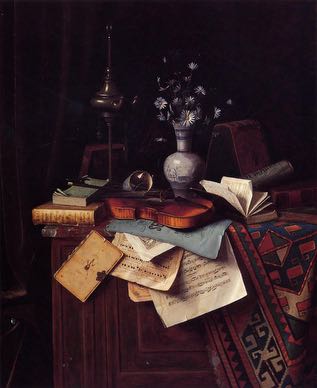
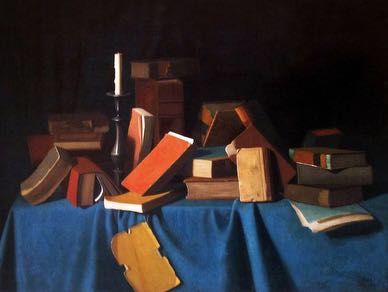
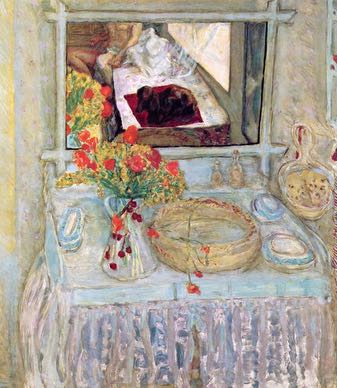
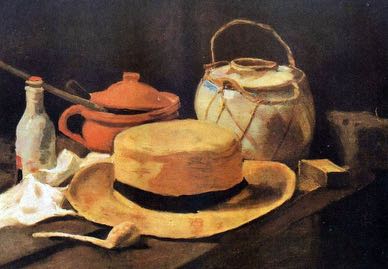
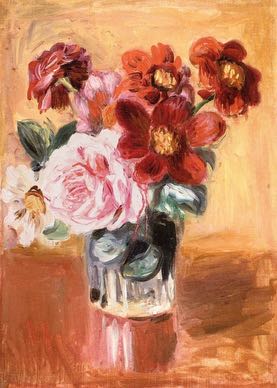
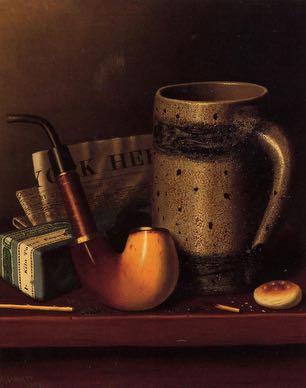
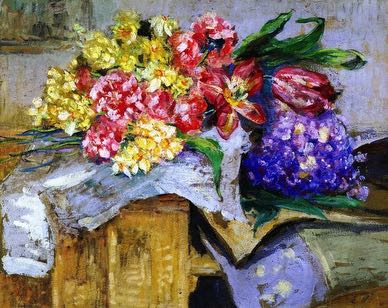
In the 18th and 19th centuries, still life painting continued to evolve, influenced by movements such as Romanticism and Impressionism. Artists began to experiment with new techniques and approaches, focusing on the interplay of light and color, and exploring more abstract and expressive representations of objects. This period saw a shift from the highly detailed and symbolic still lifes of the past to compositions that emphasized mood, atmosphere, and the subjective experience of the artist.
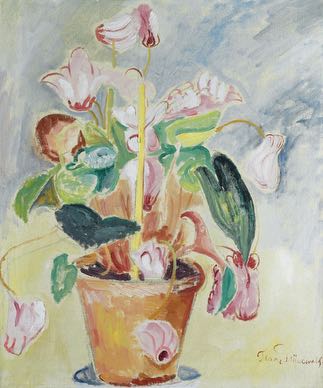
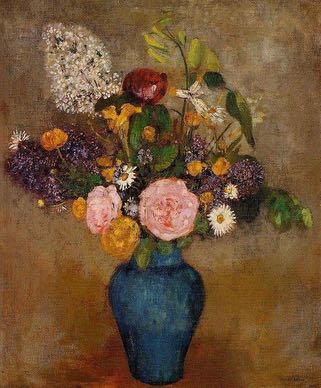
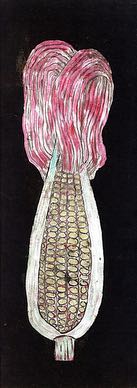
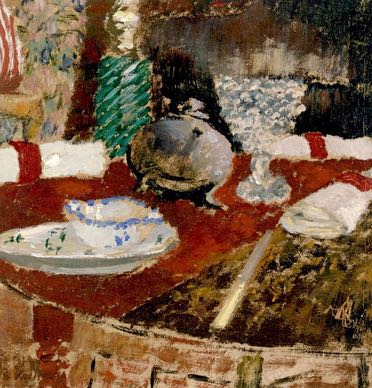
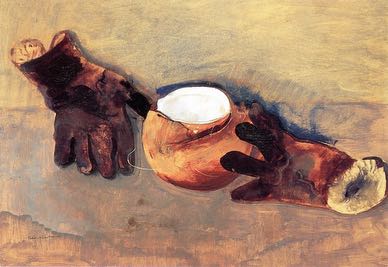
The 20th century brought further innovation to still life painting, with modern and contemporary artists pushing the boundaries of the genre. The advent of abstraction, conceptual art, and mixed media introduced new perspectives and techniques, transforming traditional still life into a platform for exploring a wide range of artistic ideas and themes. Contemporary still life often incorporates unconventional materials, perspectives, and subject matter, reflecting the genre's adaptability and ongoing relevance in the art world.
Today, still life painting remains a vibrant and dynamic genre, celebrated for its ability to capture the beauty and complexity of the everyday world. Artists continue to explore and reinterpret still life, offering fresh insights and perspectives on the objects that surround us. The genre's enduring appeal lies in its capacity to transform ordinary items into extraordinary works of art, inviting viewers to engage with the familiar in new and thought-provoking ways.
The history of still life painting reveals a rich tapestry of artistic evolution and cultural reflection. From its ancient origins to contemporary practices, still life has provided a unique and enduring means of exploring form, substance, and the beauty of the material world. Through its many iterations and innovations, still life painting continues to captivate and inspire, celebrating the art of the everyday.
Copyright © 2026 BrushWiz. All Rights Reserved.