
❄️ Winter Sale. Offer Ends 11/25/2026. View Details
❄️ Winter Sale. Ends 11/25/2026. View Details
❄️ Winter Sale. View Details
Artists
Subjects
Movements
Collections
Decor
Portraits
Commissions
Framing
Reviews
Gift Cards
On Sale
Diego Velazquez Oil Painting Reproductions
Shop museum-quality reproductions of Diego Velazquez’s most famous paintings, each hand-painted in oil on canvas by a professional artist.
Shop Art
Showing 1-40 of 137 results
Sort By
Most Popular
- Most Popular
- New Arrivals
- Best Sellers
- Alphabetical A-Z
- Alphabetical Z-A

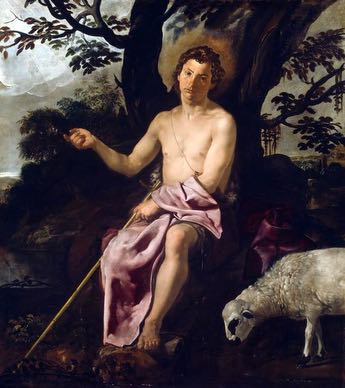
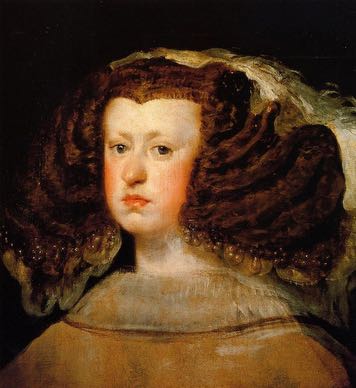

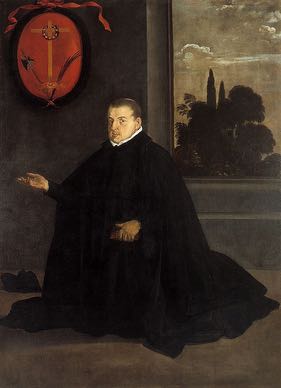

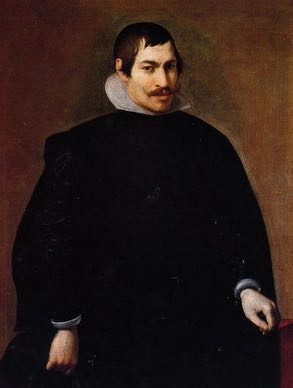
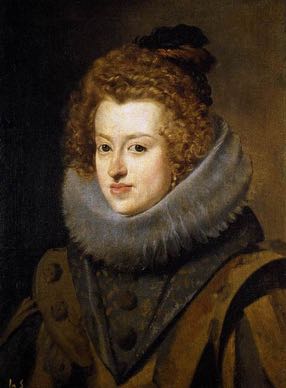
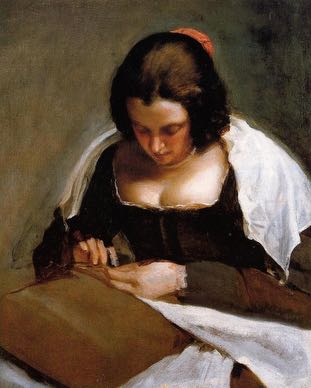
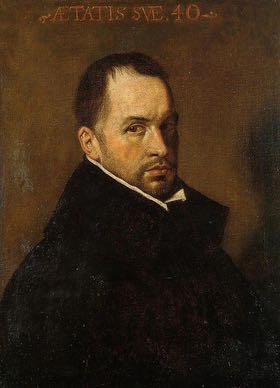
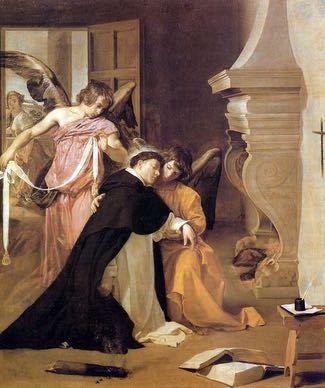
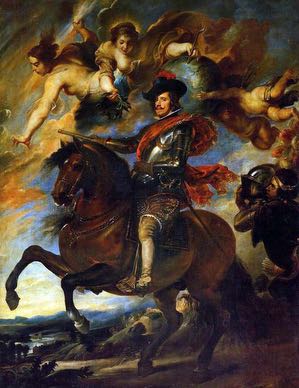
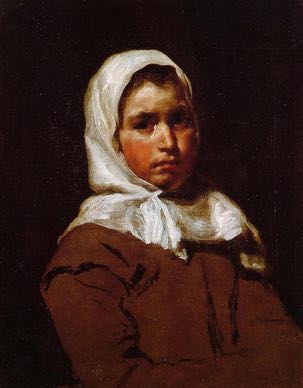
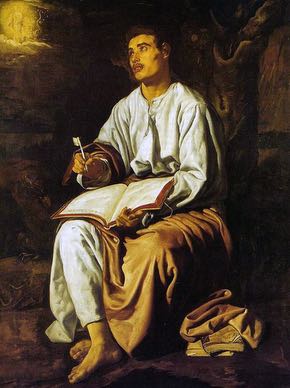
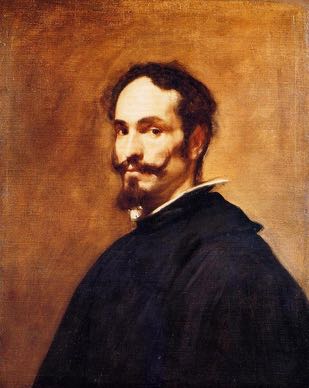

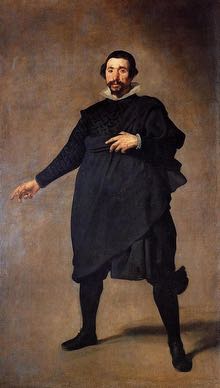
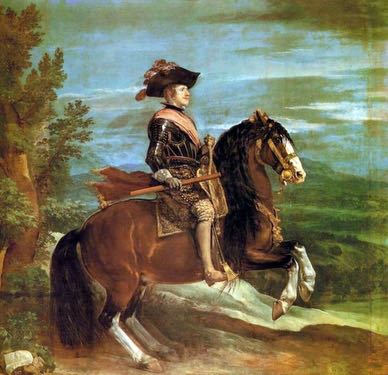
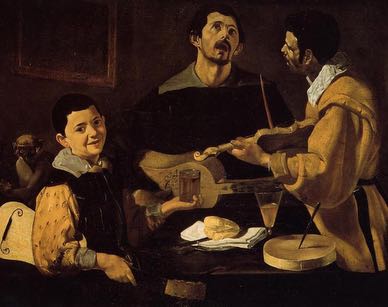




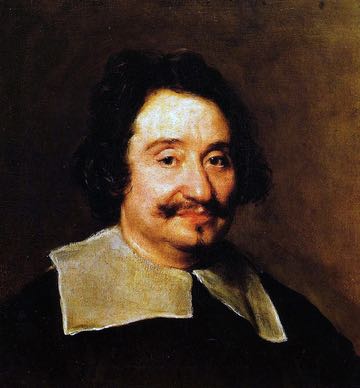

From: $726.00$363.00

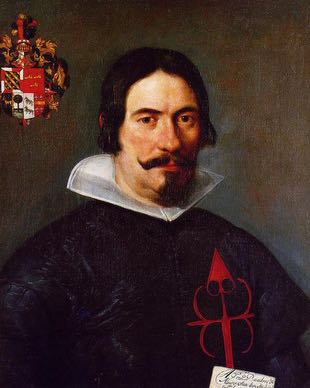
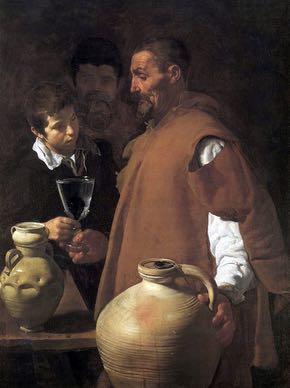
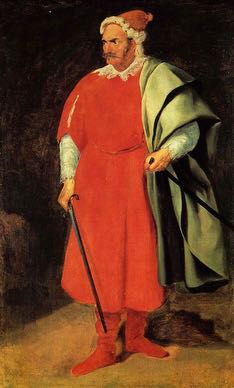


From: $672.00$336.00
Can’t Find the Painting You Want?
Send us a reference image. We can recreate almost any artwork in the size and style you’re looking for.
Get a Free QuoteHand-Painted Diego Velazquez Reproductions
Bring Velazquez’s art into your home with an oil-on-canvas reproduction hand-painted by a professional artist. Our collection features more than one hundred paintings from across his career, including Las Meninas, The Surrender of Breda, and An Old Woman Cooking Eggs. Discover royal portraits, tavern and kitchen scenes, sacred subjects, mythological paintings, and other subjects closely associated with Velazquez. Every reproduction is a real oil painting, offering depth and texture that a print or digital transfer cannot provide. From iconic masterpieces to lesser-known works, find a Velazquez painting that suits your space.
The Making of a Diego Velazquez Oil Painting Replica
Creating a Diego Velazquez oil painting replica requires patience, precision, and an understanding of the original artwork. Our studio includes artists who specialize in Baroque painting and understand the distinctive qualities of Velazquez’s work. The artist begins by studying the source image, then recreates its restrained palette, subtle spatial depth, varied paint surface, and Velazquez’s economical handling of light and form on canvas using traditional oil-painting methods. After completion, the painting is inspected by our quality-control team and photographed for your approval. The result is a carefully executed oil painting that reflects the visual character of the original.
Custom Sizes and Frames for Your Velazquez Painting
Your Velazquez painting can be ordered in practically any size, from popular standard dimensions to custom canvas sizes selected directly on the product page. This flexibility lets you choose a painting that fits your wall and complements your room perfectly. After selecting the size, you can choose from high-quality frames in classic or modern designs, with professional canvas stretching also available. Our framing options complement the restrained colors and dignified character of Velazquez’s paintings. With sizing, stretching, and framing arranged in one order, your artwork can arrive ready for display without a separate visit to a frame shop.
Order a Diego Velazquez Reproduction with Confidence
Buying hand-painted art online should feel clear and comfortable. After your Diego Velazquez reproduction is completed, we send high-resolution photographs for your review before shipping. You can inspect the composition, colors, brushwork, and overall finish, then request adjustments if needed. The painting is dispatched only after you approve it, so you know what to expect when it arrives. Your order also includes free express worldwide shipping and is covered by our 90-day return policy. Together, these assurances help you purchase a Velazquez oil painting with greater confidence and peace of mind.
The Life and Art of Diego Velazquez
Diego Velazquez was a Spanish painter whose portraits, scenes of everyday life, sacred works, and mythological pictures changed the possibilities of seventeenth-century art. Born in Seville in 1599, he trained with Francisco Pacheco before moving to Madrid and entering the service of Philip IV. His court position gave him access to the royal collections and supported two formative journeys to Italy, but it also brought demanding administrative duties. Velazquez learned to make a few fluid strokes describe fabric, light, air, and expression with remarkable economy. In Las Meninas, he joined portraiture, royal presence, spatial illusion, and the act of painting itself within one unresolved scene.
Read More
Who Was Diego Velazquez?
Diego Rodriguez de Silva y Velazquez was born in Seville in 1599 and baptized there on 6 June. Following a practice familiar in Andalusia, he used his mother’s surname professionally and signed himself Diego Velazquez or Diego de Silva Velazquez. The shorter form by which he is now known belonged to his own working identity.
He spent the first part of his career in Seville, then moved with his family to Madrid at the age of twenty-four. In 1623, he entered the service of the young Philip IV and remained attached to the Spanish court until his death. That relationship shaped his subjects, opportunities, ambitions, and daily responsibilities.
Velazquez painted fewer works than many celebrated contemporaries, partly because royal duties increasingly occupied his time. Yet his range was extraordinary. Working across portraits, everyday scenes, religion, mythology, landscape, and history, he developed an art in which close observation and loose, economical handling strengthen rather than contradict each other.
How Did Seville Shape the Young Velazquez?
Seville was one of Europe’s wealthiest and most culturally varied cities when Velazquez was growing up. Trade with the Americas passed through its port, religious institutions commissioned large numbers of artworks, and people from across Spain, Europe, Africa, and the Atlantic world met in its streets and markets.
According to early accounts, Velazquez first spent a brief period with Francisco de Herrera before entering the workshop of Francisco Pacheco at about eleven. Pacheco was a painter, writer, and well-connected teacher who provided rigorous instruction in drawing and artistic theory. Velazquez completed his apprenticeship and qualified to establish his own workshop in 1617.
In 1618, he married Pacheco’s daughter, Juana. The connection helped him professionally, but his early pictures already show a temperament quite different from his teacher’s. Velazquez preferred strongly lit models, rough materials, and particular faces. Rather than idealize every subject, he studied how people and objects occupy real space.
What Made His Bodegones So Original?
During his Seville years, Velazquez became known for bodegones, paintings centered on kitchens, taverns, food, vessels, and figures from everyday life. The word can refer to still life as well as humble genre scenes. In his hands, ordinary objects receive the gravity and concentration usually reserved for grander subjects.
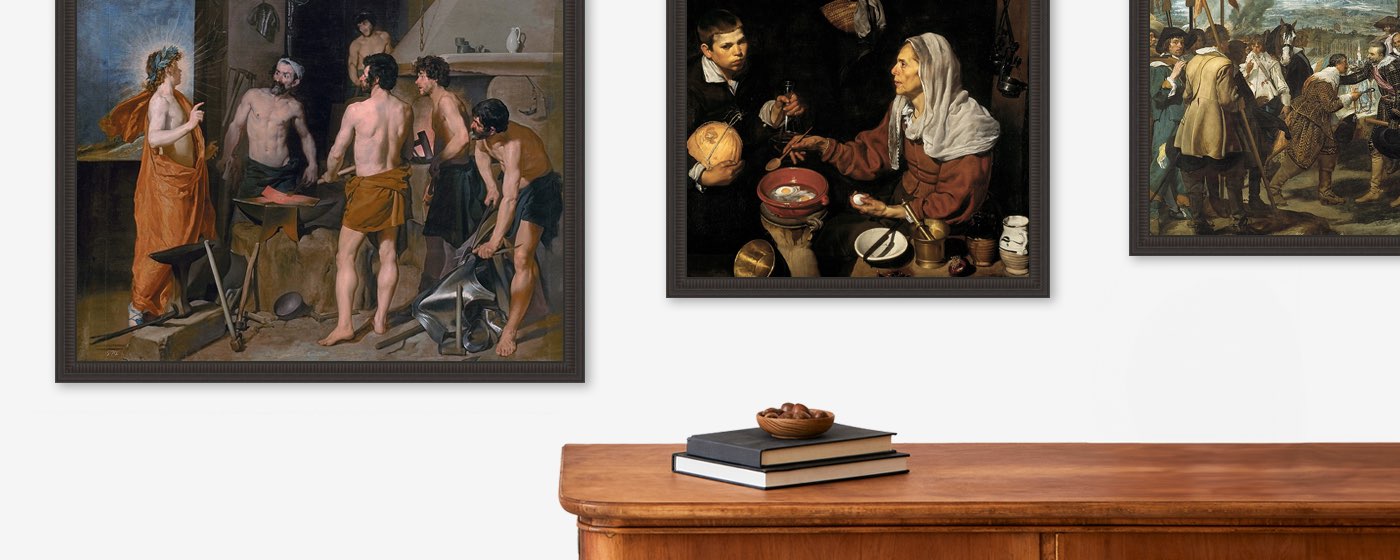
An Old Woman Cooking Eggs brings metal, pottery, glass, eggs, hands, and weathered faces into sharp physical focus. The figures do not perform for the viewer. Their quiet absorption gives the scene its tension, while controlled light separates each form from the surrounding darkness.
Velazquez sometimes placed a biblical episode behind or beyond the kitchen foreground. In Christ in the House of Mary and Martha, a young worker and an older woman dominate the canvas while Christ’s teaching appears in a smaller opening at the rear. The unusual arrangement makes viewers decide where the real subject lies.
Why Did Philip IV Bring Velazquez to Court?
Velazquez first sought opportunities in Madrid in 1622 and returned the following year with support from court contacts. He was invited to portray Philip IV, who was only eighteen. The likeness pleased the king, and Velazquez received an appointment as court painter. From then on, royal service became the center of his career.
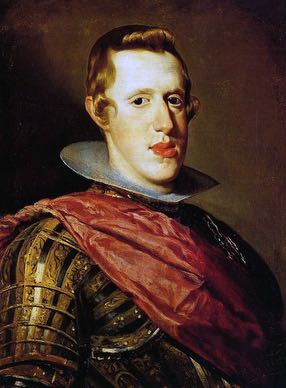
Portraiture at court had to communicate rank, lineage, and control. Velazquez worked within those conventions but removed unnecessary display. In Philip IV in Brown and Silver, the rich costume is handled with astonishing freedom, while the king’s pale face and reserved posture carry the image’s authority.
The appointment also opened the royal collection to him. Paintings by Titian showed how layered color and flexible brushwork could give a portrait grandeur without hard outlines. Velazquez studied those works closely, absorbing their lessons while developing a cooler and more reticent form of court presence.
How Did Rubens and Italy Expand His Art?
Peter Paul Rubens visited Madrid on a diplomatic mission in 1628 and spent time with Velazquez. The older Flemish master was already internationally famous, equally at ease with courts, scholarship, and large mythological compositions. Their contact encouraged Velazquez to look beyond the demands of portraiture and seek direct experience of Italian art.
With royal permission, Velazquez traveled to Italy from 1629 to 1631. He studied in Venice and Rome, encountered ancient sculpture and Renaissance painting, and reconsidered how bodies could move through complex space. Apollo in the Forge of Vulcan treats a classical revelation through the startled reactions of working men in a forge.
After returning to Madrid, his color grew lighter and his handling more spacious. The influence of Italy did not erase the direct observation learned in Seville. Instead, Velazquez could now bring ordinary physical presence into subjects made for palaces, joining the scale of history painting with gestures and expressions that feel caught in real time.
Whom Did Velazquez Portray at the Spanish Court?
Velazquez painted Philip IV across several decades, recording the king’s appearance from youth into middle age. He also portrayed queens, royal children, military commanders, and powerful ministers such as the Count-Duke of Olivares. Repeated sittings turned the court into a long study of aging, costume, inheritance, and public identity.
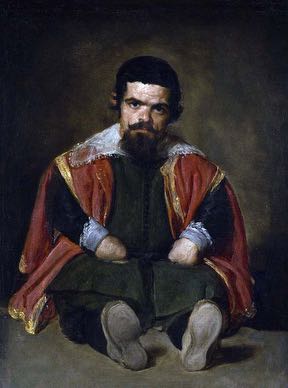
He also painted actors, jesters, and people with dwarfism who served in the royal household. Works such as Don Sebastian de Morra acknowledge the unequal court structure in which their subjects lived while granting them an individual presence that resists easy caricature. The direct gaze is compelling, but modern viewers should not overlook the conditions of service behind it.
Across these portraits, Velazquez avoids a single formula. A child’s elaborate clothing can seem both splendid and burdensome; a minister fills the canvas with restless energy; a king stands in guarded silence. Rank remains visible, yet posture, face, and paint introduce a more complicated human reality.
What Happened During Velazquez’s Second Journey to Italy?
Velazquez returned to Italy in 1649 with a royal assignment to obtain paintings, sculptures, and casts for Philip IV. The journey confirmed his standing not only as a painter but as a trusted agent of the crown. In Rome, he produced portraits whose directness impressed viewers accustomed to formal papal and aristocratic images.
Juan de Pareja presents an Afro-Hispanic man who worked in Velazquez’s studio and had been enslaved by him for more than two decades. Velazquez signed a document of manumission in 1650, with freedom to take effect later. Pareja subsequently developed an independent career as a painter in Madrid.
Velazquez also painted Pope Innocent X. Red satin, white linen, flesh, and a penetrating expression are built from brushwork that can look loose at close range but becomes startlingly exact from a distance. The portrait balances papal office with the wary intelligence of a particular sitter.
How Did His Late Masterpieces Test the Limits of Painting?
Velazquez’s late pictures ask viewers to look past an apparent subject toward the act of representation itself. The Spinners first seems to show women working with wool. Behind them, an elevated scene connected with the myth of Arachne turns craft, artistic rivalry, and transformation into overlapping levels of meaning.
In Las Meninas, painted in 1656, the Infanta Margarita stands among attendants, court figures, and a dog in a room of the Madrid Alcazar. Velazquez appears at a large canvas. Philip IV and Mariana of Austria are visible only as reflections in a mirror at the back.
The room feels credible because perspective, scale, and several sources of light work together, yet the event remains elusive. Are the monarchs posing, entering, or occupying the viewer’s position? What is Velazquez painting? The picture turns a court portrait into a meditation on sight, royal power, presence, and the intellectual status of art.
Which Paintings Define Velazquez’s Career?
Velazquez’s relatively compact body of work follows a remarkable path from Seville kitchens to the innermost spaces of the Spanish court. These paintings show the breadth of his subjects and the continuing development of his technique:
- An Old Woman Cooking Eggs, 1618: Everyday cooking becomes an exacting study of age, concentration, light, and material texture.
- The Waterseller of Seville, about 1620: Three figures and a clay vessel give humble work the stillness of a formal ceremony.
- The Triumph of Bacchus, 1628–1629: A classical god joins weathered contemporary drinkers in an earthy reinterpretation of mythology.
- Apollo in the Forge of Vulcan, 1630: A divine announcement moves through the faces and gestures of startled workers.
- The Surrender of Breda, about 1635: Military victory is presented through an exchange marked by restraint rather than humiliation.
- The Rokeby Venus: A reclining goddess seen from behind meets the viewer indirectly through a blurred reflection.
- Juan de Pareja, 1650: An enslaved studio assistant and future painter is presented with extraordinary composure and immediacy.
- Portrait of Pope Innocent X, about 1650: Brilliant reds and economical brushwork frame a searching study of authority and personality.
- Las Meninas, 1656: A royal household scene becomes an enduring puzzle about looking, painting, space, and power.
- The Spinners, about 1655–1660: Textile labor and the myth of Arachne meet across two connected but visually distinct spaces.
Why Has Velazquez Remained So Influential?
Velazquez rose steadily through the royal household and became aposentador mayor, a senior palace official, in 1652. The post demanded extensive logistical work and left less time to paint. In 1659, he was admitted to the Order of Santiago, the prestigious honor represented by the red cross later visible on his clothing in Las Meninas.
After helping organize the court arrangements surrounding the marriage of the Infanta Maria Teresa to Louis XIV of France, Velazquez became ill and died in Madrid on 6 August 1660. Juana died only days later. Much of his art remained in Spanish royal collections and was not widely accessible until the growth of the Prado in the nineteenth century.
Later painters found different lessons in his work. Francisco Goya studied his royal portraits, while Realists and modern artists admired brushstrokes that resolve only at the right viewing distance. Velazquez remains central to seventeenth-century painting because his art makes illusion feel effortless while keeping the nature of that illusion open to question.
Copyright © 2026 BrushWiz. All Rights Reserved.
About Our Diego Velazquez Paintings
Are your Diego Velazquez reproductions painted by hand?
Yes. Every reproduction is individually painted by hand in oil on canvas by a professional artist. We do not use prints, digital transfers, or mechanical reproduction methods.
How closely will my Velazquez copy resemble the original?
Our artists work to capture the composition, colors, brushwork, atmosphere, and visual character of the original Velazquez painting as closely as possible. Because each reproduction is painted by hand, small variations are natural and make every canvas unique.
How long does a Diego Velazquez painting take to complete?
Most Velazquez reproductions require approximately two to three weeks to paint, dry, and inspect. Production time may vary with the artwork and canvas size, so check the estimate displayed on the product page.
Can I request a Velazquez artwork that is not listed?
Yes. If you cannot find the Diego Velazquez painting you want in our catalog, send us its title or an image. Our team will review the request and confirm the available sizes, estimated production time, and price.
Will I receive photographs before my painting is shipped?
Yes. We send high-resolution photographs of the completed painting for your approval. You may request adjustments if needed, and the artwork will not be dispatched until the review process is complete.
Are custom canvas dimensions available?
Yes. We offer custom dimensions in addition to the standard sizes displayed on the product page. Select the dimensions that best suit your space from the available size options.
May I order my Velazquez reproduction with a frame?
Yes. High-quality frames in traditional and contemporary designs are available for many paintings. You can view compatible options and add your preferred frame on the product page. Professional canvas stretching is also available.
What determines the price of a Diego Velazquez reproduction?
The price depends on the selected artwork, canvas dimensions, and framing option. Choose your preferred configuration on the product page to see the current price before placing your order.
Do Velazquez paintings qualify for free worldwide shipping?
Yes. Velazquez reproductions qualify for free express worldwide shipping. After dispatch, delivery usually takes five to eight business days, although timing may vary by country and destination.
Which return policy covers Diego Velazquez reproductions?
Orders are covered by our 90-day return policy. Review the current return-policy page before ordering for complete information about eligibility, time limits, and the return process.
Why BrushWiz?
100% Hand Painted
Every piece is entirely handmade
Museum Quality
Faithfully recreated by expert artists
Custom Framing
Choose from a wide range of frames
Free Shipping
Enjoy free shipping on all orders
Cash Back Rewards
Earn cash back with every purchase