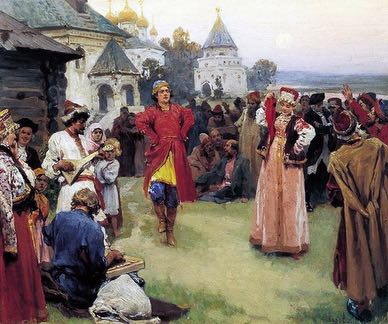
The roots of Russian painting can be traced back to the religious art of medieval Russia, where icon painters created sacred images for churches and monasteries. Icons, with their stylized forms, vivid colors, and spiritual symbolism, played a central role in Russian religious life and artistic expression, serving as windows to the divine and objects of veneration.
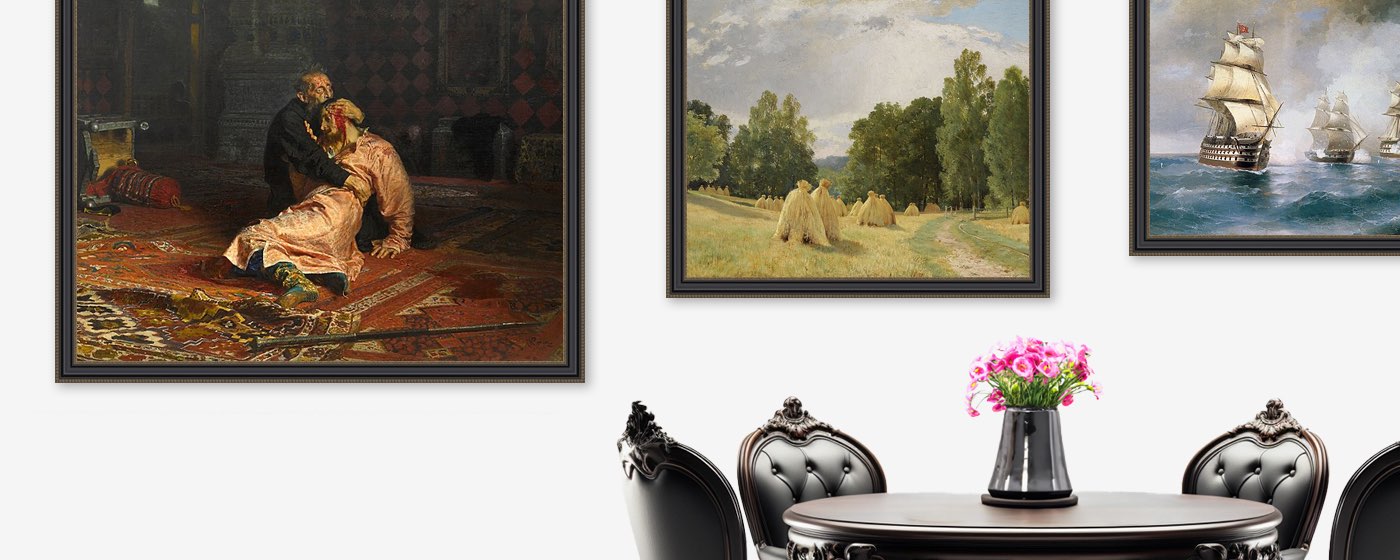
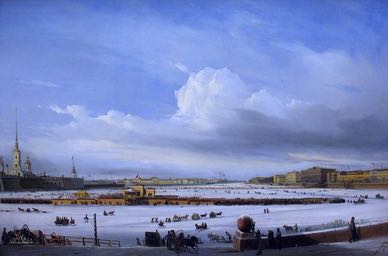
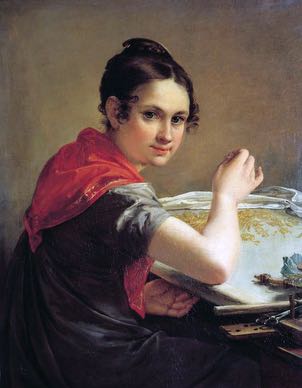
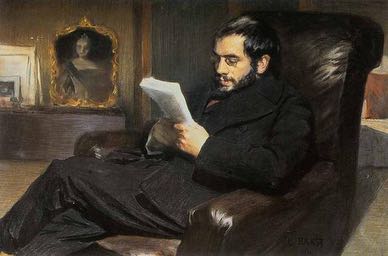
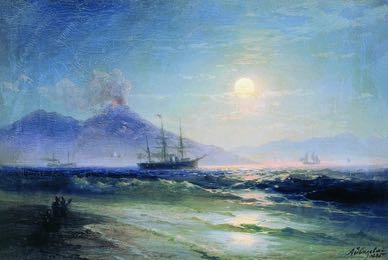
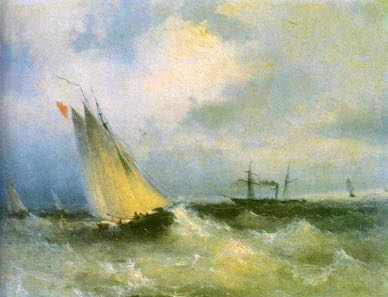
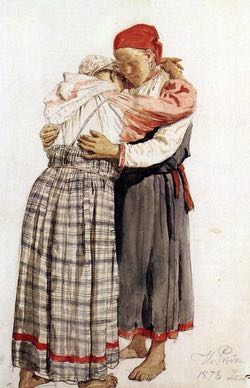
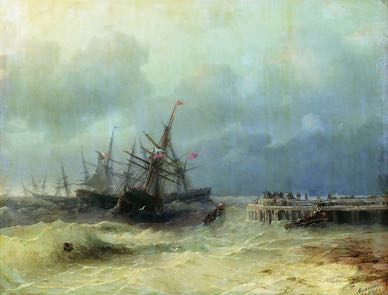
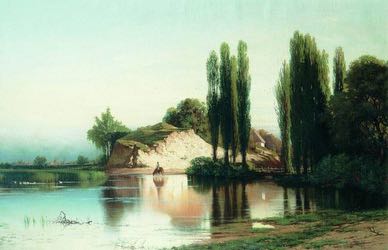
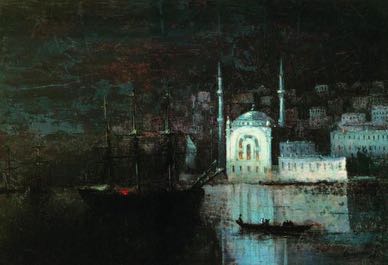
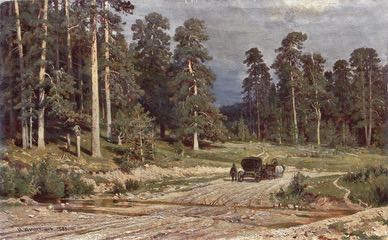
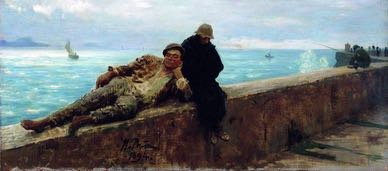
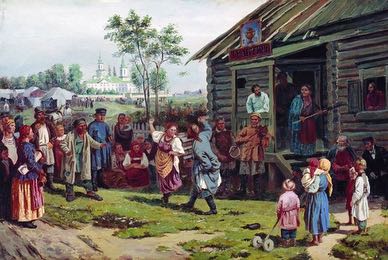
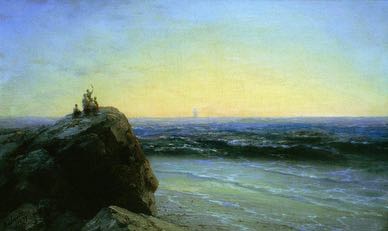
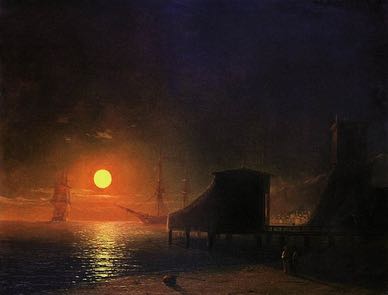
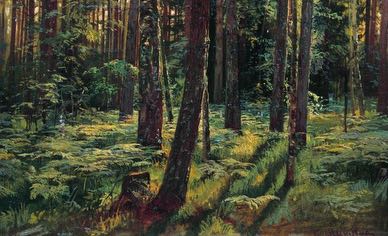
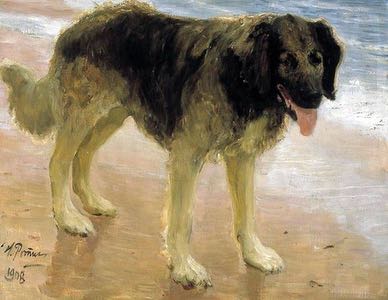
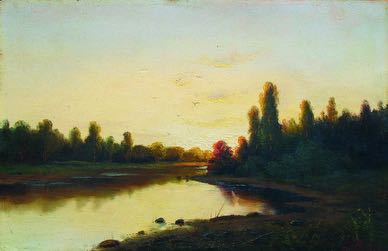
During the 18th and 19th centuries, Russian painting experienced a period of flourishing creativity and artistic innovation, fueled by the patronage of the Russian imperial court and the rise of a burgeoning middle class. Russian artists such as Ivan Aivazovsky, Karl Bryullov, and Ilya Repin gained international acclaim for their masterful depictions of historical events, romantic landscapes, and poignant portraits, capturing the grandeur and complexity of Russian society and culture.
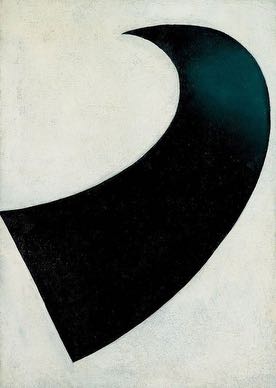
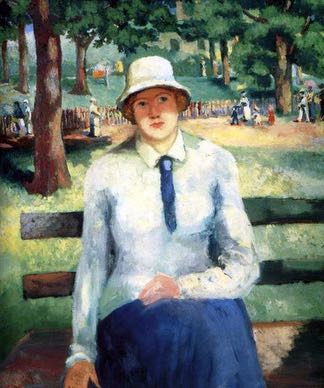
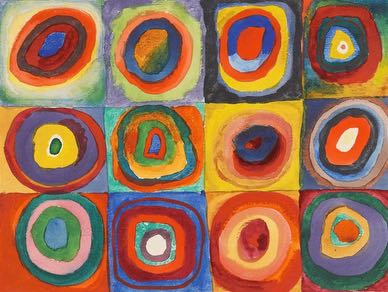
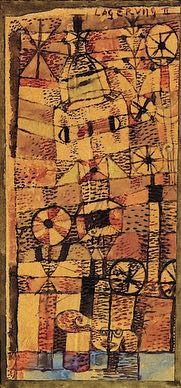
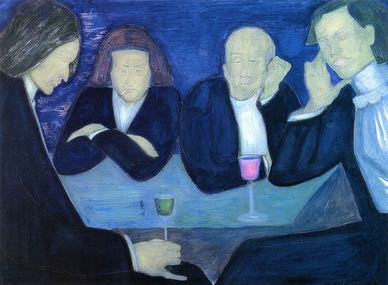
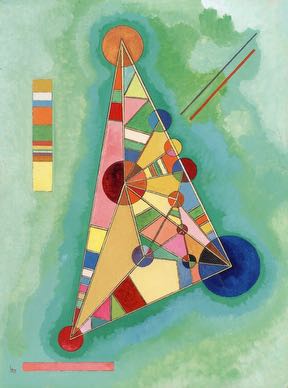
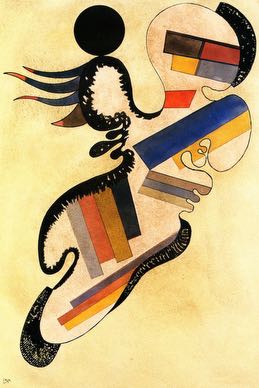
The late 19th and early 20th centuries witnessed the emergence of avant-garde movements in Russian art, as artists rebelled against academic conventions and embraced radical new forms of expression. The Russian avant-garde, led by luminaries such as Wassily Kandinsky, Kazimir Malevich, and Marc Chagall, explored abstract forms, geometric shapes, and vibrant colors, pushing the boundaries of traditional painting and paving the way for modernism.
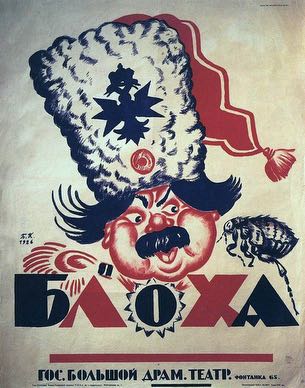
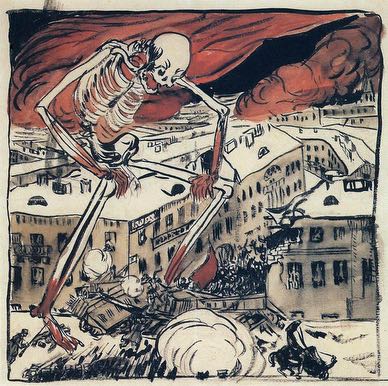
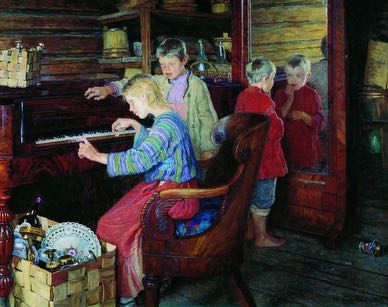
The tumult of the Russian Revolution in 1917 brought further upheaval to the world of Russian art, as avant-garde artists found themselves grappling with the demands of socialist realism, the official artistic doctrine of the Soviet state. Socialist realism sought to glorify the achievements of the Soviet regime and promote the ideals of communism through realistic, optimistic depictions of Soviet life and labor.
Despite the strictures of socialist realism, Russian painting continued to evolve and adapt, as artists found ways to express themselves within the confines of state-sanctioned art. The post-war period saw the emergence of the "severe style," characterized by its somber color palette, stark compositions, and emphasis on the dignity of labor and the heroism of the Soviet people.
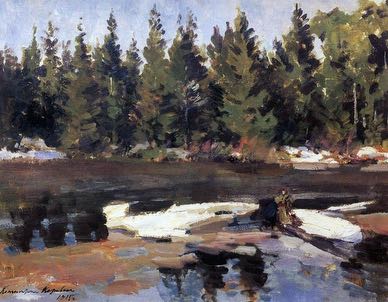
With the collapse of the Soviet Union in 1991, Russian painting entered a new era of artistic freedom and experimentation, as artists explored a wide range of styles, themes, and techniques. Contemporary Russian painters continue to draw inspiration from the country's rich cultural heritage, tumultuous history, and complex social realities, creating works that reflect the diversity and dynamism of modern Russia.
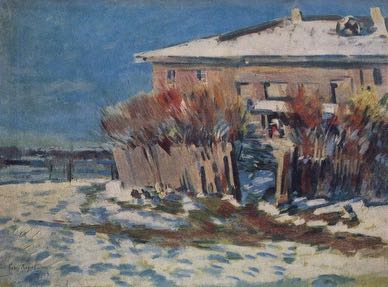
Today, Russian painting remains a vibrant and vital part of the country's cultural landscape, with artists exploring a wide range of themes and styles, from traditional landscapes and portraits to abstract and conceptual art. As Russia continues to navigate the challenges of the 21st century, its painting tradition remains a testament to the enduring power of art to inspire, provoke, and illuminate the human experience.
Copyright © 2026 BrushWiz. All Rights Reserved.