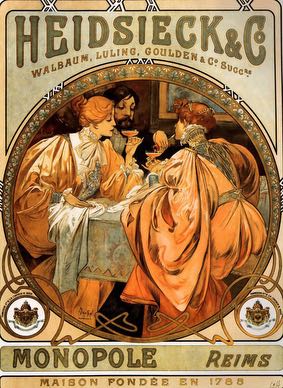
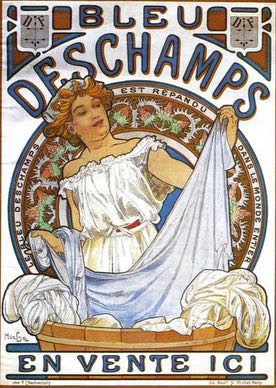
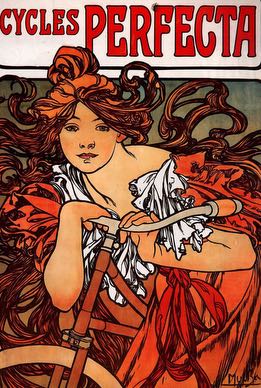
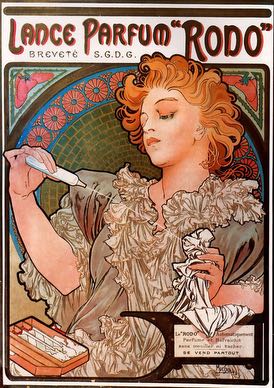
Advertising painting has a rich and dynamic history, evolving significantly from its origins. The journey of advertising art reflects the broader changes in society, technology, and consumer culture, showcasing how artists adapted their techniques and styles to meet the demands of an emerging market.
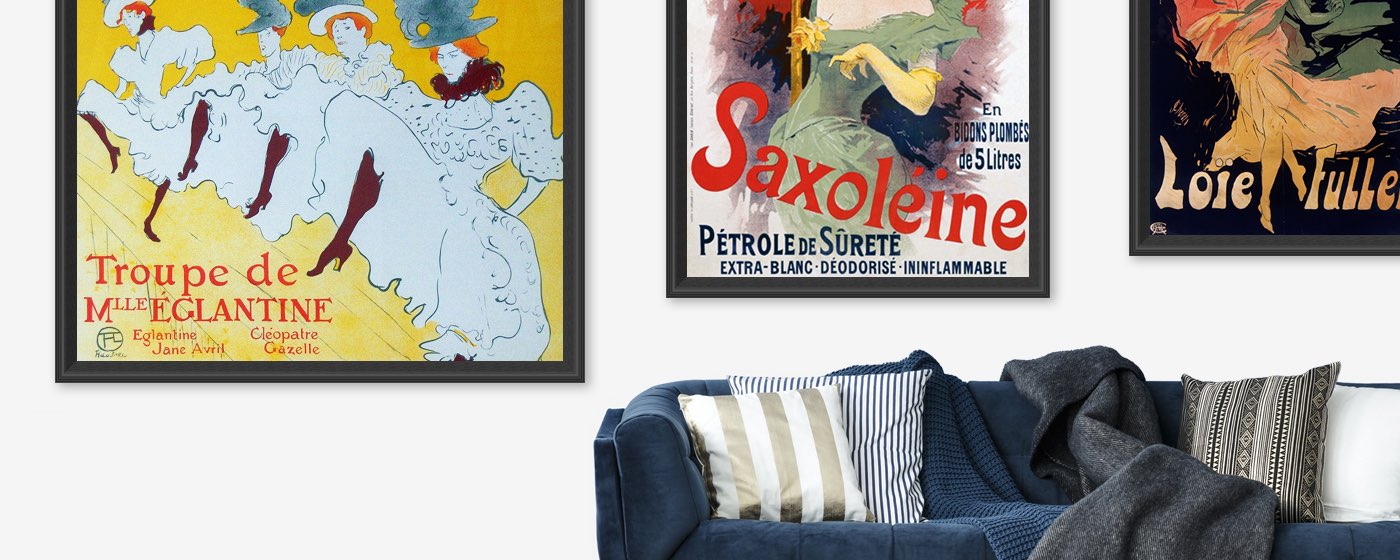
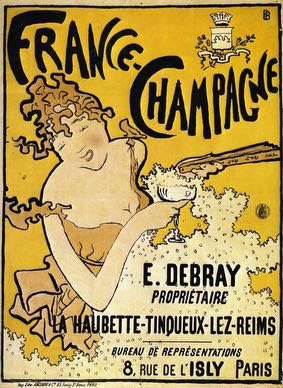
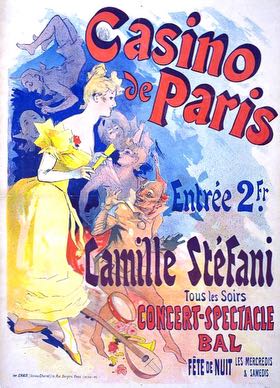
In the late 19th and early 20th centuries, advertising painting began to take shape as a distinct genre. Initially, advertisements were simple and text-heavy, relying on bold typefaces and straightforward messaging to catch the eye. However, as consumer culture began to develop, so did the need for more engaging and visually appealing advertisements. Artists started to experiment with more elaborate compositions, using vibrant colors and illustrative techniques to attract attention. This period marked the transition from purely functional advertising to art that sought to evoke emotions and desires in potential consumers.
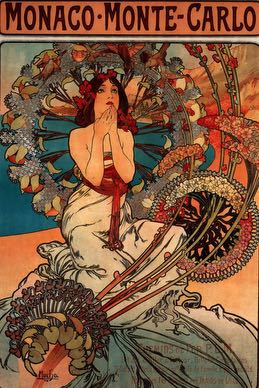
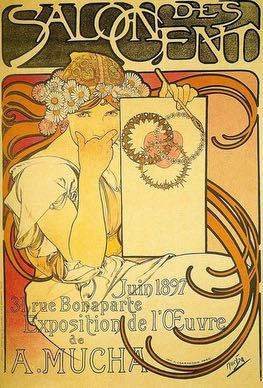
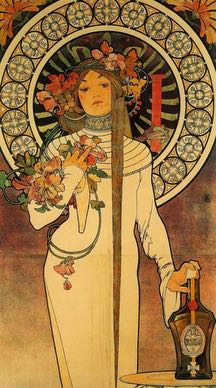
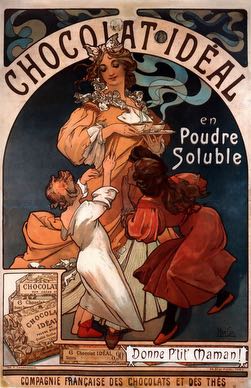
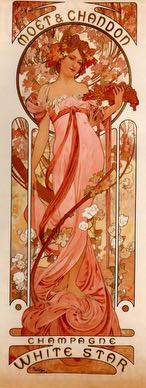
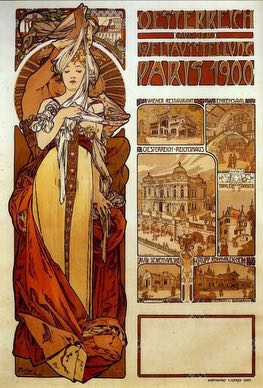
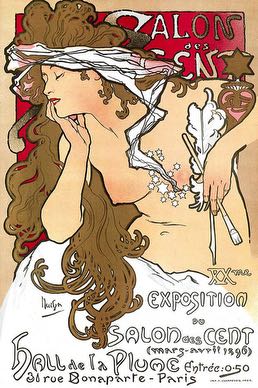
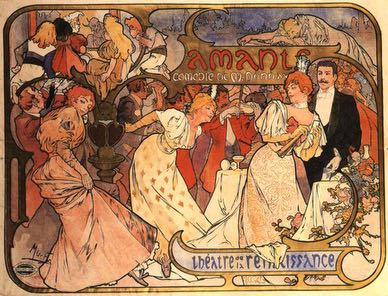
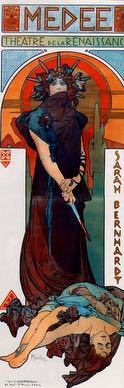
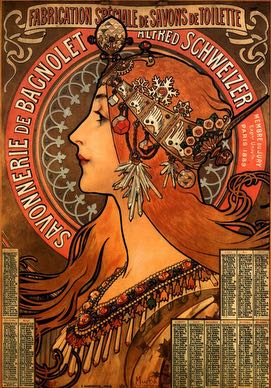
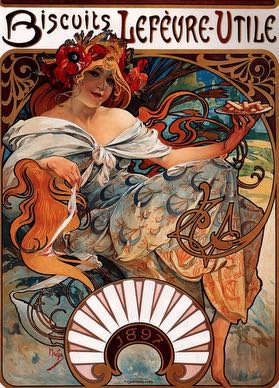
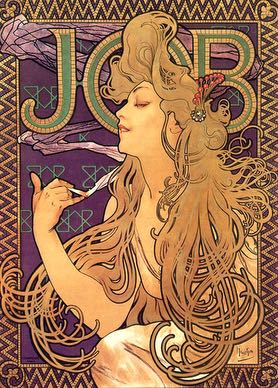
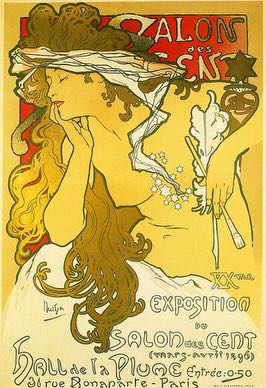
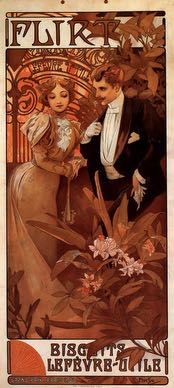
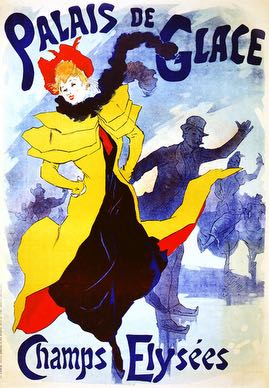
As the 20th century progressed, advertising painting became increasingly sophisticated. The burgeoning field of commercial art saw artists embracing new styles and techniques to better communicate the values and benefits of products. The Art Nouveau movement, with its ornate and flowing designs, influenced advertising art by adding a sense of elegance and refinement to product presentations. This style was characterized by its decorative elements and intricate details, which were used to enhance the visual appeal of advertisements and make them stand out.
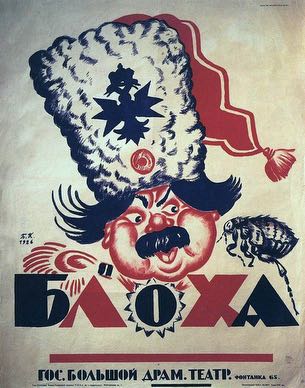
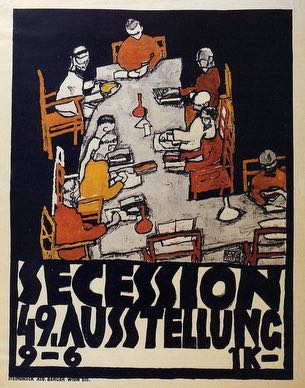
The early 20th century also saw the rise of graphic design as a crucial component of advertising. Artists began to focus on integrating visual elements with textual information in more cohesive and innovative ways. This period saw the advent of iconic advertising campaigns that used strong imagery and creative design to build brand identities. Advertising paintings from this era often featured dynamic compositions and bold colors, reflecting the excitement and optimism of the time.
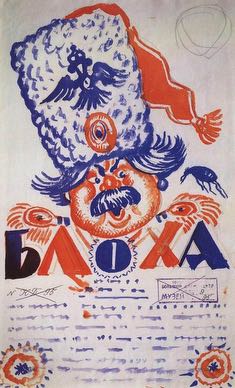
During the 1920s and 1930s, the influence of modernism began to permeate advertising art. This era was marked by a shift towards more abstract and streamlined forms, influenced by movements such as Cubism and Futurism. The emphasis was on capturing the essence of modern life and technology, with artists using geometric shapes and dynamic lines to convey a sense of speed and progress. This approach resonated with the growing fascination with industrialization and technological advancements, reflecting the changing landscape of consumer culture.
The post-World War II era continued to evolve advertising painting with a focus on new materials and techniques. The 1940s and 1950s saw a move towards a more realistic and relatable approach in advertising. Artists began to portray everyday scenes and familiar faces, aiming to create a sense of authenticity and connection with the audience. This shift was partly a response to the changing social dynamics of the time, as well as advancements in printing technology that allowed for more detailed and accurate reproductions of artwork.
By the mid-20th century, advertising painting had established itself as a vital and influential aspect of the commercial world. The genre had evolved from its early, straightforward beginnings to become a sophisticated and integral part of marketing and branding. Artists continued to push boundaries, experimenting with new styles and techniques to capture the imagination of consumers and reflect the ever-changing landscape of the modern world.
The history of advertising painting is a testament to the art form's adaptability and its ability to mirror societal changes. From its early days of simple design to the more complex and innovative approaches of the mid-20th century, advertising painting has played a crucial role in shaping how products and ideas are presented to the public. Its evolution reflects not only the advancements in artistic techniques but also the shifting dynamics of consumer culture and technology.
Copyright © 2026 BrushWiz. All Rights Reserved.