
❄️ Winter Sale. Offer Ends 11/18/2026. View Details
❄️ Winter Sale. Ends 11/18/2026. View Details
❄️ Winter Sale. View Details
Artists
Subjects
Movements
Collections
Decor
Portraits
Commissions
Framing
Reviews
Gift Cards
On Sale
Amedeo Modigliani Oil Painting Reproductions
Shop museum-quality reproductions of Amedeo Modigliani’s most famous paintings, each hand-painted in oil on canvas by a professional artist.
Shop Art
Showing 1-40 of 289 results
Sort By
Most Popular
- Most Popular
- New Arrivals
- Best Sellers
- Alphabetical A-Z
- Alphabetical Z-A


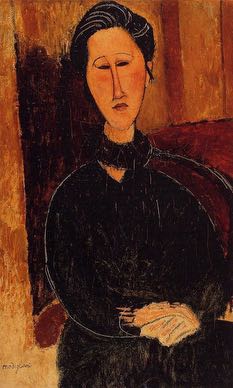
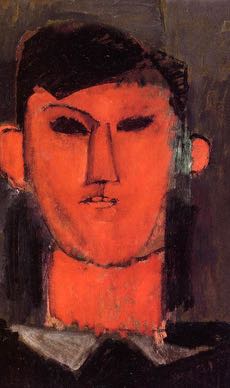
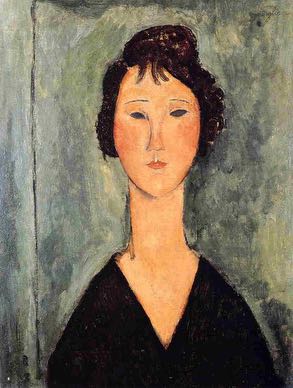
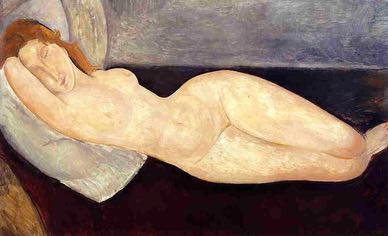

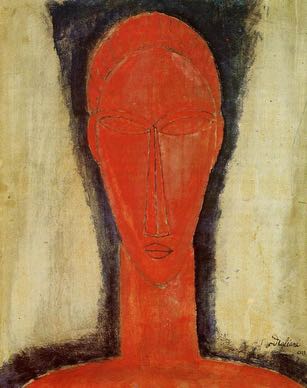
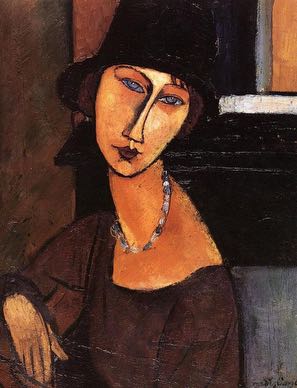
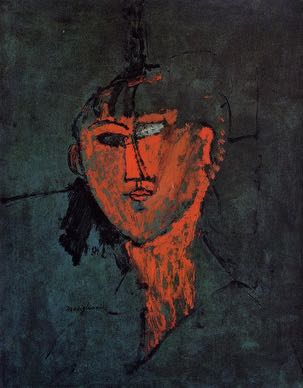
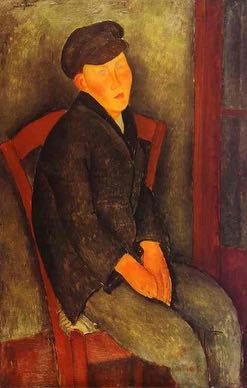
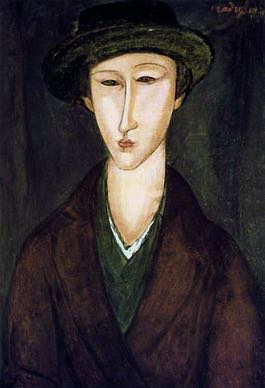
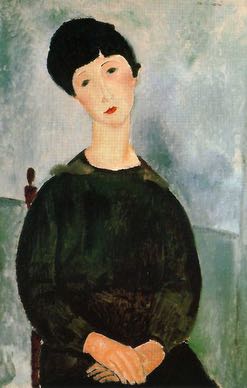
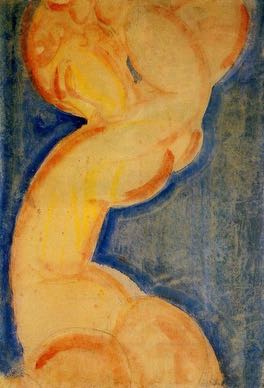
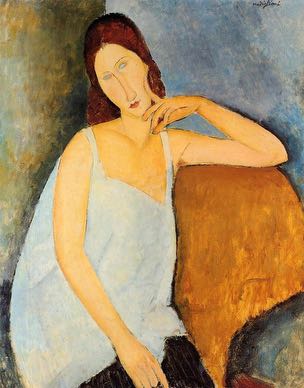
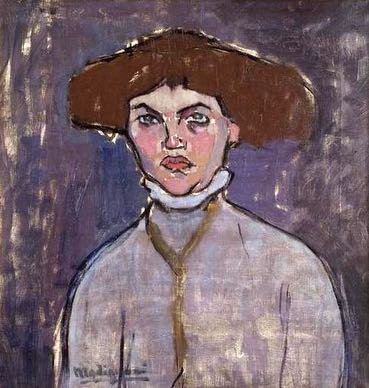
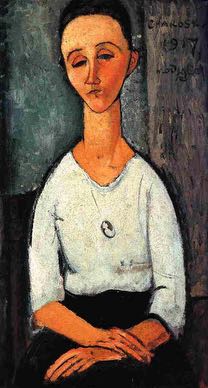
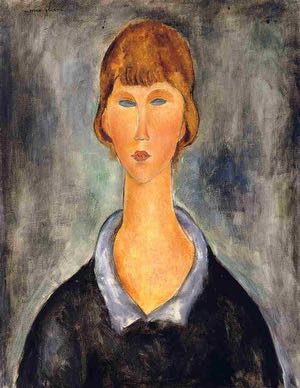
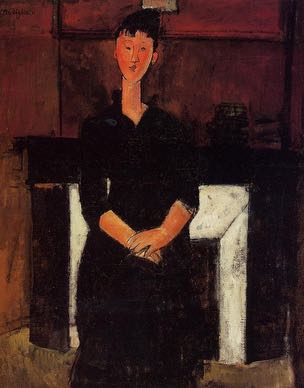
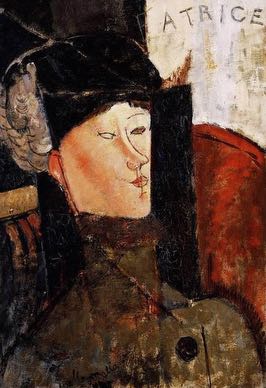
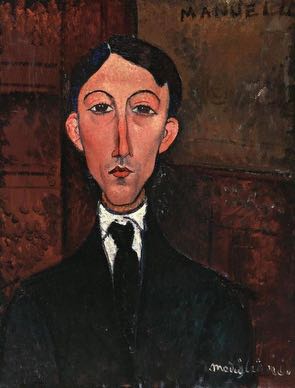
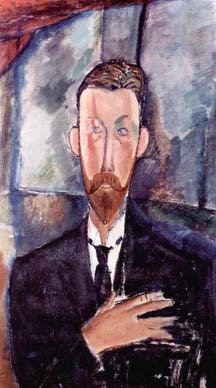

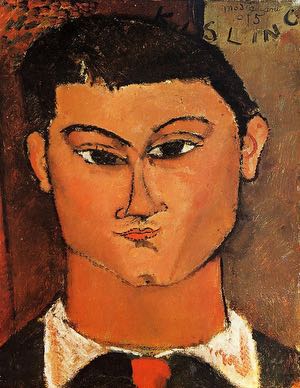
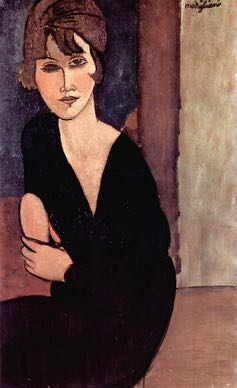
Can’t Find the Painting You Want?
Send us a reference image. We can recreate almost any artwork in the size and style you’re looking for.
Get a Free QuoteHand-Painted Amedeo Modigliani Reproductions
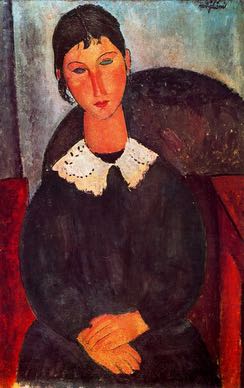
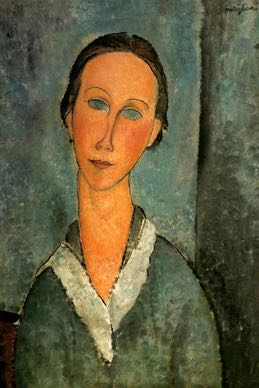
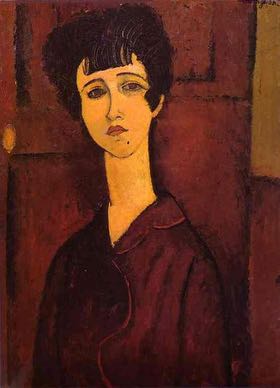
Bring Modigliani’s art into your home with an oil-on-canvas reproduction hand-painted by a professional artist. Our collection features hundreds of paintings from across his career, including Reclining Nude, Jeanne Hébuterne, and Alice. Discover elongated portraits, reclining nudes, artists, writers, children, and other subjects closely associated with Modigliani. Every reproduction is a real oil painting, offering depth and texture that a print or digital transfer cannot provide. From iconic masterpieces to lesser-known works, find a Modigliani painting that suits your space.
The Making of an Amedeo Modigliani Oil Painting Replica
Creating an Amedeo Modigliani oil painting replica requires patience, precision, and an understanding of the original artwork. Our studio includes artists experienced in early modern figurative and Expressionist painting who understand the distinctive qualities of Modigliani’s work. Before painting begins, the artist studies the source image, paying close attention to its elongated proportions, flowing contours, simplified features, color relationships, and quiet expression. These elements are recreated by hand in oil on canvas using an approach suited to the original. Once complete, the reproduction is inspected by our quality-control team and photographed for your approval.
Custom Sizes and Frames for Your Modigliani Painting
Your Modigliani painting can be ordered in practically any size, from popular standard dimensions to a custom canvas size selected directly on the product page. This flexibility lets you choose a painting that fits your wall and complements your room perfectly. After selecting the size, you can choose from high-quality frames in classic or modern designs, with professional canvas stretching also available. Our framing options complement Modigliani’s graceful figures and understated backgrounds. With sizing, stretching, and framing arranged in one order, your artwork can arrive ready for display without a separate visit to a frame shop.
Order an Amedeo Modigliani Reproduction with Confidence
Buying hand-painted art online should feel clear and comfortable. After your Amedeo Modigliani reproduction is completed, we send high-resolution photographs for your review before shipping. You can inspect the composition, colors, and overall finish, then request adjustments if needed. The painting is dispatched only after you approve it, so you know what to expect when it arrives. Your order also includes free express worldwide shipping and is covered by our 90-day return policy. Together, these assurances help you purchase a Modigliani oil painting with greater confidence and peace of mind.
The Life and Art of Amedeo Modigliani
Amedeo Modigliani was an Italian painter and sculptor who found his place among the international artists of the School of Paris. He is best remembered for portraits and nudes with long faces, graceful necks, almond-shaped eyes, and spare, carefully arranged settings. His art drew on Italian Renaissance painting, Paul Cézanne, and sculptural traditions ranging from ancient Egypt and Greece to Africa, yet the style he created was unmistakably his own. Modigliani died from illness at just thirty-five, but his quiet, sensitive treatment of the human figure made his work some of the most recognizable in twentieth-century art.
Read More
Who Was Amedeo Modigliani?
Amedeo Clemente Modigliani was born on 12 July 1884 in Livorno, a port on Italy’s Tuscan coast. He was the youngest child of a Sephardic Jewish family whose fortunes had declined shortly before his birth. His mother, Eugénie Garsin, took an active interest in his education and encouraged his early attraction to art.
Illness repeatedly disrupted Modigliani’s childhood and adolescence. He suffered from pleurisy, typhoid fever, and tuberculosis, and spent long stretches away from formal schooling. During periods of recovery, he traveled through Italy and encountered Renaissance painting, ancient sculpture, and the museum collections of Florence, Rome, Naples, and Venice.
Modigliani worked as a painter, sculptor, and draftsman, but the human figure remained at the heart of his art. His mature portraits are often recognizable as specific people, even as he reshaped them through long proportions, simplified features, and flowing lines.
Where Did Modigliani Learn to Draw and Paint?
Modigliani began his artistic training in Livorno with Guglielmo Micheli, a former student of the Macchiaioli painter Giovanni Fattori. The Macchiaioli had broken with academic convention by working in broad patches of light and shadow and by looking to everyday life and the Italian landscape for their subjects.
In the early 1900s, he continued his studies in Florence and Venice. He attended the Free School of Nude Studies in Florence and later enrolled at the Institute of Fine Arts in Venice. There he gained experience in life drawing while becoming more familiar with historic Italian art and newer developments elsewhere in Europe.
None of these schools or movements determined the course of his work. Modigliani carried forward the Italian emphasis on drawing and the figure, but gradually left natural proportions and conventional portraiture behind.
What Drew Modigliani to Paris?
When Modigliani moved to Paris in 1906, the city was drawing artists, writers, collectors, and dealers from across Europe and beyond. He first lived in Montmartre, near the Bateau-Lavoir studios, and soon encountered Pablo Picasso and other figures at the center of the avant-garde.
He later became closely associated with Montparnasse and the community now called the School of Paris. Despite the name, this was not a formal movement with a single program. It was a loose, energetic circle of French and immigrant artists pursuing many different versions of modern art.
Poets, dealers, sculptors, and painters filled Modigliani’s social world, and many sat for him. His portraits became a kind of record of the community around him, from artists such as Chaïm Soutine, Diego Rivera, Juan Gris, and Jacques Lipchitz to the writers Jean Cocteau and Blaise Cendrars.
In What Ways Did Sculpture Shape His Painting?
After meeting Constantin Brancusi around 1909, Modigliani devoted more of his attention to sculpture. He carved elongated heads directly from limestone rather than first modeling them in clay for casting. Only about twenty-five sculptures from his short career are known today.
His sources were wide-ranging. Modigliani studied African masks and figures, ancient Egyptian art, Cycladic sculpture, Greek antiquity, and European carving. Instead of copying any one tradition, he brought their formal ideas together in a language of his own.
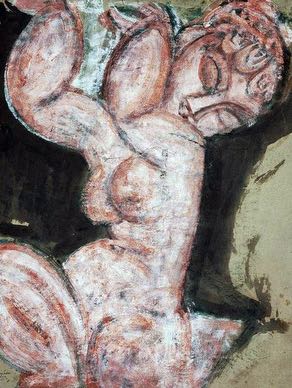
The narrow faces, long noses, almond-shaped eyes, small mouths, and smooth surfaces of his carvings soon entered his painted portraits. Numerous drawings of caryatids also point to an ambitious sculptural scheme—possibly a temple supported by stylized figures—that he never completed.
Around 1914, poor health, scarce money, and the physical strain of carving stone helped bring him back to painting. Sculpture had left a permanent mark, however, on the way he built heads, necks, shoulders, and bodies on canvas.
How Did Modigliani Make Portraiture His Own?
Modigliani’s mature portraits balance stylization with a sharp feeling for individual character. He might lengthen a neck or nose and simplify a face to a few decisive lines, yet posture, clothing, expression, and color keep one sitter distinct from the next.
Paul Cézanne was one important influence, showing him how color and structure could organize the figure. Modigliani also looked to Renaissance portraiture, Mannerist elongation, modern sculpture, and the clear, economical line of artists such as Henri de Toulouse-Lautrec.
The eyes are perhaps his most familiar device. Some figures look out through carefully painted pupils; others have pale blue, dark, or seemingly blank almond-shaped eyes. These were not simply repeated mannerisms. Their differences could make a sitter feel distant, still, guarded, or strikingly direct.
Friends and fellow artists sat for him, as did dealers, writers, workers, and children. In many of his portraits, a shallow, muted interior allows the face, outline, and posture to carry the picture.
Why Did Modigliani’s Nudes Cause a Stir?
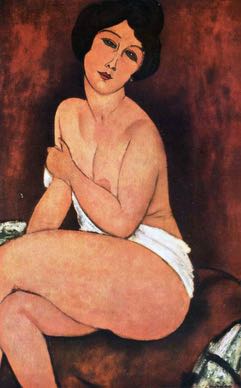
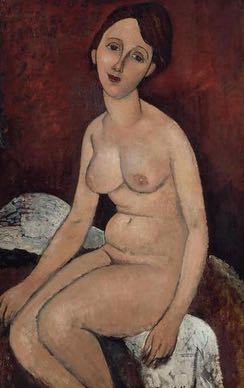
Modigliani began the series of nudes for which he is best known around 1916. The reclining pose belonged to a long European tradition, but he stripped away the mythological stories and elaborate surroundings that earlier painters often used to justify the subject.
His models fill the canvas and sometimes seem to continue beyond its edges. Warm flesh, dark bedding, sweeping outlines, and unabashed gazes give the pictures their immediate presence. Unlike many portraits of people he knew, these paintings were generally made with professional models.
Dealer Berthe Weill organized Modigliani’s first—and only—solo exhibition during his lifetime in December 1917. Police objected to the nudes visible from the street and ordered that they be taken out of public view, an incident that quickly became part of the story surrounding his career.
The same works that unsettled viewers in 1917 are now regarded as important modern interpretations of the body. They join an established subject with the compressed space and pared-down contours of early twentieth-century painting.
Which Patrons Helped Sustain His Career?
One of Modigliani’s first supporters was Paul Alexandre, a young physician and collector who bought his work and helped him find opportunities to exhibit. In the mid-1910s, the dealer Paul Guillaume began promoting his paintings and placing them before a wider circle of collectors.
Léopold Zborowski later became his principal dealer. He supplied materials, arranged for models, promoted the nudes, and found portrait commissions. Zborowski’s partner, Anna, also played an active role and sat for Modigliani several times between 1916 and 1920.
The portraits of people within this circle are more than a record of professional contacts. Seen together, they form a vivid gallery of the painters, poets, collectors, dealers, and immigrant communities that animated modern Paris.
What Place Did Jeanne Hébuterne Hold in His Art?
Modigliani met the young art student Jeanne Hébuterne in 1917. They became partners, and their daughter, Jeanne, was born the following year. Hébuterne soon became one of his most frequent subjects, appearing in a succession of portraits with changing poses, clothes, and arrangements of color.
Her long face, auburn hair, pale complexion, and reserved manner suited Modigliani’s mature style, but he did not paint her as a fixed type. In some portraits her eyes are dark or blank; in others, her gaze is more open and direct. A shift in posture, dress, or background gives each painting a different mood.
Hébuterne was an artist in her own right, though her work drew little notice during her lifetime. The tragedy surrounding the couple has often overshadowed that fact and reduced her story to her relationship with Modigliani.
What Changed During Modigliani’s Stay in Southern France?
As wartime conditions in Paris grew worse in 1918, Modigliani traveled south with Hébuterne and members of the Zborowski circle. He stayed in Nice and Cagnes-sur-Mer, where friends also hoped the warmer climate might ease his poor health.
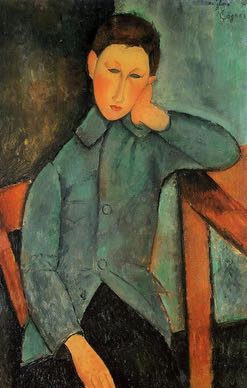
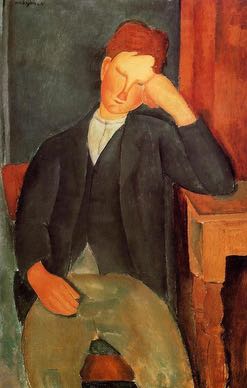
Without his usual circle of artists and writers nearby, he turned to local residents, domestic workers, young people, and children. Many of these portraits have lighter colors and quieter arrangements than his Parisian work. Simple clothing and poses leave room for small differences of age, temperament, and personality to emerge.
He painted a handful of landscapes as well. The subject never became central to his career, but these southern views show that his distinctive sense of shape and color was not limited to portraits and nudes.
When Did Modigliani’s Brief Career Come to an End?
Modigliani returned to Paris in 1919, increasingly weakened by tuberculosis and years of declining health. Even so, he kept working, producing late portraits that retained the poise, clarity, and elegance of his mature style.
He died of tubercular meningitis on 24 January 1920, aged thirty-five. Hébuterne, then pregnant with their second child, died by suicide the next day. Their daughter was raised in Italy and later wrote an important biography of her father.
Although Modigliani had found some recognition among dealers and collectors, his wider fame developed after his death. Exhibitions and a rapidly growing market turned a struggling figure of the Paris avant-garde into one of the most familiar artists of the twentieth century.
Which Works Offer the Best Introduction to Modigliani?
Modigliani returned to a concentrated group of subjects, yet his portraits and nudes vary greatly in pose, palette, personality, and mood. These paintings offer several points of entry into his mature work:
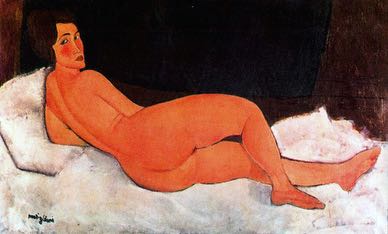
- Reclining Nude: One of his most celebrated nudes, in which warm color and long, sweeping contours bring the model close to the picture’s surface.
- Alice: A poised, frontal portrait organized through elongated features and carefully balanced areas of color.
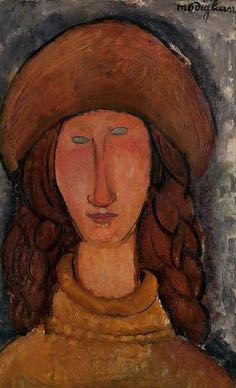
- Jeanne Hébuterne: One of the many paintings in which Modigliani explored his partner’s appearance and reserved presence.
- Portrait of Chaïm Soutine: A candid portrayal of his friend and fellow School of Paris painter.
- Portrait of Picasso: A stylized likeness of one of the defining figures of the Parisian avant-garde.
- The Little Peasant: A quietly direct portrait reflecting his interest in children and ordinary people during his time in southern France.
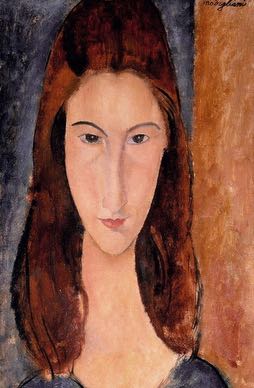
- Woman with Blue Eyes: A painting in which the sitter’s vivid gaze stands out against the simplified design of her face.
- Portrait of Jean Cocteau: A sharply observed image of the French poet, writer, and cultural figure.
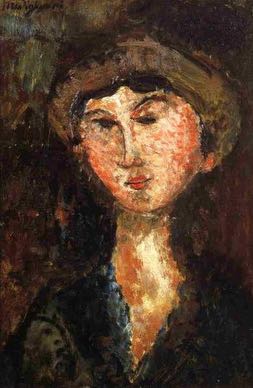
- Madame Pompadour: A structured portrait of Beatrice Hastings whose playful title adds a note of modern wit.
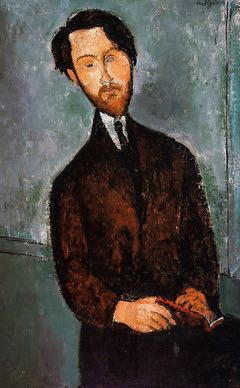
- Léopold Zborowski with a Walking Stick: A restrained likeness of the dealer who sustained Modigliani through the final years of his career.
Why Is Modigliani’s Style Instantly Recognizable?
Modigliani belongs firmly to modern art, yet his work fits comfortably into none of its major movements—not Cubism, Futurism, Fauvism, or Expressionism. He learned from all around him while remaining devoted to the human face and body.
That independence is central to his appeal. A long neck, almond-shaped eyes, a curved outline, or a quiet background can identify a Modigliani at once, but the formula never entirely overtakes the person before him.
Stories of illness, poverty, addiction, and early death have sometimes crowded out the art itself. His life matters, but his achievement rests on disciplined drawing, an intelligent blending of widely different sources, and a rare ability to suggest personality with only a few simplified forms.
Copyright © 2026 BrushWiz. All Rights Reserved.
About Our Amedeo Modigliani Paintings
Are your Amedeo Modigliani reproductions painted by hand?
Yes. Every reproduction is individually painted by hand in oil on canvas by a professional artist. We do not use prints, digital transfers, or mechanical reproduction methods.
How closely do your Modigliani copies resemble the original?
Our artists work to capture the composition, colors, texture, and visual character of the original Modigliani painting as closely as possible. Because every reproduction is painted by hand, small variations are natural and make each canvas unique.
What is the usual production time for a Modigliani painting?
Most Modigliani reproductions require approximately two to three weeks to paint, dry, and inspect. Production time may vary depending on the artwork and canvas size, so check the estimate displayed on the product page.
Can I request a Modigliani painting that is not listed?
Yes. If you cannot find the Amedeo Modigliani artwork you want in our catalog, send us the painting’s title or an image. Our team will review your request and confirm the available sizes, estimated production time, and price.
Will I receive photos before my painting is shipped?
Yes. We send high-resolution photographs of the completed painting for your approval. You can request adjustments if needed, and the painting will not be dispatched until the review process is complete.
Do you offer custom canvas sizes?
Yes. We offer custom dimensions in addition to the standard sizes shown on the product page. Select the dimensions you need directly from the available size options.
May I order my Modigliani painting with a frame?
Yes. High-quality frames in classic and modern designs are available for many paintings. You can view compatible framing options and add your preferred design from the product page. Professional canvas stretching is also available.
How much does an Amedeo Modigliani reproduction cost?
The price depends on the selected artwork, canvas dimensions, and framing option. Choose your preferred configuration on the product page to see the current price before ordering.
Do you offer free worldwide shipping?
Yes. Modigliani reproductions qualify for free express worldwide shipping. After dispatch, delivery usually takes five to eight business days, although timing may vary by country and destination.
What is the return policy for Modigliani reproductions?
Orders are covered by our 90-day return policy. Review the current return-policy page before ordering for complete information about eligibility, time limits, and the return process.
Why BrushWiz?
100% Hand Painted
Every piece is entirely handmade
Museum Quality
Faithfully recreated by expert artists
Custom Framing
Choose from a wide range of frames
Free Shipping
Enjoy free shipping on all orders
Cash Back Rewards
Earn cash back with every purchase