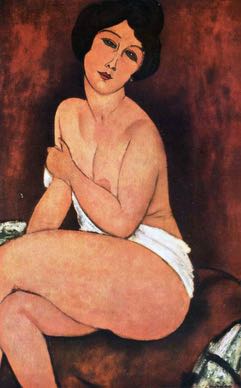
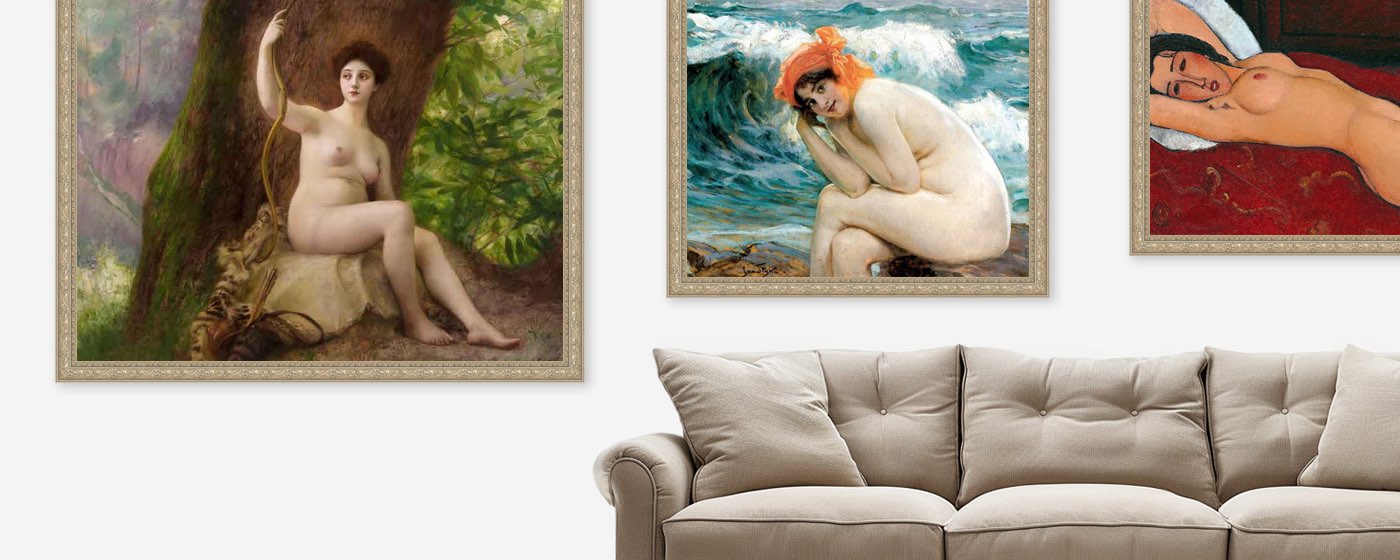
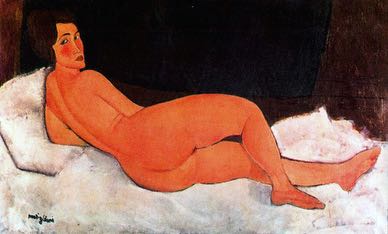
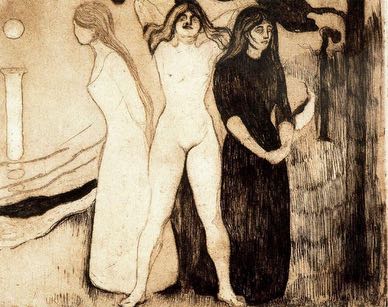
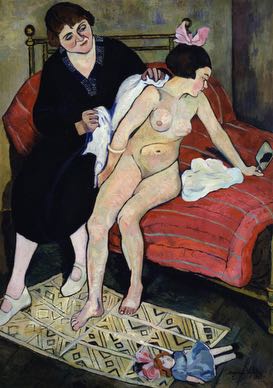
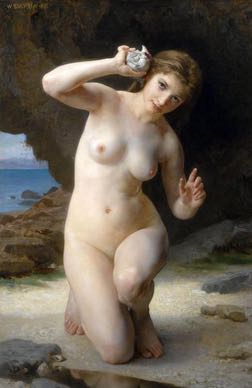
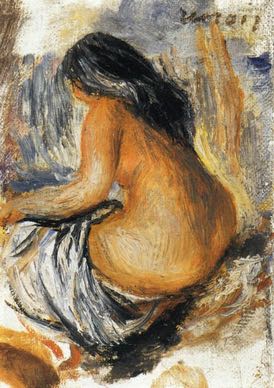
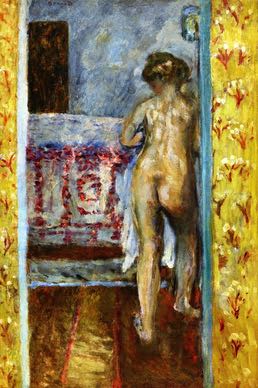
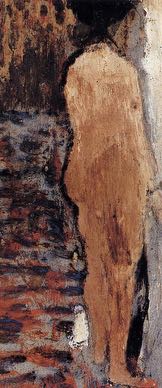
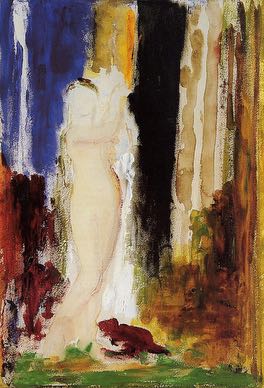
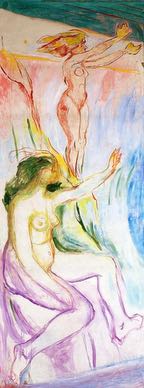
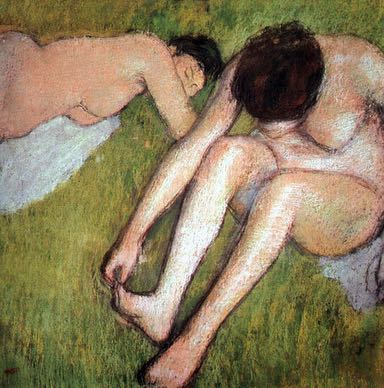
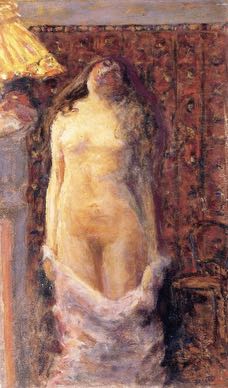
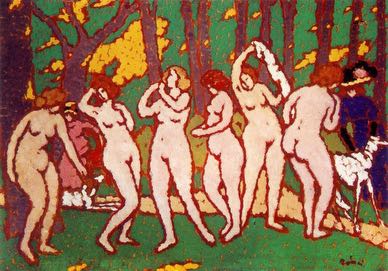
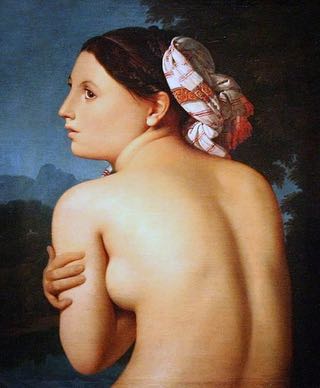
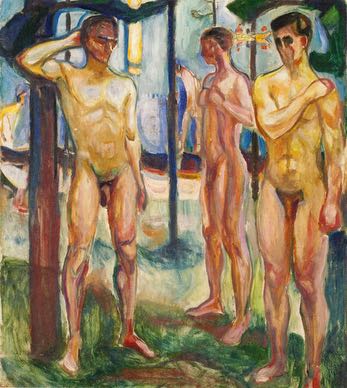
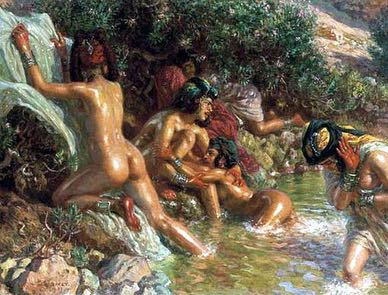
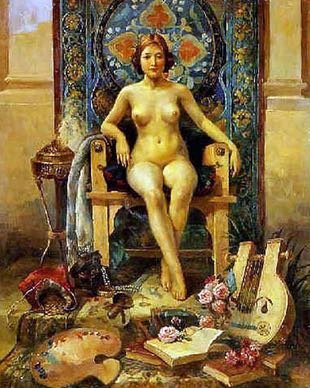
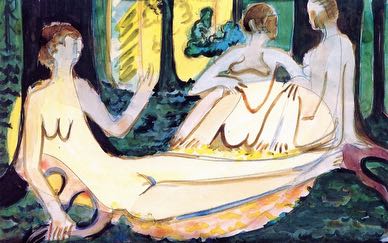
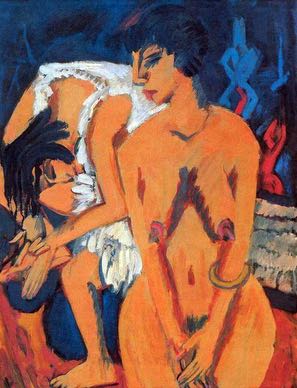
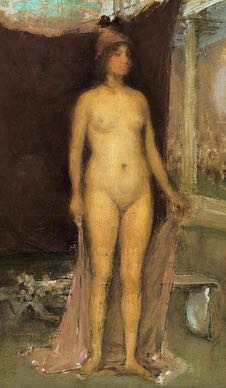
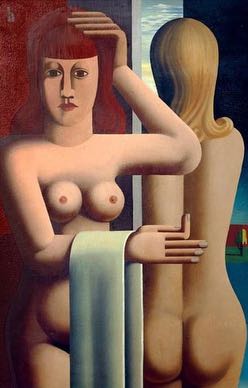
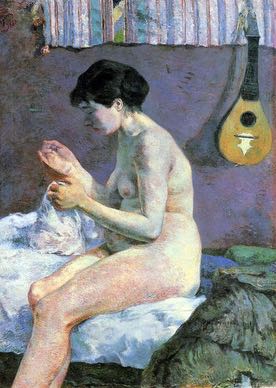
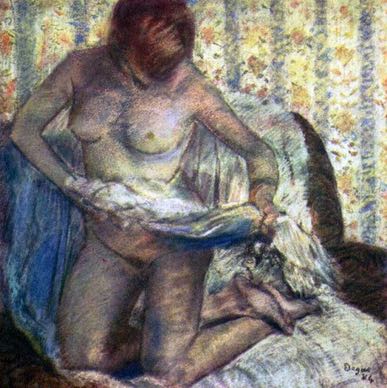
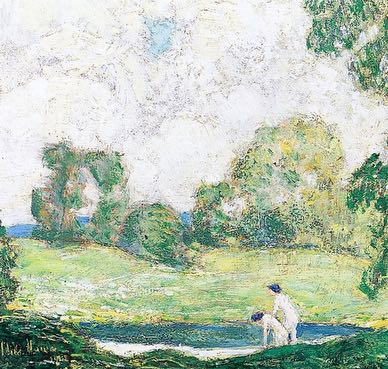
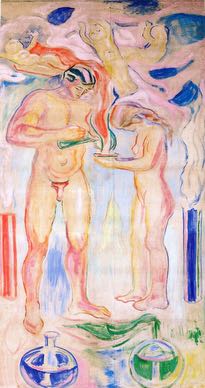
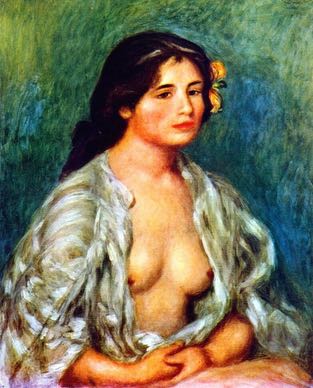
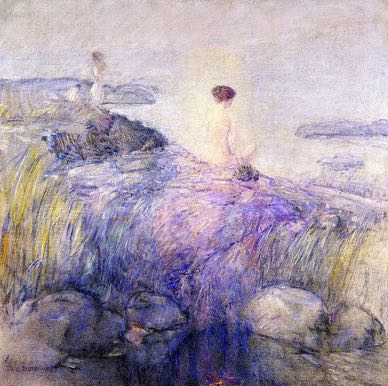
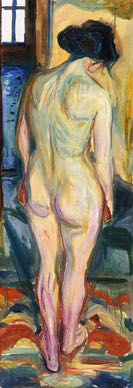
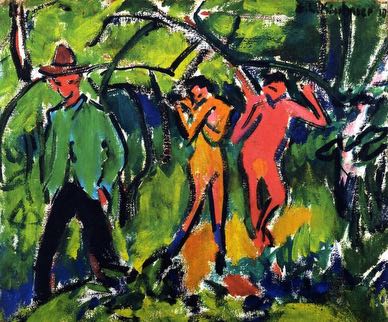
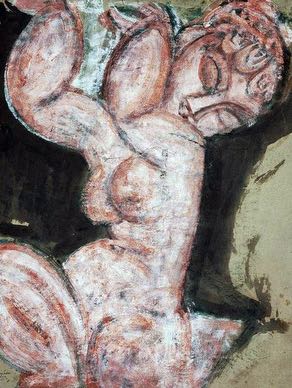
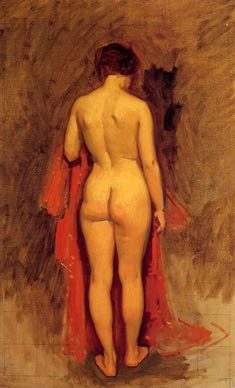
Nude art has been a central theme in the history of art, celebrating the human form in various contexts and styles. This genre explores the beauty, complexity, and diversity of the human body, offering insights into artistic ideals, cultural values, and the human experience. From classical representations to contemporary interpretations, nude art provides a profound reflection on both physical and emotional aspects of humanity.
The tradition of nude art dates back to ancient civilizations, where the human form was often depicted in sculptures and paintings. In ancient Greece and Rome, artists celebrated the beauty and idealization of the human body, creating sculptures of gods, heroes, and athletes that showcased anatomical precision and idealized forms. These works highlighted the significance of physical beauty and its connection to virtues and divinity.
During the Renaissance, the depiction of the nude human form saw a resurgence with artists like Leonardo da Vinci and Michelangelo. Da Vinci’s studies of anatomy and Michelangelo’s masterpieces, such as the statue of David, demonstrated a deep understanding of human physiology and an emphasis on naturalism. Renaissance artists sought to capture the grace and strength of the human body, exploring both its aesthetic and symbolic dimensions.
In the 17th and 18th centuries, Baroque and Rococo art continued to explore the nude form, with artists like Peter Paul Rubens and Francois Boucher contributing to the genre. Rubens’s voluptuous and dynamic nudes celebrated the sensuality and vitality of the human body, while Boucher’s elegant and playful depictions reflected the Rococo fascination with beauty and pleasure. These artists approached the nude with an emphasis on texture, movement, and elaborate compositions.
The 19th century introduced a new approach with the Impressionist movement, where artists like Edouard Manet and Edgar Degas redefined the representation of the nude. Manet’s provocative painting “Olympia” challenged traditional norms with its raw and direct portrayal, while Degas’s works offered a more intimate and candid view of the human form. The Impressionists focused on capturing the effects of light and color, bringing a fresh perspective to the depiction of nudes.
In the 20th and 21st centuries, contemporary artists have continued to explore and reinterpret the nude form, reflecting diverse perspectives and innovative techniques. Modern approaches often challenge traditional representations, using abstraction and conceptual methods to explore themes of identity, gender, and self-expression. These contemporary interpretations offer new ways of engaging with the human body, questioning conventional notions and addressing contemporary issues.
Nude art remains a powerful and dynamic genre, reflecting the evolving attitudes toward the human body and its representation. Through various artistic styles and interpretations, nude art continues to celebrate the beauty and complexity of the human form while offering insights into cultural values, personal expression, and artistic innovation. Whether through classical mastery or modern experimentation, art focused on the nude provides a rich and varied exploration of human aesthetics and experience.
Copyright © 2026 BrushWiz. All Rights Reserved.