

❄️ Winter Sale. Offer Ends 11/15/2026. View Details
❄️ Winter Sale. Ends 11/15/2026. View Details
❄️ Winter Sale. View Details
Artists
Subjects
Movements
Collections
Decor
Portraits
Commissions
Framing
Reviews
Gift Cards
On Sale
August Macke Oil Painting Reproductions
Shop museum-quality reproductions of August Macke’s most famous paintings, each hand-painted in oil on canvas by a professional artist.
Shop Art
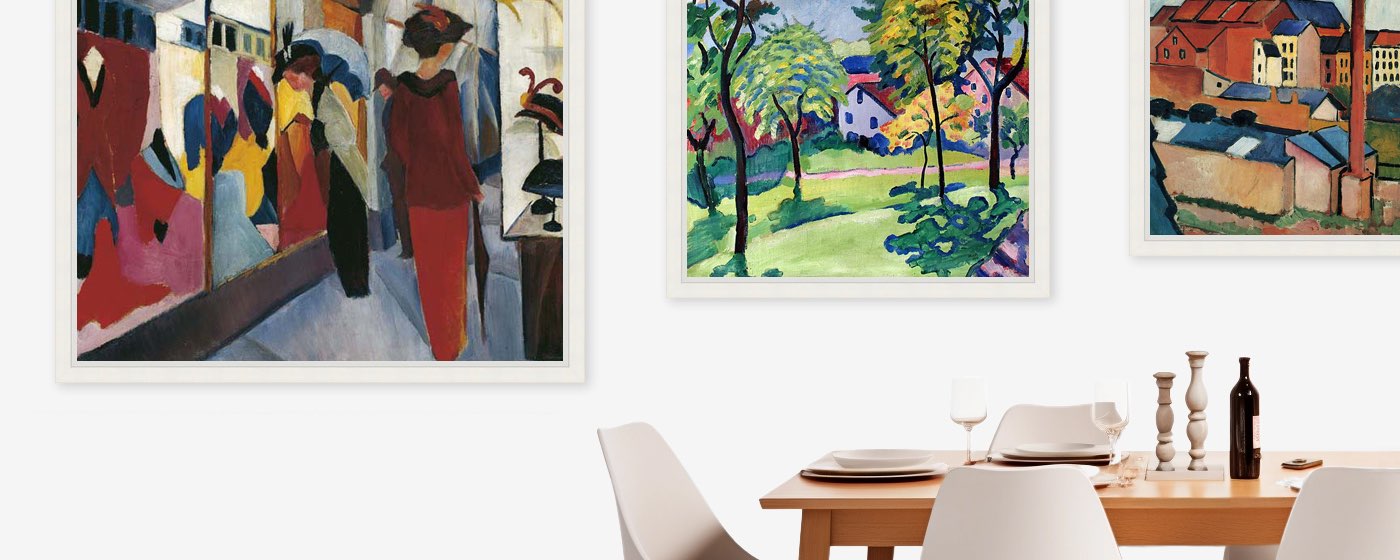
Showing 1-40 of 142 results
Sort By
Most Popular
- Most Popular
- New Arrivals
- Best Sellers
- Alphabetical A-Z
- Alphabetical Z-A
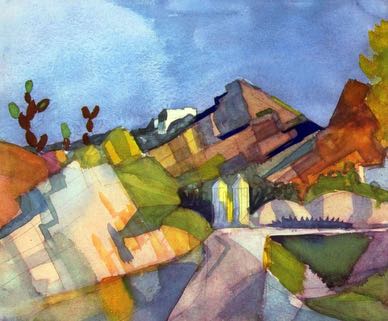
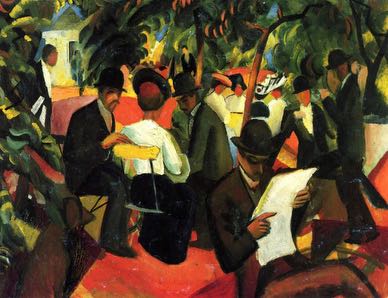

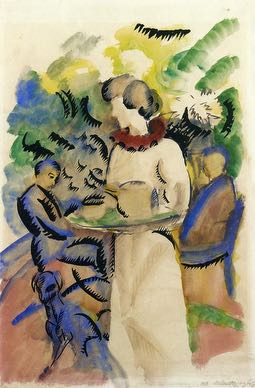
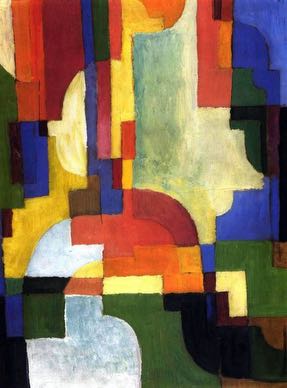
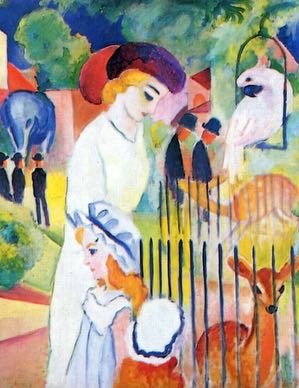
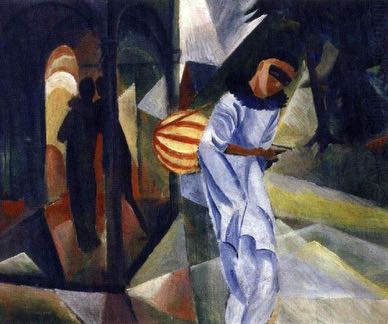
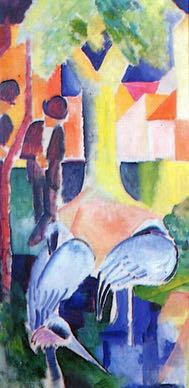
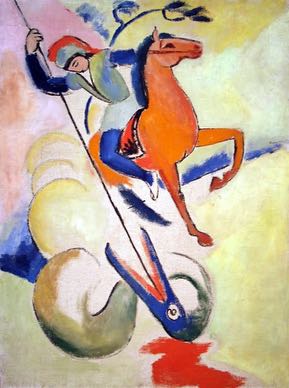

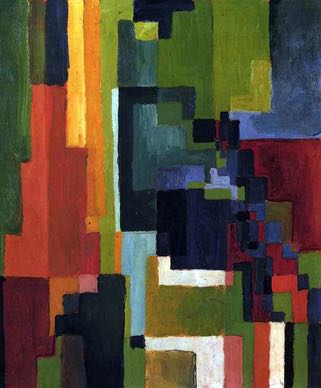
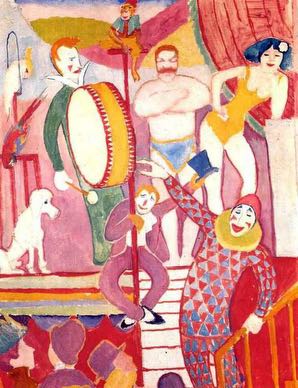

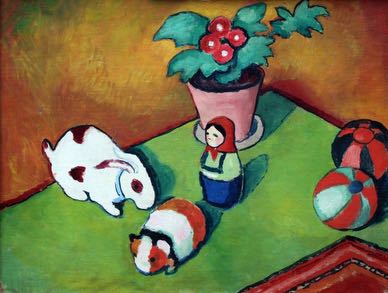


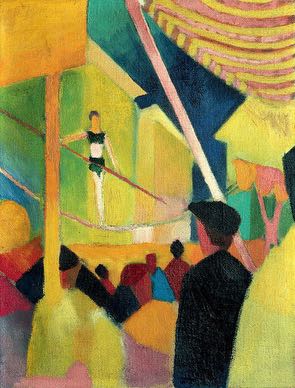
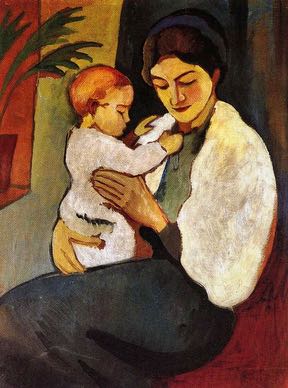
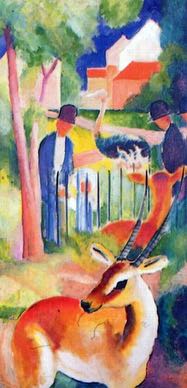
Can’t Find the Painting You Want?
Send us a reference image. We can recreate almost any artwork in the size and style you’re looking for.
Get a Free QuoteHand-Painted August Macke Reproductions
Bring Macke’s art into your home with an oil-on-canvas reproduction hand-painted by a professional artist. Our collection features more than one hundred paintings from across his career, including Promenade, Hat Shop on the Promenade, and Market in Tunis II. Discover colorful city promenades, shop windows, gardens, lakeside scenes, Tunisian markets, and other subjects closely associated with Macke. Every reproduction is a real oil painting, offering depth and texture that a print or digital transfer cannot provide. From iconic masterpieces to lesser-known works, find a Macke painting that suits your space.
The Making of an August Macke Oil Painting Replica
Creating an August Macke oil painting replica requires patience, precision, and an understanding of the original artwork. Our studio includes artists who specialize in Expressionist painting and understand the distinctive qualities of Macke’s work. The artist studies the source image, then recreates its simplified figures, luminous color blocks, rhythmic outlines, transparent planes, and Macke’s distinctive harmony of color and form using traditional oil-painting methods. After completion, the painting is inspected by our quality-control team and photographed for your approval. The result is a carefully executed oil painting that reflects the warmth and visual character of the original.
Custom Sizes and Frames for Your Macke Painting
Your Macke painting can be ordered in practically any size, from popular standard dimensions to a custom canvas size selected directly on the product page. This flexibility lets you choose a painting that fits your wall and complements your room perfectly. After selecting the size, you can choose from high-quality frames in classic or modern designs, with professional canvas stretching also available. Our framing options complement the clear outlines and radiant colors of Macke’s paintings. With sizing, stretching, and framing arranged in one order, your artwork can arrive ready for display without a separate visit to a frame shop.
Order an August Macke Reproduction with Confidence
Buying hand-painted art online should feel clear and comfortable. After your August Macke reproduction is completed, we send high-resolution photographs for your review before shipping. You can inspect the composition, colors, figures, and overall finish, then request adjustments if needed. The painting is dispatched only after you approve it, so you know what to expect when it arrives. Your order also includes free express worldwide shipping and is covered by our 90-day return policy. Together, these assurances help you purchase a Macke oil painting with greater confidence and peace of mind.
The Life and Art of August Macke
August Macke was a German painter and a leading figure in early Expressionism. During a mature career of barely seven years, he absorbed ideas from Impressionism, Fauvism, Cubism, Futurism, and the Blue Rider circle while keeping everyday life firmly in view. His parks, gardens, shop windows, zoos, family scenes, and North African streets glow with clear shapes and luminous color. Friendships with Franz Marc and Robert Delaunay opened important new directions, and a journey to Tunisia in 1914 sharpened his response to light. Macke was killed in the opening weeks of the First World War at twenty-seven, leaving a small but remarkably concentrated body of work at the heart of German modernism.
Read More
Who Was August Macke?
August Macke was born in Meschede, Germany, on 3 January 1887 and grew up mainly in Cologne and Bonn. Drawing interested him from childhood, as did literature, theater, music, and modern design. Together, these interests encouraged him to see art as part of contemporary life rather than an activity sealed inside the academy.
His mature career lasted only about seven years, yet it unfolded amid rapid changes in twentieth-century art. Macke explored new French and German movements without committing himself completely to any one program. Recognizable places and people remain in his paintings, simplified into broad outlines, radiant areas of color, and rhythmic shapes.
Peaceful moments drew him back repeatedly: a family in a garden, figures beneath trees, women at shop windows, or visitors wandering through a café or zoo. Even his crowded streets seldom feel hurried. Color slows the world down, allowing architecture, people, and nature to settle comfortably beside one another.
Where Did Macke Find His Early Direction?
Macke entered the Düsseldorf Art Academy in 1904 but soon became frustrated with its conventional instruction. The city’s School of Arts and Crafts offered a broader education in decorative design, practical construction, drawing, and printmaking. Work at the Düsseldorf theater also exposed him to sets and costumes, strengthening his feeling for flattened form and coordinated color.
His first visit to Paris in 1907 proved decisive. Impressionist paintings showed him how broken touches and bright hues could capture changing light. Later travel and study introduced him to Paul Cézanne and the Fauves, whose simplified structures and intense palettes offered alternatives to traditional academic modeling.
One influence did not neatly replace another. Macke tested each new idea against the visible world, gradually moving from the darker atmosphere of his early portraits toward lighter figures and landscapes. Travel mattered, but so did patient looking, conversations with friends, and the willingness to try again on the next canvas.
What Place Did Elisabeth and Family Life Hold in Macke’s Art?
Macke met Elisabeth Gerhardt when both were young and drew or painted her often before and after their marriage in 1909. Her uncle, Bernhard Koehler, was a collector of modern art who supported Macke financially. His help gave the young artist unusual freedom to work, travel, and participate in ambitious exhibitions.
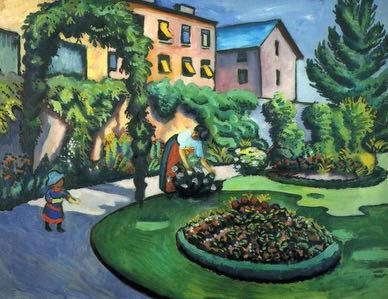
August and Elisabeth lived near Lake Tegernsee for a time after marrying, and domestic life and landscape became closely entwined in his work. Back in Bonn, a bright attic studio was built in the family home. The garden, views from the house, Elisabeth, their children, and other relatives became recurring subjects.
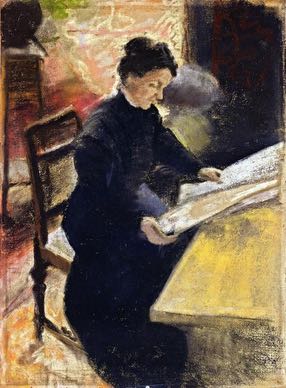
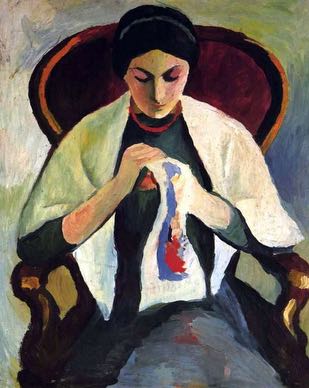
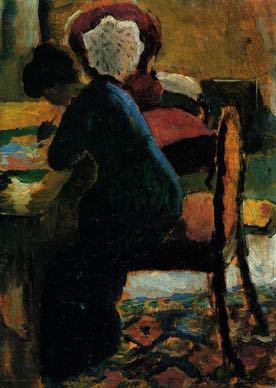
These paintings are not simply a family record. In Elisabeth at the Table and scenes of sewing or reading, familiar gestures become a framework for carefully arranged colors. The warmth remains after detail falls away: a window, bent head, chair, or plant can carry the feeling of the room.
How Did Franz Marc Connect Macke to the Blue Rider?
Macke met Franz Marc in 1910, and they quickly became close friends. They painted together, exchanged ideas, and visited one another. Macke’s interest in visible daily life differed from Marc’s symbolic animals, but both treated color as an expressive force rather than a tool for literal description.
Through Marc, Macke met Wassily Kandinsky and the Munich avant-garde. He exhibited with Der Blaue Reiter, or the Blue Rider, and contributed to its influential almanac. The group sought artistic renewal without demanding that every member follow a uniform style.
Portrait of Franz Marc captures his friend with remarkable economy and directness. The relationship opened wider artistic networks to Macke without dissolving his independence. Gardens, streets, people, and the simple pleasure of seeing remained at the center of his best work.
What Did Robert Delaunay Add to Macke’s Understanding of Color?
French modernism remained a constant source throughout Macke’s brief career. Impressionist light, Cubist structure, and Fauvist color each offered a different way to rethink the visible world. Around 1911, repeated forms and crossing planes drawn from Futurism also helped him suggest the overlap and speed of the modern city.
Macke and Franz Marc met Robert Delaunay during a Paris visit in 1912. Delaunay’s window-like structures and experiments with simultaneous color contrast made a powerful impression. They remained in touch, and Macke helped bring Delaunay into German exhibitions and the international network surrounding the First German Autumn Salon of 1913.
Macke softened what he borrowed. Reflections and objects fracture into transparent, prism-like areas in his shop-window scenes, yet the merchandise and shoppers remain visible. Delaunay moved closer to abstraction; Macke kept a foot on the pavement and made an everyday outing luminous, ordered, and faintly dreamlike.
Why Did Macke Return to Parks, Streets, and Shop Windows?
Macke found modern life where public and private worlds met. Zoos, bridges, parks, cafés, and street scenes allowed him to place anonymous people among signs, windows, paths, architecture, and trees. Parasols, jackets, hats, and displays introduced compact notes of color without the need for dramatic action.
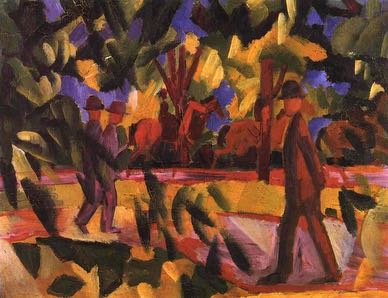
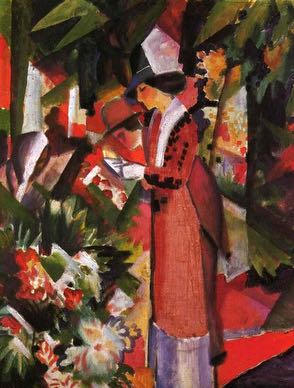
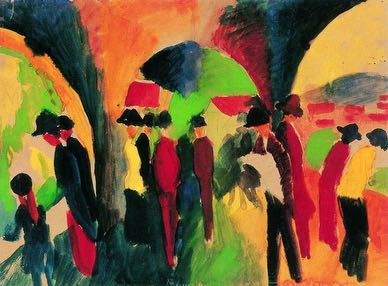
In Promenade, walkers and resting figures become part of a gently curving park design. Their faces contain little detail, but spacing and posture make the social relationships clear. The result feels carefully constructed and casually observed at once.
Shop windows offered a distinctly modern puzzle about seeing and being seen. Glass reveals hats and clothing inside even as it reflects the street, bringing several spaces onto one surface. Macke turned commercial display into an experiment with transparency, repetition, and pedestrians moving past bright objects.
How Did Color Become Macke’s Personal Language?
Macke used color to establish rhythm and structure before asking it to describe appearances. Blues, yellows, reds, violets, and greens give the composition its weight, while dark contours keep bodies and objects legible. Adjacent hues intensify one another, and thinly painted passages suggest light crossing fabric, leaves, or glass.
His pictures usually begin with recognizable landscapes or figures, but observed details gradually give way to pattern. The arcs of hats and parasols answer the curves of paths and trees. Doorways and upright windows hold the composition steady as people cross a street or pause before a display.
This balance separates Macke from Expressionism’s harsher side. Intense color rarely turns his world into emotional conflict; instead, it gives the scene room to breathe. Even a busy park or street can feel spacious because the eye finds a clear route among windows, trees, bodies, and patches of light.
How Did Tunisia Sharpen Macke’s Vision?
In April 1914, Macke spent fourteen days traveling in Tunisia with Paul Klee and the Swiss painter Louis Moilliet. In Tunis, Saint-Germain, Hammamet, and Kairouan, they painted and drew markets, courtyards, architecture, cafés, plants, and people beneath the intense North African sun.
Macke worked quickly in watercolor, asking color to construct walls, shadows, awnings, and sunlit streets. Transparent washes allowed one plane to pass through another, joining immediate observation to lessons from Cubism and Delaunay. He also photographed the journey and brought sketches home for further work.
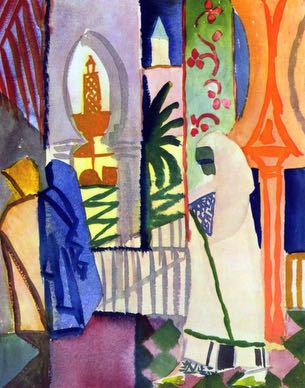
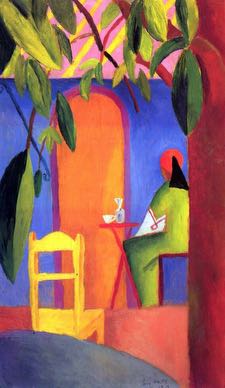
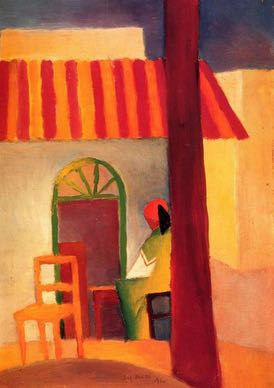
In Market in Tunis II and Turkish Cafe I, buildings and figures compress into interlocking zones of light. Tunisia did not teach Macke to love color. It gave that love an unfamiliar street life and a fiercer sun to work upon, only months before his career ended.
Which Paintings Reveal the Range of Macke’s Career?
Macke repeatedly painted gardens, portraits, promenades, zoos, window displays, and scenes from travel. These works trace a path from friendship and domestic life toward the luminous public spaces of his final years:
- Portrait of Franz Marc, 1910: An economical profile records Macke’s close friend through firm shapes and concise treatment of head and clothing.
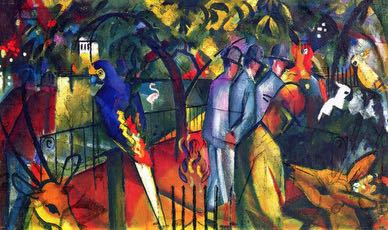
- Zoological Garden I, 1912: Birds, enclosures, visitors, and trees join in a lively pattern of concentrated color and repeated curves.
- Promenade, 1913: Sweeping park forms and strolling figures create one of Macke’s clearest visions of harmonious modern leisure.
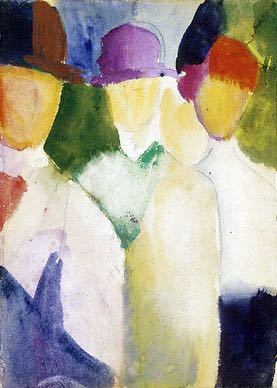
- Three Girls in Yellow Straw Hats I, 1913: Vivid clothes, simplified profiles, and broad hats turn a social group into a balanced design.
- Hat Shop on the Promenade, 1913: Reflective glass brings figures and merchandise together in a modern study of layered space.
- Woman with a Yellow Jacket, 1913: A brilliant garment anchors a quiet figure among interlocking areas of foliage and color.
- Turkish Cafe I, 1914: Transparent planes of color balance arches, figures, and shadows remembered from the Tunisian journey.
- Farewell, 1914: Compressed space and darkened figures bring a foreboding mood into an art usually marked by serenity.
Why Does Macke’s Brief Career Still Matter?
Macke was mobilized into the German army on 2 August 1914, soon after the First World War began. Any initial expectation of swift change soon gave way to the reality of combat. He was killed at Perthes-lès-Hurlus in Champagne on 26 September, only seven weeks into the war. He was twenty-seven.
An unfinished canvas remained on the easel in Bonn. The completed Farewell also stands apart from the buoyancy of much earlier work: its shadowed, mask-like crowd suggests separation and anxiety. Franz Marc mourned the loss of what he believed was a unique new direction in German painting.
Macke’s achievement is remarkable partly because he had so little time. He brought together German Expressionism, French color, Cubist structure, and close observation without allowing theory to empty ordinary life from the canvas. His parks, gardens, windows, and Tunisian streets feel experimental and comfortably inhabited at once. That combination gives the work its lasting generosity and clarity.
Copyright © 2026 BrushWiz. All Rights Reserved.
About Our August Macke Paintings
Are your August Macke reproductions painted by hand?
Yes. Every reproduction is individually painted by hand in oil on canvas by a professional artist. We do not use prints, digital transfers, or mechanical reproduction methods.
How closely do your Macke copies resemble the original?
Our artists work to capture the composition, colors, texture, and visual character of the original Macke painting as closely as possible. Because every reproduction is painted by hand, small variations are natural and make each canvas unique.
How long does it take to complete a painting?
Most Macke reproductions require approximately two to three weeks to paint, dry, and inspect. Production time may vary depending on the artwork and canvas size, so check the estimate displayed on the product page.
Can I request a Macke painting that is not listed?
Yes. If you cannot find the August Macke artwork you want in our catalog, send us the painting’s title or an image. Our team will review your request and confirm the available sizes, estimated production time, and price.
Will I receive photos of my painting before it is shipped?
Yes. We send high-resolution photographs of the completed painting for your approval. You can request adjustments if needed, and the painting will not be dispatched until the review process is complete.
Can I order a custom canvas size?
Yes. We offer custom dimensions in addition to the standard sizes shown on the product page. Select the dimensions you need directly from the available size options.
Can I order my Macke painting with a frame?
Yes. High-quality frames in classic and modern designs are available for many paintings. You can view compatible framing options and add your preferred design from the product page. Professional canvas stretching is also available.
How much does an August Macke reproduction cost?
The price depends on the selected artwork, canvas dimensions, and framing option. Choose your preferred configuration on the product page to see the current price before ordering.
Do you offer free worldwide shipping?
Yes. Macke reproductions qualify for free express worldwide shipping. After dispatch, delivery usually takes five to eight business days, although timing may vary by country and destination.
What is the return policy for Macke reproductions?
Orders are covered by our 90-day return policy. Review the current return-policy page before ordering for complete information about eligibility, time limits, and the return process.
Why BrushWiz?
100% Hand Painted
Every piece is entirely handmade
Museum Quality
Faithfully recreated by expert artists
Custom Framing
Choose from a wide range of frames
Free Shipping
Enjoy free shipping on all orders
Cash Back Rewards
Earn cash back with every purchase