
❄️ Winter Sale. Offer Ends 11/21/2026. View Details
❄️ Winter Sale. Ends 11/21/2026. View Details
❄️ Winter Sale. View Details
Artists
Subjects
Movements
Collections
Decor
Portraits
Commissions
Framing
Reviews
Gift Cards
On Sale
Édouard Manet Oil Painting Reproductions
Shop museum-quality reproductions of Édouard Manet’s most famous paintings, each hand-painted in oil on canvas by a professional artist.
Shop Art

Showing 1-40 of 260 results
Sort By
Most Popular
- Most Popular
- New Arrivals
- Best Sellers
- Alphabetical A-Z
- Alphabetical Z-A



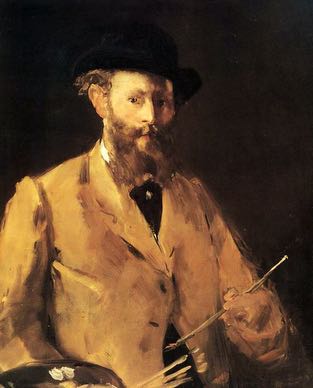


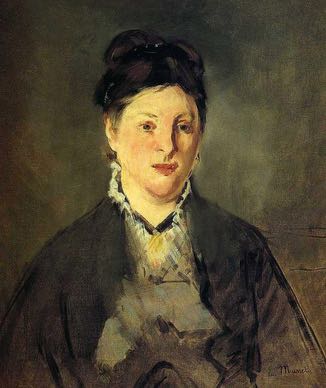


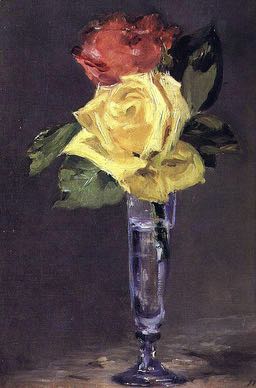

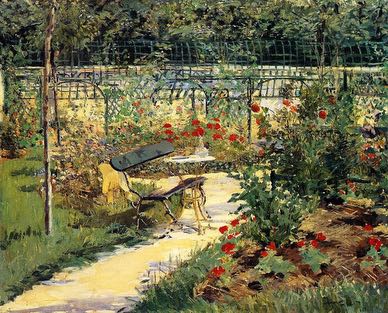
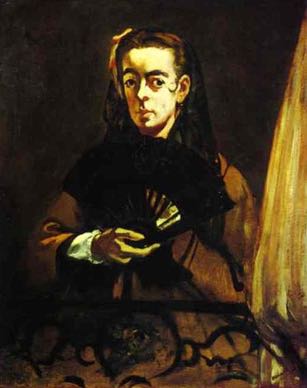
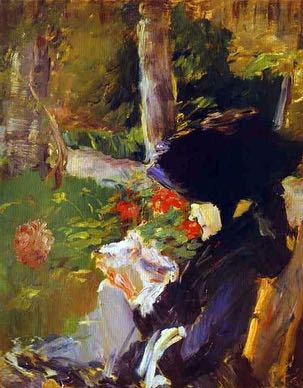
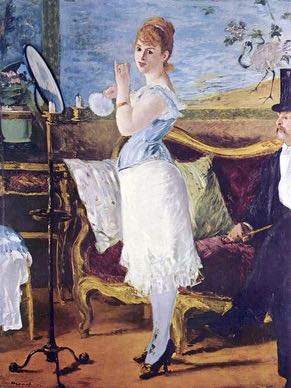
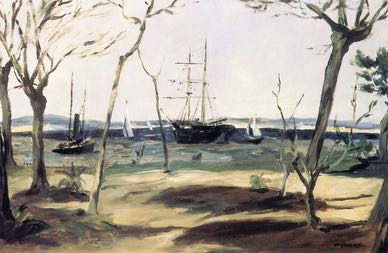
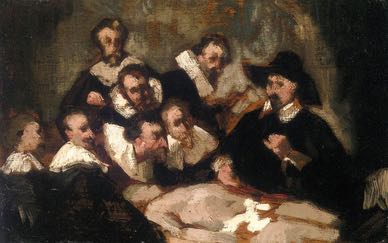
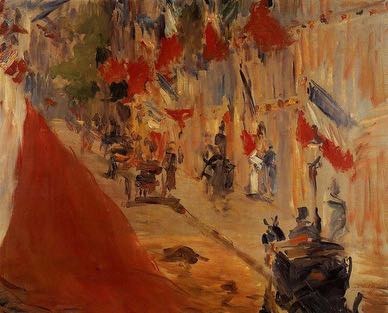
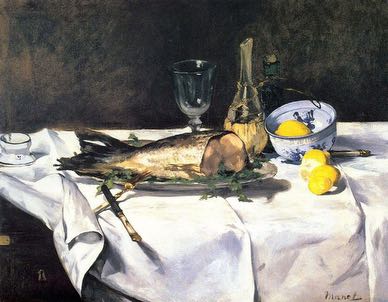

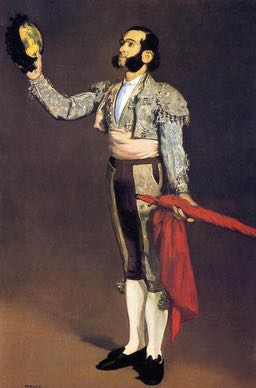
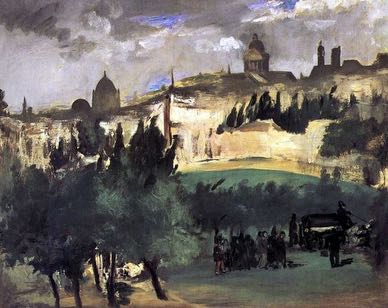
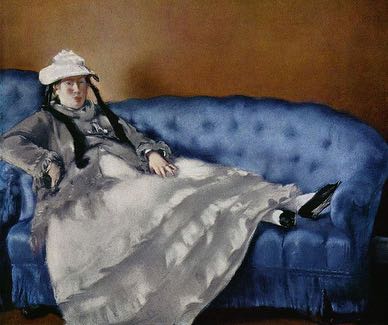
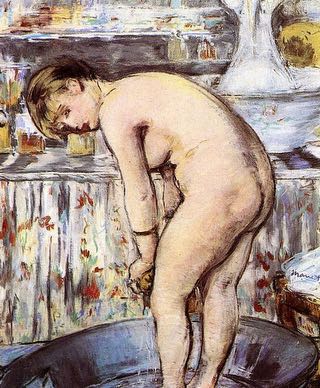
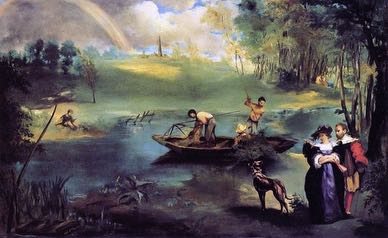
Can’t Find the Painting You Want?
Send us a reference image. We can recreate almost any artwork in the size and style you’re looking for.
Get a Free QuoteHand-Painted Édouard Manet Reproductions
Bring Manet’s art into your home with an oil-on-canvas reproduction hand-painted by a professional artist. Our collection features hundreds of paintings from across his career, including A Bar at the Folies-Bergère, Olympia, and The Luncheon on the Grass. Discover Parisian cafés, portraits, seascapes, still lifes, modern leisure scenes, Spanish-inspired figures, and other subjects closely associated with Manet. Every reproduction is a real oil painting, offering depth and texture that a print or digital transfer cannot provide. From iconic masterpieces to lesser-known works, find a Manet painting that suits your space.
The Making of an Édouard Manet Oil Painting Replica
Creating an Édouard Manet oil painting replica requires patience, precision, and an understanding of the original artwork. Our studio includes artists who specialize in Realist painting and understand the distinctive qualities of Manet’s work. Before painting begins, the artist studies the source image, paying close attention to its composition, restrained palette, bold contrasts, flattened forms, and Manet’s direct handling of paint. These elements are recreated by hand in oil on canvas using an approach suited to the original. Once complete, the painting is inspected by our quality-control team and photographed for your approval.
Custom Sizes and Frames for Your Manet Painting
Your Manet painting can be ordered in practically any size, from popular standard dimensions to a custom canvas size selected directly on the product page. This flexibility lets you choose a painting that fits your wall and complements your room perfectly. After selecting the size, you can choose from high-quality frames in classic or modern designs, with professional canvas stretching also available. Our framing options complement the bold contrasts and modern compositions of Manet’s paintings. With sizing, stretching, and framing arranged in one order, your artwork can arrive ready for display without a separate visit to a frame shop.
Order an Édouard Manet Reproduction with Confidence
Buying hand-painted art online should feel clear and comfortable. After your Édouard Manet reproduction is completed, we send high-resolution photographs for your review before shipping. You can inspect the composition, colors, and overall finish, then request adjustments if needed. The painting is dispatched only after you approve it, so you know what to expect when it arrives. Your order also includes free express worldwide shipping and is covered by our 90-day return policy. Together, these assurances help you purchase a Manet oil painting with greater confidence and peace of mind.
The Life and Art of Édouard Manet
Édouard Manet was a French painter whose modern subjects, strong contrasts, and direct brushwork helped change nineteenth-century art. Born in Paris in 1832, he trained with Thomas Couture but soon developed an independent style shaped by European masters and the life of his own city. Manet painted cafés, gardens, racecourses, portraits, political events, seascapes, flowers, and still lifes. His provocative reworkings of established artistic traditions challenged Salon audiences and influenced the younger painters associated with Impressionism, though he never joined their exhibitions. By bringing historical references into contact with contemporary people and places, Manet became a central figure in the emergence of modern painting.
Read More
Who Was Édouard Manet?
Édouard Manet was born in Paris on 23 January 1832 to a prosperous family. His father held a senior position in the Ministry of Justice, and his mother came from a diplomatic family. His parents imagined a conventional profession for their son, but Manet resisted the legal career they preferred and showed an early interest in drawing.
After failing the naval entrance examination twice, Manet was finally allowed to study art. The Paris of his adulthood was being reshaped by boulevards, railway stations, parks, cafés, theaters, and new forms of public entertainment. He found subjects in this changing city that could carry the scale and seriousness of ambitious painting.
A voyage to Brazil, made during his attempt to enter naval life, exposed him to unfamiliar coastlines, light, and daily activity beyond France. Manet did not become a sailor, but the sea remained part of his art. Harbors, beaches, steamships, and naval battles joined modern technology to shifting skies and water.
Where Did Manet Receive His Artistic Training?
In 1850, Manet entered the studio of Thomas Couture, a successful painter of large figure compositions. The studio taught him how to draw from models and organize an ambitious canvas. Over time, however, he turned away from the idealized subjects and polished surfaces favored by the academic establishment.
Manet copied pictures in the Louvre and studied European art during travels outside France. From Diego Velázquez, he learned from dark backgrounds, restrained palettes, and figures presented with striking clarity. Francisco Goya offered examples of psychological directness and political force. Dutch, Venetian, and French masters also entered his work, but always through the concerns of a modern painter.
He opened his own studio in 1856 and sought recognition at the Salon, Paris’s principal public exhibition. Spanish costumes, musicians, and theatrical characters appear frequently in the early paintings. The Spanish Singer received an honorable mention at the Salon of 1861, bringing Manet success before controversy came to dominate his public image.
What Made Modern Paris Such a Rich Subject for Manet?
Manet believed contemporary experience deserved the ambition traditionally given to history painting. In Music in the Tuileries, writers, artists, musicians, and fashionable Parisians crowd into a public garden. Figures cut by the frame and compressed into a shallow space place the viewer inside the gathering.
Cafés, concert performers, masked balls, railway settings, and city crowds drew him back repeatedly. Masked Ball at the Opera combines fashionable pleasure with ambiguity and sharp social observation. Manet used reflections, clothing, glances, and uncertain relationships to make Paris more than a record of current appearances.
Poets and critics helped give language to this new art. Manet’s circle included Charles Baudelaire, Stéphane Mallarmé, and Émile Zola, whose ideas about modernity, observation, and independence ran alongside his own search for subjects. Zola defended him vigorously when critics mistook visible paint and simplified form for a lack of skill.
Why Did Manet’s Paintings Provoke Such Fierce Reactions?
The Luncheon on the Grass was rejected by the Salon in 1863 and appeared instead at the Salon des Refusés. Its arrangement recalled earlier European art, but a nude woman seated with clothed modern men had no reassuring mythological explanation. Abrupt contrasts, visible brushwork, and compressed depth made the scene more unsettling.
At the Salon of 1865, Olympia drew another hostile response. Manet adapted the tradition of the reclining Venus while replacing idealized distance with a contemporary woman who looks directly back at the viewer. In both paintings, familiar artistic conventions became disruptive when moved into modern life.
Subject matter was only part of the problem for critics. Manet modeled bodies shallowly, placed light beside dark with little transition, and allowed the material surface of the canvas to remain visible. A figure could be recognizable while also insisting on its existence as painted color and shape. That tension would become fundamental to later modern art.
Was Manet an Impressionist?
Manet was closely connected to painters who organized the Impressionist exhibitions, including Claude Monet, Edgar Degas, Pierre-Auguste Renoir, and Berthe Morisot. They admired his independence and interest in modern life. In turn, their brighter palettes, outdoor work, and study of changing light affected him.
Even so, Manet declined invitations to join their independent exhibitions and continued submitting work to the Salon. Drawings, posed models, and deliberate studio construction usually lay behind his major paintings. He occupies a pivotal position in the story of Impressionism while retaining an artistic identity of his own.
The influence passed in both directions. During the 1870s, Manet worked outdoors more often, lightened his colors, and painted leisure along the Seine. In Boating, a broad area of clear blue and a closely cropped view belong to this brighter phase. Firm silhouettes and the carefully staged relationship between the figures remain unmistakably his.
How Did Manet Turn Current Events into History Painting?
Manet’s modern subjects included political crises and international conflict. When the USS Kearsarge defeated the Confederate raider Alabama off the French coast in 1864, he painted the battle and related seascapes. Current news met his interest in harbors, ships, open water, and weather.
Several versions of The Execution of Emperor Maximilian followed the death of the French-backed ruler of Mexico in 1867. An enclosed setting, restrained emotion, and the rigid firing squad recall historical precedents while confronting a recent political failure. The event receives the gravity usually associated with a distant past.
Politics entered Manet’s life directly during the Franco-Prussian War of 1870 and 1871, when he served in the National Guard through the siege of Paris. Later city paintings could hold public celebration and social unease in the same scene. Their ambiguity carries them beyond straightforward reportage.
Who Appeared in Manet’s Portraits?
Relatives, writers, performers, collectors, friends, fellow artists, and professional models all sat for Manet. Among them were Stéphane Mallarmé, Émile Zola, his wife Suzanne, and Eva Gonzalès, his only formal pupil. A book, costume, pose, or surrounding object might suggest a profession or interest without fixing the sitter into a complete biography.
Berthe Morisot became one of his most compelling subjects. In Berthe Morisot with a Bouquet of Violets, dark clothing frames a pale face with remarkable intensity. Throughout Manet’s portraits, direct gazes and cropped forms give individual people an immediate yet elusive presence.
His connections with women artists should be described precisely. Morisot was an accomplished independent painter and colleague, never Manet’s student. Eva Gonzalès was his only formal pupil and pursued her own career through the Salon. His portraits reflect artistic exchange and personal familiarity, but neither woman’s work can be reduced to his influence.
Which Subjects Occupied Manet During His Final Years?
Illness increasingly limited Manet’s movement late in life, but it did not end his experimentation. Stylish women, garden scenes, intimate portraits, and small still lifes of flowers, fruit, fish, and asparagus filled these years. Close framing and lively surfaces gave modest objects a concentrated visual force.
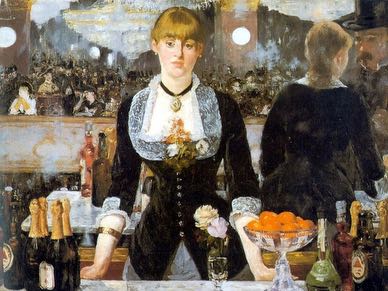
His last major canvas, A Bar at the Folies-Bergère, brings fashion, commerce, entertainment, and psychological distance together. A barmaid faces us while the mirror behind her opens onto a crowded concert hall and complicates the surrounding space. Manet received a Salon medal in 1881 and became a Chevalier of the Legion of Honour later that year. He died in Paris on 30 April 1883.
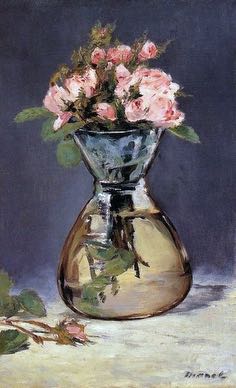
The small flower paintings were more than diversions made during illness. Peonies, lilacs, roses, and individual stems became studies of reflected light, fragile structure, and passing life. Manet continued discovering fresh possibilities at an intimate scale when his health made large canvases difficult.
Which Paintings Best Represent Manet’s Career?
These works follow Manet across modern Paris, portraiture, political history, leisure, and still life:
- The Luncheon on the Grass: References to earlier European art structure a modern scene that became one of the century’s great controversies.
- Olympia: A contemporary model and her direct gaze overturn expectations surrounding the reclining nude.
- The Fifer: A crisply outlined musician stands against a shallow background almost emptied of setting.
- The Railway: Steam, iron railings, cropped space, and an uncertain encounter place the viewer in modern Paris.
- Boating: Bright color and an outdoor leisure subject reflect Manet’s exchange with the Impressionists.
- The Execution of Emperor Maximilian: Sober structure and emotional restraint bring the gravity of history painting to a recent political tragedy.
- In the Conservatory: Spacing and small gestures leave the relationship between two elegantly dressed figures unresolved.
- A Bar at the Folies-Bergère: Reflection, labor, spectacle, and isolation meet in the complex space of Manet’s great late painting.
Why Does Édouard Manet Matter to Modern Art?
Manet treated contemporary experience with the ambition of historical painting. He openly borrowed from Titian, Velázquez, Goya, and other predecessors, then moved their arrangements into modern dress and urban settings. Direct gazes, compressed depth, and exposed brushwork made tradition a way to challenge the expectations of his own time.
His influence reached beyond the immediate Impressionist circle. Later artists found several paths forward in his work: flatter spaces, strong tonal contrasts, visible paint, ambiguous stories, and the reuse of familiar compositions. The paintings continue to raise questions about gender, race, labor, leisure, spectatorship, and nineteenth-century Paris.
Manet gave younger painters an example of greater freedom in subject, color, and brushwork. Yet his continued pursuit of Salon recognition complicates any simple story of modern artists rejecting institutions. He worked inside them and against them, forming a crucial bridge between Realism, Impressionism, and the painting that followed.
Copyright © 2026 BrushWiz. All Rights Reserved.
About Our Édouard Manet Paintings
Are your Édouard Manet reproductions painted by hand?
Yes. Every reproduction is individually painted by hand in oil on canvas by a professional artist. We do not use prints, digital transfers, or mechanical reproduction methods.
How closely do your Manet copies resemble the original?
Our artists work to capture the composition, colors, texture, and visual character of the original Manet painting as closely as possible. Because every reproduction is painted by hand, small variations are natural and make each canvas unique.
How long does it take to complete a painting?
Most Manet reproductions require approximately two to three weeks to paint, dry, and inspect. Production time may vary depending on the artwork and canvas size, so check the estimate displayed on the product page.
Can I request a Manet painting that is not listed?
Yes. If you cannot find the Édouard Manet artwork you want in our catalog, send us the painting’s title or an image. Our team will review your request and confirm the available sizes, estimated production time, and price.
Will I receive photos of my painting before it is shipped?
Yes. We send high-resolution photographs of the completed painting for your approval. You can request adjustments if needed, and the painting will not be dispatched until the review process is complete.
Can I order a custom canvas size?
Yes. We offer custom dimensions in addition to the standard sizes shown on the product page. Select the dimensions you need directly from the available size options.
Can I order my Manet painting with a frame?
Yes. High-quality frames in classic and modern designs are available for many paintings. You can view compatible framing options and add your preferred design from the product page. Professional canvas stretching is also available.
How much does an Édouard Manet reproduction cost?
The price depends on the selected artwork, canvas dimensions, and framing option. Choose your preferred configuration on the product page to see the current price before ordering.
Do you offer free worldwide shipping?
Yes. Manet reproductions qualify for free express worldwide shipping. After dispatch, delivery usually takes five to eight business days, although timing may vary by country and destination.
What is the return policy for Manet reproductions?
Orders are covered by our 90-day return policy. Review the current return-policy page before ordering for complete information about eligibility, time limits, and the return process.
Why BrushWiz?
100% Hand Painted
Every piece is entirely handmade
Museum Quality
Faithfully recreated by expert artists
Custom Framing
Choose from a wide range of frames
Free Shipping
Enjoy free shipping on all orders
Cash Back Rewards
Earn cash back with every purchase