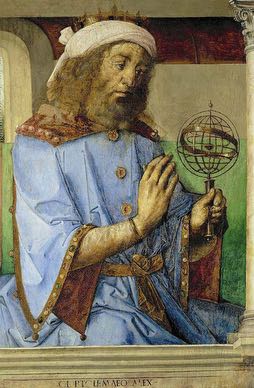
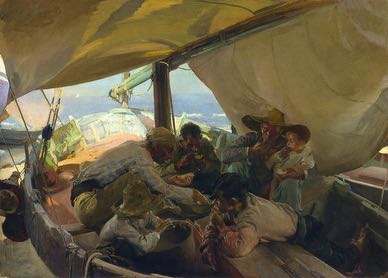
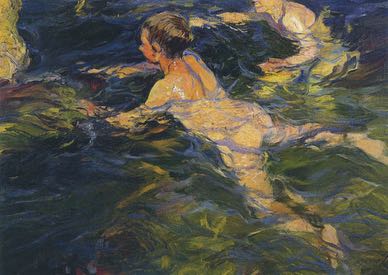
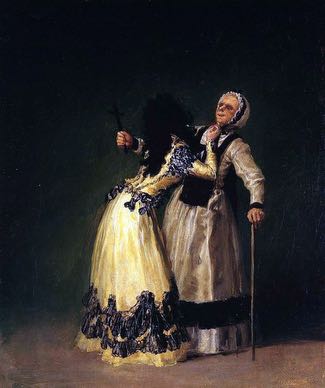
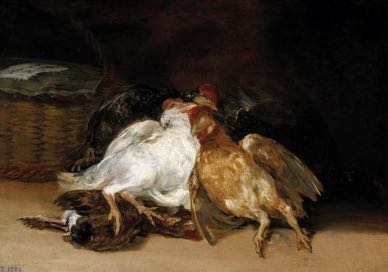
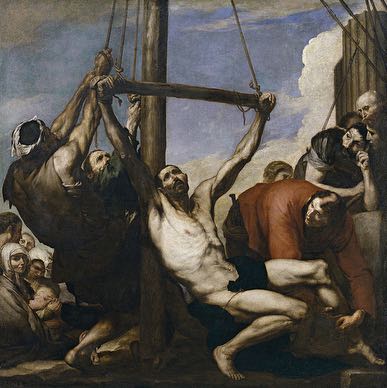
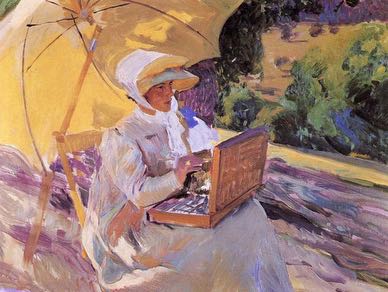
The roots of Spanish painting can be traced back to ancient times, with archaeological evidence revealing prehistoric cave paintings found in regions such as Altamira and El Castillo, showcasing the earliest expressions of human creativity on the Iberian Peninsula. However, it was during the golden age of Spanish art in the 16th and 17th centuries that painting reached its zenith, propelled by the flourishing of the Spanish Renaissance and the subsequent emergence of the Baroque period.
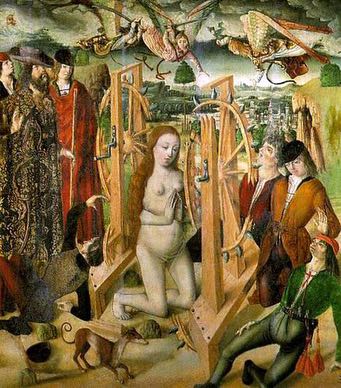
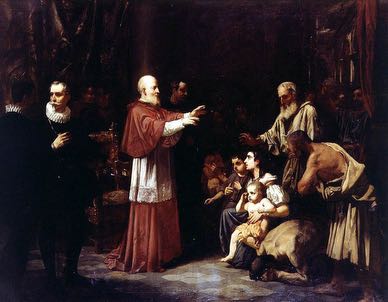
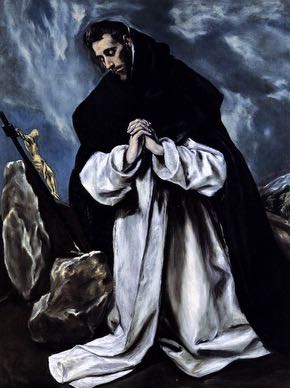
Spanish Renaissance painting, heavily influenced by Italian masters such as Leonardo da Vinci, Michelangelo, and Raphael, flourished under the patronage of the Spanish monarchy and the Catholic Church. Artists like El Greco, known for his expressive use of color and elongated figures, and Francisco de Zurbarán, renowned for his religious themes and meticulous attention to detail, left an indelible mark on the art world with their masterful creations.
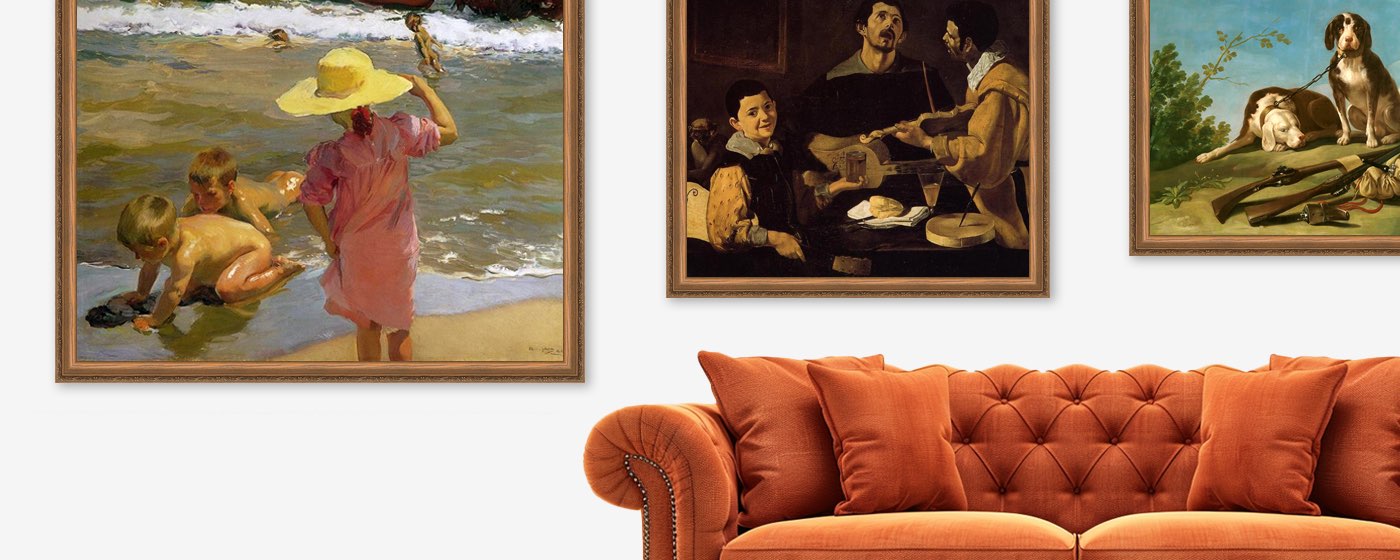
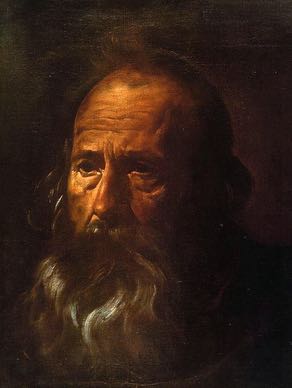
The Baroque period witnessed the rise of painters such as Diego Velázquez and Bartolomé Esteban Murillo, whose works exemplified the dramatic intensity and emotional realism characteristic of the Baroque style. Velázquez, in particular, is celebrated for his iconic portraits of Spanish royalty and courtiers, as well as his groundbreaking masterpiece, "Las Meninas," which is hailed as one of the greatest achievements in Western art history.
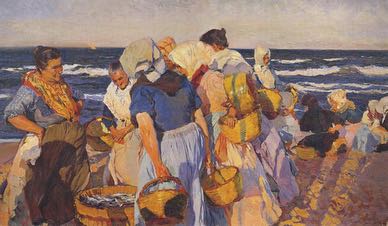
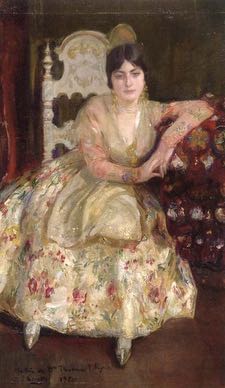
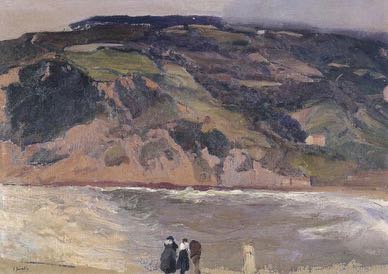
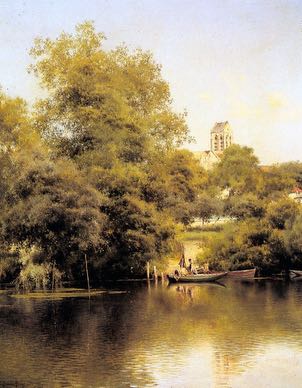
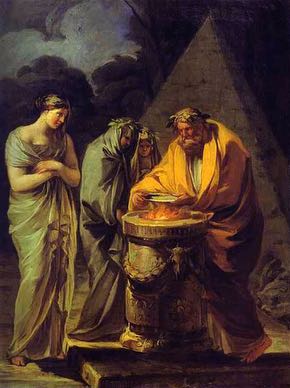
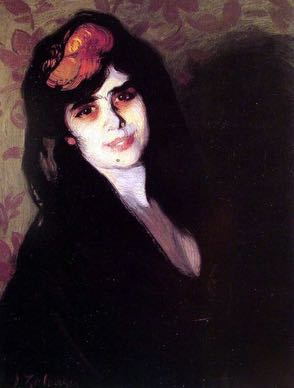
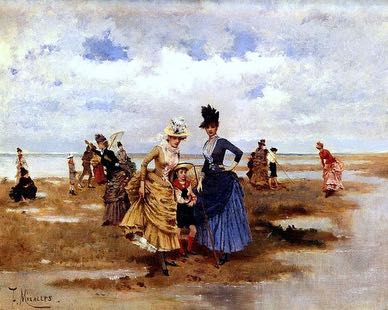
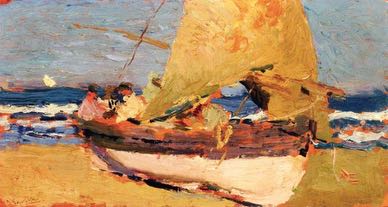
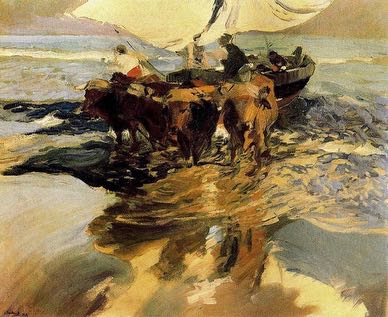
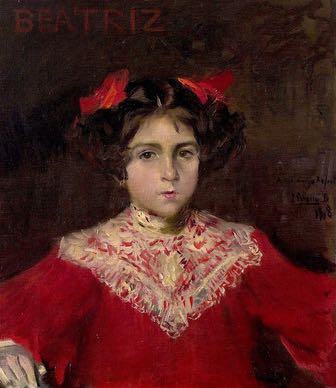
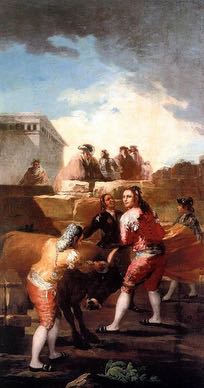
The 18th and 19th centuries saw the decline of Spanish painting as the country grappled with political instability, economic decline, and social upheaval. However, Spanish artists continued to draw inspiration from their rich cultural heritage and the natural beauty of the Spanish landscape, producing works that reflected the spirit of the Romantic movement and the burgeoning nationalist sentiment of the era.
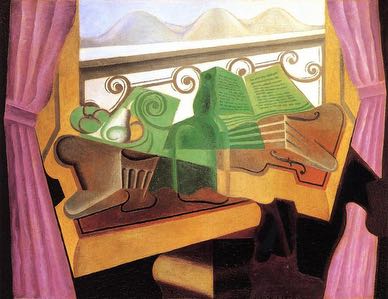
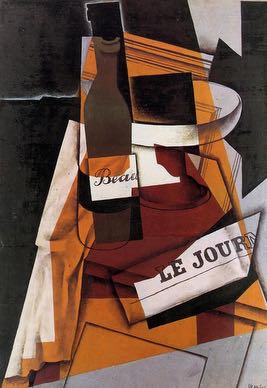
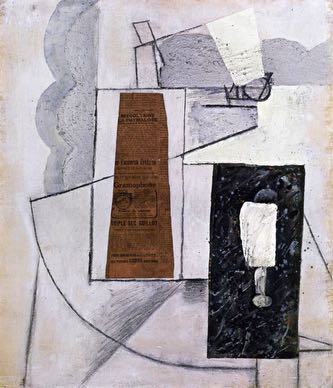
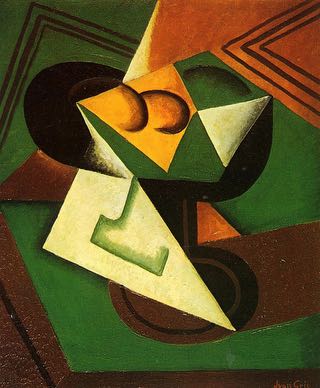
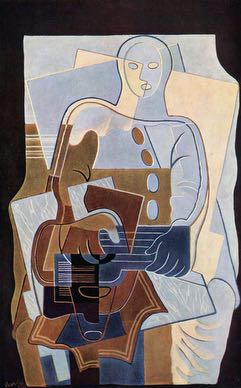
The 20th century witnessed a revival of Spanish painting with the emergence of avant-garde movements such as Surrealism, Cubism, and Expressionism. Artists like Salvador Dalí, Joan Miró, and Pablo Picasso pushed the boundaries of traditional painting, exploring new forms of expression and challenging the conventions of academic art.
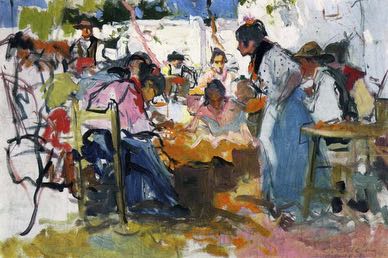
Today, Spanish painting continues to thrive, with contemporary artists drawing inspiration from Spain's rich cultural tapestry, diverse landscapes, and complex social realities. From traditional techniques to cutting-edge experimentation, Spanish painters continue to make their mark on the global art scene, reaffirming Spain's enduring legacy as a cradle of artistic innovation and creativity.
Copyright © 2026 BrushWiz. All Rights Reserved.