

❄️ Winter Sale. Offer Ends 11/18/2026. View Details
❄️ Winter Sale. Ends 11/18/2026. View Details
❄️ Winter Sale. View Details
Artists
Subjects
Movements
Collections
Decor
Portraits
Commissions
Framing
Reviews
Gift Cards
On Sale
Francisco Goya Oil Painting Reproductions
Shop museum-quality reproductions of Francisco Goya’s most famous paintings, each hand-painted in oil on canvas by a professional artist.
Shop Art
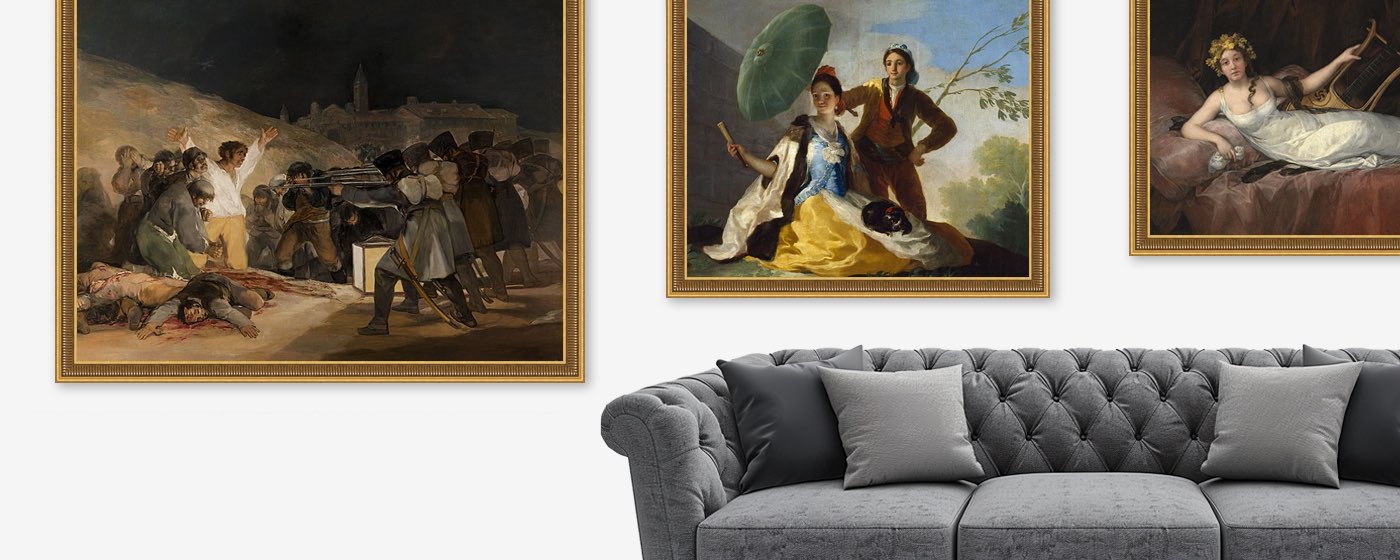
Showing 1-40 of 190 results
Sort By
Most Popular
- Most Popular
- New Arrivals
- Best Sellers
- Alphabetical A-Z
- Alphabetical Z-A
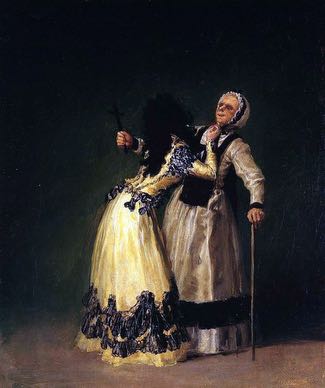
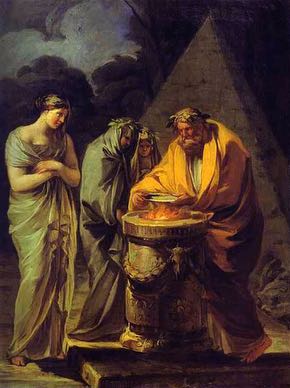
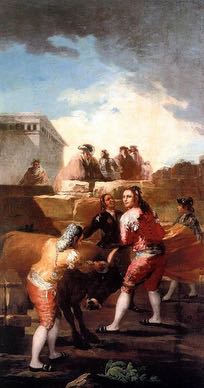


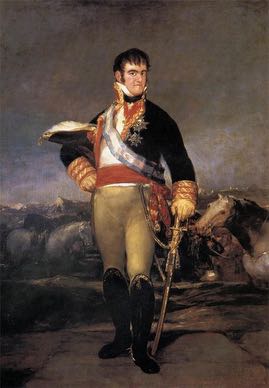

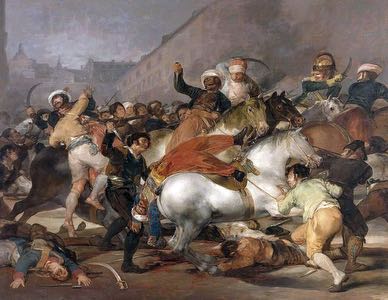
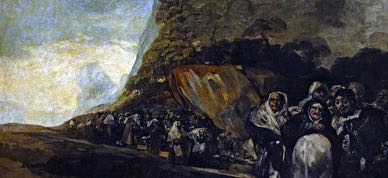
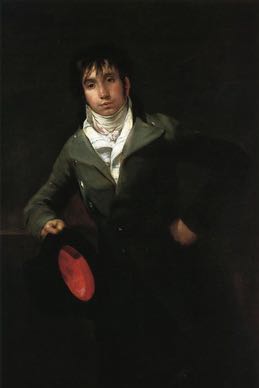


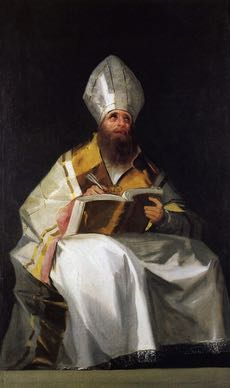
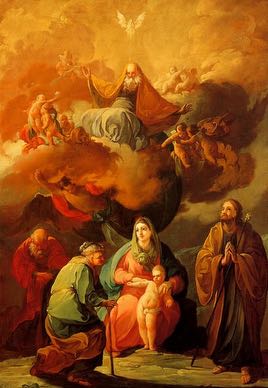
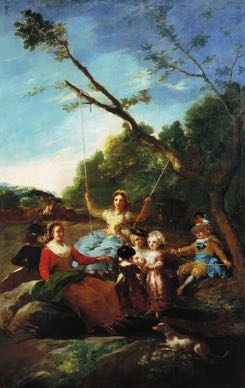
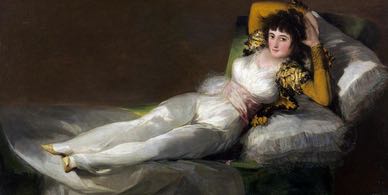
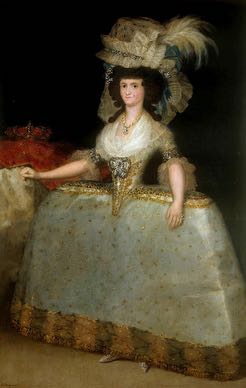
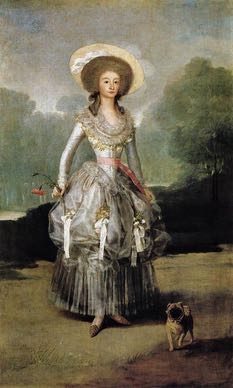
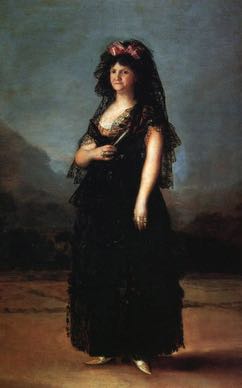
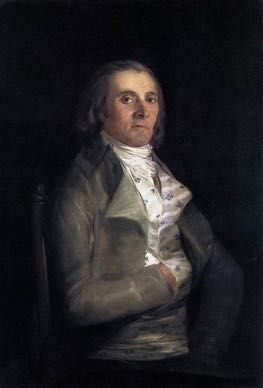
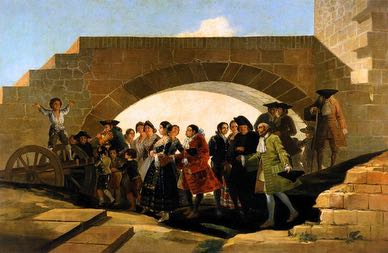
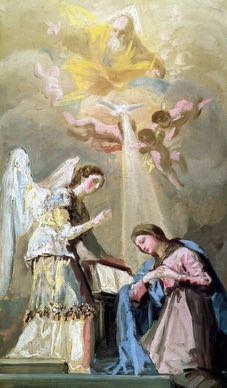


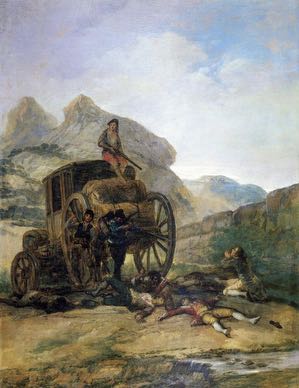
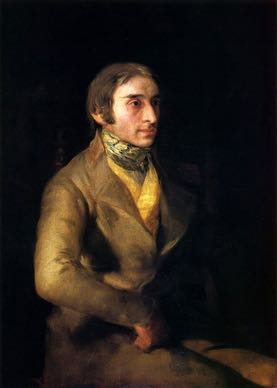
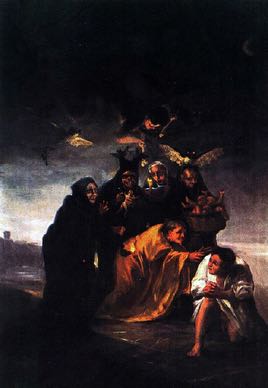

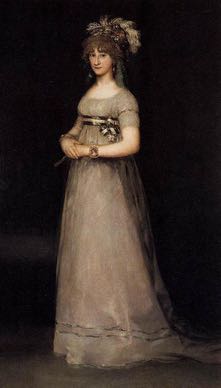
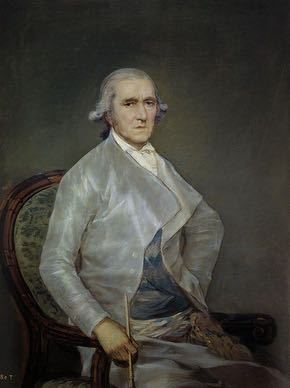
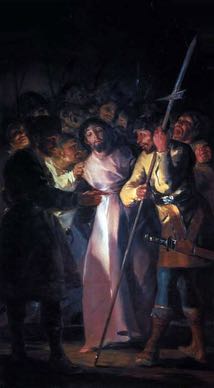
Can’t Find the Painting You Want?
Send us a reference image. We can recreate almost any artwork in the size and style you’re looking for.
Get a Free QuoteHand-Painted Francisco Goya Reproductions
Bring Goya’s art into your home with an oil-on-canvas reproduction hand-painted by a professional artist. Our collection features hundreds of paintings from across his career, including The Third of May 1808, Saturn Devouring His Son, and Nude Maja. Discover royal portraits, popular festivals, scenes of war, witches, bullfights, and other subjects closely associated with Goya. Every reproduction is a real oil painting, offering depth and texture that a print or digital transfer cannot provide. From iconic masterpieces to lesser-known works, find a Goya painting that suits your space.
The Making of a Francisco Goya Oil Painting Replica
Creating a Francisco Goya oil painting replica requires patience, precision, and an understanding of the original artwork. Our studio includes artists who specialize in Romantic painting and understand the distinctive qualities of Goya’s work. Before painting begins, the artist studies the source image, paying close attention to its composition, expressions, color, dramatic lighting, surface texture, and direct brushwork. These elements are recreated by hand in oil on canvas using an approach suited to the original. Once complete, the reproduction is inspected by our quality-control team and photographed for your approval.
Custom Sizes and Frames for Your Goya Painting
Your Goya painting can be ordered in practically any size, from popular standard dimensions to custom canvas sizes selected directly on the product page. This flexibility lets you choose a painting that fits your wall and complements your room perfectly. After selecting the size, you can choose from high-quality frames in classic or modern designs, with professional canvas stretching also available. Our framing options complement the bold contrasts and dramatic character of Goya’s paintings. With sizing, stretching, and framing arranged in one order, your artwork can arrive ready for display without a separate visit to a frame shop.
Order a Francisco Goya Reproduction with Confidence
Buying hand-painted art online should feel clear and comfortable. After your Francisco Goya reproduction is completed, we send high-resolution photographs for your review before shipping. You can inspect the composition, colors, figures, details, and overall finish, then request adjustments if needed. The painting is dispatched only after you approve it, so you know what to expect when it arrives. Your order also includes free express worldwide shipping and is covered by our 90-day return policy. Together, these assurances help you purchase a Goya oil painting with greater confidence and peace of mind.
The Life and Art of Francisco Goya
Francisco Goya was a Spanish painter and printmaker whose career links the courtly art of the eighteenth century to the emotional force of Romanticism and the beginnings of modern art. Born in 1746, he rose from provincial training to become First Court Painter to Charles IV. His portraits register both social rank and individual character, while his drawings, prints, war scenes, and private paintings confront violence, superstition, injustice, fear, and human folly. A severe illness left Goya deaf in the 1790s and contributed to the increasingly independent course of his art. Across more than sixty years, he moved between royal spectacle and intensely personal visions, becoming one of Europe’s most original artists.
Read More
Who Was Francisco Goya?
Francisco José de Goya y Lucientes was born on 30 March 1746 in Fuendetodos, near Zaragoza in northeastern Spain. His father was a master gilder whose trade was closely tied to church decoration and religious furnishings. Before long, the family returned to Zaragoza, where Goya spent much of his youth.
Goya became the outstanding Spanish painter and printmaker of the late eighteenth and early nineteenth centuries. His career crossed the reigns of Charles III, Charles IV, Joseph Bonaparte, and Ferdinand VII, taking in the Enlightenment, French occupation, political repression, and the restoration of absolute monarchy.
The range of his art is remarkable. Goya designed lighthearted tapestry cartoons, completed church commissions, painted incisive portraits, documented war, mocked social conventions, explored madness and fantasy, and covered the walls of his own home with the disturbing images now called the Black Paintings.
Where Did Goya Learn His Craft?
Goya began his training in Zaragoza with José Luzán, who taught students partly through the copying of prints. He later worked with Francisco Bayeu, a successful painter involved in royal decoration. In 1773, Goya married Bayeu’s sister Josefa, creating a professional as well as a family bond.
After failing to win academic prizes in Madrid, Goya traveled to Italy around 1769. He visited several artistic centers and entered a competition at the Academy of Parma in 1771. Though he did not take the highest prize, the trip deepened his knowledge of fresco, anatomy, classical composition, and contemporary European painting.
On returning to Zaragoza, Goya painted altarpieces and religious frescoes, including work in the Basilica of El Pilar. These commissions taught him how to organize large scenes. Disputes over supervision and technique also revealed the stubborn independence that would follow him throughout his career.
What Did the Tapestry Cartoons Teach Goya?
In 1775, Goya began making tapestry cartoons for the Royal Tapestry Factory of Santa Bárbara. These were full-scale painted designs that weavers translated into decorations for royal residences. Picnics, games, dancing, street vendors, seasonal work, children, and leisure around Madrid supplied the subjects.
The Parasol turns fashionable outdoor leisure into a brilliant arrangement of pose and color, while Blind Man’s Buff organizes a popular game into a lively circle. Not every design is carefree: poverty, harsh weather, and physical labor sometimes trouble the decorative surface.
The work provided steady royal employment and brought Goya to the attention of court patrons. It also sharpened his eye for clothing, gesture, entertainment, social difference, and ordinary life—the same material he would later treat with much less idealization and far greater criticism.
When Did Goya Enter the Spanish Court?
Goya’s standing rose steadily during the 1780s. He entered the Royal Academy of San Fernando in 1780, became painter to the king six years later, and in 1799 was appointed First Court Painter to Charles IV. Royalty, nobles, ministers, intellectuals, actors, and members of the new professional class all commissioned portraits from him.
He admired Diego Velázquez and Rembrandt, but his own portrait style was strikingly direct. Dress, rank, and setting establish a sitter’s place in society, while the face and hands may suggest intelligence, self-assurance, vulnerability, fatigue, or uncertainty.
In Charles IV of Spain and His Family, jewels and dazzling fabrics surround a group of sharply individualized faces. Goya inserted himself at an easel in the background, paying homage to Velázquez while quietly declaring his own standing at court.
How Did Deafness Change Goya’s Art?
A serious illness in 1792 left Goya permanently deaf, though its cause is still uncertain. Recovery took time, and the loss of hearing isolated him socially. It also coincided with a new independence in the work he chose to make.
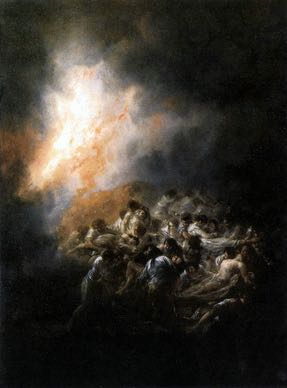
Small cabinet paintings freed him from many of the demands of public commissions. Fires, prisons, robberies, madhouses, shipwrecks, witches, and other scenes of danger and violence now appeared beside official portraits. Through them, Goya explored irrational behavior, vulnerability, and fear.
He also filled private drawing albums with observations and inventions. Ideas from these pages fed into Los Caprichos, the satirical print series published in 1799. Through fantasy and biting humor, it attacked superstition, ignorance, unequal relationships, failed education, and the abuse of authority.
How Did Goya Confront the Peninsular War?
Napoleon’s invasion of Spain in 1808 brought occupation, popular uprising, famine, brutal retaliation, and years of conflict. Goya stayed in Madrid and continued working as governments changed, but his private and public art faced the suffering inflicted on soldiers and civilians alike.
The Disasters of War offers no heroic spectacle. Starvation, displacement, executions, mutilated bodies, and despair fill its compressed scenes. Short, unsettling captions call the violence into question, along with the language used to excuse it.
In 1814, Goya painted The Second of May 1808 and The Third of May 1808. One plunges viewers into confused street fighting; the other isolates a brightly lit prisoner before an anonymous firing squad. Together, they turned war painting into a powerful accusation against organized violence.
What Were the Black Paintings?
In 1819, Goya bought a country house outside Madrid called the Quinta del Sordo. On its interior walls he painted the murals now known as Goya’s Black Paintings. They were private works rather than commissions, and neither their original titles nor their intended sequence and meanings are known with certainty.
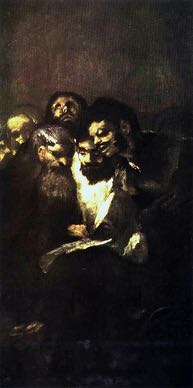
The group includes pilgrimages, solitary figures, supernatural assemblies, violent confrontations, and Saturn Devouring His Son. Earthy darkness, broad paint, unstable space, and abrupt contrasts seem worlds away from the polished splendor of his royal portraits.
The Dog is reduced to a small head below an immense, ambiguous expanse. Viewers have read abandonment, endurance, loneliness, and helplessness into its simplicity. Like the Black Paintings as a whole, it remains powerful because no single interpretation exhausts it.
Why Did Goya Spend His Final Years in Bordeaux?
Under Ferdinand VII, political repression placed growing pressure on Spanish liberals and intellectuals. Goya received permission to leave the country in 1824 and settled in Bordeaux, where a community of Spanish exiles offered friendship and greater personal freedom.
Age and declining health did not stop him from drawing, painting, or trying newly available lithographic methods. In the Bulls of Bordeaux, large-scale lithography allowed him to revisit bullfighting through dense crowds, vigorous action, and a directness far removed from conventional sporting pictures.
The Milkmaid of Bordeaux is often linked with this final period, though its attribution has been questioned. Its loose handling and gentle blue-green palette show the freshness still possible in Goya’s late art. He died in Bordeaux on 16 April 1828.
Which Paintings Reveal Goya’s Extraordinary Range?
Goya’s most familiar pictures lead from popular entertainment and royal display to war, mythology, social unease, and intensely private visions:
- The Third of May 1808: A brightly lit prisoner faces a mechanically ordered firing squad in a defining vision of wartime terror.
- Saturn Devouring His Son: An ancient myth becomes a nightmare of fear, violence, and power beyond control.
- Nude Maja: A reclining woman directly returns the viewer’s gaze in one of Spanish art’s most debated nudes.
- The Clothed Maja: Pose and scale closely connect the fashionably dressed sitter to Goya’s companion nude.
- Charles IV of Spain and His Family: Brilliant costumes and royal display coexist with a group of unmistakably individual faces.
- The Second of May 1808: Horses, civilians, weapons, and interlocking bodies convey the confusion and panic of street combat.
- The Dog: A tiny head beneath a vast, nearly empty field creates one of Goya’s simplest and most mysterious images.
- Witches’ Sabbath: Ritual, grotesque expressions, fear, and superstition become tools of social criticism.
- The Parasol: Bright clothing, outdoor light, and decorative charm belong to the earlier courtly phase of Goya’s career.
- Goya Attended by Doctor Arrieta: Care, illness, gratitude, and vulnerability meet in a deeply personal late self-portrait.
Why Does Goya Feel So Modern?
Goya greatly widened the territory available to painting and printmaking. He served kings and wealthy patrons, yet also examined institutional cruelty, poverty, madness, war, superstition, aging, and private dread. Moving between official power and its consequences gave his art an unusual depth.
His influence runs through Romanticism, Realism, Expressionism, political art, and modern portraiture. Eugène Delacroix responded to his emotional intensity, while Édouard Manet learned from his Spanish subjects and direct compositions. Later artists recognized something distinctly modern in his fragments, stark contrasts, and refusal to make violence noble.
Goya’s ability to change without losing his own voice is just as important. The decorative optimism of the tapestry designs, the alert psychology of the portraits, the moral urgency of the war images, and the unresolved darkness of the Black Paintings all belong to one restless career built on observation, independence, and experiment.
Copyright © 2026 BrushWiz. All Rights Reserved.
About Our Francisco Goya Paintings
Are your Francisco Goya reproductions painted by hand?
Yes. Every reproduction is individually painted by hand in oil on canvas by a professional artist. We do not use prints, digital transfers, or mechanical reproduction methods.
How closely do your Goya copies resemble the original?
Our artists work to capture the composition, colors, texture, and visual character of the original Goya painting as closely as possible. Because every reproduction is painted by hand, small variations are natural and make each canvas unique.
How long does it take to complete a painting?
Most Francisco Goya reproductions require approximately two to three weeks to paint, dry, and inspect. Production time may vary depending on the artwork and canvas size, so check the estimate displayed on the product page.
Can I request a Goya painting that is not listed?
Yes. If you cannot find the Francisco Goya artwork you want in our catalog, send us the painting’s title or an image. Our team will review your request and confirm the available sizes, estimated production time, and price.
Will I receive photos of my painting before it is shipped?
Yes. We send high-resolution photographs of the completed painting for your approval. You can request adjustments if needed, and the painting will not be dispatched until the review process is complete.
Can I order a custom canvas size?
Yes. We offer custom dimensions in addition to the standard sizes shown on the product page. Select the dimensions you need directly from the available size options.
Can I order my Goya painting with a frame?
Yes. High-quality frames in classic and modern designs are available for many paintings. You can view compatible framing options and add your preferred design from the product page. Professional canvas stretching is also available.
How much does a Francisco Goya reproduction cost?
The price depends on the selected artwork, canvas dimensions, and framing option. Choose your preferred configuration on the product page to see the current price before ordering.
Do you offer free worldwide shipping?
Yes. Francisco Goya reproductions qualify for free express worldwide shipping. After dispatch, delivery usually takes five to eight business days, although timing may vary by country and destination.
What is the return policy for Goya reproductions?
Orders are covered by our 90-day return policy. Review the current return-policy page before ordering for complete information about eligibility, time limits, and the return process.
Why BrushWiz?
100% Hand Painted
Every piece is entirely handmade
Museum Quality
Faithfully recreated by expert artists
Custom Framing
Choose from a wide range of frames
Free Shipping
Enjoy free shipping on all orders
Cash Back Rewards
Earn cash back with every purchase