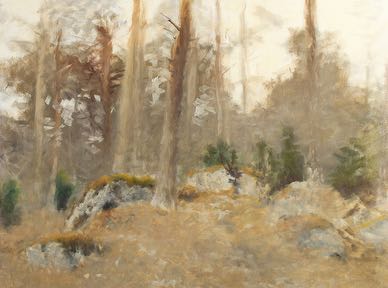
The roots of Swedish painting can be traced back to the medieval period, with early examples found in churches and monasteries across the country. However, it was during the Renaissance that Swedish artists began to emerge as significant figures in the European art world. Influenced by the artistic developments taking place in neighboring countries, Swedish painters embraced the principles of humanism and realism, creating works that reflected the spirit of the age.
One of the most notable periods in Swedish art history is the Gustavian era, named after King Gustav III, who ruled Sweden from 1771 to 1792. This period saw the rise of neoclassicism in Swedish painting, characterized by its emphasis on symmetry, order, and classical themes. Artists like Alexander Roslin and Carl Gustaf Pilo were instrumental in popularizing this style, producing portraits of the royal family and aristocracy that embodied the ideals of grace, elegance, and refinement.
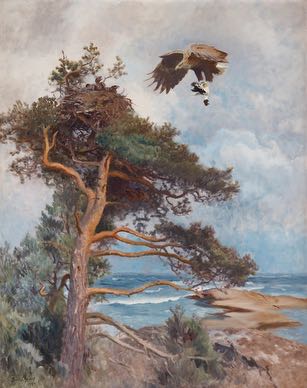
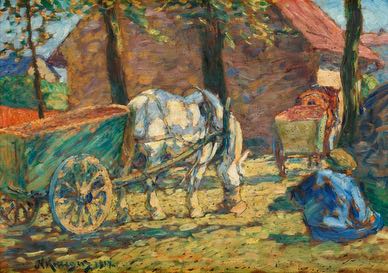
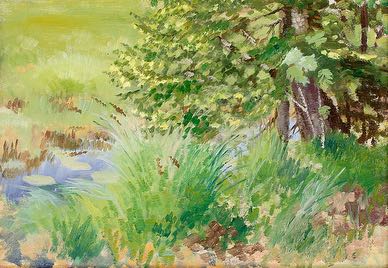
The 19th century witnessed a flowering of artistic creativity in Sweden, as the country underwent a period of rapid industrialization and social change. Romanticism emerged as a dominant force in Swedish painting, with artists like Carl Larsson and Anders Zorn capturing the rugged beauty of the Swedish landscape and the simple joys of rural life. Meanwhile, the emergence of the Skagen painters in nearby Denmark inspired a group of Swedish artists known as the "Opponents," who sought to break free from academic tradition and paint en plein air.
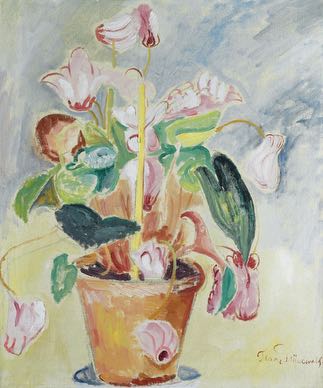
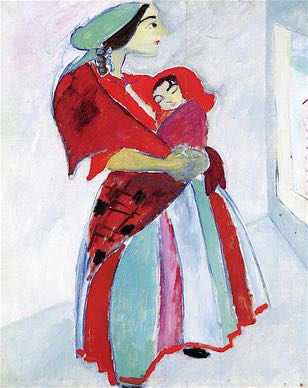
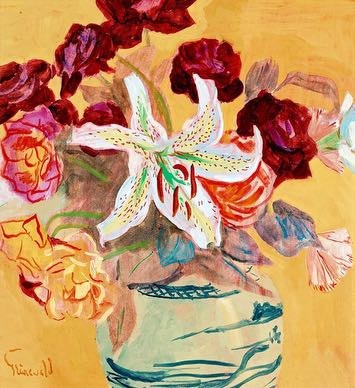
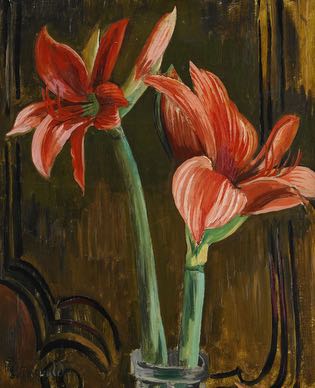
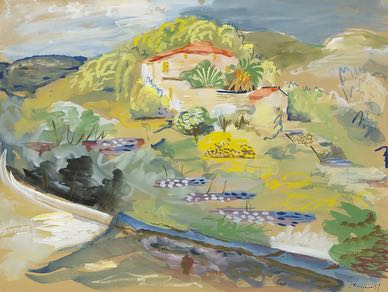
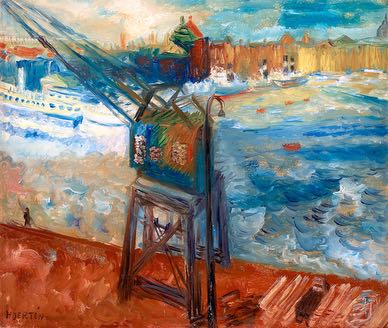
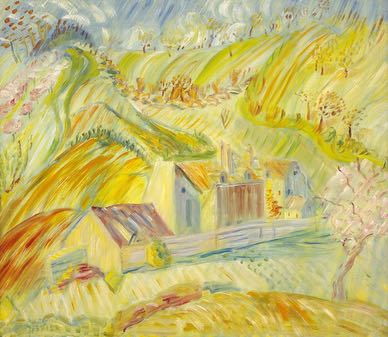
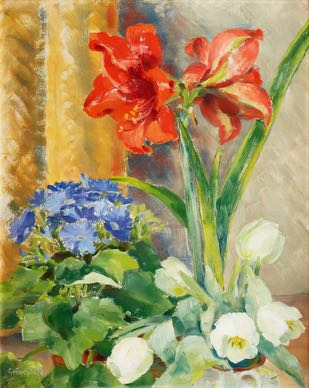
The turn of the 20th century brought new challenges and opportunities for Swedish artists, as modernism began to take hold in the art world. Influenced by movements such as expressionism, cubism, and surrealism, Swedish painters like Nils Dardel and Isaac Grünewald experimented with bold colors, abstract forms, and unconventional compositions, pushing the boundaries of traditional painting and exploring new avenues of artistic expression.
Today, Swedish painting continues to evolve and adapt to the changing currents of contemporary art. From traditional landscape painting to abstract experimentation, Swedish artists continue to explore themes of identity, society, and the human condition, contributing to the vibrant and diverse tapestry of Swedish art. Through their creativity and innovation, Swedish painters uphold the proud legacy of their artistic heritage while forging new paths of artistic exploration for future generations to follow.
Copyright © 2026 BrushWiz. All Rights Reserved.