
❄️ Winter Sale. Offer Ends 11/28/2026. View Details
❄️ Winter Sale. Ends 11/28/2026. View Details
❄️ Winter Sale. View Details
Artists
Subjects
Movements
Collections
Decor
Portraits
Commissions
Framing
Reviews
Gift Cards
On Sale
Gustave Courbet Oil Painting Reproductions
Shop museum-quality reproductions of Gustave Courbet’s most famous paintings, each hand-painted in oil on canvas by a professional artist.
Shop Art
Showing 1-40 of 258 results
Sort By
Most Popular
- Most Popular
- New Arrivals
- Best Sellers
- Alphabetical A-Z
- Alphabetical Z-A
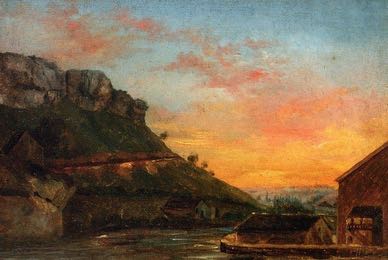
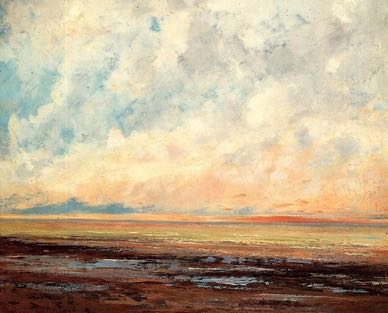

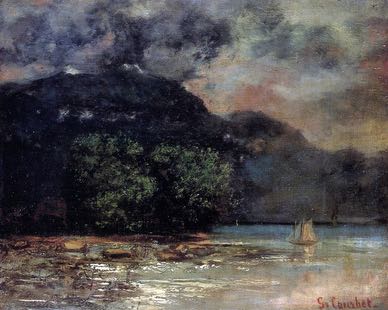
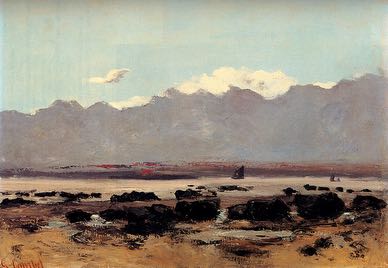

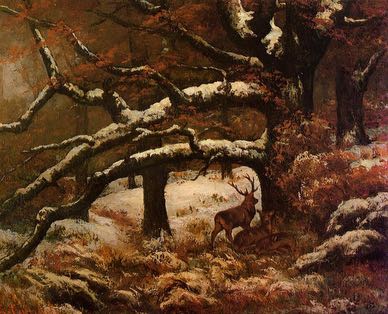
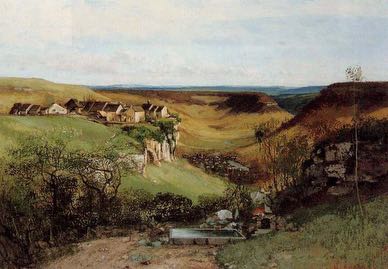
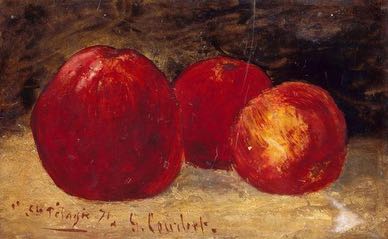
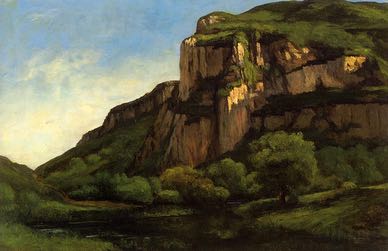
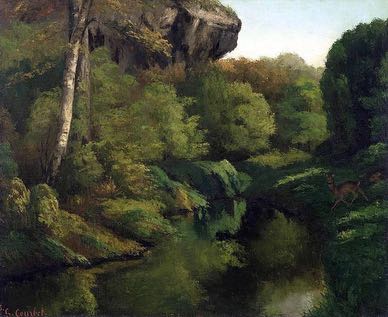
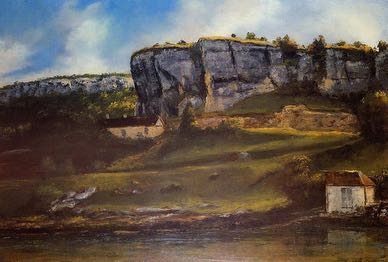
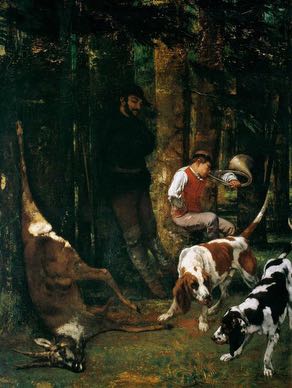
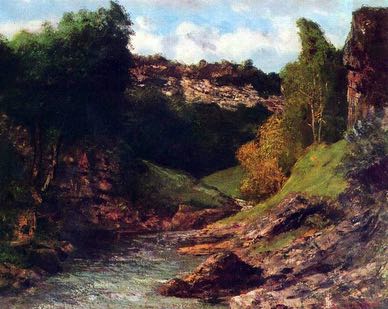
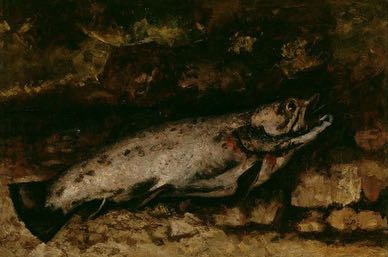
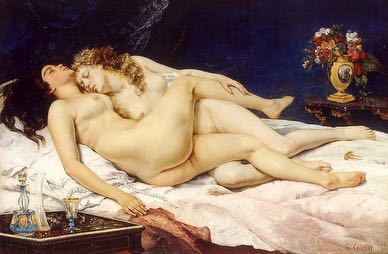


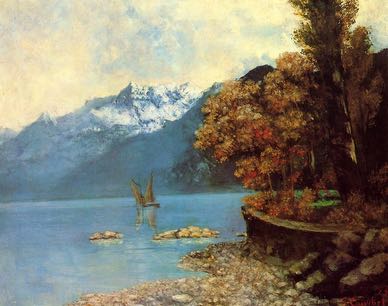
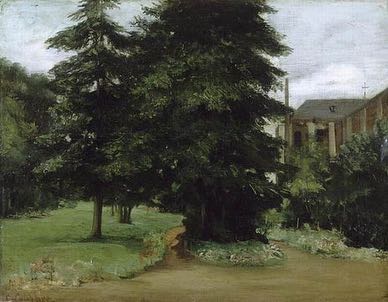
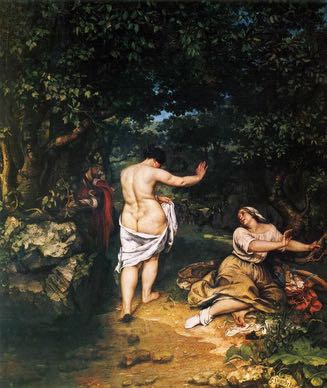
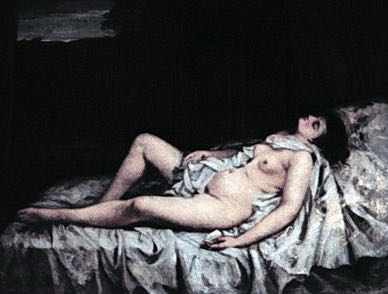
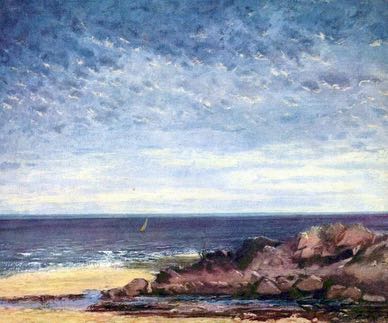
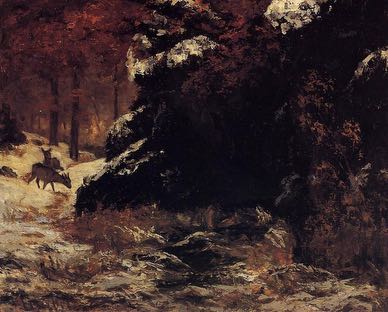

Can’t Find the Painting You Want?
Send us a reference image. We can recreate almost any artwork in the size and style you’re looking for.
Get a Free QuoteHand-Painted Gustave Courbet Reproductions
Bring Courbet’s art into your home with an oil-on-canvas reproduction hand-painted by a professional artist. Our collection features hundreds of paintings from across his career, including A Burial at Ornans, The Painter’s Studio, and The Wave. Discover rural life, portraits, rocky landscapes, shaded river valleys, stormy seas, and other subjects closely associated with Courbet. Every reproduction is a real oil painting, offering depth and texture that a print or digital transfer cannot provide. From iconic masterpieces to lesser-known works, find a Courbet painting that suits your space.
The Making of a Gustave Courbet Oil Painting Replica
Creating a Gustave Courbet oil painting replica requires patience, precision, and an understanding of the original artwork. Our studio includes artists who specialize in Realist painting and understand the distinctive qualities of Courbet’s work. The artist begins by studying the source image, then recreates its earthy colors, substantial forms, varied textures, and Courbet’s expressive handling of paint on canvas using traditional oil-painting methods. After completion, the painting is inspected by our quality-control team and photographed for your approval. The result is a carefully executed oil painting that reflects the visual character of the original.
Custom Sizes and Frames for Your Courbet Painting
Your Courbet painting can be ordered in practically any size, from popular standard dimensions to custom canvas sizes selected directly on the product page. This flexibility lets you choose a painting that fits your wall and complements your room perfectly. After selecting the size, you can choose from high-quality frames in classic or modern designs, with professional canvas stretching also available. Our framing options complement the earthy colors and substantial forms of Courbet’s paintings. With sizing, stretching, and framing arranged in one order, your artwork can arrive ready for display without a separate visit to a frame shop.
Order a Gustave Courbet Reproduction with Confidence
Buying hand-painted art online should feel clear and comfortable. After your Gustave Courbet reproduction is completed, we send high-resolution photographs for your review before shipping. You can inspect the composition, colors, textures, and overall finish, then request adjustments if needed. The painting is dispatched only after you approve it, so you know what to expect when it arrives. Your order also includes free express worldwide shipping and is covered by our 90-day return policy. Together, these assurances help you purchase a Courbet oil painting with greater confidence and peace of mind.
The Life and Art of Gustave Courbet
Gustave Courbet was a French painter whose commitment to Realism helped change the direction of modern art. Born in Ornans in 1819, he gave rural people and everyday events the scale traditionally reserved for grand historical subjects. His work ranges from forceful portraits and figure paintings to limestone cliffs, wooded valleys, hunting scenes, and stormy seas. Thick paint, earthy color, and a strong sense of physical presence connect these varied subjects. An independent exhibitor and outspoken public figure, Courbet challenged artistic institutions as well as pictorial conventions. Political involvement led to imprisonment and exile in Switzerland, where he continued painting until his death in 1877.
Read More
Where Did Courbet’s Independent Outlook Begin?
Gustave Courbet was born in Ornans, in eastern France’s Franche-Comté region, on 10 June 1819. His family owned agricultural land, and his childhood connected the town with the nearby countryside around Flagey. The valley of the Loue, its limestone cliffs, and the people who lived there would remain central to his imagination long after he became known in Paris.
His first teachers were Claude-Antoine Beau in Ornans and Charles-Antoine Flajoulot in Besançon. Beau took pupils outdoors to draw, while Flajoulot provided a connection with the academic tradition through his own training under Jacques-Louis David. Courbet moved to Paris in 1839 with this limited provincial instruction behind him. Although a legal career had been envisaged for him, painting became his vocation. He studied older European art in museums and made copies, developing his education through looking and practice rather than accepting a single academic model.
His early self-portraits show a young artist experimenting with different identities. In The Desperate Man, widened eyes and hands gripping his hair create an image of extraordinary psychological pressure. The painting belongs to his youthful engagement with Romantic expression. It is a reminder that the later advocate of visible, contemporary reality first explored theatrical poses and the drama of the artist’s own appearance.
Why Did Ordinary Life Become a Challenge to the Salon?
Official recognition preceded his most notorious confrontations. After Dinner at Ornans won a medal at the Salon of 1849, demonstrating that his rise did not begin with total exclusion from the establishment. The success made his subsequent challenge more pointed: a painter already recognized by the Salon was testing what that institution would accept.
Courbet emerged as a leading figure in Realism by changing the relationship between subject and scale. Academic convention placed historical, biblical, and mythological narratives above scenes of everyday life. He challenged that order by making people from his own region occupy large canvases without transforming them into idealized heroes.
The Stone Breakers, painted in 1849, brought the physical burden of road labor into the exhibition space. The work is now lost, having been destroyed during the Second World War, but its documented composition remains central to his reputation. Its workers are absorbed in a demanding task rather than posed to reward the viewer with a reassuring story.
The larger A Burial at Ornans, painted in 1849–1850, gathers villagers around a grave beneath the cliffs of Ornans. Life-size figures stretch across the canvas, with no single protagonist organizing everyone else. Black clothing, red ceremonial garments, faces, and the dark opening in the ground hold the gathering together. Its appearance at the Salon of 1850–1851 disturbed viewers accustomed to a hierarchy of elevated subjects. The picture gives a local funeral public weight while leaving its political meaning open to interpretation.
How Did Alfred Bruyas Help Him Claim Independence?
Courbet’s public defiance did not remove his need for buyers and supporters. The Montpellier collector Alfred Bruyas became an important patron, offering a relationship through which artistic ambition could receive private backing. Their association reveals how closely independence and patronage could depend on one another.
The Meeting (Bonjour, Monsieur Courbet), painted in 1854, represents Courbet encountering Bruyas, his servant, and a dog in open country. Carrying painting equipment, Courbet appears as a vigorous traveler, his head and beard sharply outlined against the sky. The exchange of greetings grants the painter a conspicuous dignity beside the well-dressed collector.
The scene should not be read as a straightforward record of the artist arriving in Montpellier. Its arrangement gives an ordinary encounter the significance of a statement about artistic status. Courbet presents himself as a working painter with his own direction, while acknowledging the person whose support helped make that direction possible. The picture’s humor and self-confidence belong to the same enterprise: establishing the artist as an active partner in cultural life.
What Was at Stake in the Pavilion of Realism?
In 1855 the jury of the Exposition Universelle rejected The Painter’s Studio. Courbet responded by mounting an independent exhibition nearby in his Pavilion of Realism. A catalog statement explained his commitment to the art of his own time. The exhibition made his disagreement with official selection visible as a practical alternative, with the artist controlling the presentation of his work.
The Painter’s Studio, painted in 1854–1855, is much more complex than a literal report of a working room. Courbet places himself at the center, painting a landscape while a standing model and a child attend to his activity. Among the supporters on the right are Bruyas, the philosopher Pierre-Joseph Proudhon, the critic Champfleury, and the poet Charles Baudelaire, absorbed in a book. Their presence connects the painting with collecting, social thought, literary criticism, and poetry. A broader range of social figures fills the other side. The arrangement turns the studio into an imagined meeting place between the painter and the world he claims to interpret.
Its description as a real allegory is deliberately paradoxical. People and objects appear concrete, yet their grouping suggests meanings beyond an ordinary gathering. Courbet’s Realism therefore involved selection, invention, and symbolic construction. His insistence on contemporary experience did not prevent him from making an ambitious argument about the artist’s place within society.
How Did He Give Rocks and Water Such Physical Weight?
Courbet’s landscapes are essential to his achievement. Around Ornans, he returned to cliffs, caves, shaded pools, and the rivers and streams of the Jura. Familiar terrain supplied an inexhaustible range of structures: layered stone, dense vegetation, dark openings, and water that could appear still, translucent, or violently disturbed.
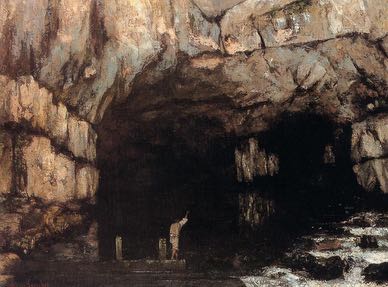
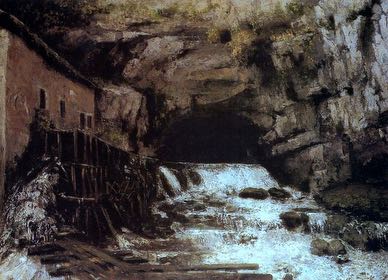
The Source of the Loue belongs to his repeated exploration of the grotto from which the Loue emerges. The contrast between a nearly black opening and the broken surfaces around it gives the place a force beyond picturesque description. He painted several versions of the site, adjusting the viewpoint and the relationship between the rock face and the water.
Brush and palette knife perform different kinds of work. Dragged or deposited pigment can suggest a rough ledge, while more fluid passages establish reflections and movement. The surface remains recognizably paint, yet its varied handling helps the viewer imagine the substance of the scene. This relationship between material and subject is central to Courbet’s art: the painted object seems convincing because the marks have their own physical character.
His engagement with country life also included hunting. In The Quarry, shown at the Salon of 1857, a dead deer, dogs, and human figures give the woodland scene a different gravity from a conventional landscape view. Hunting subjects found critical and commercial success, complicating the image of Courbet as an artist sustained only by scandal. They also show how naturally his interests in animals, human activity, and the physical setting could overlap.
What Did the Normandy Coast Add to His Painting?
On the Normandy coast, Courbet found a different expression of the natural forces he knew from inland France. The sea allowed broad horizontal divisions, sudden changes of weather, and contrasts between a solid shore and unstable water. His seascapes range from open, quiet horizons to waves that seem to bear directly toward the viewer.
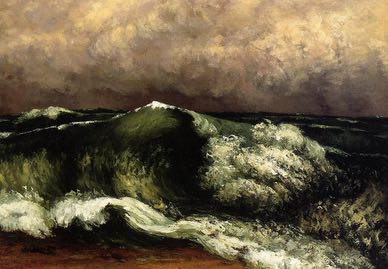
The Wave is a recurring title within a substantial group of marine paintings, rather than the name of only one composition. Across these works, dark water, white foam, and a heavy sky can create a drama without an elaborate human narrative. Paint placed in ridges and broken patches helps suggest the weight and collapse of moving water.
Courbet stayed at Trouville in 1865 and worked at Étretat in 1869. On the coast he encountered artists including Claude Monet and James McNeill Whistler. Their approaches differed, but all could find in a contemporary place an opportunity to rethink pictorial experience. Courbet’s emphasis remained strikingly substantial: cliffs, sea, and cloud seem to possess a density that the viewer almost feels as well as sees.
Did His Portraits and Nudes Follow the Same Realist Principles?
Courbet’s figure painting ranges from images of friends and family to commissioned portraits and ambitious nudes. In Jo, the Beautiful Irishwoman, Joanna Hiffernan studies her reflection while her red hair becomes a rich field of color. She was Whistler’s model and partner, and Courbet painted her during the period of their contact at Trouville. The subject is intimate without requiring an invented historical identity.
Woman with a Parrot, accepted at the Salon of 1866, engaged more directly with academic expectations. Its reclining pose and modeled flesh recall established traditions of the nude, yet loose hair and discarded clothing place the woman in a recognizably contemporary setting. Courbet sought acceptance while retaining qualities that unsettled idealized conventions.
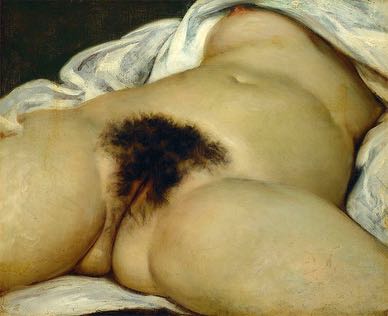
Other works circulated through private collecting rather than the Salon. The Origin of the World, also painted in 1866, restricts its view of the body with an uncompromising closeness. Its early ownership by the diplomat Khalil-Bey and its long history in private hands distinguish its reception from Courbet’s public exhibition controversies. These different audiences matter: his challenges to convention took place through both official display and private commissions, with distinct expectations governing each.
Why Did the Paris Commune Lead to Exile?
Courbet’s political reputation was connected with his art, but his actual involvement requires a more precise account than the label of rebellious painter. During the Paris Commune of 1871 he served as an elected member and took a leading role in the Federation of Artists. He had also worked to protect artistic heritage during the preceding crisis in Paris.
He had proposed removing the Vendôme Column, a monument associated with Napoleonic militarism. The Commune subsequently demolished it. After the government regained control of Paris, Courbet was arrested and sentenced to six months in prison for complicity in the destruction. Later proceedings made him financially responsible for rebuilding the column.
In 1873 he left France for Switzerland and settled at La Tour-de-Peilz on Lake Geneva. Confiscated property, legal costs, and the reconstruction claim placed him under severe pressure. He nevertheless continued painting, including views of the lake, surrounding mountains, and Chillon Castle. Exile changed his circumstances and his available scenery, but it did not end his commitment to the landscape as a subject capable of sustaining serious artistic work.
Which Paintings Best Explain Courbet’s Range?
Courbet’s major works show that Realism was more than a single type of subject. These paintings connect his early self-examination, public controversies, relationships with patrons, and sustained attention to the natural world:
- The Desperate Man: An early self-portrait turns the artist’s face and gesture into an image of extreme emotion.
- The Stone Breakers: The documented image of road labor made everyday work central to the debate over Realism; the original is lost.
- A Burial at Ornans: A local funeral receives monumental scale without an idealized hero or a conventional historical narrative.
- The Meeting (Bonjour, Monsieur Courbet): The encounter between painter and patron becomes a confident statement about artistic standing.
- The Painter’s Studio: A deliberately constructed gathering places Courbet and his painting at the center of a social world.
- The Source of the Loue: Repeated views of a rocky grotto join close observation with a powerful sense of paint as material.
- Jo, the Beautiful Irishwoman: Hair, reflection, and absorbed attention give a modern portrait an unusually intimate character.
- Woman with a Parrot: A contemporary nude engages with the conventions and expectations of the official Salon.
- The Origin of the World: A closely framed study of the body challenged conventions through private collecting and later museum display.
- The Wave: The wave paintings concentrate natural force into the relationship between water, sky, and painted surface.
How Did Courbet Change the Possibilities of Modern Painting?
Courbet died at La Tour-de-Peilz on 31 December 1877, having never returned from exile. His final years were marked by financial pressure and illness, but they also produced a substantial body of work. Reading his career only through scandal or political punishment obscures the continuous labor of painting that connected its different periods.
His example helped open the way for Édouard Manet and the generation associated with Impressionism. His concentrated views of rock, water, and the sea also mattered to Paul Cézanne. The connection lies in treating landscape as a demanding construction of painted forms, capable of carrying as much ambition as a figure composition. That influence did not depend on younger painters adopting his palette or copying his technique. He demonstrated that present-day experience could carry the ambition once attached to distant history, and that an artist could challenge the institutions controlling the public encounter with painting.
Across the nineteenth century, questions about who deserved representation, what counted as a finished surface, and how an artist could work independently became increasingly urgent. Courbet gave those questions unusually concrete form. A villager’s face, a worker’s task, a dark grotto, or a breaking wave could become the basis of a major painting. His lasting achievement joins that widened field of subjects to a handling of paint that makes the visible world feel materially present.
Copyright © 2026 BrushWiz. All Rights Reserved.
About Our Gustave Courbet Paintings
Are your Gustave Courbet reproductions painted by hand?
Yes. Every reproduction is individually painted by hand in oil on canvas by a professional artist. We do not use prints, digital transfers, or mechanical reproduction methods.
How closely do your Courbet copies resemble the original?
Our artists work to capture the composition, colors, texture, and visual character of the original Courbet painting as closely as possible. Because every reproduction is painted by hand, small variations are natural and make each canvas unique.
How long does a Courbet reproduction take to complete?
Most Courbet reproductions require approximately two to three weeks to paint, dry, and inspect. Production time may vary depending on the artwork and canvas size, so check the estimate displayed on the product page.
Can I request a Gustave Courbet painting that is not listed?
Yes. If you cannot find the Gustave Courbet artwork you want in our catalog, send us the painting’s title or an image. Our team will review your request and confirm the available sizes, estimated production time, and price.
Will I receive approval photos before shipping?
Yes. We send high-resolution photographs of the completed painting for your approval. You can request adjustments if needed, and the painting will not be dispatched until the review process is complete.
Are custom canvas sizes available for Courbet paintings?
Yes. We offer custom dimensions in addition to the standard sizes shown on the product page. Select the dimensions you need directly from the available size options.
May I order my Courbet painting with a frame?
Yes. High-quality frames in classic and modern designs are available for many paintings. You can view compatible framing options and add your preferred design from the product page. Professional canvas stretching is also available.
What determines the price of a Gustave Courbet reproduction?
The price depends on the selected artwork, canvas dimensions, and framing option. Choose your preferred configuration on the product page to see the current price before ordering.
Is free express worldwide shipping included?
Yes. Courbet reproductions qualify for free express worldwide shipping. After dispatch, delivery usually takes five to eight business days, although timing may vary by country and destination.
Which return policy covers Courbet reproductions?
Orders are covered by our 90-day return policy. Review the current return-policy page before ordering for complete information about eligibility, time limits, and the return process.
Why BrushWiz?
100% Hand Painted
Every piece is entirely handmade
Museum Quality
Faithfully recreated by expert artists
Custom Framing
Choose from a wide range of frames
Free Shipping
Enjoy free shipping on all orders
Cash Back Rewards
Earn cash back with every purchase