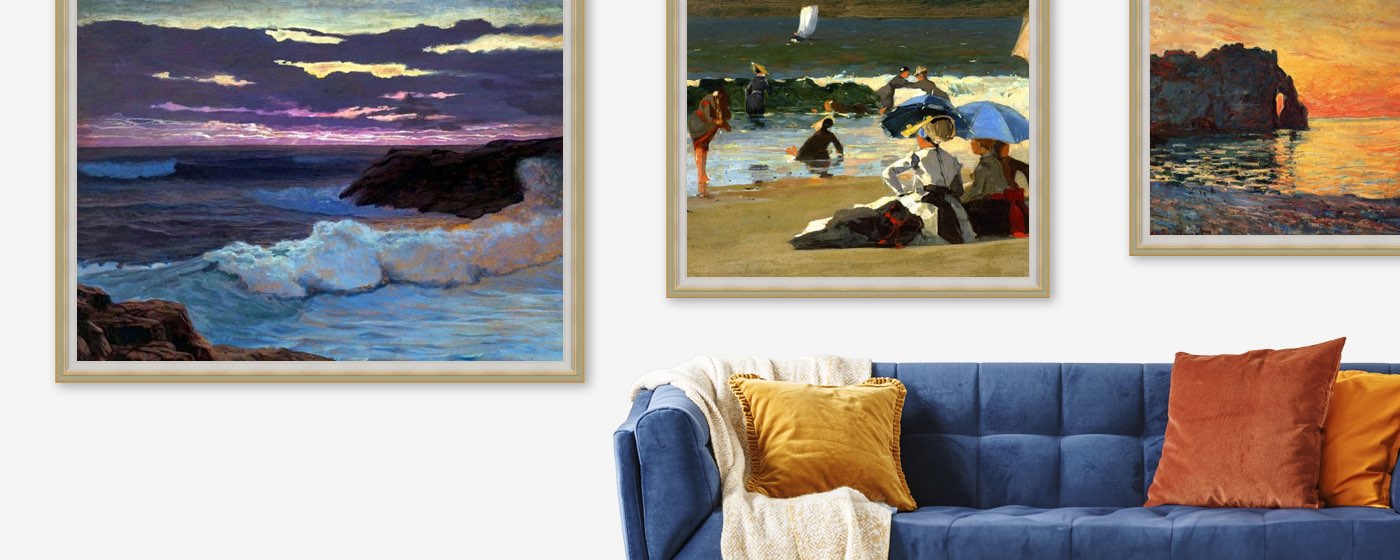
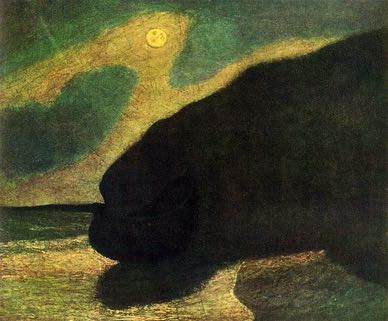
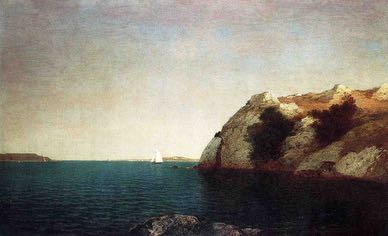
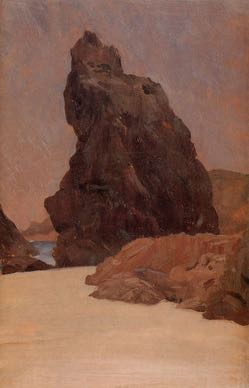
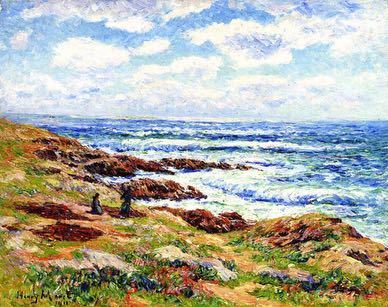
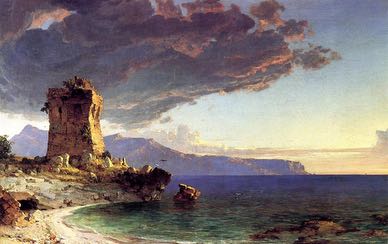
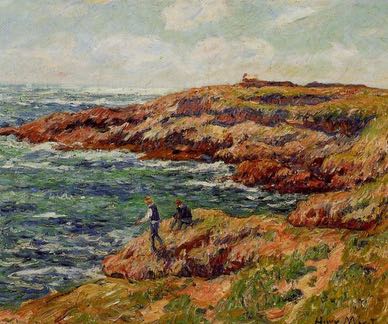
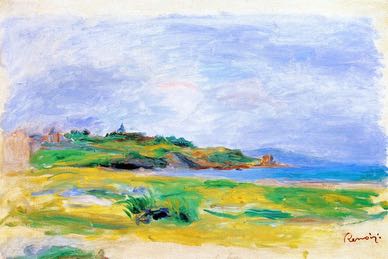
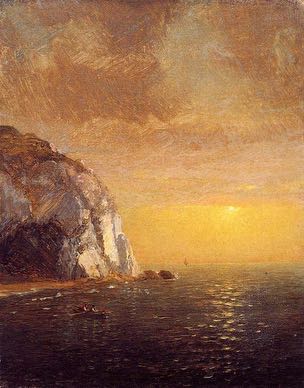
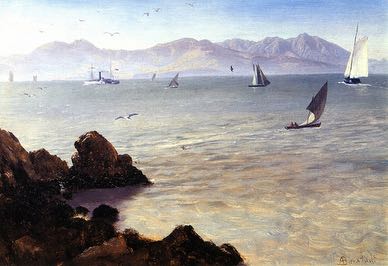
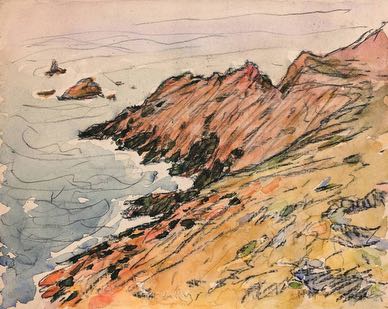
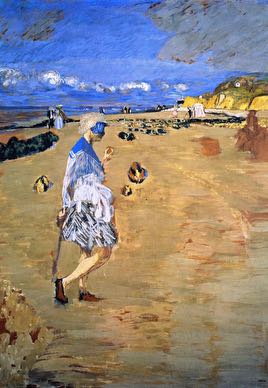
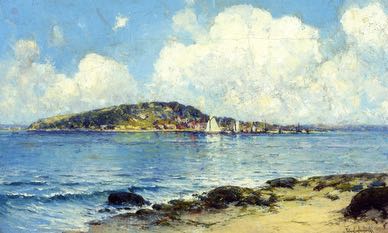
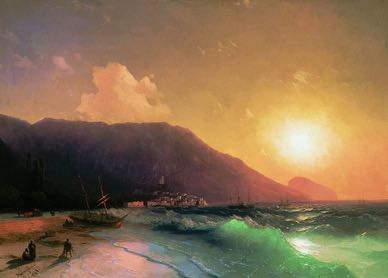
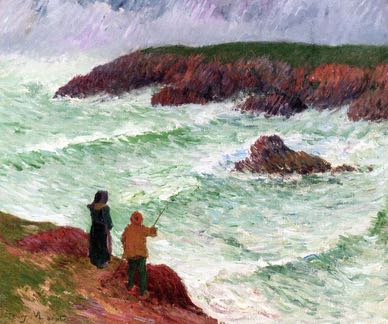
In ancient civilizations, the sea was a significant subject in art, often depicted in the context of mythology and exploration. Ancient Greek and Roman mosaics and frescoes frequently featured scenes of the ocean, gods, and mythical creatures, reflecting the sea's role in cultural and religious life. These early representations often highlighted the sea's power and mystery, serving as both decorative elements and symbolic motifs.
During the Middle Ages, seascape painting was less prominent, with artists focusing more on religious and historical themes. However, maritime scenes appeared in illuminated manuscripts and marginalia, often illustrating trade, exploration, and naval battles. These depictions were usually secondary to the main narrative but provided valuable insights into medieval maritime life and the sea's significance in medieval culture.
The Renaissance marked a significant turning point in seascape painting, as artists began to explore the natural world with greater precision and interest. The period saw the development of more realistic and detailed representations of the sea, influenced by advancements in cartography, exploration, and scientific inquiry. Artists like Joachim Patinir and Pieter Bruegel the Elder incorporated seascapes into their works, blending detailed landscapes with dynamic marine scenes to create immersive and expansive views of the natural world.
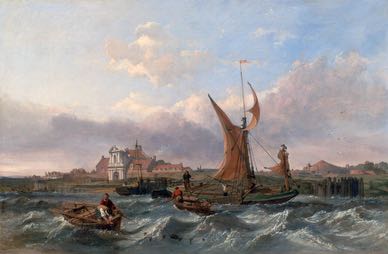
The 17th century heralded the Golden Age of Dutch seascape painting, with artists such as Willem van de Velde the Elder and Jacob van Ruisdael leading the way. Dutch painters captured the essence of the sea with remarkable accuracy, focusing on the daily life of sailors, naval battles, and the changing moods of the ocean. Their works often featured dramatic skies, turbulent seas, and detailed ships, reflecting the maritime prowess of the Dutch Republic and its profound connection to the sea.
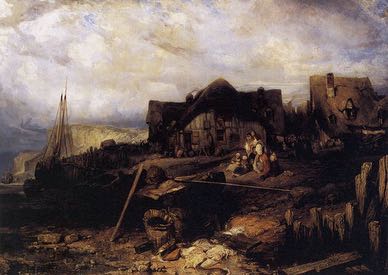
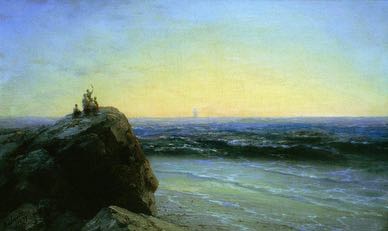
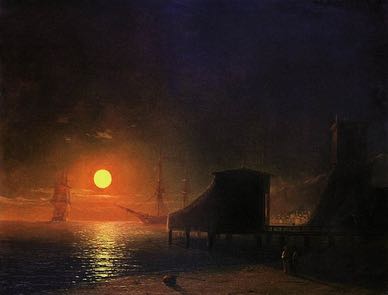
In the 18th and 19th centuries, Romanticism brought a new emphasis on the emotional and sublime aspects of seascape painting. Artists like J.M.W. Turner and Caspar David Friedrich depicted the sea as a powerful and majestic force, exploring themes of nature's grandeur and human vulnerability. Turner's dramatic seascapes, in particular, captured the dynamic interplay of light and weather, showcasing the sea's transformative and awe-inspiring qualities.
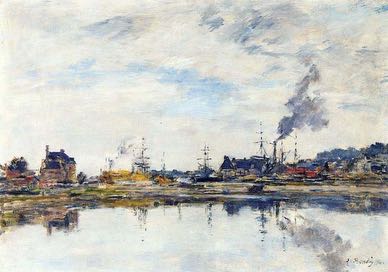
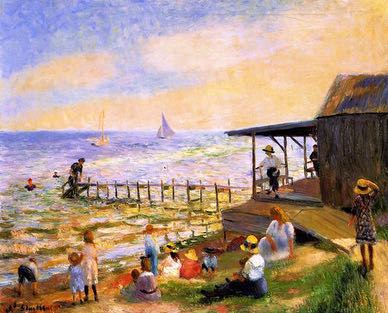
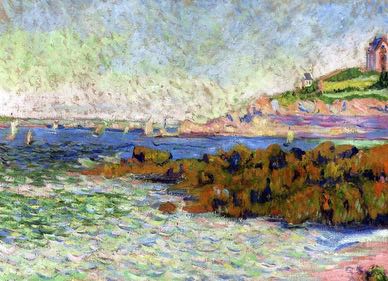
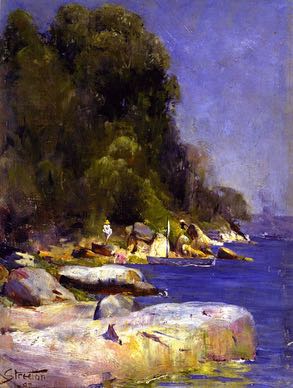
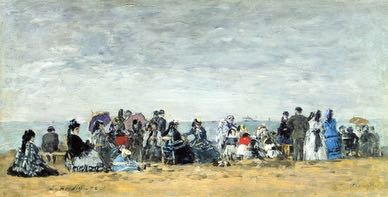
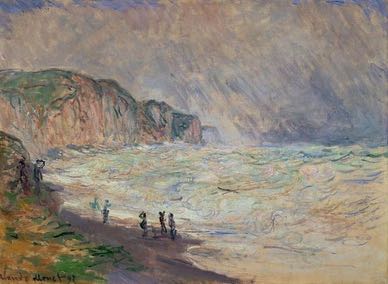
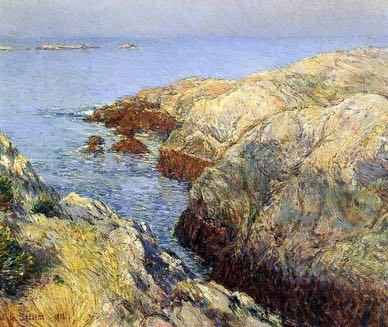
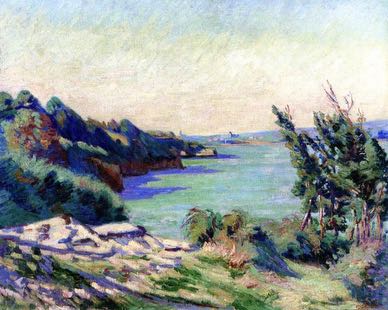
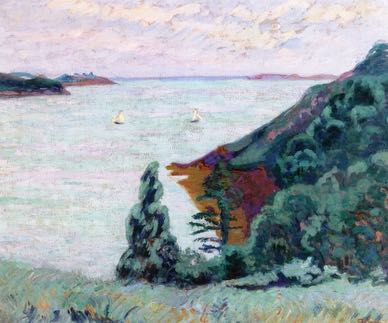
The 20th century saw a diversification of seascape painting styles, influenced by modernist movements and new artistic approaches. Artists experimented with abstraction, impressionism, and other styles to convey the essence of the sea in innovative ways. The advent of photography and other media also expanded the possibilities for capturing and interpreting seascapes, influencing how artists approached their subject matter.
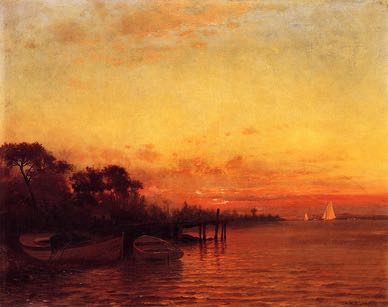
Today, seascape painting continues to evolve, with contemporary artists exploring a wide range of techniques and perspectives. From traditional representations to abstract interpretations, modern seascapes reflect ongoing explorations of the relationship between humanity and the sea. Environmental concerns and the impact of climate change have also influenced contemporary seascape art, with artists addressing themes of ecological preservation and the effects of human activity on marine environments.
The history of seascape painting is a testament to the enduring fascination with the sea and its myriad expressions. Throughout the centuries, artists have used the sea as a subject to explore themes of beauty, power, and vulnerability, offering viewers a window into the natural world and its profound significance. Seascape painting remains a vibrant and essential genre, celebrating the ever-changing and timeless allure of the ocean.
Copyright © 2026 BrushWiz. All Rights Reserved.