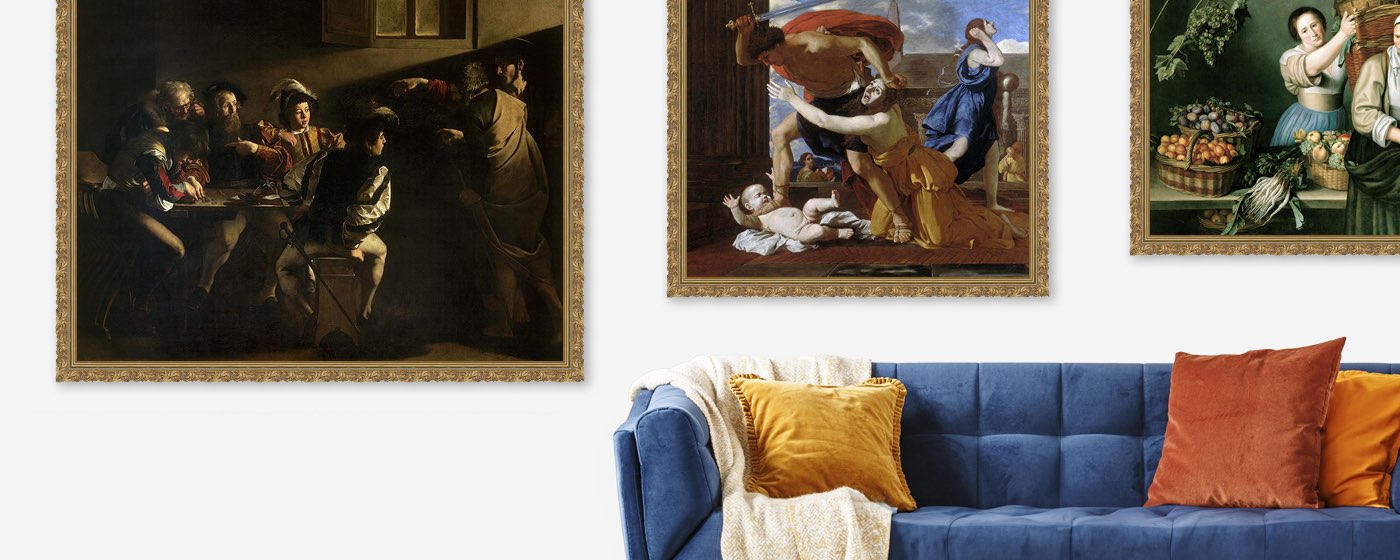
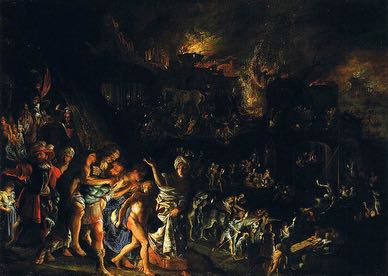
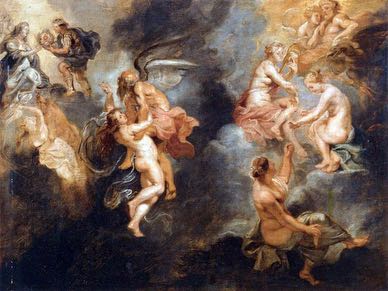
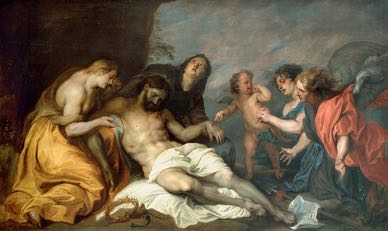
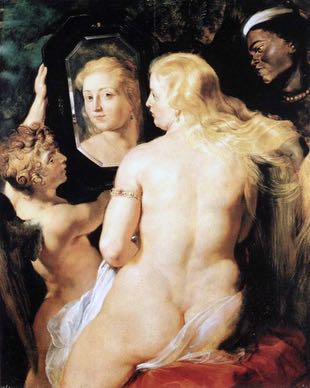
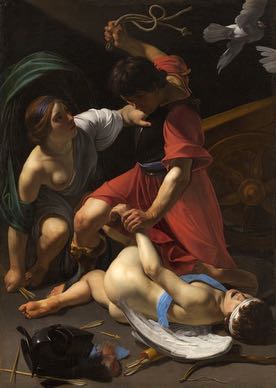
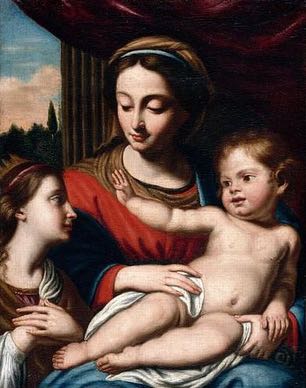
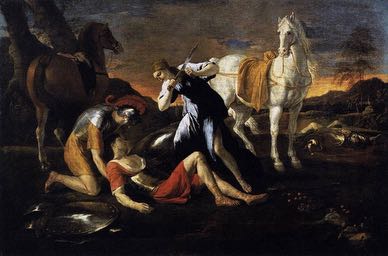
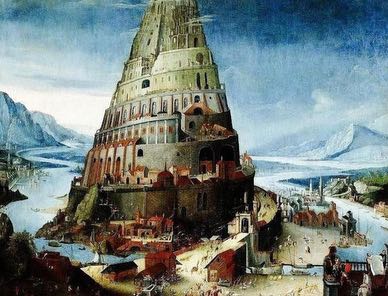
Religious art continued to hold sway during the 17th century, although the subject matter diversified to reflect the changing religious landscape. Artists produced grandiose works for churches and cathedrals, depicting biblical narratives with heightened drama and emotion. The Baroque style, with its dynamic compositions, intense lighting, and exaggerated gestures, became synonymous with Catholic Counter-Reformation art.
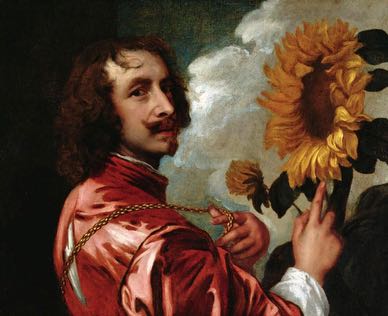
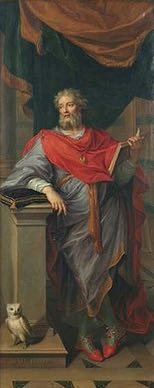
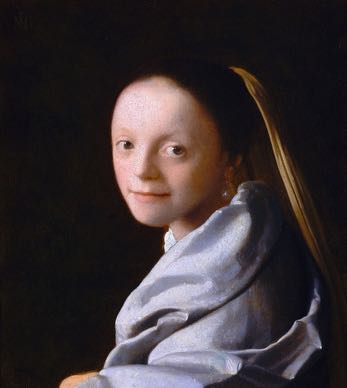
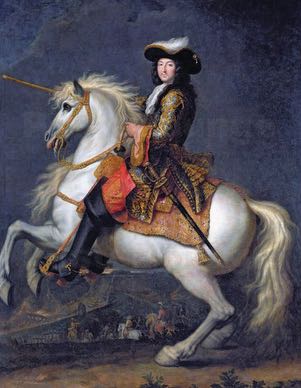
One of the most significant developments in 17th century art was the rise of secular genres, particularly portraiture and still life. Portraiture flourished as artists captured the likenesses of royalty, aristocracy, and prominent figures of the time. These portraits often conveyed power, wealth, and social status, serving as symbols of prestige and influence.
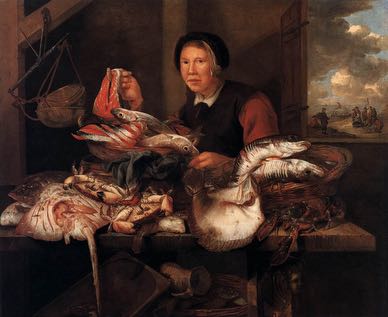
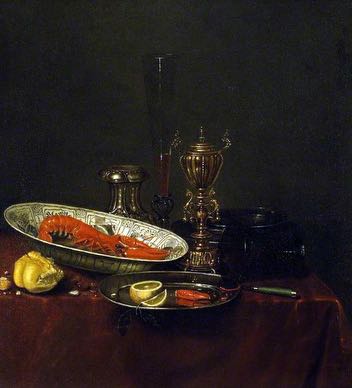
Meanwhile, still life painting emerged as a distinct genre, depicting arrangements of objects such as flowers, fruits, and everyday items with exquisite detail and realism. Artists infused these compositions with symbolic meanings, exploring themes of transience, mortality, and the vanitas of life.
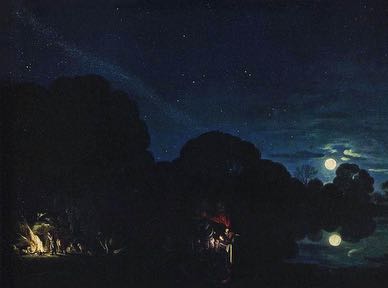
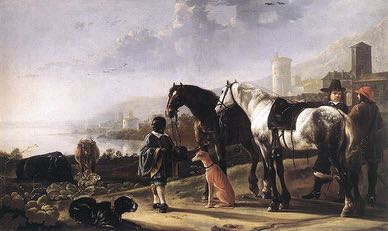
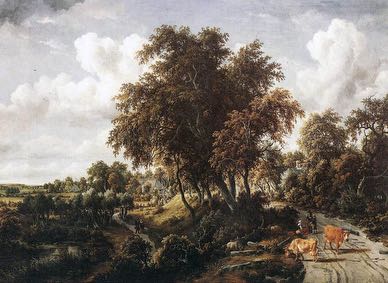
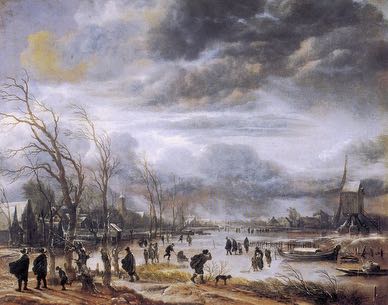
The 17th century also witnessed the flourishing of landscape painting, as artists ventured outdoors to capture the beauty of nature. Landscapes ranged from idyllic pastoral scenes to rugged wilderness, reflecting the diverse topography of Europe and the growing interest in the natural world.
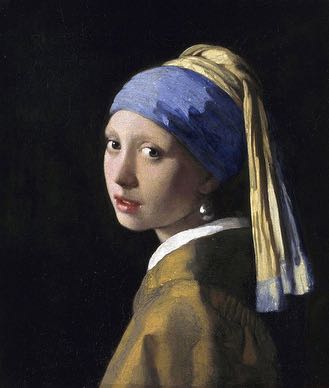
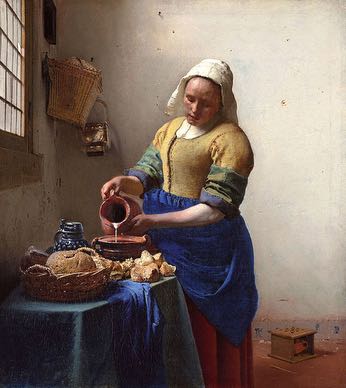
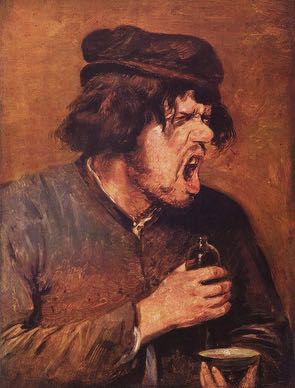
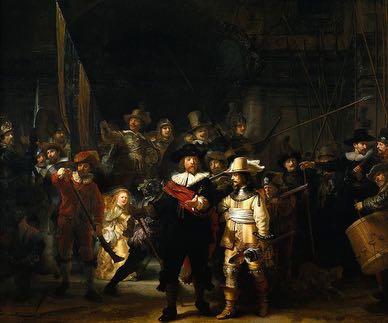
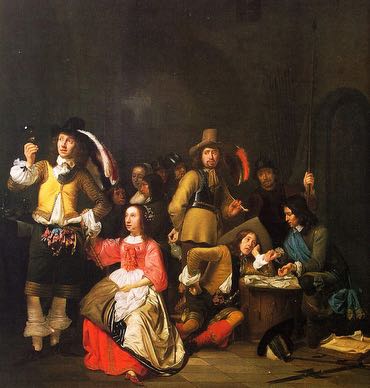
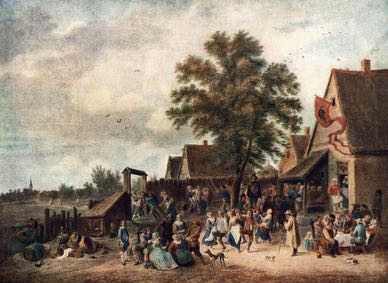
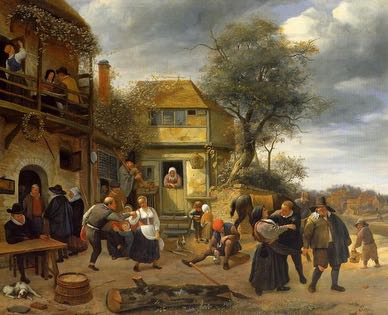
Dutch Golden Age painting, characterized by meticulous detail, technical mastery, and luminous colors, reached its zenith during the 17th century. Artists such as Rembrandt van Rijn, Johannes Vermeer, and Frans Hals produced masterpieces that celebrated everyday life, capturing scenes of domesticity, commerce, and leisure with remarkable sensitivity and insight.
Overall, the 17th century was a period of unparalleled creativity and artistic achievement. The legacy of 17th century art endures to this day, with many artworks revered for their beauty, innovation, and profound impact on the course of art history.
Copyright © 2026 BrushWiz. All Rights Reserved.