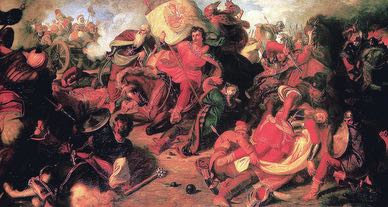
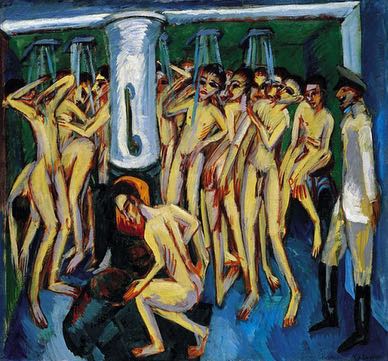
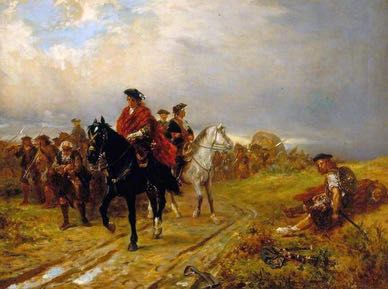
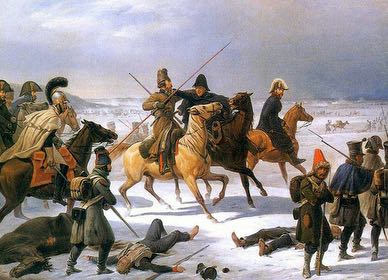
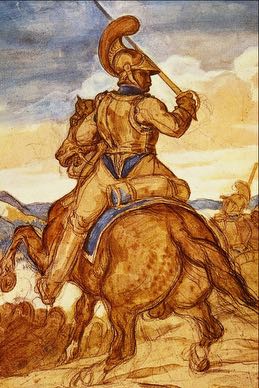
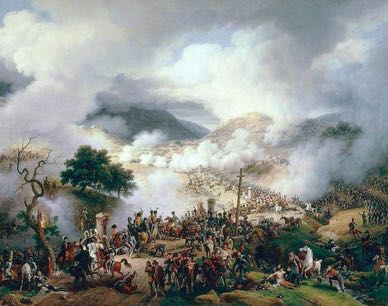
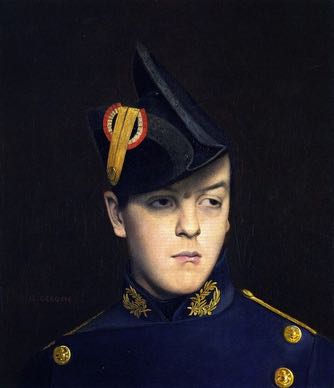
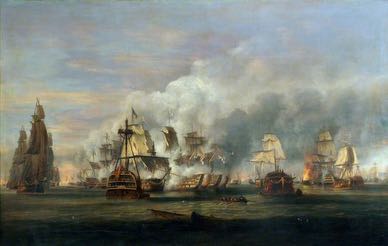
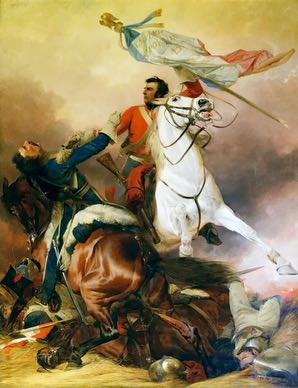
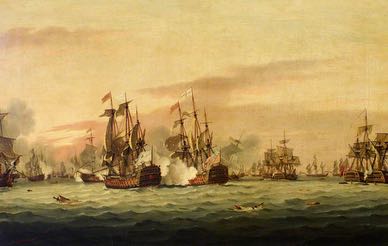
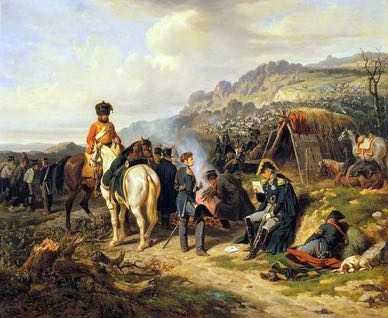
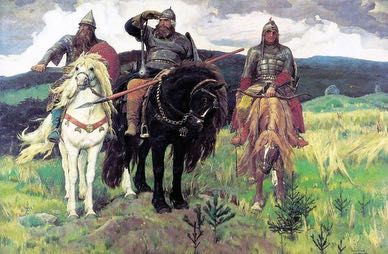
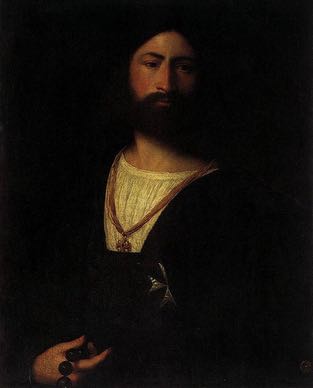
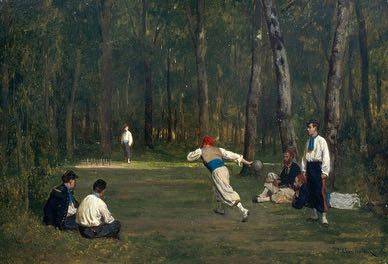
Military and war art, with its powerful depictions of battle, strategy, and sacrifice, has captured the imagination of artists and historians for centuries. This genre, characterized by its focus on the dramatic and often somber realities of conflict, offers a profound reflection on the human experience and the impact of war. From historic battlefield scenes to symbolic representations of heroism and loss, military art remains one of the most compelling and enduring genres in the artistic tradition.
The origins of military and war art can be traced back to ancient civilizations, where artists recorded scenes of battle and valor on monuments, pottery, and manuscripts. These early works served not only as historical records but also as propaganda tools, celebrating victories and immortalizing leaders. As societies evolved, so too did the representation of war in art, adapting to new media and artistic conventions.
During the Renaissance, military and war art began to take on new dimensions as artists like Leonardo da Vinci and Michelangelo explored the intricacies of military strategy and the human form. Their works provided a blend of artistic beauty and technical precision, reflecting the complexity of warfare and the heroism of soldiers. This period also saw the rise of grand historical paintings that captured pivotal moments in military history, contributing to a rich visual archive of past conflicts.
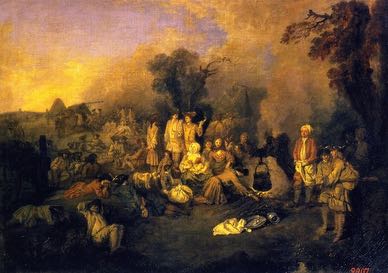
In the 17th and 18th centuries, military and war art continued to develop with the emergence of baroque and neoclassical styles. Artists such as Peter Paul Rubens and Jacques-Louis David portrayed dramatic and heroic scenes of battle, often highlighting the valor and grandeur of military leaders. These works combined dynamic compositions with elaborate detail, serving both as historical documentation and celebratory portrayals of military achievements.
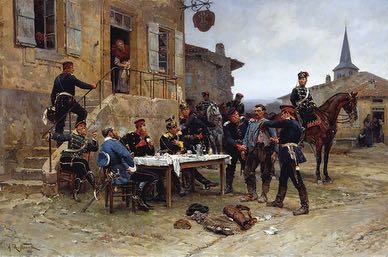
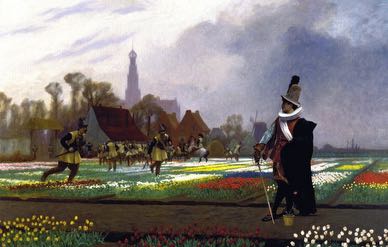
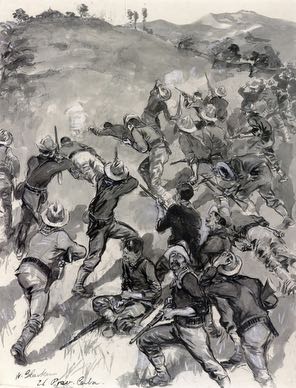
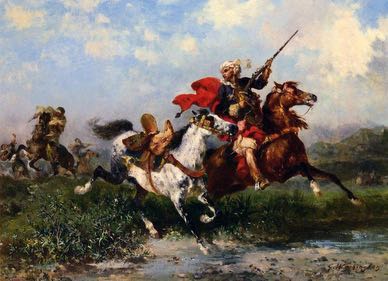
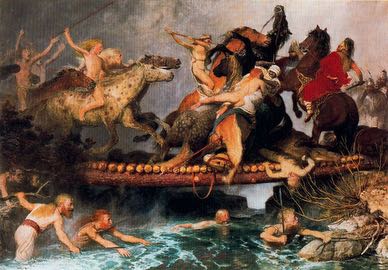
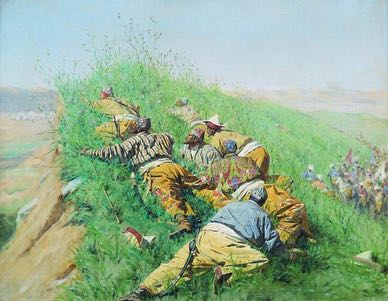
The 19th and early 20th centuries marked a significant shift in military and war art with the advent of new artistic movements and technologies. The Romantic and Realist movements brought a more emotional and unvarnished portrayal of war, moving away from idealized depictions to focus on the harsh realities faced by soldiers and civilians alike. The advent of photography and later film also transformed how war was represented, providing a more immediate and graphic depiction of conflict.
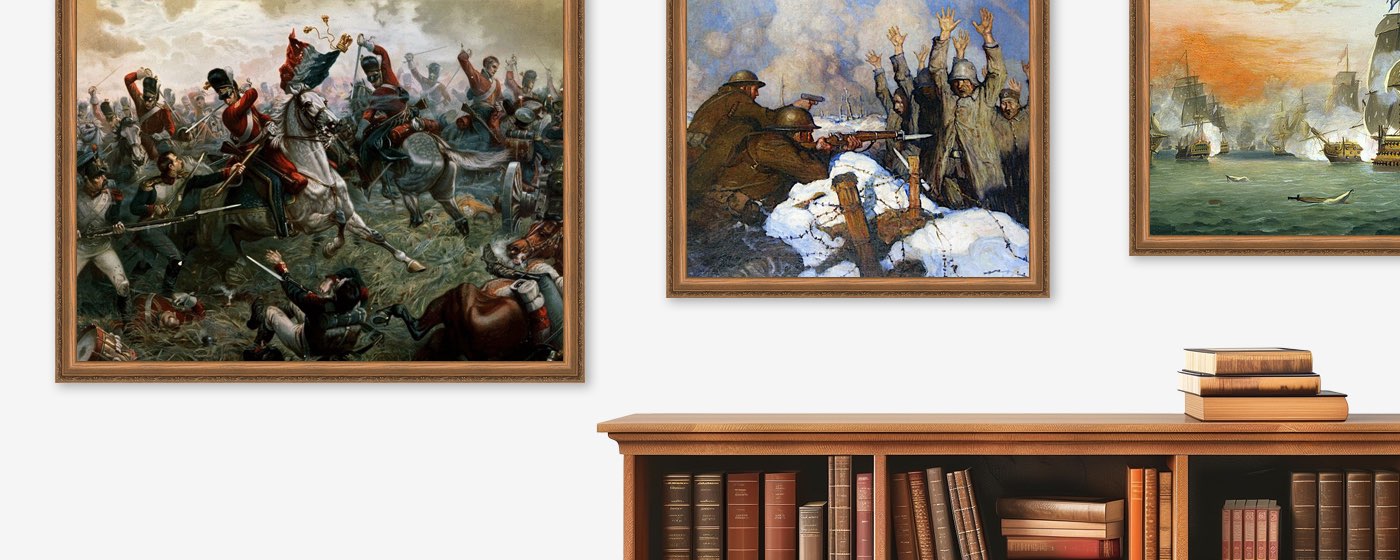
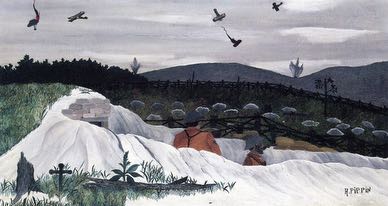
In the mid-20th century, the two World Wars catalyzed a new wave of military and war art, as artists sought to capture the scale and impact of global conflicts. From the powerful murals and poignant works of the War Artists' Advisory Committee in Britain, this era saw a diverse range of responses to the horrors and heroism of war. Artists explored new styles and techniques to convey the emotional and psychological dimensions of conflict, reflecting the complexities of a world in turmoil.
Today, military and war art continue to evolve, with contemporary artists addressing both historical and modern conflicts. Advances in digital technology and multimedia have expanded the possibilities for artistic expression, allowing for innovative approaches to depicting war. Contemporary military art often grapples with themes of trauma, memory, and reconciliation, offering a nuanced perspective on the legacy of conflict.
The enduring appeal of military and war art lies in its ability to convey the profound impact of war on individuals and societies. It serves as a powerful reminder of the sacrifices made and the resilience of the human spirit in the face of adversity. Whether through dramatic battle scenes, solemn portraits of soldiers, or reflective works on the aftermath of conflict, military art continues to engage audiences with its historical significance and emotional depth.
In the ever-changing landscape of contemporary art, military and war art remains a vital and evocative genre, challenging us to confront the realities of conflict and to honor the experiences of those who have lived through it. Its legacy endures as a testament to the complex and often painful truths of human history, celebrating the courage and endurance of those who have shaped the course of events through their actions and sacrifices.
Copyright © 2026 BrushWiz. All Rights Reserved.