

❄️ Winter Sale. Offer Ends 11/25/2026. View Details
❄️ Winter Sale. Ends 11/25/2026. View Details
❄️ Winter Sale. View Details
Artists
Subjects
Movements
Collections
Decor
Portraits
Commissions
Framing
Reviews
Gift Cards
On Sale
Gustave Caillebotte Oil Painting Reproductions
Shop museum-quality reproductions of Gustave Caillebotte’s most famous paintings, each hand-painted in oil on canvas by a professional artist.
Shop Art
Showing 1-40 of 236 results
Sort By
Most Popular
- Most Popular
- New Arrivals
- Best Sellers
- Alphabetical A-Z
- Alphabetical Z-A



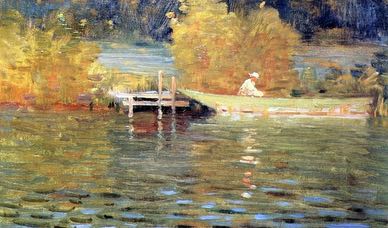

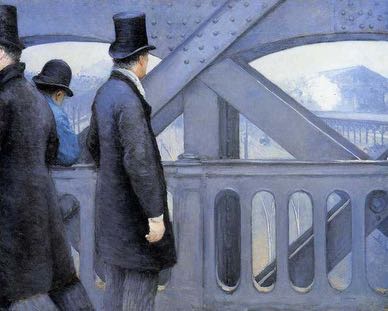
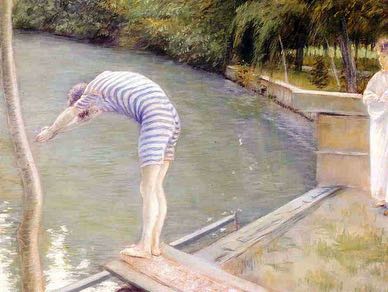
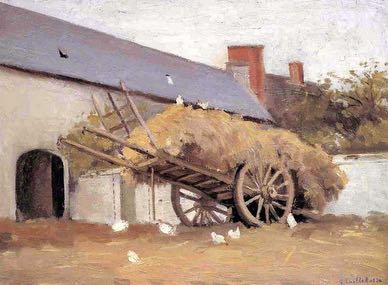
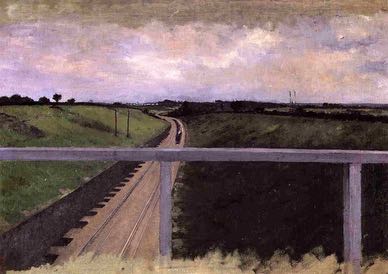

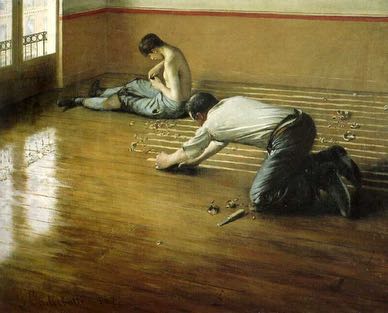
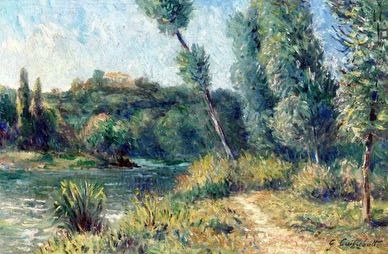
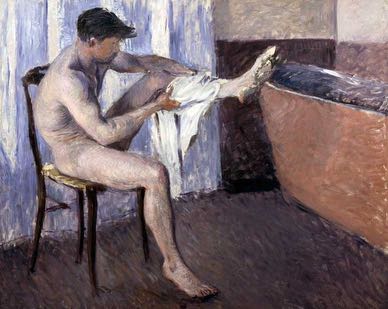
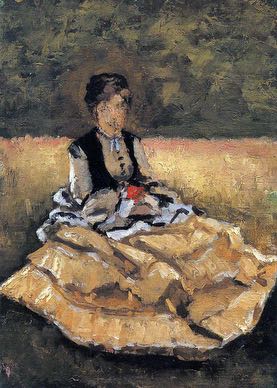
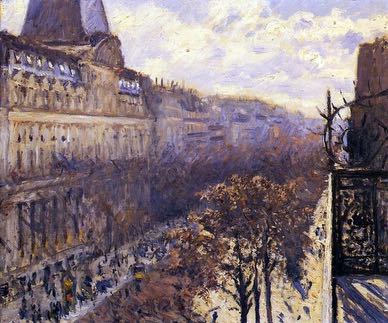
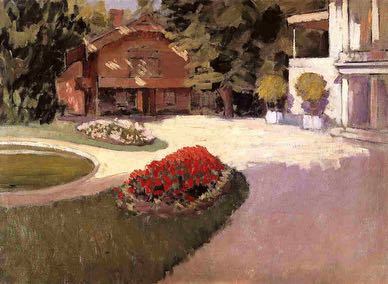
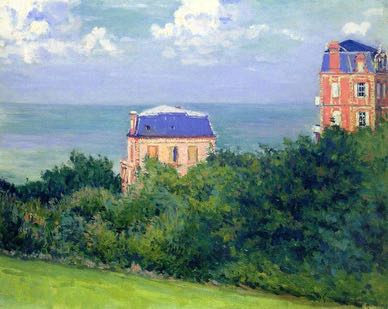
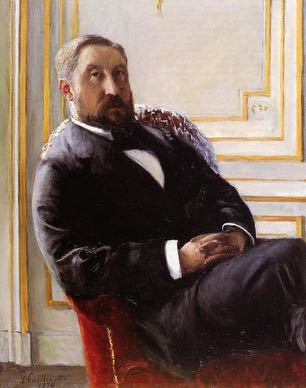
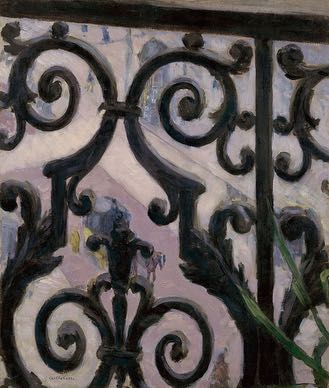
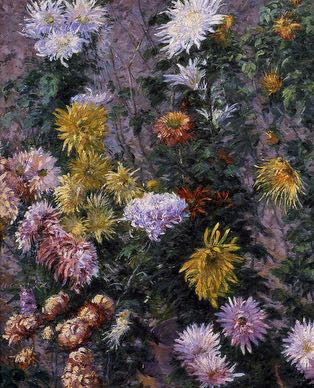
From: $600.00$300.00

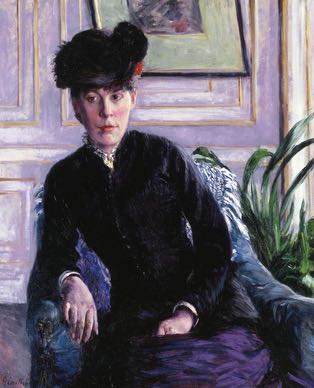


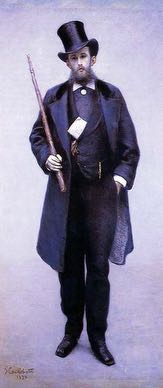
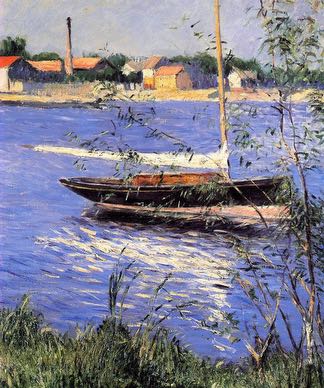
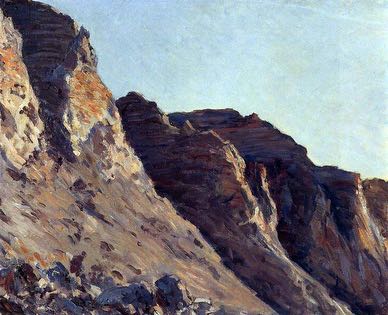
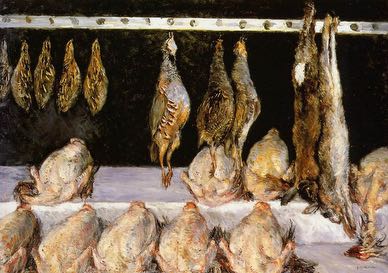
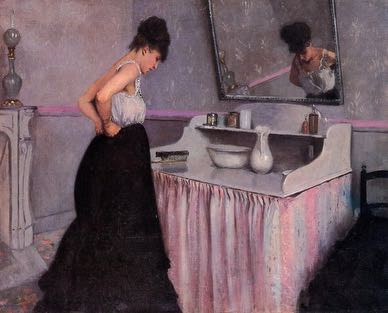
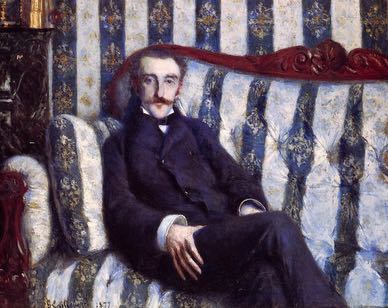
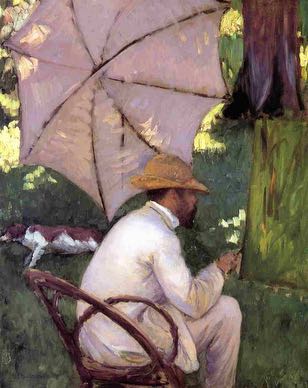
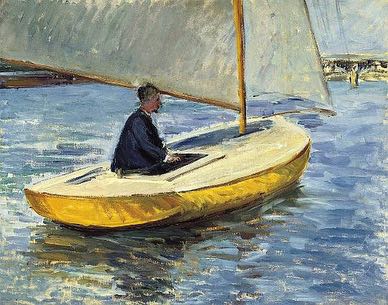
Can’t Find the Painting You Want?
Send us a reference image. We can recreate almost any artwork in the size and style you’re looking for.
Get a Free QuoteHand-Painted Gustave Caillebotte Reproductions
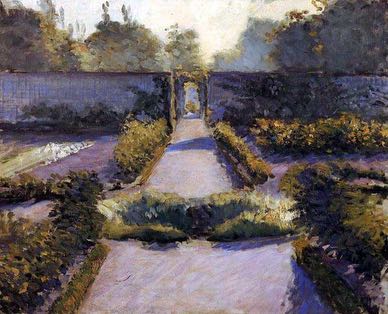
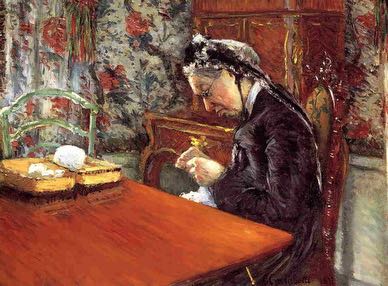
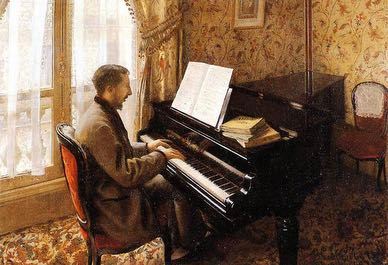
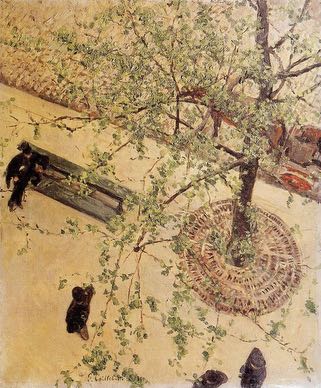
Bring Caillebotte’s art into your home with an oil-on-canvas reproduction hand-painted by a professional artist. Our collection features hundreds of paintings from across his brief yet varied career, including Paris Street in Rainy Weather, The Floor Scrapers, and The Pont de l’Europe. Discover Parisian boulevards, domestic interiors, river recreation, gardens, and other subjects closely associated with Caillebotte. Every reproduction is a real oil painting, offering depth and texture that a print or digital transfer cannot provide. From iconic masterpieces to lesser-known works, find a Caillebotte painting that suits your space.
The Making of a Gustave Caillebotte Oil Painting Replica
Creating a Gustave Caillebotte oil painting replica requires patience, precision, and an understanding of the original artwork. Our studio includes artists who specialize in Impressionist painting and understand the distinctive qualities of Caillebotte’s work. The artist studies the source image, then recreates its steep perspective, crisp architecture, and Caillebotte’s precise arrangement of figures within modern space using traditional oil-painting methods. After completion, the painting is inspected by our quality-control team and photographed for your approval. The result is a carefully executed oil painting that reflects the visual character of the original.
Custom Sizes and Frames for Your Caillebotte Painting
Your Caillebotte painting can be ordered in practically any size, from popular standard dimensions to custom canvas sizes selected directly on the product page. This flexibility lets you choose a painting that fits your wall and complements your room perfectly. After selecting the size, you can choose from high-quality frames in classic or modern designs, with professional canvas stretching also available. Our framing options complement the strong perspectives and balanced colors of Caillebotte’s paintings. With sizing, stretching, and framing arranged in one order, your artwork can arrive ready for display without a separate visit to a frame shop.
Order a Gustave Caillebotte Reproduction with Confidence
Buying hand-painted art online should feel clear and comfortable. After your Gustave Caillebotte reproduction is completed, we send high-resolution photographs for your review before shipping. You can inspect the composition, colors, perspective, and overall finish, then request adjustments if needed. The painting is dispatched only after you approve it, so you know what to expect when it arrives. Your order also includes free express worldwide shipping and is covered by our 90-day return policy. Together, these assurances help you purchase a Caillebotte oil painting with greater confidence and peace of mind.
The Life and Art of Gustave Caillebotte
Gustave Caillebotte was a French painter, collector, and organizer who played an essential part in Impressionism. Born in Paris in 1848, he brought unusual precision and daring viewpoints to scenes of broad boulevards, laborers, balconies, private interiors, gardens, boating, and suburban life. His sharply receding spaces and cropped figures made modern experience feel immediate, while his handling ranged from smooth modeling to looser outdoor brushwork. Independent wealth allowed Caillebotte to support fellow artists, finance exhibitions, and assemble an important collection that he left to France. That bequest long overshadowed his own paintings, many of which remained with his family. Their twentieth-century rediscovery established him as one of the movement’s most original observers of urban space and modern masculinity.
Read More
What Kind of Life Prepared Caillebotte for Art?
Gustave Caillebotte was born in Paris on 19 August 1848 into a wealthy upper-middle-class family. His father made a fortune in textiles and later served as a judge at the Tribunal de Commerce. The family divided its time between the capital and a country estate at Yerres, southeast of Paris.
Caillebotte first followed a conventional professional path. He earned a law degree in 1868 and obtained a license to practice, then served during the Franco-Prussian War. Painting became his serious pursuit after the conflict. He studied with the successful portraitist Léon Bonnat and passed the entrance examination for the École des Beaux-Arts in 1873, though he spent little time within its formal program.
His father’s death in 1874, followed by his mother’s in 1878, left Gustave and his brothers financially independent. This freedom shaped his career in unusual ways. He could paint without relying on sales, collect work by friends, and devote substantial time and money to the Impressionist group.
How Did He Enter the Impressionist Circle?
Through artists including Edgar Degas, Pierre-Auguste Renoir, and Giuseppe De Nittis, Caillebotte came into contact with the painters who had organized their first independent exhibition in 1874. Their willingness to bypass the official Salon offered him a place for subjects and viewpoints that conservative juries found difficult to accept.
He joined the second Impressionist exhibition in 1876 with eight paintings. From then through 1882, Caillebotte exhibited regularly with the group and became one of its practical anchors. He helped organize shows, negotiate disagreements, pay expenses, and encourage artists with sharply different temperaments to continue working together.
His paintings did not always resemble those of his colleagues. Carefully drawn figures and solid architecture could look more finished than the broken surfaces of Claude Monet or Camille Pissarro. What connected him to them was a commitment to contemporary life, independent exhibition, and direct visual experience.
Why Did The Floor Scrapers Cause a Stir?
Caillebotte submitted The Floor Scrapers to the Salon jury in 1875, but it was rejected. The large painting shows three shirtless laborers planing a wooden floor in a well-appointed Paris apartment. Their tools, curled shavings, and repeated movements receive the scale and concentration that academic art normally reserved for elevated subjects.
When The Floor Scrapers appeared at the Impressionist exhibition of 1876, its combination of working-class labor and exact construction attracted attention. The floorboards rush toward the back wall, carrying the viewer into a shallow room seen from above. Kneeling bodies repeat that perspective while remaining individually observed.
The picture is neither a sentimental tribute to labor nor a scene of social misery. Caillebotte presents work as disciplined physical activity inside a modern bourgeois home. That uneasy meeting of different social worlds gives the image much of its continuing force.
What Makes His Views of Modern Paris So Unusual?
Paris had been radically rebuilt under Baron Haussmann, and Caillebotte made its broad avenues, uniform stone façades, iron bridges, and upper-floor balconies into pictorial problems. He often looked steeply down from a window or placed the viewer at street level where pavement seems to open into a vast geometric field.
In Paris Street in Rainy Weather, umbrellas, wet cobblestones, and widely separated pedestrians occupy a newly rebuilt intersection. A lamppost divides the foreground with startling bluntness, while distant streets pull the gaze in several directions. The city appears spacious but socially detached.
His cropped figures and abrupt viewpoints are often compared with photography and Japanese prints. These comparisons help describe the visual effect, but the paintings are also carefully planned constructions. Caillebotte used perspective to make the viewer feel physically present, whether leaning over a balcony, approaching a stranger, or looking across the iron framework of the Pont de l’Europe.
How Did Caillebotte Portray Private Life and Masculinity?
Many of Caillebotte’s most searching figures are men seen away from official roles. One stands at a window with his back to the room, another plays the piano, and groups read, converse, row, or play cards. Their clothing and surroundings identify them as modern city dwellers, yet the paintings rarely explain what they are thinking.
He also painted male bathers and men washing or drying themselves, subjects seldom treated at such scale in nineteenth-century art. The body is shown through everyday action rather than heroic mythology. At the same time, unusual angles and partially hidden faces make the viewer conscious of looking into a private moment.
Women appear in domestic interiors, portraits, balconies, and gardens, but often with a similar psychological distance. Furniture, doors, wallpaper, and empty floor space become active parts of the scene. Caillebotte could turn an ordinary apartment into a setting charged with silence and uncertain relationships.
Where Did Yerres and Petit Gennevilliers Lead His Painting?
The family estate at Yerres gave Caillebotte access to gardens, woods, kitchen plots, and the river. He painted canoeists, swimmers, anglers, and family members at leisure, frequently choosing a high viewpoint or placing a boat close to the picture’s edge. Water and movement loosened his brushwork without erasing his underlying structure.
After the Yerres property was sold, he increasingly worked around Argenteuil and Petit Gennevilliers. He bought a house at Petit Gennevilliers in 1881 and eventually made it his principal home. The Seine, railway bridges, boatyards, fields, and industrial edges of the district expanded his view of suburban modernity.
Gardening became another serious pursuit. Dahlias, chrysanthemums, roses, orchids, and sunflowers appeared in still lifes and outdoor studies, sometimes enlarged until petals press against the frame. These late flower paintings are more adventurous than their quiet subject might suggest.
Was Caillebotte Also a Sailor and Designer?
Caillebotte did more than paint the boating life along the Seine. He competed in regattas, commissioned and designed racing yachts, and became active in the Cercle de la Voile de Paris. His knowledge of hulls, rigging, currents, and wind came from practical experience rather than distant observation.
Paintings of skiffs and sailboats often use plunging angles that bring the viewer close to the action. Oars cut across the composition, bodies lean with the stroke, and narrow boats slide toward the lower edge. In quieter river scenes, masts and reflections organize the surface into vertical and horizontal rhythms.
He also collected stamps with his brother Martial. Their collection became one of the most important assembled in the nineteenth century. Sailing, horticulture, and philately all reveal the same patient attention to systems, design, and exact difference that can be felt in his paintings.
What Did Caillebotte Do for Fellow Impressionists?
Caillebotte used his inheritance to purchase paintings from artists whose work still had an uncertain market. His collection eventually included major examples by Monet, Renoir, Degas, Pissarro, Paul Cézanne, Berthe Morisot, and Alfred Sisley. Buying their art provided immediate support as well as a strong vote of confidence.
Money was only one part of his contribution. He helped cover exhibition costs, lent works, managed installations, and sometimes mediated disputes over who should participate. The independent exhibitions depended on this kind of unglamorous labor, and Caillebotte supplied it with unusual persistence.
He wrote a will while still a young man leaving the collection to the French state, with conditions intended to ensure that the works would be publicly shown. After his death, officials accepted a substantial portion. Displayed at the Musée du Luxembourg in 1897, the bequest helped establish Impressionism within France’s national museums.
Which Paintings Define Caillebotte’s Varied Career?
Caillebotte moved between monumental city scenes, private interiors, river recreation, portraits, gardens, and still life. These works show how consistently he found new structures for modern experience:
- The Floor Scrapers, 1875: Three laborers and a sharply receding parquet floor turn physical work into a daring modern composition.
- A Young Man at His Window, 1876: The artist’s brother René looks over a Paris street, leaving the viewer suspended between private room and public city.
- The Pont de l’Europe, 1876: Iron girders, separated pedestrians, and plunging perspective make a railway bridge an image of modern urban experience.
- Paris Street in Rainy Weather, 1877: Monumental figures cross a wet Haussmannian intersection whose openness makes contact between people feel uncertain.
- Boaters Rowing on the Yerres, 1877: A close, elevated view captures the coordinated movement of bodies, oars, and narrow boats.
- Rooftops Under Snow, 1878: Paris roofs seen from above dissolve into a restrained pattern of chimneys, gray sky, and winter white.
- Fruit Displayed on a Stand, about 1881–1882: Tight cropping and tilted rows make an ordinary shop display unexpectedly bold.
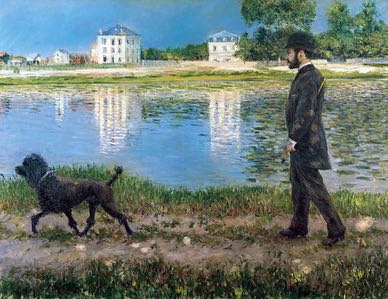
- Richard Gallo and His Dog at Petit Gennevilliers, 1884: A friend and dog walking beside the Seine connect portraiture with the open suburban landscape.
Why Was Gustave Caillebotte Rediscovered?
Caillebotte died suddenly after a stroke at Petit Gennevilliers on 21 February 1894. He was forty-five. Renoir served as executor of his will, and negotiations over the bequest drew public attention to the collection Caillebotte had assembled for France.
The gift also had an unintended effect on his reputation. Because his own paintings were rarely sold and many remained with the family, he became better known as a collector and patron than as an artist. Only two works by Caillebotte accompanied the initial gift from his heirs, while celebrated paintings by his friends entered public view.
Exhibitions and scholarship beginning in the later twentieth century restored the breadth of his achievement. His exact drawing no longer seems opposed to Impressionism; it shows how varied the movement could be. Caillebotte’s bold angles, modern subjects, and alertness to the distance between people now make him indispensable to any account of painting in nineteenth-century Paris.
Copyright © 2026 BrushWiz. All Rights Reserved.
About Our Gustave Caillebotte Paintings
Are your Gustave Caillebotte reproductions painted by hand?
Yes. Every reproduction is individually painted by hand in oil on canvas by a professional artist. We do not use prints, digital transfers, or mechanical reproduction methods.
How closely do your Caillebotte copies resemble the original?
Our artists work to capture the composition, colors, texture, and visual character of the original Caillebotte painting as closely as possible. Because every reproduction is painted by hand, small variations are natural and make each canvas unique.
How long does a Caillebotte reproduction take to complete?
Most Caillebotte reproductions require approximately two to three weeks to paint, dry, and inspect. Production time may vary depending on the artwork and canvas size, so check the estimate displayed on the product page.
Can I request a Gustave Caillebotte painting that is not listed?
Yes. If you cannot find the Gustave Caillebotte artwork you want in our catalog, send us the painting’s title or an image. Our team will review your request and confirm the available sizes, estimated production time, and price.
Will I see my completed painting before shipping?
Yes. We send high-resolution photographs of the completed painting for your approval. You can request adjustments if needed, and the painting will not be dispatched until the review process is complete.
Are custom canvas dimensions available?
Yes. We offer custom dimensions in addition to the standard sizes shown on the product page. Select the dimensions you need directly from the available size options.
May I add a frame to my Caillebotte painting?
Yes. High-quality frames in classic and modern designs are available for many paintings. You can view compatible framing options and add your preferred design from the product page. Professional canvas stretching is also available.
What determines the cost of a Gustave Caillebotte reproduction?
The price depends on the selected artwork, canvas dimensions, and framing option. Choose your preferred configuration on the product page to see the current price before ordering.
Is free express worldwide shipping included?
Yes. Caillebotte reproductions qualify for free express worldwide shipping. After dispatch, delivery usually takes five to eight business days, although timing may vary by country and destination.
Which return policy covers Caillebotte reproductions?
Orders are covered by our 90-day return policy. Review the current return-policy page before ordering for complete information about eligibility, time limits, and the return process.
Why BrushWiz?
100% Hand Painted
Every piece is entirely handmade
Museum Quality
Faithfully recreated by expert artists
Custom Framing
Choose from a wide range of frames
Free Shipping
Enjoy free shipping on all orders
Cash Back Rewards
Earn cash back with every purchase